Last Updated on November 12, 2026
The 10 Classic Boats Every Enthusiast Dreams of Owning One Day include elegant wooden runabouts, enduring sailboats, and capable fishing boats.
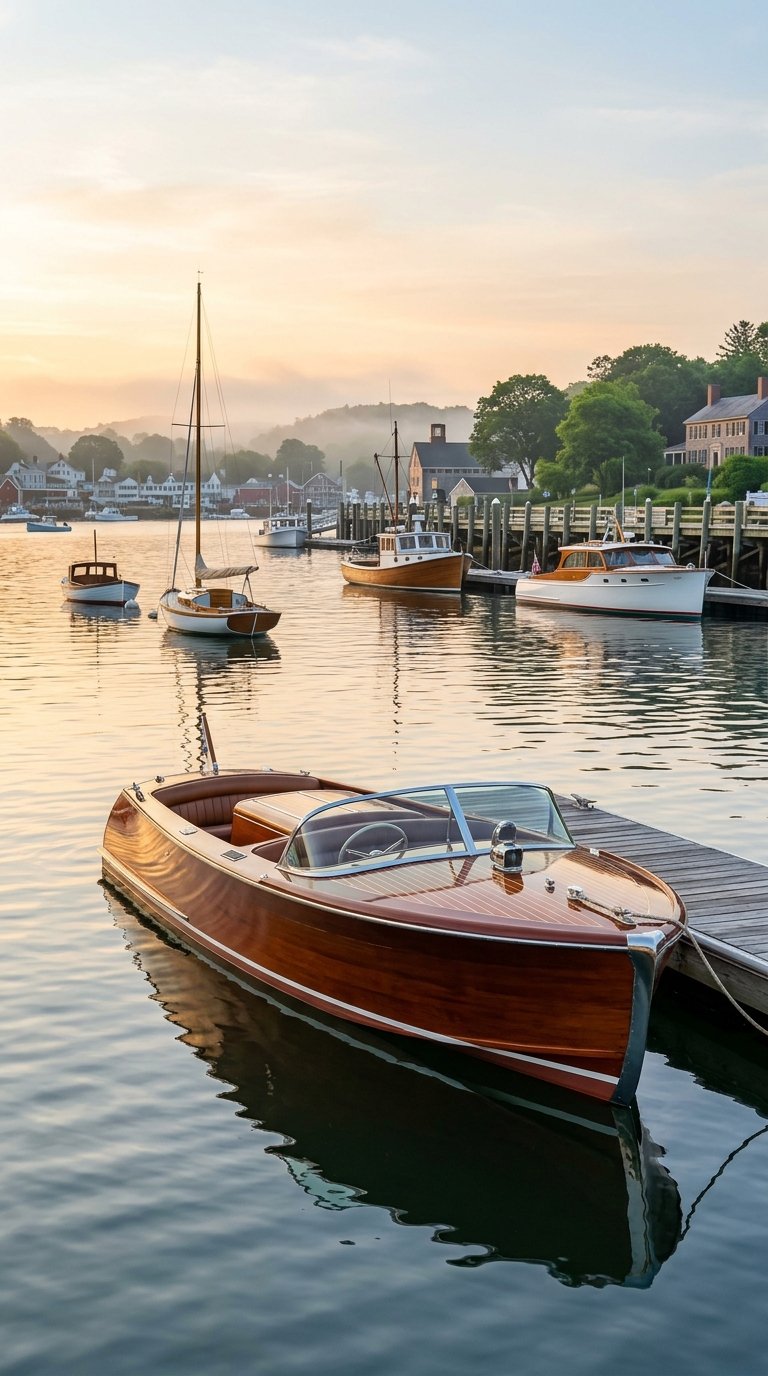
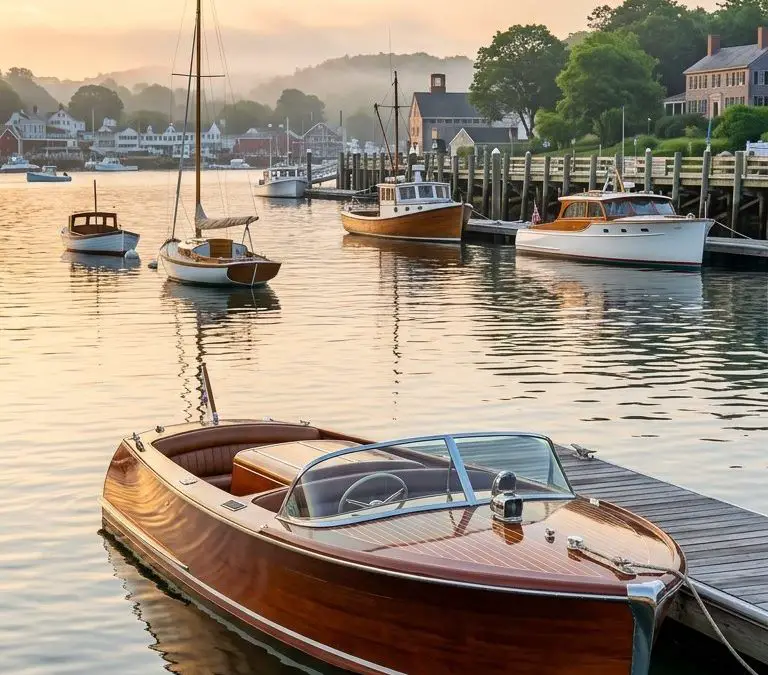
A classic boat gives you a special link to its era through its hull shape, materials, and design. When you consider one for ownership, think about how you plan to use it, where you will store it, and how much care its age and construction require.
1) Riva Aquarama
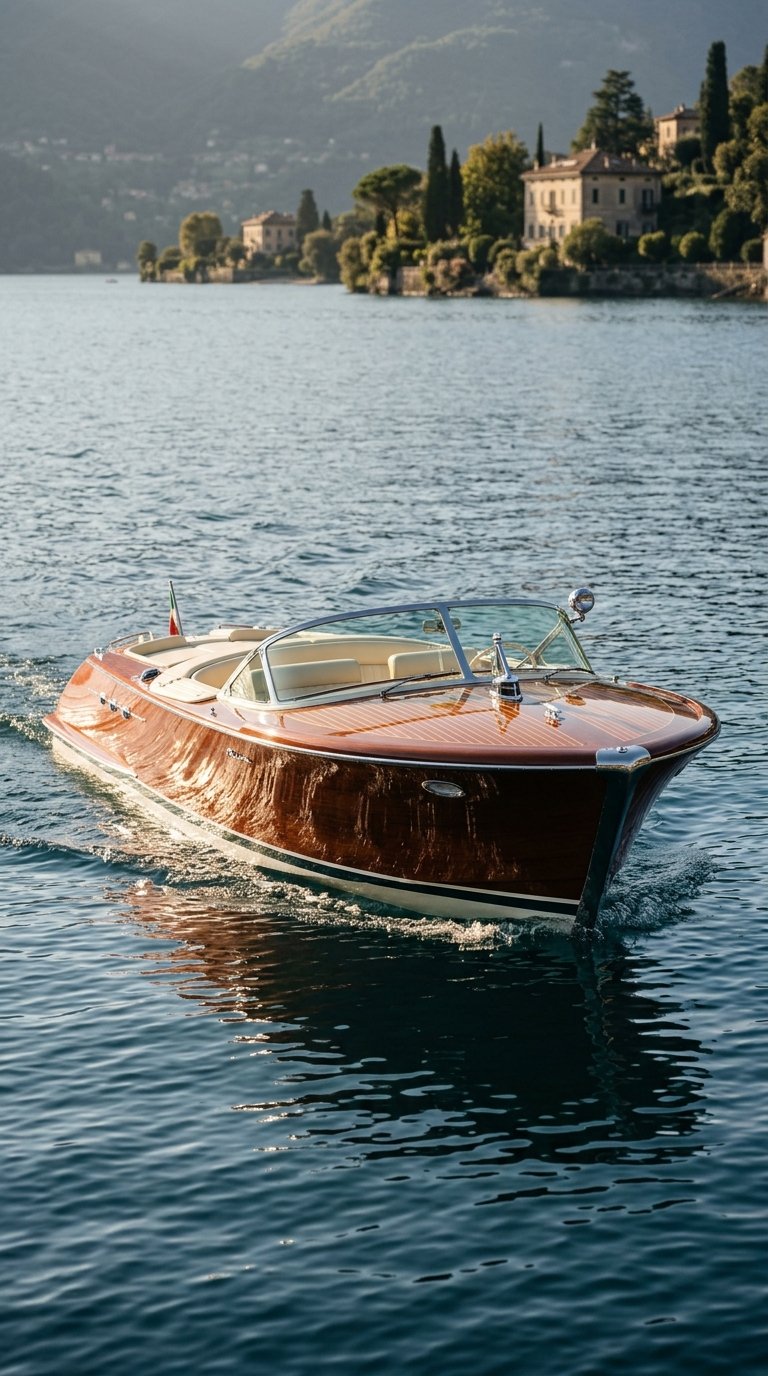
This Italian runabout pairs sculpted mahogany with sleek lines and lively twin-engine power. Built from the early 1960s, it became a symbol of luxury boating, with a long foredeck, open cockpit, and polished woodwork that rewards careful upkeep.
You get a boat suited to leisurely cruising and making a graceful arrival at the dock. Its wooden hull calls for regular checks of the finish and structure, along with a dry, well-kept place to store it. Original fittings and engines add to its historic appeal, so ask for maintenance records before you buy.
2) Endeavour J-Class Yacht
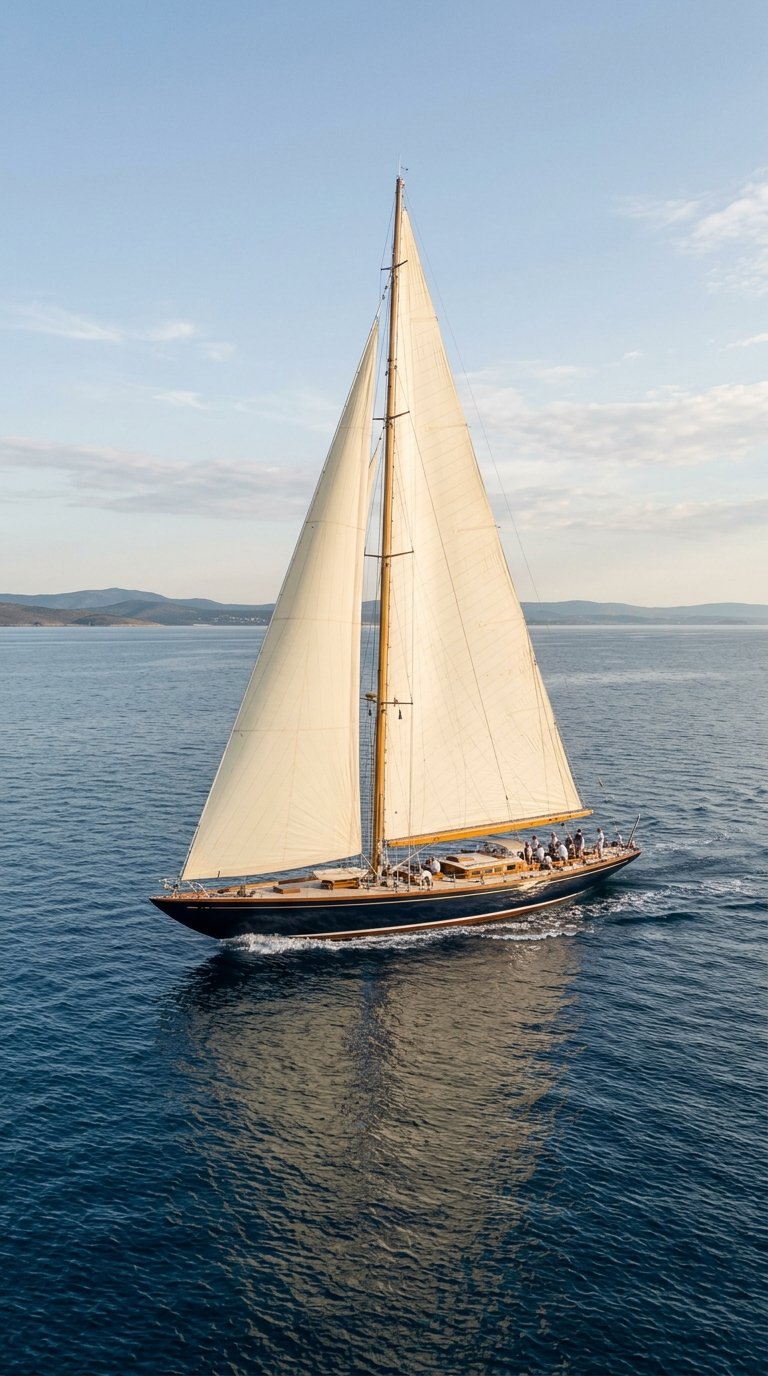
Built for the 1934 America’s Cup, this J-Class yacht brings racing history to a striking, large-scale sailing design. British naval architect Charles Nicholson drew its long hull, and its towering rig gives it the presence that makes the class famous.
You would need a skilled crew, substantial dock space, and a serious maintenance budget to keep a yacht of this scale sailing. The reward is a memorable experience under sail, with the long waterline helping it move steadily through the water. Before considering ownership, look closely at the hull, rig, and restoration history. You will also want to plan for ongoing work on sails and standing rigging.
3) Chris-Craft 19-Foot Barrel Back
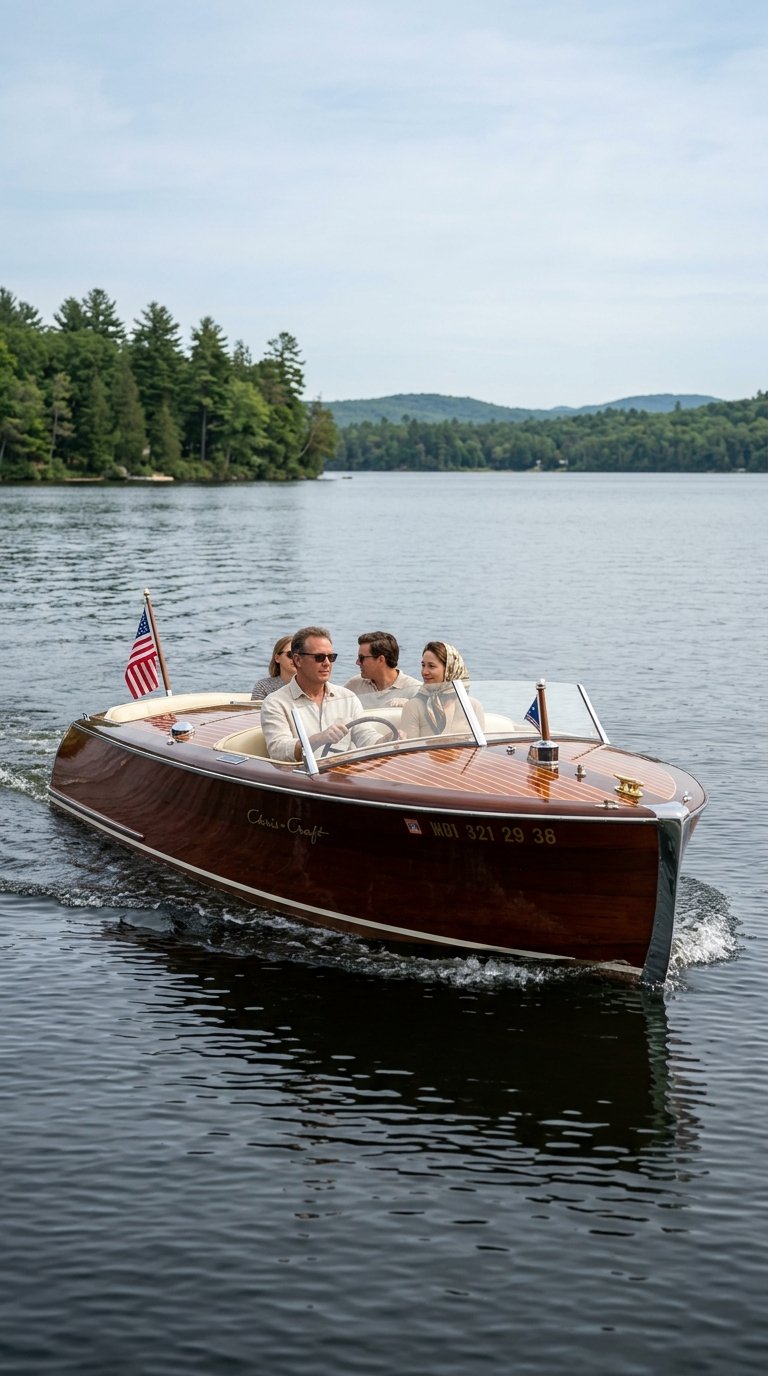
The rounded stern gives this 1930s wooden runabout its memorable name and distinctive profile. Mahogany construction, a low windscreen, and a compact open cockpit create a look that feels both elegant and ready for a day on the water.
At 19 feet, it is easier to handle and store than a large vintage cruiser, though you still need to protect its wood from water and weather. Check the planking, fasteners, and finish closely, and ask when the boat last received work below the waterline. The layout suits relaxed lake trips with a small group. Regular care helps preserve its brightwork and value.
4) Hacker-Craft Triple-Cockpit Runabout
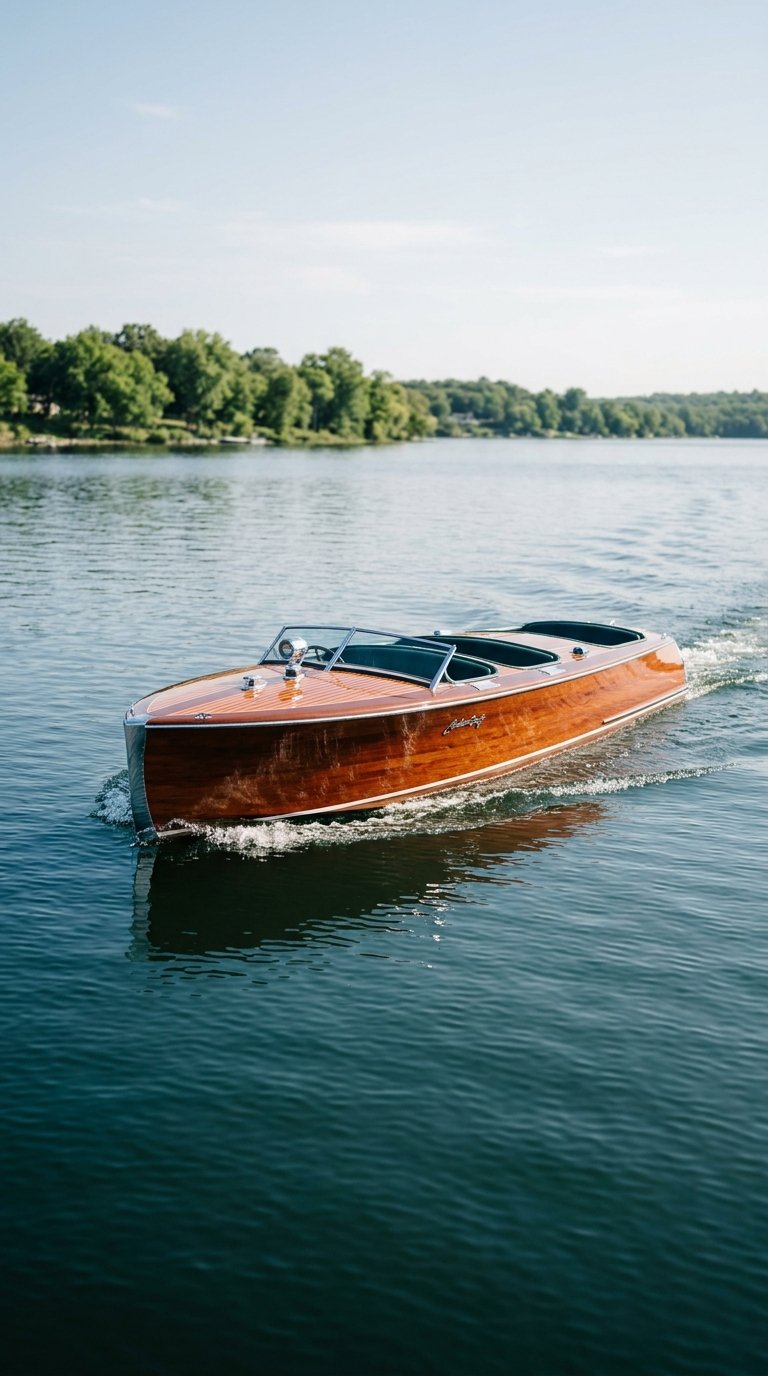
Three separate cockpits give this mahogany runabout a distinctive layout and a strong connection to early American powerboating. Its long, varnished deck and tailored seating make it a standout at a marina, while a powerful engine gives you the option of spirited cruising.
You can bring friends or family aboard and give each group its own seating area. That open arrangement also means you should check the upholstery, cockpit drains, and wood finish as part of your regular care routine. A covered slip helps protect the brightwork from sun and rain. Since boats from different years and builds can vary, inspect the engine and hull condition carefully before you commit.
5) Hinckley Bermuda 40
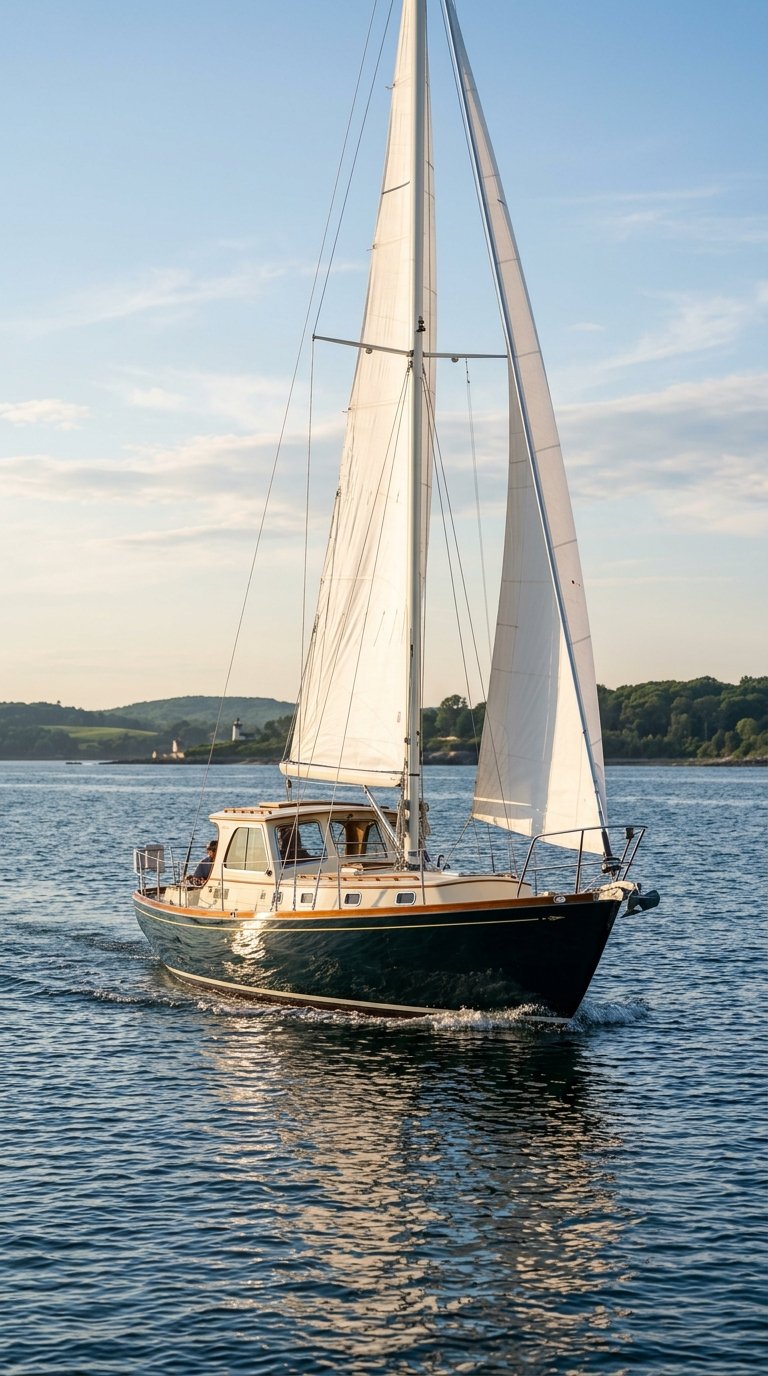
Introduced in 1959, this 40-foot fiberglass sailboat helped bring a refined look and manageable upkeep to classic cruising. Its graceful sheerline, comfortable cabin, and thoughtful sailing layout make it appealing when you want a boat for overnight trips as well as day sails.
You can choose among different versions built over its production life, so check the hull, rig, and interior details on the specific boat you are considering. The roomy cabin gives you space to rest between passages, while the sailing design suits coastal cruising. Before a purchase, review the condition of the deck and any signs of water intrusion around fittings. A careful survey helps you understand the work ahead.
6) Bertram 31
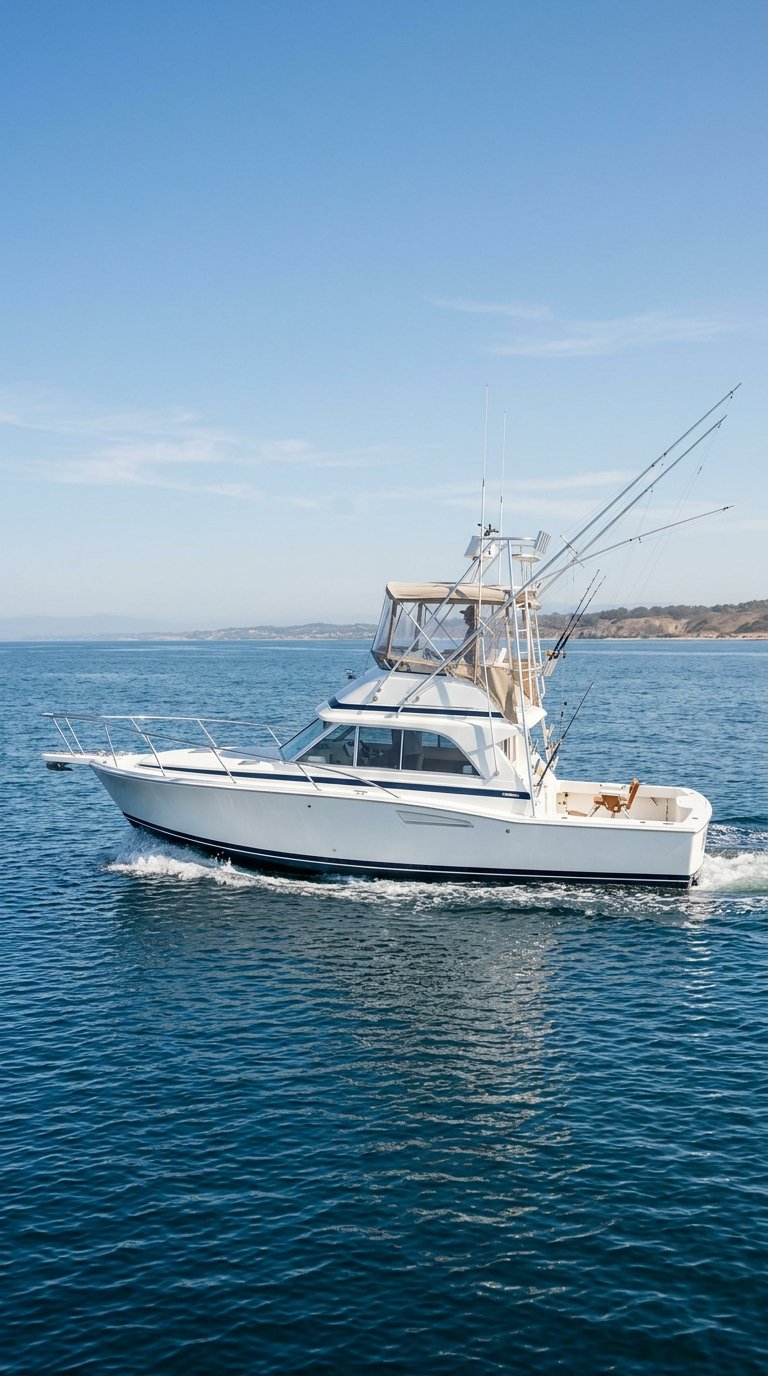
Ray Hunt’s deep-V design helped make this 31-foot sportfisher a classic choice for anglers who want confident handling offshore. Launched in the early 1960s, it pairs a broad, practical deck with twin-engine power and a hull shape built for changing sea conditions.
You can use it for fishing trips or for a fast run along the coast, with room to work around the cockpit. Engine condition and service records deserve close attention, since repowering and major mechanical repairs can shape the cost of ownership. Inspect the hull for signs of past repairs and ask about the boat’s time in saltwater.
7) Herreshoff 12½
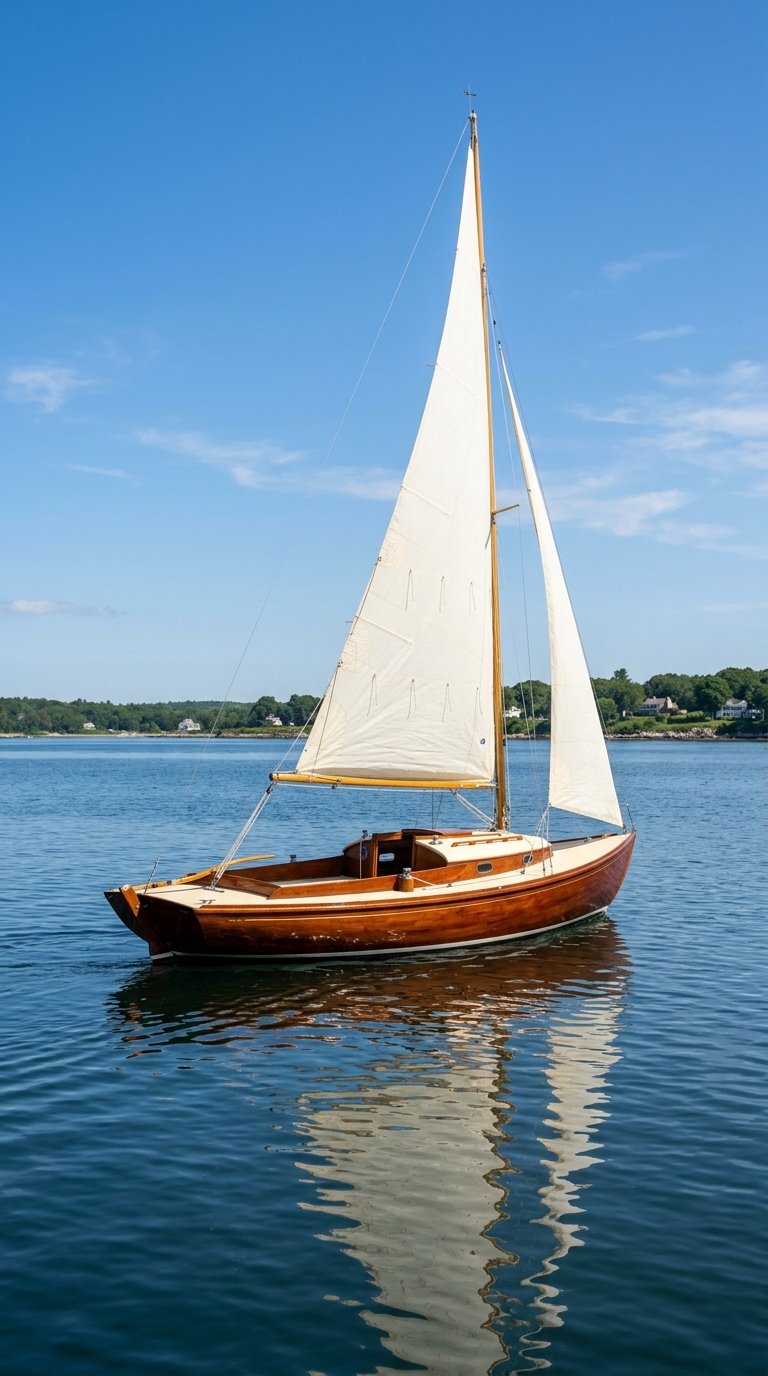
Designed by Nathanael Herreshoff in 1914, this small daysailer has a gentle pace and a welcoming sailing layout. Its name refers to its 12½-foot waterline, while the full boat measures longer. The traditional gaff rig and stable hull suit relaxed sailing close to shore.
You can enjoy it with a small crew or handle it on your own after learning the rig. Its modest size makes launching and storage more manageable than with a larger yacht, though a wooden example still needs careful inspection and routine care. Check the hull, spars, and sail condition before buying. The boat’s simple design lets you focus on wind and trim, making it a rewarding choice for building sailing skills.
8) Fairey Huntsman 28
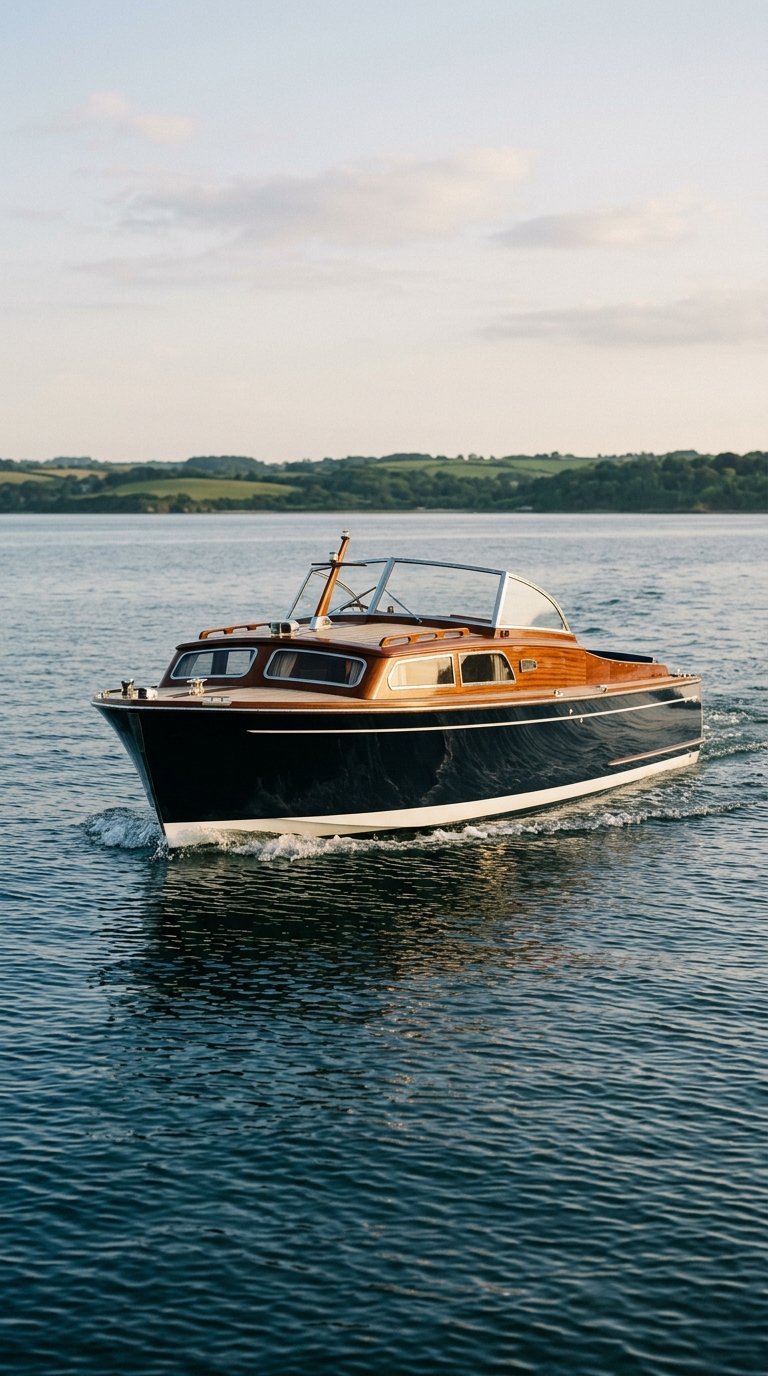
This 28-foot British powerboat is known for its sleek profile and cold-molded wooden construction. Built from the 1950s, it was designed for fast cruising and gained a following for its clean lines and purposeful handling.
You get a classic motorboat with enough length for longer outings and a striking shape that stands apart from more upright designs. The wooden hull deserves close checks for moisture, delamination, and past repairs, especially if the boat has spent time in damp storage. Ask for records on the engines and any structural work. Its twin-engine setup on many examples adds complexity to maintenance, so confirm the installation and service history.
9) Boston Whaler 13 Sport
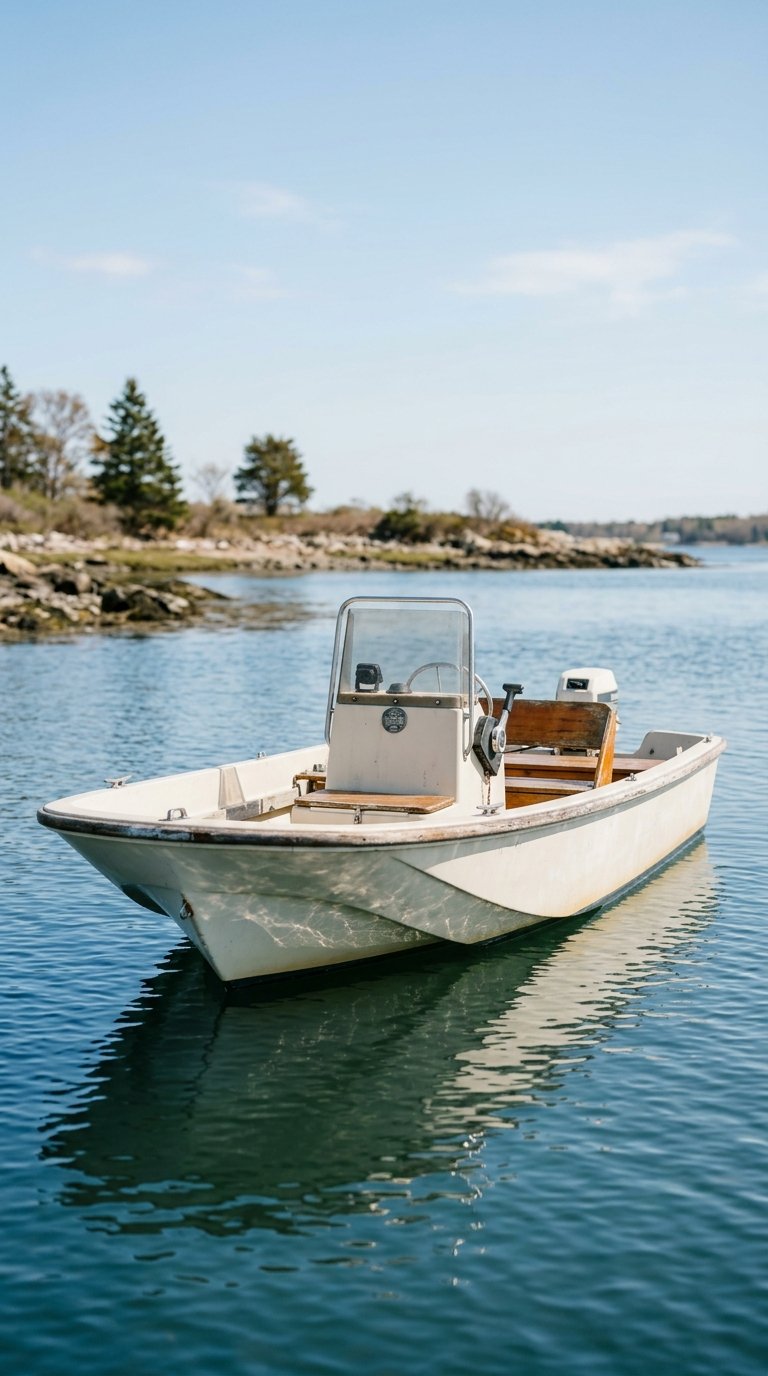
Introduced in 1958, this compact 13-foot runabout became famous for its foam-filled hull and practical utility. Its simple open layout makes it easy to launch, tow, and use for fishing or short trips close to shore.
You can pair it with a small outboard and keep the setup straightforward. The foam-filled construction is designed to provide buoyancy, though you should still inspect the hull and transom for damage or signs of poor repairs. Check the outboard’s service history and confirm that the boat’s capacity suits your plans. Its small footprint makes storage easier than with larger classics, and the open deck gives you useful room for gear.
10) Lyman 18-Foot Islander
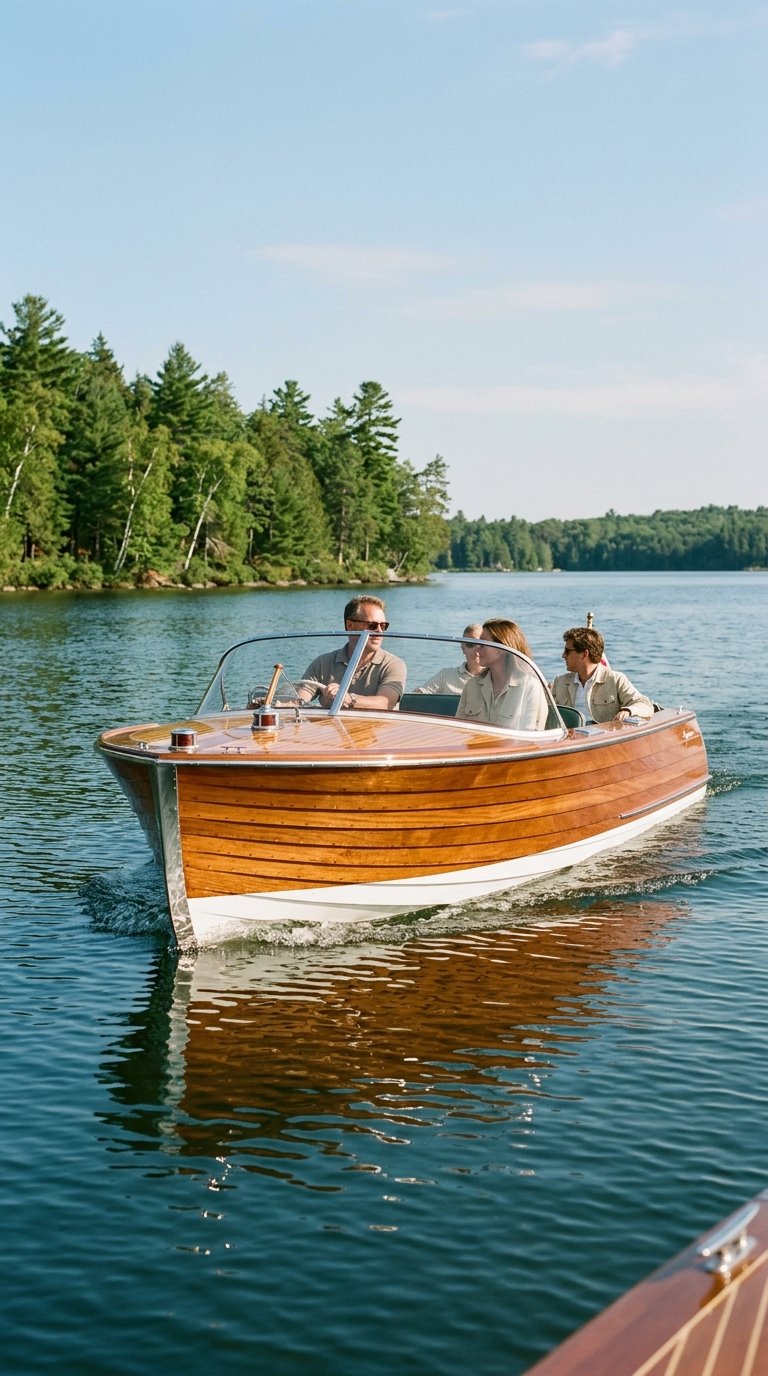
This 18-foot runabout is prized for its lapstrake wooden hull, whose overlapping planks create a familiar, ribbed profile. Built for practical family boating, it offers a broad cockpit and a comfortable ride for exploring lakes and sheltered coastal waters.
You can find different engine arrangements across examples, so confirm what is fitted and how well it has been maintained. Check the planking, seams, and transom for wear, and ask about any recent work on the hull.
A dry storage spot and regular attention to the wood help protect the boat over time. Its size gives you a useful balance between room for passengers and easier trailering than a larger cruiser. If you enjoy hands-on care and classic Great Lakes styling, it makes an appealing addition to your wish list.