

Last Updated on November 13, 2026
These 13 boat pictures show you why learning to sail can be exciting, from a quiet lake outing to a high-speed race.

You can start with a beginner sailing lesson, where an instructor shows you how to steer, trim a sail, and read the wind. A small boat and a sheltered stretch of water give you room to practice each skill at a comfortable pace.
As you learn, you’ll see how different boats turn the same basic ideas into very different experiences. A calm breeze, a crowded starting line, or a coastline on the horizon can each make you curious to take the helm.
1) Tall Ships Leading the Parade of Sail Into Norfolk

A parade of tall ships shows you sailing at its most grand and communal. Their high masts and broad canvas make the harbor feel like a moving maritime festival, with each vessel advancing under wind power.
As you watch, notice how the sails sit at different angles to catch the breeze. The crews work together to steer and manage the rigging, while the boats hold a steady course through the water.
Norfolk’s harbor setting adds a local connection to the region’s seafaring history. For you, the scene offers a reminder that sailing can be a shared experience, whether you’re aboard a historic vessel or cheering from shore. A first lesson gives you a small taste of that teamwork.
2) An AC75 Foiling Across the Water
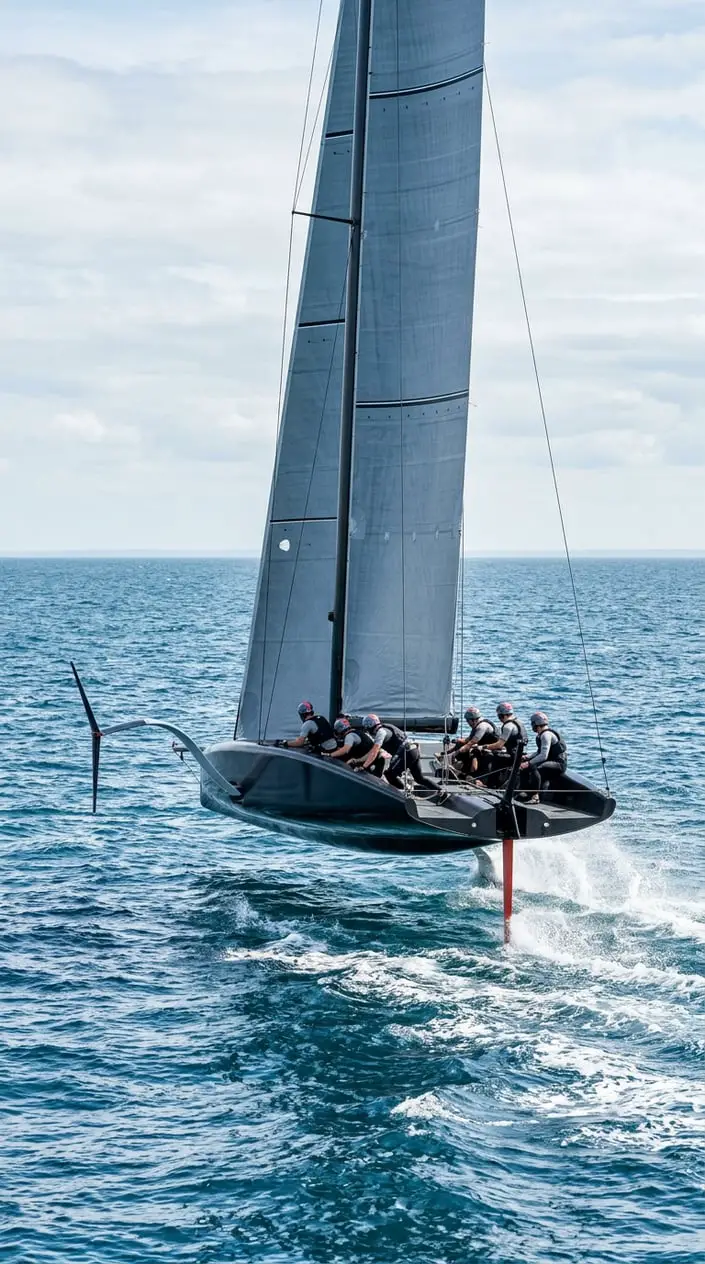
An AC75 shows you how sailboats can combine wind power with cutting-edge speed. Its hydrofoils lift the hull above the surface, reducing drag as the boat accelerates.
That rise out of the water makes the scene feel almost airborne. You can see why the crew needs sharp timing and close teamwork: small adjustments to the sails and steering affect balance and direction at speed.
This style of racing belongs to advanced sailing, yet it can spark a beginner’s curiosity about how wind, water, and boat design work together. When you start learning, you’ll build those ideas from the basics, practicing points of sail and steering before taking on faster conditions.
3) A Hobie 16 Catamaran Skimming Over Turquoise Water
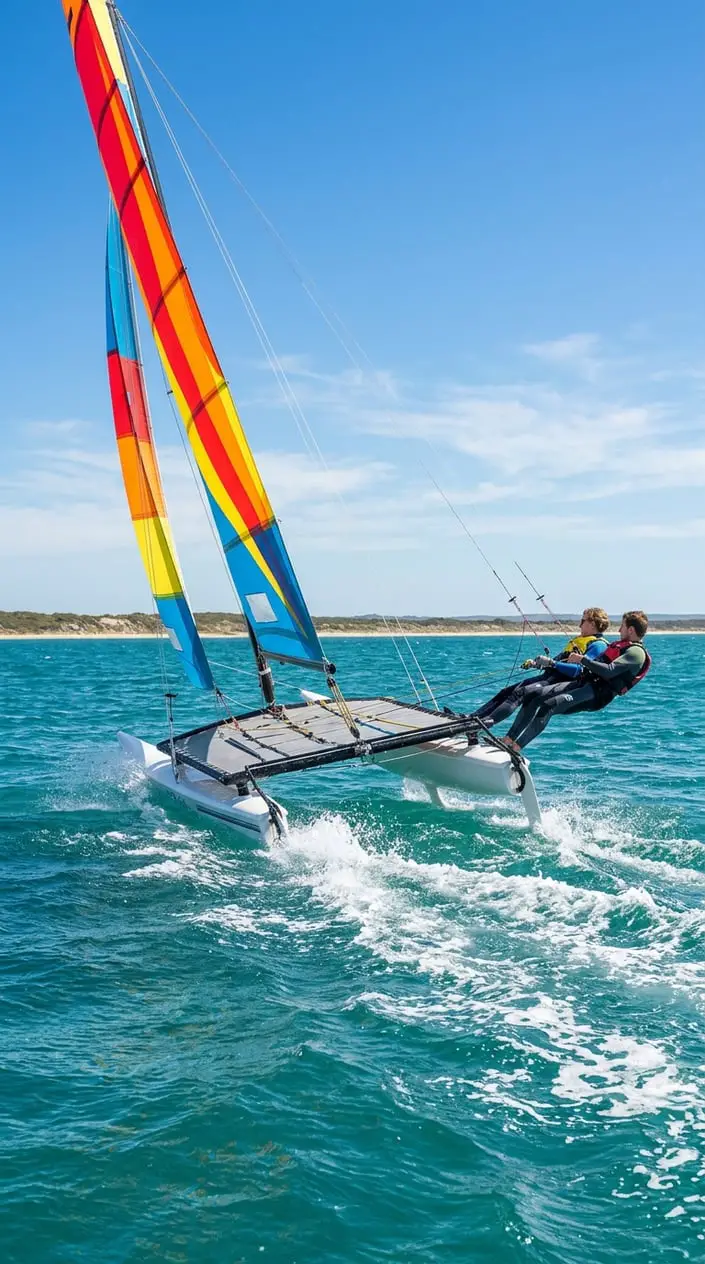
A catamaran skimming across turquoise water gives you a lively picture of sailing with a friend. Its two narrow hulls sit far apart, creating a wide platform that seems to skim over the surface.
With two people aboard, you can share the work of steering and adjusting the sails. The boat responds quickly to changes in wind, so you’ll feel the connection between your hands, the sail, and the water.
Warm, clear water adds to the sense of freedom, though a life jacket and good instruction remain essential. If this quick-moving style appeals to you, look for a beginner lesson in a sheltered area. You can learn basic balance and sail control before heading into stronger breezes.
4) The UFO 34 Unicorn Sailing at Twilight

A twilight sail gives you a slower, quieter way to experience the water. As the light fades, a sailboat’s outline stands against the evening sky, and the calm surface makes every small ripple easy to see.
You can imagine easing along under a steady breeze, listening to water move beside the hull. Evening sailing also encourages you to pay attention: you need to keep watch, follow your course, and stay aware of other boats.
A familiar shoreline and experienced skipper make a first outing easier to enjoy. Choose a lesson that fits the light and local conditions, then bring a warm layer for the ride back to shore. The changing colors make a peaceful backdrop for learning.
5) A J/24 Fleet Racing in a Tight Pack
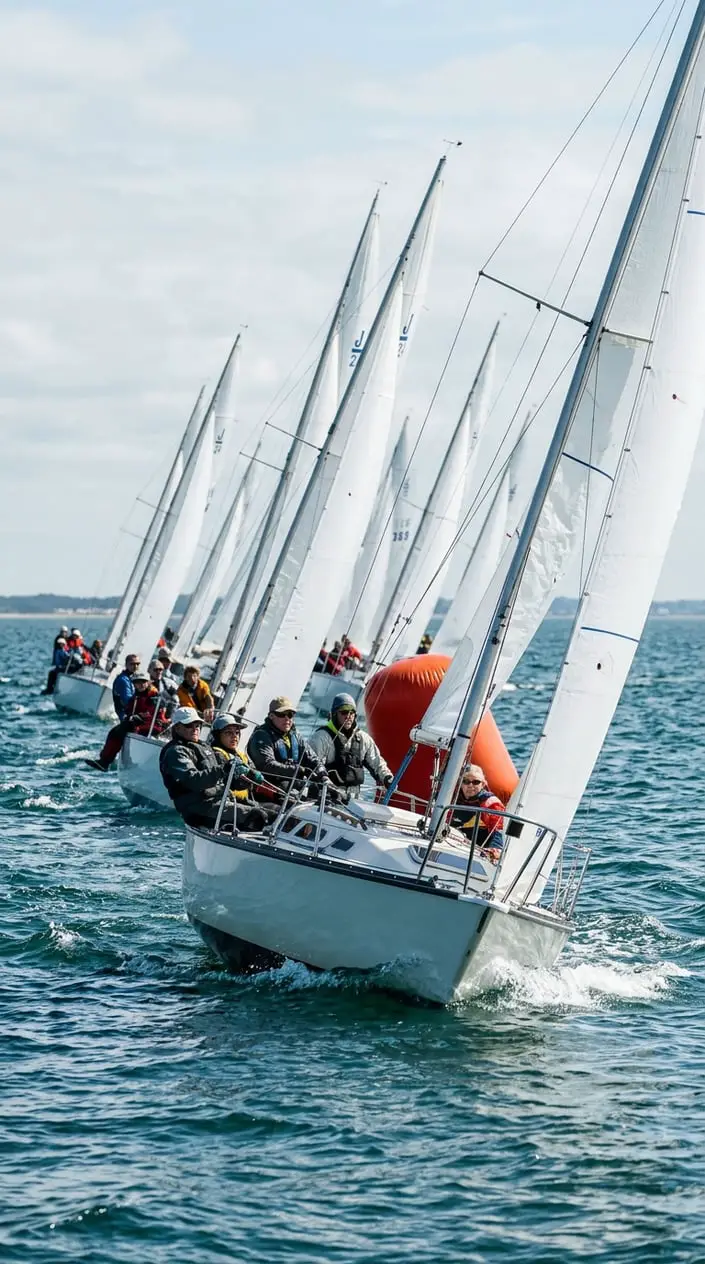
A close-packed fleet shows you the focus and quick decisions that make sailboat racing exciting. Each crew works to find clean wind and hold a useful position as the boats approach the next mark.
From shore, you can follow the movement of the sails and see how small course changes shape the race. Aboard, you’d learn to communicate clearly, watch nearby boats, and trim the sails as the wind shifts.
Racing adds rules and tactics to basic boat handling, so you’ll want solid sailing fundamentals first. A local club or sailing school can introduce you to crew roles and beginner-friendly races. Watching a fleet is a fun first step, and it helps you spot the teamwork behind each maneuver.
6) A Sunfish Sailboat Gliding Across a Quiet Lake

A small dinghy on a quiet lake makes learning to sail feel approachable. With one person aboard, you can focus on the tiller, the sail, and the direction of the breeze without a busy harbor in view.
A sheltered lake gives you space to practice turning and trimming the sail at an easy pace. You’ll feel the boat respond when you shift your weight or adjust the sheet, which makes basic sailing lessons memorable.
Wear a properly fitted life jacket, and choose an instructor who can match the lesson to your comfort level. This kind of outing gives you a clear view of the essentials: steer toward your chosen point, watch the sail’s shape, and keep checking the wind.
7) A Bavaria 40 Cruising Under Full Sail
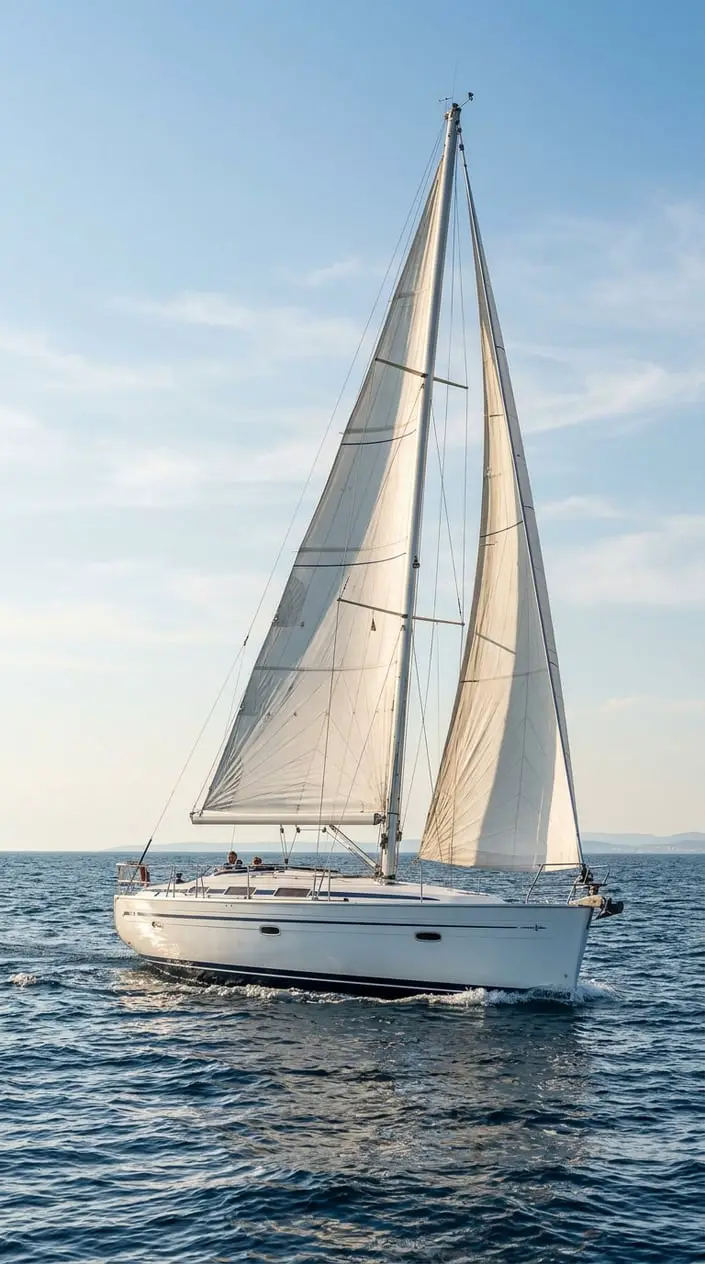
A cruising yacht under full sail shows you the pleasure of traveling at a relaxed pace. Its larger hull and raised sails create a steady presence on open water, with room for a crew to share the work.
You can picture settling into a longer passage, watching the shoreline recede as the boat follows a planned route. Cruising introduces you to navigation, weather awareness, and life aboard, alongside the basics of steering and sail trim.
A first-time sailor can join a supervised day sail to get a feel for the motion and crew routines. Ask what to bring and how long you’ll be out, then dress for changing conditions. The open horizon offers a different kind of reward from a short lesson close to shore.
8) Pride of Baltimore II Under Her Fore-and-Aft Sails
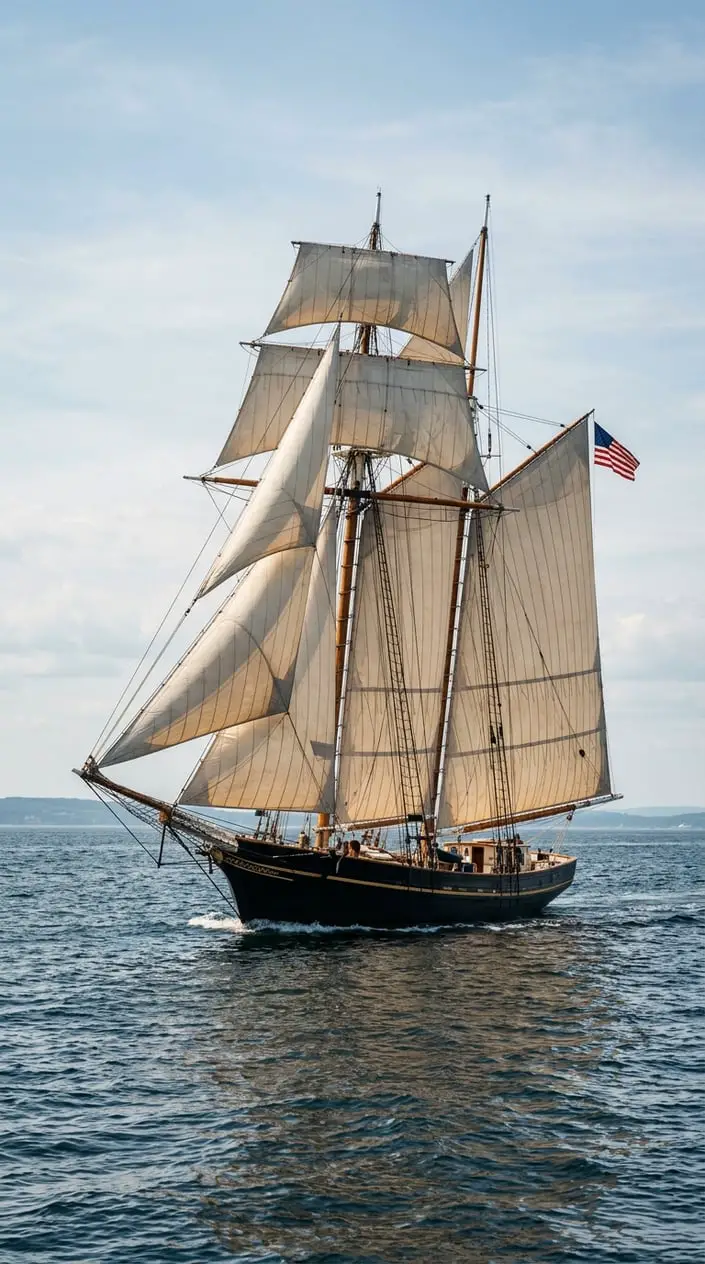
A historic topsail schooner under sail connects you with the craft and tradition of working vessels. Its fore-and-aft sails give the ship a distinctive profile, while the tall rig carries canvas high above the deck.
You can see how much coordination it takes to manage a large sailing vessel. Crew members handle lines and sails in a planned sequence, while the person at the helm keeps the ship on course.
A deck tour or public sail offers a chance to watch those roles up close. For your own first lesson, the scale will be smaller, though the core ideas remain familiar: wind fills the sails, the helm guides the boat, and the crew communicates. The ship’s Baltimore name also gives the scene a strong Chesapeake connection.
9) An ILCA Dinghy Tacking Through Chesapeake Bay
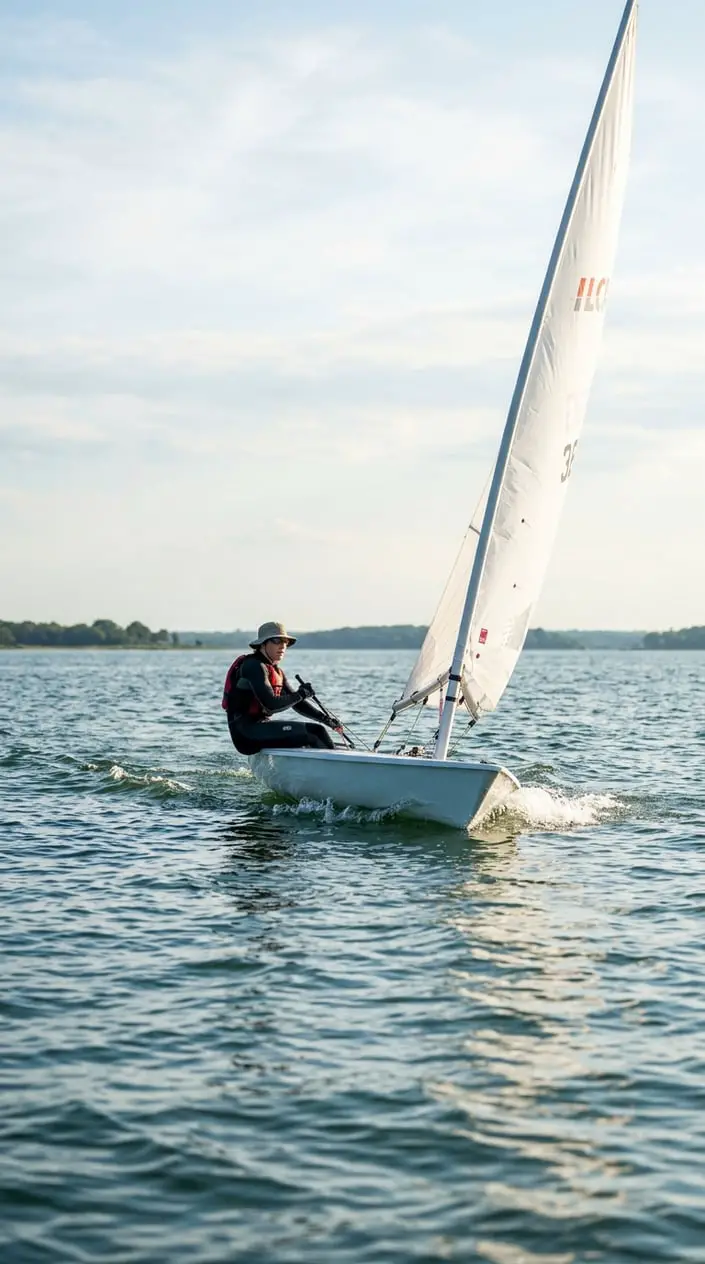
A dinghy tacking across Chesapeake Bay shows you how a sailor changes direction while moving upwind. The boat turns its bow through the wind, and the sail shifts to the opposite side.
That maneuver is a basic skill you’ll practice in a lesson. You learn to steer through the turn, move across the boat, and bring the sail in on its new side.
Small boats make the result of each action easy to feel, so you can connect your decisions with the boat’s movement. Chesapeake Bay adds a broad stretch of water and a sense of local sailing life. Start with an instructor in manageable conditions, then repeat the maneuver until the steps feel familiar.
10) A Swan 48 Sailing Into a Golden-Hour Sunset
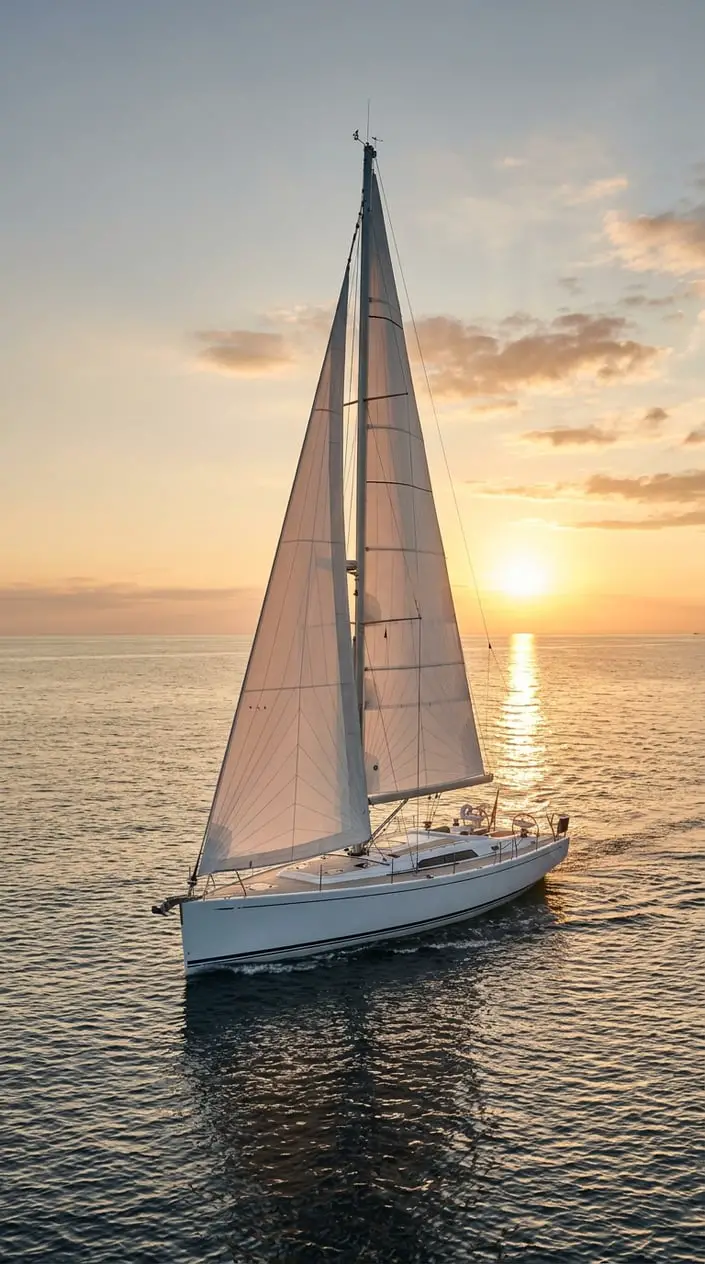
A yacht sailing toward the setting sun gives you a peaceful view of time on the water. Warm light spreads across the surface, while the raised sails carry the boat along at an unhurried pace.
You can imagine the quiet routine of a sunset sail: checking the wind, settling into a comfortable position, and watching the horizon change color. A larger yacht offers space for a crew to share tasks, and an experienced skipper handles route choices and safety.
If you join an evening outing, bring a light jacket and follow the crew’s guidance on deck. You’ll get a gentle introduction to how sail trim and steering keep a boat moving, with the glow of the sky adding a memorable finish to your first trip.
11) A Beneteau First 27 on the Race to Alaska Route

A small sailboat near forested islands captures the adventurous side of coastal sailing. The route’s mix of open water and island passages invites you to think about navigation, changing weather, and careful preparation.
The Race to Alaska is known for a demanding journey from Washington toward Alaska, with a stop in British Columbia. A boat traveling along that kind of coast needs a capable crew and a clear plan.
You can take inspiration from the setting while beginning on a shorter, supervised sail closer to shore. Learn how charts help you follow a route and how local forecasts guide your choices. Even a day trip lets you practice reading landmarks and keeping watch as the coastline shifts around you.
12) A Sailboat Framed by Phuket’s Limestone Islands

A sailboat moving between Phuket’s limestone islands shows you how sailing can bring you close to dramatic coastal scenery. Turquoise water and steep rock formations make the route feel sheltered and full of discovery.
As you move through island waters, the view changes with every turn. You can watch the sails draw in the breeze while the skipper guides the boat through the local route.
A crewed charter gives you a chance to enjoy the surroundings and ask questions about steering, sail trim, and navigation. For a first outing, follow the captain’s safety briefing and stay aware of movement on deck. The combination of clear water and towering cliffs makes this setting memorable without taking attention away from the work of sailing.
13) A Catalina 30 Cruising the Potomac Near Alexandria

A sailboat cruising near Alexandria gives you a welcoming picture of sailing close to home. The Potomac’s broad waterway pairs a city shoreline with room to follow the breeze.
You can spot the contrast between a working river and a quiet sail: buildings and docks sit along the shore as the boat moves under canvas. A local day sail gives you a chance to learn the basics while staying close to familiar landmarks.
Ask a sailing school about beginner lessons in the area, including what clothing and footwear to bring. Once aboard, pay attention to how the skipper checks wind direction and steers clear of traffic. The river setting makes a first sailing experience feel connected to the region’s history and everyday life.