Last Updated on November 13, 2026
You save time on the water by preparing your boat, gear, route, and backup plan before you launch. These 14 fishing boat tips that will save you time on the water help you spend less of your trip searching, sorting, and troubleshooting.
A few minutes of preparation at home can prevent delays at the ramp and keep your first fishing hour focused on the bite. Build simple routines you can repeat for each trip.
1) Use a Pre-Launch Checklist at Home
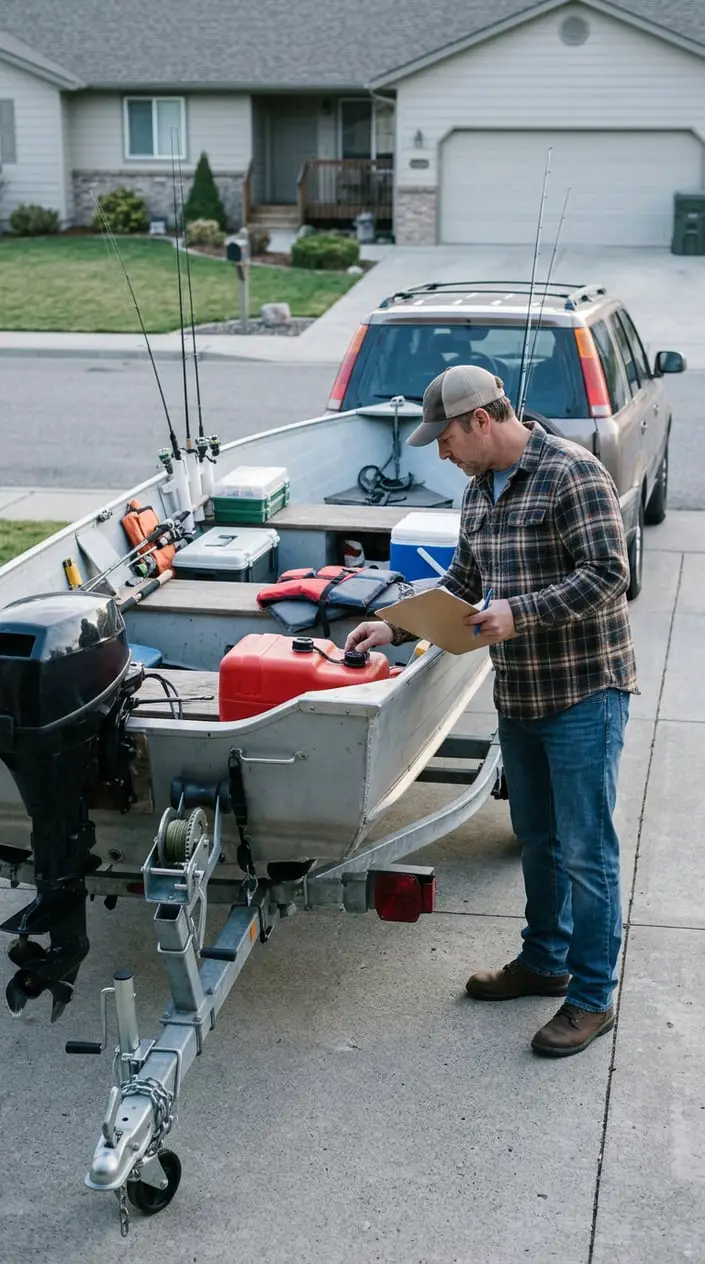
A checklist at home catches small problems before they slow you down at the ramp. Keep a reusable list in your phone or boat bag, and review it before you leave.
Include the boat registration, fishing licenses, life jackets, throwable flotation device, first-aid kit, and required safety gear. Check that the drain plug is aboard, the trailer lights work, and the tires look properly inflated.
Confirm you have keys, wallet, phone, and any permits for the water you plan to fish. Mark off each item as you load it.
If you fish different waters, add a short note for each trip, such as a required launch permit or special tackle. A consistent list makes packing faster and lowers the chance of a forgotten essential.
2) Stage Your Boat and Gear Before Reaching the Ramp
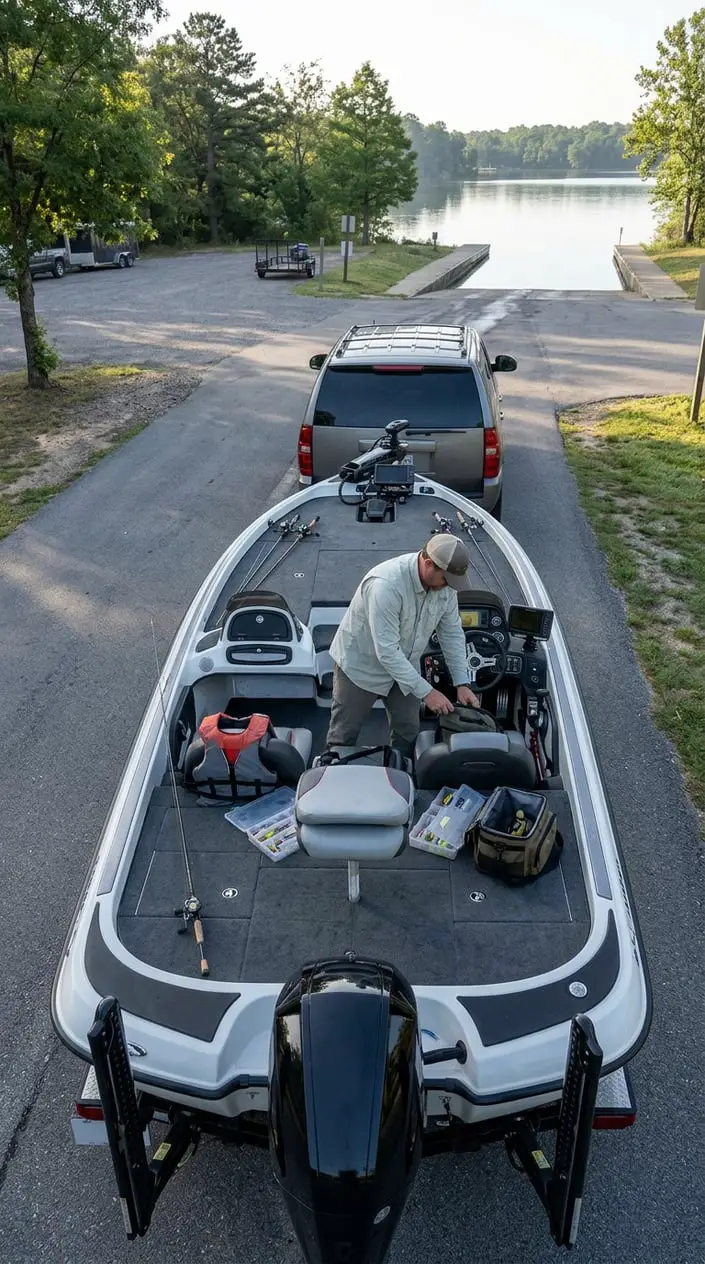
Load and organize your boat in a staging area before you join the launch line. Put tackle, rods, coolers, and other loose gear in their assigned spots, then secure anything that could shift during the drive.
At the ramp, move into the designated staging area to remove tie-downs, attach dock lines, and prepare the boat for launching. Keep your vehicle and trailer out of the launch lane while you do these tasks.
A clear routine makes the launch smoother for you and the other boaters waiting behind you. Before backing down, check that the drain plug is installed and the transom straps are off.
Keep your tow vehicle keys somewhere secure and easy to reach after launch.
3) Pre-Tie Leaders for Your Target Species
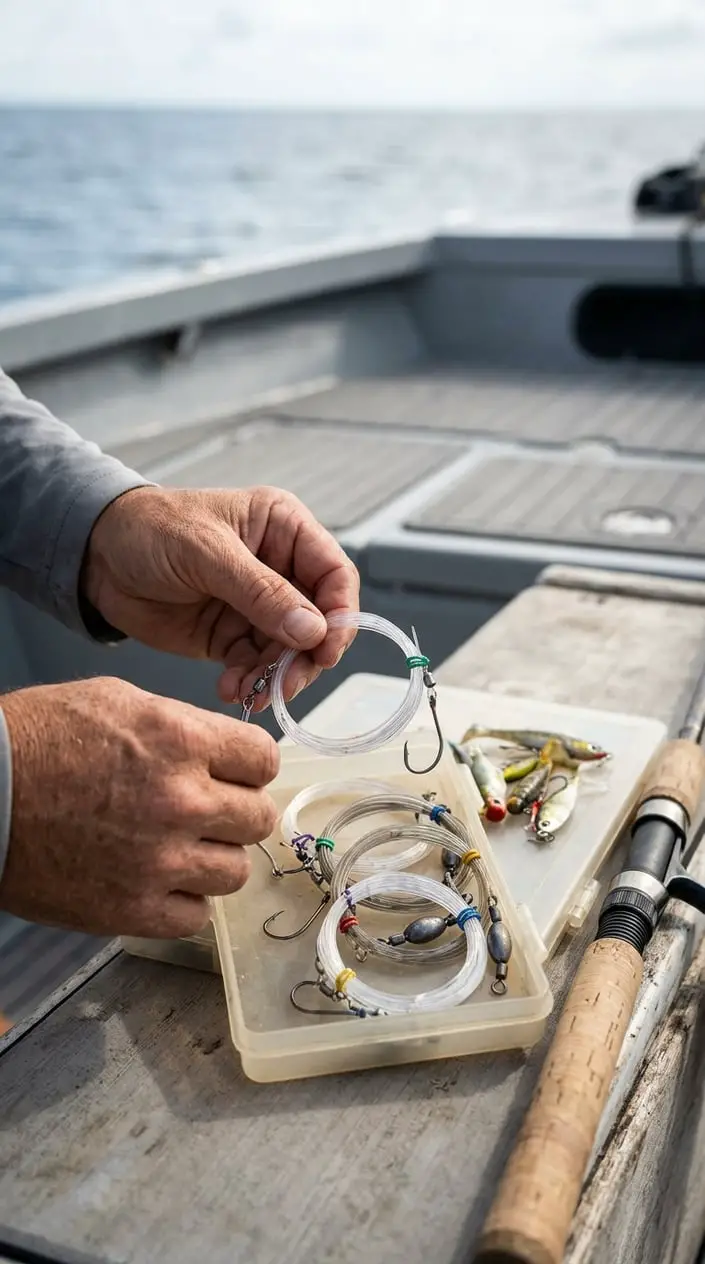
Pre-tied leaders let you replace a damaged or mismatched rig in seconds. At home, tie several leaders suited to the species and conditions you expect, then store them on a leader wallet or foam spool.
Label each group with the leader material, test strength, and hook or lure setup. For example, keep separate options for clear water, toothy fish, and heavier cover.
Match your line and leader to local regulations and the fish you are pursuing. On the boat, keep only a few ready-to-use choices close at hand.
When a leader gets frayed or a lure needs a different presentation, clip it off and attach a prepared rig. Retie fresh leaders after a hard fight or contact with rocks, docks, or shell beds.
4) Sort Tackle Trays by Species and Technique
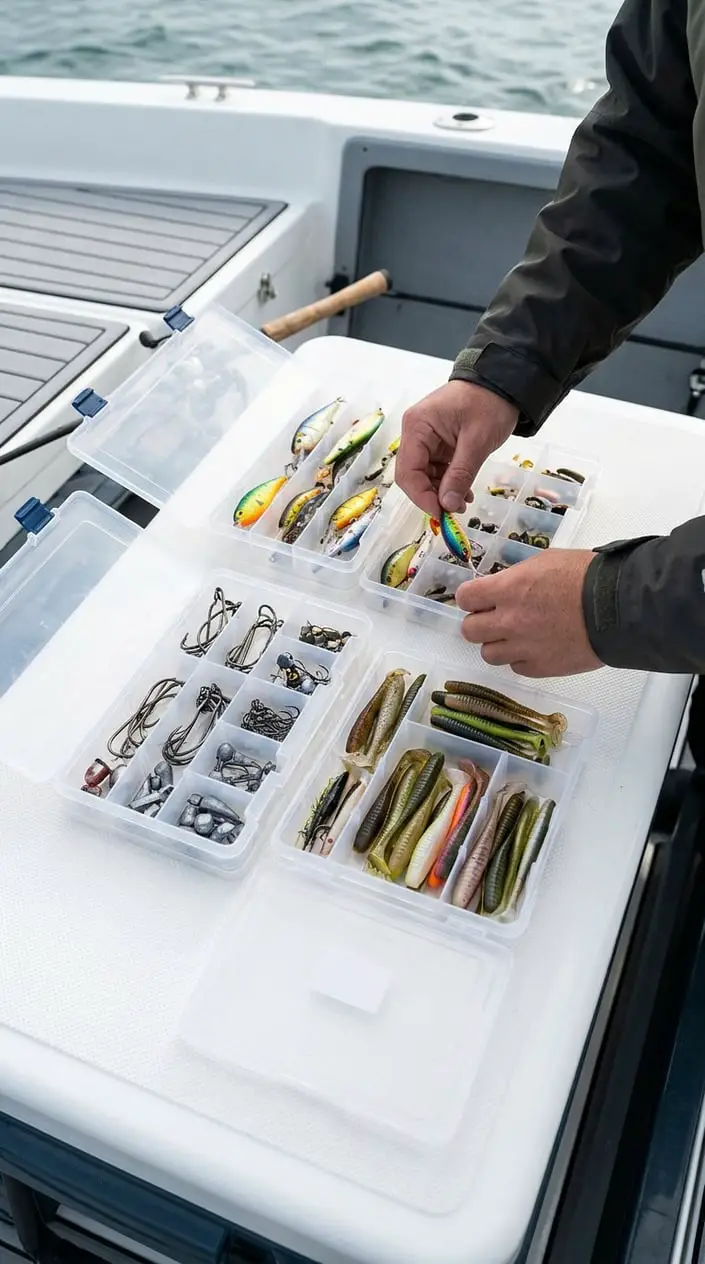
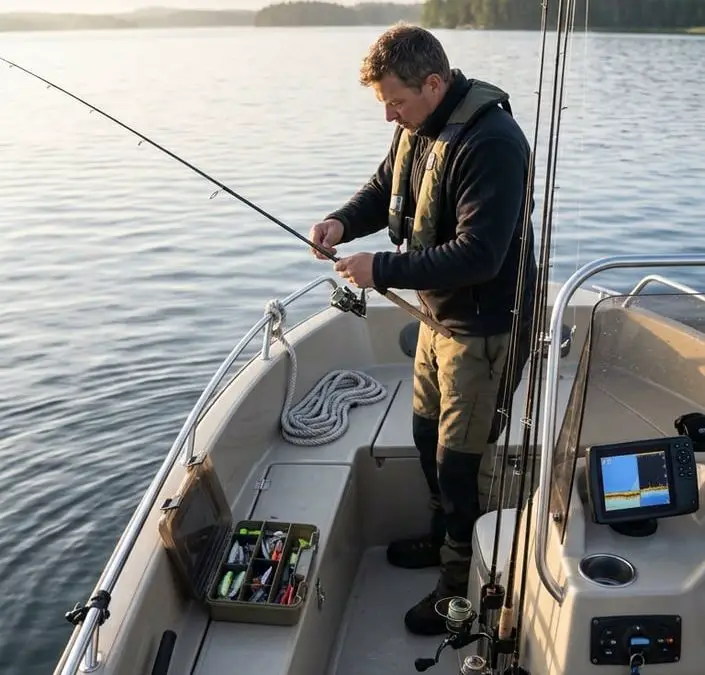
Organize tackle trays around the fish and techniques you plan to use, so you can grab the right box without searching through every lure. One tray might hold shallow-water crankbaits; another could carry jigs and soft plastics for deeper structure.
Use clear, labeled boxes and keep similar tackle together. Labels such as “bass jigs” or “inshore topwaters” help you identify the right tray at a glance.
Set aside a small utility box for hooks, weights, snaps, and other terminal tackle you reach for throughout the day. Before leaving, check that each lure is dry and the tray latches securely.
Keep only the boxes that fit your fishing plan on deck. Store extra tackle in a dry compartment so the working area stays open.
5) Save Productive Spots on Your GPS
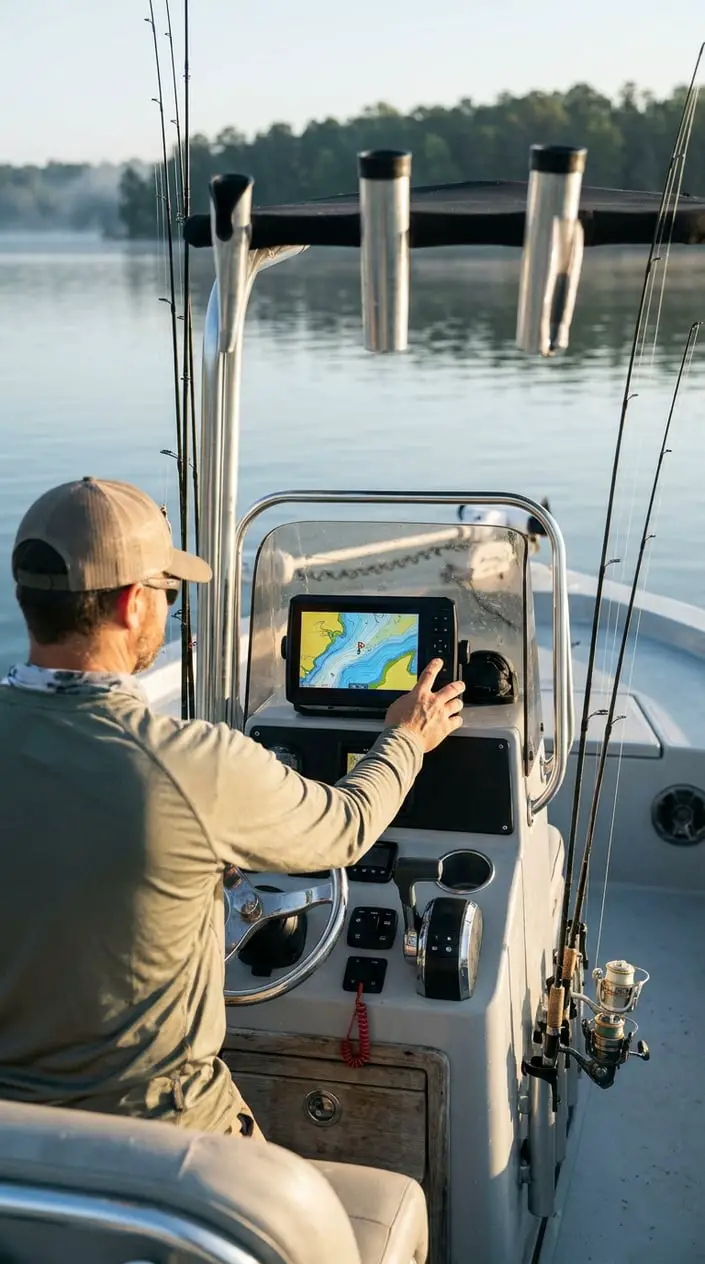
Save productive locations on your GPS as soon as you find them. Mark fish, submerged structure, safe routes, hazards, and launch areas with clear names you will recognize later.
Add a short note to each waypoint when your device allows it. Record details such as depth, date, water level, or the lure that produced a bite.
A mark called “bass” offers little help months later, while “brush pile, 14 feet” gives you a useful starting point. Keep marks organized by lake or trip, and back up your waypoints if your chartplotter supports it.
Review the map before moving to a new area so you can plan a route that avoids unnecessary runs. Follow posted restrictions and use current charts when navigating unfamiliar water.
6) Download Charts Before You Lose Cell Service
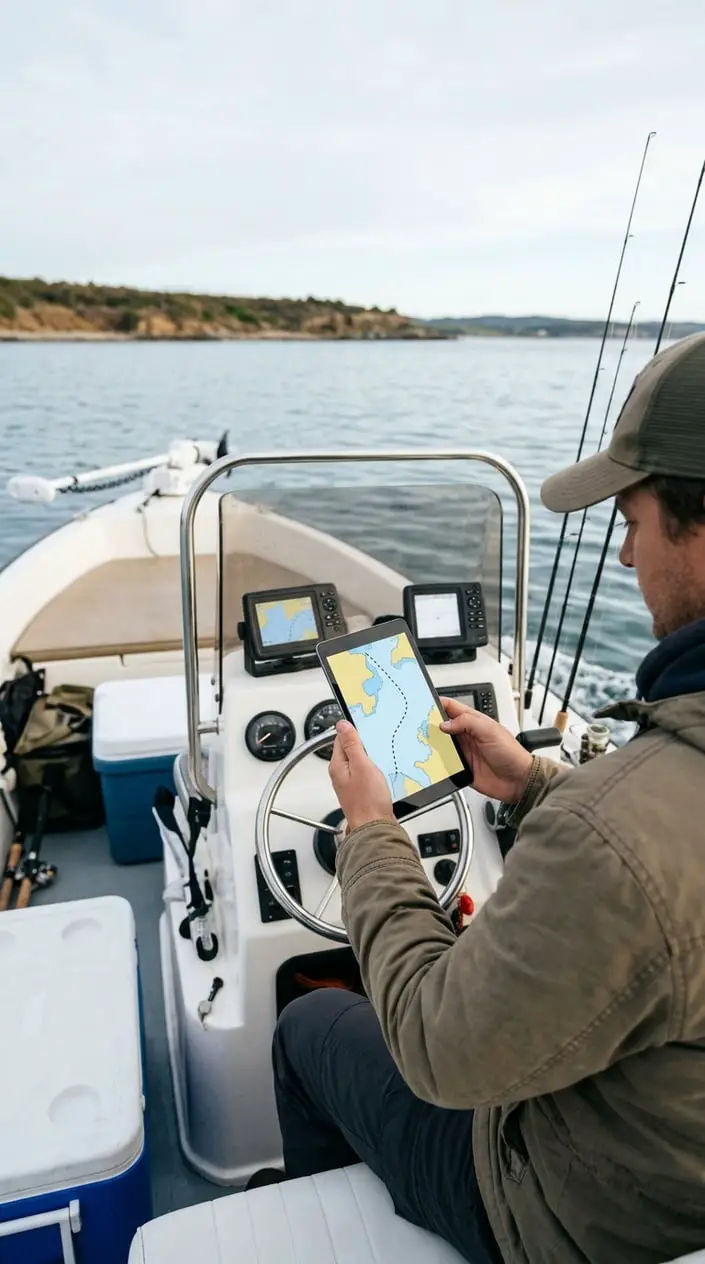
Download the charts and maps you need while you still have a reliable connection. Cell coverage can fade on large lakes, coastal waters, and remote stretches of river, leaving online maps slow or unavailable.
Save offline maps in your navigation app and confirm they cover your full route. Check that chart details include depth contours, channels, hazards, and access points for your destination.
If you use a chartplotter, update the charts at home and confirm the correct map card is installed. Keep a paper chart or another navigation option aboard for backup.
Charge your phone or tablet before leaving, and pack a power bank in a dry place. Set the device to a screen brightness you can read in daylight without draining its battery too quickly.
7) Check the Marine Forecast Before Leaving
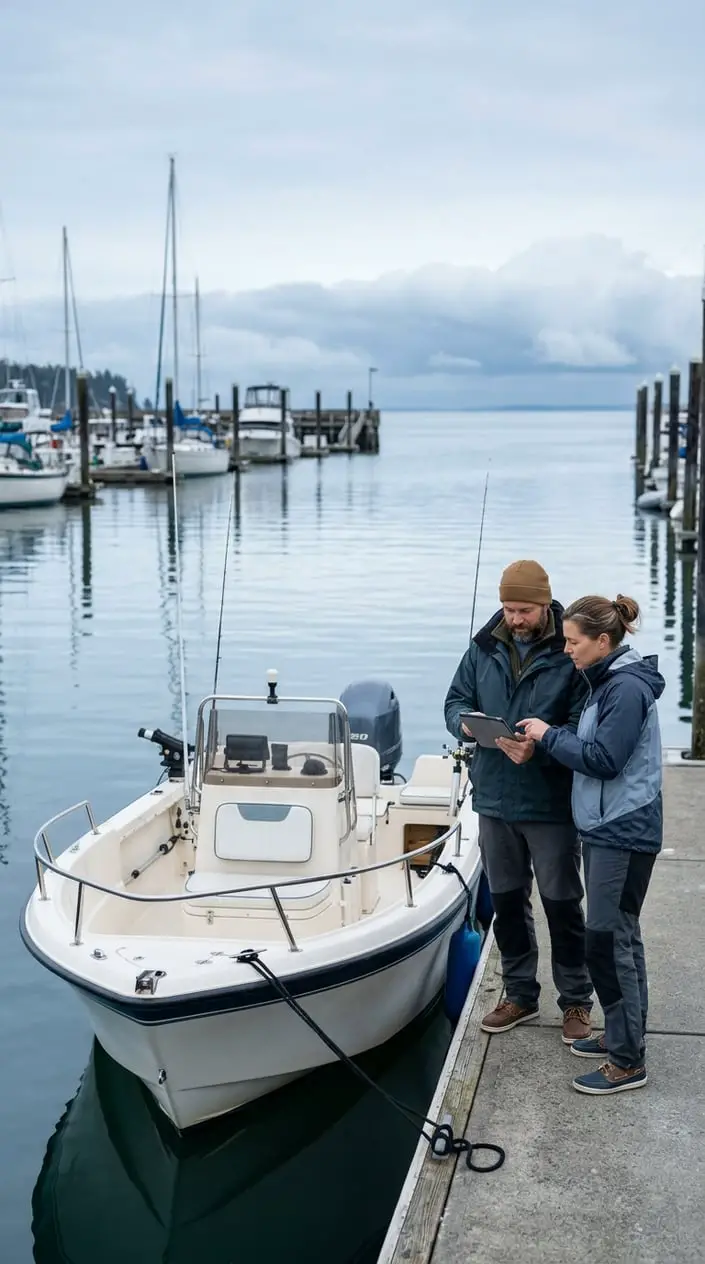
Check the marine forecast before you leave, then check for updates close to launch time. Wind speed and direction, wave height, storms, visibility, and small-craft advisories all affect your route and time on the water.
Look at the forecast for the area you plan to fish, not just the nearest town. Coastal conditions can change quickly across short distances, while a lake’s open stretches may feel rougher than sheltered coves.
Review the expected weather during your return trip as well as the morning hours. Use a reliable marine forecast and keep a weather radio or phone alert available when conditions are unsettled.
Share your route and expected return time with someone on shore. Set a clear turnaround point before leaving the dock.
8) Keep Frequently Used Tools Within Reach
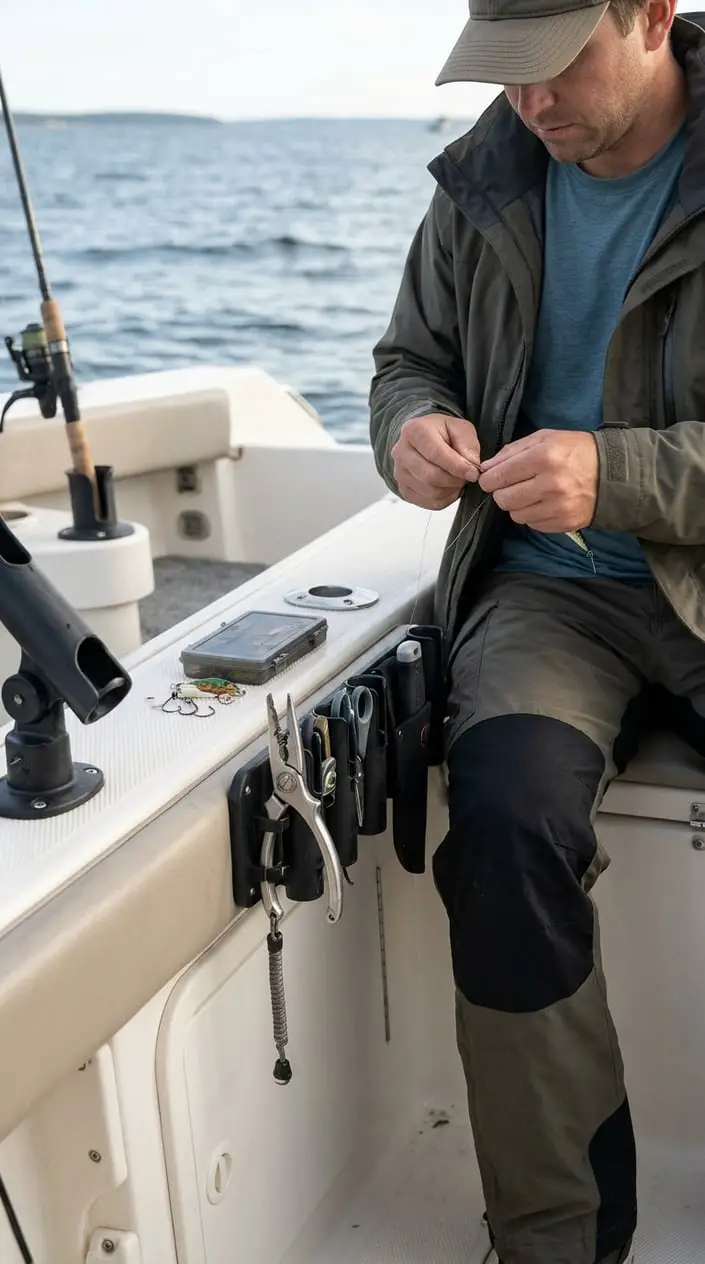
Keep the tools you reach for most in one secure, easy-to-access spot. Put pliers, line cutters, hook removers, and a small measuring tool in a mounted holder or compact tray near the main fishing area.
Choose storage that keeps sharp edges covered and tools from sliding across the deck. A bright tether or coiled lanyard helps keep pliers close when you are handling a fish.
Rinse saltwater tools after use and let them dry before returning them to their holder. Store specialty tools in a separate compartment, so they do not crowd your working station.
Before the first cast, check that each everyday tool is in place. You will spend less time opening storage lids with wet hands and more time tending lines.
9) Set Up Rods for Your First Fishing Pattern
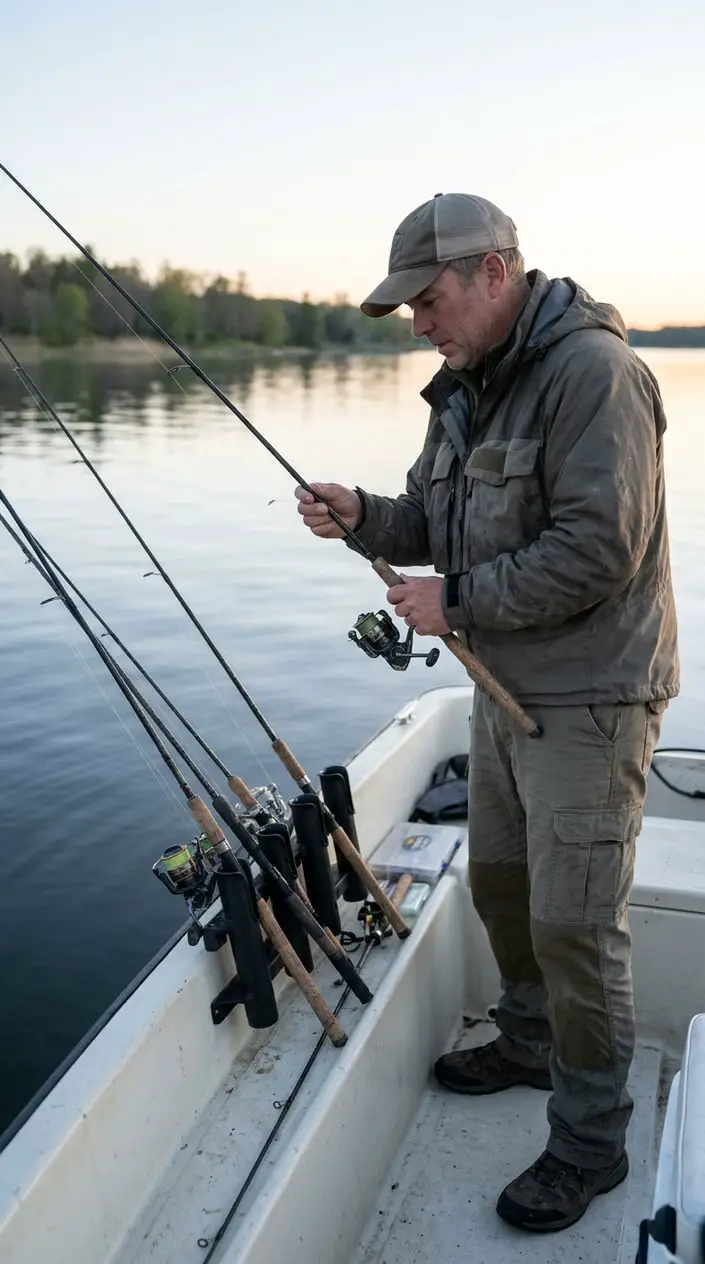
Rig a few rods for the first pattern you plan to fish before you leave the dock. Match each rod, reel, line, and lure to a specific job, such as casting a topwater, working a jig, or fishing live bait.
Place the ready rods in holders where you can reach them without crossing the deck. Keep hook points covered while you travel, and secure loose line to prevent tangles.
Labeling rod sleeves helps you identify setups when several rods are stowed together. Carry extra rods only when they serve a clear purpose.
A small set of prepared options makes it quick to change presentations when fish move deeper or the wind picks up. Recheck knots and drag settings before making your first cast.
10) Use Spot-Lock to Hold on Productive Water
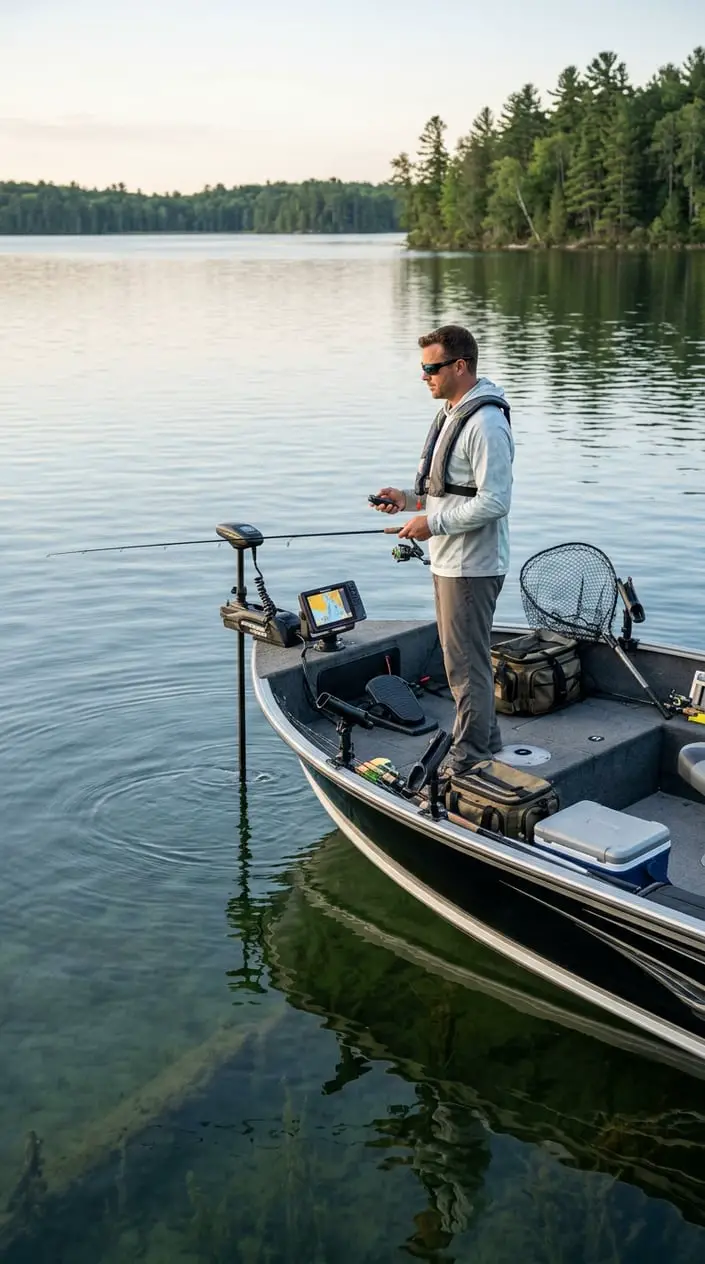
Use an electronic anchor function to hold your boat over a productive spot when your trolling motor supports it. It can reduce time spent correcting your position while you fish a point, brush pile, or current edge.
Check the motor’s battery level and learn its controls before you reach the fishing area. Mark your target on the GPS, approach at a safe speed, and activate the hold function when you are in position.
Wind and current affect how hard the motor must work, so watch battery use during a long stop. Keep hands and fishing line clear of the propeller.
In shallow or crowded water, use the feature only when you have room to hold safely. A quick position hold helps you stay on the fish without constant steering adjustments.
11) Refuel and Check Your Batteries the Night Before
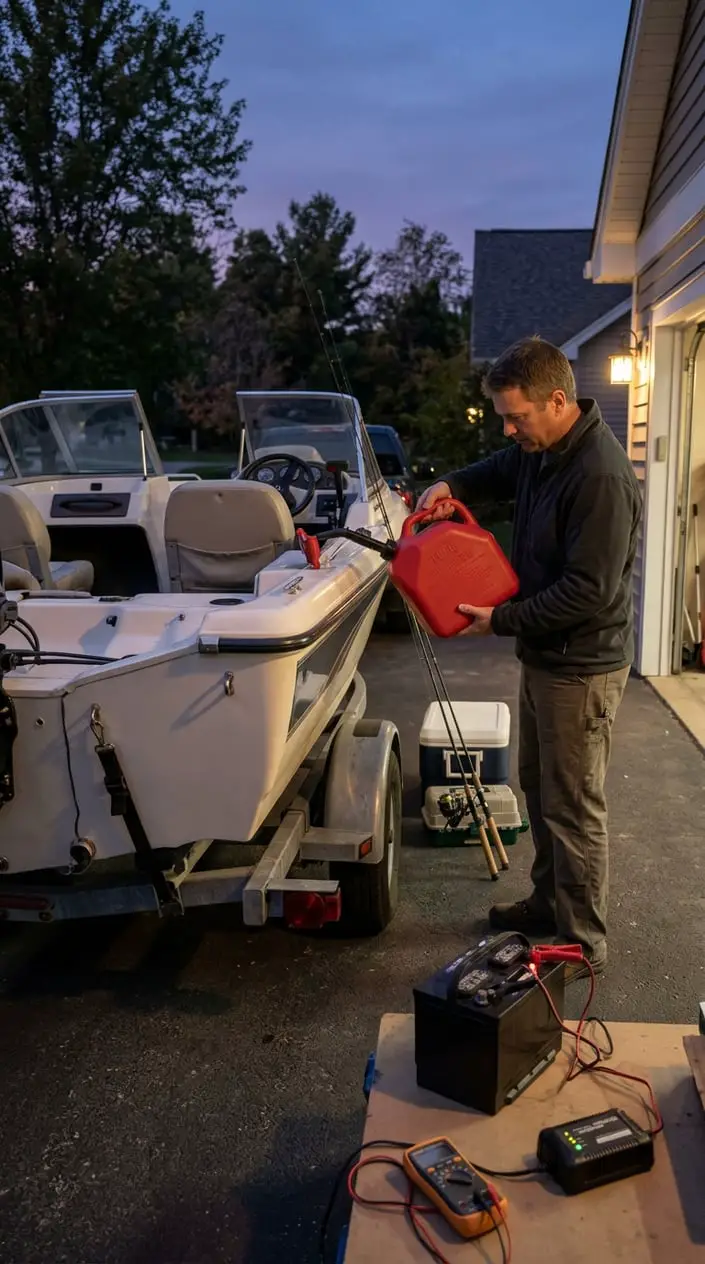
Refuel and check your batteries the night before so you can leave on time in the morning. Top off the fuel tank safely, check the fuel level again before departure, and inspect the cap and fuel line for signs of damage.
Charge the starting battery and trolling motor batteries according to their manufacturer instructions. Check battery connections for corrosion and make sure terminals are secure.
If your boat has a battery monitor, confirm the reading after charging. Test the bilge pump, navigation lights, and electronics before loading up.
Keep fuel away from sparks and store it in approved containers when you carry spare fuel. If a battery struggles to hold a charge or a connection looks damaged, address it before the boat goes on the water.
12) Keep a Dedicated Dry Bag for Essentials
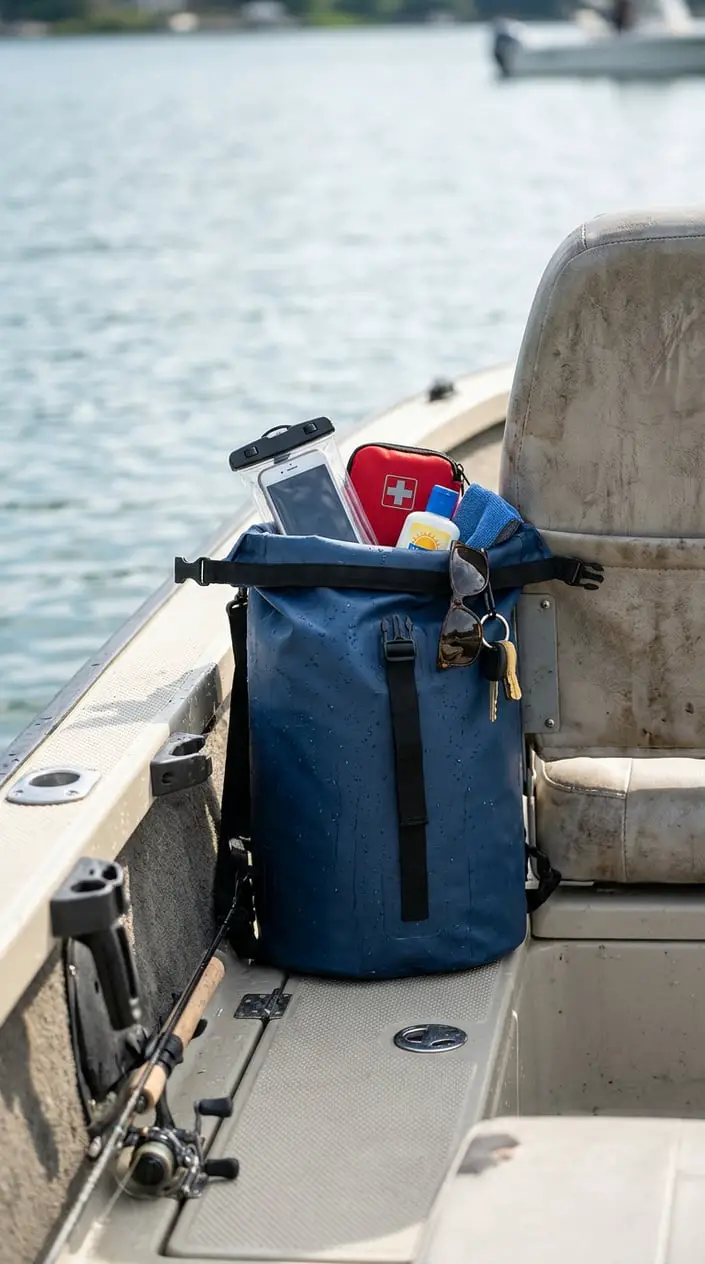
Pack a dedicated dry bag with the essentials you want protected and easy to find. Keep your phone, keys, wallet, medications, small first-aid supplies, and a backup battery together in one waterproof place.
Choose a bag that closes securely and fits the boat’s storage space. Use smaller sealed pouches inside to separate electronics from items such as sunscreen or snacks.
Attach the bag to a fixed point so it stays aboard when the boat rocks or you move around. Check the contents before each trip and replace used supplies.
Keep required safety equipment in its proper, accessible location, since a dry bag does not take the place of life jackets or other required gear. Store the bag where you can reach it quickly from the main seating area.
13) Rinse Your Boat and Gear Before Changing Waters
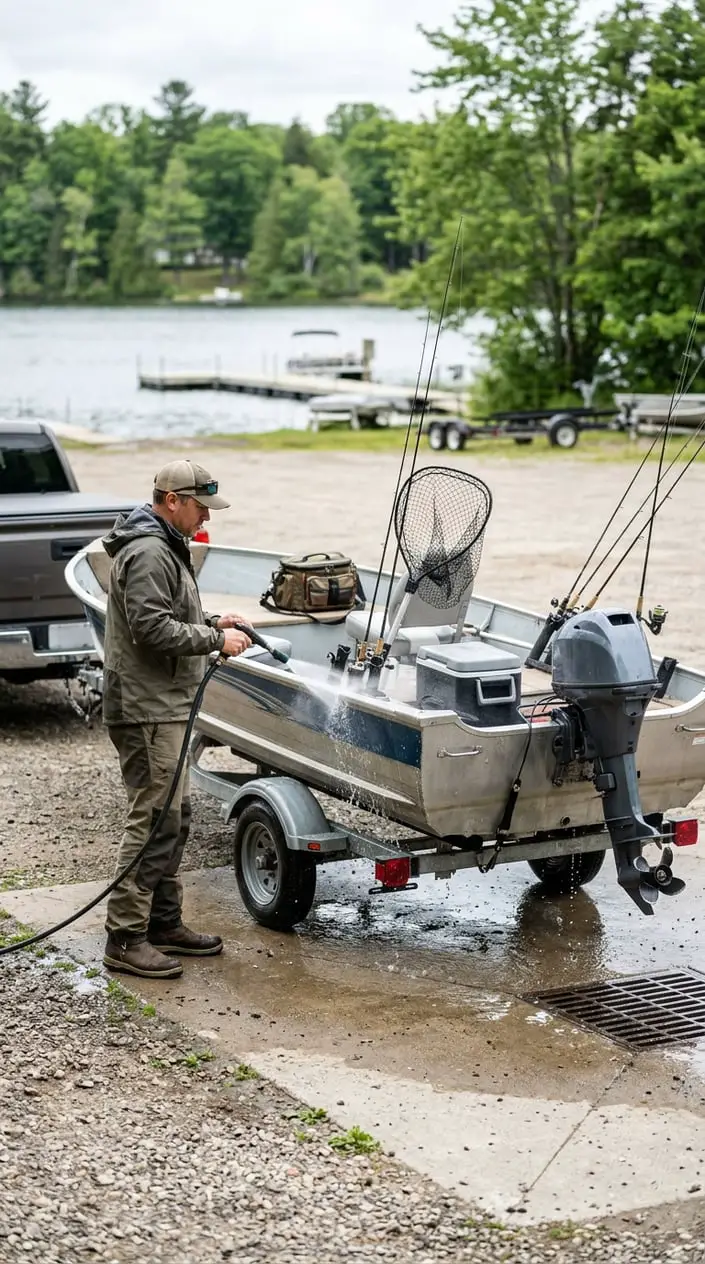
Rinse and inspect your boat, trailer, and gear before moving to another water body. Aquatic invasive species can travel on a hull, propeller, anchor, livewell, or fishing equipment.
At the end of a trip, remove plants, mud, and visible debris from the boat and trailer. Drain bilges, livewells, and other water-holding spaces where local rules require it.
Clean waders, nets, and tackle that touched the water, then let everything dry fully before the next launch. Follow the inspection, cleaning, draining, and drying rules for the waters you visit.
Some locations have wash stations or specific decontamination steps, so check local requirements before traveling. Keep a hose, brush, and cleanup cloth ready to make the routine quick.
14) Keep a Backup Plan for Rough or Changing Conditions
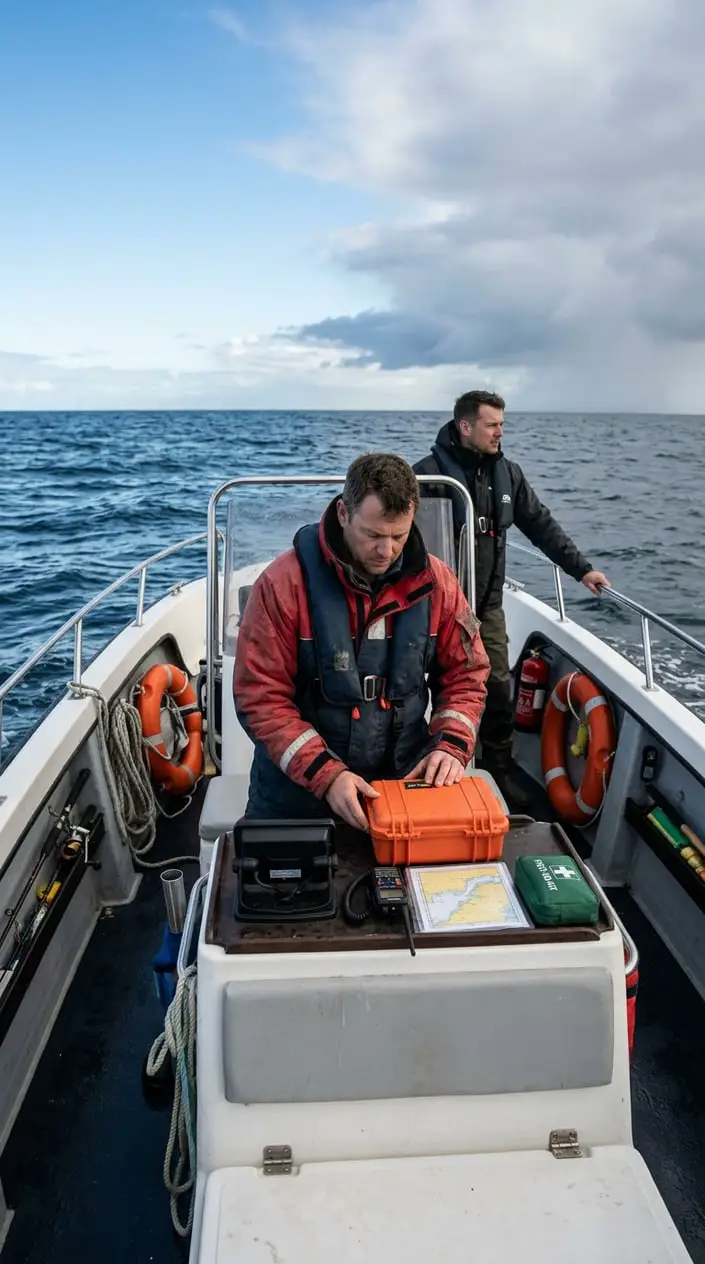
Choose a backup plan before launching so changing weather or water conditions do not leave you scrambling. Pick a protected area, a closer ramp, or an earlier return time that you can use if wind, waves, or visibility worsen.
Save alternate routes and launch locations on your GPS, and tell someone on shore where you plan to go. Keep a charged phone or marine radio available for updates and emergency calls.
Review your boat’s safety gear and confirm every passenger knows where life jackets are stored. Set simple decision points, such as turning back when wind reaches a set limit or when storms enter the forecast area.
Check conditions again before crossing open water. A clear plan gives you a quick next step when conditions change.