Last Updated on November 13, 2026
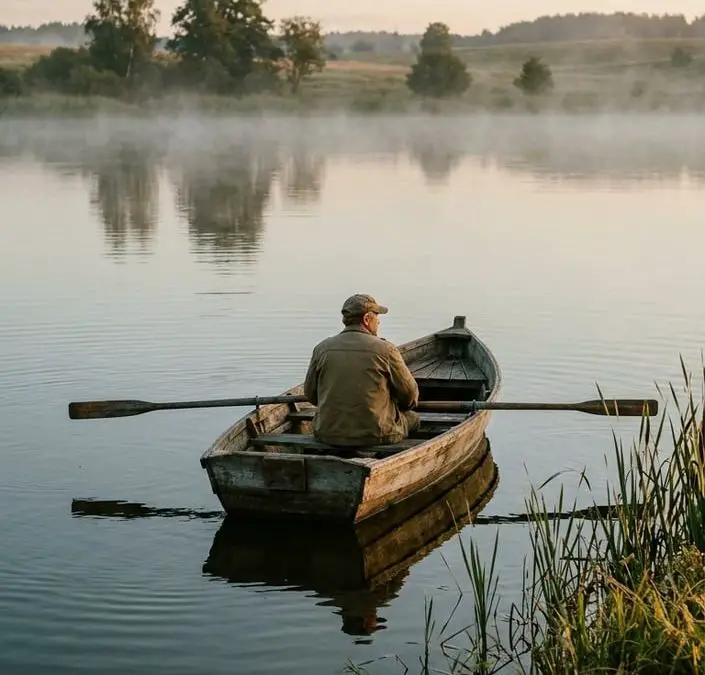
The 8 Boat Pics That Make the Case for a Slow, Simple Life show you how a small boat can turn a stretch of water into room to pause. A quiet shoreline, a steady oar, or a gentle crossing gives you a different measure of time.
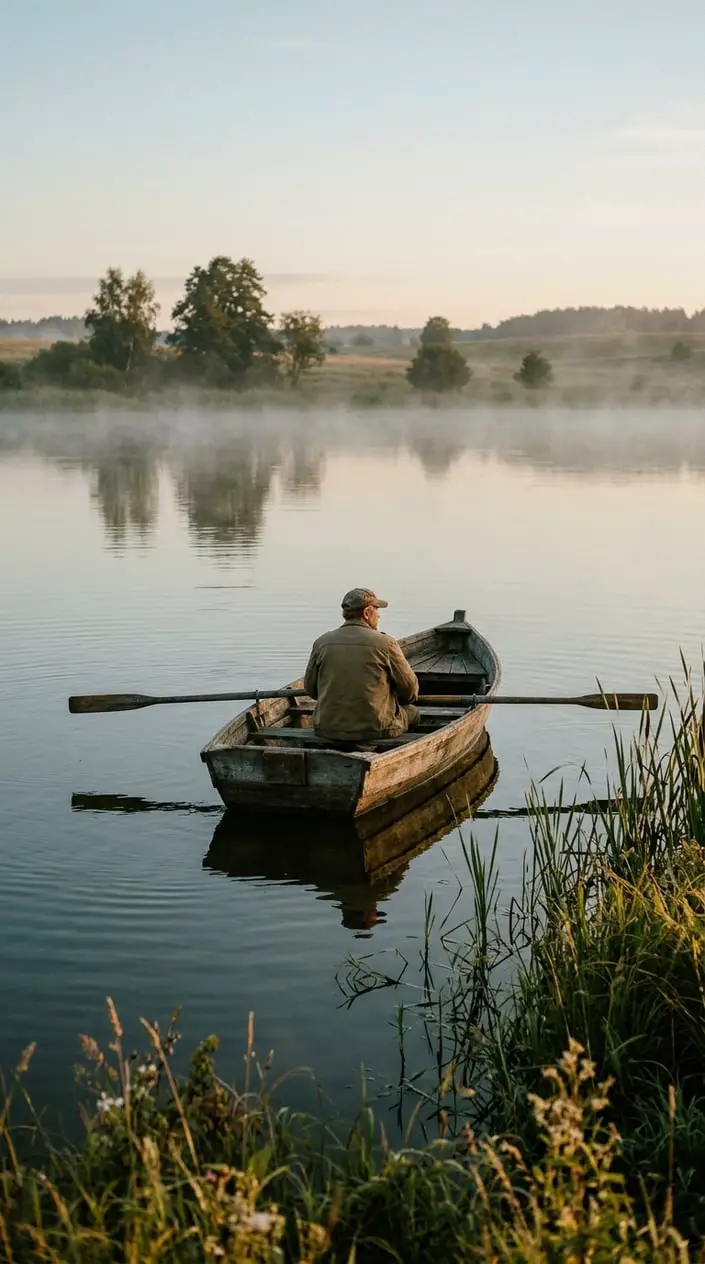
When you travel at the pace of the water, the details come forward: the sound of a pole in the river, the shape of a harbor, the light on a mountain lake. These traditional boats offer a glimpse of daily life built around moving slowly and paying attention.
1) A Pletna Gliding Across Lake Bled
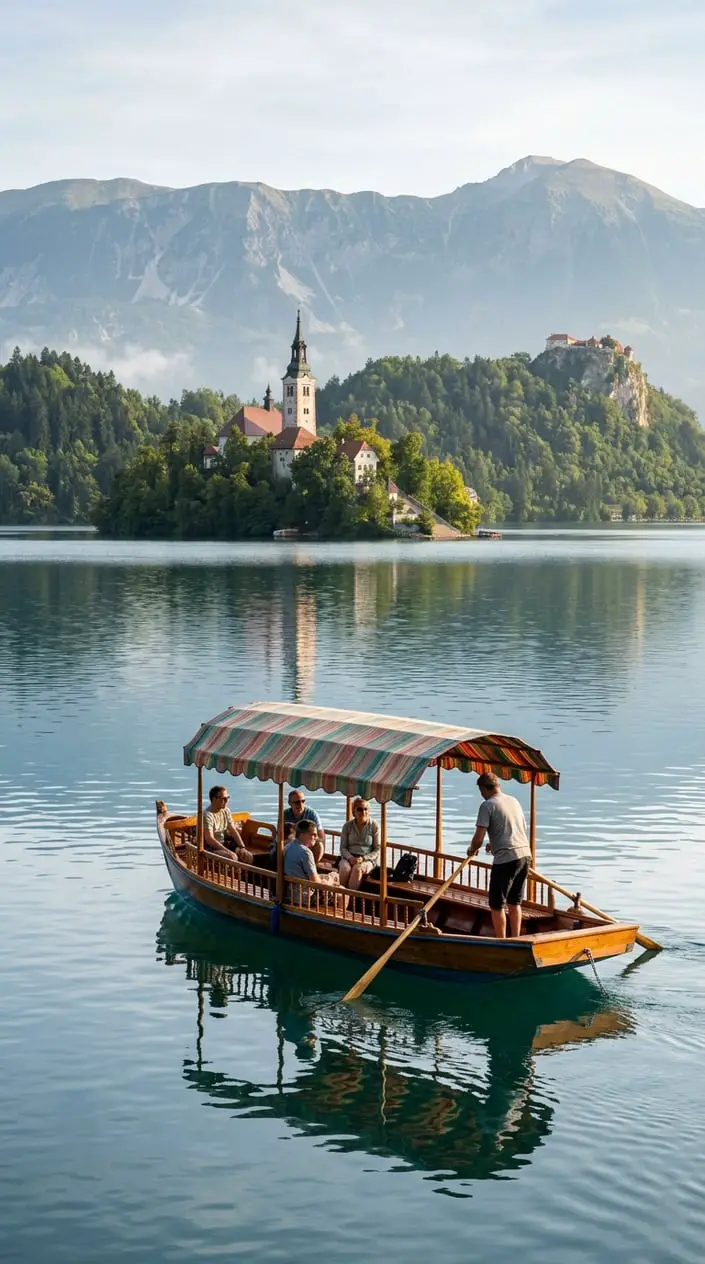
A ride across Lake Bled gives you a gentle way to reach the island church at the center of Slovenia’s famous alpine lake. The wooden passenger boat has a broad canopy, so you can sit in the shade as the shore and Julian Alps open around you.
A boatman propels the craft with long oars, setting a steady pace across the water. That simple journey leaves room to notice the island’s church, the castle high above the lake, and the changing reflections on the surface.
You can make the crossing part of the visit, letting the trip itself take up some of your day. Lake Bled’s compact scale suits an unhurried outing, especially when you give yourself time to linger at the water’s edge afterward.
2) A Punt Drifting Along Cambridge’s River Cam
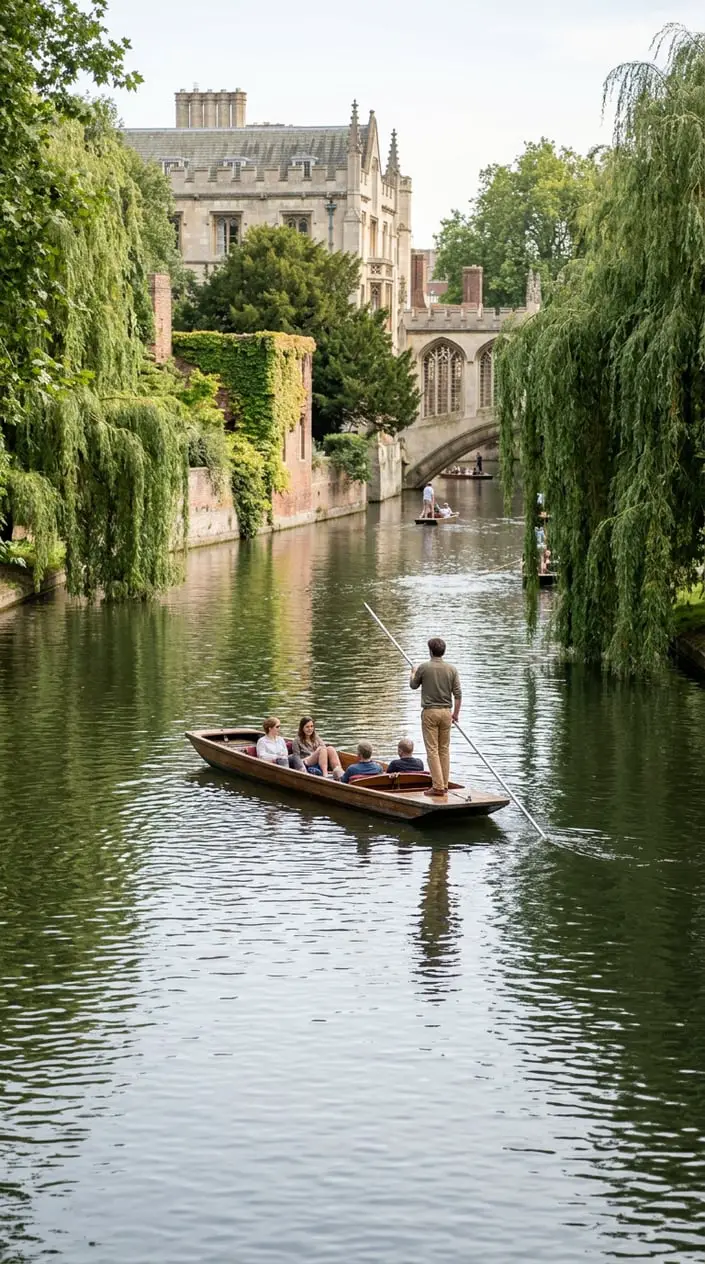
A punt lets you take in Cambridge from close to the river’s surface, with a long pole setting the pace. Its flat bottom suits shallow water, and the open design keeps your view clear as you pass beneath bridges and along the College Backs.
You can hire a punt with a guide or take the pole yourself, though steering takes a little practice. Push the pole into the riverbed, then walk it back along the boat to move forward.
That measured rhythm gives you time to spot riverside gardens and old college buildings without rushing between landmarks. On a busy day, a calm stretch of the Cam offers a welcome pause from city streets and foot traffic.
3) A Wooden Dory on Maine’s Sheepscot River
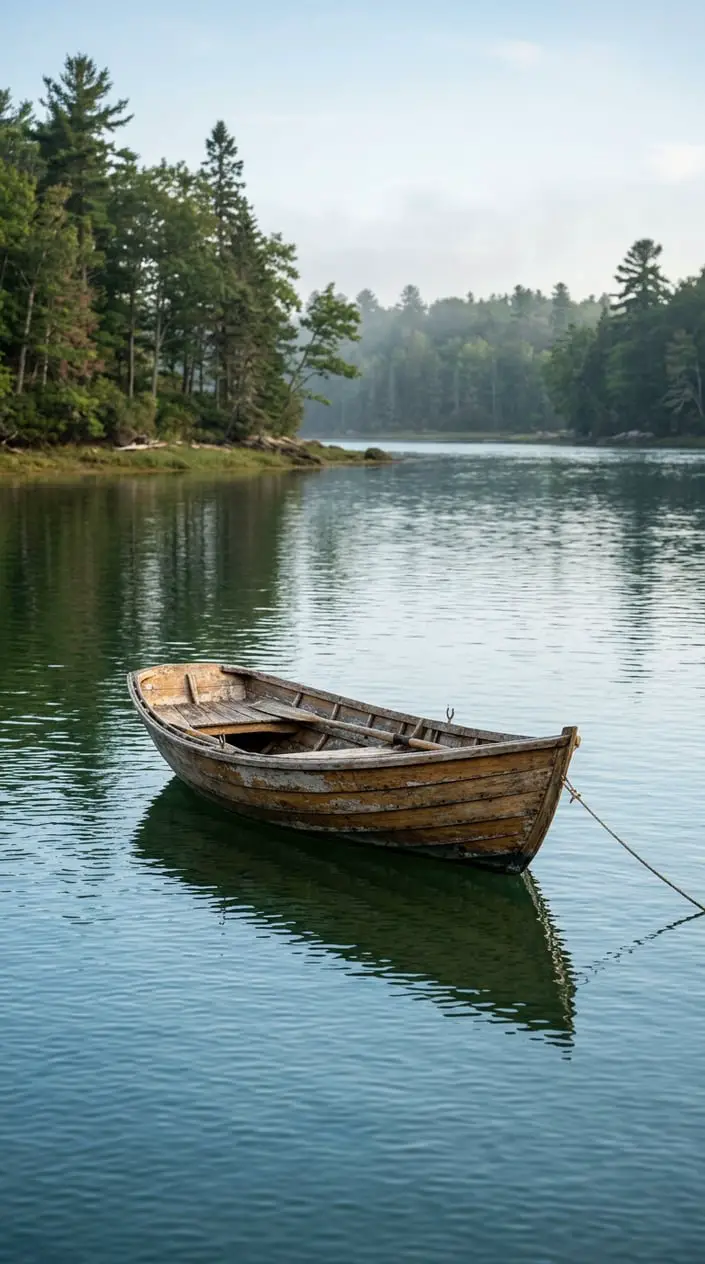
A wooden dory gives you a close-up view of Maine’s working-water tradition on the Sheepscot River. Its simple hull and rowing setup suit quiet trips near shore, where wooded banks and tidal water shape the pace of the day.
Dories have long served coastal communities as practical boats for fishing and transport. Their light build makes them manageable to row, while their open interior leaves room for a small load of gear.
On this river, you can keep your outing modest: check local tide and weather conditions, choose a protected launch, and stay near familiar shorelines. The broad river landscape rewards a slow look at the water and tree line, with each pull of the oars carrying you a little farther from the day’s noise.
4) A Sampan Crossing Myanmar’s Inle Lake
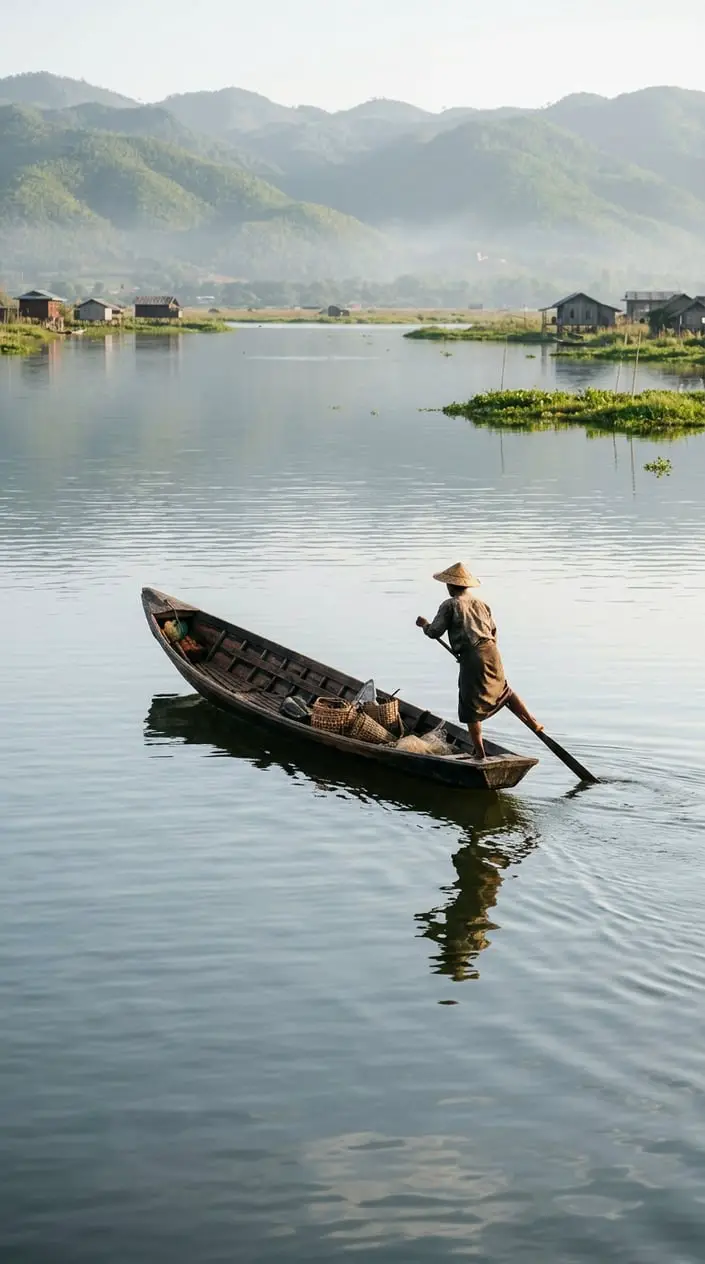
A wooden sampan brings you close to everyday travel and fishing on Inle Lake in Myanmar. The long, narrow boat moves through a landscape of mountain views, stilt-house villages, and gardens that float on the lake.
You may see local fishers using a distinctive leg-rowing technique: they balance on one leg and wrap the other around an oar to guide the boat. This leaves their hands free to handle fishing gear.
The lake is also home to communities whose daily routines depend on its waterways, so a visit offers a look at a living place as well as a scenic one. Choose a local guide who can explain the lake’s customs and help you travel with care around homes and working boats.
5) A Bragozzo in the Venetian Lagoon
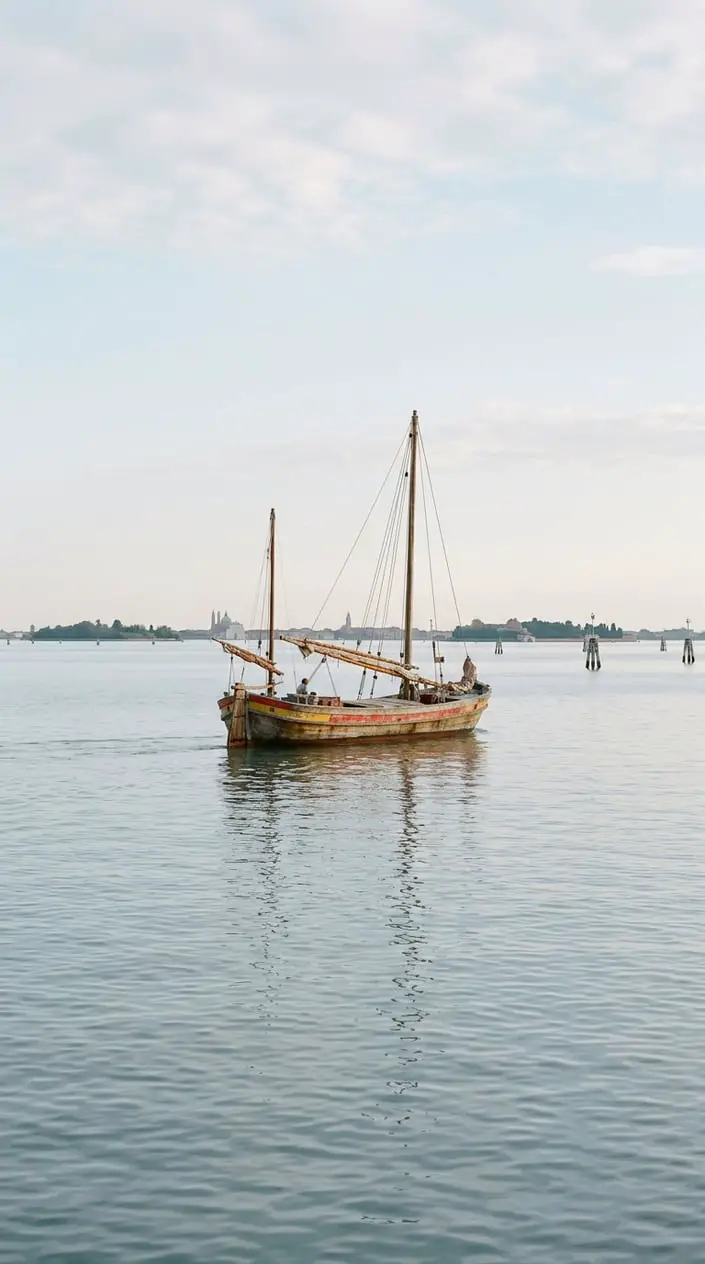
A bragozzo carries you into Venice’s lagoon heritage, where shallow-draft wooden boats served fishing communities for generations. Its sturdy shape suits the sheltered waters and channels that connect the city with its islands.
Traditional bragozzi are known for painted hulls and distinctive decoration, details that reflect the craft of the northern Adriatic coast. From the water, you can take in low islands, open lagoon views, and the shifting line between city and sea.
A guided ride helps you understand how tides and local routes shape movement through this broad waterway. Pick a quieter time of day if you want a calmer crossing, and follow your skipper’s directions around marked channels and other traffic.
6) A Traditional Rowboat in Norway’s Lofoten Islands
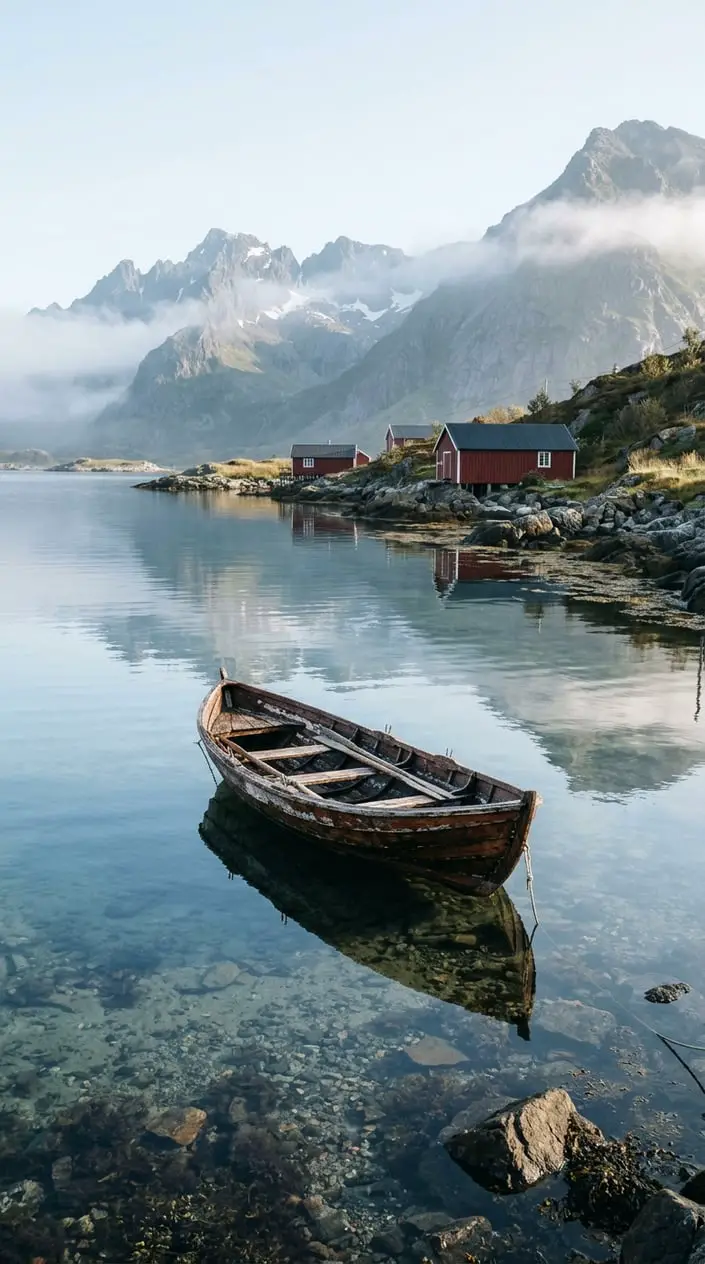
A traditional rowboat gives you a quiet way to experience the sharp contrast between Lofoten’s mountain peaks and sheltered coastal water. The islands in northern Norway have a long fishing history, and small open boats remain part of that maritime story.
From a protected inlet, you can take in the steep shoreline and the scale of the surrounding mountains at a close, human pace. Calm water makes rowing feel gentle, while local conditions can change quickly along the coast.
Check the forecast and tide information before setting out, and keep your route within a sheltered area if you are new to the region. A warm layer and a life jacket help you stay comfortable as you move across the cool water.
7) A Coble Fishing Boat at Staithes, England
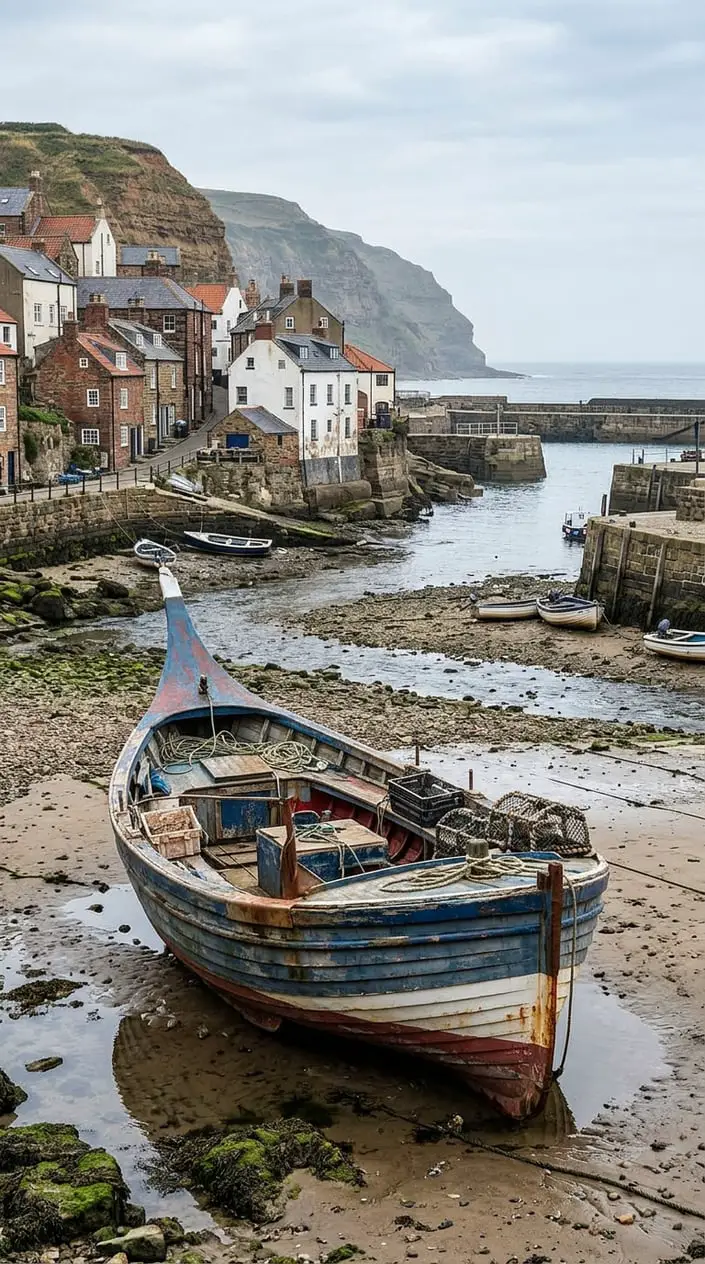
A coble connects you with the fishing heritage of Staithes, a small harbor village on England’s North Yorkshire coast. Its sturdy wooden form was made for coastal work, and the boat’s high bow helps it handle the rougher water beyond the harbor.
You can appreciate the vessel from the harbor while taking in the village’s steep lanes and tightly grouped cottages. Coble crews have traditionally launched from beaches, a practice shaped by the exposed coastline and limited harbor space.
That history gives the boat a practical character, with its design tied to local work and weather. If you visit the harbor, keep clear of working areas and follow local signs, especially during active fishing hours.
8) A Wooden Boat on Lake Como
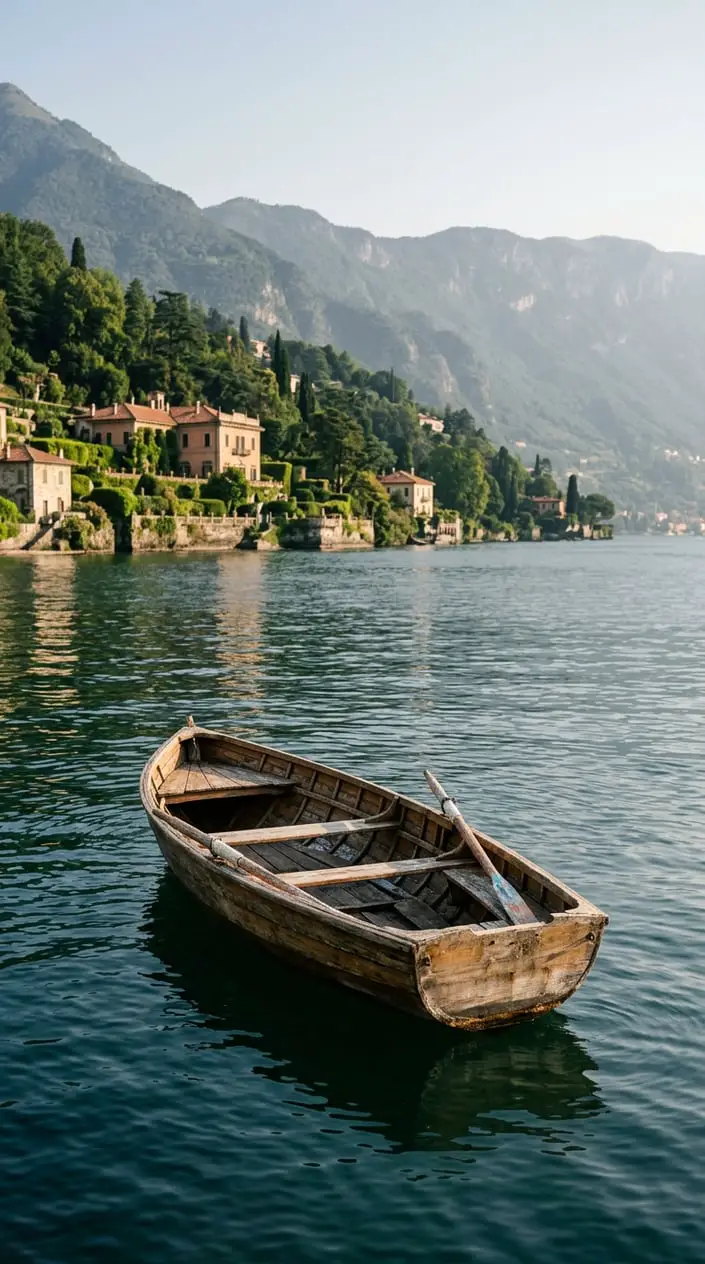
A small wooden boat lets you experience Lake Como at an easy pace, with green hills and lakeside villas unfolding along the shore. The Italian lake’s long branches create a changing view as you travel between villages and coves.
You can use a short boat ride to focus on the water itself: the quiet movement of the hull, the slope of the shore, and the way the villages sit above the lake. Choose a licensed local operator and confirm the route and time before boarding, since services vary by season.
For a slower outing, select a brief trip that leaves you time to walk along the waterfront afterward. A light layer helps when breezes pick up over the open water.