Last Updated on January 27, 2026
As we head into 2026, there’s no better time to transform your garage from a cluttered catch-all into an organized, functional space that serves your RV lifestyle.
A well-organized garage not only makes it easier to find your tools and equipment when you need them, but it also maximizes your usable space, protects your valuable gear, and can even increase your home’s value. Whether you’re storing RV maintenance supplies, outdoor adventure equipment, or seasonal items, implementing smart organization systems will save you time, reduce stress, and make your garage a space you actually enjoy using.
The key to successful garage organization is choosing systems that fit your specific needs, utilizing vertical space efficiently, and creating designated zones for different categories of items. With these 25 innovative organization ideas, you’ll discover practical solutions that work for any garage size or budget, helping you start the new year with a clean slate and a perfectly organized space that supports all your RVing adventures.
1. Classic Pegboard Tool Wall
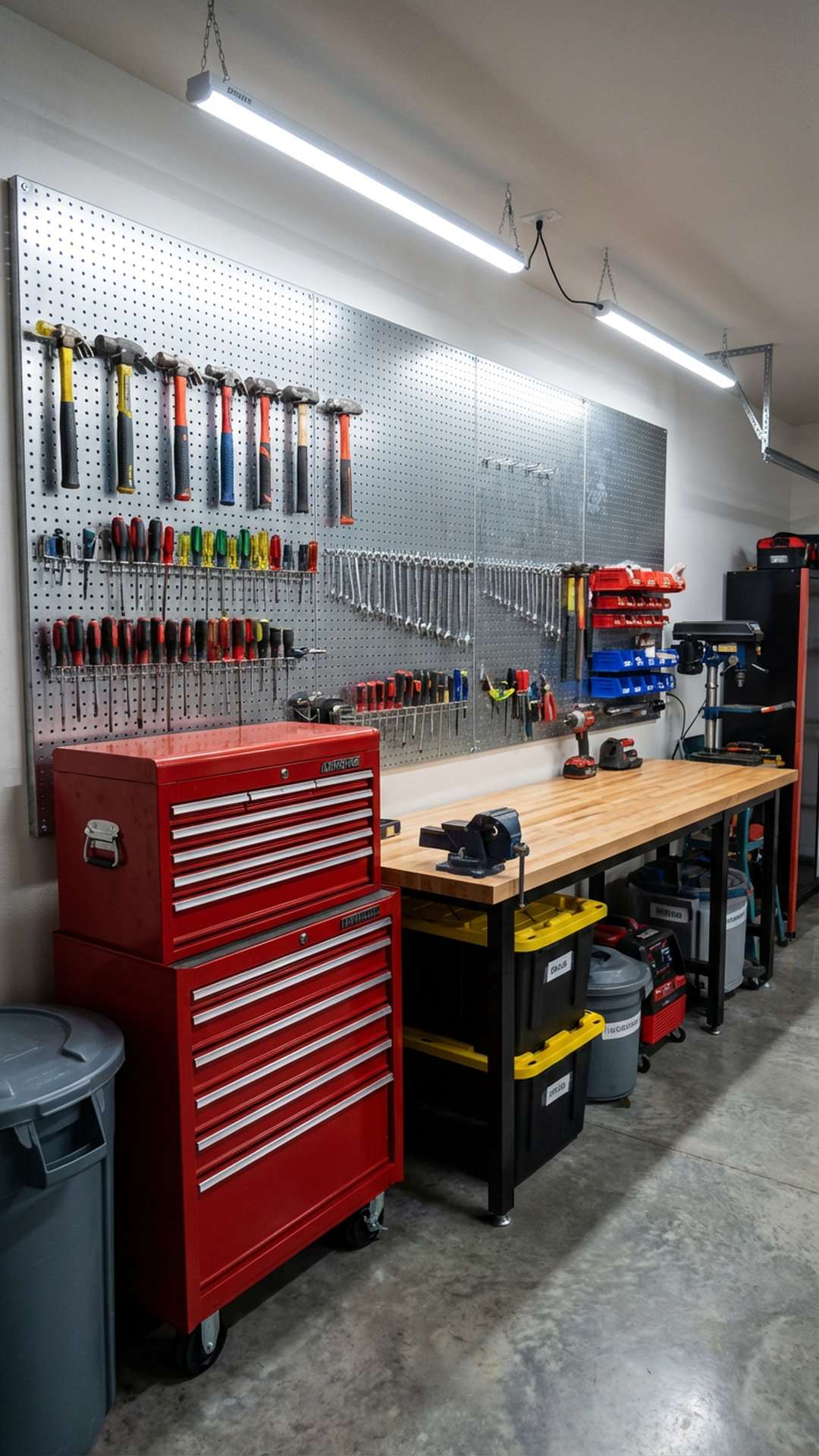
The timeless pegboard remains one of the most versatile and affordable garage organization solutions available. This classic system allows you to customize your tool storage with hooks, baskets, and shelves that can be rearranged as your needs change. Install a full wall of pegboard above your workbench to keep frequently used tools within arm’s reach while maintaining a clean, visible display that makes it easy to spot what you need at a glance.
For RV owners, pegboards are perfect for organizing maintenance tools, from wrenches and screwdrivers to specialty items like leveling blocks and electrical testers. Consider painting your pegboard in a light color to enhance visibility and outline tool positions with markers so you’ll always know where each item belongs. This simple visual system helps ensure tools are returned to their proper places after every use.
2. Overhead Ceiling Storage Racks
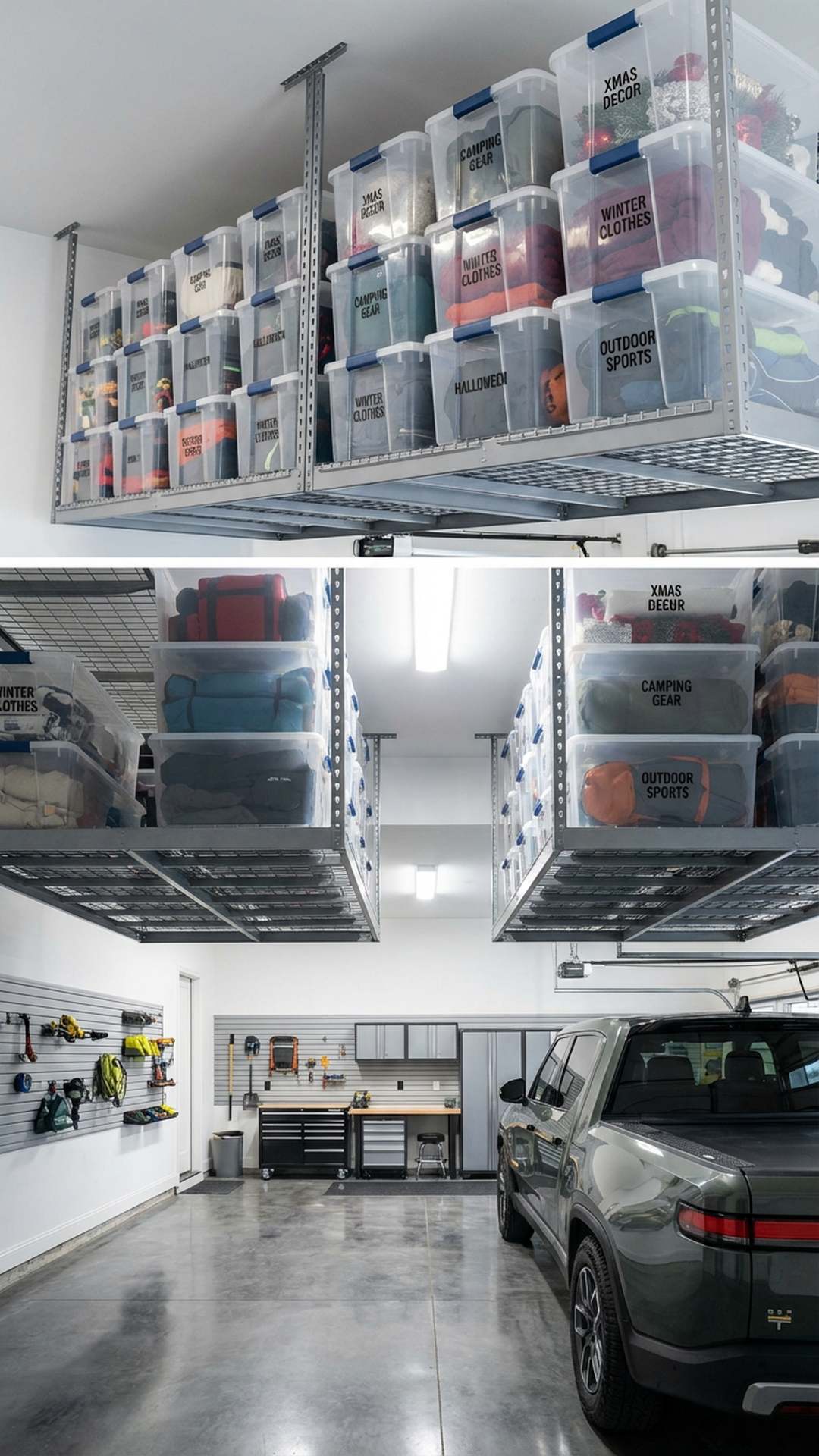
Capitalize on unused ceiling space with sturdy overhead storage racks that keep seasonal items, camping gear, and rarely used equipment safely stored but still accessible. These heavy-duty racks can typically support hundreds of pounds and are ideal for storing clear plastic bins filled with holiday decorations, winter clothing, or RV accessories you only need occasionally. The overhead position frees up valuable wall and floor space for everyday items.
When installing overhead racks, ensure they’re mounted into ceiling joists for maximum safety and weight capacity. Choose racks with adequate clearance so you can still park your vehicles underneath, and always place the heaviest items toward the center of the rack rather than at the edges. Label all bins on multiple sides so you can identify contents from below without needing to bring them down.
3. Heavy-Duty Modular Shelving System
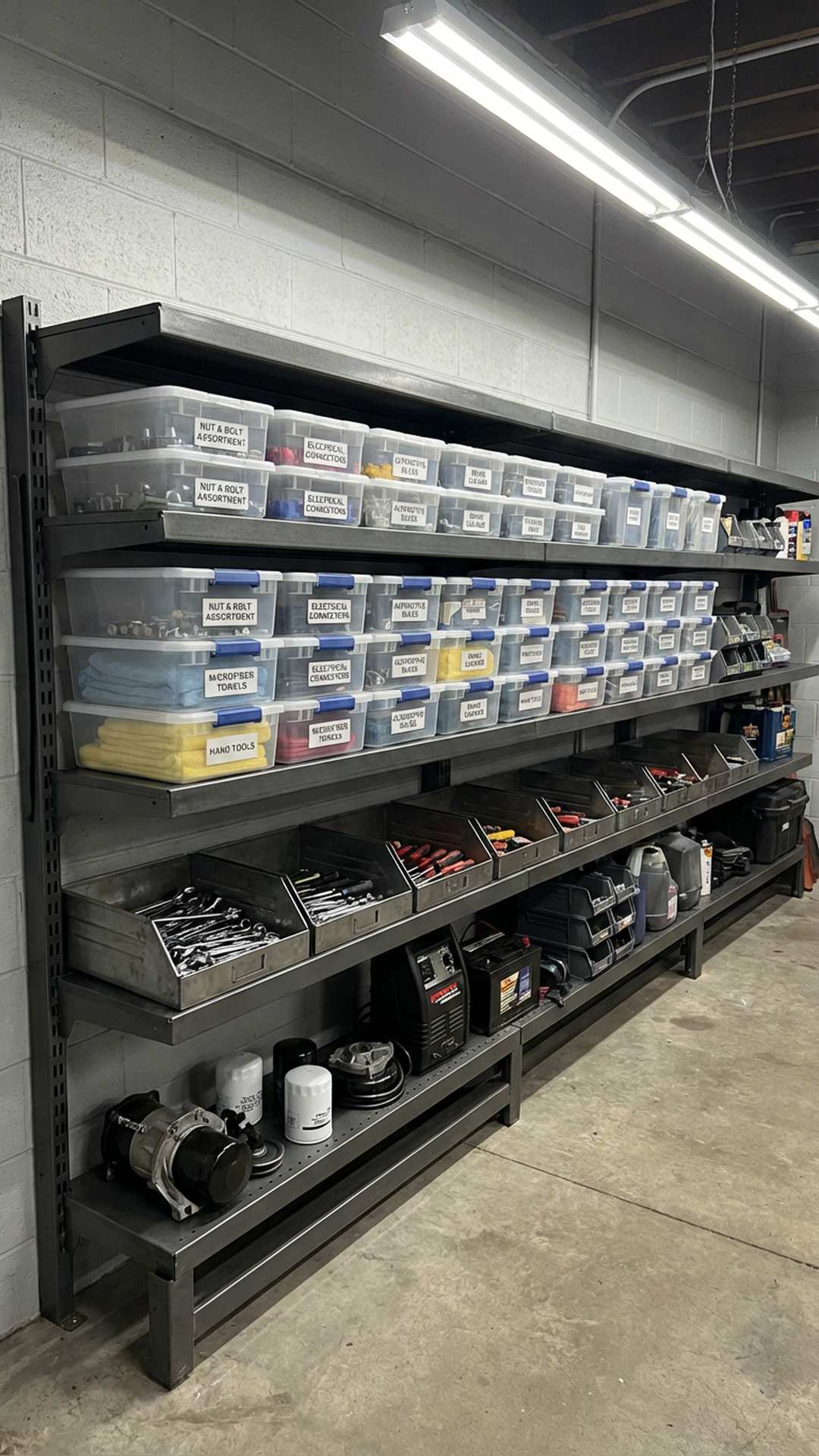
Industrial-grade modular shelving provides flexible, expandable storage that can grow with your needs. These metal shelf units can support substantial weight—typically 1,500 to 3,000 pounds per unit when properly assembled—making them perfect for storing auto parts, bulk supplies, paint cans, and heavy RV equipment. The adjustable shelf heights allow you to customize spacing for items of various sizes, from tall cleaning supply bottles to low-profile storage bins.
Arrange your shelving strategically by placing the most frequently accessed items at eye level, heavier items on lower shelves for stability, and lighter seasonal items up top. Use uniform clear storage containers with labels to create a cohesive look while making contents easily identifiable. The open design of wire shelving also allows air circulation, preventing musty odors and mildew in stored fabrics and cardboard boxes.
4. Vertical Wall-Mounted Bike Rack
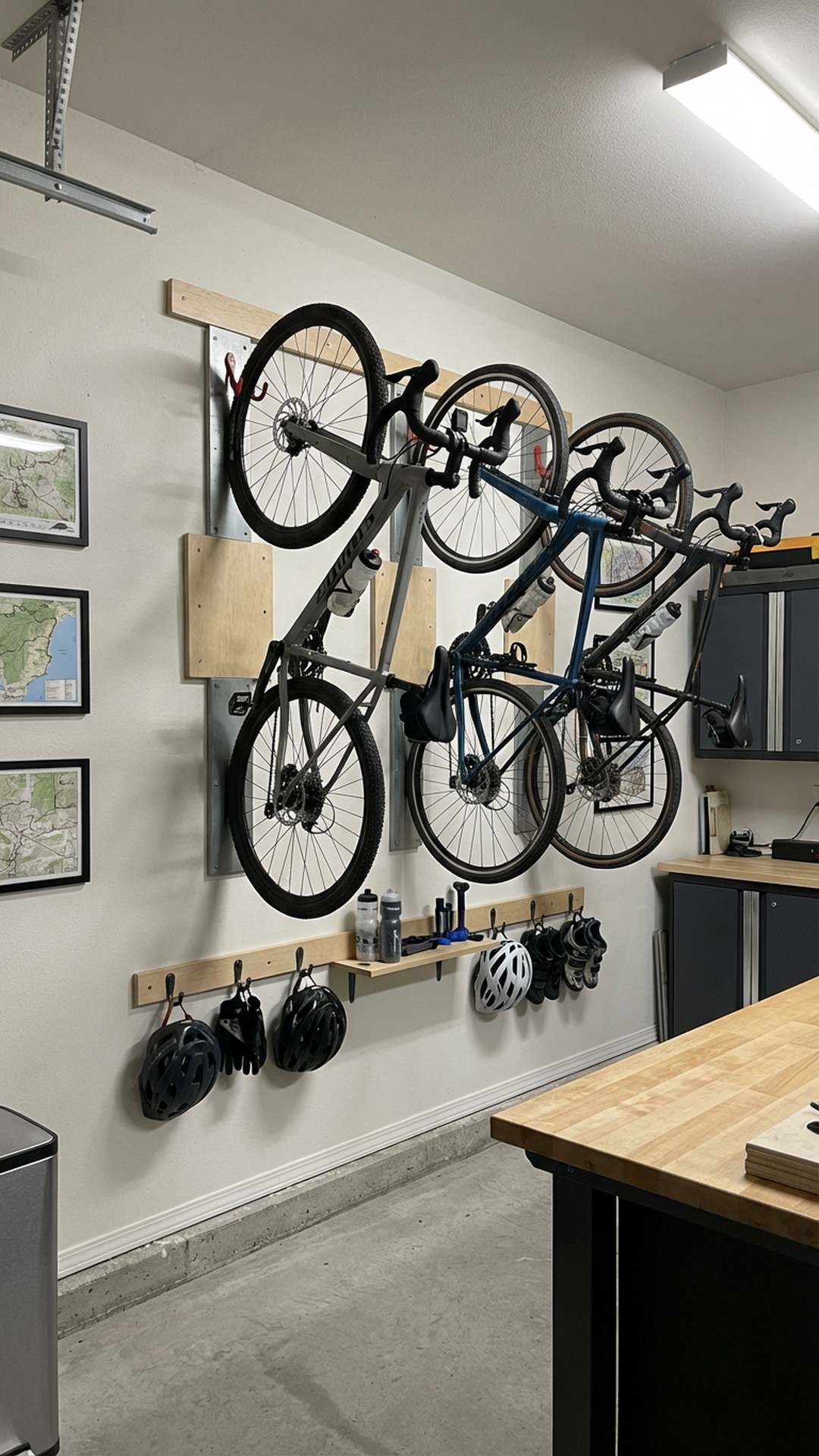
Wall-mounted bike racks transform bulky bicycles from floor-hogging obstacles into vertical storage solutions that free up significant garage space. These racks hold bikes by the front wheel, allowing them to hang parallel or perpendicular to the wall, depending on your garage layout and available space. This approach works wonderfully for families with multiple bikes, keeping them organized, protected, and ready to load onto your RV’s bike rack for your next adventure.
Install bike racks with adequate spacing between each bike—typically 12 to 14 inches—to prevent handlebars from tangling and to make it easy to remove one bike without disturbing others. Position helmets, bike pumps, and repair tools on nearby hooks or small shelves to create a dedicated cycling station. For added protection, consider placing a mat or carpet remnant below the bikes to catch any dripping chain lubricant or debris from tires.
5. Professional Rolling Tool Cart
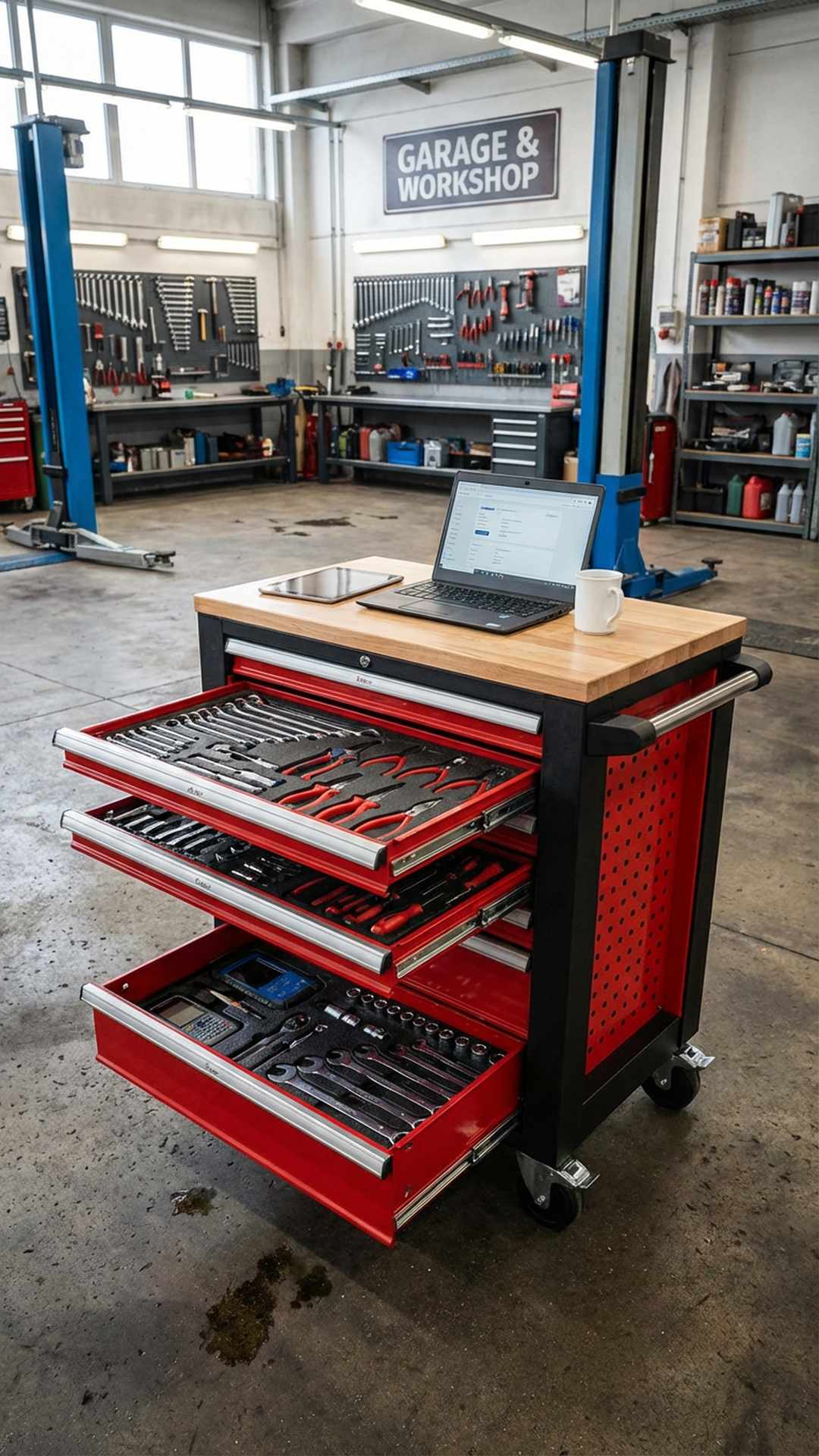
A rolling tool cart with multiple drawers brings professional workshop functionality to your garage, allowing you to keep tools organized by category while maintaining mobility. Whether you’re working on your RV, performing automotive maintenance, or tackling home projects, you can wheel your entire tool collection directly to your work area. Quality tool carts feature ball-bearing drawer slides, secure locking mechanisms, and a sturdy top surface that doubles as a mobile workstation.
Organize drawers strategically with socket sets, wrenches, and screwdrivers in upper drawers for easy access, while storing larger items like power tools and extension cords in deeper bottom drawers. Use foam drawer organizers or divided trays to prevent tools from shifting during movement and to make specific tools easy to locate quickly. The mobility factor makes these carts especially valuable when working on large RVs where you need to access different sides and areas.
6. Space-Maximizing Corner Workbench
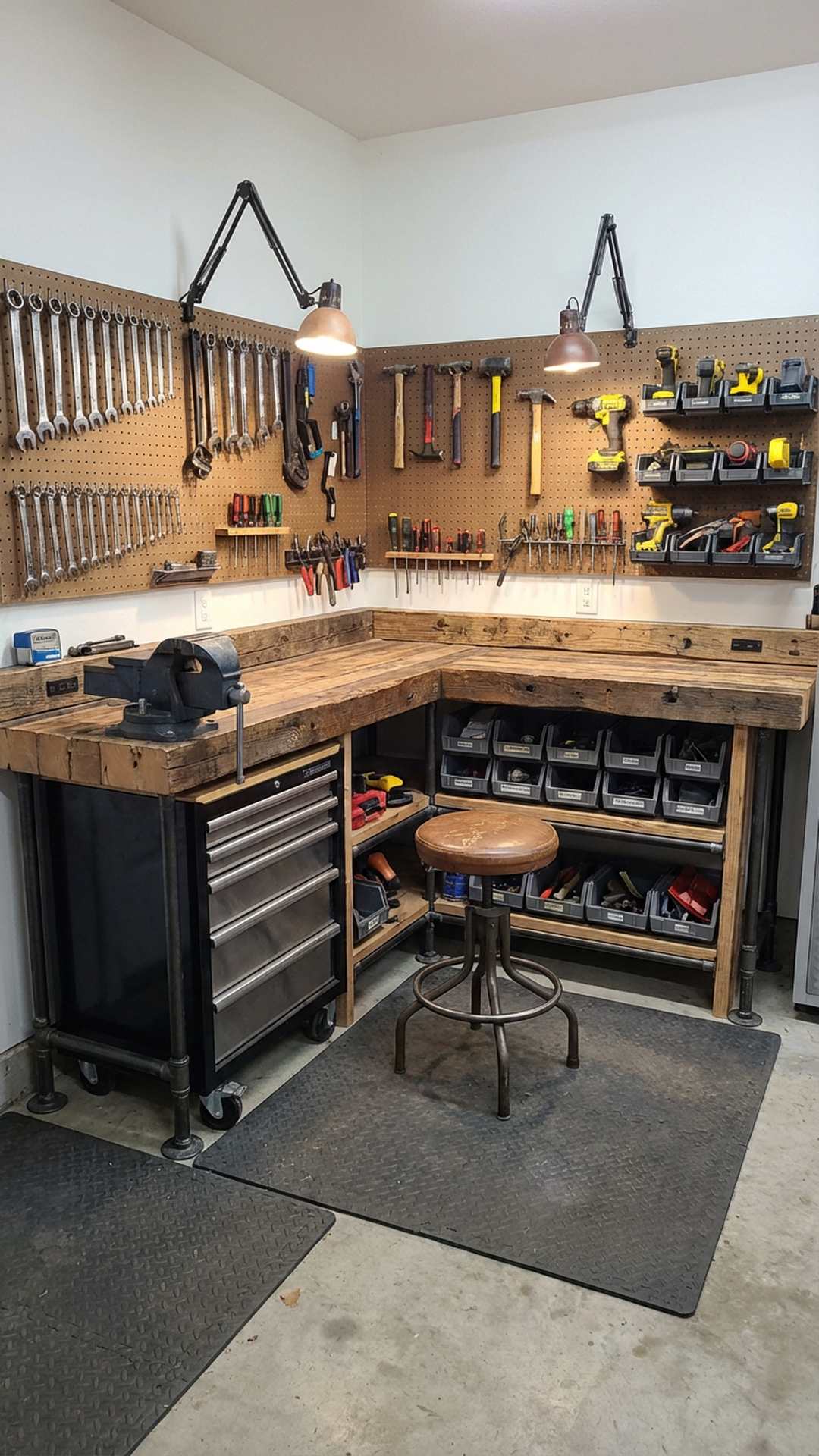
An L-shaped corner workbench makes brilliant use of typically wasted corner space while providing ample work surface for projects and repairs. This configuration creates an efficient workspace where you can spread out materials, tools, and project components while keeping everything within easy reach. The corner design naturally defines a dedicated workshop zone in your garage without consuming linear wall space that you might need for vehicle parking or other storage.
Build or install your corner workbench with a sturdy frame that can withstand heavy use, topped with durable materials like butcher block, plywood, or laminate countertop material. Include storage solutions underneath such as cabinets, drawers, or open shelving to maximize the footprint. Mount a pegboard or slat wall system above the workbench for tool storage and add task lighting to eliminate shadows in your work area.
7. Magnetic Tool Strip
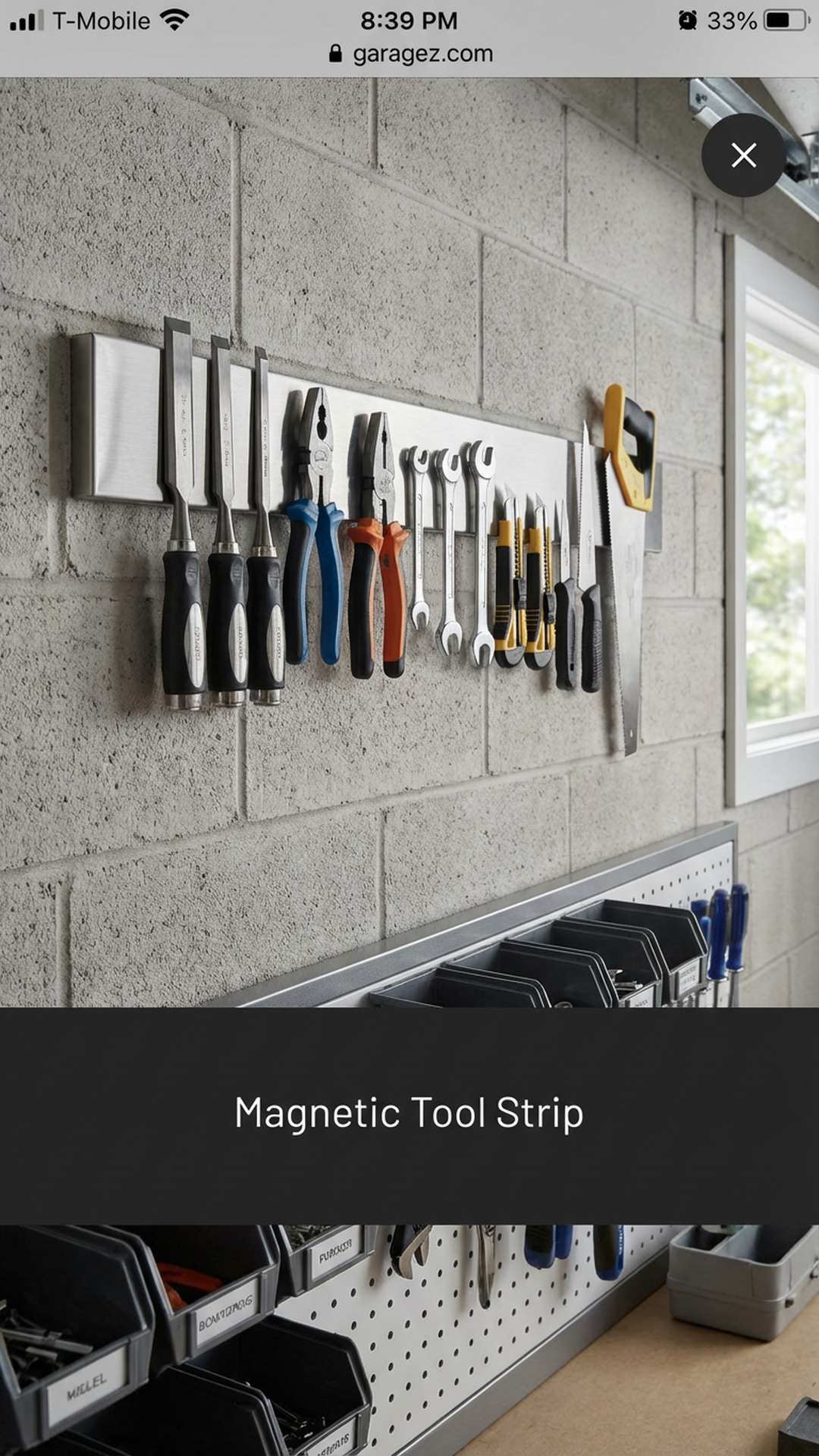
Magnetic tool strips offer an elegant, space-efficient solution for storing metal tools, knives, and implements that need to be within instant reach. These powerful magnetic bars mount directly to walls and can hold an impressive amount of weight despite their slim profile. They’re perfect for organizing screwdrivers, pliers, wrenches, and other frequently used hand tools in a way that displays them clearly while keeping them off your workbench surface.
Position magnetic strips at a comfortable height near your primary work area, ensuring they’re easily accessible without requiring stretching or bending. The visual storage system these strips provide makes it immediately obvious when a tool is missing, encouraging better tool management habits. For RV owners, consider installing a magnetic strip near your RV parking area specifically for RV maintenance tools you use regularly during pre-trip inspections or quick repairs.
8. Dedicated Sports Equipment Zone
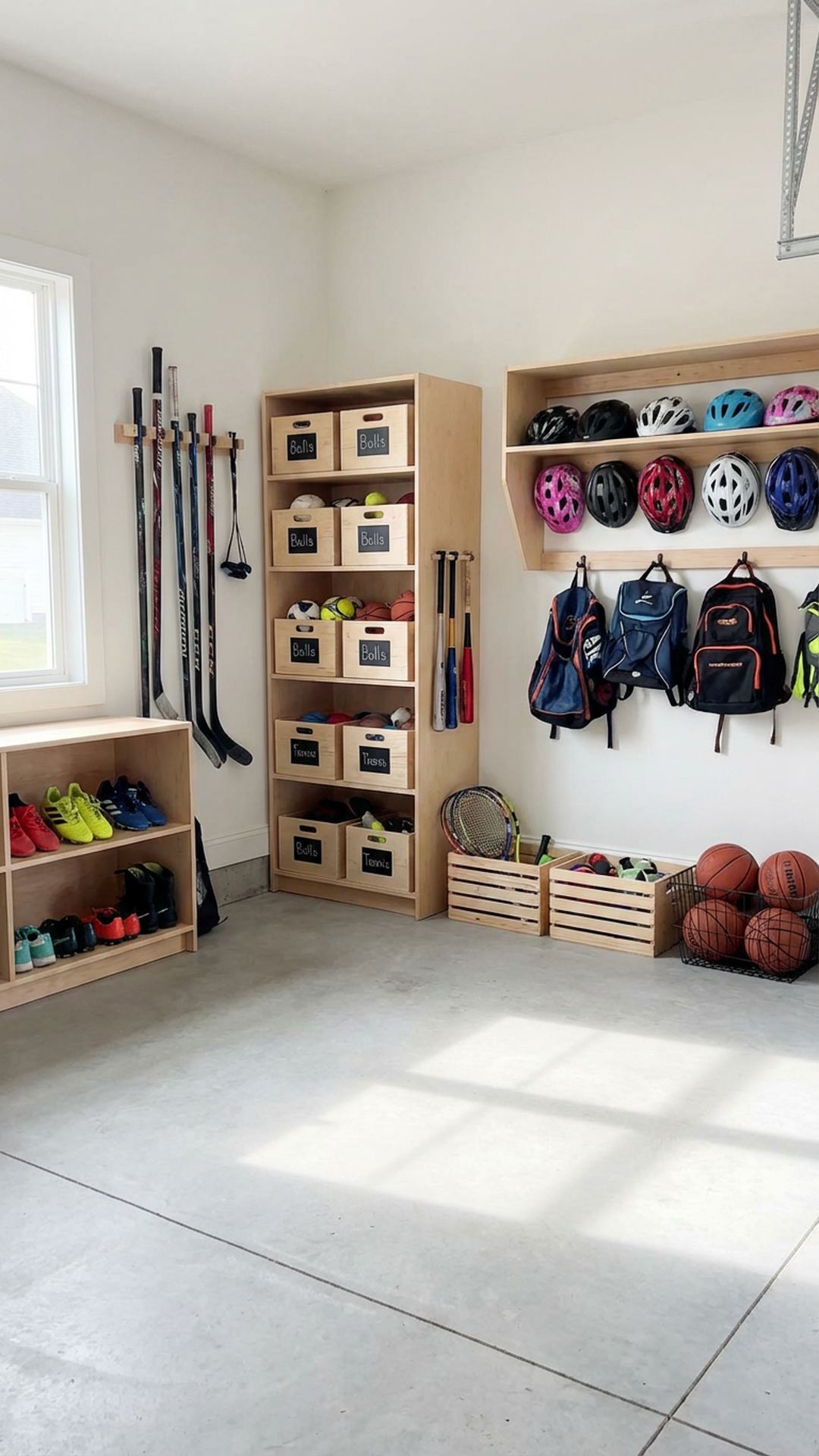
Creating a designated sports equipment zone keeps athletic gear organized and prevents balls, bats, and rackets from cluttering your garage floor. Use a combination of ball cages, wall-mounted racks for bats and hockey sticks, and cubbies for helmets and protective gear to create a family-friendly organization system that even kids can maintain. This dedicated area makes it quick and easy to grab what you need before heading out for activities during your RV camping trips.
Install storage solutions at appropriate heights for family members who use them most—lower hooks for children’s equipment and higher shelves for adult gear or seasonal items. Mesh bags attached to the wall work wonderfully for storing multiple balls while allowing them to air out after use. Consider adding a small bench or cube storage where family members can sit to put on or remove athletic shoes, keeping dirt and debris contained in one area.
9. Sliding Door Cabinet System
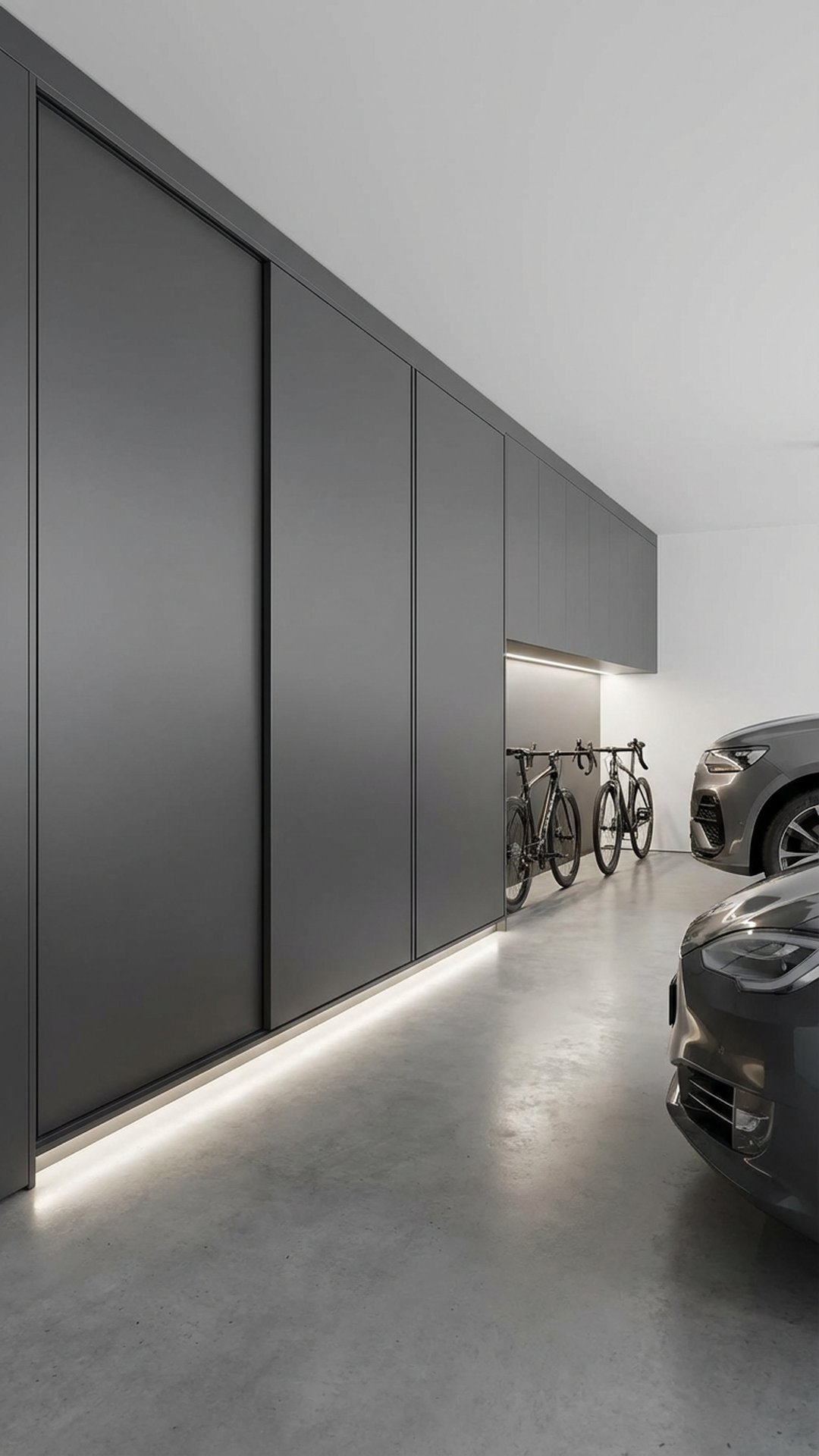
Sleek sliding door cabinets provide concealed storage that creates a clean, modern aesthetic while protecting contents from dust and temperature fluctuations. Unlike traditional swing-out cabinet doors that require clearance space to open, sliding doors operate within the cabinet footprint, making them ideal for garages where space is at a premium. These systems work perfectly for storing chemicals, paints, valuables, or items you want to keep out of sight but still need regular access to.
Choose cabinets with lockable sliding doors if you store hazardous materials, and consider climate-controlled options for sensitive items like electronics, documents, or photographs. The enclosed nature of these cabinets keeps contents cleaner than open shelving, reducing maintenance time. Install cabinets at various heights to maximize wall space, with upper cabinets for lighter items and lower cabinets for heavier supplies.
10. Wall-Mounted Garden Tool Rack
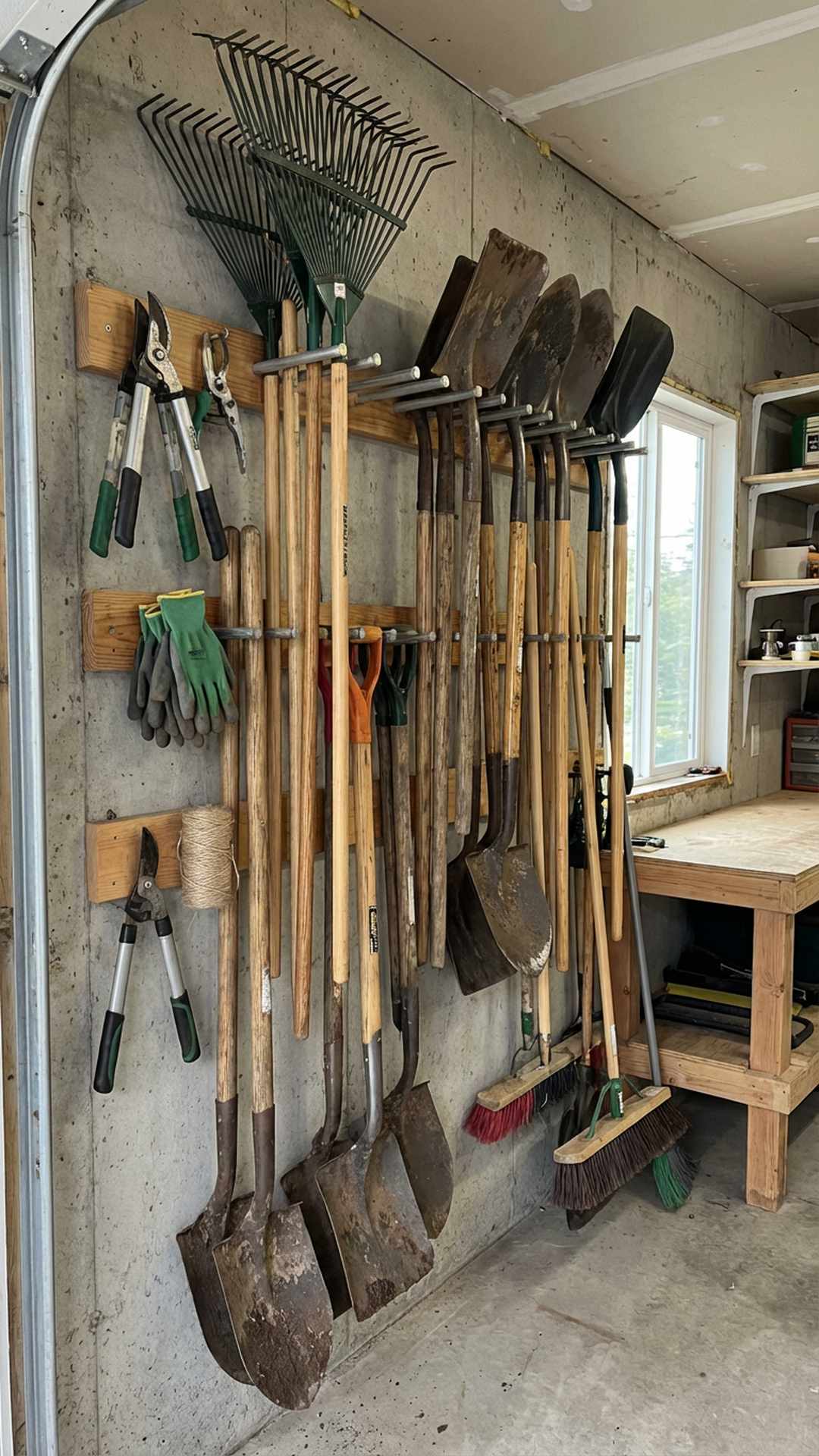
A dedicated wall-mounted rack for long-handled garden and yard tools prevents the frustrating clutter of rakes, shovels, and brooms leaning against walls or falling over. These racks feature individual slots or grips that securely hold each tool upright and separated, protecting tool heads from damage while making it easy to see exactly what you have. This organization method is especially valuable for RV owners who maintain both their home property and campsite areas.
Install the rack at a height that makes tools easy to remove and replace—typically with handles extending from about three feet to seven feet off the ground. Position it near your garage door for convenient access when heading outside for yard work. Consider organizing tools by frequency of use or by category, with the most commonly used implements in the most accessible positions. The vertical storage approach keeps floor space clear and prevents tripping hazards.
11. Clear Stackable Storage Bins
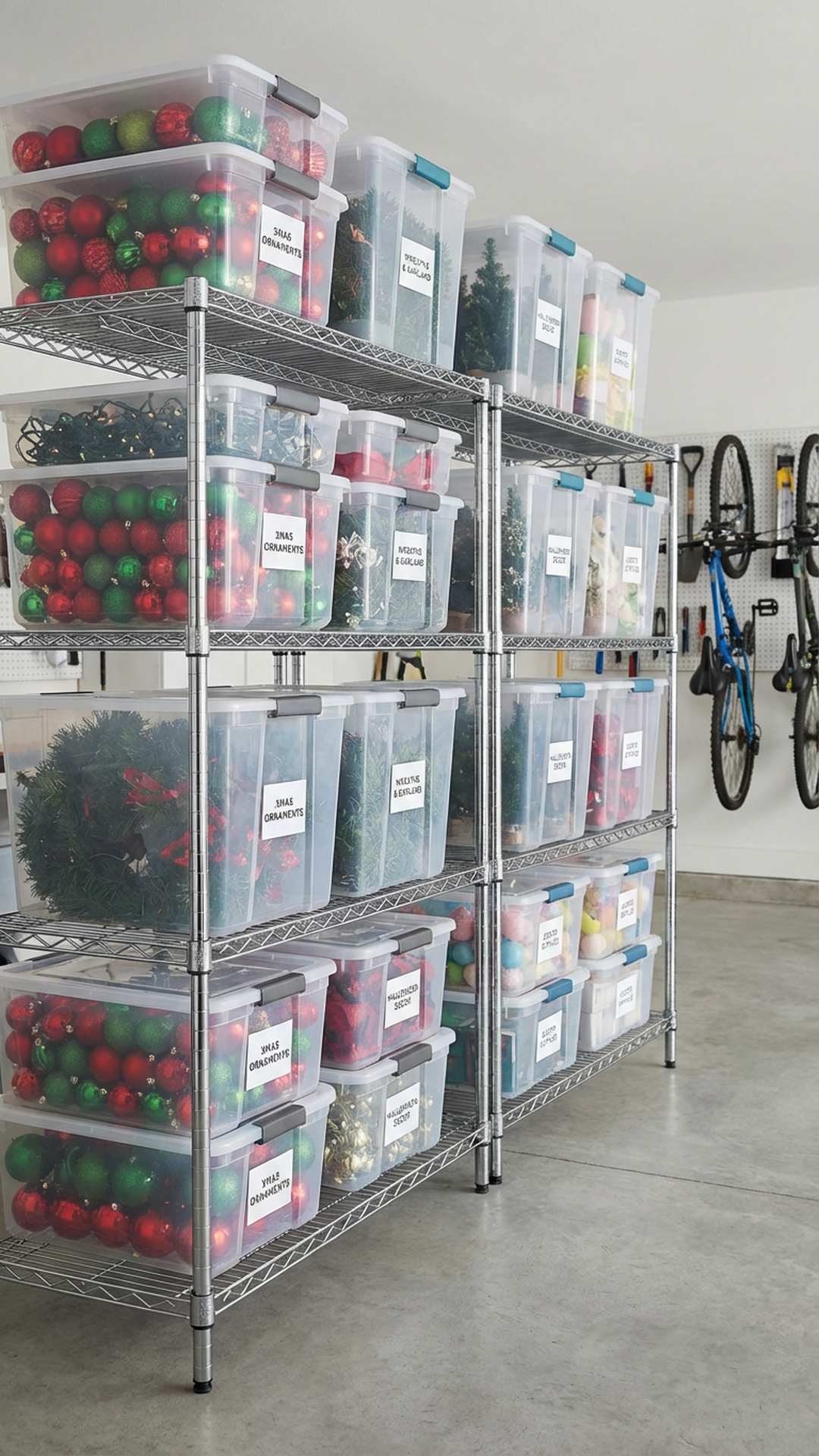
Transparent stackable storage bins create an organized, uniform storage system where you can see contents at a glance without opening every container. These bins are perfect for seasonal decorations, RV accessories, camping gear, and hobby supplies that need protection from dust and moisture. The stackable design maximizes vertical space while the clear material eliminates guesswork when searching for specific items, saving time and frustration.
Invest in bins of uniform size whenever possible to create stable, neat stacks and maximize shelf space efficiency. Add large, clear labels to multiple sides of each bin describing contents in detail—this extra step pays dividends when you’re searching for something specific months later. Store the heaviest bins on lower shelves for safety and stability, reserving upper areas for lighter seasonal items you access less frequently.
12. Wall-Mounted Folding Workbench
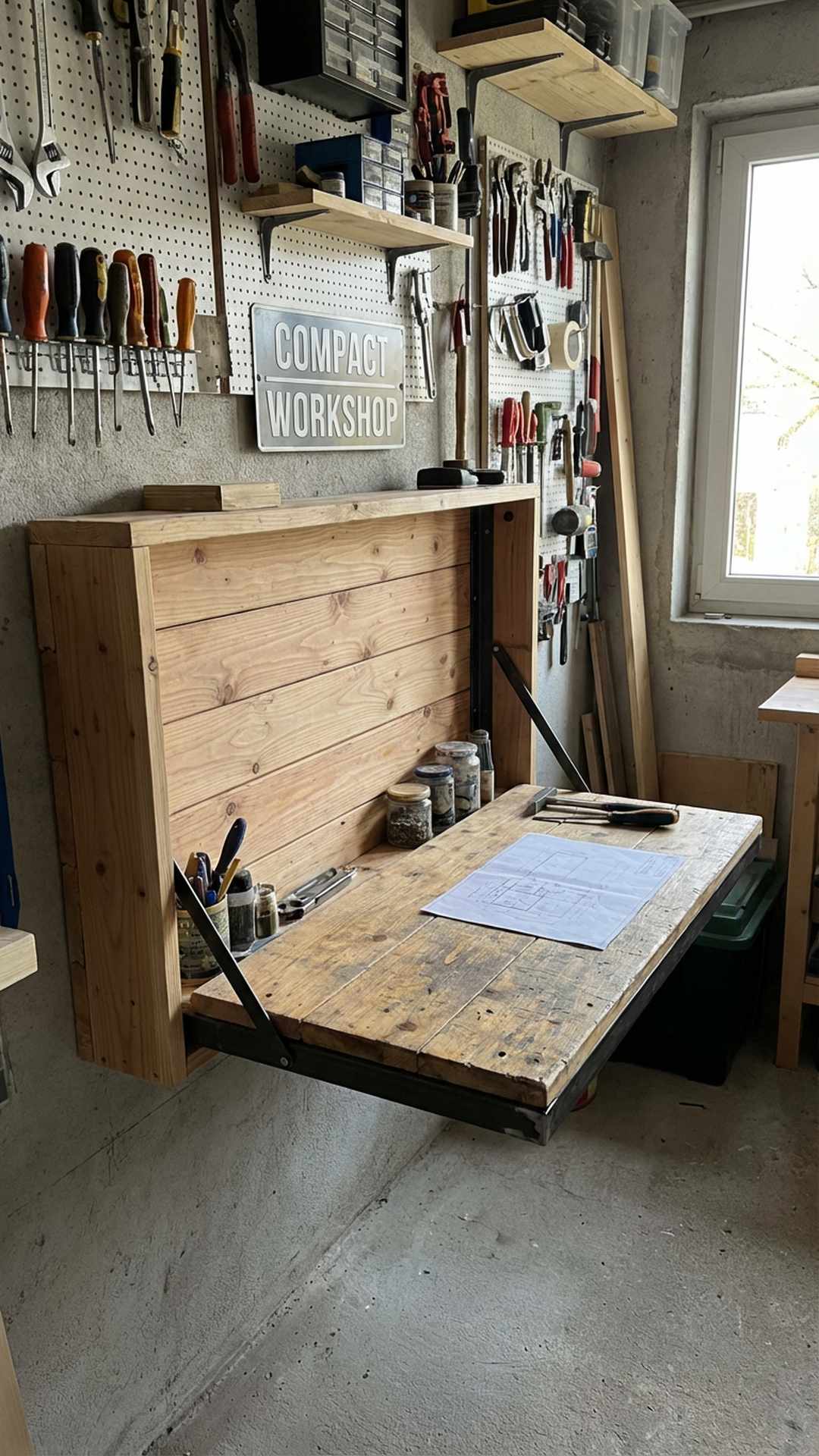
A folding workbench mounted to the wall provides full workspace functionality when you need it and disappears completely when you don’t, making it ideal for garages where every square foot counts. These space-saving designs fold down from the wall to create a stable work surface, then fold back up to allow full vehicle clearance for parking. Many models include integrated storage for tools and supplies, keeping everything you need contained in one compact unit.
Position your folding workbench at a comfortable working height and ensure it’s securely mounted to wall studs with heavy-duty hardware capable of supporting both the bench weight and your project materials. Consider the folded depth when choosing a location—you want it to be out of the way but not interfering with vehicle doors or other garage functions. The instant setup and takedown make these benches perfect for occasional projects without requiring permanent floor space commitment.
13. Color-Coded Floor Zones
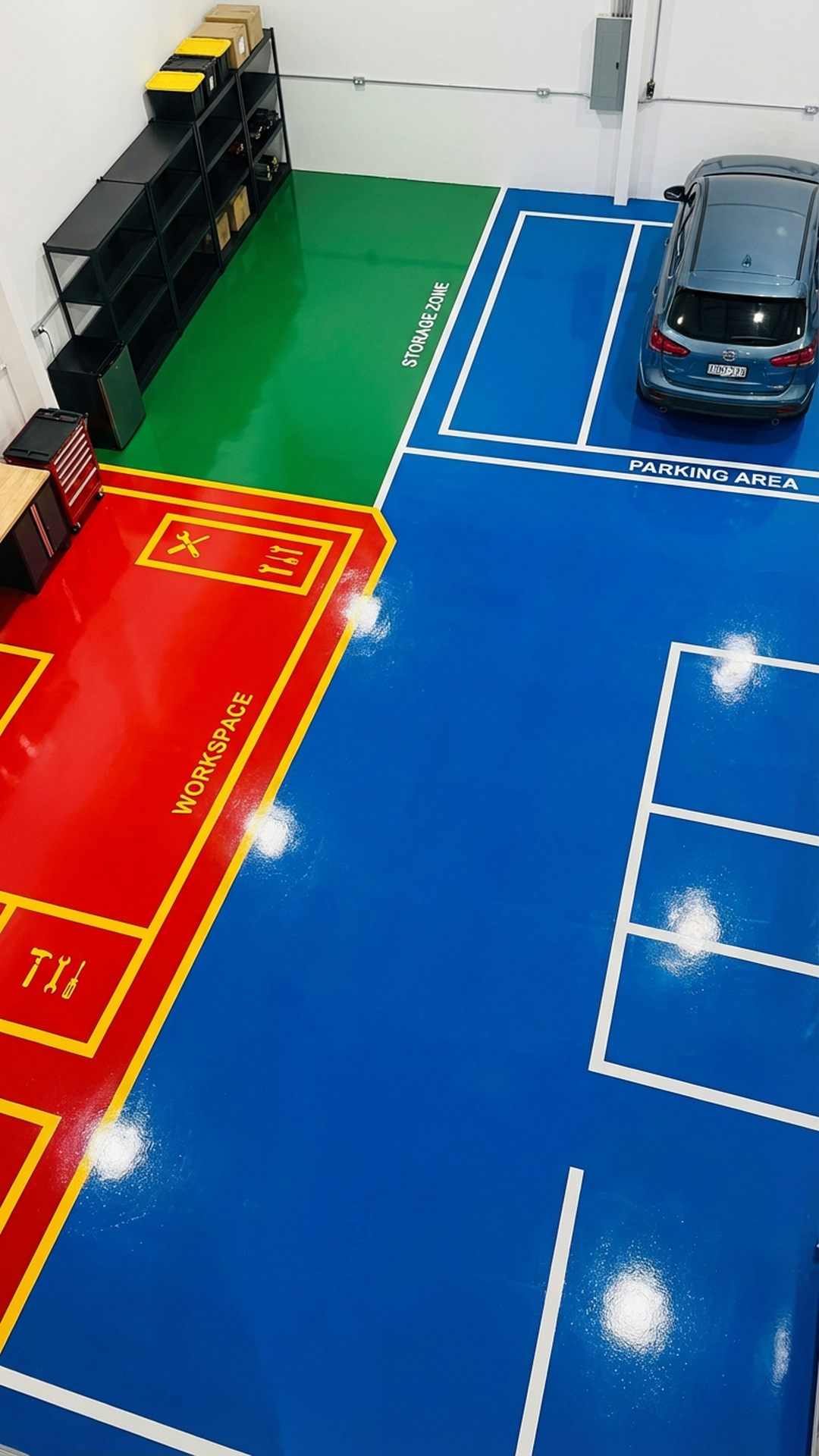
Using colored epoxy floor coating or tape to designate different zones in your garage creates clear visual boundaries for parking areas, workspaces, and storage sections. This organizational strategy works particularly well in multi-use garages where you need to balance vehicle parking, workshop activities, and general storage. The color-coding system helps all family members understand where vehicles should park and where different types of items belong, reducing clutter and confusion.
Choose distinct colors for different purposes—for example, gray for vehicle parking, blue for the workshop zone, and green for storage areas. The durable epoxy floor coating not only provides organizational benefits but also protects concrete from oil stains, chemical spills, and general wear while making cleaning easier. This approach creates a professional, finished appearance that can increase your home’s value while making your garage significantly more functional.
14. Versatile Slotwall Panel System
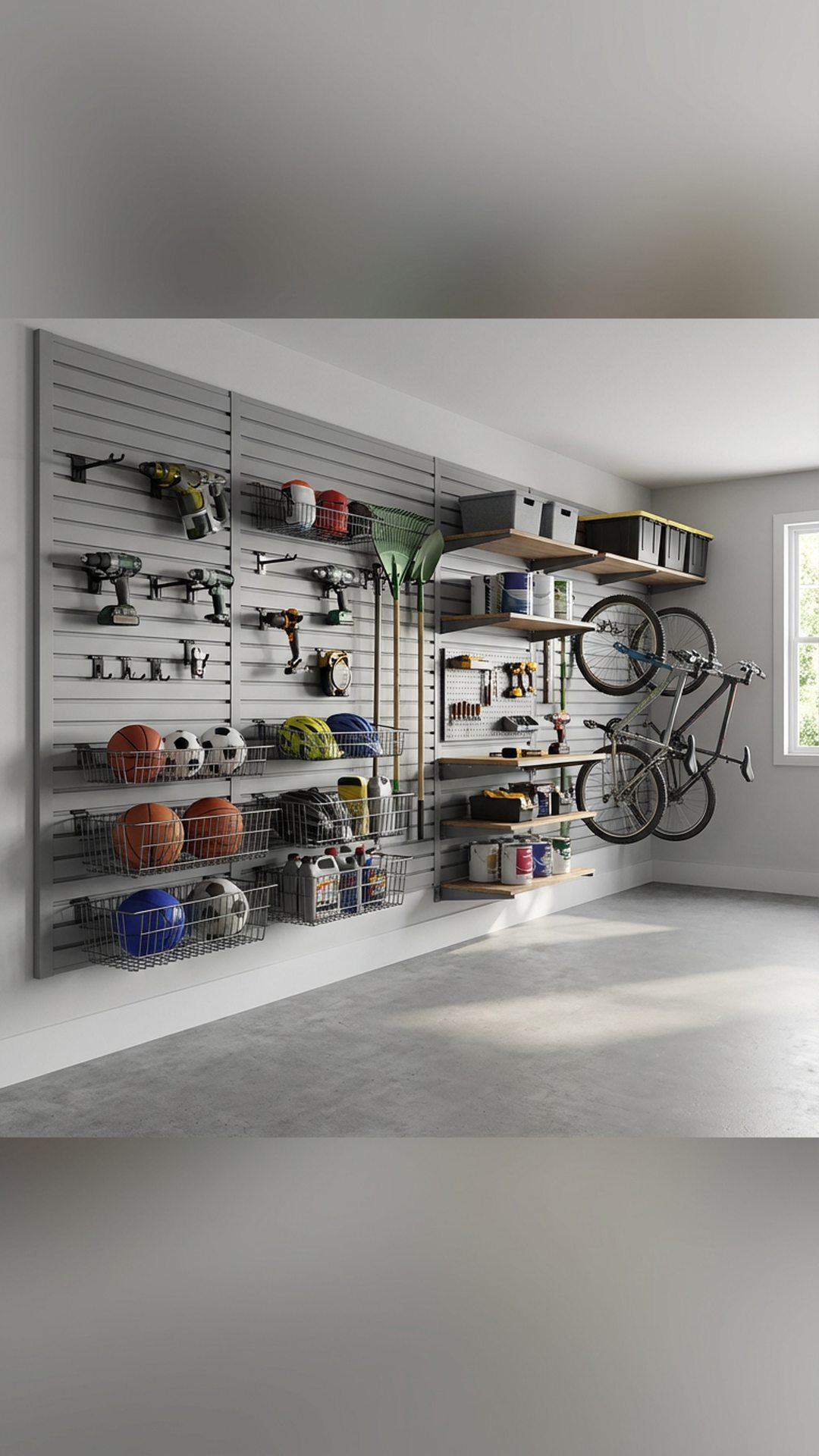
Slotwall panels offer ultimate flexibility in garage organization, accepting dozens of accessory types including hooks, baskets, shelves, and specialty holders that can be rearranged without tools. This modular system allows you to reconfigure your storage layout as needs change, making it perfect for growing families, evolving hobbies, or changing RV equipment requirements. The horizontal grooves accept accessories at any point along the wall, giving you infinite positioning possibilities.
Cover entire walls with slotwall panels to create a comprehensive storage system, or install them in strategic sections where you need adaptable storage. The panels come in various finishes from utilitarian PVC to attractive wood-grain options that complement your garage aesthetic. Combine different accessory types to create specialized storage zones—bike hooks in one section, tool baskets in another, and RV accessory holders in a third area.
15. Multi-Bin Recycling Station
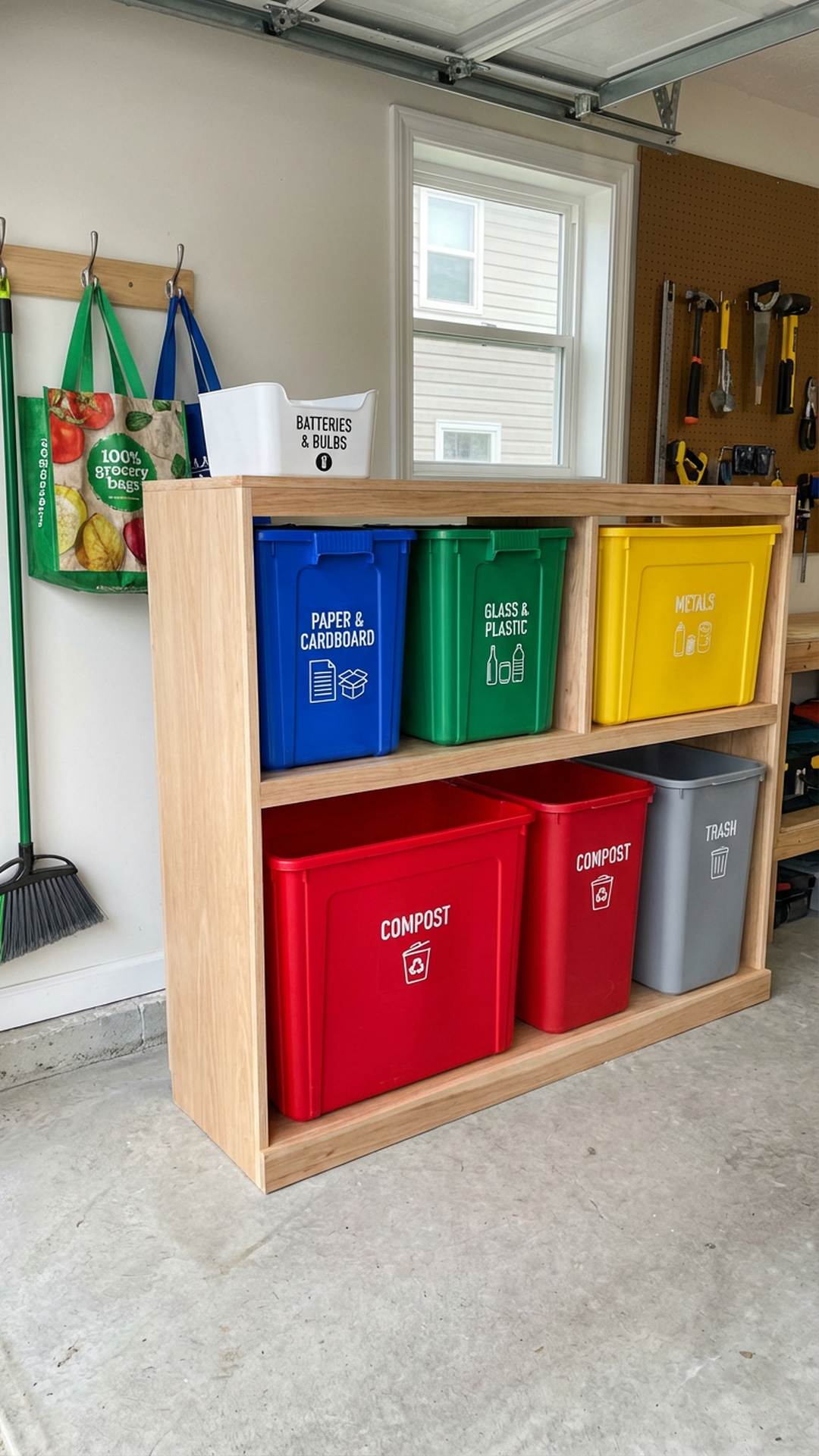
A dedicated recycling and waste station in your garage streamlines household waste management by providing clearly labeled bins for trash, recyclables, compost, and special items like batteries or electronics. This organized approach makes it easy for all family members to sort waste correctly and provides a convenient staging area before items move to outdoor bins. For RV families, this station can also serve as a place to prepare recyclables you collect during camping trips before properly disposing of them at home.
Choose bins in different colors to represent different waste streams and add large, clear labels so there’s no confusion about what goes where. Position the station near your garage entry door to the house for convenient access when bringing waste from inside. Include a small bin or bucket for returnable bottles and cans, which can generate extra cash for your RV travel fund over time.
16. Ceiling-Mounted Ladder Storage
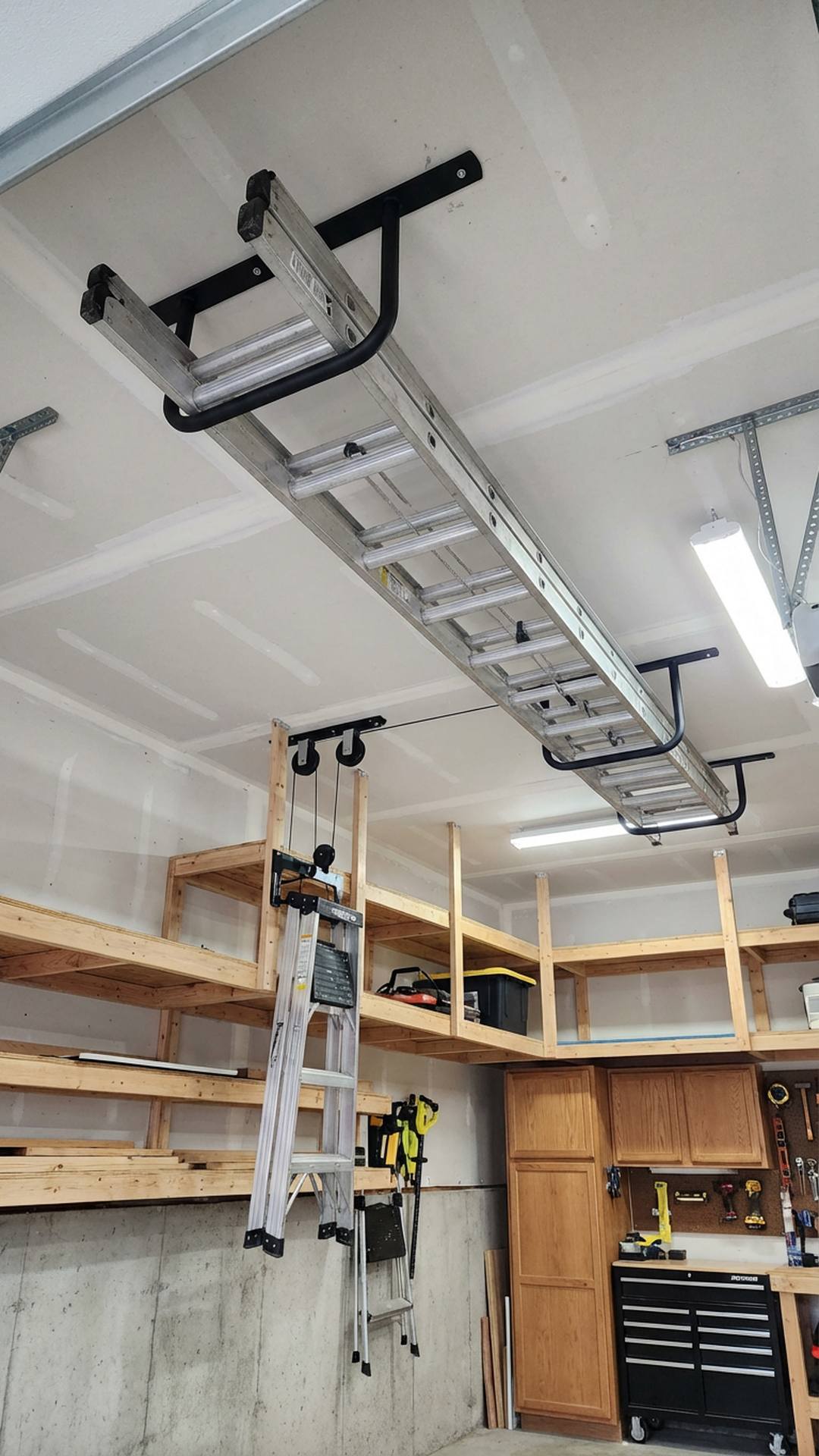
Horizontal ceiling-mounted ladder racks keep bulky extension ladders and step ladders safely stored overhead, freeing up valuable wall and floor space while keeping them accessible when needed. These heavy-duty hooks or brackets attach directly to ceiling joists and hold ladders parallel to the ceiling, typically in the garage’s peripheral areas where ceiling height isn’t critical for vehicle clearance. This storage method protects ladders from damage while keeping them out of the way until needed for RV maintenance, home repairs, or campsite setup.
Install ladder storage racks with adequate clearance for vehicle height—typically near the front or back of the garage rather than in the center. Ensure mounting hardware is properly secured into ceiling joists to safely support the ladder’s weight. Consider the ladder’s length when positioning racks, leaving enough space at each end for easy removal and replacement without requiring acrobatic maneuvers or hitting other stored items.
17. Mobile Lumber Rack
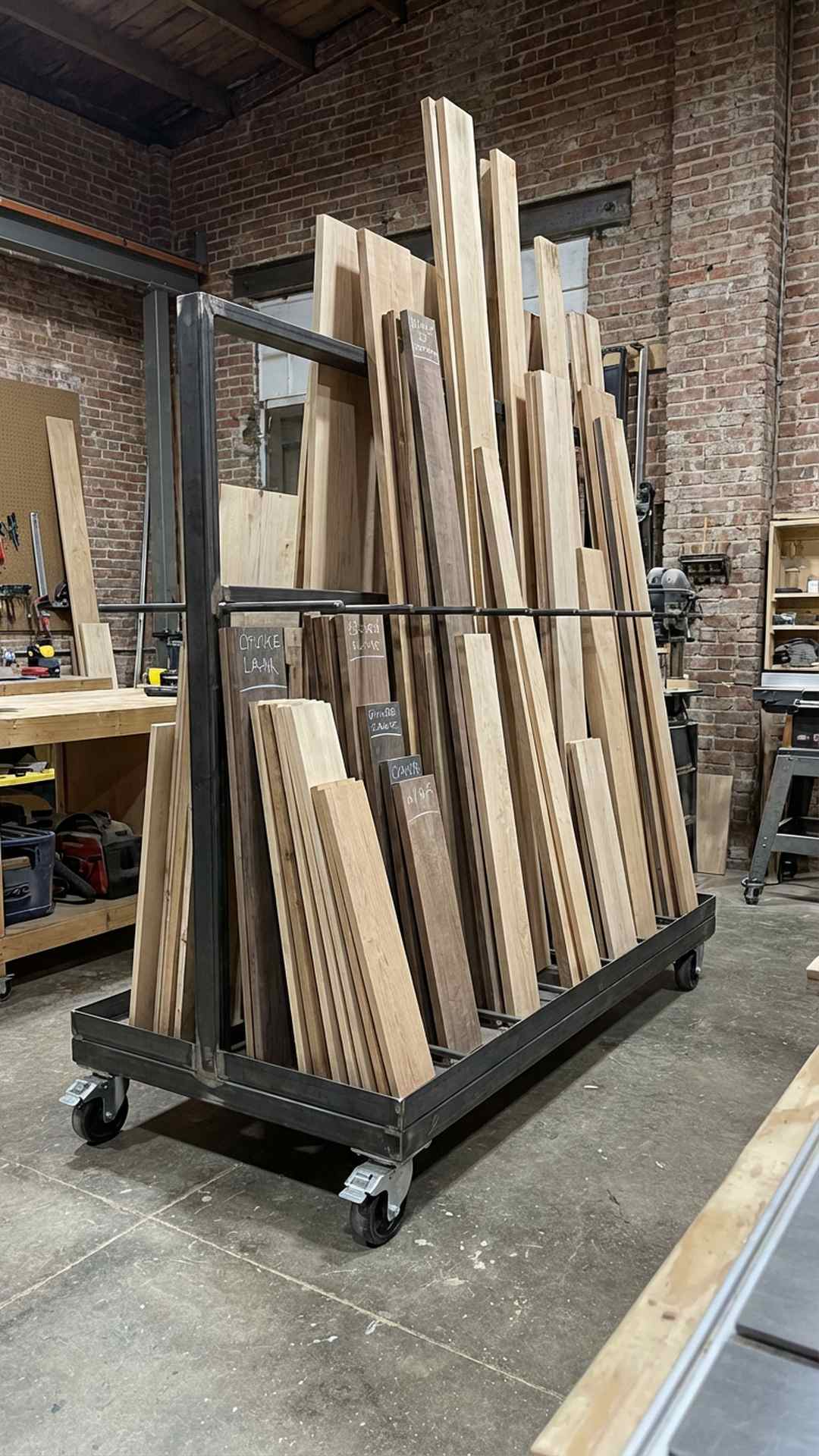
A rolling lumber rack keeps building materials, long pipes, and awkward-length items organized vertically while maintaining the ability to move them around your garage as needs change. The mobile design allows you to wheel materials directly to your work area, then roll the rack back against a wall or into a corner when not in use. This flexibility is especially valuable for DIY enthusiasts and RV owners who work on modifications, repairs, or campsite improvements requiring various materials.
Choose a sturdy rack with multiple vertical dividers to separate different material types and lengths, preventing them from mixing together or falling over. The vertical storage orientation keeps lumber straight and prevents the warping that can occur when boards are stored flat for extended periods. Locking casters ensure the rack stays in position when loaded but moves easily when empty or lightly loaded.
18. Power Tool Charging Station
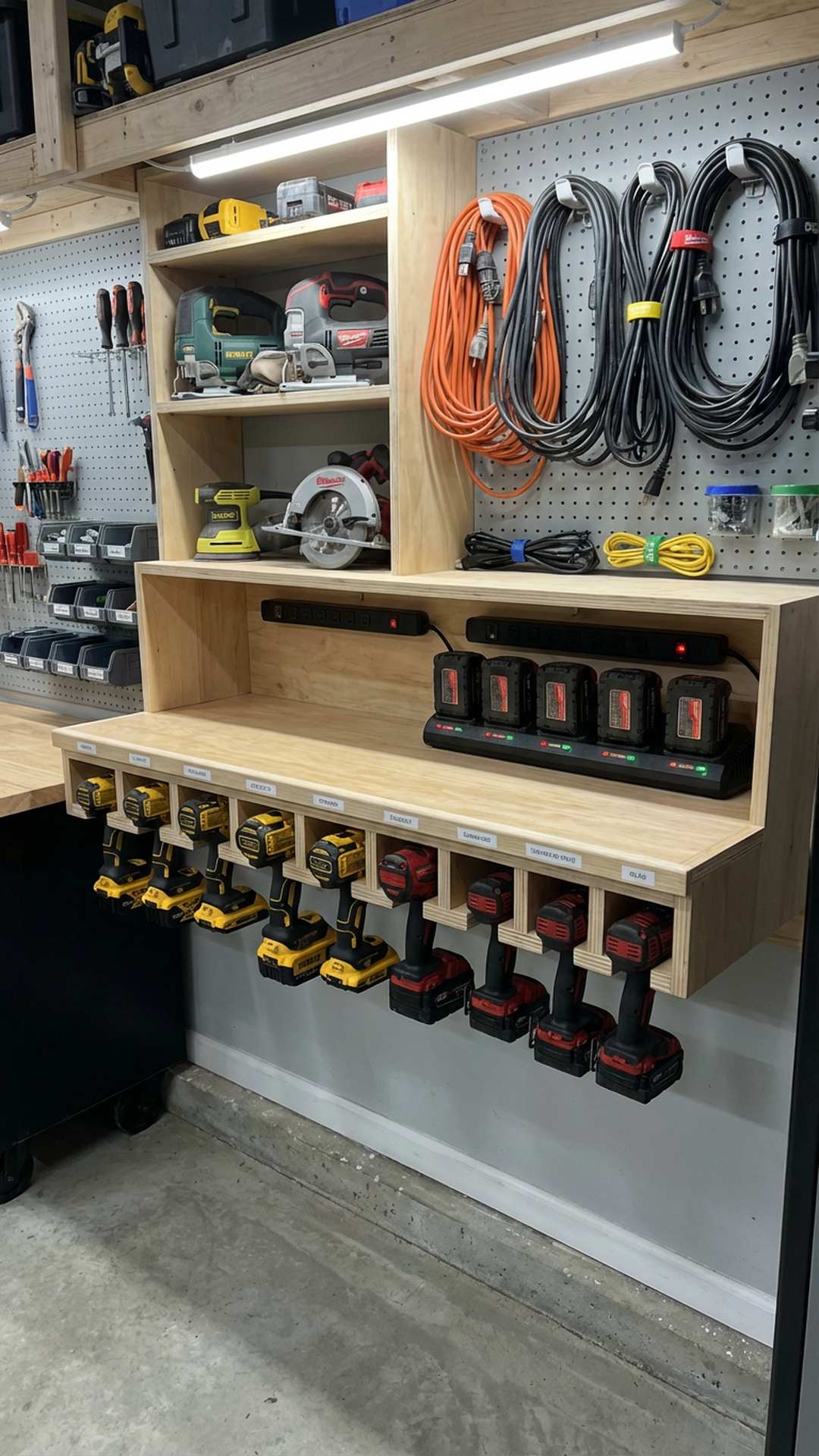
A centralized charging station for cordless power tools keeps batteries charged, organized, and ready for use while preventing the cord tangle chaos that often plagues garage workshops. This dedicated area includes shelf space for drills, impact drivers, saws, and other tools, plus integrated charging docks or outlets for batteries and a system for managing power cords. Having all power tools and their batteries in one location saves time when starting projects and ensures you always have charged batteries available.
Design your charging station with individual spaces for each tool, arranged by frequency of use or by category. Include a power strip with multiple outlets mounted to the back of the shelf or wall, keeping cords organized with cable clips or ties. Many RVers find it helpful to have a separate section for RV-specific power tools and accessories that don’t mix with general home workshop tools.
19. Wall-Mounted Hose Reel
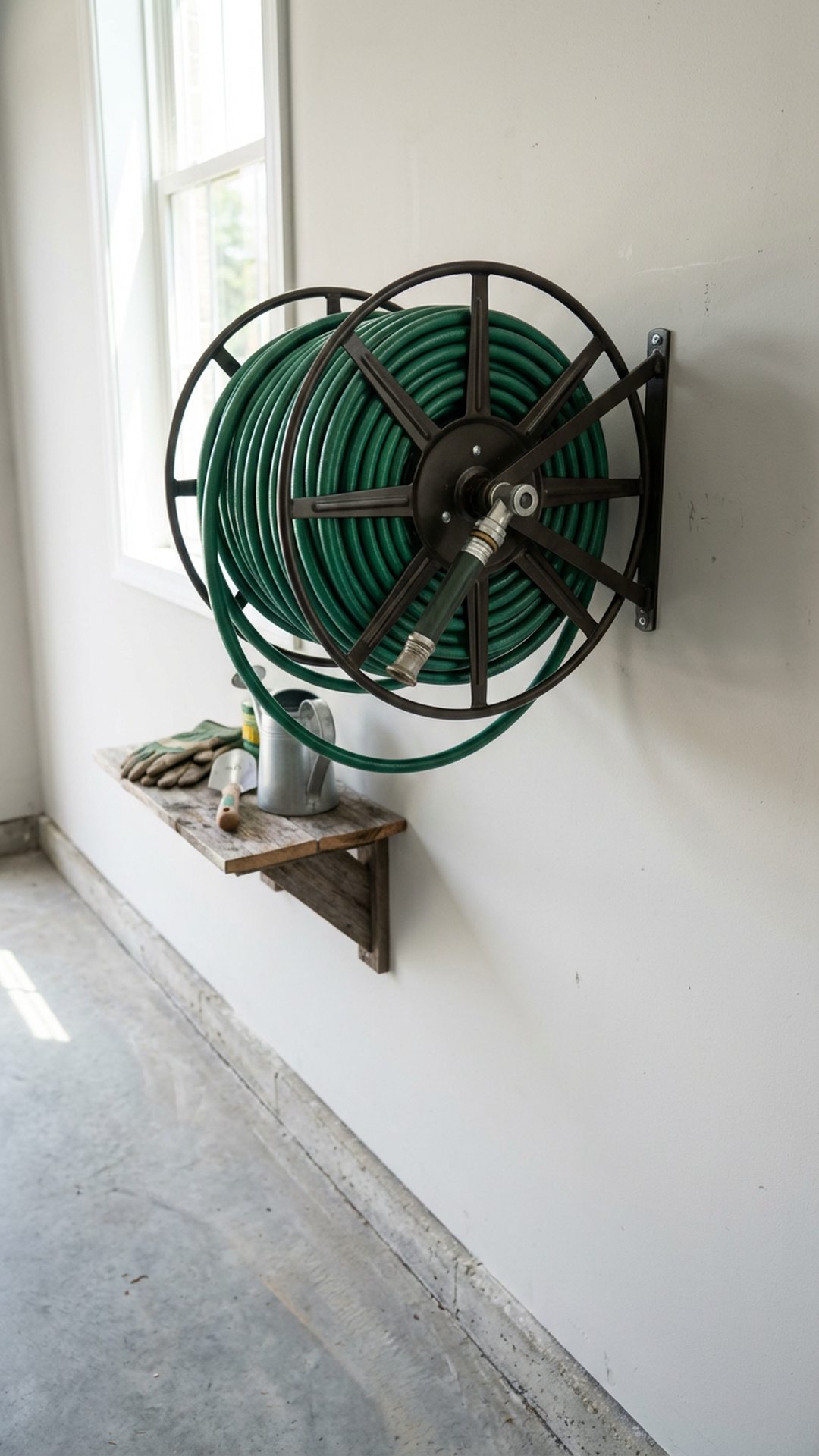
A wall-mounted hose reel keeps garden hoses neatly coiled and tangle-free while making them easy to access for washing vehicles, watering plants, or cleaning RV exteriors. The elevated mounting position keeps hoses off the floor where they can become tripping hazards or parking obstacles, and the reel mechanism allows for smooth, easy deployment and retraction. Many models include built-in storage for spray nozzles and small watering accessories.
Position the hose reel near an outdoor spigot or at a central location that allows the hose to reach all areas you typically need water access. Choose a reel with capacity appropriate for your hose length—mounting a 100-foot hose on a reel designed for 50 feet creates frustration and doesn’t work properly. Consider a model with a guide system that helps the hose wind evenly on the reel, preventing binding and extending hose life.
20. Mudroom-Style Shoe Storage Bench
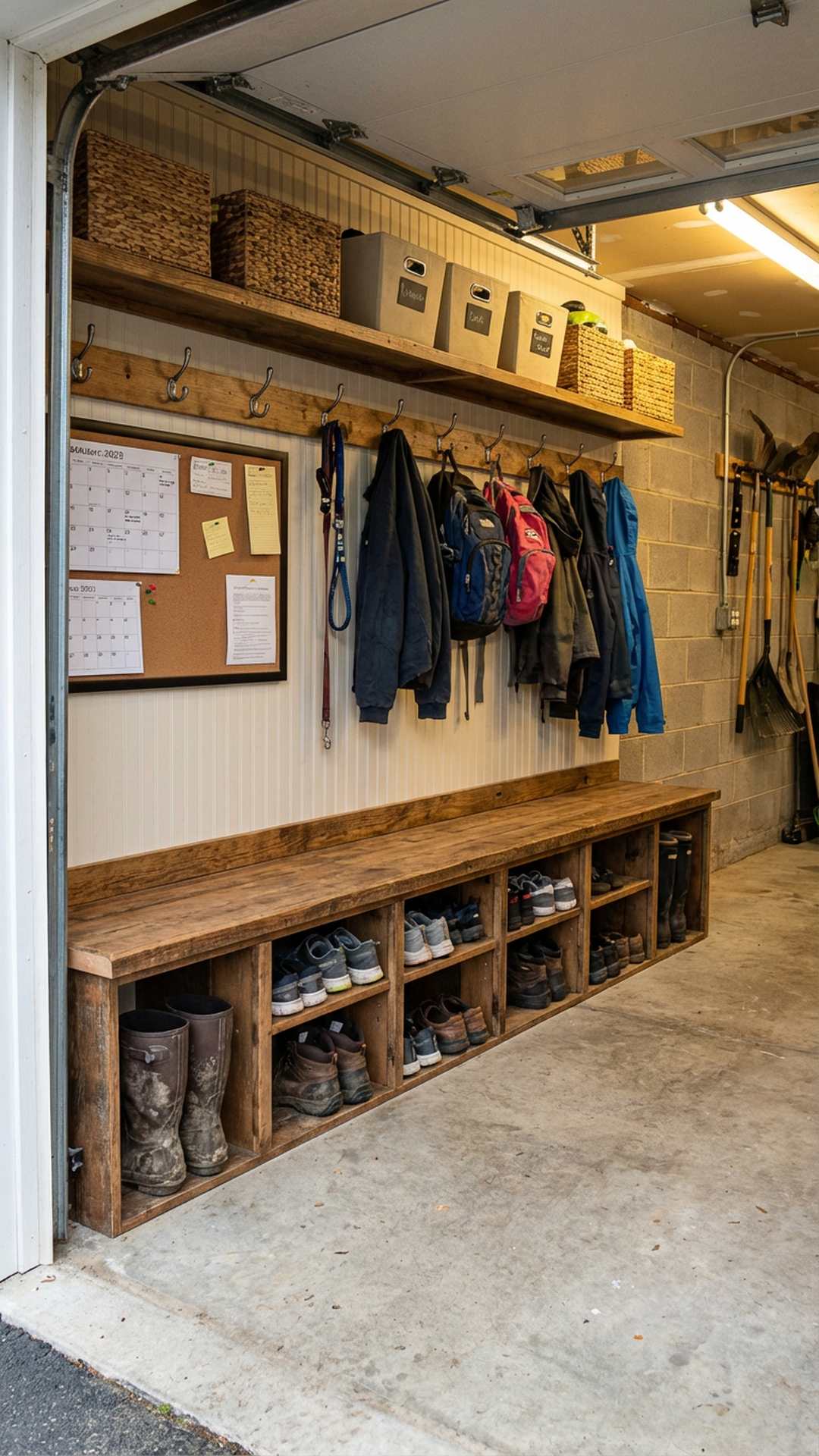
A shoe and boot storage bench near your garage entry to the house creates a transition zone that keeps outdoor footwear from tracking dirt throughout your home. This mudroom-style station typically includes a bench for sitting while removing shoes, cubbies or shelves below for footwear storage, and hooks above for coats, hats, and bags. For RV families, this area becomes especially valuable for storing hiking boots, water shoes, and other outdoor footwear that accumulates during camping adventures.
Choose open cubby storage rather than closed cabinets to allow shoes and boots to air out and dry between uses, preventing odor buildup and mildew growth. Size the bench height appropriately for family members who will use it most—lower for children, standard height for adults. Include a small boot tray or mat underneath to catch drips from wet footwear, making cleanup easier and protecting your garage floor.
21. Organized Paint Storage Shelving
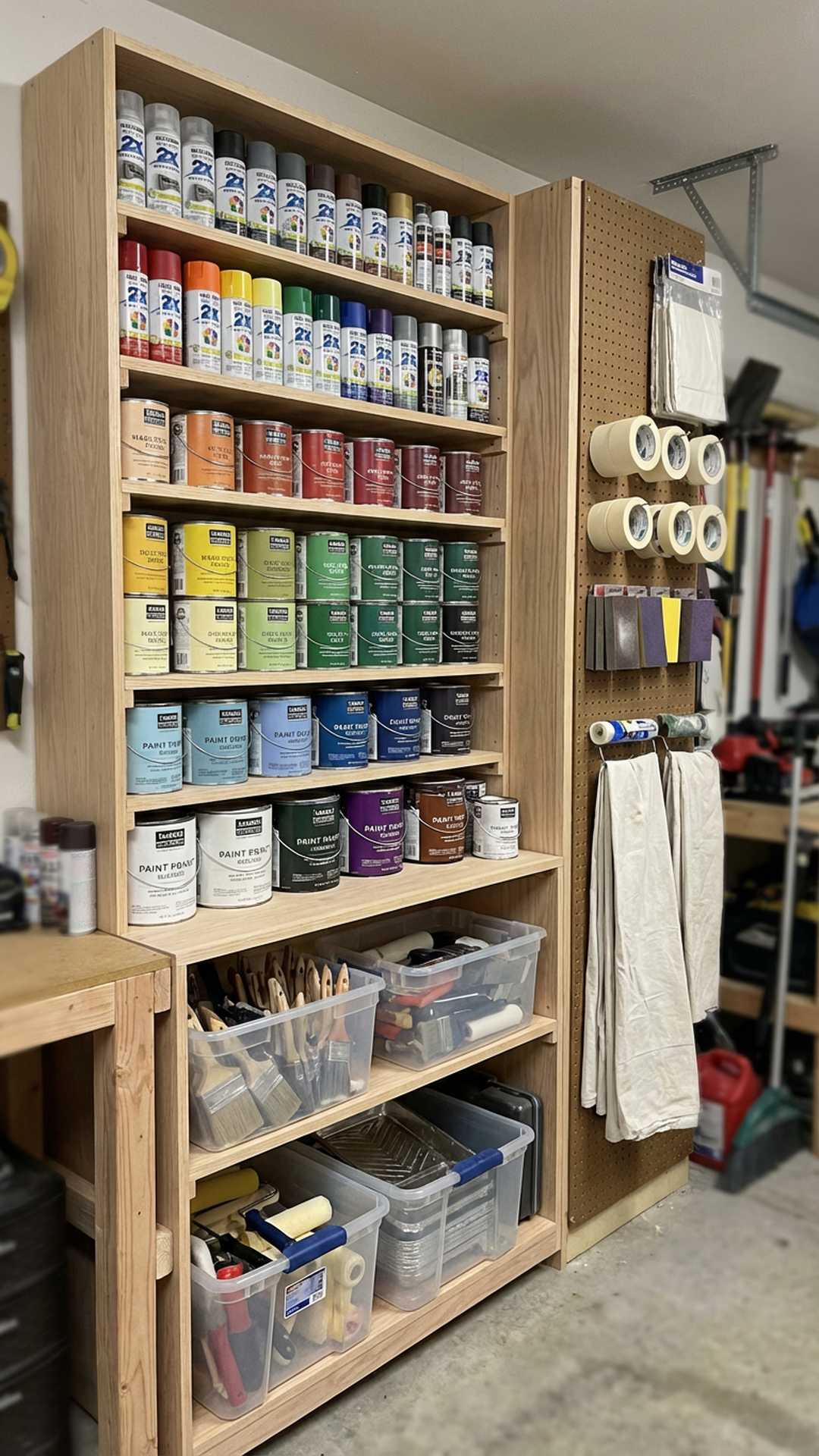
Dedicated paint storage shelving keeps cans, spray paint, brushes, and related supplies organized while protecting these products from temperature extremes that can affect their quality. A well-designed paint station includes shelving appropriate for various container sizes, a designated area for brushes and rollers, and preferably enclosed cabinets to protect contents from freezing in winter or excessive heat in summer. This organization system makes it easy to find the exact color you need for touch-ups on your home or RV exterior.
Organize paint cans by color, type (interior, exterior, primer), or by room/project, using a system that makes sense for your household. Consider labeling the lids with the purchase date and which room or area the paint was used for, making future touch-up projects effortless. Store aerosol spray paints in a separate area, preferably in a cabinet that can be locked if you have young children, as these products are particularly temperature-sensitive and hazardous.
22. Under-Stair Storage Solutions
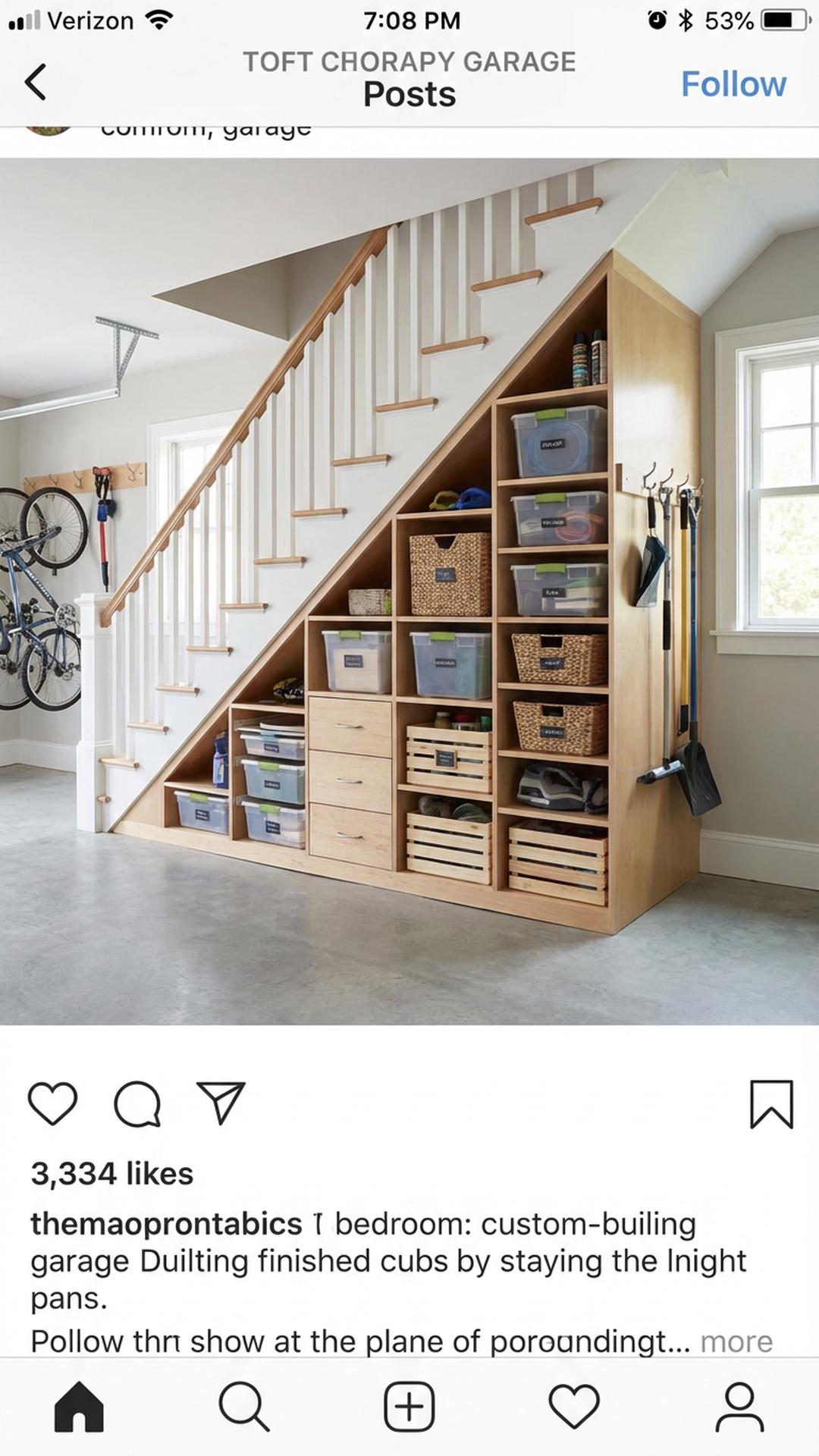
The awkward space beneath garage stairs leading to second floors or bonus rooms offers surprising storage potential when outfitted with custom shelving, drawers, or cabinets that follow the stair’s ascending angle. This typically unused area can accommodate everything from holiday decorations to RV supplies, transforming wasted space into valuable storage real estate. The graduated height naturally organizes items by size, with taller items near the tall end and smaller items toward the lower end.
Install pull-out drawers or sliding shelves to make accessing items at the back of under-stair storage easier, preventing the “black hole” effect where things get pushed back and forgotten. Consider the stair structure when mounting shelves—you may need to work around support posts or diagonal bracing. This space works particularly well for long-term storage of items you don’t need frequently but want to keep protected from garage temperature fluctuations.
23. French Cleat Wall System
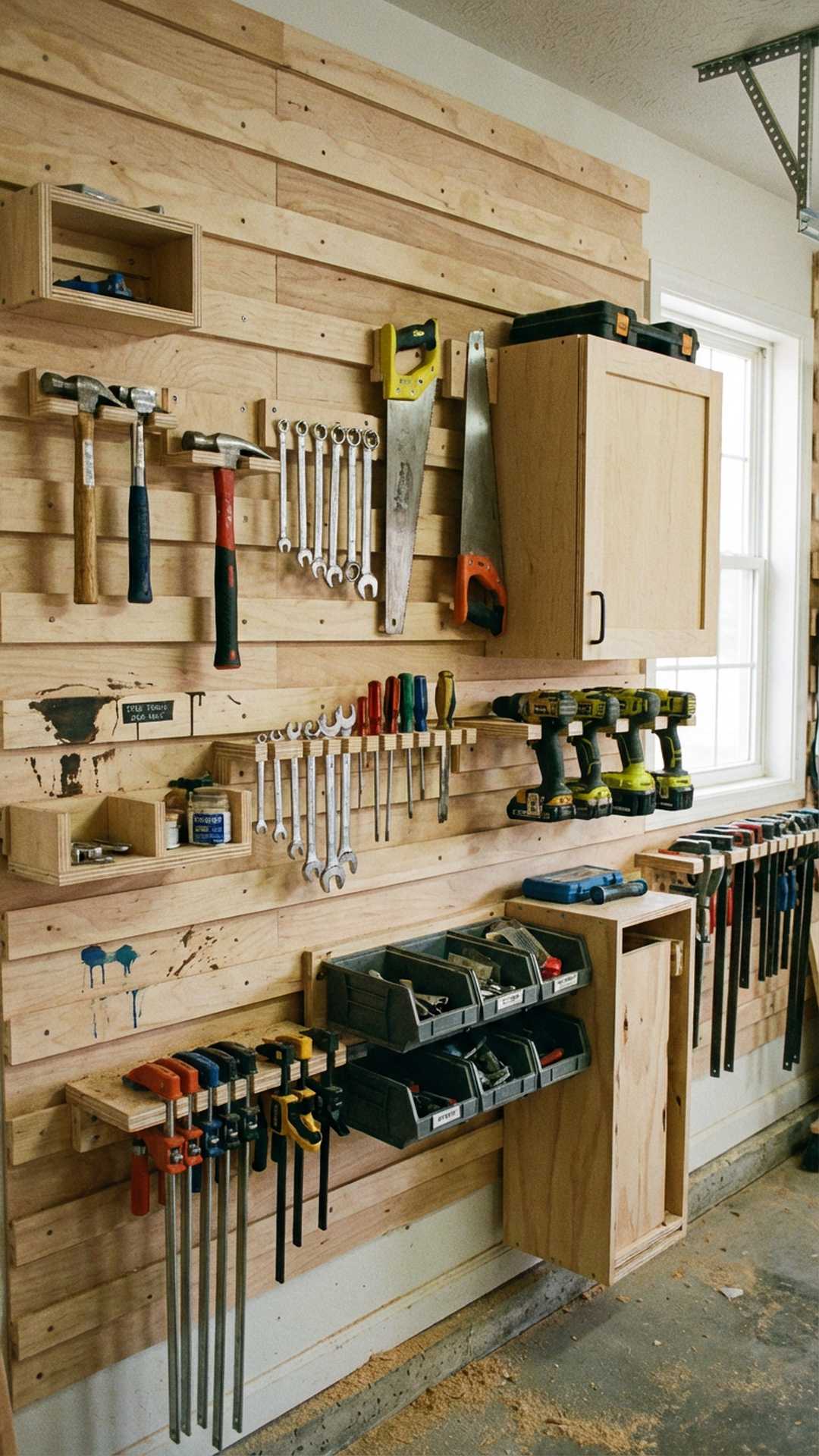
A French cleat mounting system provides incredibly strong, reconfigurable wall storage where custom brackets can be moved and rearranged without tools or new holes in the wall. This two-piece system consists of matching beveled wood strips—one mounted to the wall studs and corresponding pieces attached to storage components like shelves, tool cabinets, or equipment holders. The interlocking bevel design allows heavy items to hang securely while remaining easy to reposition as your needs evolve.
Install a continuous French cleat rail along your garage walls to create a flexible storage infrastructure where you can add, remove, or relocate hanging components whenever needed. This system excels at holding heavy items like cabinets, large tool holders, or equipment racks that would be difficult to move with traditional mounting methods. The clean appearance and professional functionality make French cleat systems popular among serious DIYers and workshop enthusiasts.
24. Versatile Rolling Storage Cart
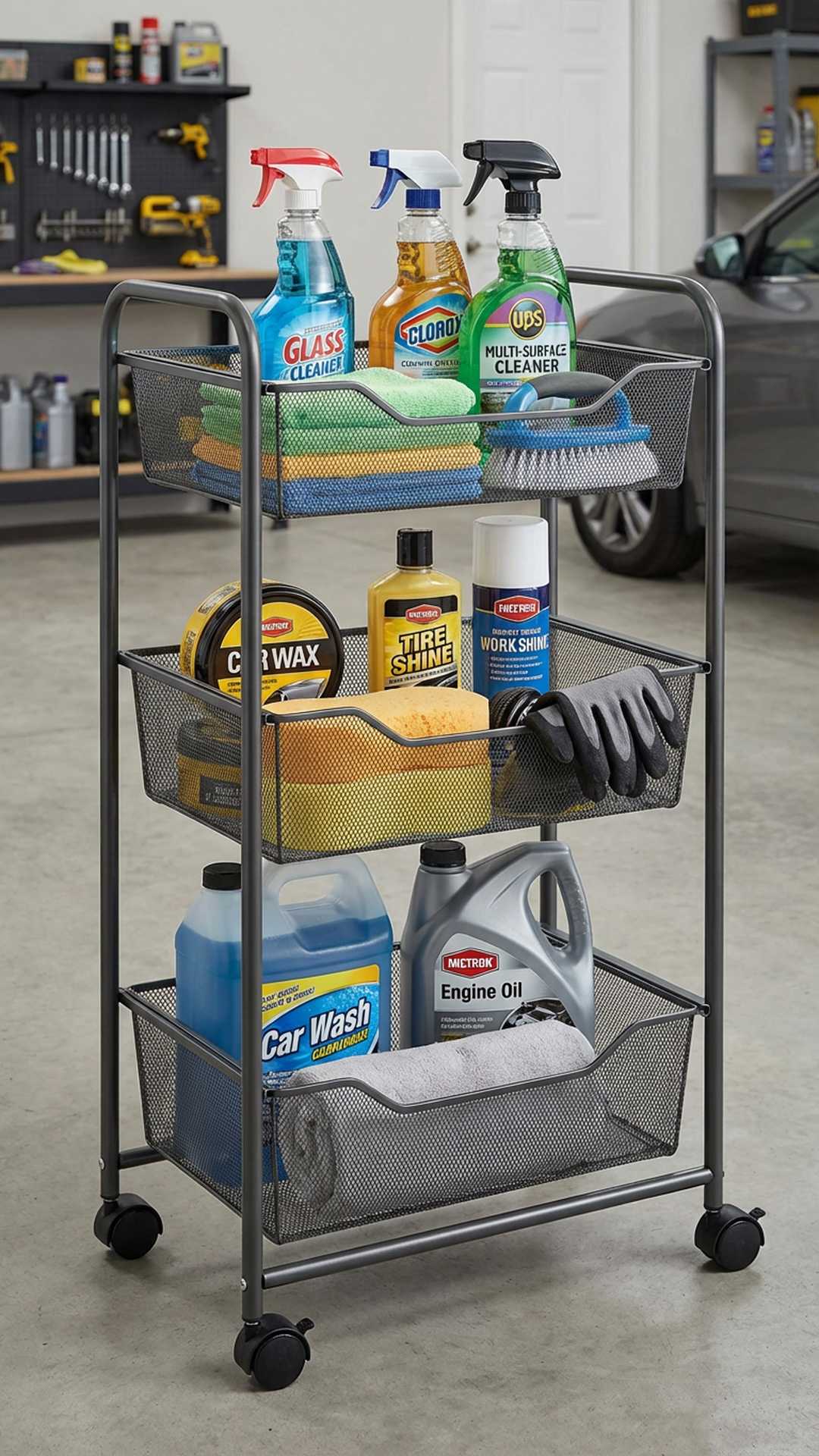
A multi-tier rolling storage cart with mesh or solid baskets provides mobile organization for cleaning supplies, auto care products, or frequently used items you want to move around your garage easily. These compact carts fit into narrow spaces between shelving units or alongside walls when not in use, then roll out when you need the supplies they hold. The vertical design maximizes storage in a small footprint while keeping multiple categories of items separated across different tiers.
Designate each cart tier for specific purposes—perhaps automotive fluids and cleaners on the bottom, general cleaning supplies in the middle, and RV-specific products on top. The open mesh design common in these carts allows you to see contents from any angle and lets air circulate around stored items. Choose carts with locking casters to keep them stationary when loaded but mobile when needed for projects or cleaning tasks.
25. Climate-Controlled Storage Cabinets
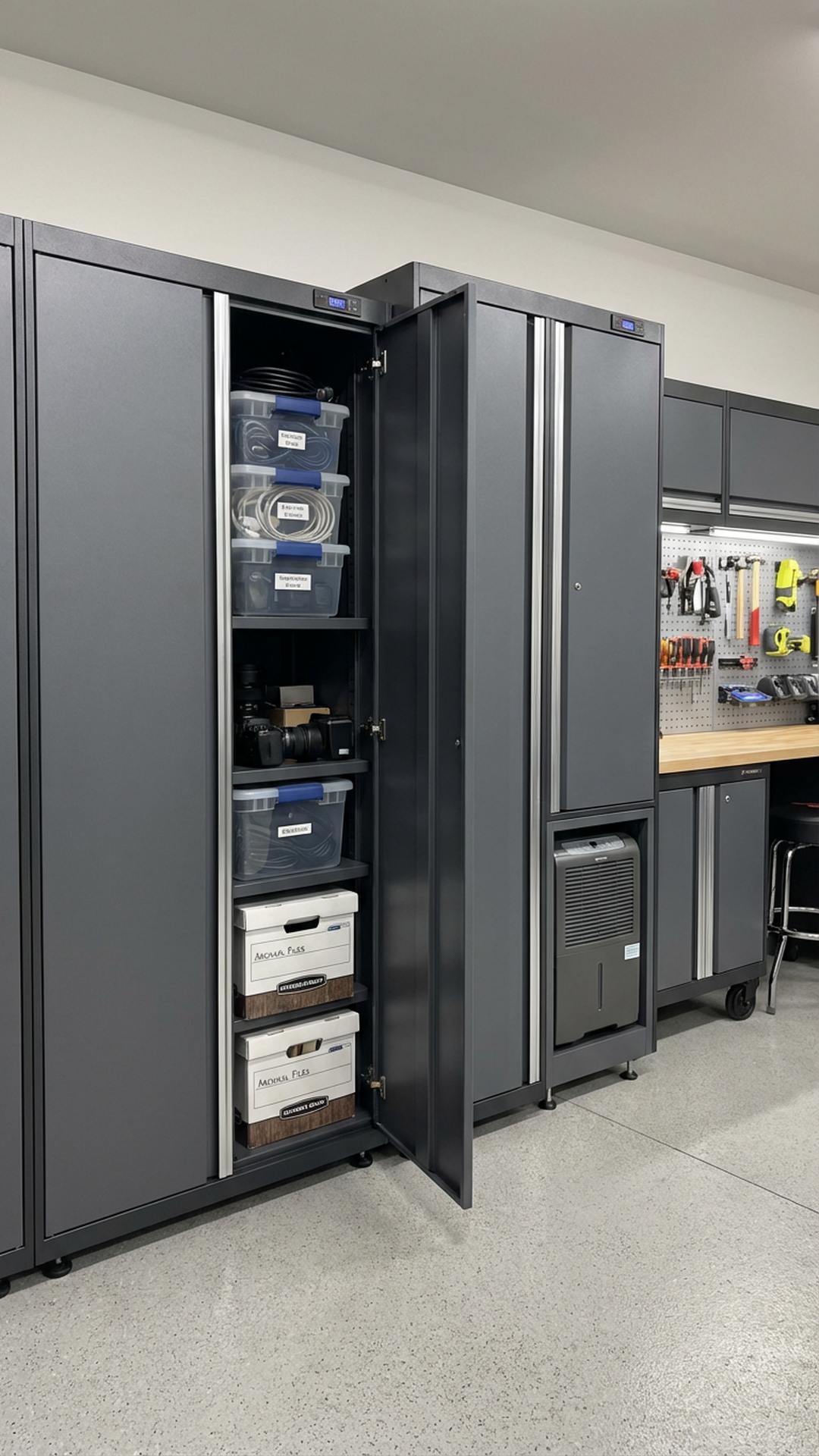
Sealed, climate-controlled storage cabinets protect sensitive items like electronics, important documents, photographs, or temperature-sensitive products from the extreme heat, cold, and humidity fluctuations typical in garages. These specialized storage solutions create a stable microenvironment within your garage, preventing damage to valuable items that would deteriorate under normal garage conditions. For RV owners, these cabinets are perfect for storing backup electronic components, spare GPS units, or other technology you want to keep in reserve.
Position climate-controlled cabinets away from direct sunlight and exterior garage walls where temperature swings are most dramatic. Consider models with built-in dehumidifiers or desiccant systems to control moisture, which can be as damaging as temperature extremes for many sensitive items. The sealed construction also keeps out dust, insects, and other contaminants that might affect stored contents, making these cabinets worth the investment for protecting high-value items.