Last Updated on October 10, 2026
New RV shipments fell roughly 24% in February 2026, yet used RV registrations climbed as much as 5.7% the same year [11][6]. That gap tells you almost everything you need to know before shopping an RV for sale: the market is correcting, not collapsing, and buyers who understand the differences between motorhomes, travel trailers, and camper vans right now have real leverage. Comparing an RV for sale isn’t just about picking a floor plan you like in a lot. It means weighing your tow vehicle, your campsite access, how many people need to sleep inside, how much maintenance you’re willing to do, and what the total ownership budget actually looks like once fuel, insurance, and financing are added up.
This guide walks through how to compare motorhomes, travel trailers, and camper vans before you buy, using current 2026 market data to show where the deals are and where buyers should slow down.
Key Takeaways
- Travel trailers remain the most popular and most affordable entry point, drawing about 75% of consumer shopping views in early 2026 [3].
- Motorhomes (Class A and C) carry the highest price tags and the most exposure to fuel and financing cost increases, with Class A averaging around $207,756 and Class C around $115,612 in spring 2026 [3].
- Used RV registrations are trending up while new RV registrations drop sharply, making pre-owned units a strong value play this year [6][11].
- Camper vans (Class B) typically run $45,000 to $75,000 used, offering a middle ground between towables and large motorhomes for solo or couple travelers [14].
- Matching RV type to your tow vehicle, sleeping needs, campsite style, and maintenance tolerance matters more than chasing the lowest sticker price.
Reading the 2026 RV Market Before You Shop
Timing matters when comparing any RV for sale, because 2026 is shaping up as a buyer-friendly correction year rather than a shortage year. The RV Industry Association’s forecast puts 2026 wholesale shipments in the 328,800 to 367,000 unit range, with a median near 349,000, a modest step up from 342,200 units in 2025, but nowhere near a boom [1]. That matters because dealers aren’t scrambling for inventory; they’re managing a slower sales environment, which generally favors shoppers.
Retail sales told a rougher story early in the year. Overall registrations were down roughly 24% in February 2026, with new motorhomes sinking more than 31% and new towables down nearly 23% [11]. Shipment reports reinforce the split: towable RV shipments fell 14% to 21% year-over-year across several months, while motorhome shipments bounced around, up 22% in February, up 13% in April, then down about 1.6% in June [8][13].
Used inventory is the bright spot. Statistical Surveys data for February and April 2026 shows used RV registrations growing 1.5% to 5.7% year-over-year, with used motorhomes up roughly 6% and used fifth wheels and travel trailers posting modest gains too [6][11]. That’s a strong signal that comparing used units alongside new ones should be a default step, not an afterthought, when you’re evaluating any RV for sale.
Dealer pressure is adding to the opportunity. Reporting on the country’s largest RV retail chain notes store closures tied to declining market conditions and a projected 8.2% shipment decline from 2025, driven by higher financing costs, inflation, and softer consumer confidence [7]. Fewer stores chasing fewer buyers typically means more room to negotiate, especially on motorhomes sitting longer on the lot [7][9].
For a closer look at how current trade pressures are affecting vehicle and RV-adjacent pricing more broadly, see this breakdown of motorcycle tariffs and pricing trends in 2026, which shares similar cost dynamics with towables and motorhomes.
RV for Sale: How to Compare Motorhomes, Travel Trailers, and Camper Vans by Type
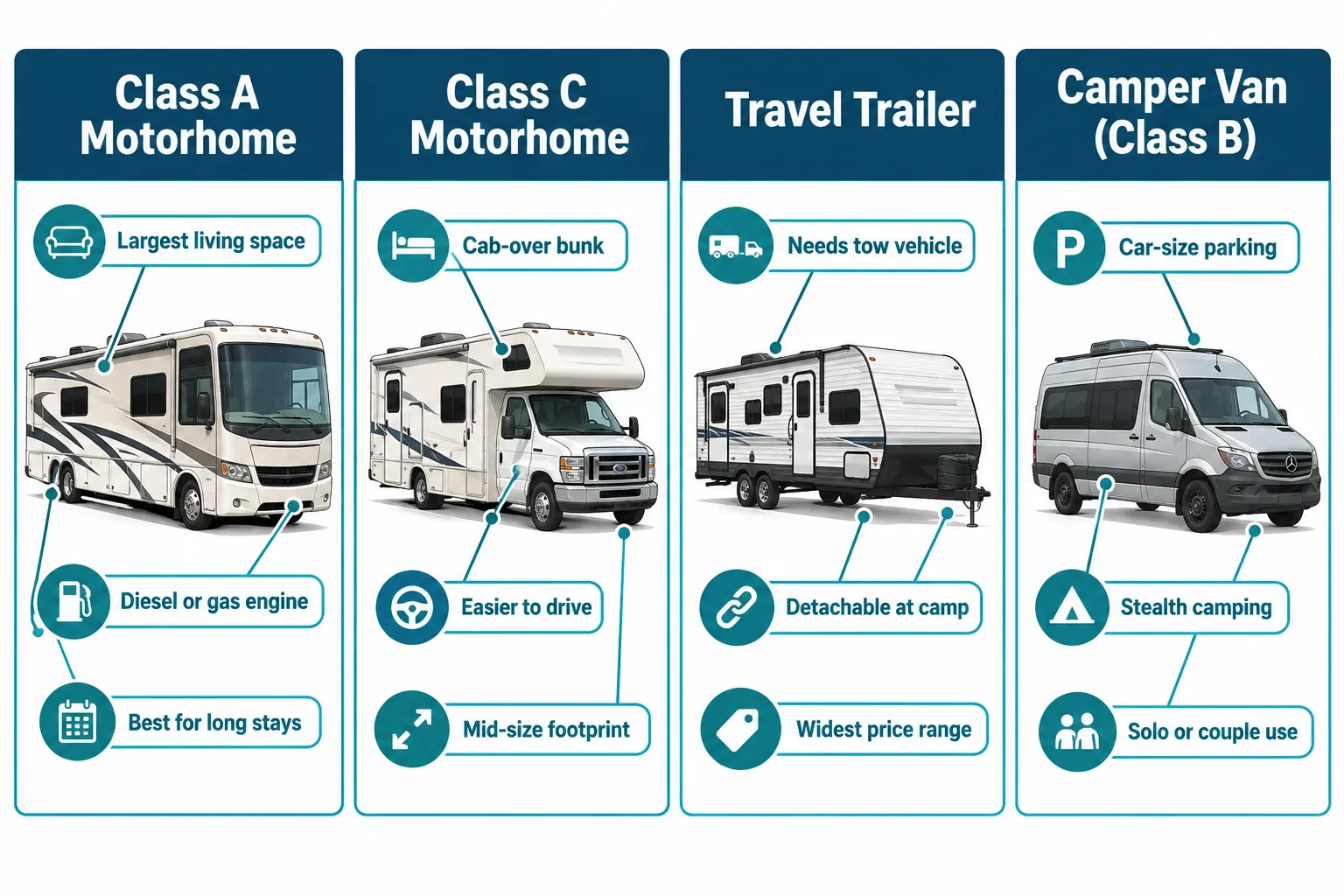
Every RV for sale falls into one of three broad categories, and each one trades space for cost and convenience in a different way. Understanding these tradeoffs up front keeps you from falling for a floor plan that doesn’t fit your actual travel habits.
Motorhomes (Class A and Class C)
Motorhomes combine the vehicle and the living space into one unit, which is convenient but expensive. Class A motorhomes averaged around $207,756 in March, April 2026, while Class C units averaged about $115,612, both well above towable pricing [3]. Class A rigs offer the most interior square footage, the biggest holding tanks, and the strongest build quality for full-time living, but they also come with diesel or gas engine maintenance, higher insurance premiums, and worse fuel economy. Class C motorhomes, built on a truck or van chassis with a distinctive cab-over bunk, are easier to drive and typically cost less, generally landing between $70,000 and $180,000-plus new [5].
If you’re drawn to a top-tier diesel pusher, it’s worth studying what premium buyers are paying for, such as in this review of the 2025 Newmar London Aire luxury motorhome or the Newmar King Aire RV review, both useful benchmarks for understanding what separates entry-level Class A pricing from flagship trims.
Travel Trailers and Fifth Wheels
Travel trailers dominate shopper interest, accounting for about 75% of consumer views and 82% of finance-and-insurance views in Q1 2026, far outpacing motorhomes and camper vans [3]. Standard hitch travel trailers averaged around $25,565 in March, April 2026, while smaller camping trailers averaged about $11,628, making towables the cheapest entry point into RV ownership by a wide margin [3]. New travel trailer pricing generally spans $20,000 to $75,000-plus, and fifth wheels, which need a truck bed hitch setup, typically start higher, often $40,000 to $80,000-plus [5]. Used travel trailers can be found for $10,000 to $45,000 or more depending on age and condition [3][5].
The catch with any towable is that you need a capable tow vehicle and a working knowledge of hitching and sway control. If you’re new to towing, this guide on how to connect a travel trailer to a truck walks through the setup basics before you ever leave the dealer lot.
Camper Vans (Class B)
Camper vans sit in the middle of the pack on price and convenience. Budget-focused shoppers commonly find used Class B vans in the $45,000 to $75,000 range, often cheaper than a new Class C motorhome but pricier than many travel trailers [14]. Their biggest advantage is mobility, camper vans drive and park like a regular vehicle, making them ideal for urban stops, quick repositioning, and solo or couple travel where interior space matters less than ease of movement [5][14].
Quick Comparison Snapshot
| RV Type | Typical New Price Range | Best For | Tow Vehicle Needed |
|---|---|---|---|
| Class A Motorhome | $207,000+ average (2026) | Full-time living, long stays | No, it’s self-driven |
| Class C Motorhome | $70,000,$180,000+ | Families, mixed road trips | No |
| Travel Trailer | $20,000,$75,000+ | Budget-conscious campers | Yes |
| Fifth Wheel | $40,000,$80,000+ | Larger families, base-camp style | Yes, truck bed hitch |
| Camper Van (Class B) | $45,000,$75,000 (used) | Solo/couple, urban mobility | No |
Sources: [3][5][14]
For a broader overview of which rig fits which lifestyle, this roundup of the best types of RVs for different purposes pairs well with the pricing data above.
Matching RV Type to Travel Style, Tow Vehicle, and Budget
The smartest way to compare an RV for sale isn’t segment pricing alone, it’s matching the rig to how you actually plan to travel. Six factors decide this far better than brochure specs.
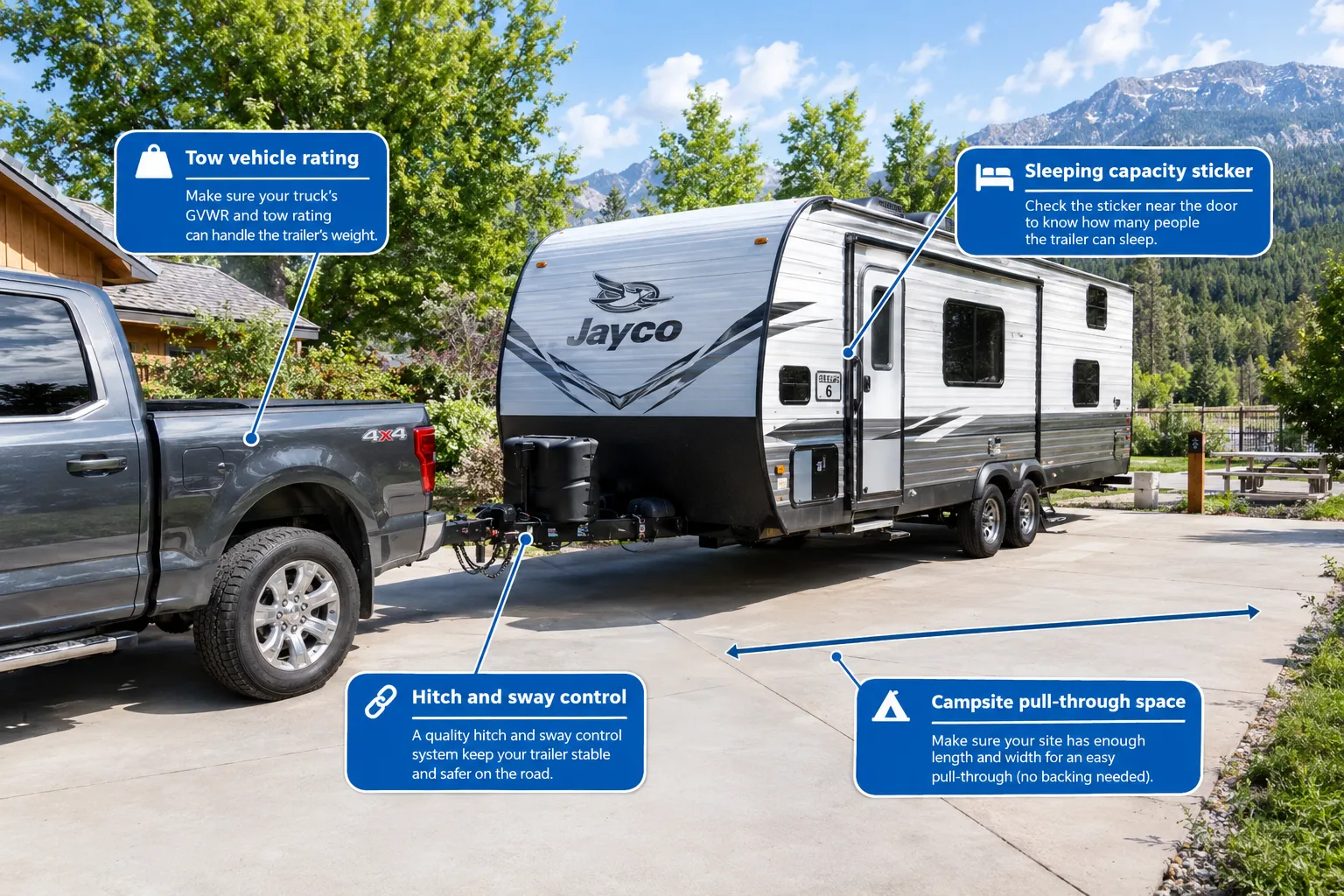
Travel style. Weekend campers who mostly stay at established campgrounds do fine with a travel trailer or fifth wheel. Full-timers who want to settle in for weeks at a time usually gravitate toward Class A motorhomes for the extra space and storage. Road-trippers who want to hop between cities and trailheads often prefer the agility of a Class B camper van [2][5][14].
Tow vehicle capability. If you don’t already own a truck or SUV rated to tow a trailer safely, that’s a major hidden cost. A travel trailer that looks like a bargain on paper can force an expensive truck upgrade. Always check tow ratings and hitch weight before shopping trailers, and review practical setup guidance like how to connect a travel trailer to a truck to understand what’s really involved.
Campsite access. Narrow forest service roads, tight urban RV parks, and dry camping spots often favor smaller rigs. Large Class A motorhomes and long fifth wheels can get turned away from reservations that can’t accommodate their length, a real risk worth knowing about before you buy. This rundown of reasons RV parks deny reservations is a useful gut check on size limits.
Sleeping capacity. Count beds, not just square footage. Bunkhouse travel trailers and larger Class C motorhomes often sleep six to eight, while camper vans max out around two to four. Buying more capacity than you need adds cost and weight without added value.
Maintenance tolerance. Motorhomes combine an engine, chassis, and house systems in one unit, meaning more systems that can fail. Owners should expect certain components to wear out, see this breakdown of things you can expect to break on an RV after five years for a realistic preview. Travel trailers and camper vans generally have fewer moving mechanical parts, which can mean lower repair bills over time.
Total ownership budget. This is where segment comparisons matter most, and it’s covered in depth in the next section.
New owners often worry about the wrong things when making this decision. This piece on things new RV owners shouldn’t worry about is worth a read before you let minor concerns talk you out of the right rig.
New vs Used: Where to Find the Best RV for Sale Deals in 2026
Used inventory is arguably the single best opportunity in the current market. While new RV registrations dropped roughly 24% in February 2026, with new motorhomes down more than 31%, used RV registrations rose 1.5% to 5.7% over the same period, and used motorhomes specifically climbed about 6% [11][6]. That’s a clear signal: demand for pre-owned units is holding steady even as new sales soften.
Why the split? Analysts point to elevated gas and diesel prices along with higher financing costs weighing most heavily on motorhome buyers, pushing many shoppers toward used motorized units or smaller towables instead [3][7][10]. Premium segments are feeling it hardest. Class A motorhomes and high-end fifth wheels are showing softer pricing and underperforming compared with 2025, while affordable, popular travel trailers remain comparatively price-stable even as new sales slow [3][6][10].
This creates two distinct buying strategies:
- If you want a motorhome, shopping used gives you access to better-built units at a fraction of new pricing, and premium trims have more room for negotiation given softer demand [3][6].
- If you want a travel trailer, new inventory may already be attractively priced because towable shipments are down 14% to 21% year-over-year, meaning dealers are more motivated to move excess stock [8][13].
Camping World’s ongoing store closures are another data point worth watching. Reports tie the closures to an expected 8.2% shipment decline in 2026, driven by financing costs, inflation, and weaker consumer confidence, a combination that tends to produce more aggressive dealer pricing, particularly on units that have been sitting the longest [7]. Whichever direction you lean, it pays to shop multiple dealers rather than settling at the first lot, and to cross-check pricing the way you would when comparing used-car platforms like CarMax, CarGurus, and AutoTrader.
If you do go the used route, understanding what tends to fail first matters. Review common issues like common RV slide-out design flaws and general common RV problems before signing anything, and if the unit has electrical quirks, this RV electrical system troubleshooting guide is a strong reference point for evaluating repair risk.
Total Cost of Ownership: What Comparing RVs for Sale Really Means
Sticker price is only the opening number. Higher interest rates and tighter household budgets are pushing many 2026 shoppers toward smaller loans and lower monthly payments, which naturally favors travel trailers and camping trailers over large motorhomes [2][9][12]. That’s because drivable RVs bundle the vehicle and the living space into one loan, which usually means a bigger loan balance, higher insurance premiums, and heavier fuel spending compared with a towable pulled behind a vehicle you already own [2][3][12].
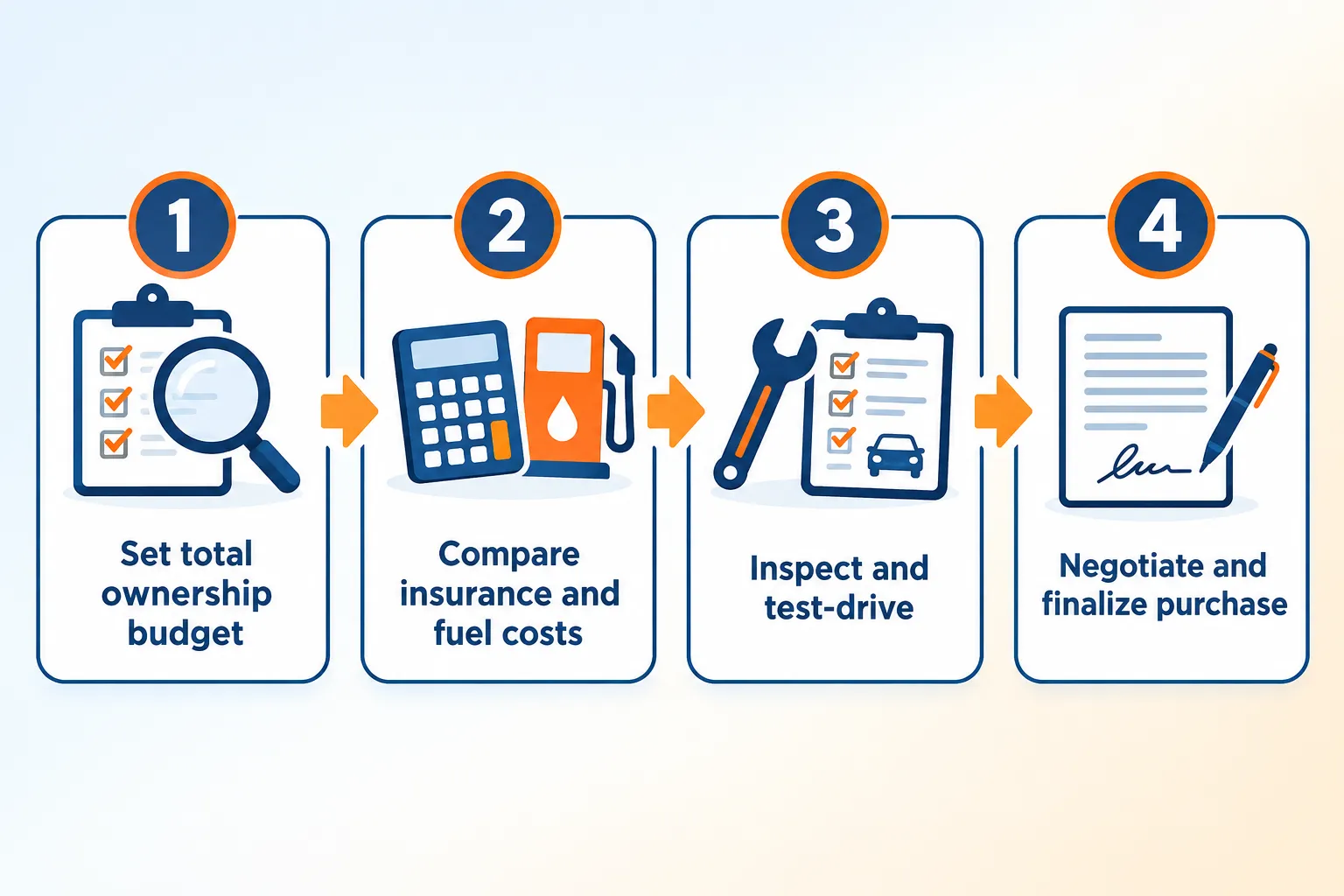
Before comparing any RV for sale on price alone, line up these four cost categories side by side:
- Loan payment. Larger motorhomes require larger loans, and interest rates directly affect what fits your budget. Avoid common pitfalls outlined in this guide to expensive RV financing mistakes to avoid.
- Insurance. Motorhomes generally cost more to insure than towables because they combine vehicle and property coverage in one policy.
- Fuel. Diesel and gas prices directly hit motorhome owners every trip; towable owners only pay for what their tow vehicle burns.
- Maintenance. Engines, generators, and chassis components add ongoing costs to motorhomes that towables and camper vans simply don’t have. For general upkeep across any RV type, this complete RV maintenance guide is a strong baseline reference, and knowing which motor oil suits your engine type keeps maintenance costs predictable.
“Buyers comparing motorhomes, travel trailers, and camper vans in 2026 should treat the monthly payment, fuel estimate, and insurance quote as one combined number, not three separate line items.”
Seasonal use matters too. If you only camp a few months a year, a smaller towable with lower fixed costs may outperform a motorhome that sits idle and racks up storage fees. Thinking through your preferred season for RV travel ahead of time helps right-size the purchase instead of over-buying capacity you won’t use.
Step-by-Step Checklist Before You Buy
Once you’ve narrowed the field, run through this practical checklist before signing anything.
- Confirm your tow vehicle or driving comfort. Verify tow ratings for trailers and fifth wheels, or test-drive a motorhome of the actual length you’re considering.
- Calculate total monthly cost, not just the loan payment: add insurance, estimated fuel, and a maintenance reserve.
- Compare new and used pricing side by side for the same floor plan, since used registrations are currently outperforming new ones across most segments [6][11].
- Inspect systems closely, roof seals, slide-out mechanisms, water systems, and electrical components are the most common failure points.
- Check sleeping and storage capacity against your actual travel group, not a hypothetical future trip. 6** Negotiate with leverage.** Given softening demand and store closures across the industry, especially on motorhomes, there’s room to negotiate on price, add-ons, or extended service plans [7][9].
- Plan for the learning curve. New owners benefit from practical advice like ways to be a better RVer and a primer on the wrong way to RV travel to avoid rookie mistakes.
Frequently Asked Questions
Is 2026 a good year to buy an RV? Yes, cautiously. Shipments are forecast to rise only modestly to around 349,000 units, and retail sales are down double digits year-over-year, which generally favors buyers with room to negotiate, especially on motorhomes and new inventory [1][11].
Should I buy new or used? Used RVs are trending upward across nearly every segment in 2026, with used motorhomes up about 6% year-over-year, while new sales are falling sharply. Used is often the stronger value play right now, particularly for motorhomes [6][11].
What’s the cheapest way to start RV ownership? Camping trailers and standard travel trailers remain the lowest-cost entry point, averaging around $11,628 and $25,565 respectively in spring 2026, assuming you already own a suitable tow vehicle [3].
Are camper vans worth the price compared with travel trailers? Camper vans cost more than most travel trailers but offer major convenience: no hitching, easier parking, and more flexibility for solo or couple travel. They’re worth it if mobility matters more to you than interior space [5][14].
Conclusion
Comparing an RV for sale in 2026 comes down to matching the rig to real life, not the showroom floor. Travel trailers remain the most affordable and most popular choice, motorhomes carry the highest price tags but also the most room for negotiation amid softening demand, and camper vans offer a flexible middle ground for buyers who value mobility over space [3][6][7]. Used inventory is quietly outperforming new sales across almost every category, which makes pre-owned units worth serious consideration no matter which type you lean toward [6][11].
Before you commit, run the numbers on total ownership cost, confirm your tow vehicle or driving comfort, and walk through a full inspection checklist. Take the time to compare at least two or three dealers, new and used, and don’t be afraid to negotiate given current market conditions. The right RV for sale isn’t the one with the flashiest floor plan, it’s the one that fits your travel style, your budget, and your tolerance for upkeep for years to come.
References
[1] 2026 Rv Wholesale Shipments Rise Modestly – https://www.rvia.org/news-insights/2026-rv-wholesale-shipments-rise-modestly [2] Rv Industry Trends 2026 What Show Season New Tech And Market Shifts Mean For Buyers – https://www.bishs.com/blog/rv-industry-trends-2026-what-show-season-new-tech-and-market-shifts-mean-for-buyers/ [3] 2026 Q1 Recreational Vehicle Market Report Rv Values Segment Trends Industry Outlook – https://www.jdpowervalues.com/article/2026-q1-recreational-vehicle-market-report-rv-values-segment-trends-industry-outlook [5] Campers And Rvs – https://www.ecoflow.com/uk/blog/campers-and-rvs [6] Report Used Rvs Still Trending Upward In April – https://www.rvnews.com/report-used-rvs-still-trending-upward-in-april/ [7] Camping World Store Closures – https://www.thestreet.com/retail/camping-world-store-closures [8] April Rv Shipments Hit 29000 Motorhomes 13 – https://www.rvia.org/reports-trends/rv-shipment-reports/2026-04/april-rv-shipments-hit-29000-motorhomes-13 [9] Rv Industry Trends 2026 What Rv Buyers Should Know Right Now – https://www.bishs.com/blog/rv-industry-trends-2026-what-rv-buyers-should-know-right-now/ [10] Q2 2026 Recreational Vehicles Market Update – https://www.blackbook.com/market-insights/q2-2026-recreational-vehicles-market-update/ [11] (Statistical Surveys registration data as referenced in industry reporting) [12] (Industry commentary on interest rates and consumer spending as referenced in industry reporting) [13] (RV Industry Association shipment reports as referenced in industry reporting) [14] (2026 vanlife buyer guide as referenced in industry reporting)