Last Updated on November 12, 2026
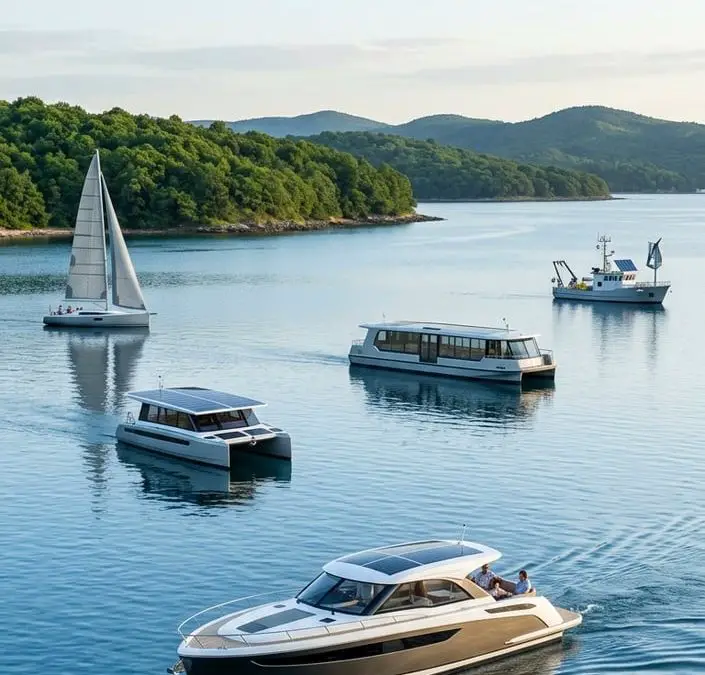
Electric propulsion, solar power, and hydrofoils are changing what you can expect from a boat, from quiet harbor rides to long-range cruising. These 15 boats are redefining eco-friendly water travel in 2026 with battery-electric drives, renewable energy systems, and designs that cut energy use on the water.
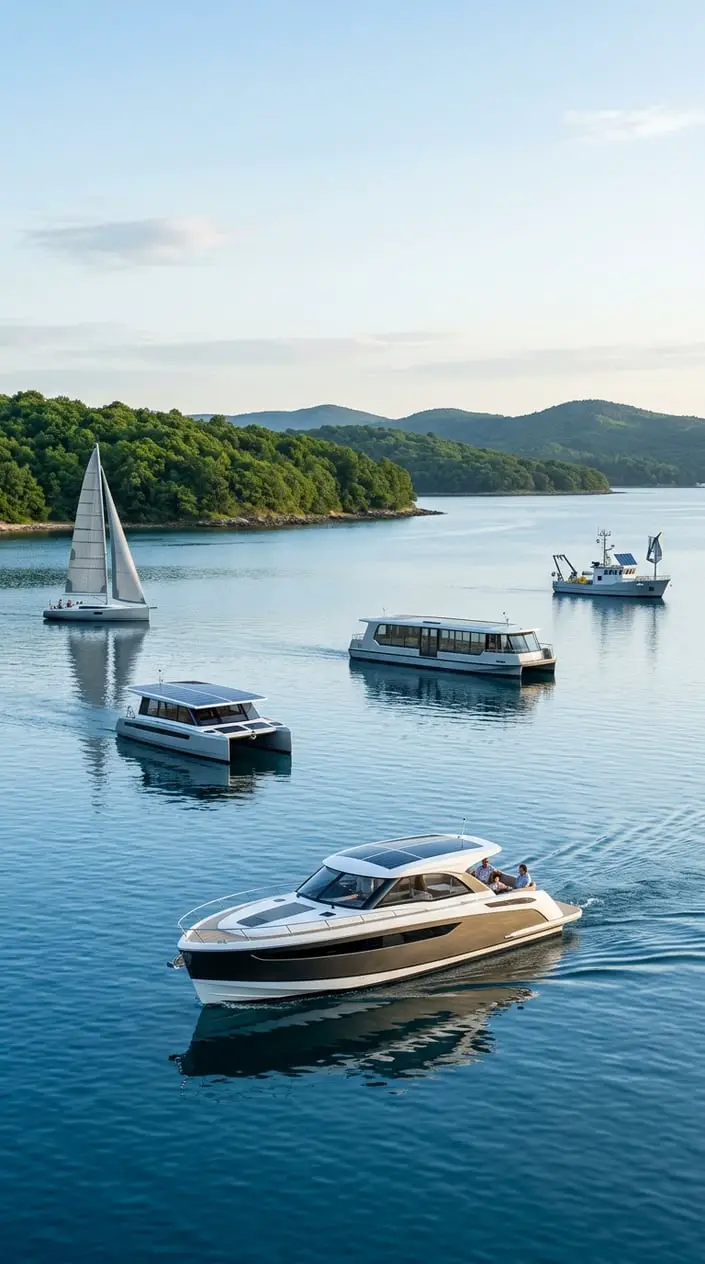
For you, the right option depends on how you plan to travel. Passenger ferries, electric dayboats, sailing catamarans, and pedal-powered craft offer different ways to reduce noise and fuel use. Battery range, charging access, passenger capacity, and local service support are useful details to check before you choose.
1) Candela P-12 Shuttle
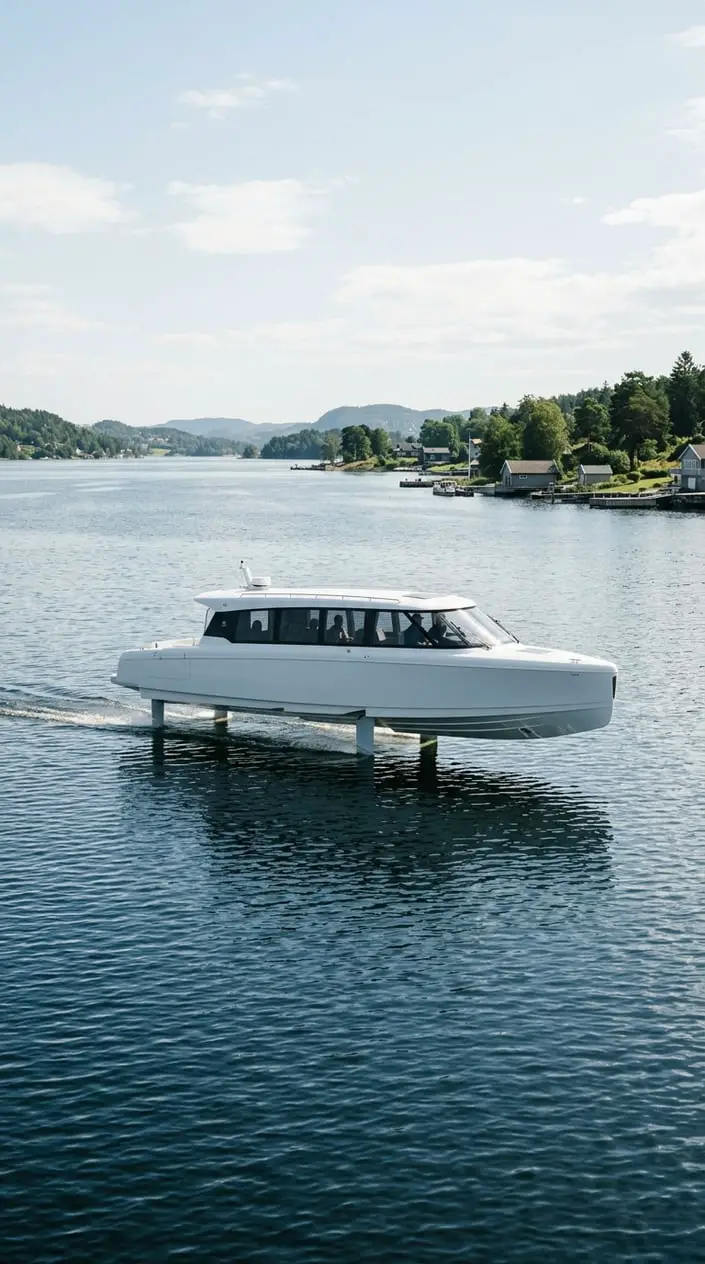
The P-12 Shuttle brings electric hydrofoil technology to passenger ferry service, giving you a quiet ride with a smaller wake. Its underwater foils lift the hull above the water at speed, which reduces drag and helps the battery power go farther. That design makes it a compelling fit for routes where conventional ferries create large wakes or spend time slowing near shore.
As a passenger, you get a modern shuttle format designed for regular trips between waterfront communities. For operators, the mix of lower operating noise and reduced wake can make service more practical on busy waterways. Check route length, charging plans, and passenger capacity with the operator when assessing it for local transit.
2) Artemis EF-12 Escape
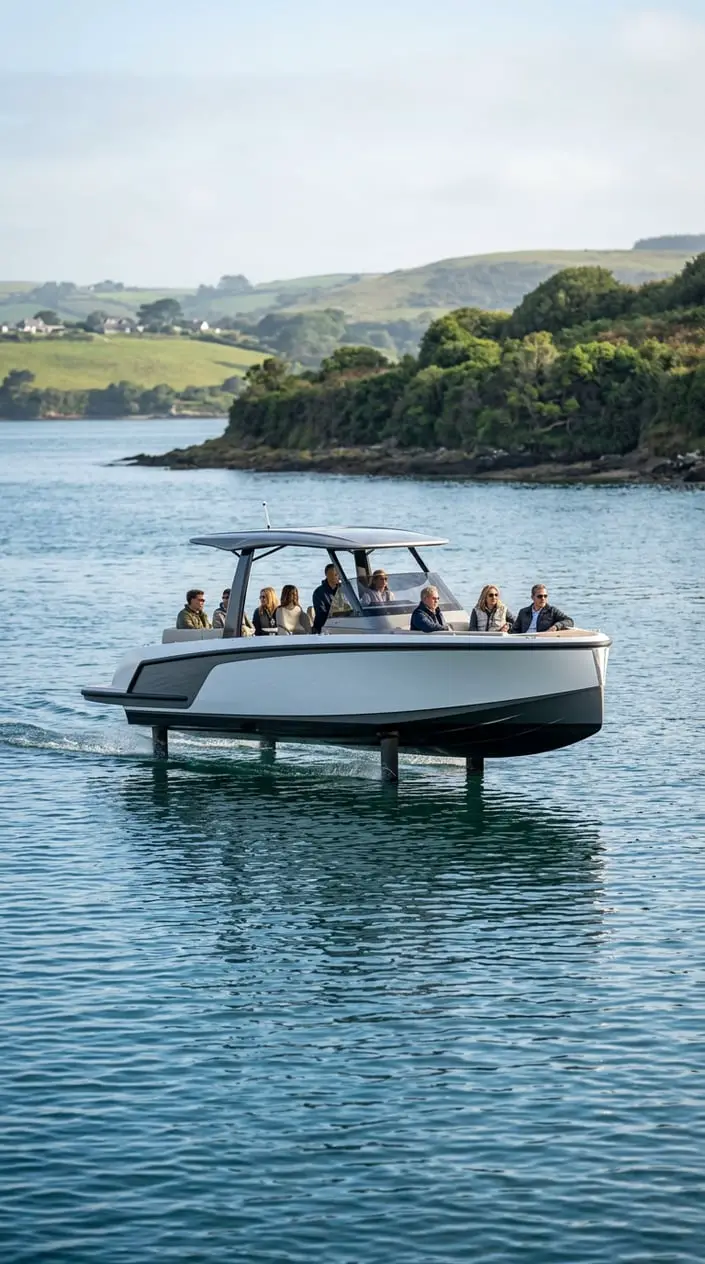
The EF-12 Escape is a 39-foot, all-electric hydrofoil water taxi built to carry 12 passengers. You get a reported cruising speed of 24 to 25 knots, with a top speed of about 30 knots. Its foils lift the hull as it moves, helping reduce wake and making the ride feel smooth and quiet.
That combination suits short passenger routes where travel time and waterfront noise both matter. Battery-electric propulsion produces no exhaust emissions while underway, and the low-wake design can help protect sensitive shorelines. If you’re considering it for a ferry service, ask about the route’s charging setup and planned operating schedule, since both shape how frequently the boat can run.
3) Navier N30
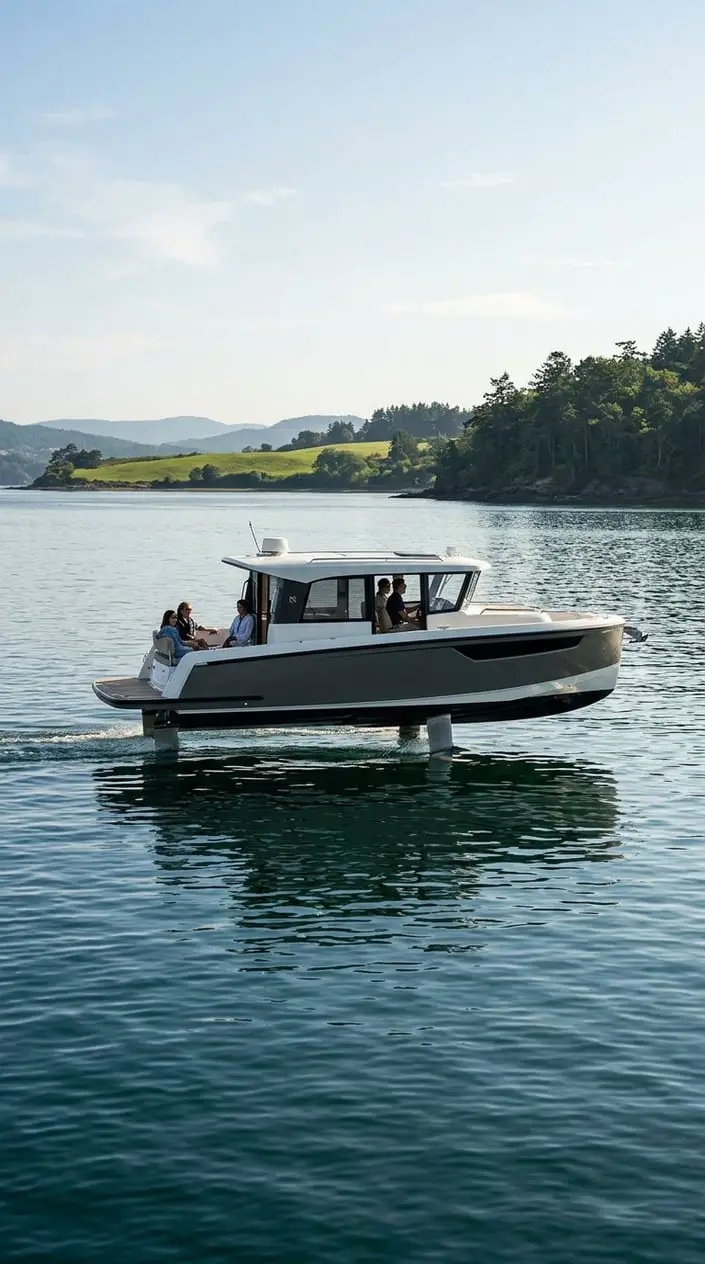
The N30 pairs an electric drivetrain with hydrofoils for efficient trips across coastal and urban waterways. Once the foils raise the hull, less of the boat contacts the water, reducing drag and supporting a quieter ride. That makes the design well suited to passenger transfers, private outings, and other trips where a smooth arrival matters.
For you, the central question is how well the boat’s range and charging plan fit your regular routes. Electric operation cuts onboard exhaust and engine noise, while its foil system helps limit wake at speed. Ask the operator or dealer for current passenger capacity, range estimates, and charging details for the configuration you’re considering, since those details affect how the boat fits your intended use.
4) SILENT 62 3-Deck
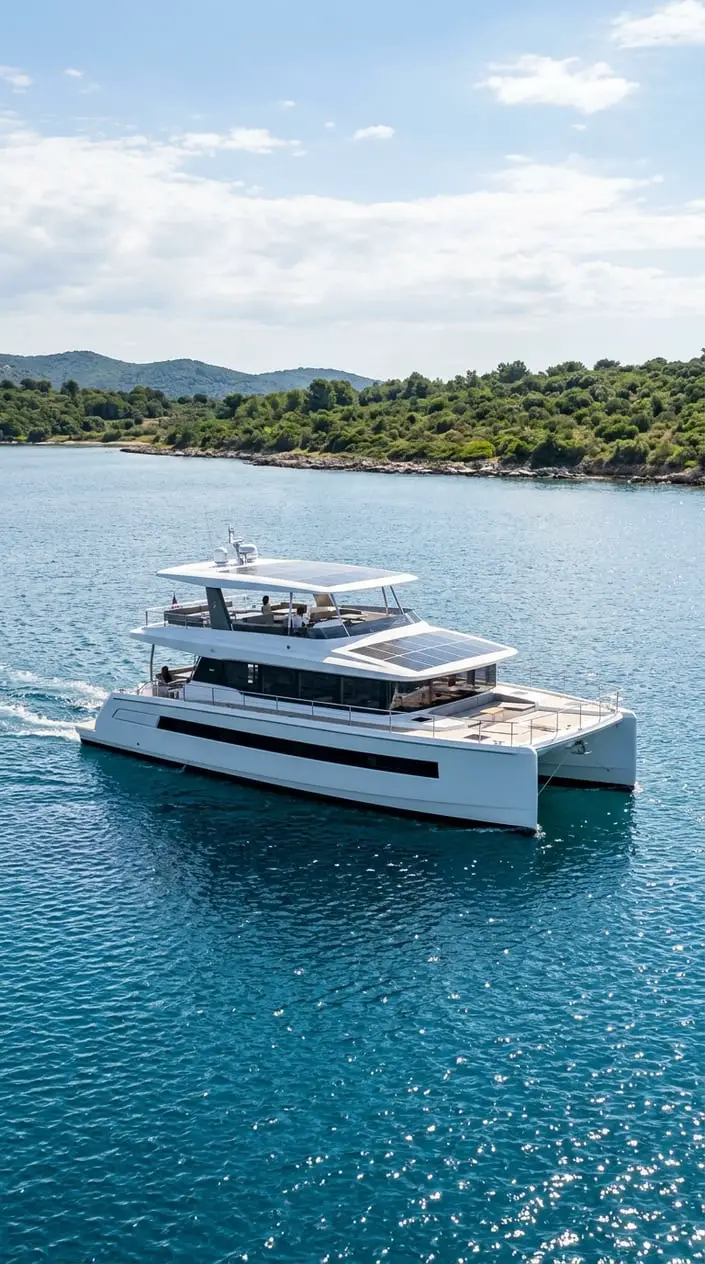
The SILENT 62 3-Deck is a solar-electric catamaran that gives you generous living space and a power system designed around renewable energy. Solar panels collect energy during the day, while onboard batteries store electricity for propulsion and hotel loads such as lighting and appliances. Its three-deck layout gives you more room to spread out during extended stays aboard.
The wide catamaran form supports stable cruising and creates space for social areas and cabins. You’ll want to ask how solar generation, battery capacity, and any backup power source work together in the specific build. Those details help set realistic expectations for cruising speed, time at anchor, and the energy available for air conditioning or other onboard comforts.
5) Sunreef 80 Eco
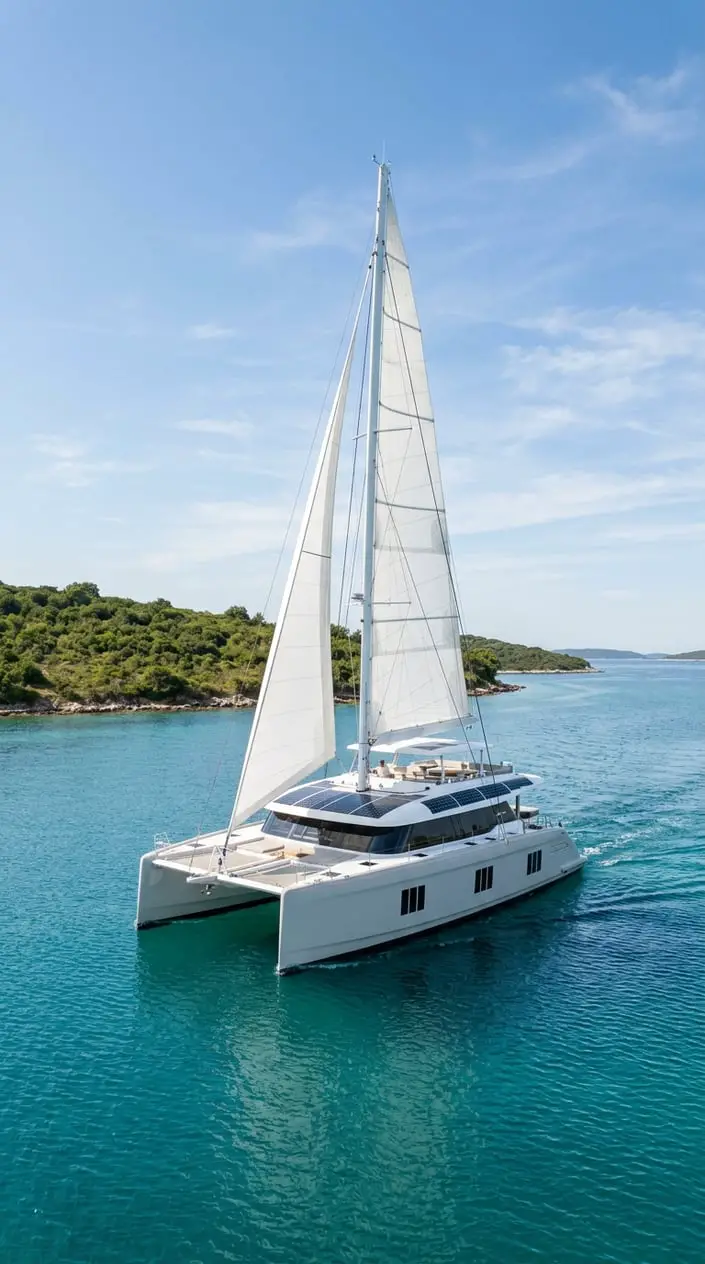
The Sunreef 80 Eco combines sailing with solar-electric systems, making it a strong choice if you want a large cruising yacht with renewable energy built into its design. Solar panels integrated across the yacht collect power, while batteries support the electric propulsion system and onboard equipment. You get the space of a luxury catamaran along with a system designed to make use of sunlight.
Its twin-hull layout offers room for guests and long stays aboard. The sailing rig gives you another source of movement when conditions allow, while solar generation can help power daily needs. Before booking or buying, ask for details about the vessel’s battery capacity, solar output, and expected use of backup power on your planned itinerary.
6) Candela C-8
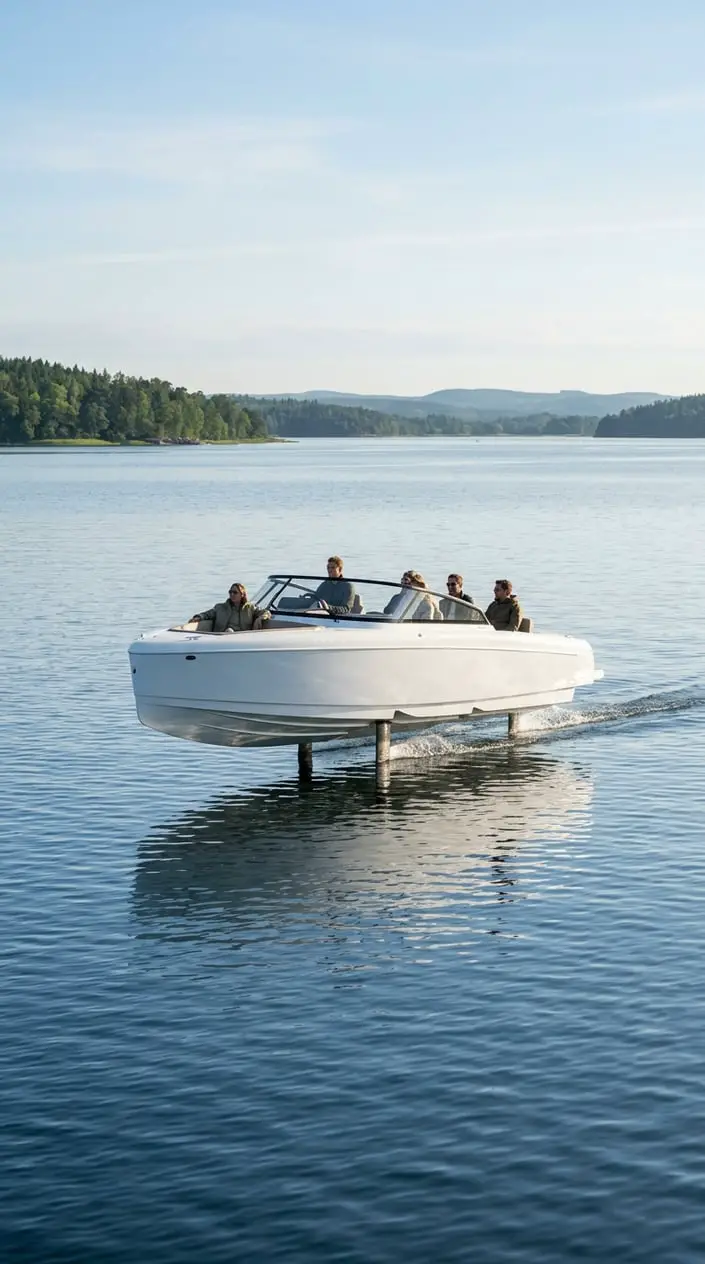
The C-8 is a battery-electric hydrofoil dayboat for you if you want fast coastal trips with a quiet ride and reduced wake. At cruising speed, its foils lift much of the hull clear of the water, cutting resistance and helping the boat travel more efficiently than a conventional planing craft. Its electric motor produces no exhaust emissions while underway.
The design suits day trips, island hops, and private outings where access to charging fits your plans. Hydrofoil boats require attention to water conditions and operating guidance, so check the manufacturer’s recommendations for your local waters. Ask about battery range at your intended cruising speed, too, since speed, load, and conditions all affect how far you can travel between charges.
7) X Shore 1
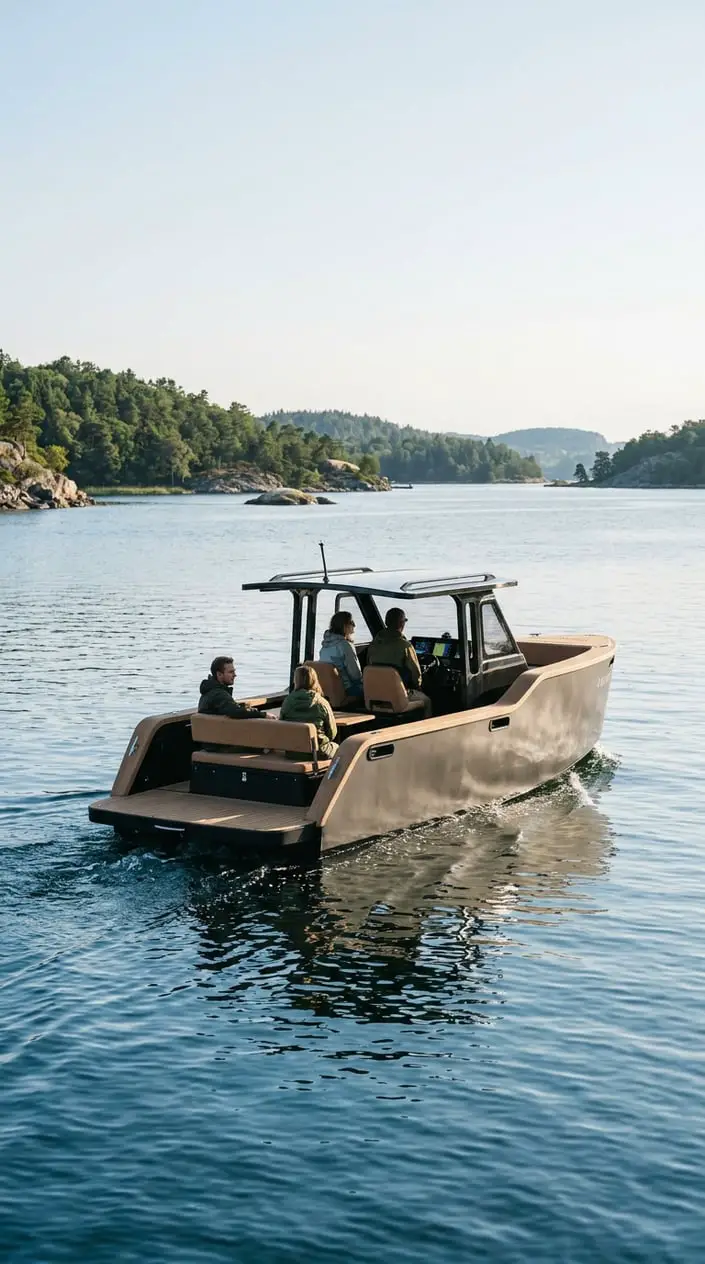
The X Shore 1 gives you an electric dayboat in a compact format suited to coastal outings and lake cruising. Its battery-powered motor avoids onboard exhaust emissions and keeps engine noise low, making conversation easier while you travel. The layout focuses on practical day use, with space for passengers to enjoy time on the water without the scale of a large yacht.
For you, the main planning step is matching battery range with the trips you take most. Check the selected battery and motor configuration, along with charging time and available shore power at your marina. Electric propulsion also means you should learn the boat’s energy display and plan a reserve for changing weather or longer detours.
8) Arc One
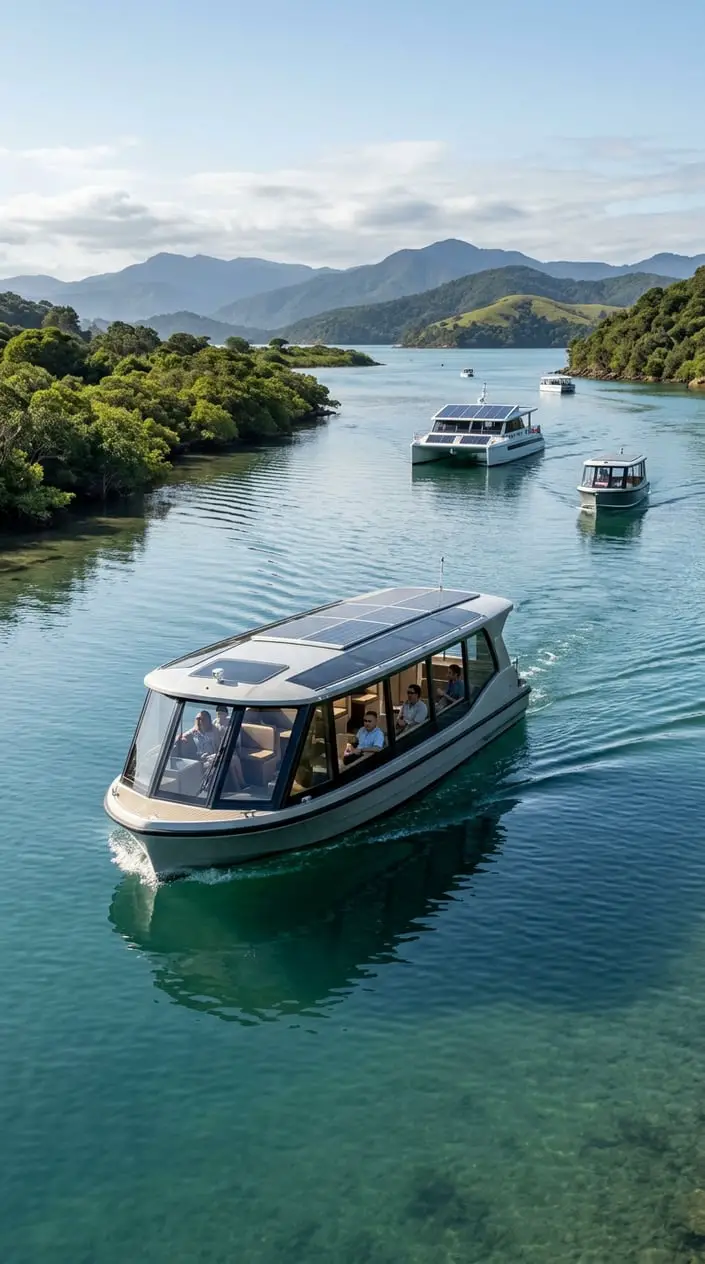
Arc One is a high-performance electric dayboat designed for recreational trips with no onboard exhaust emissions. Its battery-electric drivetrain delivers the immediate response associated with electric motors, while the enclosed cabin provides shelter when the weather shifts. You get a distinctive blend of sporty boating and quieter operation for outings on lakes or coastal waters.
A high-powered electric boat needs thoughtful trip planning. Before heading out, confirm the battery level, estimate energy use for your route, and note charging access at your destination. Your actual range will vary with speed, passenger load, and water conditions, so use the maker’s guidance for planning.
9) Frauscher x Porsche 850 Fantom Air
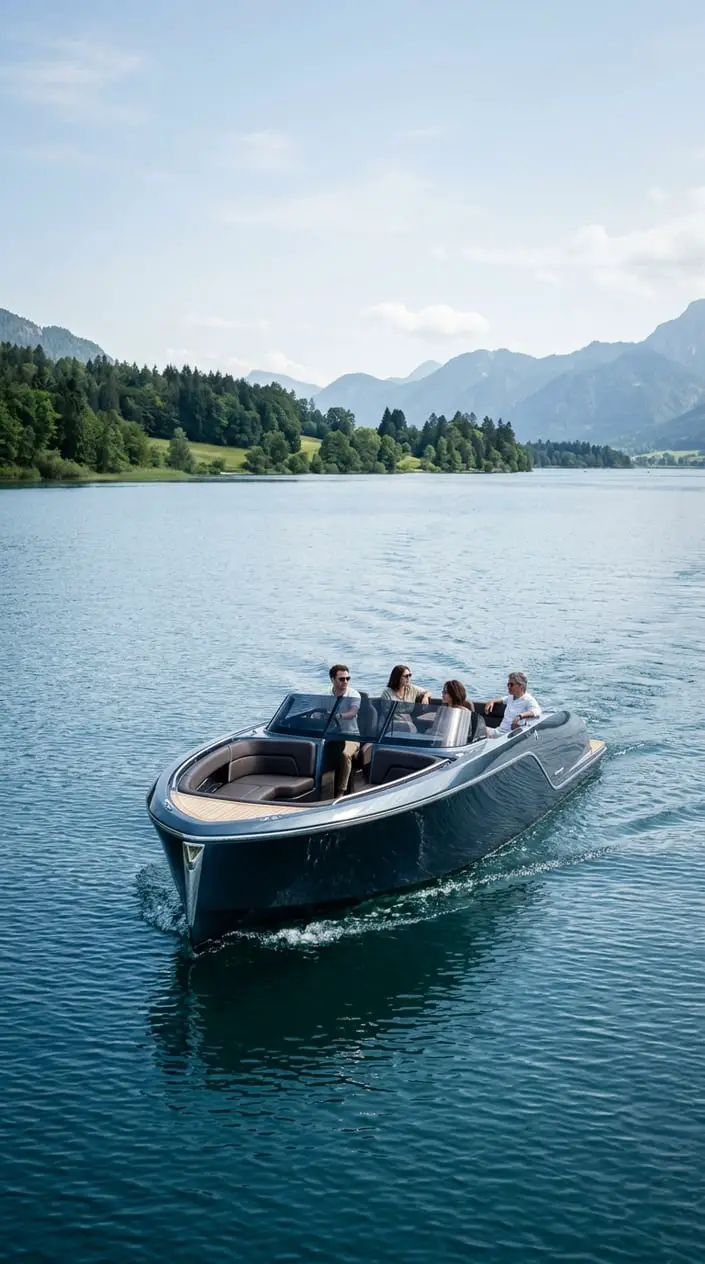
The 850 Fantom Air brings Porsche electric-drive technology to an open dayboat designed for lake and coastal recreation. Its battery-powered setup gives you quiet running and immediate motor response, while the open layout keeps passengers close to the water and the surrounding scenery. With no exhaust emissions from the drive while underway, it offers a cleaner-feeling way to enjoy a day afloat.
The collaboration also places emphasis on design and premium fit and finish. If you’re comparing it with a conventional runabout, look closely at the battery configuration, charging time, and range at the speeds you expect to cruise. Those details help you see how well an electric performance boat fits your marina access and typical outings.
10) Greenline 40
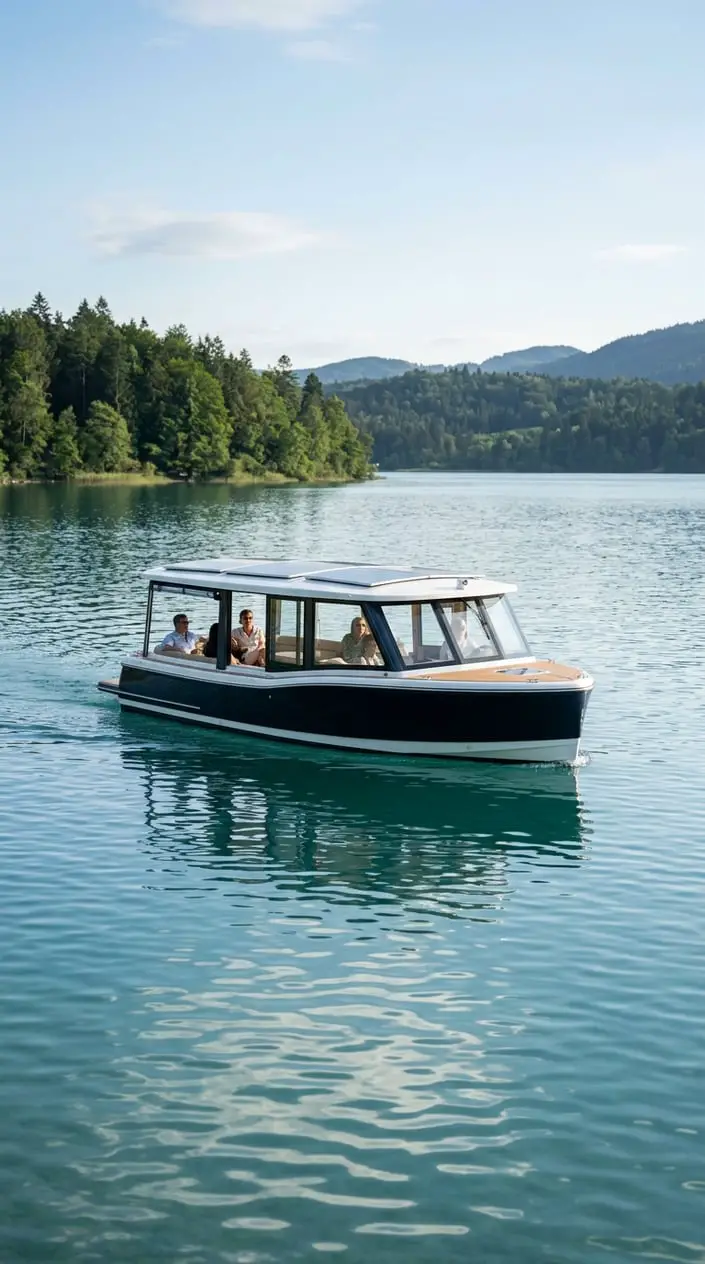
The Greenline 40 stands out for offering hybrid propulsion and solar panels in a cruising yacht format. You can use electric power for quieter movement when conditions and range suit, while the hybrid system gives you another propulsion option for longer trips. Solar generation can support onboard electrical needs, helping reduce the load on other power sources.
This setup gives you flexibility for different kinds of boating, from quiet harbor movement to longer passages. Ask which engine and battery configuration is fitted, then compare its expected electric range with your usual route. Solar output depends on available sunlight and panel capacity, so treat it as a useful part of the energy system rather than a substitute for trip planning.
11) Rand Mana 23
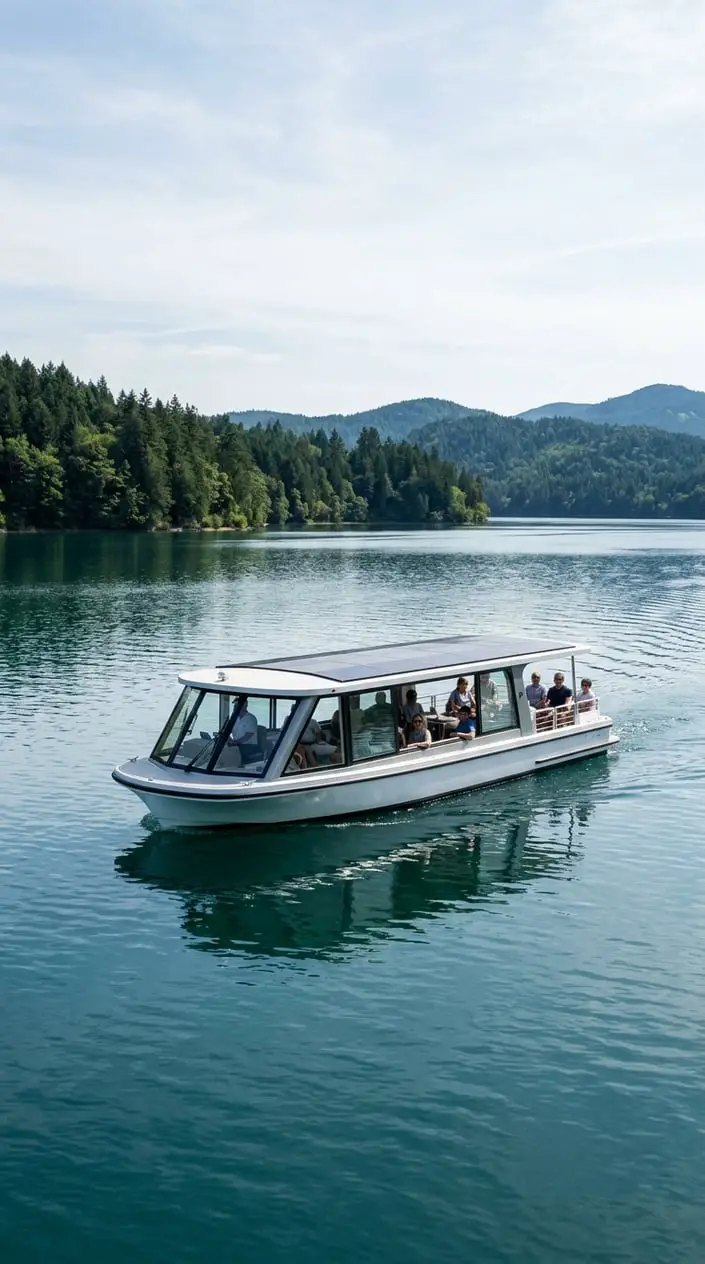
The Mana 23 is an electric dayboat built for shared outings, giving you an open layout for relaxed trips with family or friends. Its electric propulsion provides quiet movement and no onboard exhaust emissions while underway. The design focuses on social space, so passengers can sit together and enjoy the ride without a large cabin taking up the boat’s footprint.
Before choosing a configuration, check the passenger limit, battery size, and expected range for your preferred speed. Your access to charging will shape how easily you can use the boat for repeated trips throughout the day. With its day-cruising format, the Mana 23 makes the most sense when your plans center on local waters and time aboard with a group.
12) RS Electric Boats Pulse 63
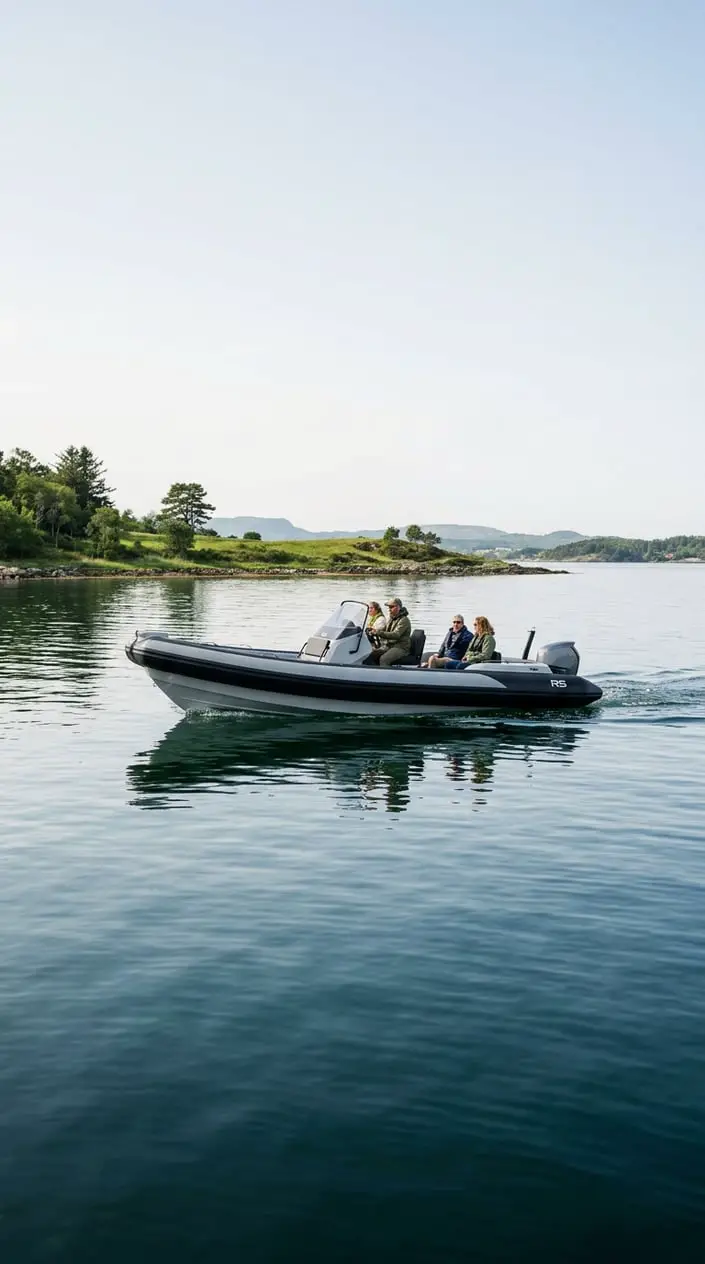
The Pulse 63 is an electric rigid inflatable boat designed for practical passenger transport and low-noise water access. Its compact RIB format gives you an open deck and a hull suited to work around marinas, waterfront sites, and short transfer routes. Electric propulsion removes onboard exhaust emissions while running and lets crews communicate more easily in quieter surroundings.
This type of boat can serve as a tender or support craft for a larger vessel, as well as a tool for commercial operators. Check the motor and battery setup on the specific boat, then compare range and charging time with the workday you have in mind. For passenger use, confirm seating, payload, and local safety requirements before setting a route or schedule.
13) Hydrofoil E-Jet Ski Flyway
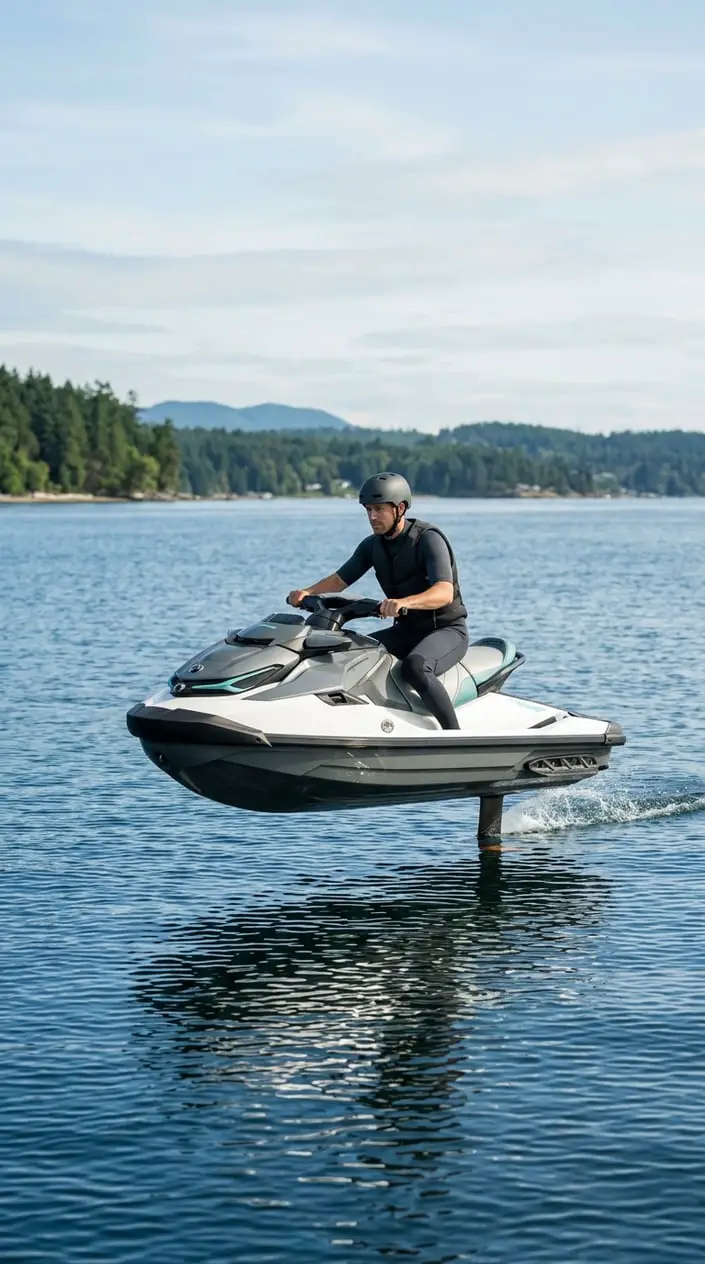
The Flyway turns electric personal watercraft into a foil-assisted ride, using a propeller drive and underwater wings to lift the board above the surface. Once airborne, its reduced water contact can lower energy use by as much as 70 percent compared with operation on the hull, as described for the design. You also get a display for speed and battery use.
This stand-up craft suits you if you want an active solo ride and have access to calm water for learning. Its electric system avoids fuel exhaust at the point of use, and the parts are designed to come apart for easier transport. Start with the manufacturer’s handling guidance, then practice in an open area away from swimmers and boat traffic.
14) JetCycle Max
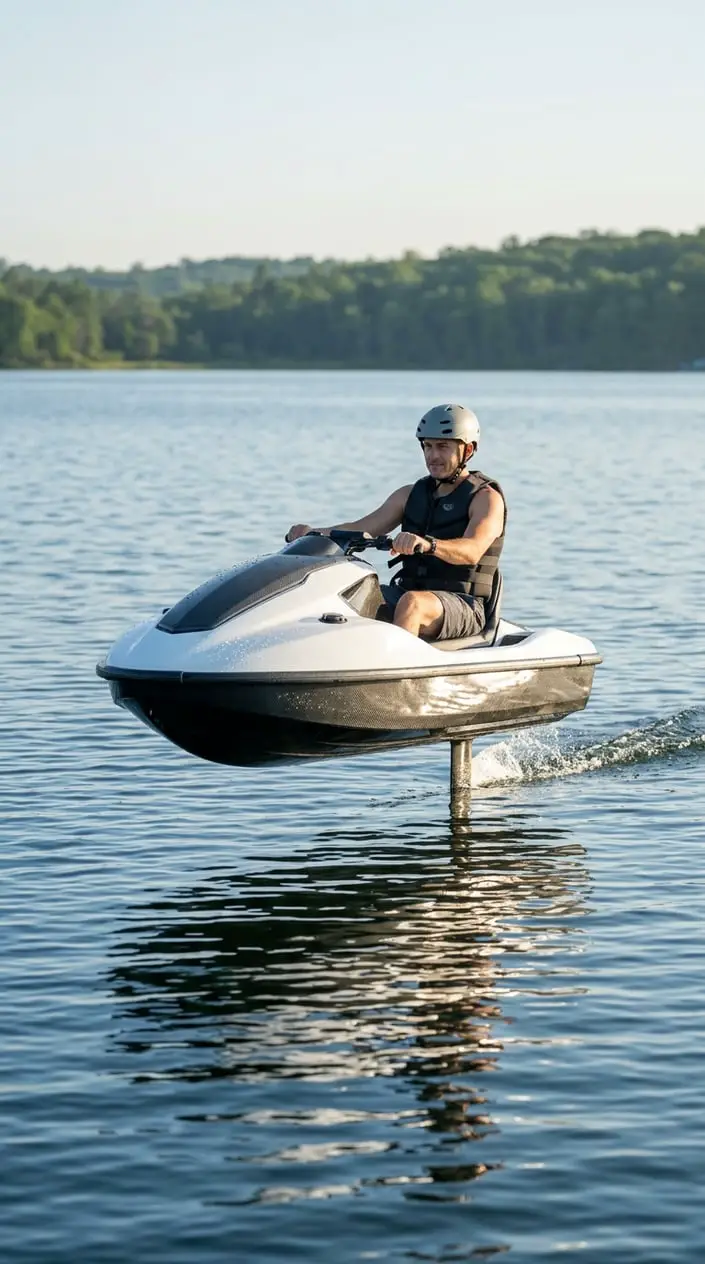
The JetCycle Max gives you a human-powered way to foil above calm water, with no motor or fuel system onboard. You pedal to drive the craft forward, while its foils lift the hull as you build speed. The 3.4-meter craft weighs about 35 kilograms, making it a portable option for riders who want exercise as part of their time on the water.
You control flight height through the pedal system, so learning the balance and rhythm is part of the experience. Calm lakes and sheltered water suit this style of craft best. Check transport and storage needs before buying, then follow the maker’s advice on setup and safe operating conditions. Its human-powered design gives you movement without engine noise or exhaust.
15) Lucietta Electric Water Taxi
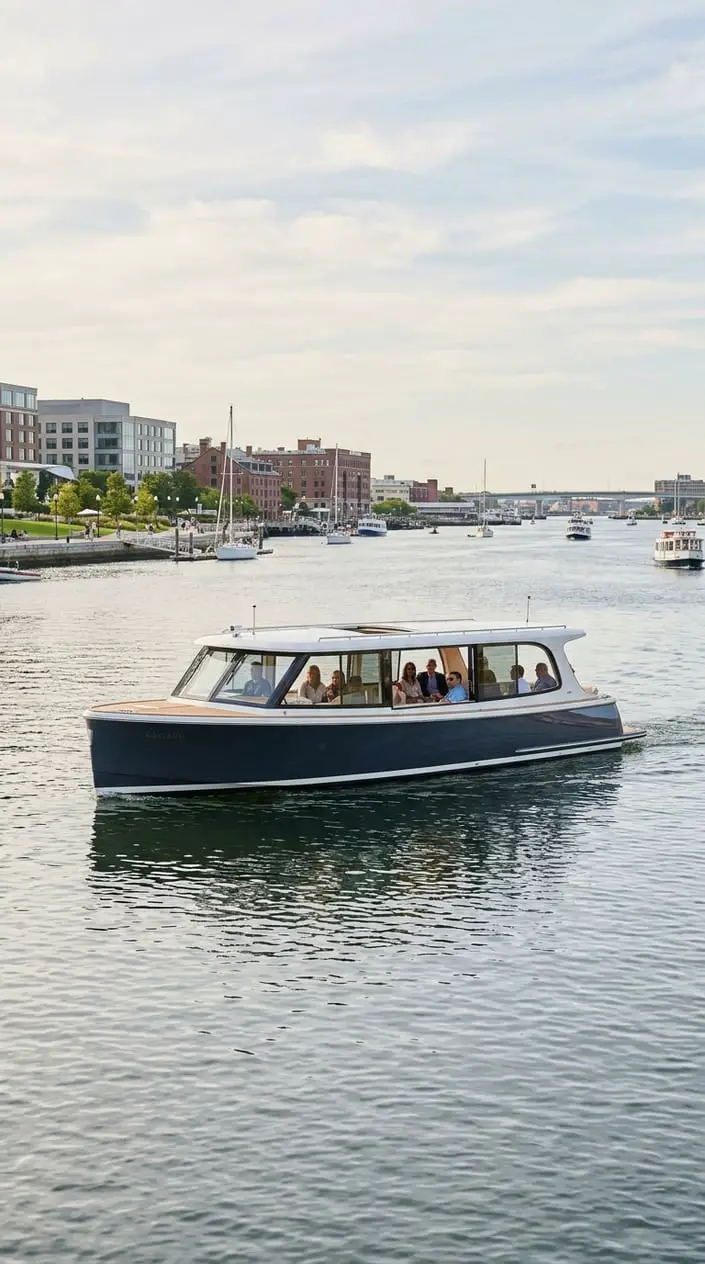
Lucietta is an electric water taxi designed for urban waterways, where quiet operation and reduced wake support passenger travel through busy harbors. Its battery-powered drive produces no exhaust emissions while underway, making it a practical fit for short routes between waterfront destinations.
The taxi format also offers cities and operators a way to connect neighborhoods by water. For passengers, the benefit is a quieter trip with less engine noise around the dock and along the route. For operators, charging access and daily range shape how the service works.
If you’re planning a trip, check the route, departure schedule, and boarding point with the local operator. If you’re assessing the boat for a fleet, ask how its battery system fits the route’s service hours and charging windows.