Last Updated on November 12, 2026
The 12 Boat Design Trends That Are Shaping the Future of Watercraft combine fishing-ready layouts, flexible spaces, advanced propulsion, and new approaches to efficiency and materials. For you, that means more choice in how a boat handles a day on the water, from finding fish offshore to cruising quietly on a lake.
Your priorities still guide the right design: range, comfort, speed, or lower-impact operation. Across the industry, designers are pairing practical features with updated hulls, smarter controls, and more attention to how boats are built and retired.
1) Fishing-Focused Center Consoles: Boston Whaler 280 Outrage
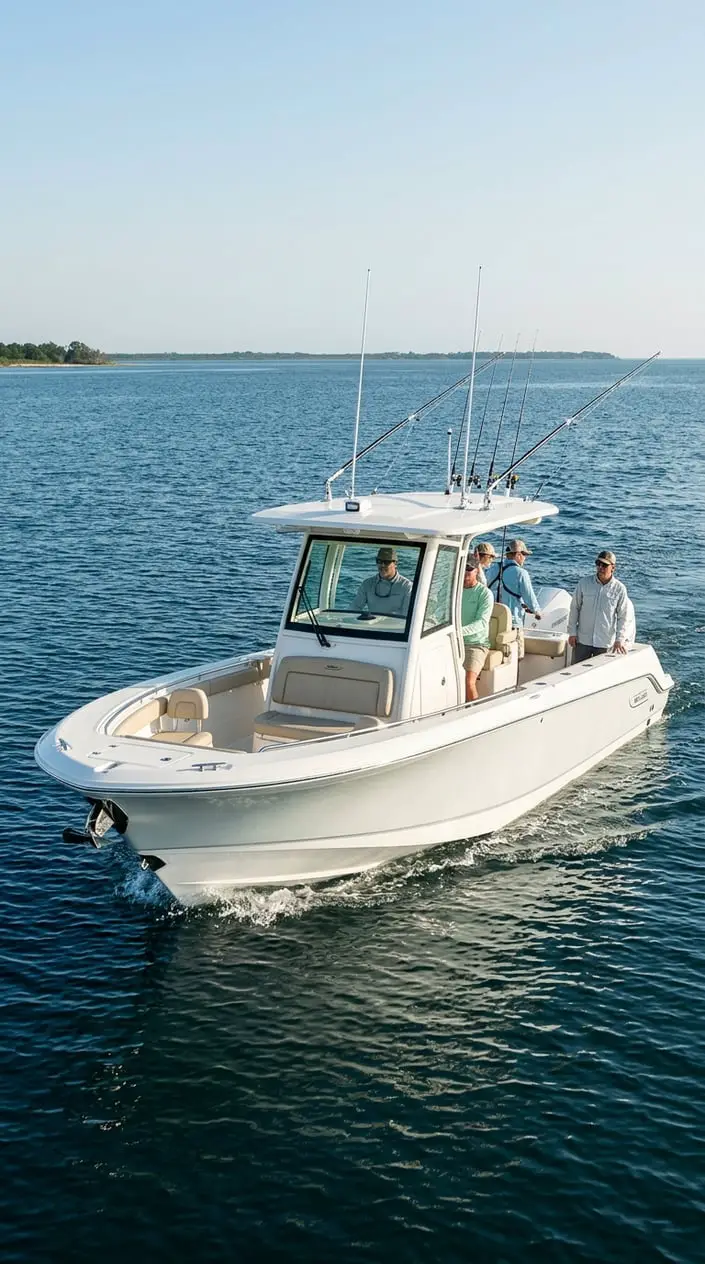
A fishing-focused center console gives you open deck space and equipment aimed at time on the water. This offshore model shows how a boat can place the helm in the center while leaving room to move around the deck, handle lines, and reach fishing gear. Livewells, rod holders, fish-finding electronics, and storage support your angling plans.
The broader trend is a layout that also works for family outings. Seating, shade, and sound systems make a fishing boat more comfortable when your crew wants to cruise or spend time at anchor. If you compare models, check whether the deck stays clear when gear is aboard, and whether the electronics and engine setup suit the waters you fish.
2) Multi-Use Adventure Boats: Axopar 37 XC Cross Cabin
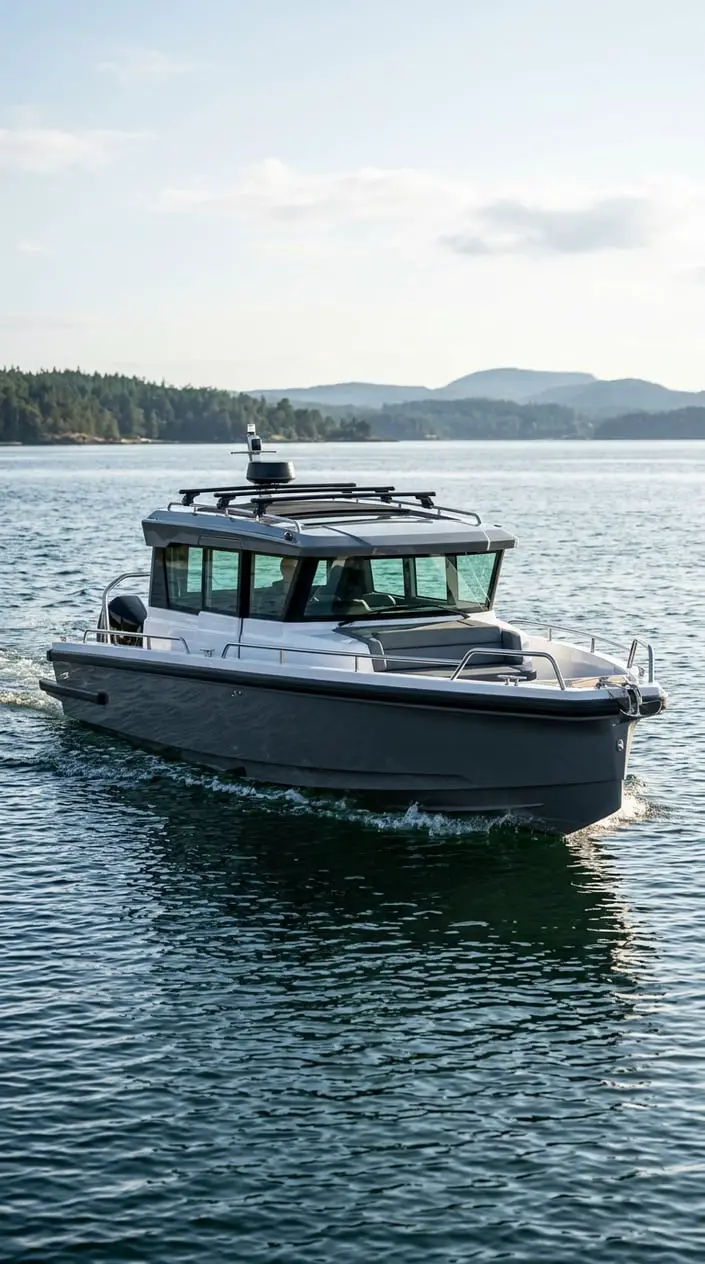
A cabin paired with an open, flexible deck lets you use an adventure boat across changing weather and activities. This design combines sheltered seating with outdoor space, so your plans can include coastal cruising, swimming stops, or a longer run between harbors. Its enclosed cabin gives you protection from wind and spray when conditions shift.
You’ll see this adaptable approach in boats built for active days, where easy movement between cockpit and cabin supports a wider range of uses. Look closely at the layout before you choose: storage, seating, and access to the water shape how well the boat fits your crew. A practical cabin can extend your season, while generous deck space keeps warm-weather outings comfortable.
3) Outboard-Powered Performance: Mercury Verado 600
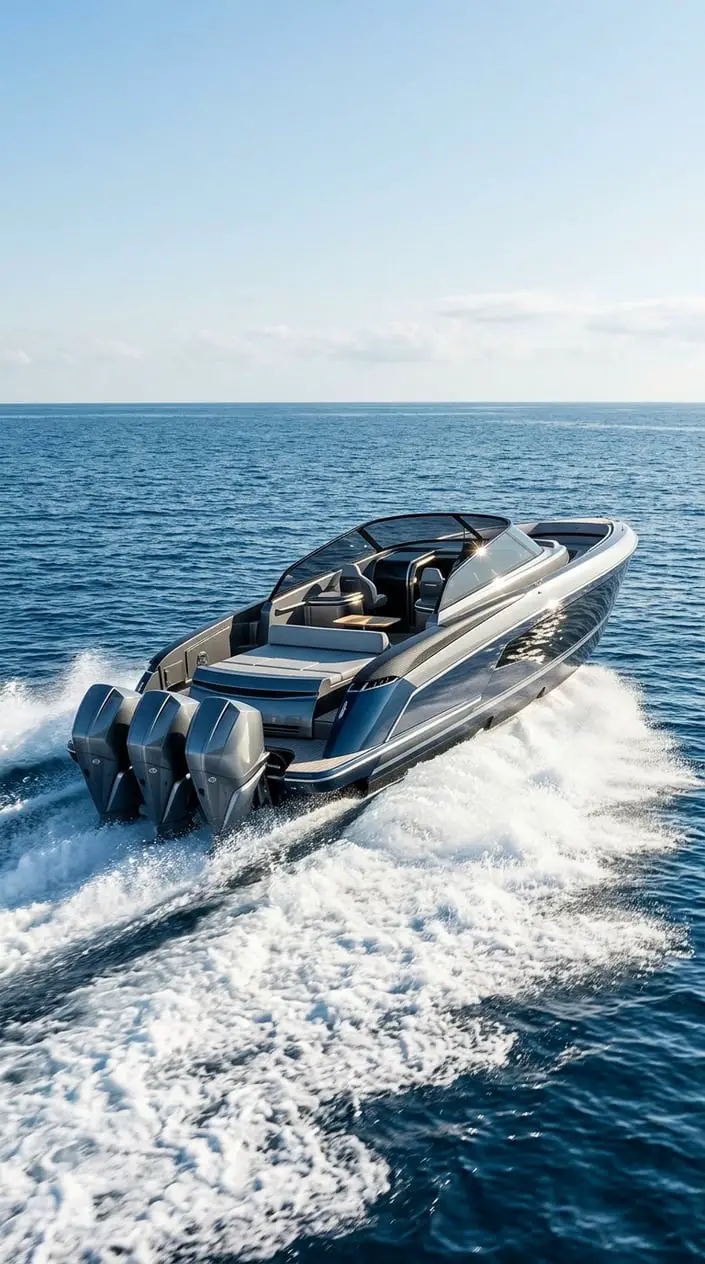
High-output outboards are changing how you think about power, control, and usable space aboard. A 600-horsepower engine in this class puts substantial propulsion on the transom while keeping the engine outside the hull. That arrangement gives boat designers more freedom with interior layouts and keeps key service points accessible from the stern.
For you, an outboard-powered boat can offer brisk acceleration and the power to reach distant fishing grounds, with modern steering and control systems making handling more direct. The engine is only one part of the decision: match horsepower to the hull’s rating, your typical load, and the water you navigate. Ask a dealer to explain fuel use and service needs for your intended cruising speed.
4) Electric Dayboats: X Shore Eelex 8000
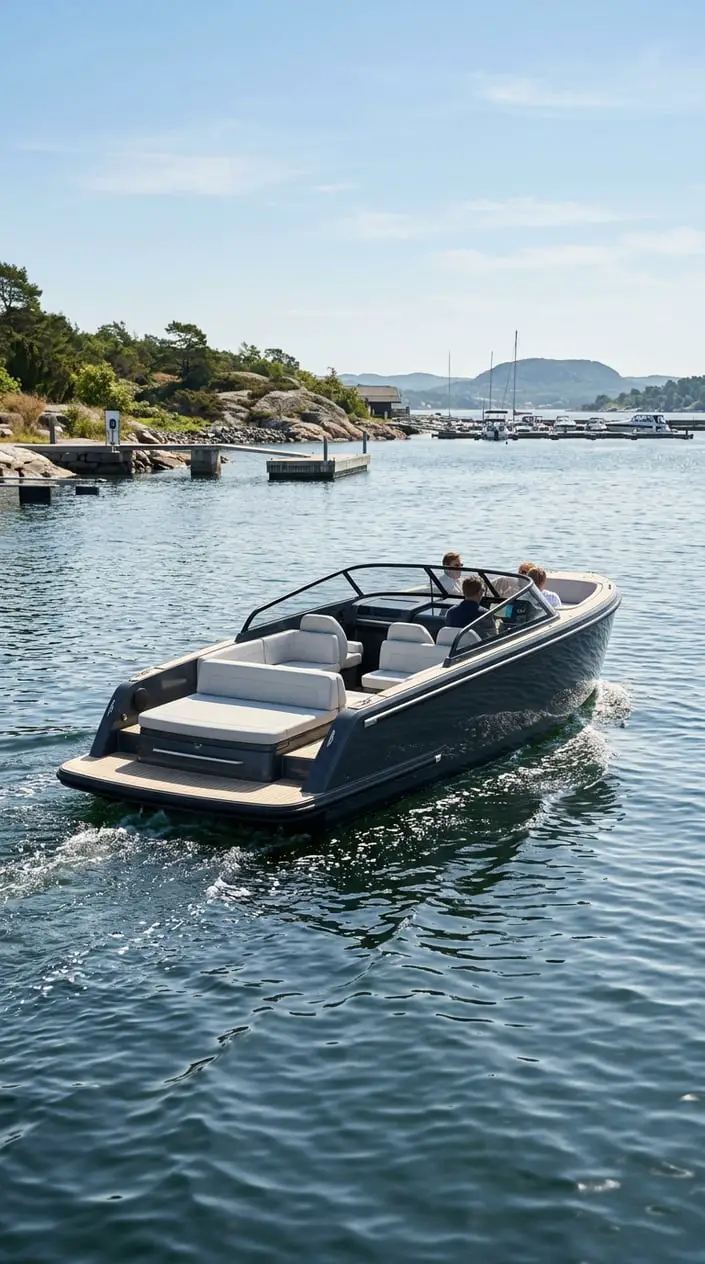
Electric dayboats give you quiet propulsion for shorter trips and low-speed time on the water. This Scandinavian-style model pairs an electric drive with a clean, open layout that supports cruising, swimming, and socializing. The design reflects growing interest in boats that reduce local exhaust and engine noise, especially on lakes and waterways with restrictions on combustion engines.
Your range depends on battery capacity, speed, weather, and how much power you use onboard. Plan your route around charging access and leave a reserve for changing conditions. If you’re considering an electric boat, ask how the builder estimates range and how long a full charge takes. These details help you decide whether the boat fits your usual day afloat.
5) Solar-Electric Cruising: Silent 60
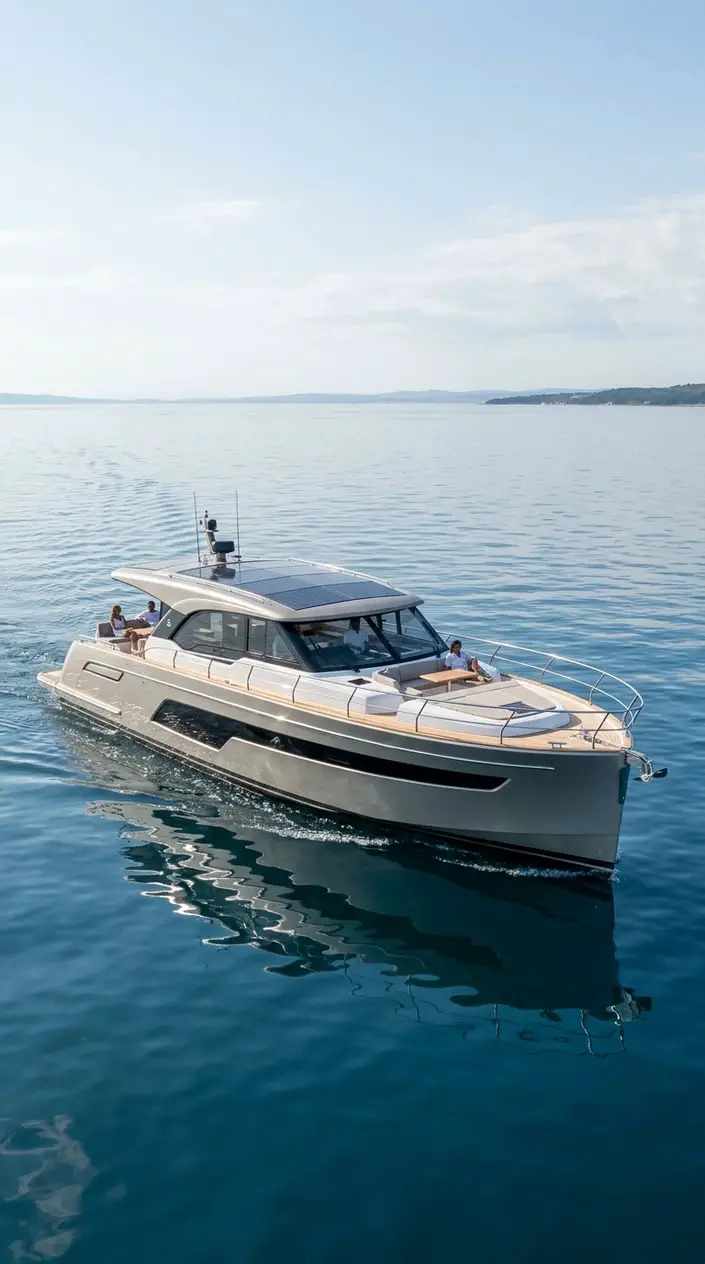
Solar-electric cruising builds energy generation into the yacht’s design, giving you a way to support onboard systems and electric propulsion. This cruising catamaran uses solar panels across its upper surfaces, linking the boat’s exterior plan to its power needs. The wide platform also creates room for living spaces and systems that support longer stays aboard.
Solar energy depends on daylight, panel area, and how much electricity you use. Your passage plans should account for battery storage and any backup power system, since clouds and high demand affect how much energy you can collect. When comparing solar-equipped yachts, ask for clear information about panel output, battery capacity, and propulsion range at different speeds.
6) Hydrofoil Efficiency: Candela C-8
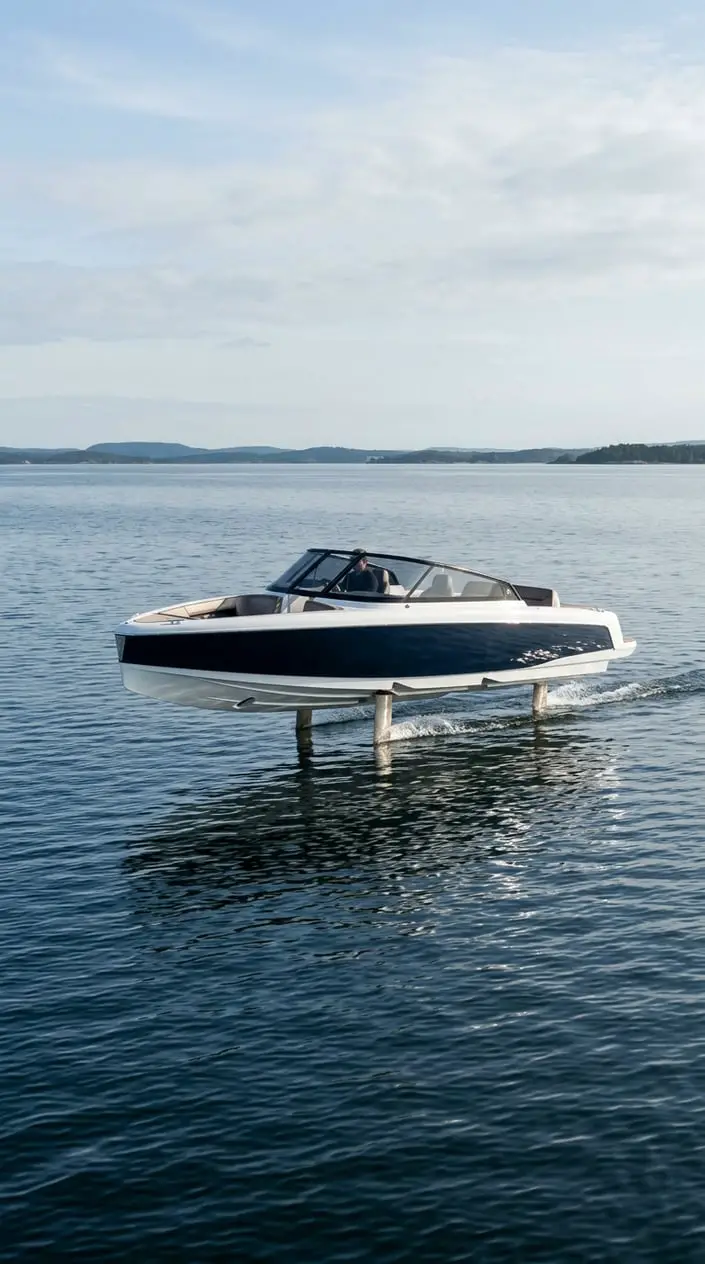
Hydrofoils lift a boat’s hull above the water at speed, reducing drag and helping you travel with less energy. This electric dayboat uses underwater wings and an active control system to keep the ride steady as it rises onto its foils. The result is a distinctive design that combines battery power with a hull engineered to skim above the surface.
Foiling works within specific speed and water conditions, so you’ll want to understand how the boat handles at low speed and when the foils are not engaged. Ask about the control system, operating limits, and service needs for underwater components. If your routes include suitable open water, a hydrofoil design offers a different balance of speed, ride comfort, and energy use.
7) Natural-Fiber Composites: Greenboats Flax 27
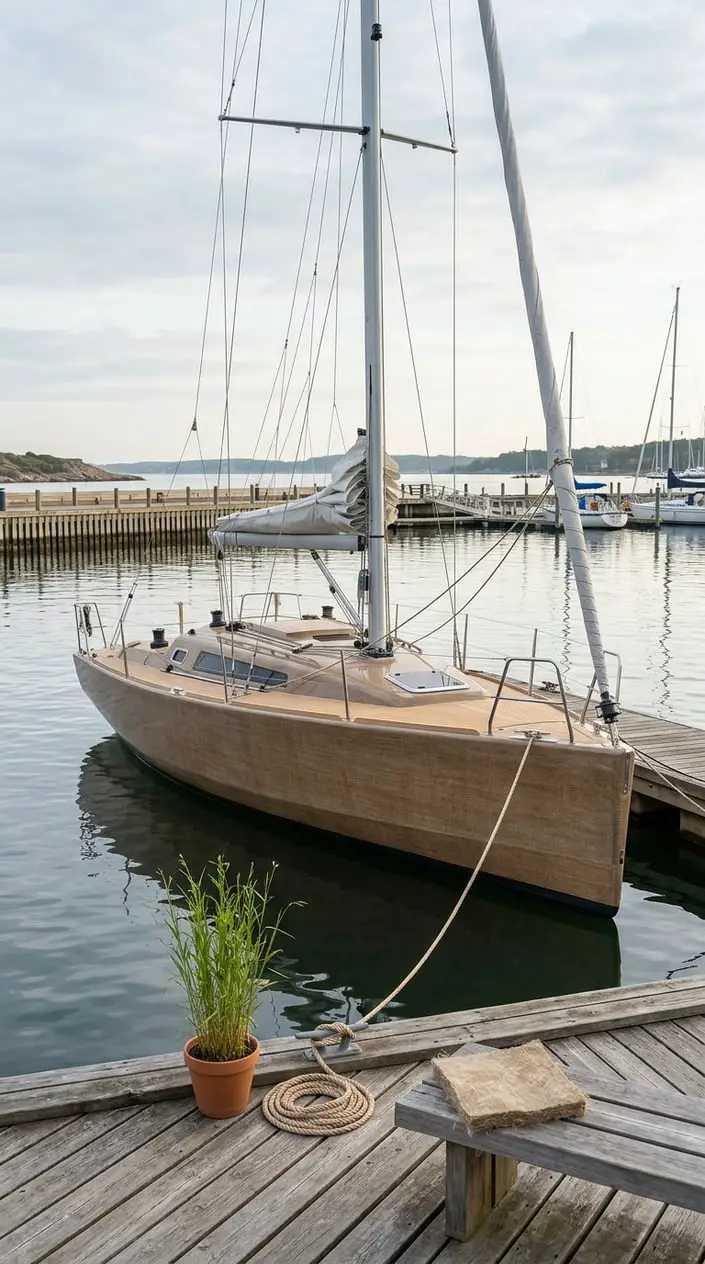
Natural-fiber composites bring materials such as flax into boat construction, offering you an alternative to conventional fiberglass reinforcement. This 27-foot sailboat uses flax fiber in its composite structure, showing how designers can explore renewable materials in a production-minded hull. The choice of material also affects the boat’s weight, surface finish, and manufacturing process.
For you as a buyer, the key questions are durability, repair methods, and the exact materials used in each part of the boat. Natural fibers can suit some composite applications, while resins and other components still shape the boat’s environmental footprint. Ask the builder how the hull is protected from moisture and how repairs are handled, especially if you plan to sail in demanding conditions.
8) Designing GRP Boats for Recycling: Boatbreakers in Portsmouth
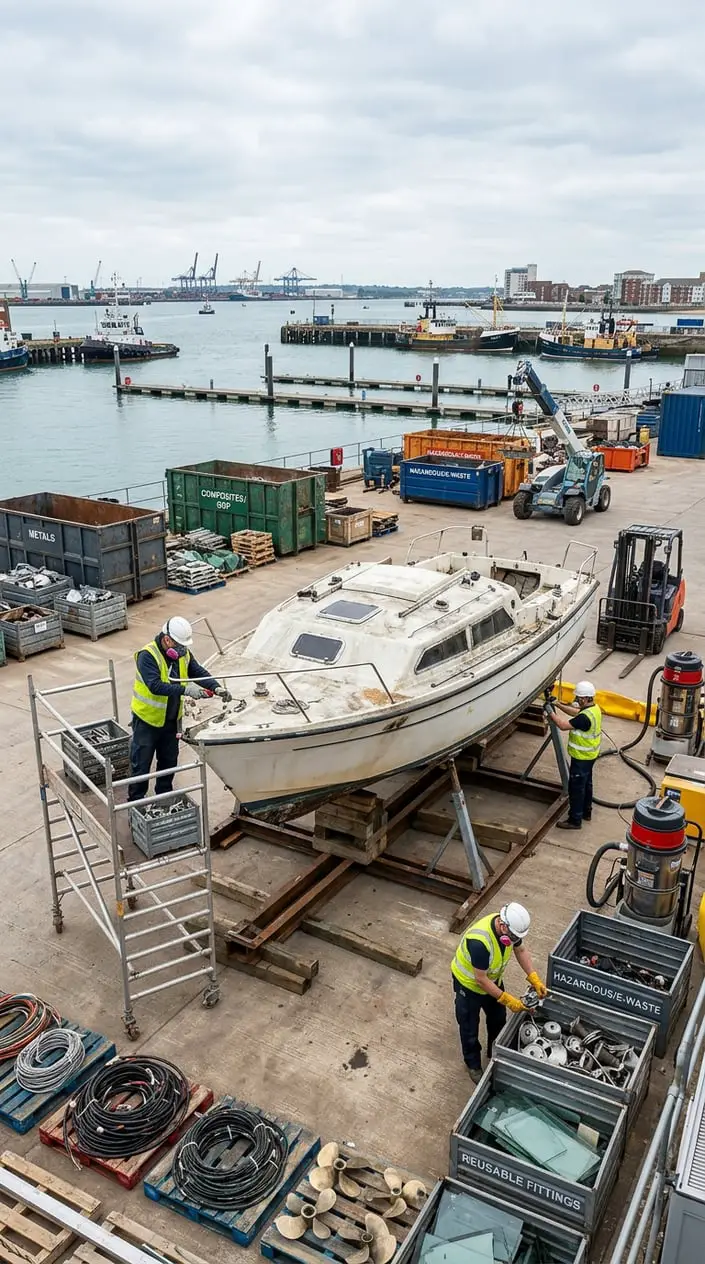
Designing fiberglass boats with end-of-life recovery in mind can make disposal easier for you and reduce waste from aging vessels. A dismantling yard in Portsmouth illustrates the practical work involved: removing usable fittings, separating materials, and preparing boat sections for further processing. Glass-reinforced plastic, or GRP, remains difficult to recycle because it combines glass fibers with resin.
This challenge is encouraging designers to consider how a boat can be taken apart and which parts can be reused. As you shop, ask about the hull materials, repair options, and plans for recycling components when the boat reaches the end of its service life. Clear material records and accessible fittings can help future owners and dismantlers handle the vessel more responsibly.
9) Cross-Disciplinary Yacht Design: Pininfarina
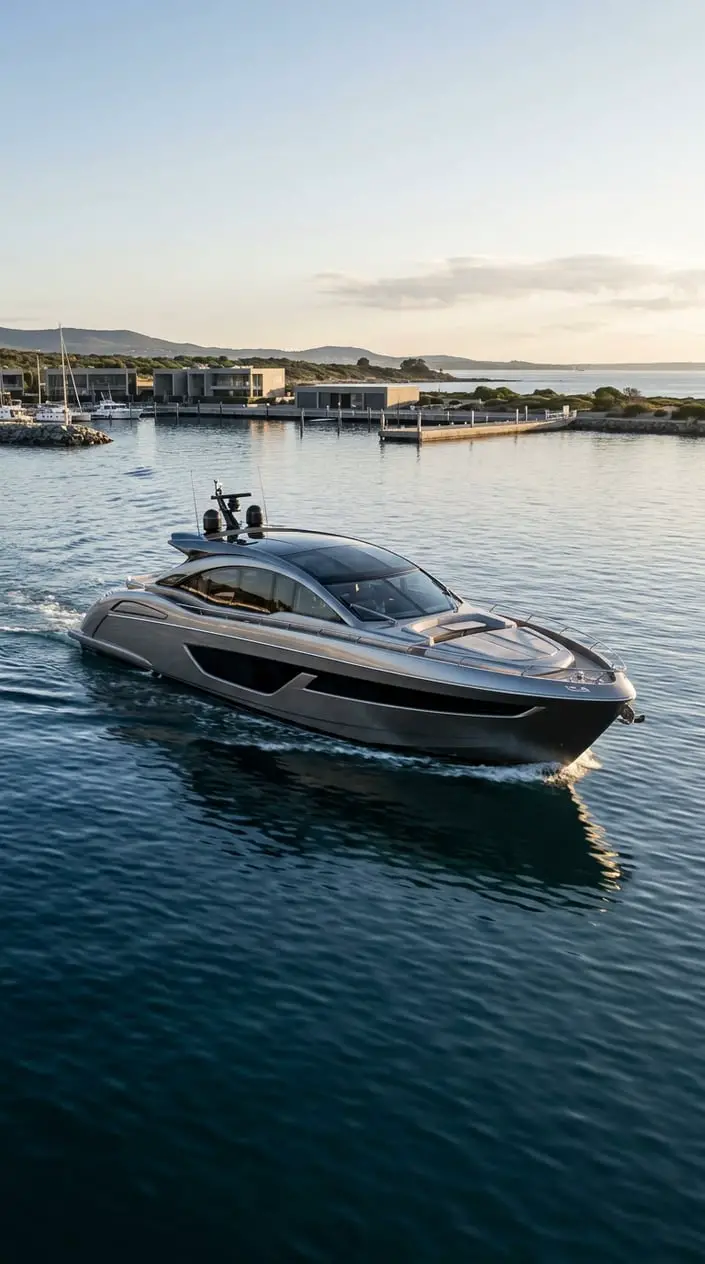
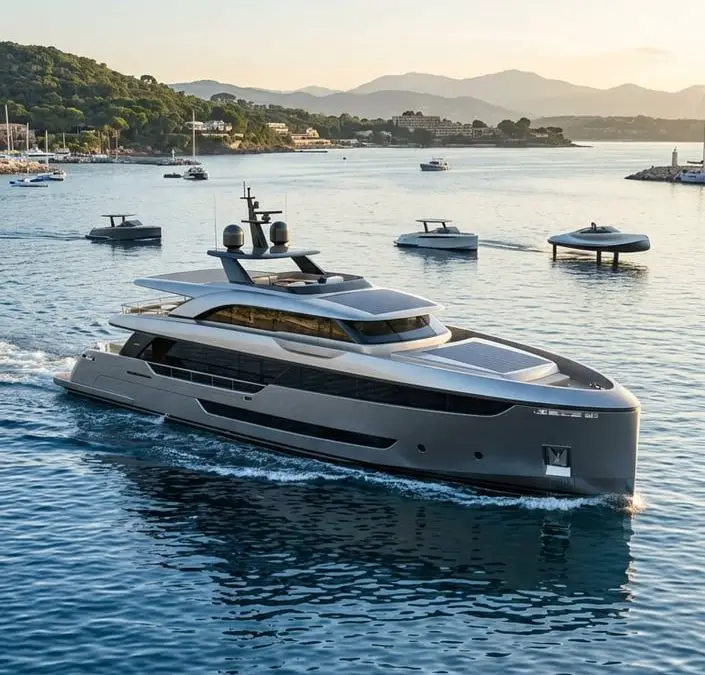
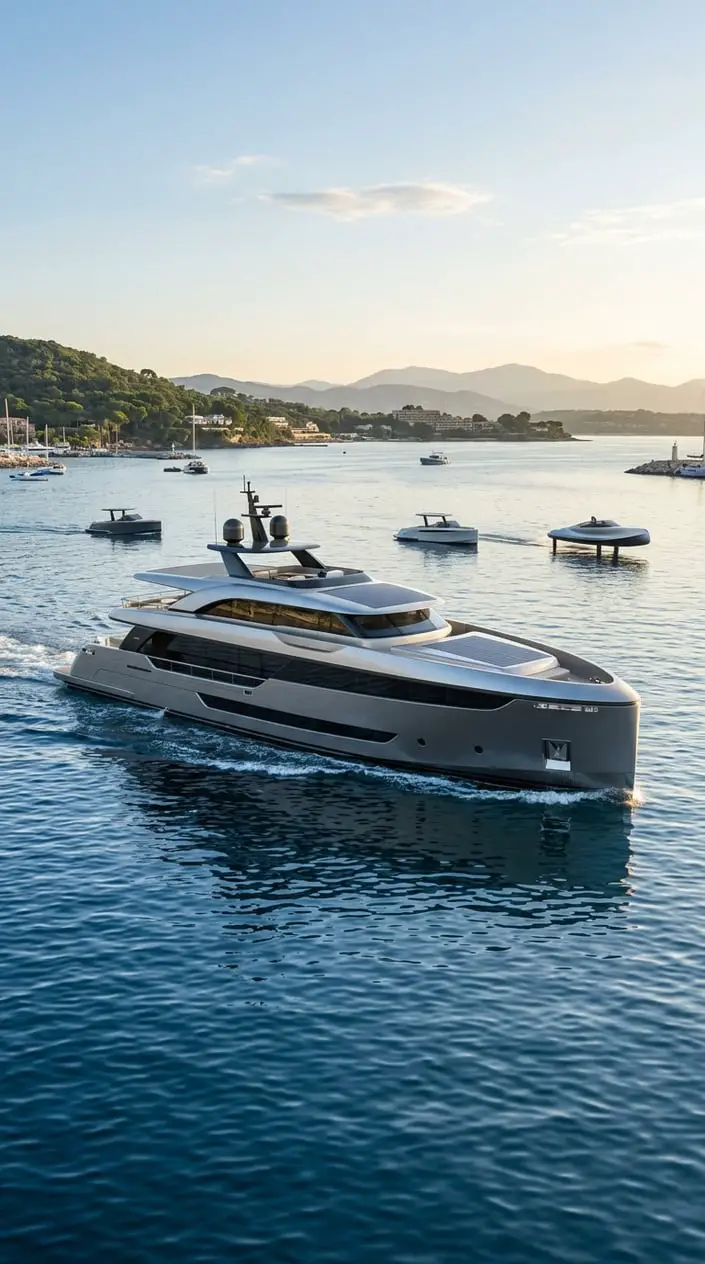
Cross-disciplinary yacht design brings automotive styling, architecture, and interior planning into one process. This approach shapes a yacht from its general arrangement through its exterior lines, so your living spaces and the boat’s profile work together. Designers consider how light moves across surfaces, how people use each deck, and how the hull’s form supports its purpose.
The method also connects appearance with practical needs such as weight and efficiency. Lighter materials, including carbon-fiber composites and aluminum, can help reduce mass when they suit the build. If you’re comparing custom or semi-custom yachts, look at how the interior and exterior relate: deck access, sightlines, and usable outdoor areas affect your daily experience as much as the styling.
10) High-Speed Hull Engineering: Destriero
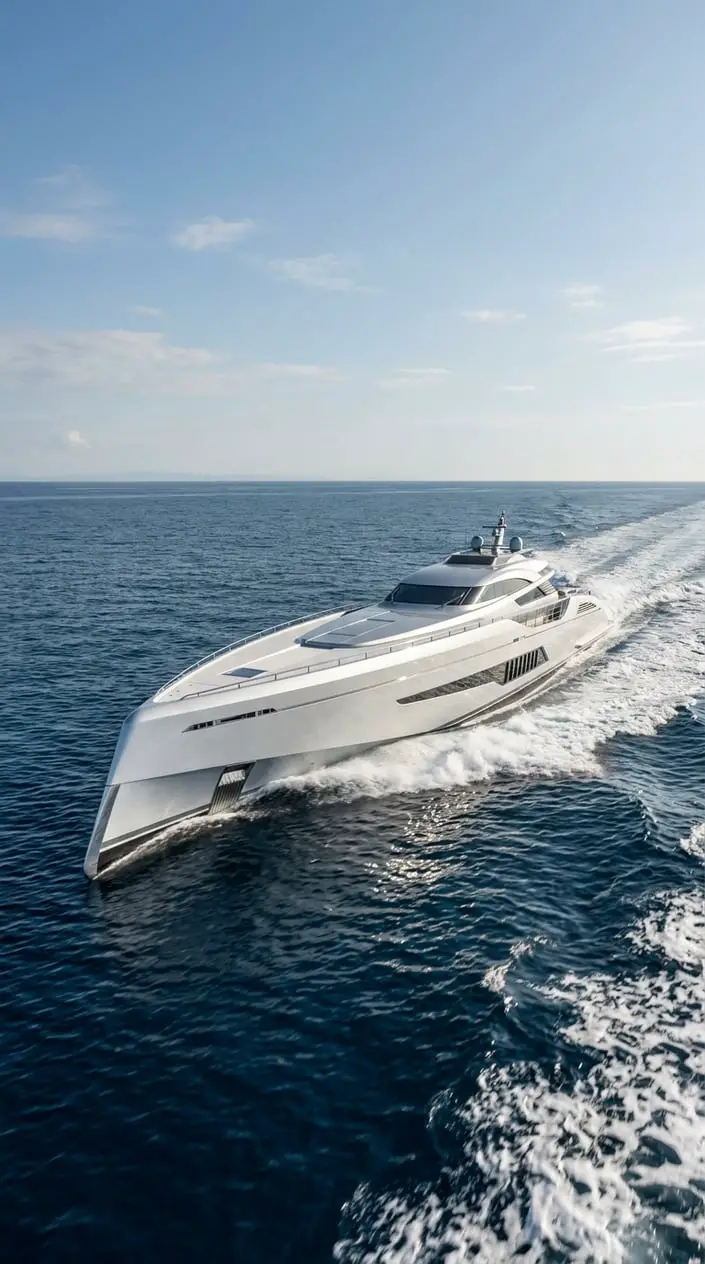
High-speed hull engineering shows how careful naval architecture can support exceptional performance over long distances. Built in 1991, this power yacht set a record for the fastest motor-powered Atlantic crossing, a mark that remains unbeaten. Its design represents the effort required to balance speed, stability, fuel capacity, and the demands of sustained operation at sea.
For you, the lesson is that a fast hull is shaped around a clear mission. Hull form, propulsion, weight, and weather all influence performance, while the needs of a record-setting vessel differ from those of a family cruiser. When you assess a high-performance boat, focus on its intended speed range and sea conditions, then ask how the design manages comfort and control at your normal cruising pace.
11) Tank-Tested Production Cruisers: Westerly Centaur
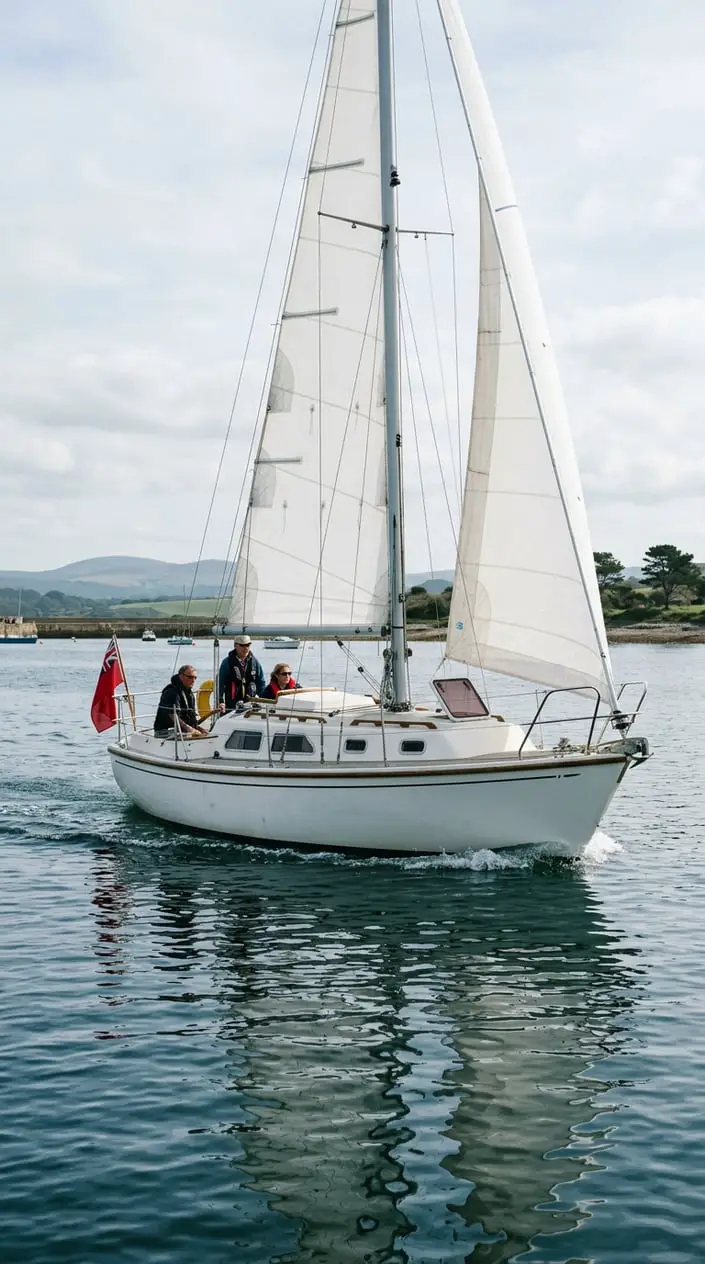
Tank testing gives designers a way to study a hull’s behavior before a production boat reaches the water. This 26-foot cruiser was among the early production sailboats to undergo tank testing, and its design paired a compact footprint with generous accommodation. Its long production run, with 2,444 built between 1969 and 1980, shows the appeal of a well-planned family cruiser.
You can see this trend in the value placed on testing and repeatable construction. A production boat benefits when its hull, interior, and sailing qualities are shaped for consistent results across a large run. When you inspect a used cruiser, check how the layout supports your crew, then review the hull and rig condition with a qualified marine surveyor.
12) Offshore-Seaworthy Double-Enders: Colin Archer Lifeboats
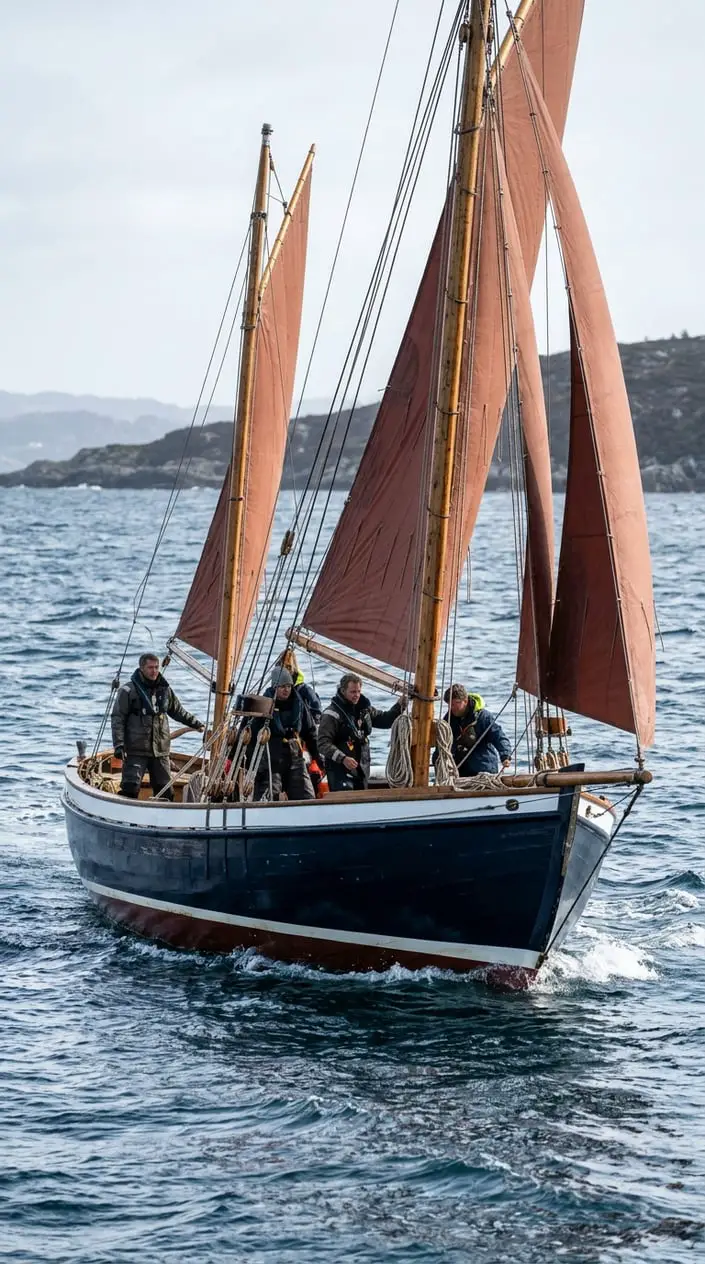
A double-ended hull carries a pointed shape at both bow and stern, a form linked with traditional offshore lifeboats. The Norwegian rescue boats designed by Colin Archer earned a reputation for safety, and their influence lives on in later double-ended cruisers.
This profile reflects a design priority centered on handling exposed coastal waters and supporting crews in challenging conditions. For your own sailing plans, the hull shape is only one part of seaworthiness.
Check the boat’s stability, steering, rig, and protected working areas, along with how it behaves under sail. A double-ender’s heritage offers useful design lessons, while a survey and sea trial help you judge a particular vessel’s condition and fit for your intended routes.