Last Updated on November 12, 2026
You can see seven boat design concepts that arrived decades or centuries ahead of common practice: an iron hull with a screw propeller, a double-hulled giant, a revolving gun turret, hydrofoils, a teardrop submarine hull, a wind-assisting Turbosail, and automated square sails. Each design changed what you could expect from a ship’s structure, speed, power, or handling.
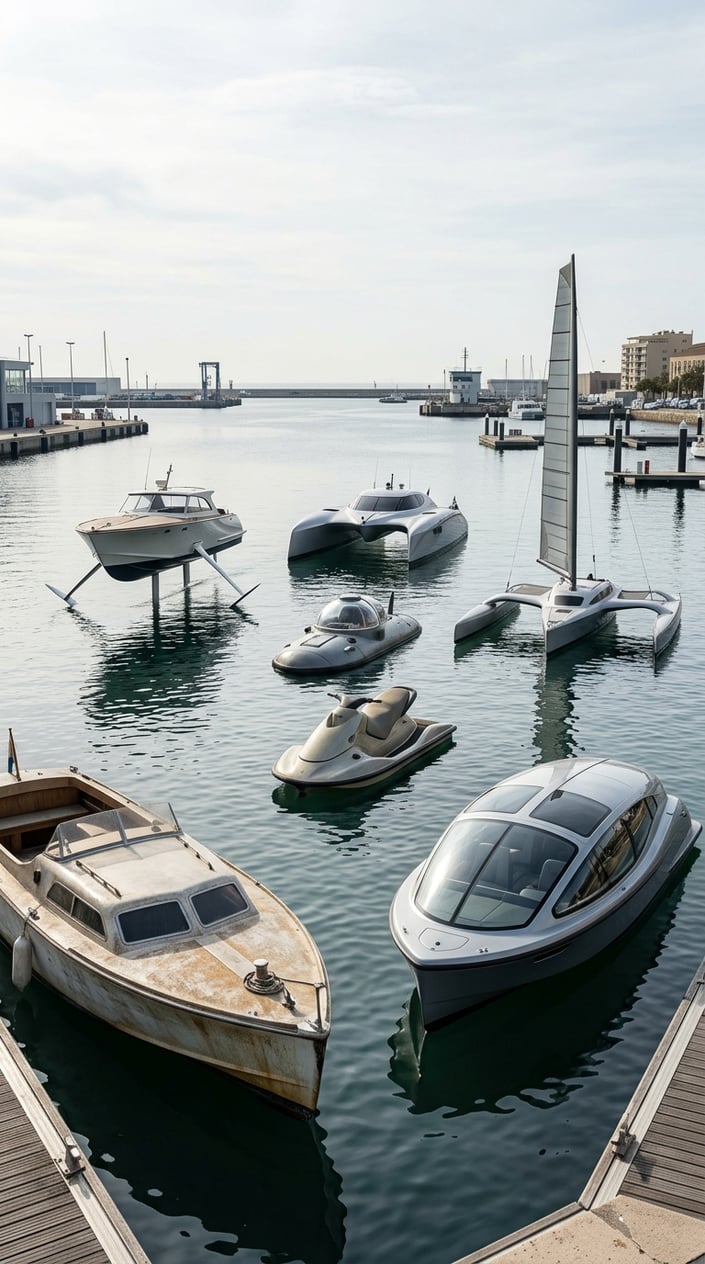
For you, the striking part is how many of these ideas became familiar features of modern vessels. Their inventors tackled practical limits, from water resistance to gun aiming, with designs that took years to become widely useful.
1) SS Great Britain’s Iron Hull and Screw Propeller
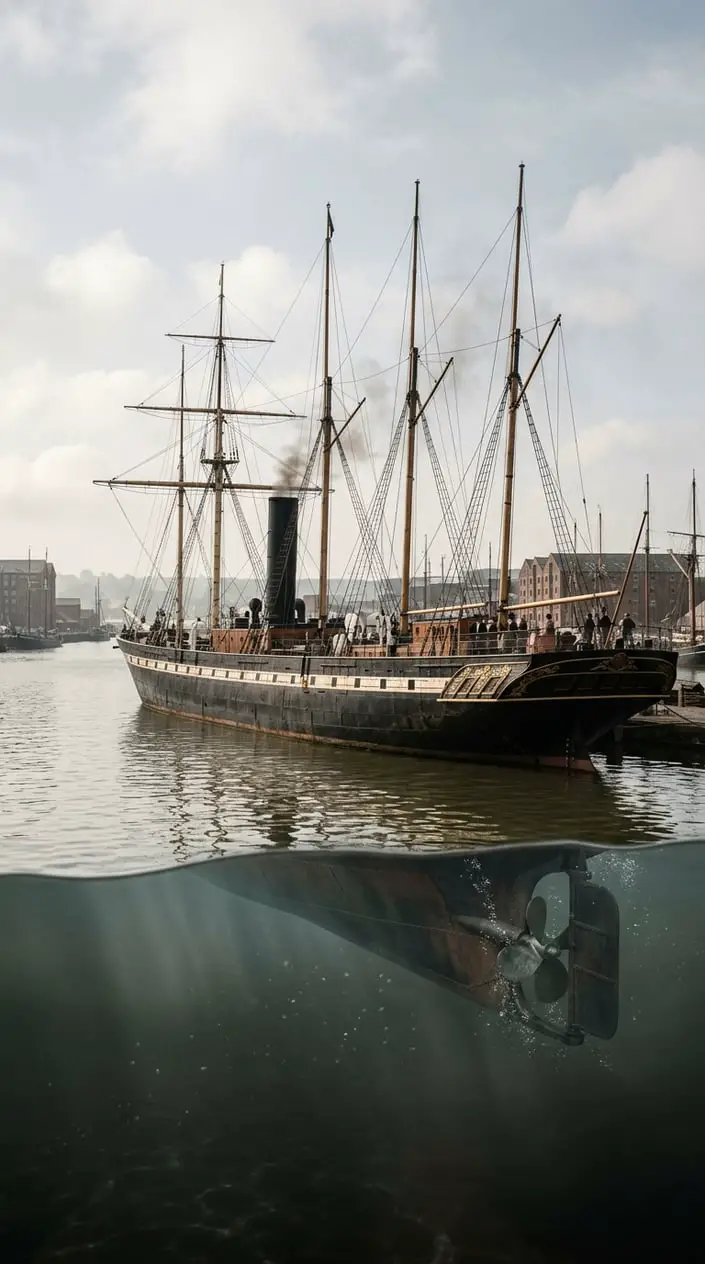
The iron hull and screw propeller made this ship a landmark in ocean-going steamship design. When you look at its 1843 launch, you see Isambard Kingdom Brunel backing two technologies that were still new at large scale. Iron offered a strong hull, while the screw propeller drove the vessel through the water with an efficient rotary motion.
Those choices helped the ship cross the Atlantic under steam in 1845. You can trace their influence in the steel-hulled, propeller-driven ships that followed. The design also called for fresh engineering solutions, since builders had to work through issues such as iron corrosion and propeller performance. Its combination of materials and propulsion offered a practical preview of the ocean liner era.
2) Great Eastern’s Double Hull and Unprecedented Scale
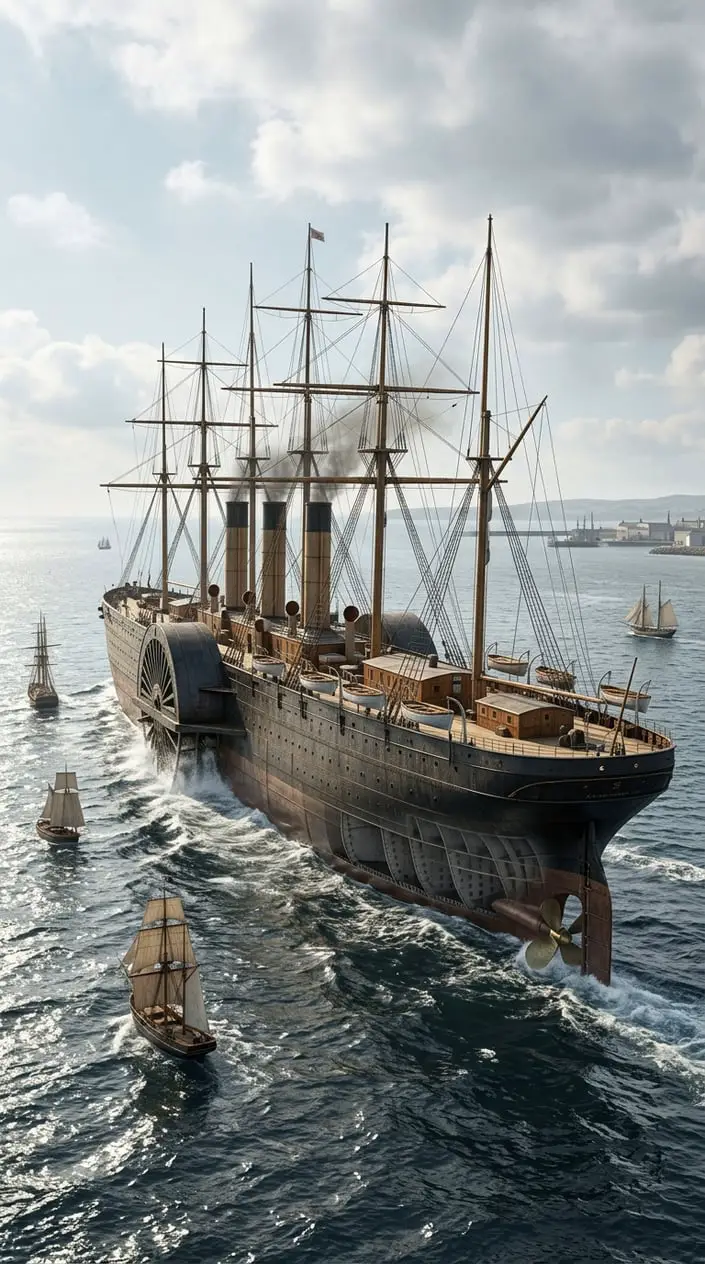
A double iron hull and enormous size gave this 19th-century vessel a scale far beyond the ships around it. Designed by Brunel, it measured about 692 feet long and had an inner hull separated from its outer shell. For you, that structure shows how a layered hull could add protection and support to a ship built for long voyages.
The vessel launched in 1858, decades before ships of similar size became common. Its vast capacity made it a difficult commercial project, and passenger service failed to deliver the expected success. Later, the ship found valuable work laying transatlantic telegraph cables. You can connect that career shift to its scale: the broad hull and deep spaces suited the heavy cable equipment required for undersea communications.
3) USS Monitor’s Revolving Gun Turret
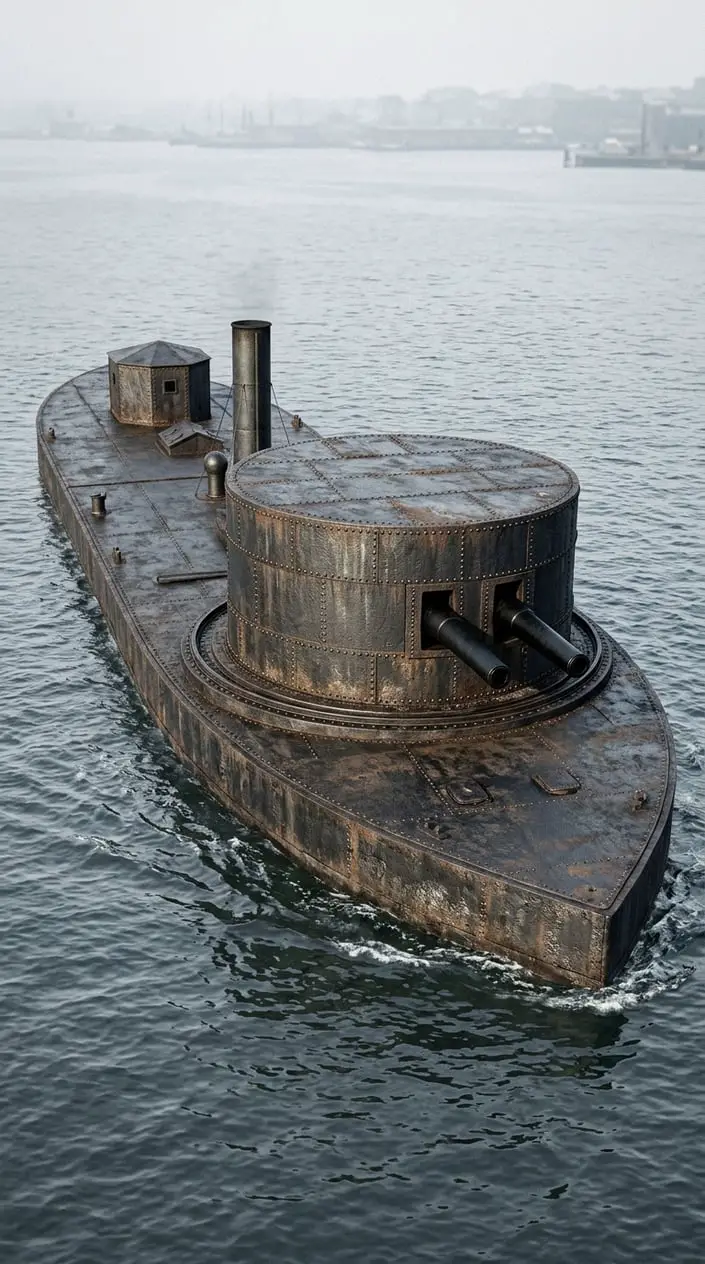
A revolving armored turret let a crew aim heavy guns across a wide arc without turning the entire ship. That feature gave the 1862 ironclad a new approach to naval combat. If you compare it with ships that carried guns along their sides, the advantage is clear: the turret could rotate toward a target while the hull held its position.
The low deck profile also made the vessel a small target above the waterline. During the Civil War battle at Hampton Roads, it faced the Confederate ironclad Virginia in a clash that demonstrated the changing role of armored ships. Its design brought trade-offs in visibility and seaworthiness, yet the rotating gun turret became a lasting feature of battleships. You can still recognize the basic idea in modern armored vehicles.
4) Enrico Forlanini’s 1906 Hydrofoil
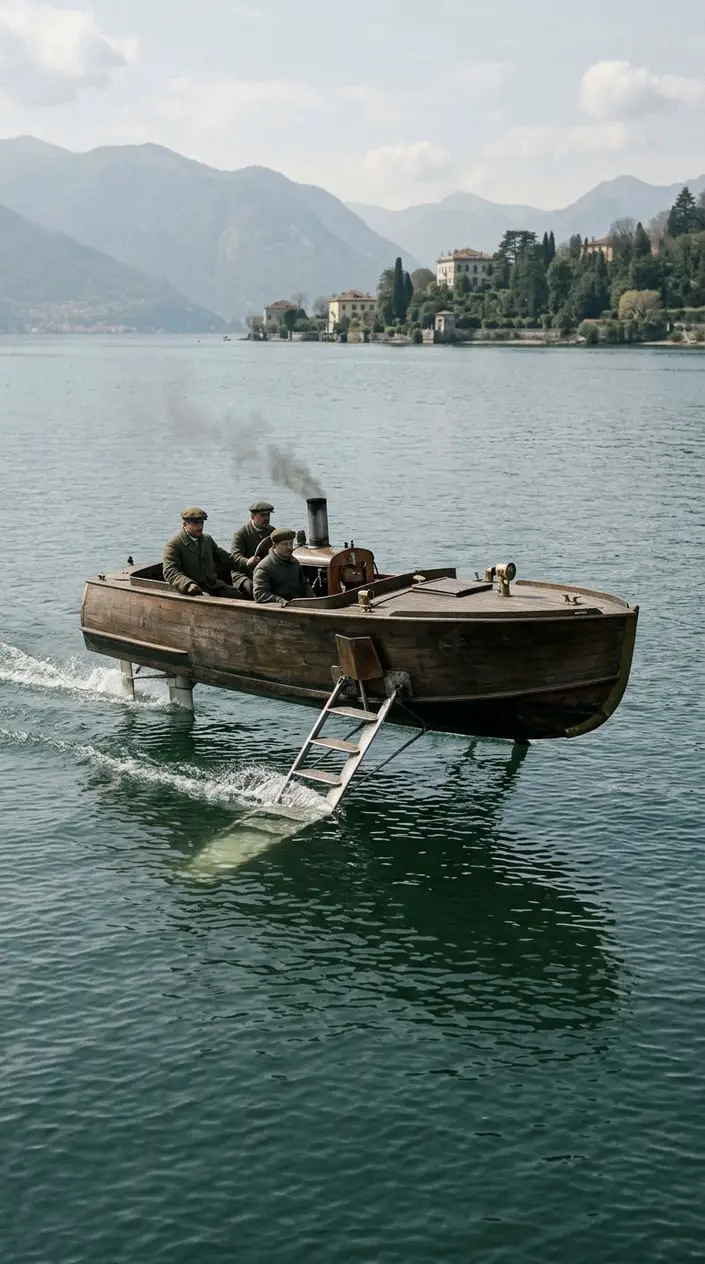
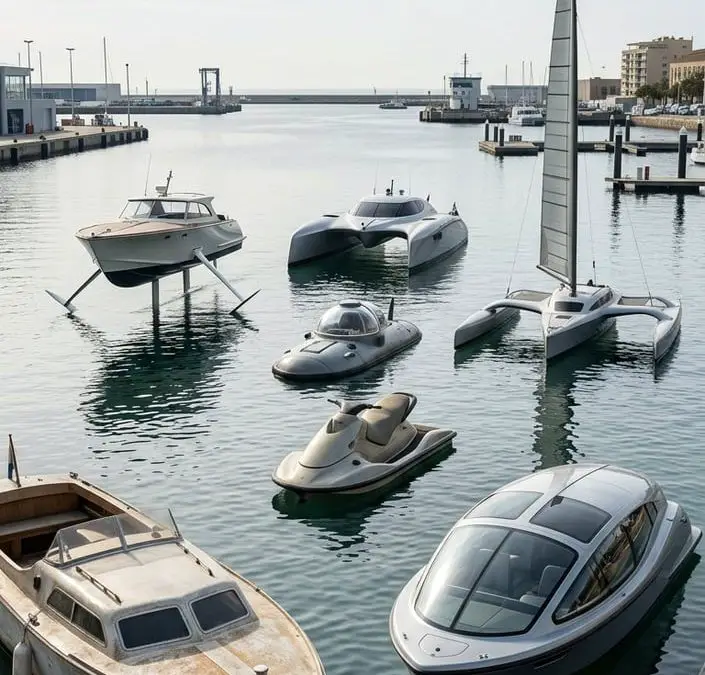
Enrico Forlanini’s 1906 hydrofoil showed how submerged wings could lift a boat’s hull above the water. As speed increased, the foils generated lift and raised the hull, reducing the amount of surface dragging through the water. For you, that simple change explains the promise of hydrofoil technology: less hull resistance allows higher speeds with less wave-making.
Forlanini’s steam-powered craft demonstrated the idea on Italy’s Lake Maggiore. Early hydrofoils required careful control because the lift changed with speed and water conditions. Later designers refined foil shapes and control systems for passenger ferries and recreational boats. When you see a modern hydrofoil rise above the water, you’re seeing a concept that was already being tested more than a century ago.
5) USS Albacore’s Teardrop Hull
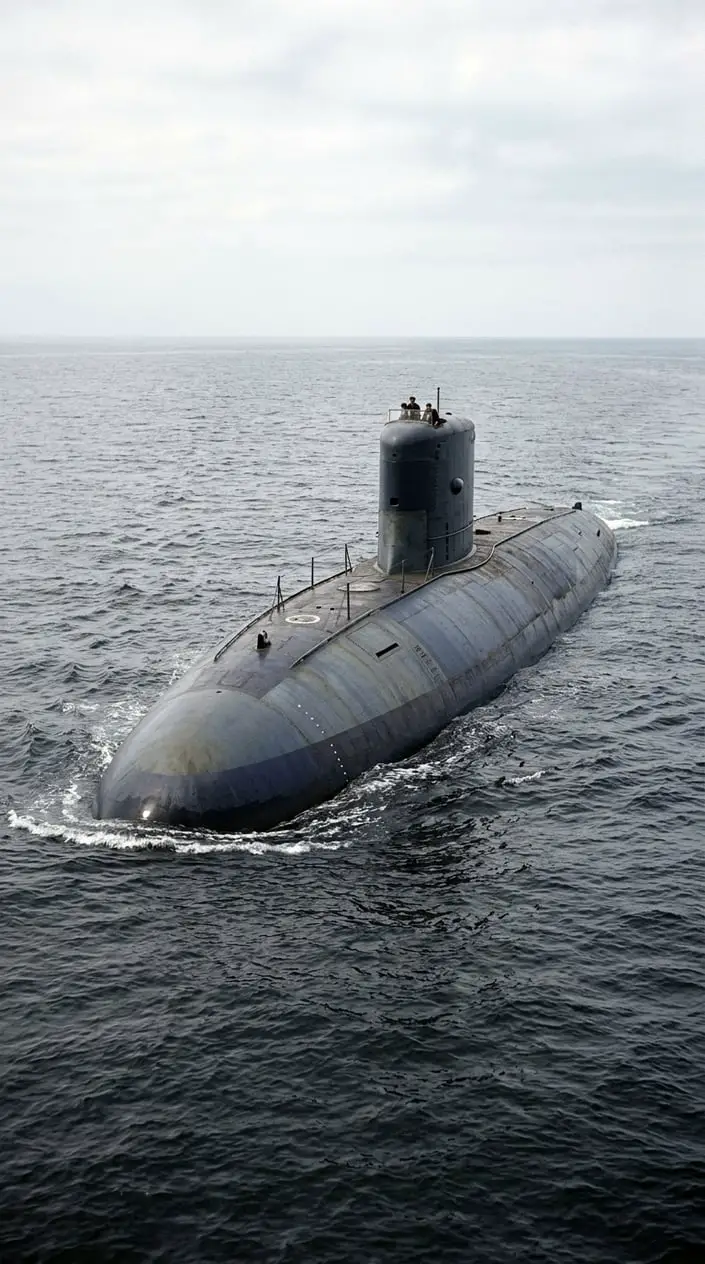
A teardrop-shaped hull helped this experimental submarine move efficiently underwater. Launched in 1953, it gave naval engineers a platform to study how hull shape affected speed, control, and maneuverability below the surface. For you, the key insight is that a submarine’s underwater performance calls for a different form from the surface ships people saw at the time.
The rounded, streamlined profile reduced drag as water flowed around the hull. Engineers also tested controls and handling features, gathering information that influenced later submarine designs. You can connect the craft’s research role to the smoother hull forms used by subsequent classes, including nuclear-powered submarines. Its work helped shift submarine design toward shapes made for sustained underwater travel, with hydrodynamics guiding the entire vessel.
6) Alcyone’s Turbosail
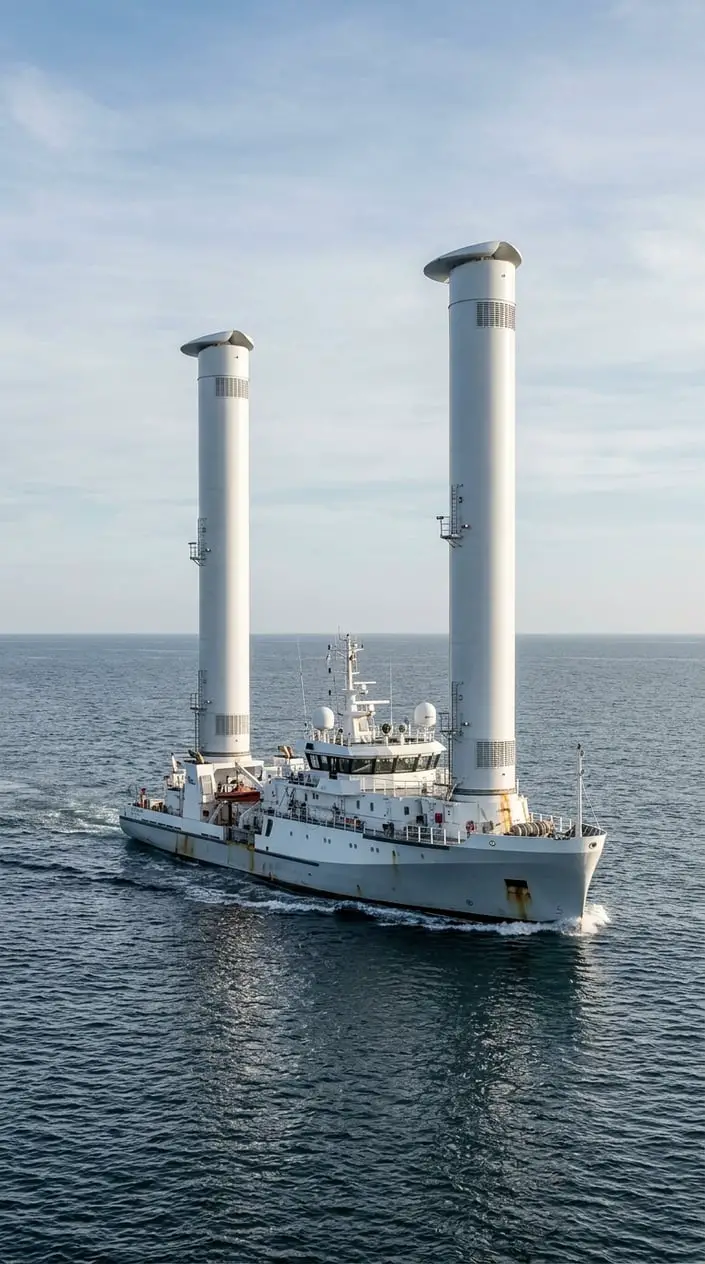
Alcyone’s Turbosail used rigid, upright cylinders and controlled airflow to turn wind into thrust. The system was developed for ocean explorer Jacques-Yves Cousteau’s research vessel, launched in 1985. Each cylinder drew in air through openings, while internal fans helped manage airflow around its surface. That flow created aerodynamic lift that could assist the ship’s engines.
You can think of the design as a bridge between a sail and a powered propulsion system. Its rotating cylinders did not need the crew to handle large sheets of fabric, and their airflow could be adjusted as wind conditions changed. The vessel used two Turbosails to test wind assistance at sea. That made the concept an early attempt to combine modern control systems with renewable wind power for a working ship.
7) Maltese Falcon’s DynaRig
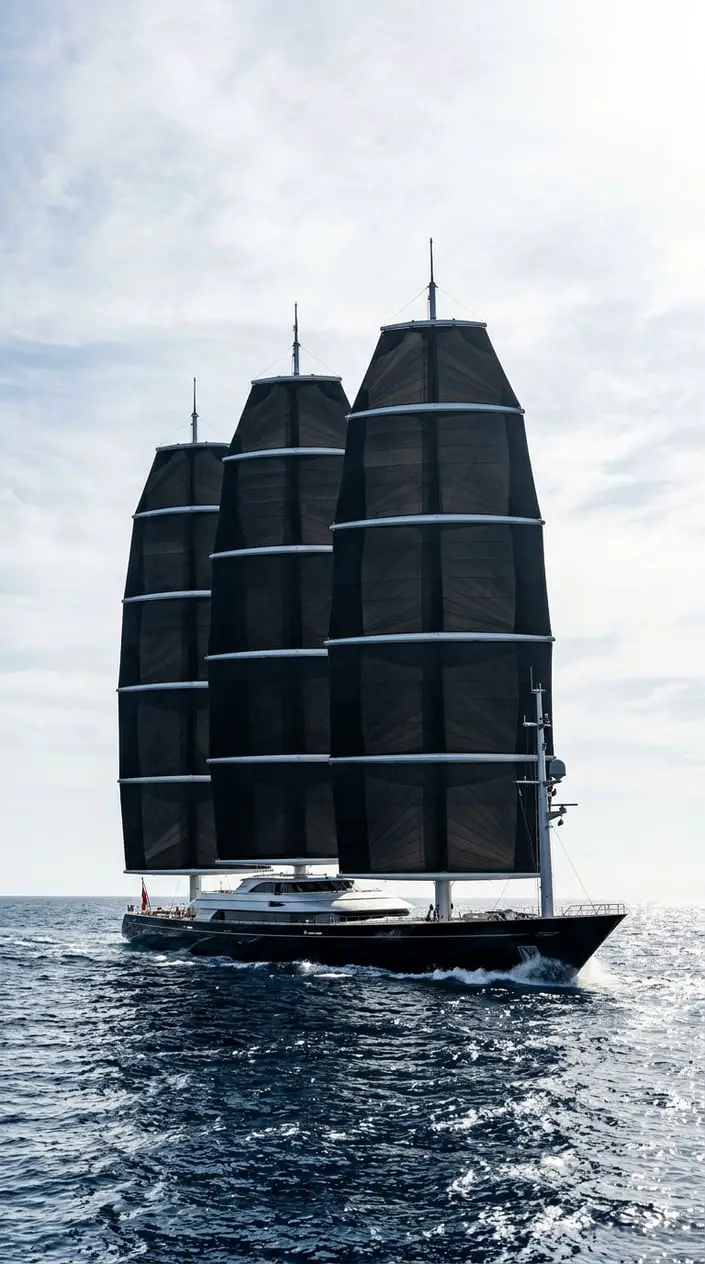
Maltese Falcon’s DynaRig brought automated square sails to a modern sailing yacht. Its three freestanding masts carry 15 square sails that unfurl from the yards, creating a broad sail plan.
For you, the standout feature is how the rig combines a traditional square-sail arrangement with powered controls for setting and trimming the sails.
The yacht entered service in 2006, showing how computer-assisted systems could handle a large rig with a small crew. Its masts rotate to help the sails meet the wind, while the sails can be deployed across the yards.
This layout gives the vessel a clean deck and a dramatic profile, with more than 2,000 square meters of sail area. The design made automated sail handling a practical part of a large luxury yacht.