Last Updated on November 13, 2026
You should never skip these 12 fishing boat safety features, especially when changing tides, wind, and cold water can turn a calm Bay trip dangerous.
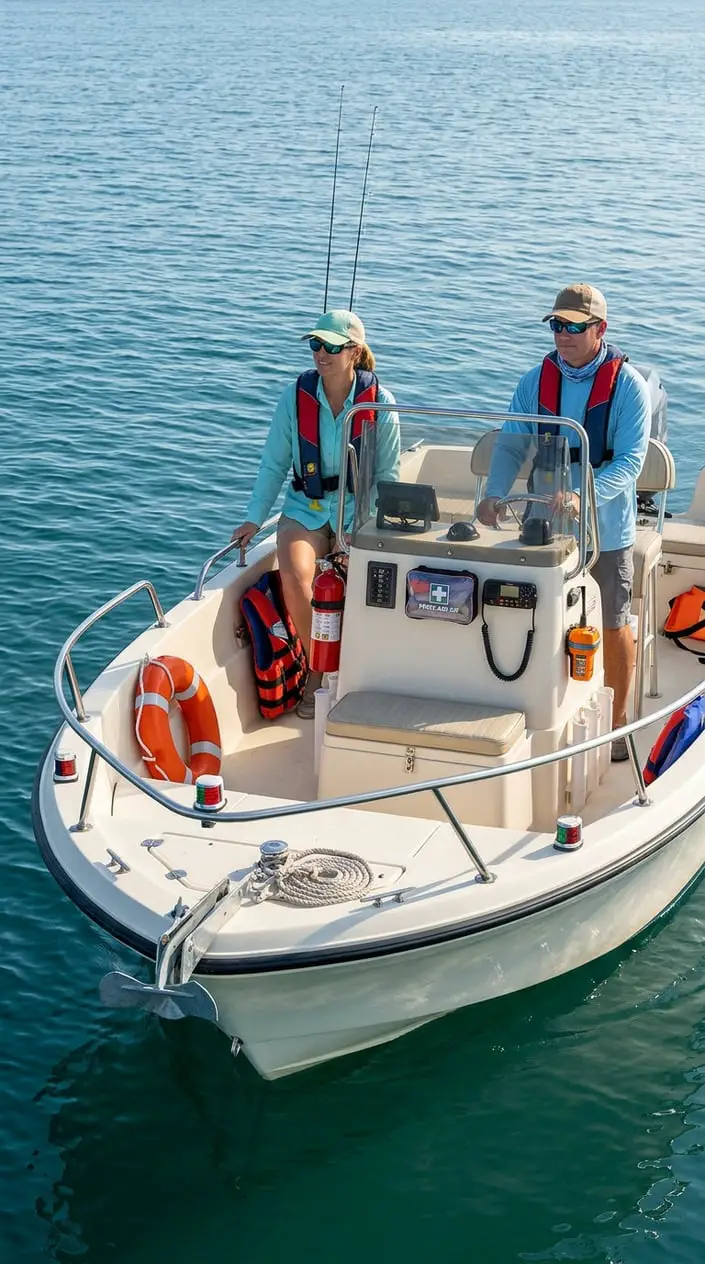
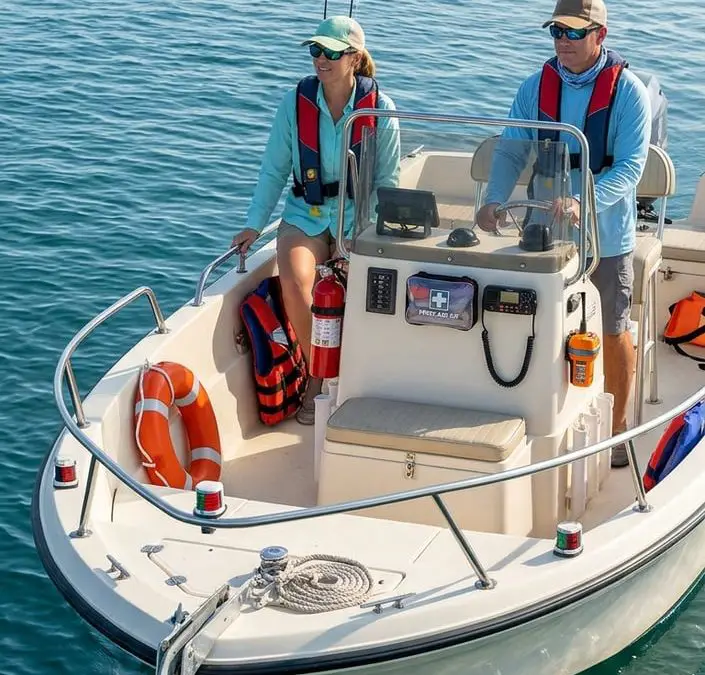
Before leaving the dock, check the forecast and water conditions, and postpone your trip if the outlook concerns you. Make sure everyone knows where the safety gear is and how to call for help. A float plan that shares your route and return time with someone on shore gives rescuers useful information if you are overdue.
1) U.S. Coast Guard-Approved Life Jackets for Every Passenger

Carry a properly sized, U.S. Coast Guard-approved life jacket for every person aboard, and wear yours when conditions call for it. Check each label for the intended user and activity, and make sure the jacket fits snugly without riding up over your chin. A child needs a jacket designed for their weight; an adult-sized one will not protect them well.
Keep jackets easy to reach, not buried under tackle or stored in a locked compartment. Before departure, show your passengers where they are and how to fasten them. Inspect straps, buckles, fabric, and inflation parts on inflatable models before each season. Replace any jacket with tears, damaged closures, or signs of deterioration. In cold, rough Bay water, putting yours on before trouble starts saves precious time.
2) A Type IV Throwable Ring or Buoyant Cushion
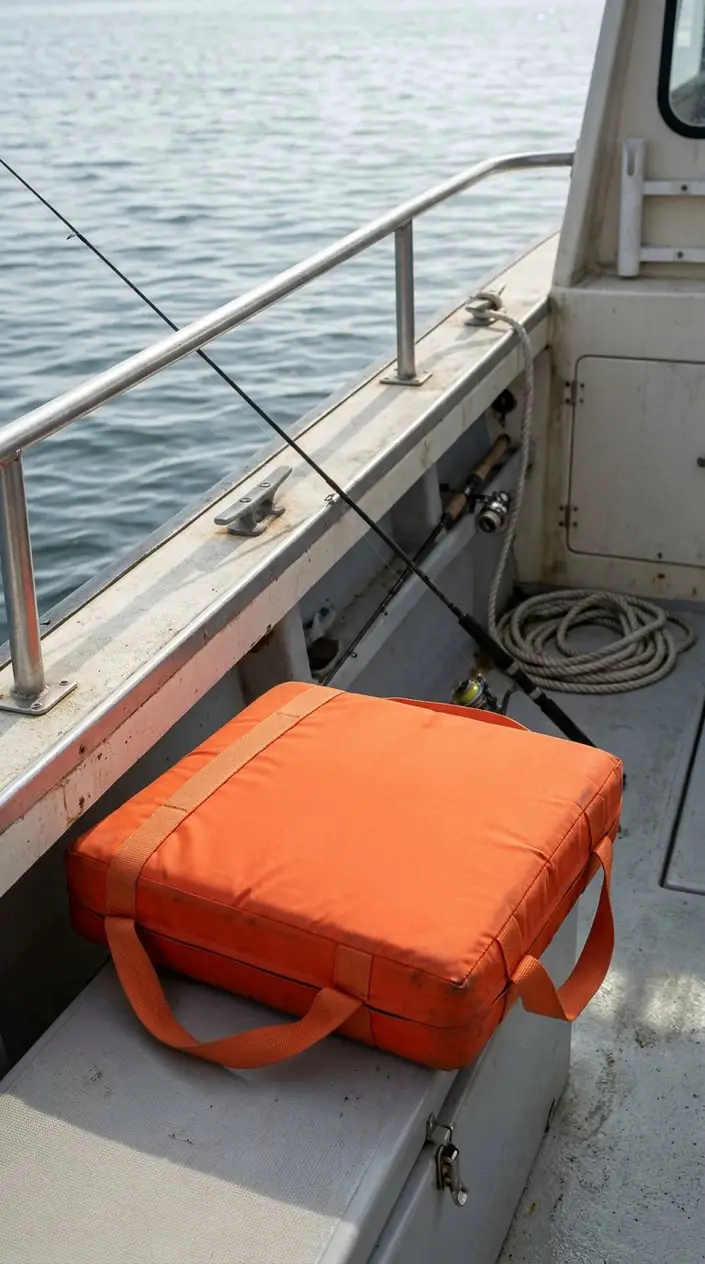
Keep a Type IV throwable flotation device within quick reach so you can toss it to someone in the water. A ring buoy or buoyant cushion gives a person something to hold while you bring the boat alongside or call for help. On boats 16 feet or longer, federal rules generally require one approved throwable device, with exceptions for some vessel types.
Store it where you can grab and throw it without opening a hatch or moving gear. Check its condition and make sure any attached line is neatly arranged, so it will not snag during a rescue. Show passengers where it is and tell them to throw it toward the person, aiming beyond them if wind or current is carrying the device away. Keep clear of propellers during recovery.
3) An Engine Cutoff Switch With a Wearable Lanyard
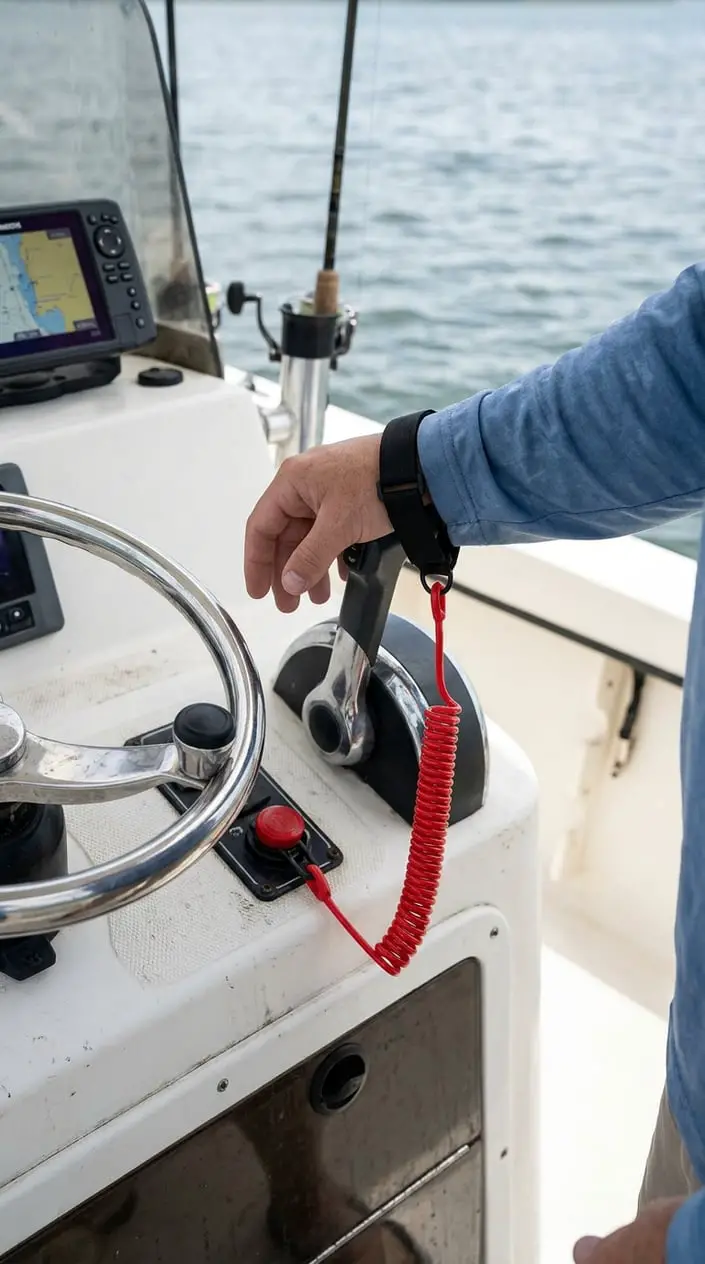
Clip the engine cutoff lanyard to your clothing or wrist whenever you operate the boat. If you fall overboard or are thrown from the helm, the switch stops the engine and helps prevent an unmanned boat from continuing at speed. Many newer boats use a wireless cutoff device, which serves the same purpose when worn and activated correctly.
Check the switch before leaving the dock by following your boat manual’s test procedure. Keep the lanyard free of knots and wear it where it will stay attached during normal movement. Federal rules require use of an installed cutoff switch on many recreational boats under 26 feet when operating on plane or above displacement speed. If your switch uses a wearable fob, confirm that it is charged and paired before departure.
4) A Fixed-Mount VHF Radio With Digital Selective Calling
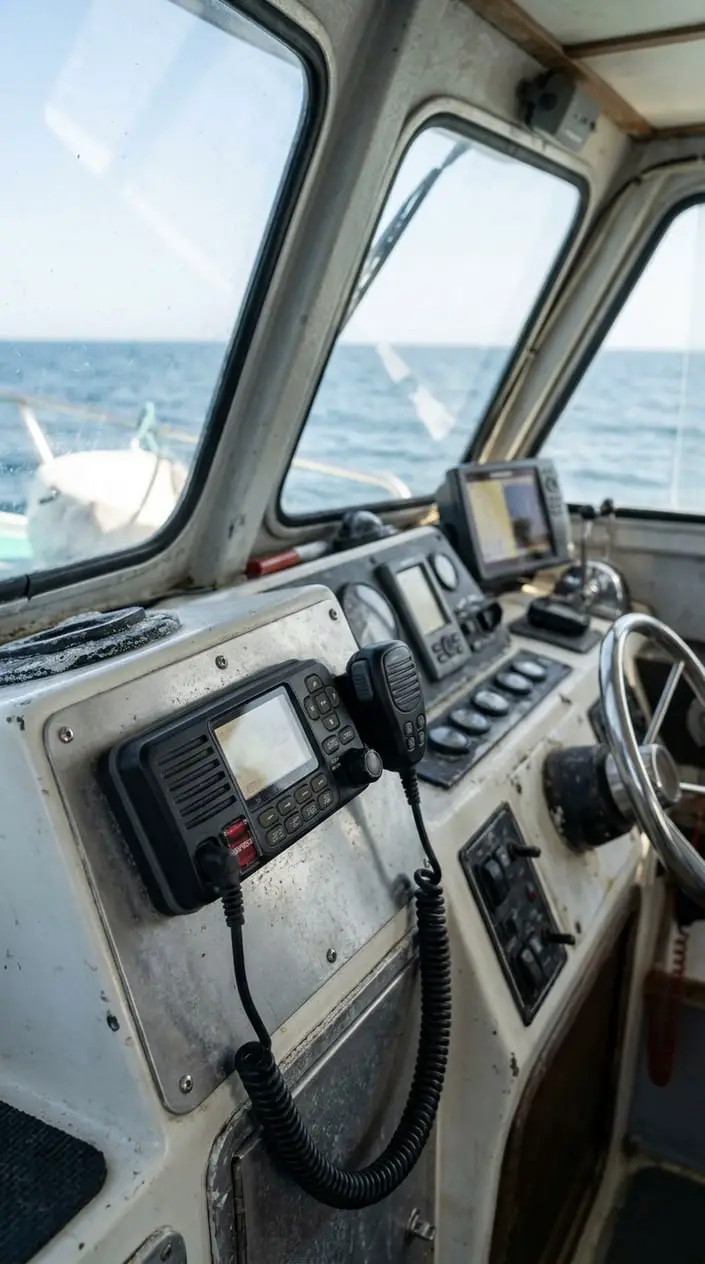
Install a fixed-mount marine VHF radio with Digital Selective Calling (DSC) so you can call for help from the helm. A DSC distress alert can send your boat’s identity and position to nearby vessels and rescue agencies when the radio has a valid Maritime Mobile Service Identity (MMSI) and receives GPS data. Register the MMSI and connect the radio to a working GPS source.
Test the radio according to its manual, and learn how to make a routine call before an emergency. Keep a handheld backup if you travel beyond easy reach of shore. For a distress call, use channel 16 when you can speak, and follow the radio’s instructions for a DSC alert.
5) A Registered 406 MHz Emergency Position-Indicating Radio Beacon
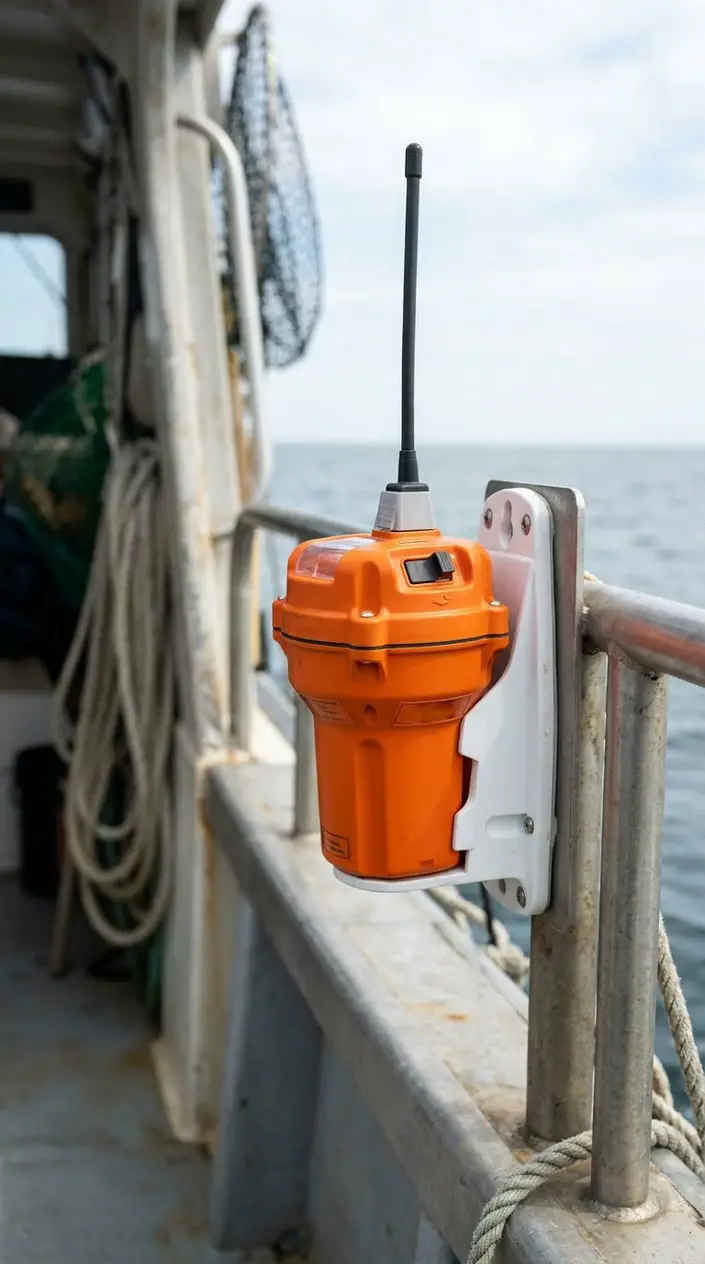
Carry a registered 406 MHz Emergency Position-Indicating Radio Beacon (EPIRB) for a serious emergency far from shore. When activated, it sends a distress signal through satellite systems to help search-and-rescue teams locate you. Register the beacon with NOAA and keep its owner and emergency contact details current, so responders can identify the vessel and check the alert.
Mount the EPIRB where you can reach it quickly, and learn whether its bracket releases automatically or requires manual removal. Follow the maker’s schedule for battery replacement and service, and check the housing and antenna for damage. An EPIRB supports a full emergency response when your boat is disabled or sinking. It does not replace a working VHF radio or a clear plan for communicating your position when conditions allow.
6) Automatic Bilge Pumps With a High-Water Alarm
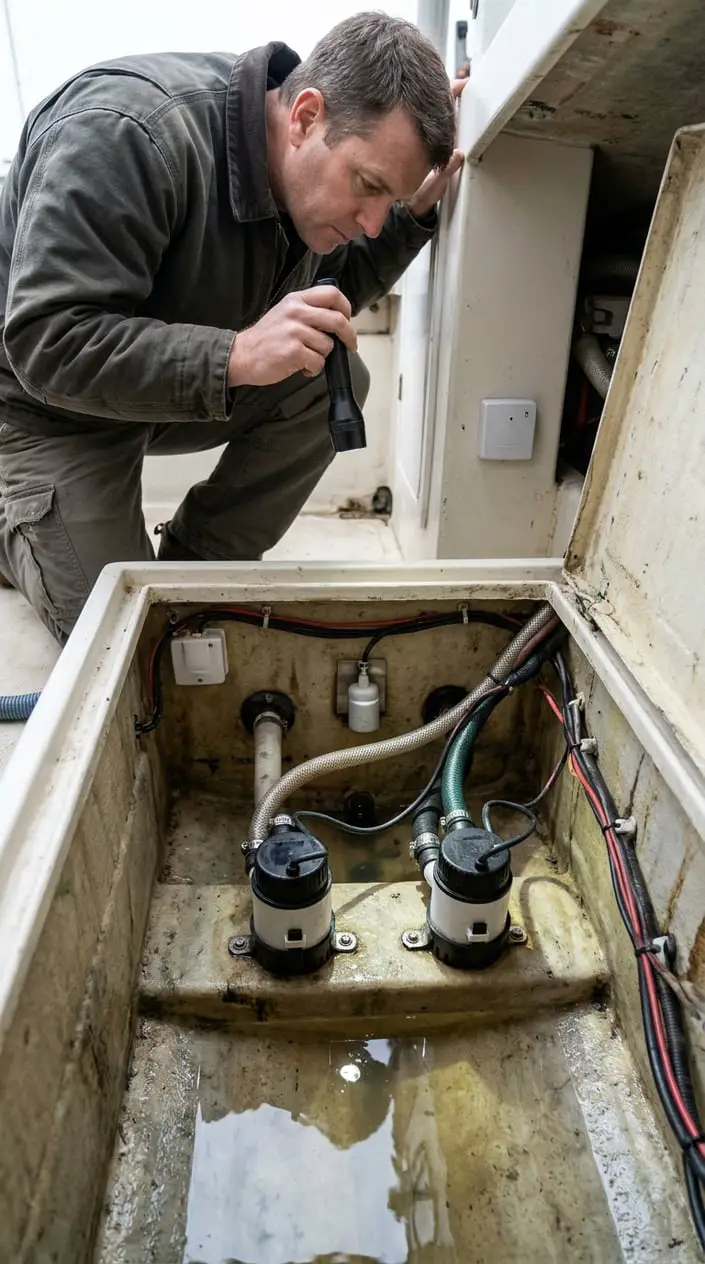
Fit your boat with automatic bilge pumps and a high-water alarm to detect and remove water before it threatens stability. An automatic float switch starts the pump as water rises, while the alarm alerts you to a leak or pump problem. Choose pump capacity suited to your boat and install the system according to the manufacturer’s instructions.
Test each pump and float switch before a trip, then check the discharge outlet for blockages. Clear fishing line, debris, and oil from the bilge so the float can move freely. Keep an eye on the alarm while underway; repeated pump cycling can signal a leak that needs attention. A bilge pump cannot keep up with every hull breach, so treat rising water as an emergency and call for help early.
7) A Self-Bailing Cockpit With Clear Scuppers
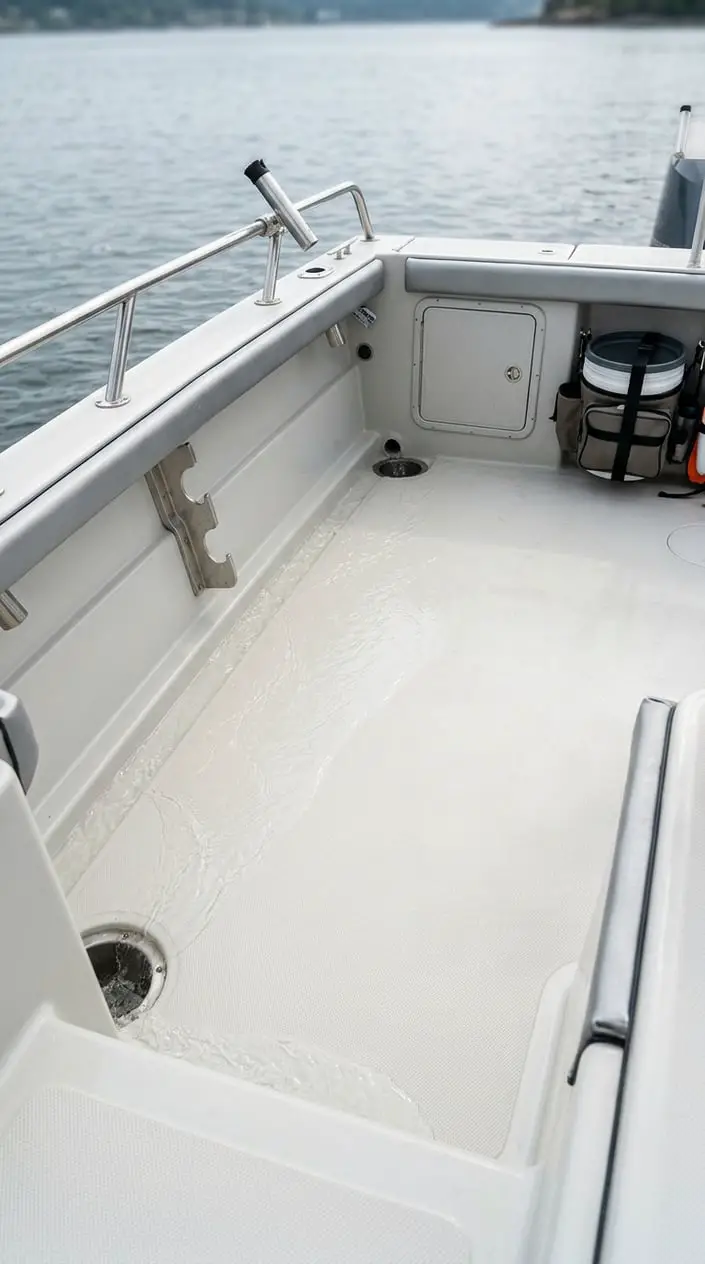
Keep your cockpit’s scuppers clear so water can drain overboard and stay off the deck. A self-bailing design uses drains through the hull or transom to shed rain, spray, and water that comes aboard. Blocked drains let water collect, adding weight and making the boat less stable, especially in rough conditions.
Before each outing, remove bait, leaves, line, and other debris from the drain openings. Check that any scupper flaps or valves move freely and seal as intended. Do not cover drains with gear or place heavy items where they can obstruct the flow. If water remains in the cockpit after a wave passes, reduce speed and investigate the blockage or drainage problem before continuing. Know where the drains lead and confirm water exits outside the hull.
8) Working Marine Navigation Lights
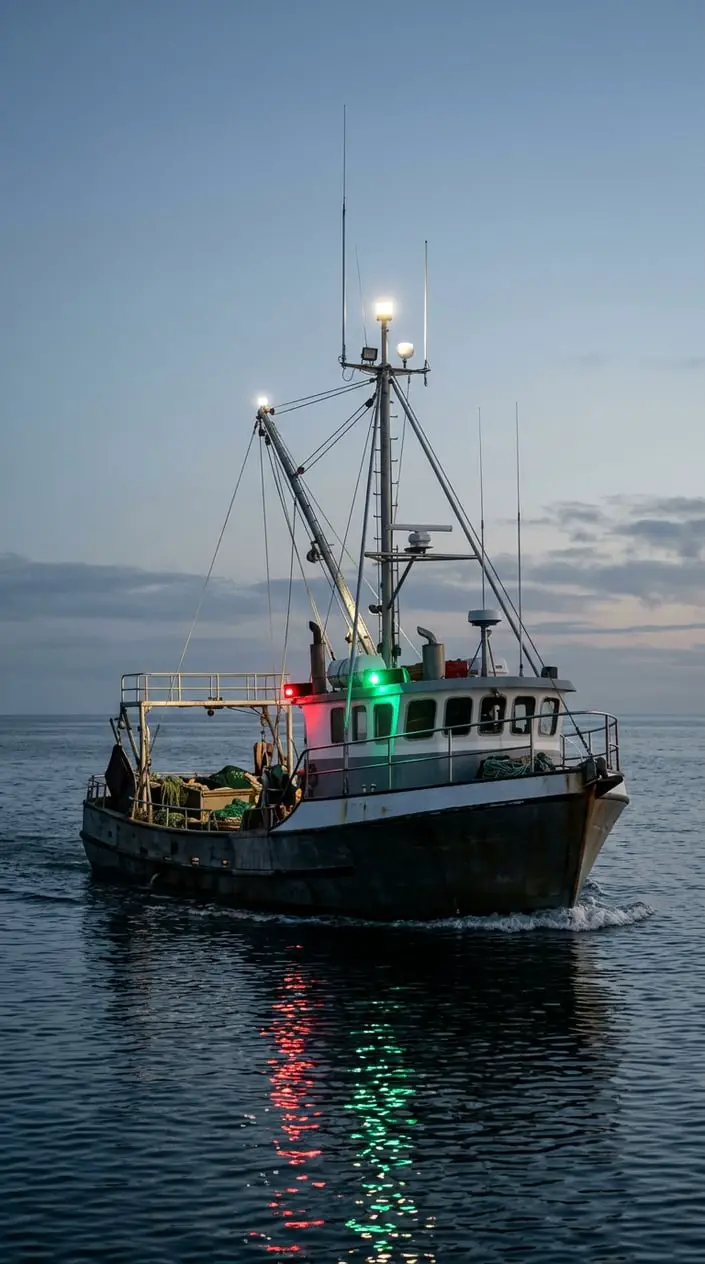
Check your navigation lights before dusk, in darkness, or whenever visibility drops. Red and green sidelights show your boat’s direction, while white lights help other vessels judge your position and movement. The required arrangement depends on your vessel’s size and type, so follow the applicable U.S. Coast Guard rules and your boat manual.
Switch on every required light during your pre-departure check, and look from outside the boat to confirm each one is visible. Replace burned-out bulbs, clean cloudy lenses, and inspect wiring and connections for corrosion. Carry spare bulbs or approved replacement lights when appropriate. Keep rods, covers, and other gear from blocking the lights. If poor visibility develops, slow down, use the proper lights, and stay alert for vessels that may be difficult to see.
9) A Marine Horn or Other Approved Sound-Signaling Device
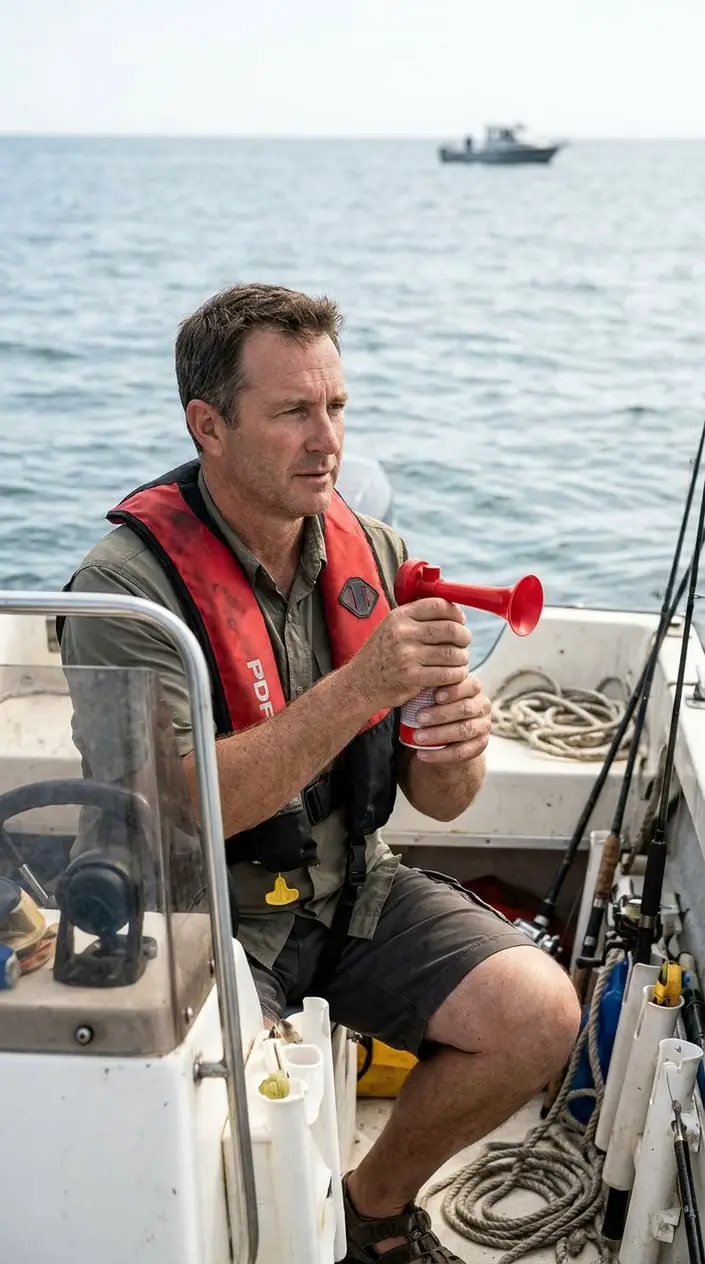
Keep an approved sound-signaling device within reach so you can warn nearby boats or signal in restricted visibility. Depending on your boat’s length, federal rules call for a horn, whistle, or another device that produces an effective sound. Larger vessels may need a bell as well, so check the requirements that apply to your boat.
A compressed-air horn or electric horn gives you a quick warning signal, while a whistle provides a simple backup. Store the device where the operator can reach it without leaving the helm, and test it before departure. Make sure its sound is not blocked by a cover or enclosed compartment. Learn the required sound signals for your situation and use clear, brief blasts when needed. Carry spare batteries or a replacement canister if your device depends on them.
10) Accessible, U.S. Coast Guard-Approved Fire Extinguishers
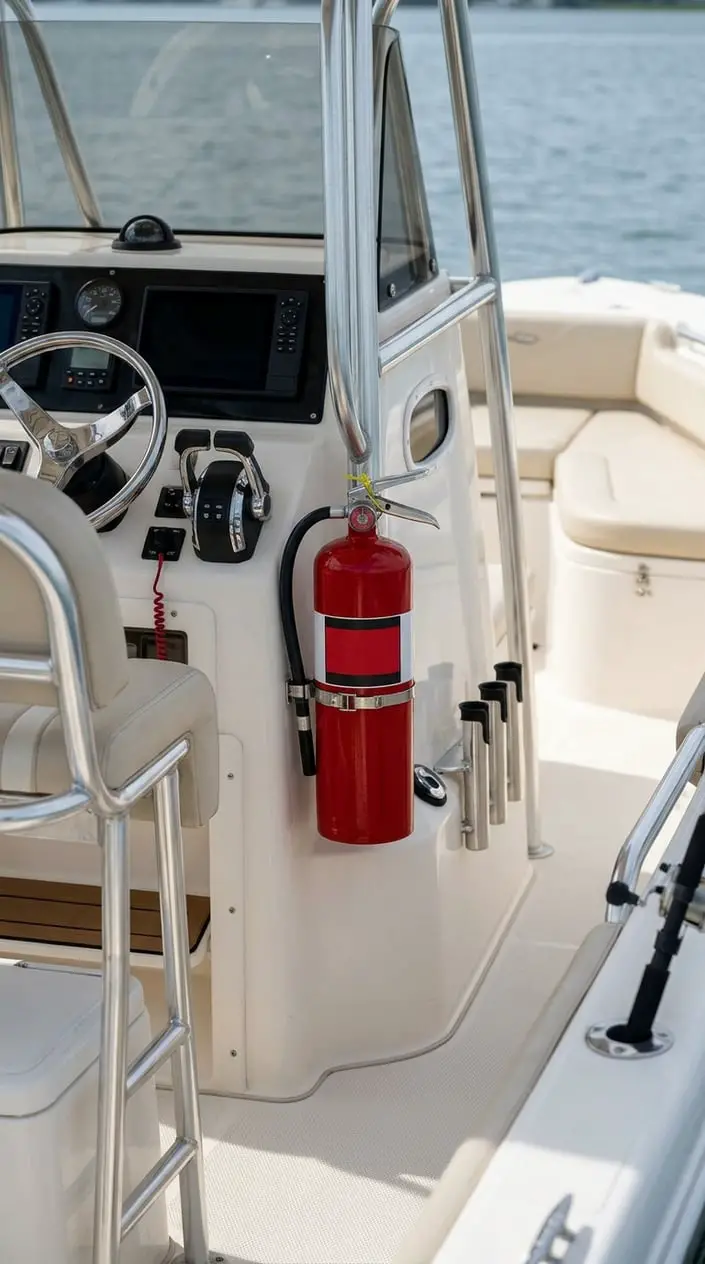
Mount the required U.S. Coast Guard-approved fire extinguisher where you can reach it quickly. The number and type you need depend on your boat, its length, and features such as an enclosed engine space. Check current federal requirements and the extinguisher label to confirm it is approved for marine use and suited to the hazards aboard.
Keep the unit secured in its bracket, away from likely fire sources but easy to grab from the helm or cabin exit. Check the pressure gauge, pin, seal, and service date before each trip. Make sure everyone aboard knows where the extinguisher is and how to release it. If a fire blocks your exit or spreads quickly, call for help and move passengers to safety instead of trying to fight it alone.
11) A GPS Chartplotter With Current Charts and a Depth Sounder
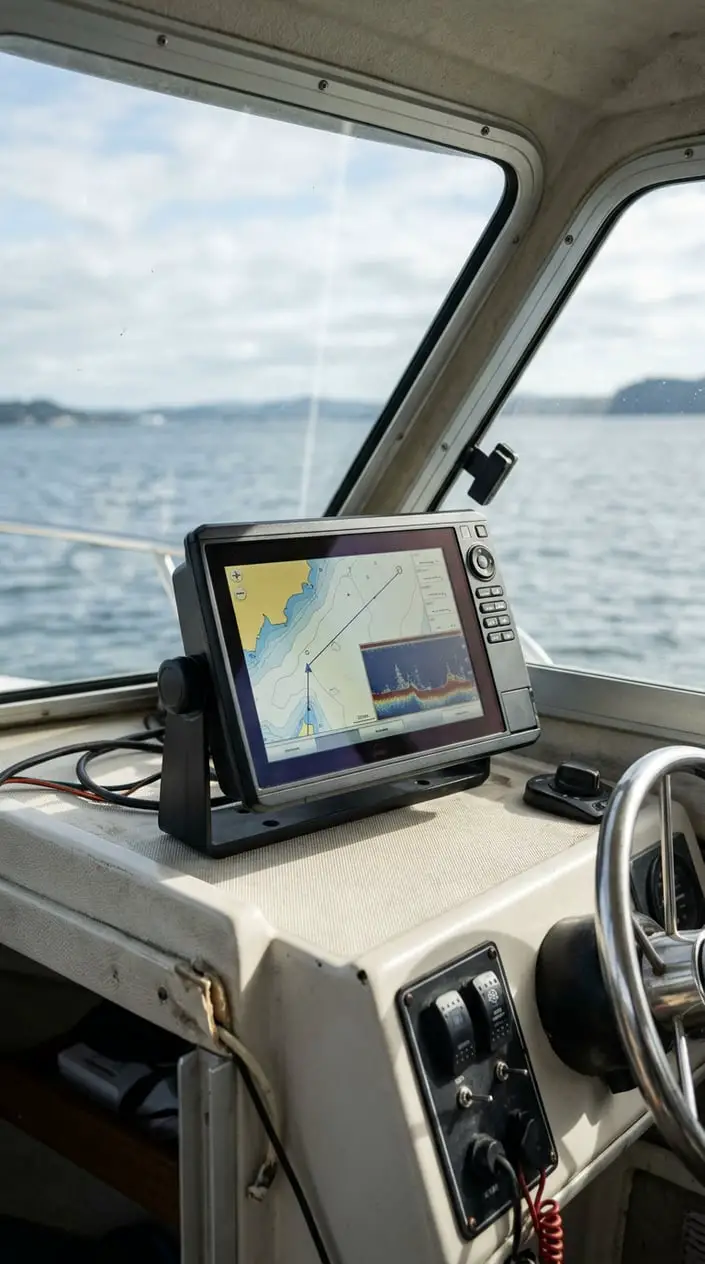
Use a GPS chartplotter with current charts and a depth sounder to track your position and spot changing water depth. Updated charts help you identify channels, shoals, hazards, and marked navigation routes. The depth sounder shows the water beneath your hull, giving you an added warning when you approach shallow areas.
Update chart data before the season and check that the display starts up and receives a GPS position. Set a shallow-water alarm that suits your boat’s draft, then account for tide changes and the sounder’s transducer location. Do not rely on electronics alone: keep a paper chart or another backup and watch buoys, shoreline features, and traffic. In a fast-changing Bay, use the chartplotter to support careful navigation, not to justify running close to a marked hazard.
12) A Swim Ladder for Reboarding From the Water
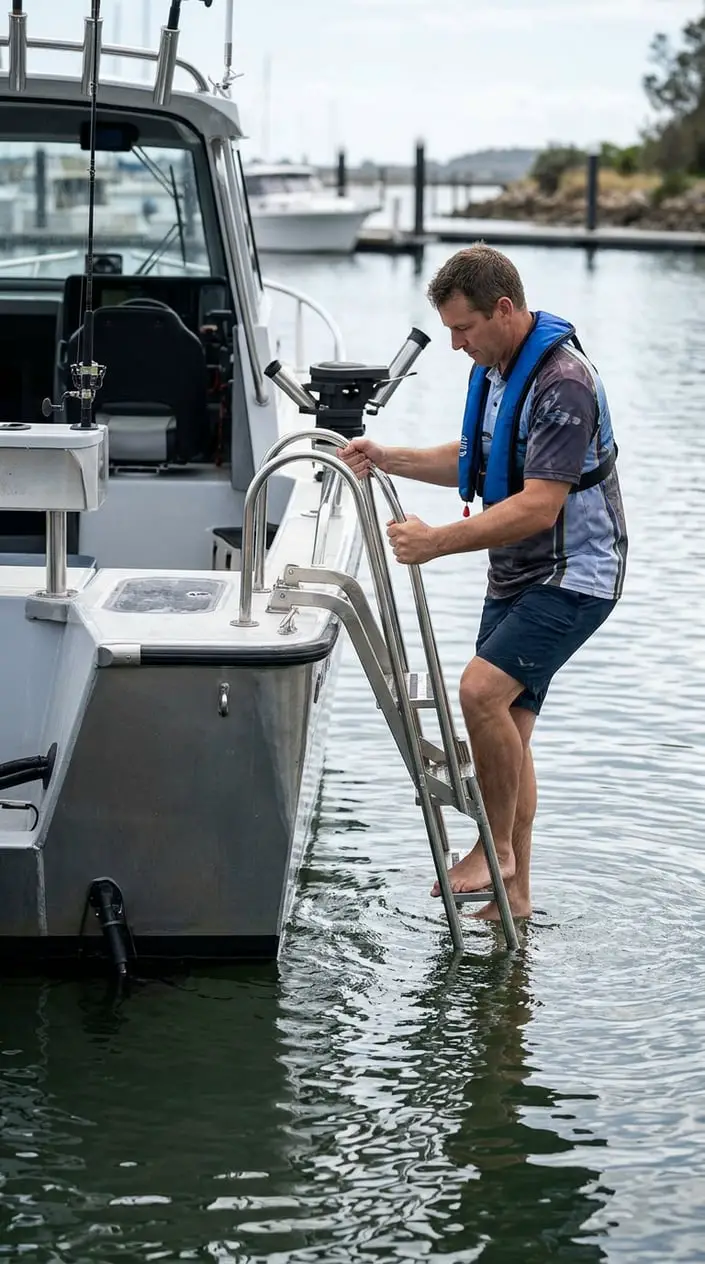
Install a sturdy swim ladder that lets you climb back aboard from the water without help. A ladder with submerged steps is easier to use than a short step that stays above the surface, especially when you are tired or wearing a life jacket.
Make sure it is rated for the people who use your boat and mounted to a strong part of the hull or swim platform. Deploy and test it at the dock before your trip. Check that the steps lock in place and the ladder folds or stows securely underway.
Show each passenger how to lower it, and keep the area clear of rods and lines. If someone falls overboard, keep the engine in neutral or off during recovery, maintain visual contact, and use the throwable flotation device to help them reach the ladder.