
Last Updated on January 26, 2026
Winter RVing opens up a world of breathtaking landscapes, fewer crowds, and unique experiences that warm-weather travelers never get to enjoy. While many RV enthusiasts pack up their rigs when temperatures drop, savvy adventurers know that cold-weather destinations offer some of the most spectacular and peaceful camping experiences available. The Top 10 Cold-Weather RVing Destinations featured in this comprehensive guide showcase winter wonderlands where properly prepared RVers can create unforgettable memories while staying warm and comfortable in their mobile homes.
Key Takeaways
• Winter RVing destinations offer unique experiences like aurora viewing, winter wildlife watching, and snow-covered landscapes without summer crowds
• Proper winterization and preparation are essential for safe and comfortable cold-weather RVing adventures
• Many cold-weather destinations provide heated facilities, winter activities, and RV-friendly amenities specifically designed for winter camping
• Cost savings and availability make winter RVing an attractive option with lower campground fees and better site selection
• Safety planning and emergency preparedness become critical factors when choosing cold-weather RVing destinations
Why Choose Cold-Weather RVing Destinations? ❄️
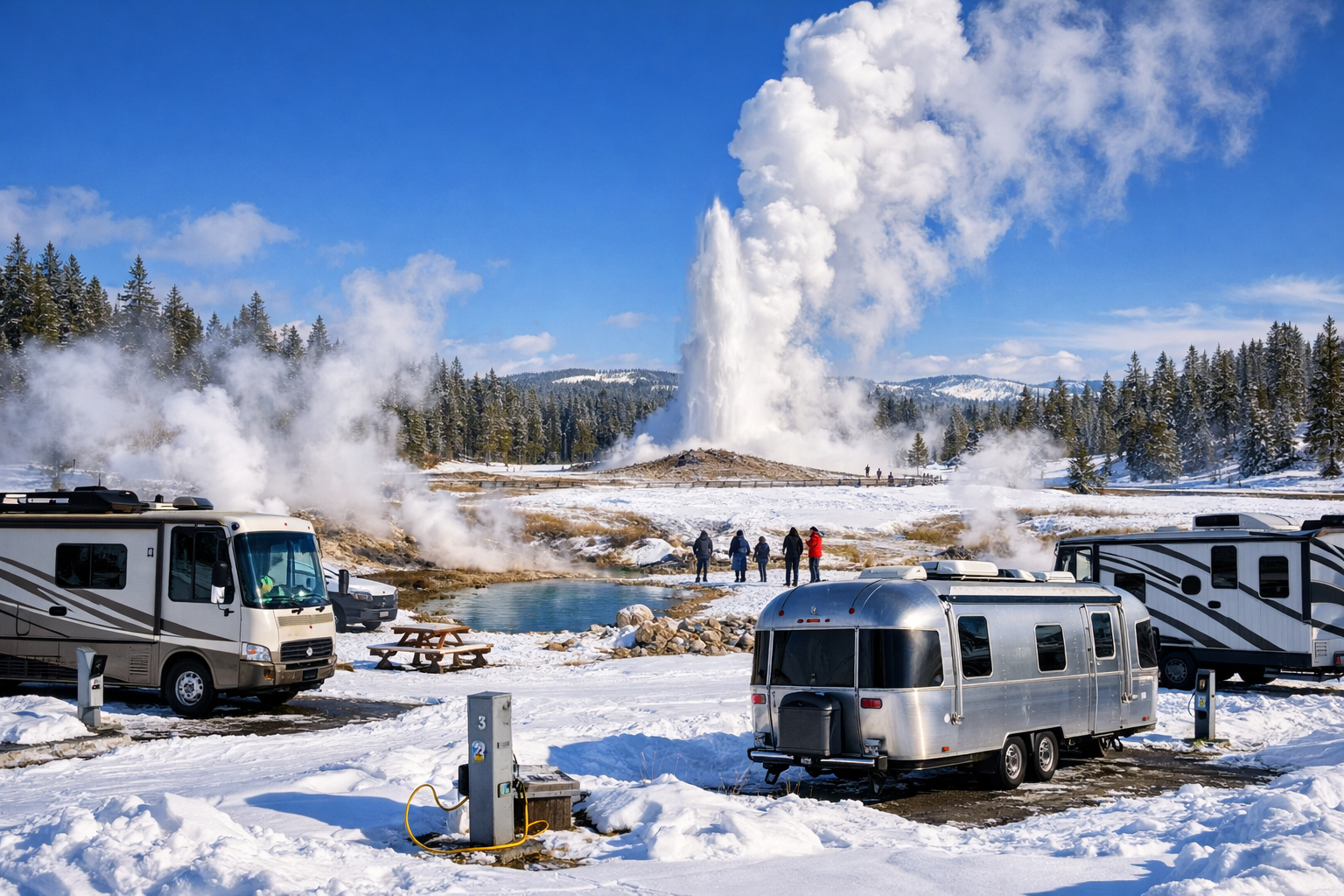
Cold-weather RVing transforms the traditional camping experience into something truly magical. Winter destinations offer advantages that summer camping simply cannot match, from pristine snow-covered landscapes to the ethereal beauty of the northern lights dancing across star-filled skies.
Unique Winter Experiences
Winter RVing destinations provide access to activities and sights unavailable during warmer months. Ice fishing, snowshoeing, cross-country skiing, and winter wildlife photography become possible when embracing cold-weather adventures. Many destinations offer heated visitor centers, warming huts, and winter-specific programming that enhances the overall experience.
Reduced Crowds and Lower Costs
Popular summer destinations become peaceful winter retreats when most tourists stay home. Campground fees often drop significantly during off-season months, and securing prime spots becomes much easier. This translates to better value and more intimate experiences with nature.
Enhanced Wildlife Viewing
Cold weather brings unique wildlife viewing opportunities. Winter is prime time for spotting animals like elk, bison, and wolves in their natural habitats. Many species become more visible against snow-covered backgrounds, making photography and observation more rewarding [1].
Essential Preparation for Cold-Weather RVing Adventures
Success in cold-weather RVing depends heavily on proper preparation and equipment. Understanding the unique challenges of winter camping ensures safe, comfortable adventures regardless of destination.
RV Winterization Requirements
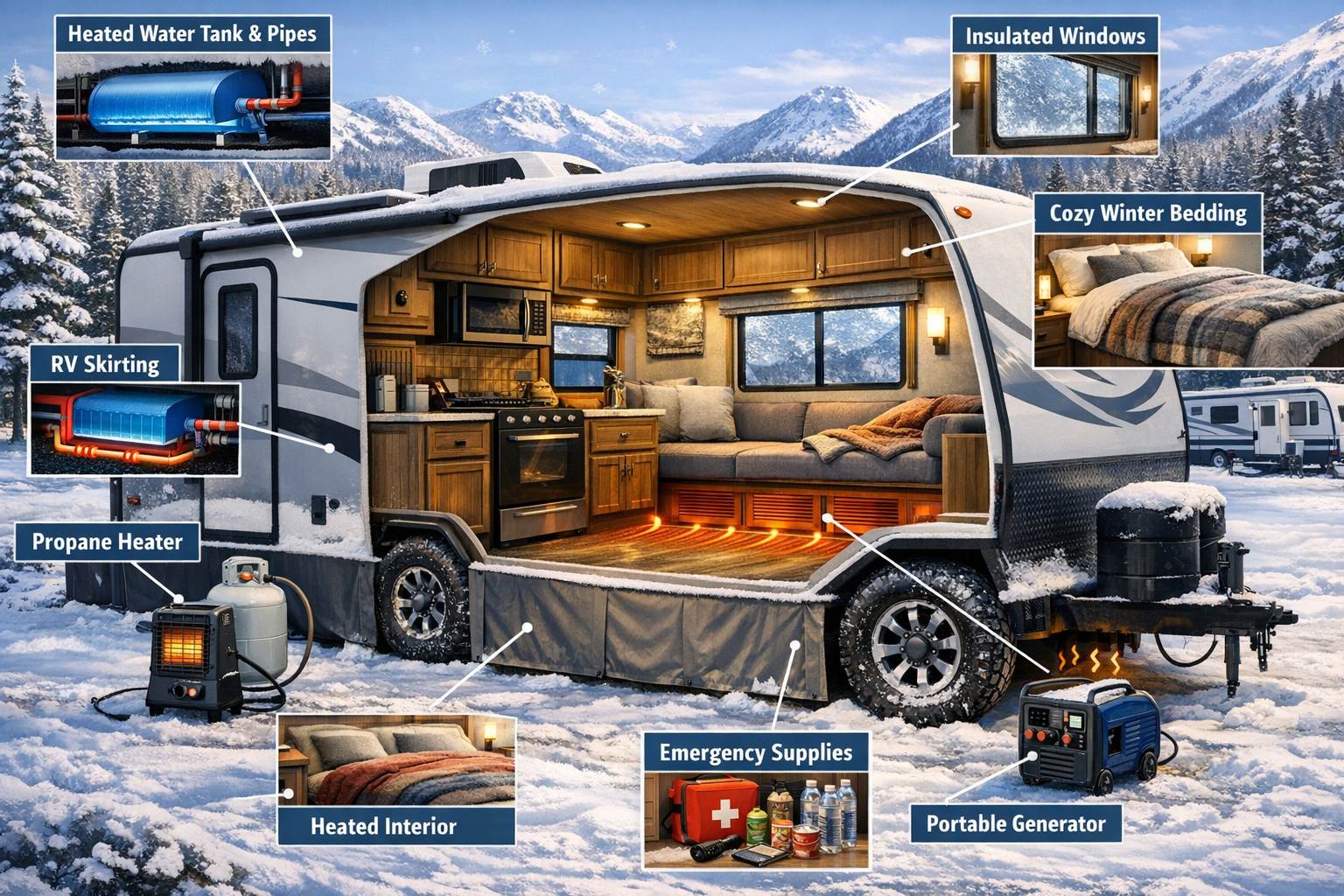
Winterizing your RV involves more than just protecting water systems. Essential steps include:
- Heating system inspection and maintenance
- Insulation upgrades for windows, doors, and floors
- Skirting installation to protect undercarriage components
- Cold-weather tire installation for improved traction
- Emergency heating backup systems
Essential Winter Gear
Cold-weather RVing requires specialized equipment beyond standard camping gear:
| Category | Essential Items | Purpose |
|---|---|---|
| Heating | Ceramic heaters, heated blankets, sleeping bags rated to 0°F | Maintain comfortable interior temperatures |
| Safety | Emergency food supplies, extra propane, first aid kit | Prepare for unexpected weather events |
| Maintenance | Ice scrapers, snow brush, tire chains | Keep RV operational in winter conditions |
| Comfort | Thermal curtains, draft stoppers, moisture absorbers | Improve interior comfort and prevent condensation |
Weather Monitoring and Safety
Weather awareness becomes critical when RVing in cold climates. Modern weather apps, NOAA radio alerts, and local ranger station updates help travelers make informed decisions about travel timing and route selection.
Top 10 Cold-Weather RVing Destinations: Complete Guide
The following destinations represent the cream of the crop for winter RVing adventures. Each location offers unique attractions, adequate facilities, and the infrastructure necessary to support comfortable cold-weather camping.
1. Yellowstone National Park, Wyoming 🏔️
Yellowstone in winter transforms into a geothermal wonderland where steaming hot springs create dramatic contrasts against snow-covered landscapes. The park offers limited but excellent winter RV camping opportunities.
Best Features:
- Mammoth Hot Springs Campground remains open year-round
- Heated restrooms and shower facilities available
- Wildlife viewing opportunities including bison, elk, and wolves
- Cross-country skiing and snowshoeing trails
RV Considerations:
- Maximum length restrictions apply (40 feet)
- Electrical hookups available
- Water hookups may freeze; carry fresh water
- Propane heating essential
2. Big Bend National Park, Texas 🌵
Big Bend’s desert climate provides mild winter temperatures perfect for comfortable RVing. The park’s remote location offers incredible stargazing opportunities during long winter nights.
Winter Advantages:
- Daytime temperatures range from 60-70°F
- Clear skies provide excellent astronomical viewing
- Reduced crowds allow better campsite selection
- Hiking trails become more comfortable in cooler weather
Facilities:
- Multiple campgrounds with varying amenity levels
- Visitor centers with educational programs
- Heated facilities available at developed campgrounds
3. Death Valley National Park, California 🏜️
Despite its ominous name, Death Valley in winter offers some of the most pleasant camping weather in the National Park system. The desert’s extreme summer heat gives way to perfect winter camping conditions.
Winter Climate Benefits:
- Comfortable temperatures ranging from 40-70°F
- Minimal precipitation ensures dry camping conditions
- Spectacular sunrises and sunsets enhanced by clear desert air
- Wildflower blooms possible during wet winters
RV Amenities:
- Furnace Creek Campground accommodates large RVs
- Dump stations and water available
- Sunset Campground offers more primitive experience
- Park store and restaurant nearby
4. Quartzsite, Arizona 🌞
Quartzsite serves as the unofficial winter capital of RVing, attracting hundreds of thousands of RVers annually. This desert town transforms into a massive winter RV community.
Unique Attractions:
- Gem and mineral shows throughout winter months
- Flea markets and swap meets every weekend
- Boondocking opportunities on Bureau of Land Management land
- Social atmosphere with organized activities and clubs
Infrastructure:
- Long-term visitor areas with minimal fees
- Dump stations and water available
- Medical facilities and services nearby
- Propane and RV supplies readily available
5. Everglades National Park, Florida 🐊
Florida’s Everglades provide subtropical winter camping with incredible wildlife viewing opportunities. Winter’s dry season concentrates wildlife around water sources, improving observation chances.
Winter Wildlife Highlights:
- Alligator viewing at peak activity levels
- Bird migration brings diverse species
- Manatee encounters in nearby waters
- Cooler temperatures make hiking comfortable
Camping Options:
- Flamingo Campground offers full hookups
- Long Pine Key provides more rustic experience
- Heated facilities available at main campgrounds
- Ranger programs focus on winter ecology
6. Joshua Tree National Park, California 🌳
Joshua Tree’s desert environment creates ideal winter camping conditions with mild days and crisp nights perfect for stargazing. The park’s unique landscape provides endless exploration opportunities.
Winter Activities:
- Rock climbing in comfortable temperatures
- Hiking trails accessible without extreme heat
- Astronomy programs take advantage of dark skies
- Photography opportunities enhanced by winter lighting
RV Considerations:
- Size restrictions limit larger RVs in some areas
- No hookups available; self-contained units required
- Water availability limited; bring adequate supplies
- Generator hours restricted to preserve quiet atmosphere
7. Organ Pipe Cactus National Monument, Arizona 🌵
This remote desert destination offers pristine wilderness camping with unique Sonoran Desert ecosystems. Winter temperatures make exploration comfortable while providing solitude rare in more popular parks.
Distinctive Features:
- Organ pipe cacti found nowhere else in the United States
- International border location adds cultural interest
- Dark sky designation provides exceptional stargazing
- Minimal crowds ensure peaceful camping experience
Facilities:
- Twin Peaks Campground accommodates RVs up to 40 feet
- Solar-heated restrooms provide comfort
- Visitor center offers educational programs
- Border security presence ensures safety
8. Anza-Borrego Desert State Park, California 🦎
California’s largest state park encompasses over 600,000 acres of diverse desert landscape. Winter brings comfortable temperatures and potential wildflower super blooms during favorable conditions.
Park Highlights:
- Wildflower displays can be spectacular
- Badlands formations provide unique geological interest
- Dark sky community designation protects night skies
- Dispersed camping allows flexibility in site selection
RV Amenities:
- Borrego Palm Canyon Campground offers full hookups
- Tamarisk Grove provides more primitive camping
- Visitor center with interpretive programs
- Nearby town of Borrego Springs offers services
9. Saguenay Fjord National Park, Quebec 🐋
For adventurous RVers seeking true winter experiences, Quebec’s Saguenay Fjord offers dramatic landscapes and unique cold-weather activities. This destination requires serious winter preparation but rewards visitors with unforgettable experiences.
Winter Attractions:
- Beluga whale watching continues through winter
- Cross-country skiing on groomed trails
- Ice fishing opportunities on frozen lakes
- Aurora borealis viewing possibilities
Preparation Requirements:
- Extreme cold weather gear essential
- RV winterization must be complete
- Emergency supplies critical for safety
- Four-season RV recommended
10. Assateague Island National Seashore, Maryland 🐴
Assateague Island provides unique winter coastal camping with wild horse viewing opportunities. The Atlantic barrier island offers a completely different winter RVing experience from desert destinations.
Winter Features:
- Wild horse herds more visible in winter
- Migratory bird watching peaks during winter months
- Beach combing without summer crowds
- Storm watching provides dramatic coastal experiences
RV Facilities:
- Oceanside Campground accommodates RVs
- Heated restrooms available
- Ranger programs continue year-round
- Nearby amenities in Ocean City
Planning Your Cold-Weather RVing Adventure
Successful cold-weather RVing requires more detailed planning than summer adventures. Route planning, weather monitoring, and backup preparations become essential elements of trip success.
Choosing the Right Destination from Top 10 Cold-Weather RVing Destinations
Destination selection should align with personal comfort levels, RV capabilities, and desired experiences. Consider these factors:
- Temperature ranges and weather patterns
- RV facility availability and hookup options
- Emergency services access and communication options
- Activity preferences and physical requirements
Timing Considerations
Winter weather patterns vary significantly by region and elevation. Research historical weather data, seasonal activity schedules, and local event calendars when planning visits to cold-weather destinations.
Emergency Preparedness
Cold-weather emergencies can develop quickly and become serious rapidly. Essential emergency preparations include:
- Communication devices including satellite communicators
- Extended food and water supplies
- Backup heating sources independent of RV systems
- Emergency shelter materials in case of RV system failure
Safety Considerations for Winter RVing
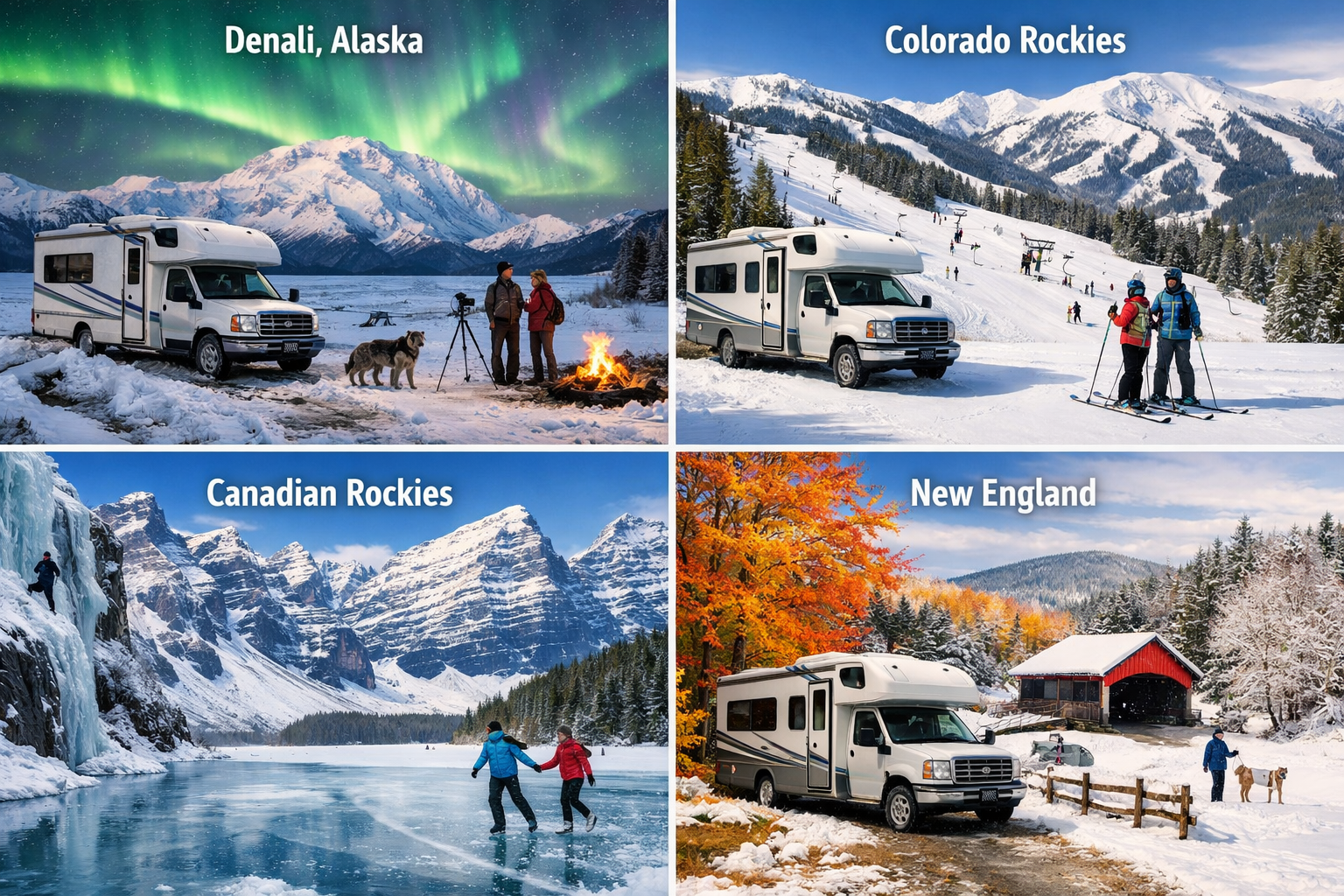
Winter RVing safety extends beyond normal camping precautions. Cold weather creates unique hazards that require specific preparation and awareness.
Carbon Monoxide Prevention
Heating system safety becomes critical during extended cold weather periods. Ensure proper ventilation, install CO detectors, and never use outdoor heating devices inside RVs.
Propane Management
Cold weather affects propane system performance and consumption. Carry adequate supplies, understand cold-weather regulator requirements, and know signs of system problems.
Medical Considerations
Remote winter camping may limit access to medical services. Carry comprehensive first aid supplies, understand hypothermia and frostbite symptoms, and have evacuation plans for medical emergencies.
Maximizing Comfort in Cold-Weather Destinations
Comfort optimization makes the difference between enduring and enjoying cold-weather RVing adventures. Small improvements can dramatically enhance the winter camping experience.
Interior Climate Control
Effective heating strategies involve more than just running the furnace. Layer heating sources, manage humidity levels, and create warm zones within the RV for energy efficiency.
Moisture Management
Condensation control becomes crucial in cold weather. Use moisture absorbers, ensure adequate ventilation, and wipe down surfaces regularly to prevent mold and mildew.
Lighting and Ambiance
Extended darkness during winter months affects mood and comfort. LED lighting improvements, warm color temperatures, and cozy interior arrangements help combat seasonal blues.
Cost-Effective Winter RVing Strategies
Budget management for cold-weather RVing involves understanding seasonal pricing patterns and planning accordingly.
Seasonal Pricing Advantages
Off-season rates can provide significant savings at many destinations. Research pricing calendars and book early for the best deals on winter camping.
Fuel and Propane Budgeting
Cold-weather fuel consumption increases significantly. Budget for higher propane usage, potential generator runtime, and additional driving for supplies or emergencies.
Equipment Investment
Quality cold-weather gear represents a long-term investment in comfort and safety. Prioritize essential items and build winter equipment inventory over time.
Technology and Communication in Remote Winter Destinations
Staying connected during winter RVing adventures requires planning for limited cell coverage and harsh weather conditions.
Communication Solutions
Satellite communication devices provide essential safety backup in remote areas. Consider satellite messengers, weather radios, and emergency beacons for serious winter adventures.
Weather Monitoring Technology
Advanced weather apps and monitoring equipment help predict dangerous conditions. Invest in weather radios, barometric pressure monitors, and reliable internet access for forecast updates.
Navigation and Mapping
GPS reliability can suffer in extreme cold. Carry backup navigation methods, download offline maps, and understand route alternatives before departing.
Environmental Responsibility in Winter Destinations
Leave No Trace principles become even more important in fragile winter ecosystems. Cold-weather camping requires additional environmental awareness.
Waste Management
Frozen waste systems create unique challenges. Plan for limited dump station access and carry adequate holding tank treatments for extended periods.
Wildlife Protection
Winter wildlife faces survival challenges that human presence can worsen. Maintain appropriate distances, secure food sources, and follow park guidelines for wildlife protection.
Resource Conservation
Limited winter resources at many destinations require conservation awareness. Minimize water usage, conserve propane, and respect shared facilities.
Building Winter RVing Skills and Confidence
Skill development for cold-weather RVing should progress gradually from easier destinations to more challenging winter adventures.
Starting with Milder Destinations
Desert winter destinations provide excellent training grounds for developing cold-weather RVing skills without extreme conditions. Build experience with destinations like Death Valley or Big Bend before attempting more challenging locations.
Learning from Experienced Winter RVers
RVing communities offer valuable knowledge sharing opportunities. Join winter RVing forums, attend rallies, and connect with experienced cold-weather travelers for practical advice.
Gradual Skill Building
Progressive challenge increases help build confidence and competence. Start with short trips close to home, then gradually extend duration and distance as skills improve.
Conclusion
The Top 10 Cold-Weather RVing Destinations presented in this guide offer incredible opportunities for adventurous RVers willing to embrace winter camping challenges. From the geothermal wonders of Yellowstone to the desert beauty of Death Valley, these destinations provide unique experiences unavailable during peak season travel.
Success in cold-weather RVing depends on thorough preparation, appropriate equipment, and realistic expectations about comfort levels and potential challenges. The rewards—spectacular landscapes, wildlife viewing opportunities, reduced crowds, and cost savings—make winter RVing adventures worthwhile for properly prepared travelers.
Start planning your winter RVing adventure by selecting a destination that matches your experience level and comfort zone. Research specific campground amenities, understand local weather patterns, and ensure your RV and equipment meet cold-weather requirements. With proper preparation and realistic expectations, cold-weather RVing opens up a world of winter wonderlands waiting to be explored.
Take action today by winterizing your RV, researching your chosen destination thoroughly, and booking your winter adventure. The magic of winter camping awaits those brave enough to venture beyond traditional warm-weather boundaries.
References
[1] National Park Service. “Winter Wildlife Viewing Guidelines.” 2026. nps.gov/wildlife/winter-viewing