Last Updated on November 13, 2026
12 Boat Pictures That Show the True Beauty of Life at Sea capture the craft, routines, and changing landscapes that draw you toward the water.
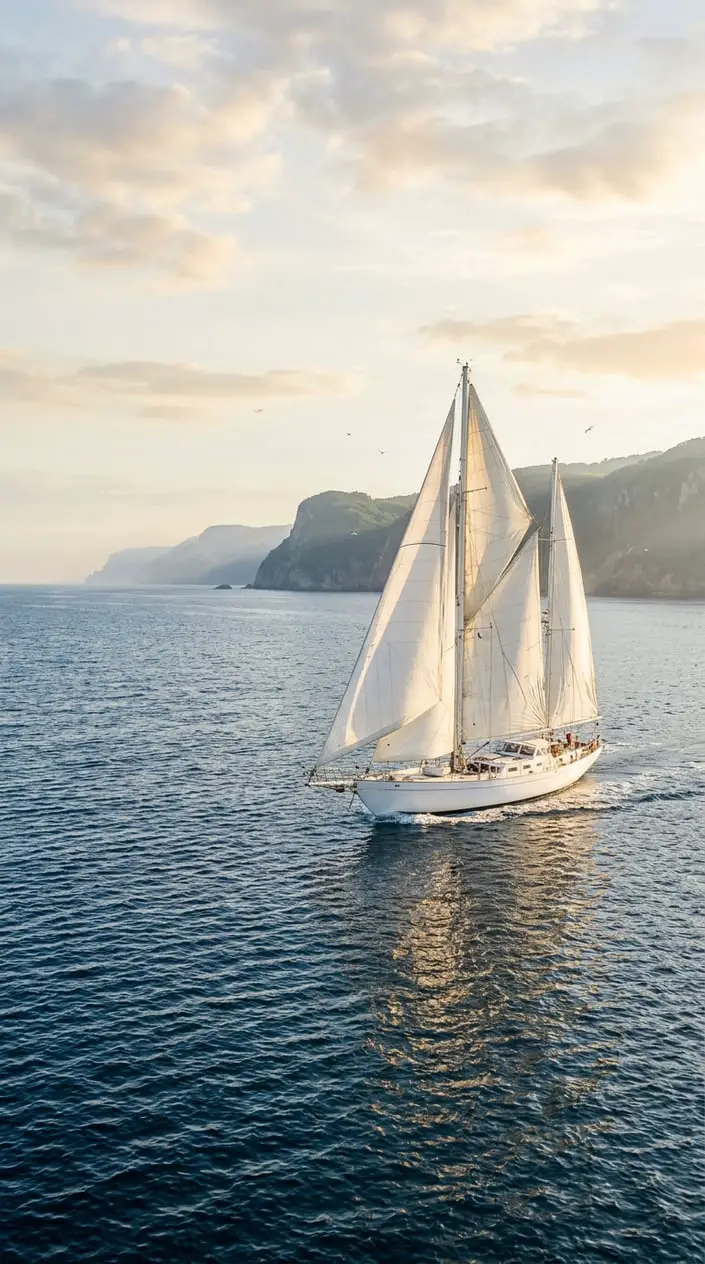
From a working harbor in Norway to a busy crossing in Sydney, boats connect coastal communities with the sea. Their different shapes and uses also make each stretch of water feel distinct.
1) Fishing Boats Returning to Reine, Lofoten
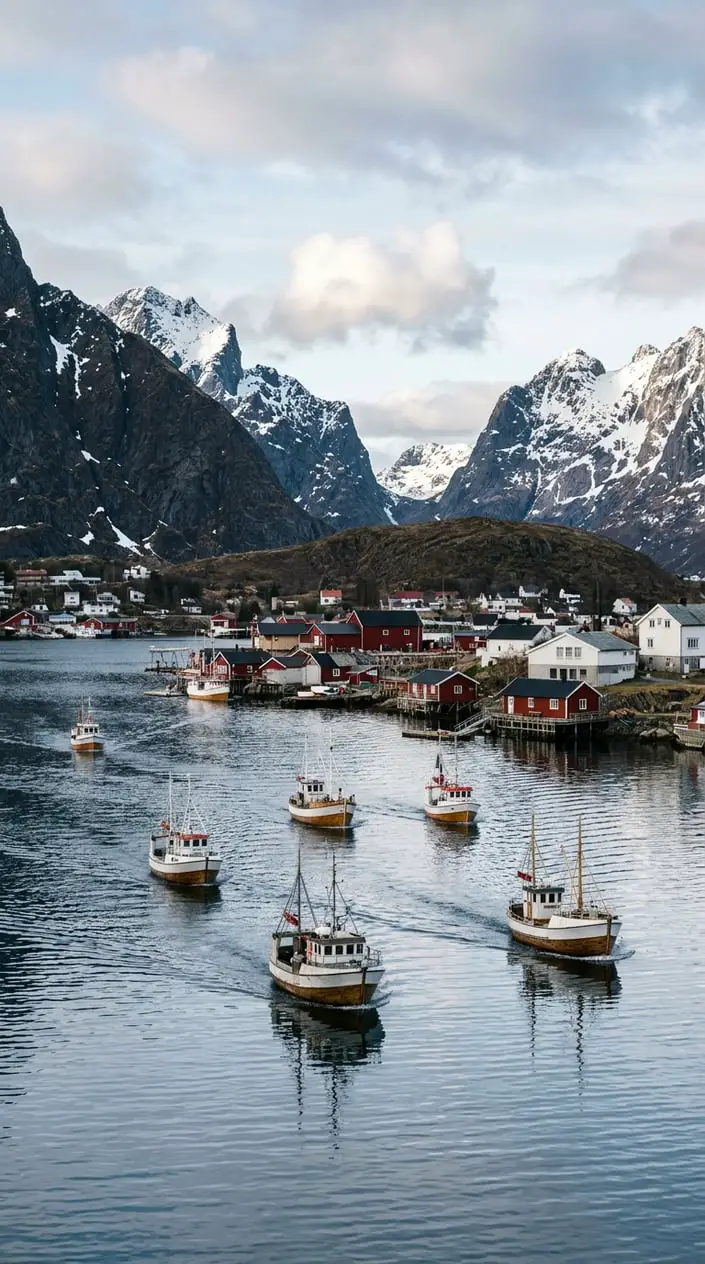
Returning fishing boats give Reine’s fjord a sense of daily purpose, framed by the steep peaks of Lofoten. The compact harbor sits within a landscape where the mountains rise sharply from the water, making the vessels look small against the surrounding cliffs. Red cabins add color to the scene and echo the village’s familiar coastal character.
The boats connect the scenery to local life: a harbor is both a place to pause and a starting point for another trip out. If you visit, look for the contrast between the sheltered water and the open sea beyond the village. That shift from calm harbor to rugged coastline is part of what makes this northern Norwegian setting memorable.
2) Gondolas Gliding Along Venice’s Grand Canal
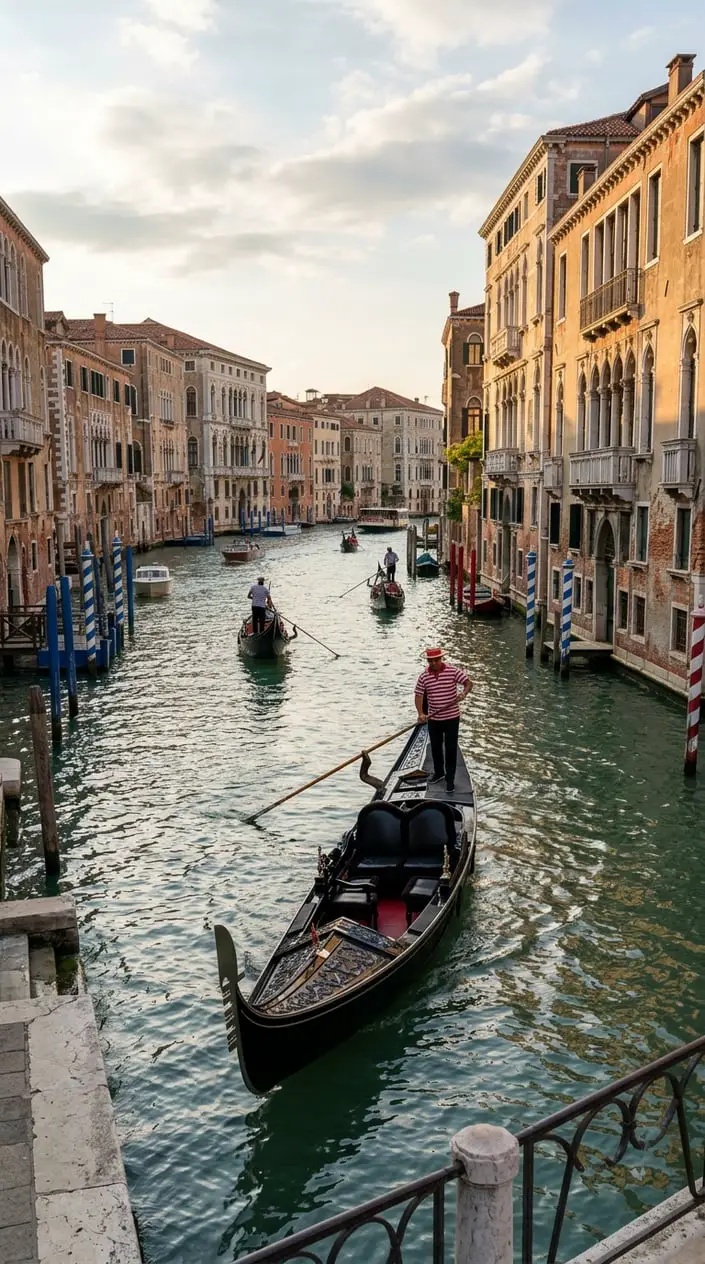
Venice’s gondolas turn the Grand Canal into a close-up view of the city’s working waterways and historic architecture. Their low, narrow hulls move through a busy corridor bordered by palaces and other old buildings. From the water, the façades rise almost directly beside you, making the canal feel like a street with a steady flow of boats.
A gondola’s long oar and standing rowing style reflect a tradition built around the city’s shallow canals. The Grand Canal also carries larger craft, so its pace shifts between quiet gliding and lively traffic. Notice how the waterway bends through the city, revealing new buildings and bridges as you travel along it.
3) Long-Tail Boats Framing Railay Beach, Thailand
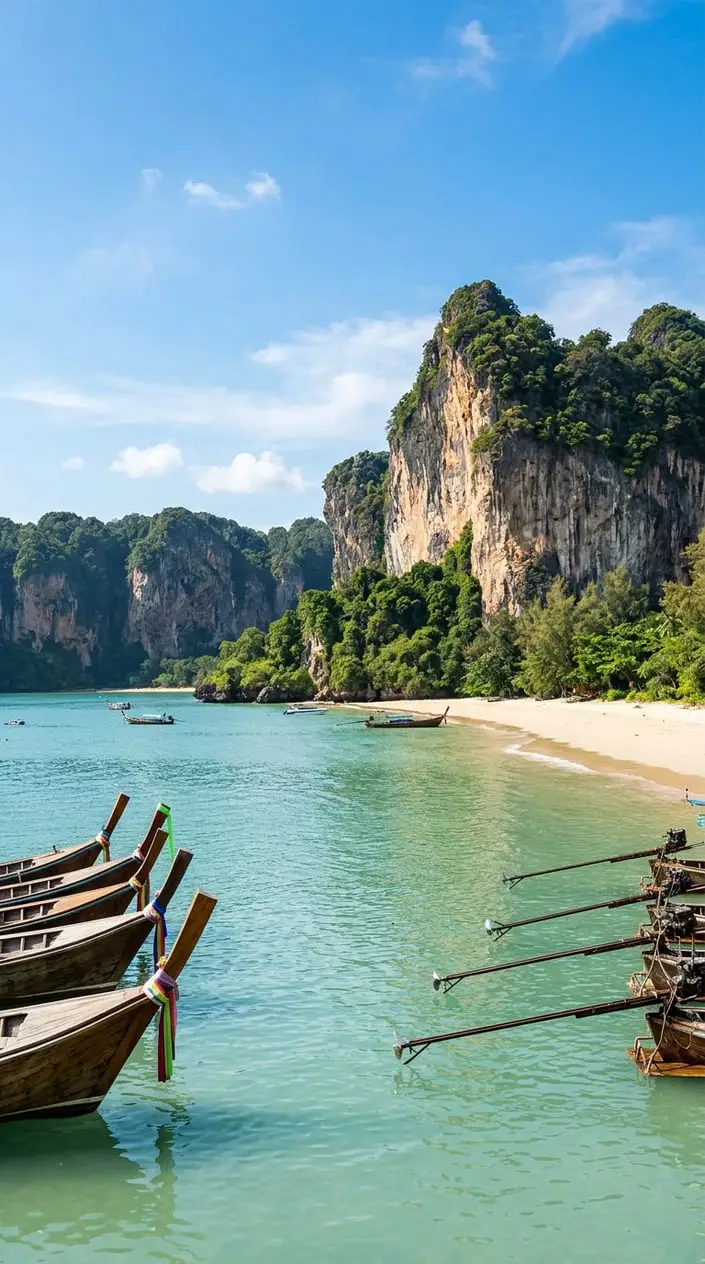
Long-tail boats bring movement and practical access to Railay’s dramatic coastline, where limestone cliffs rise above the beach. Their slim wooden hulls and long propeller shafts suit trips through shallow coastal water. The boats also serve as a familiar link between shore and nearby destinations along Thailand’s Andaman coast.
The towering rock formations create a striking backdrop, while the open sea gives the boats room to gather or depart. Railay’s coastline is reached by water, which makes small passenger boats an important part of getting around. If you travel there, check local conditions before boarding and keep your belongings secure during the ride. The short crossing offers a close view of the cliffs and beach.
4) Traditional Junks Drifting Through Ha Long Bay
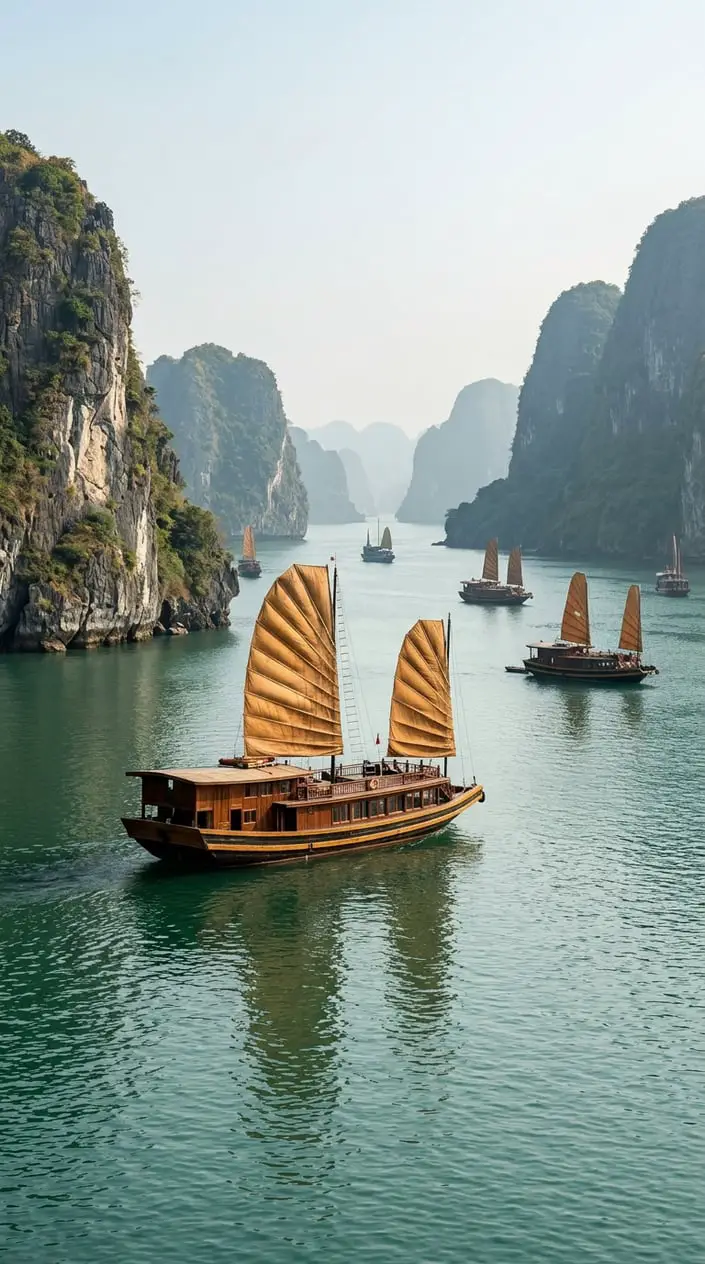
Traditional wooden junks lend Ha Long Bay a calm, historic character as they travel among its limestone islands. Their raised sails and curved profiles stand out against the bay’s many steep-sided formations. The close spacing of land and water creates a winding route, with a new island or inlet appearing around each turn.
The bay lies in northern Vietnam and is known for its karst landscape, shaped over time by water and weather. A boat journey gives you a slower way to take in the scale of the islands and the sheltered coves between them. Choose a route that allows time to move at an easy pace, since the scenery changes with each stretch of open water.
5) Dhows Sailing Off Stone Town, Zanzibar
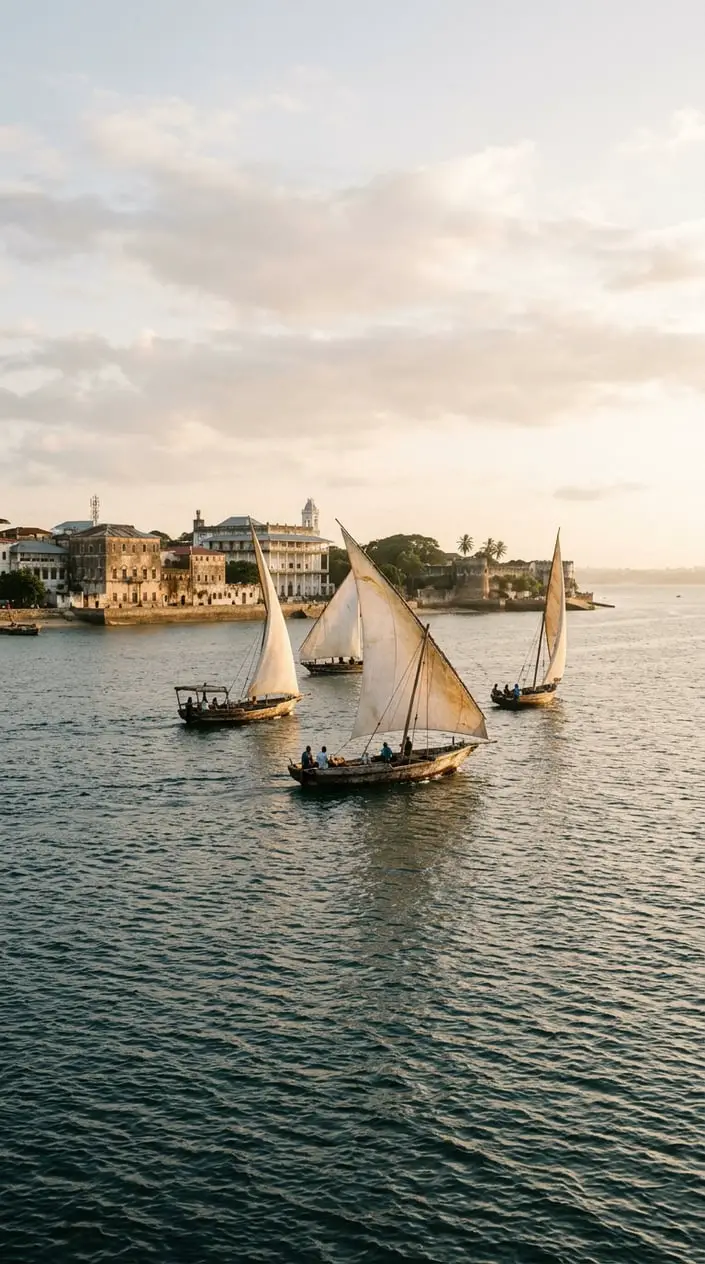
Sailing dhows connect Stone Town’s seafront with Zanzibar’s long history of Indian Ocean trade. Their triangular lateen sails catch the coastal breeze, carrying a design used across the region for generations. Against the historic waterfront, the vessels link everyday sailing with the island’s wider maritime past.
Stone Town’s shoreline has long faced routes across East Africa and beyond, and the sea remains part of its identity. From the water, you can take in the old stone buildings and the changing light along the coast. For a trip offshore, ask local operators about departure times and wind conditions. A breezy day can make the sails especially prominent as the boats pass the waterfront.
6) Lobster Boats in Rockport Harbor, Maine
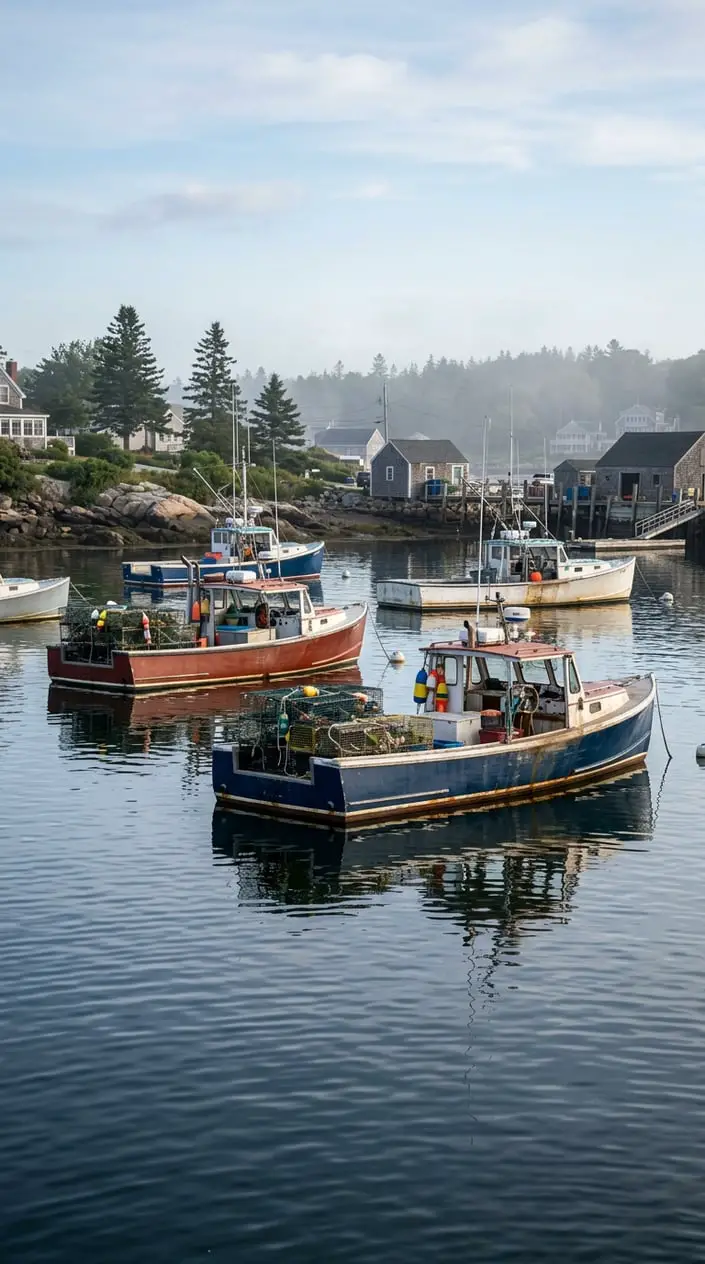
Maine lobster boats give Rockport Harbor its working-coast character, with sturdy vessels gathered beside a rugged shoreline. Their practical layouts are built for hauling traps and carrying equipment through the Gulf of Maine. Even when they are tied up, the boats suggest the steady labor behind a familiar regional seafood industry.
The harbor’s rocky edges and cool northern light set the scene apart from tropical ports. You can spot details such as trap stacks, buoys, and working gear, each tied to the local fishing trade. Keep clear of docks and active work areas when visiting, and follow posted access rules. A respectful walk along the harbor offers a look at coastal life without interrupting the crews.
7) Basket Boats in Cam Thanh Coconut Village, Vietnam
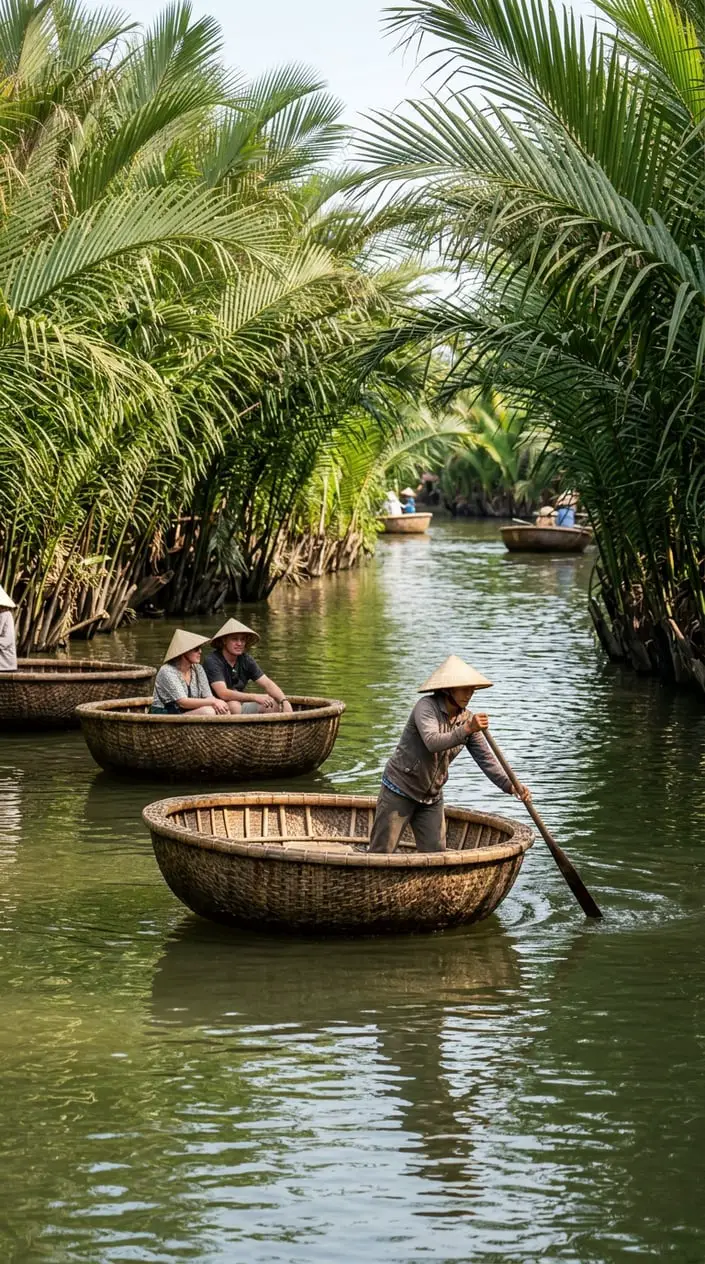
Round basket boats bring a distinctive form of travel to the palm-lined waterways of Cam Thanh. Traditionally made from woven bamboo and sealed for use on the water, these small craft suit narrow channels through the coconut forest. Their rounded shape and compact size make them easy to recognize beside the long, straight-sided boats found in many harbors.
The village lies near Hoi An, where waterways connect local communities with coastal and river life. A guided ride gives you time to notice the dense palms and shifting reflections along the channel. Ask about safe boarding and life jackets before setting out, especially if you are traveling with children. The route is most rewarding when you take it slowly and leave the plants undisturbed.
8) Blue Star Delos Approaching Santorini
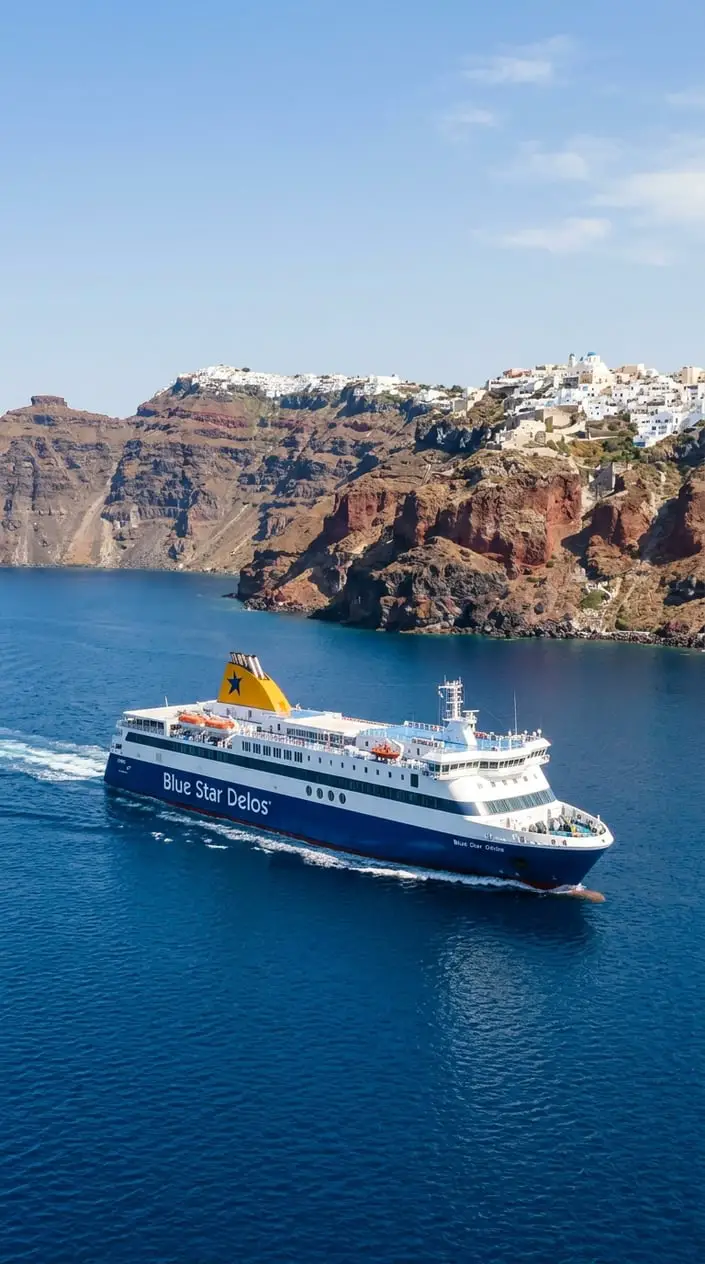
A large passenger ferry approaching Santorini shows how sea travel connects the Greek islands with the mainland. The vessel crosses the Aegean toward the island’s high volcanic edge, where whitewashed villages sit above the water. Its scale gives you a clear sense of the distance covered by regular island transport.
For passengers, the arrival offers a broad view of Santorini’s caldera and layered cliffs. Ferries carry residents, visitors, vehicles, and supplies, so they are part of the island’s daily connections as well as its tourism. If you’re planning a crossing, check the port and sailing time on your ticket, since Santorini has more than one port area. Keep your boarding details easy to reach.
9) Bangka Boats Along El Nido, Palawan
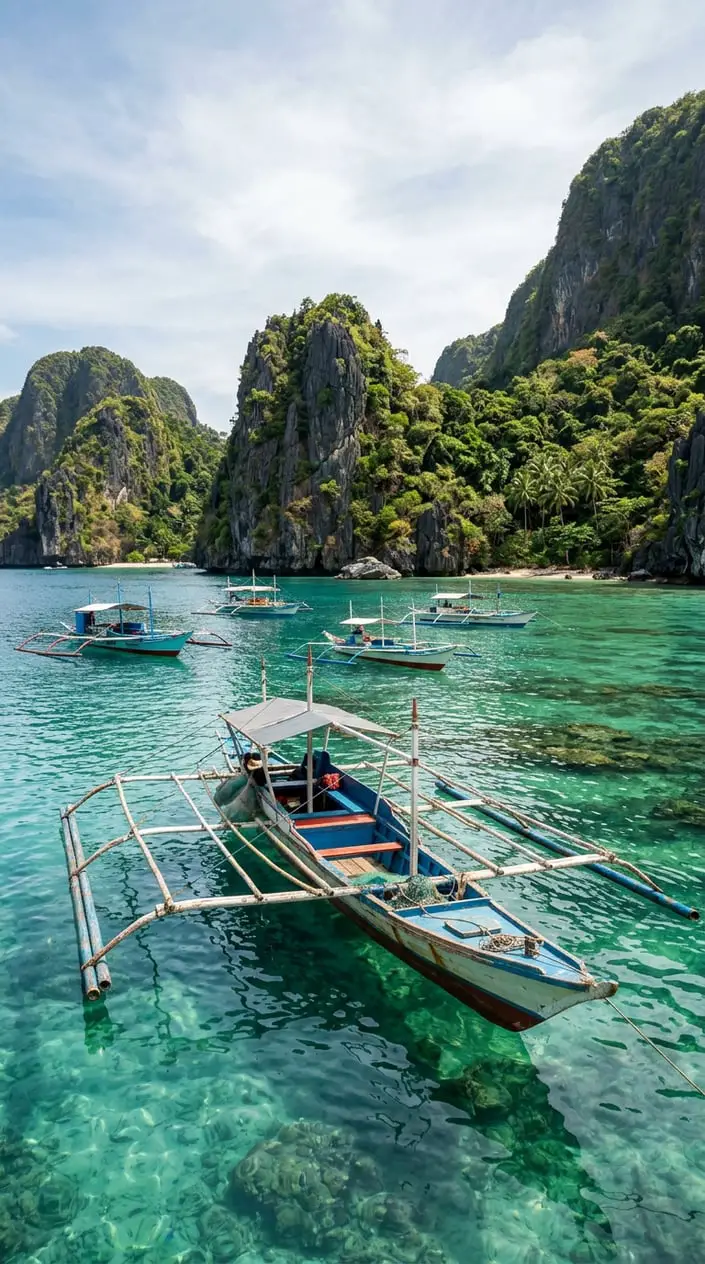
Colorful bangka boats are a familiar way to travel around El Nido’s island-fringed waters. Their outrigger arms extend from both sides of the hull, helping steady the craft as it moves through the sea. Beneath the limestone cliffs, the boats add bright color to the clear water and provide access to coves and nearby islands.
El Nido sits in Palawan, a Philippine province known for its rugged coast and marine scenery. Boat trips can bring you to beaches and lagoons that are difficult to reach overland. Conditions vary with weather, so follow your operator’s safety guidance and bring sun protection. A light shirt, drinking water, and a secure dry bag help make a day on the water more comfortable.
10) Fishing Boats at Dawn in Essaouira, Morocco
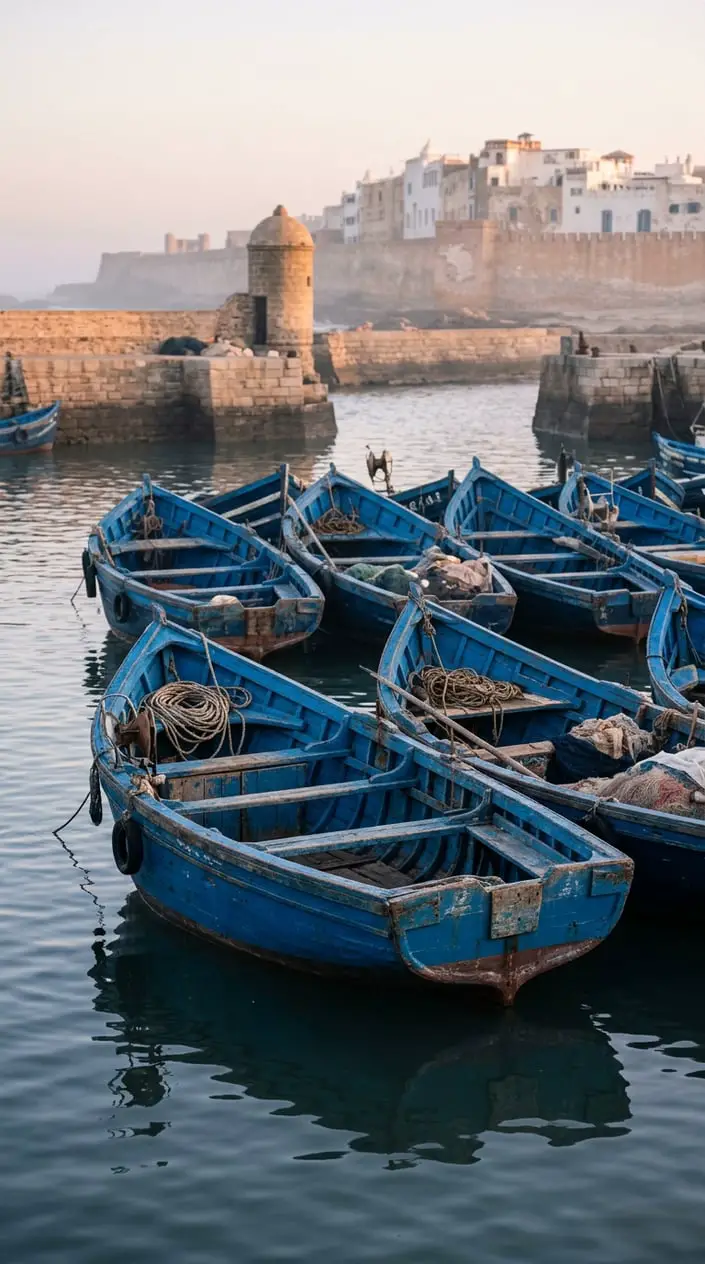
Blue fishing boats bring color to Essaouira’s harbor as the old stone waterfront catches the early light. The port on Morocco’s Atlantic coast remains closely tied to fishing, and the boats reflect that daily connection to the sea. Their bright paint stands out against the harbor walls and the muted colors of the morning.
Essaouira’s coastal winds are part of its character, so the harbor provides a sheltered place for boats between trips. Visit early if you want to see the port as crews begin their day and activity builds along the waterfront. Stay clear of working areas and follow signs around the docks. From the nearby public areas, you can take in the boats with the historic ramparts behind them.
11) J-Class Yachts Racing at Cowes, Isle of Wight
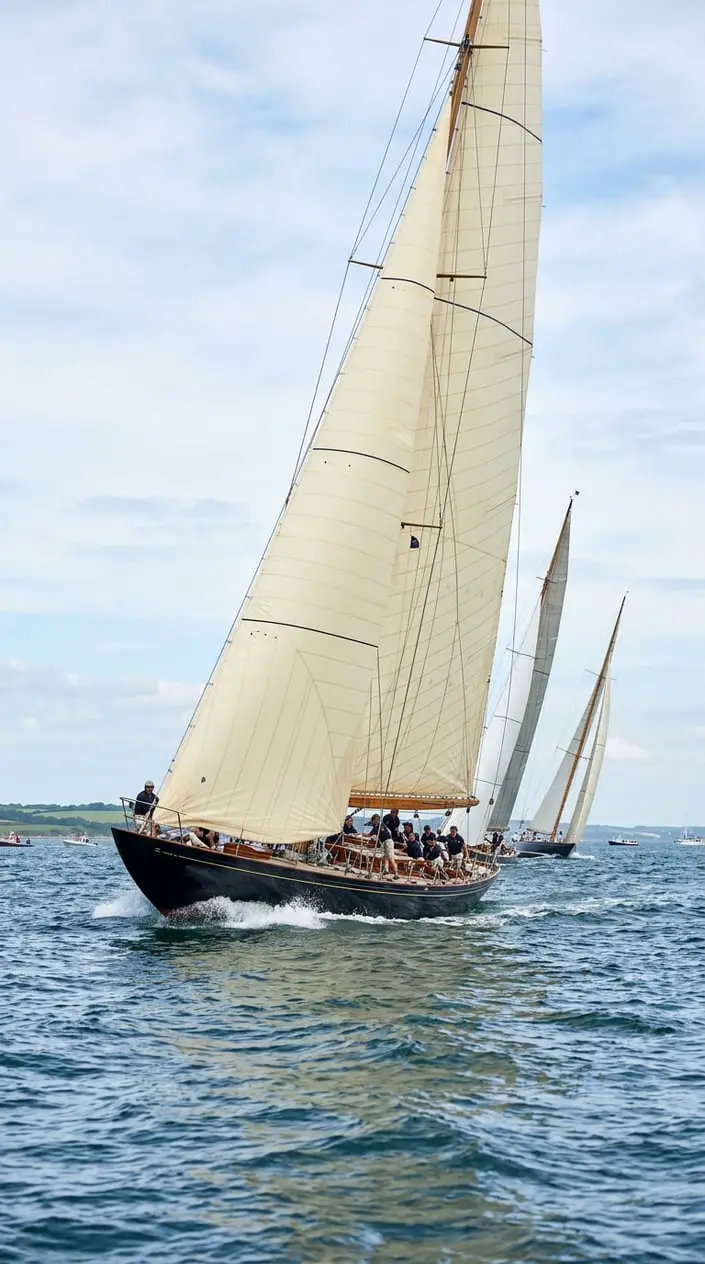
J-Class yachts bring the power and precision of competitive sailing to the waters near Cowes. These large, elegant racing boats carry tall rigs and long hulls, giving them a distinctive profile under sail. Their movement depends on coordinated work from the crew as they adjust sails and steer through changing wind.
Cowes sits on the Isle of Wight, a major sailing hub on England’s south coast. Races in the Solent draw attention to both the yachts and the tactics needed to navigate a busy stretch of water. If you watch from shore, check event access information and keep clear of marked race areas. Wind shifts and close turns can change the order of a fleet quickly.
12) Manly Ferries Crossing Sydney Harbour
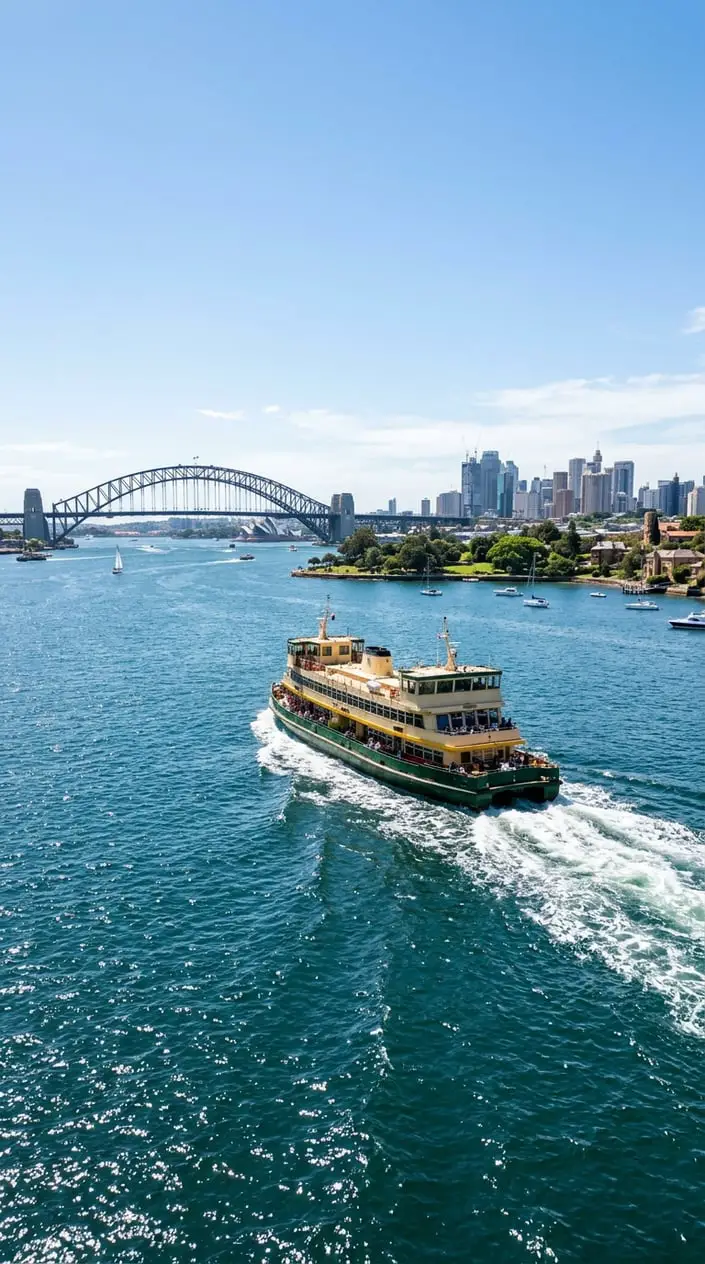
Manly ferries make Sydney Harbour part of the city’s everyday transport network. Their route links the harbourside suburb of Manly with central Sydney, carrying commuters and visitors across the water.
The crossing offers a broad view of the Harbour Bridge, the skyline, and the harbor’s mix of working and recreational boats. The trip also reveals how a ferry can shape the feel of a coastal city.
From the deck, you can watch the shoreline shift as the boat passes coves and headlands on its way across the harbor. Check current service information before traveling, especially around peak periods or special events.
For a steadier ride, choose a sheltered seat and keep an eye on the marked boarding area.