Last Updated on November 13, 2026
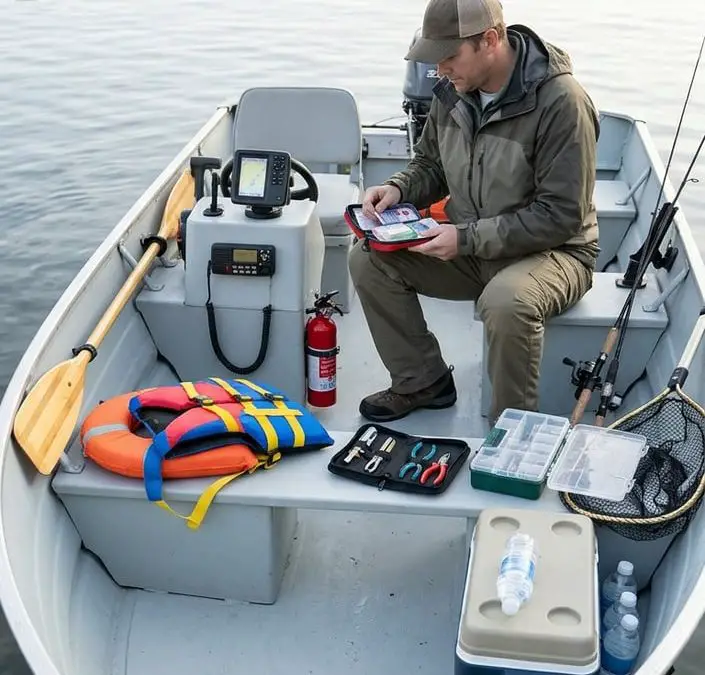
Your first boat-fishing checklist should cover both emergencies and the basics that help you catch fish. The 13 Fishing Boat Essentials Every New Angler Needs on Board are life jackets, a VHF radio, a first aid kit, a throwable flotation device, a fire extinguisher, distress signals, a flashlight, sunscreen, a chartplotter, an anchor and rode, a rod-and-reel combo, a tackle box, and assorted lures.
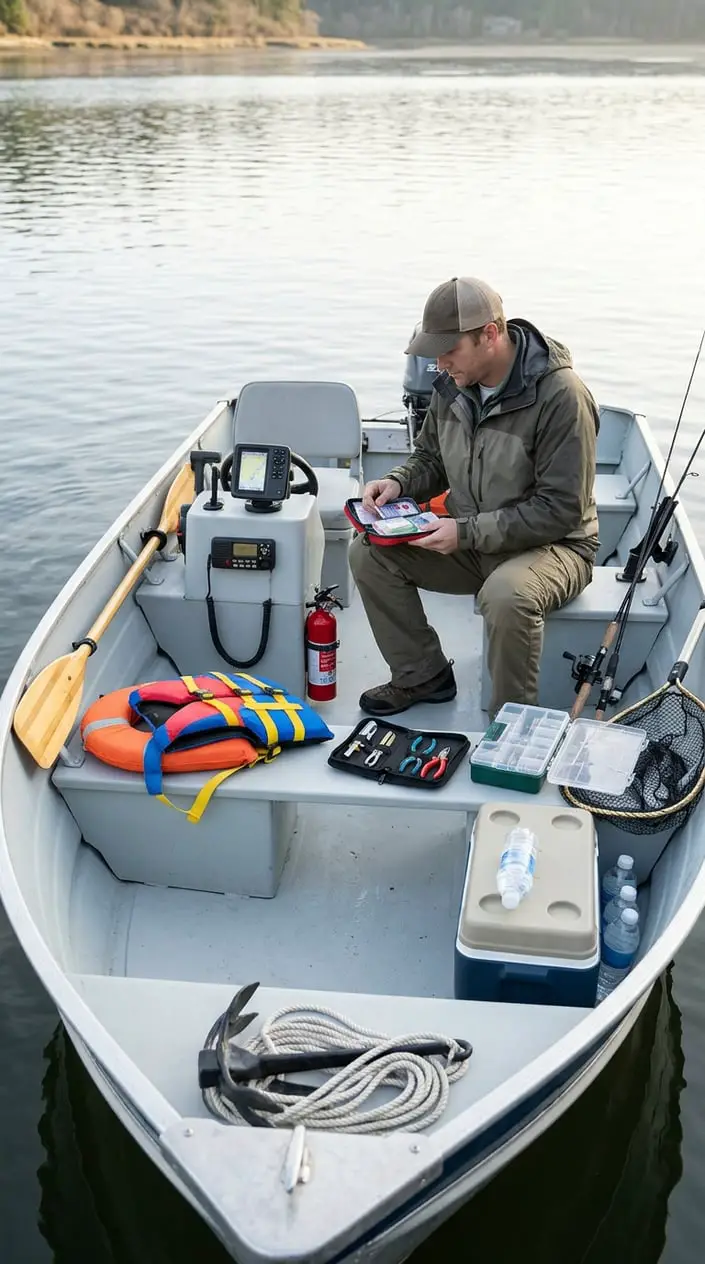
Pack safety equipment where you can reach it quickly, then secure fishing gear so it stays put underway. Before leaving the dock, check local boating rules, weather, and the condition of your gear.
1) Properly Fitted, USCG-Approved Life Jackets
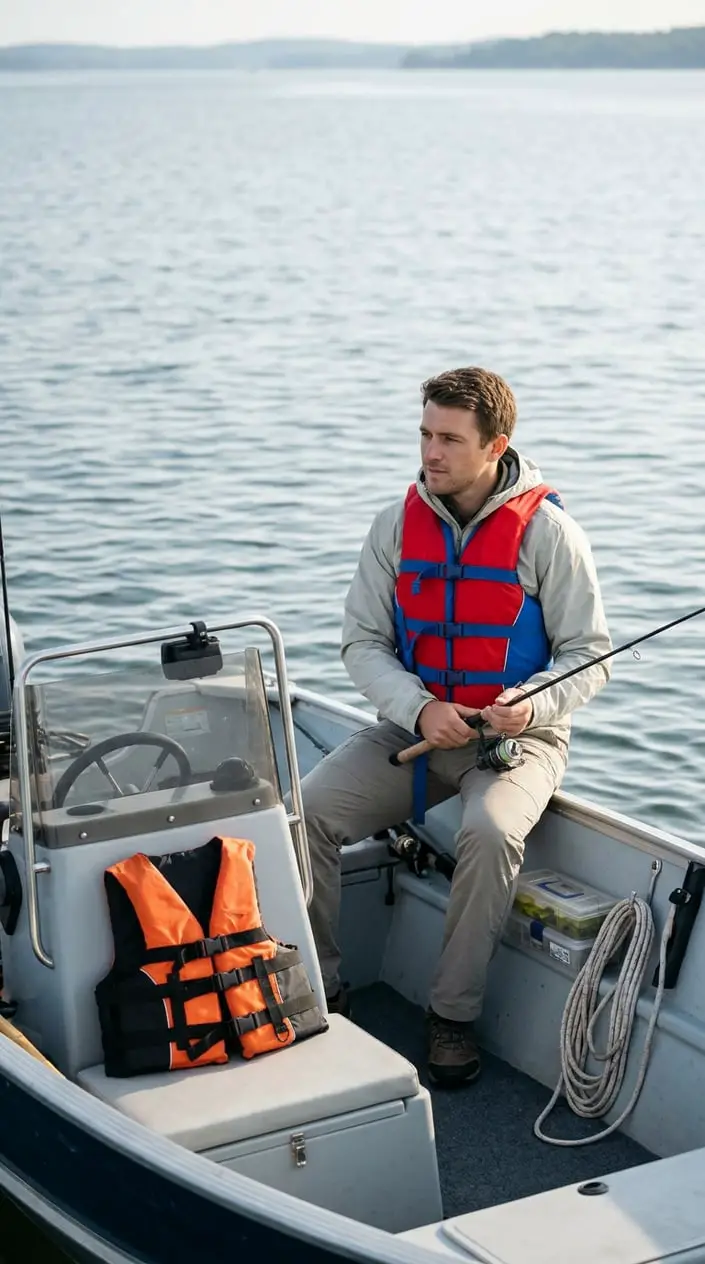
Carry a U.S. Coast Guard-approved life jacket in the correct size for every person aboard. Check each label and fit before your trip; a loose jacket can ride up in the water, while one that is too small may not secure properly. Keep the jackets easy to reach, and have children and weaker swimmers wear theirs while the boat is underway.
Choose a comfortable style that suits your boat and activities. A wearable jacket should allow you to move freely while casting and handling lines. Inspect straps, buckles, fabric, and inflation components before the season, and replace damaged gear. Stow jackets in a dry, open spot where passengers can find them without moving tackle or other equipment.
2) Standard Horizon GX1400 Eclipse VHF Radio
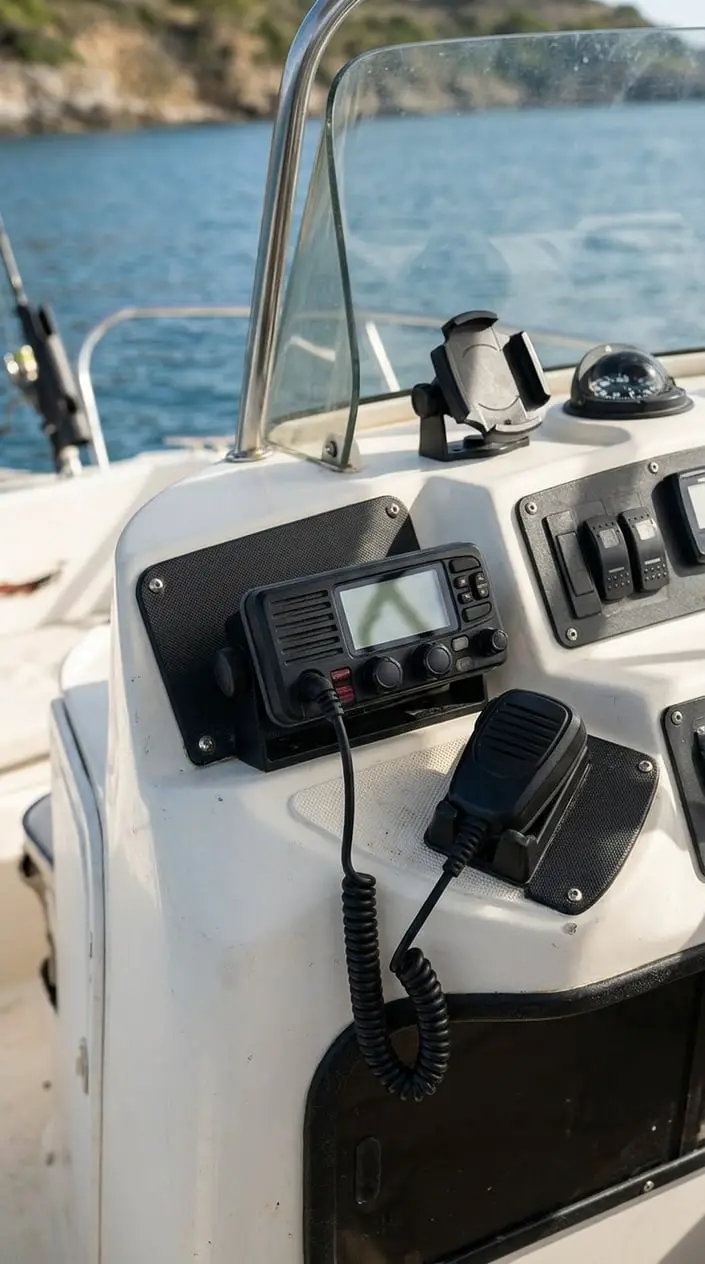
A fixed-mount VHF radio gives you a direct way to contact nearby vessels, the Coast Guard, and other marine services. The GX1400 Eclipse is a helm-mounted option for a boat with space for a permanent radio installation. Set it up where you can reach the controls and see the display from the helm.
Learn the distress-call steps before heading out, and keep your radio powered on and tuned to the proper channel for your area. If you use Digital Selective Calling, program your Maritime Mobile Service Identity (MMSI) as directed. A charged cell phone in a waterproof case offers another way to communicate, though reception varies by location. Check the radio and antenna before each outing.
3) Marine 600 First Aid Kit
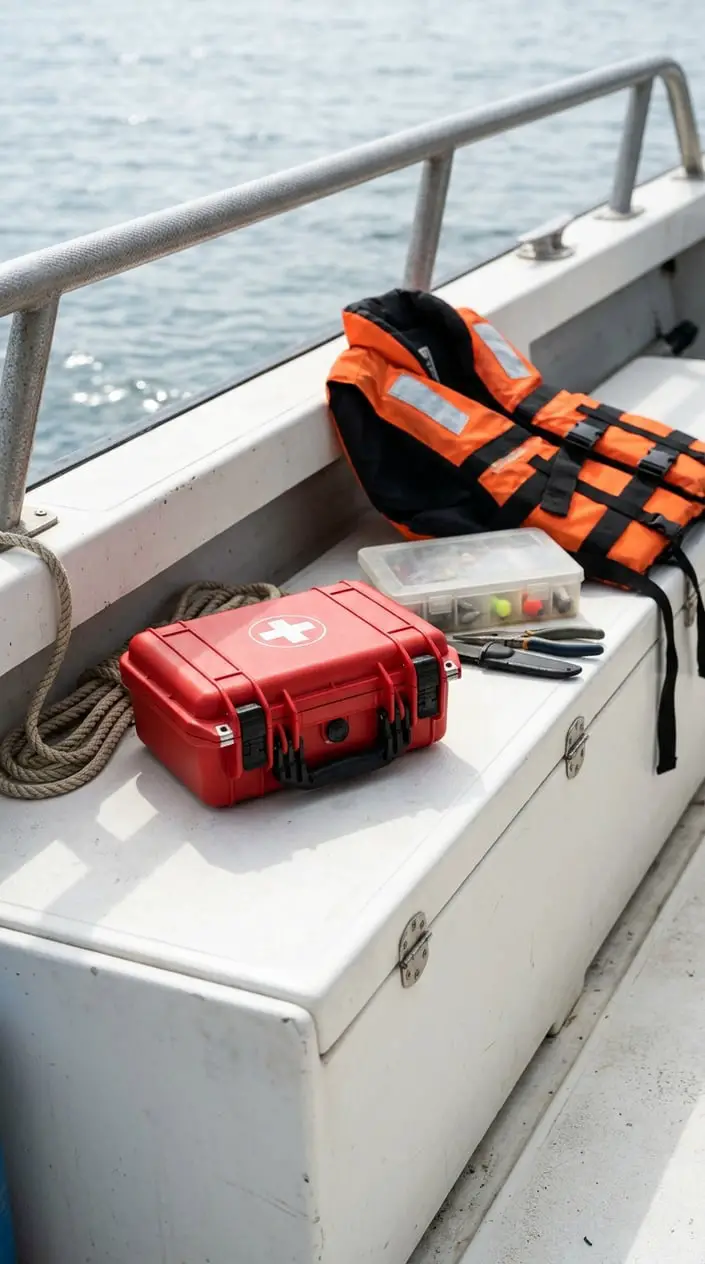
Keep a stocked marine first aid kit aboard for cuts, scrapes, burns, and hook-related injuries. The Marine 600 kit comes in a durable, waterproof dry box that helps protect supplies from spray and damp conditions. Store it somewhere easy to reach, and tell passengers where it is before you leave the dock.
Check the contents at the start of each season and replace anything used or expired. Useful supplies include bandages, antiseptic, gauze, medical tape, and any personal medication you may need. Add motion-sickness remedies that are safe for you and your passengers, and follow their labels. For a serious injury, contact emergency services by radio or phone and follow their instructions.
4) USCG-Approved Throwable Flotation Device
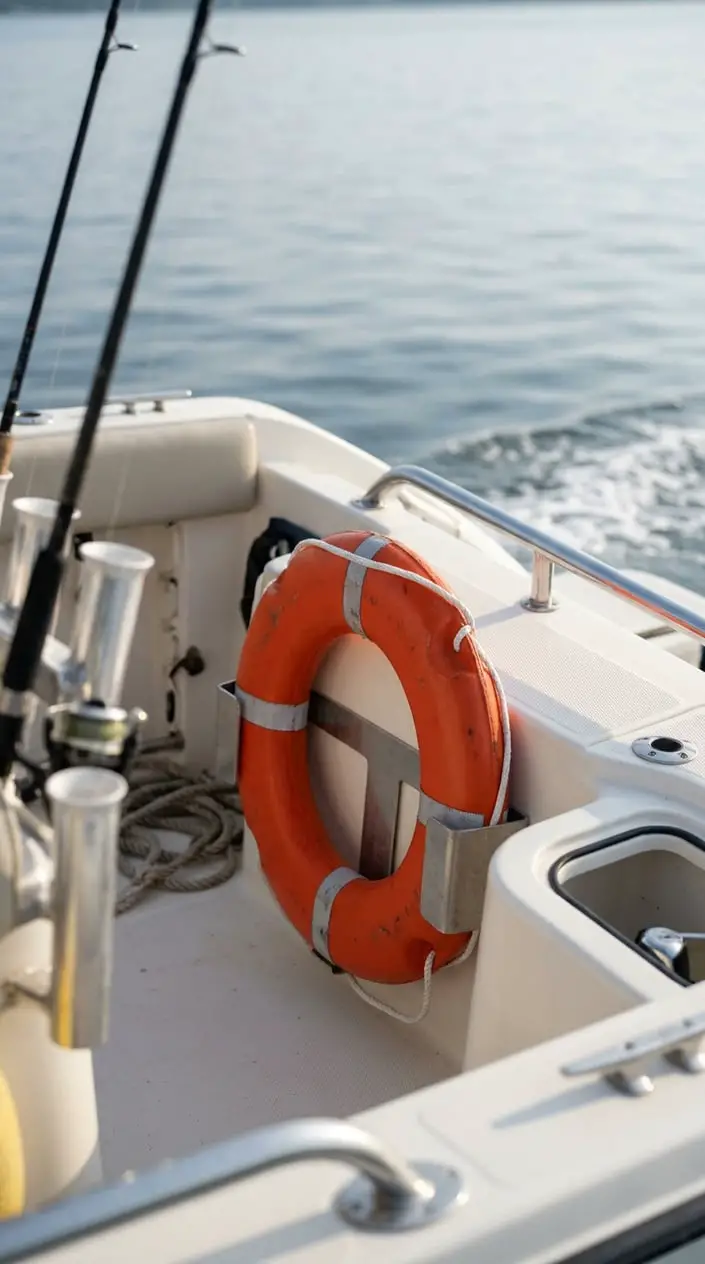
A throwable flotation device gives you a fast way to assist someone who falls overboard. Choose a U.S. Coast Guard-approved device that meets the requirements for your boat, and secure it where you can grab and throw it without delay. A ring buoy is a familiar choice; a floating cushion is another common style.
Check that the device is in good condition and that its attachment line, if included, is ready to use. Practice reaching for it and throwing it toward a target from the deck. In an emergency, call out to the person in the water, keep them in sight, and follow your boat’s safe recovery procedure. Keep the device clear of rods, bags, and other loose gear.
5) Marine Fire Extinguisher
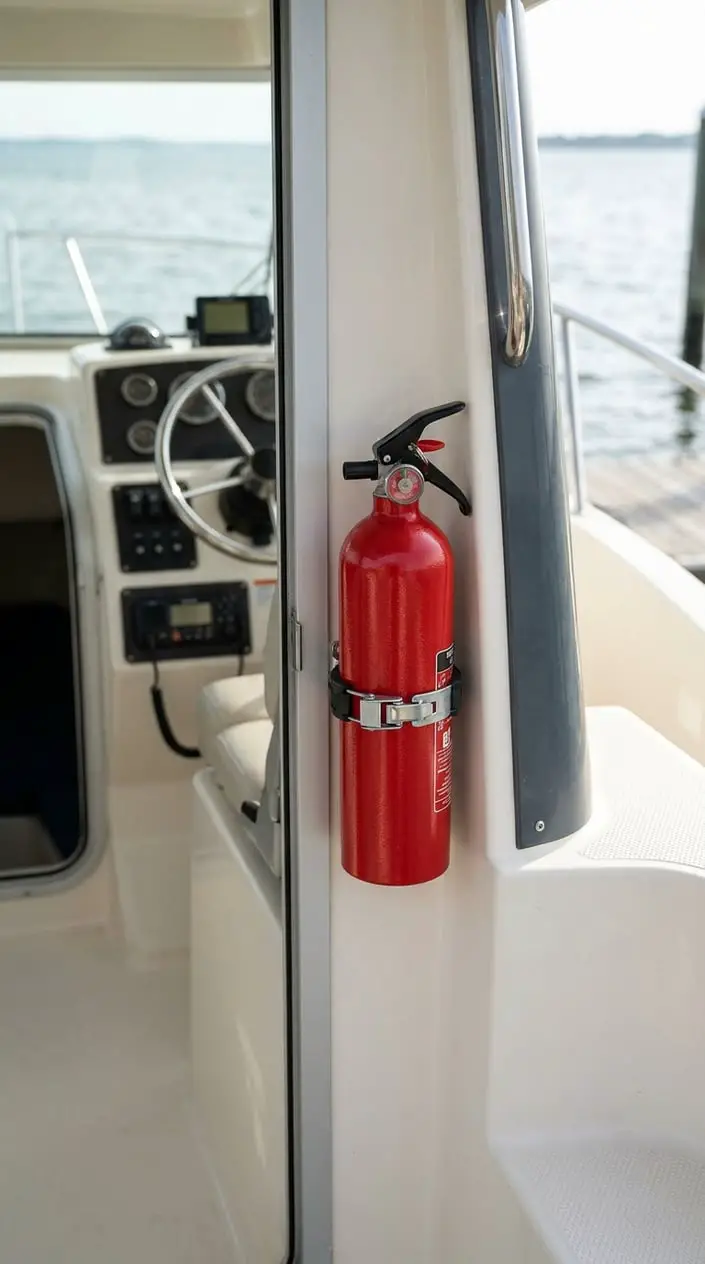
Keep a U.S. Coast Guard-approved fire extinguisher aboard and mount it where passengers can reach it quickly. The required type and number depend on your boat and its equipment, so check current Coast Guard rules and your state’s boating guidance. A secure bracket helps keep the extinguisher in place as the boat moves.
Read the label before your first trip so you know how to operate it. Check its pressure indicator, pin, seal, and service date as directed by the manufacturer. Keep the route to the extinguisher clear, especially near the helm or engine compartment. Make sure passengers know its location and understand that they should call for help if a fire grows beyond their control.
6) USCG-Approved Visual Distress Signals
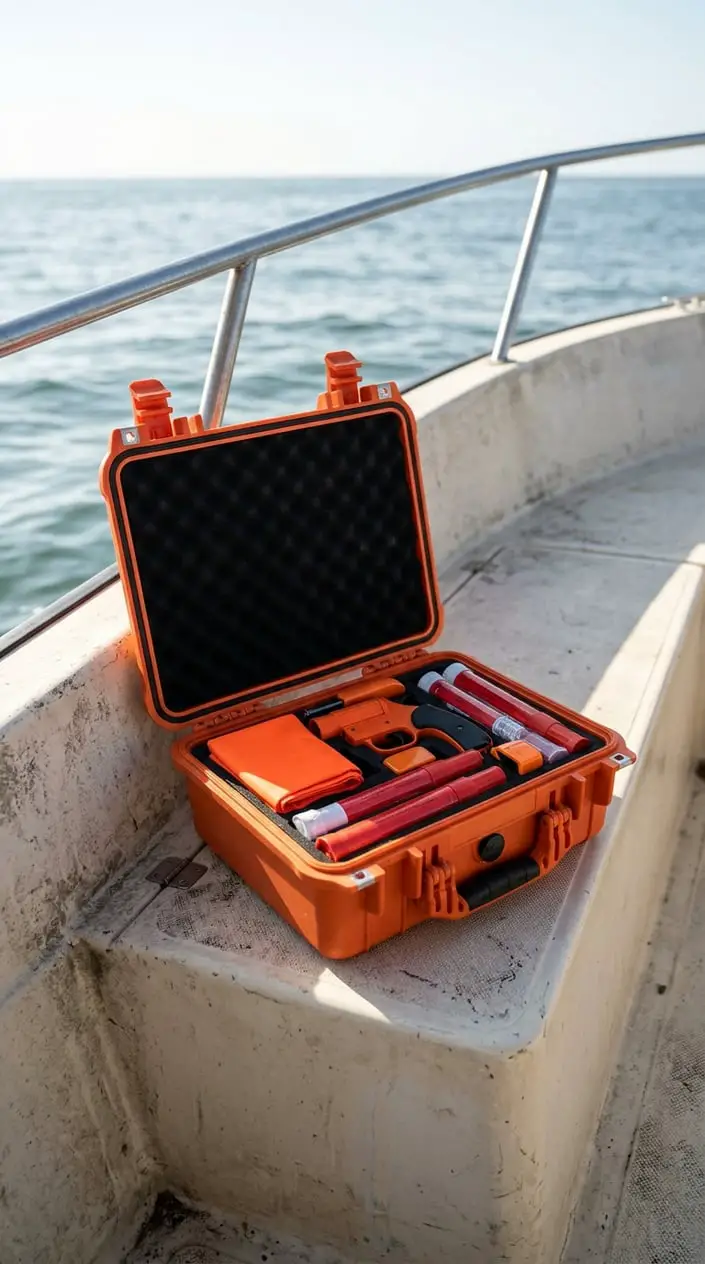
Carry approved visual distress signals that match your boat, the waters you use, and the time of day you operate. Requirements differ by location and conditions, so check Coast Guard rules before departure. Options include approved flares, an orange distress flag, and other listed signaling devices.
Store signals in a dry, accessible place and read their directions before an emergency. Check expiration dates and replace expired flares or damaged items. Flares require careful handling, so keep them away from heat and follow the package instructions. A distress flag can be useful in daylight, while an approved nighttime signal helps make your position visible after dark. Tell passengers where the kit is stored.
7) Waterproof Marine Flashlight
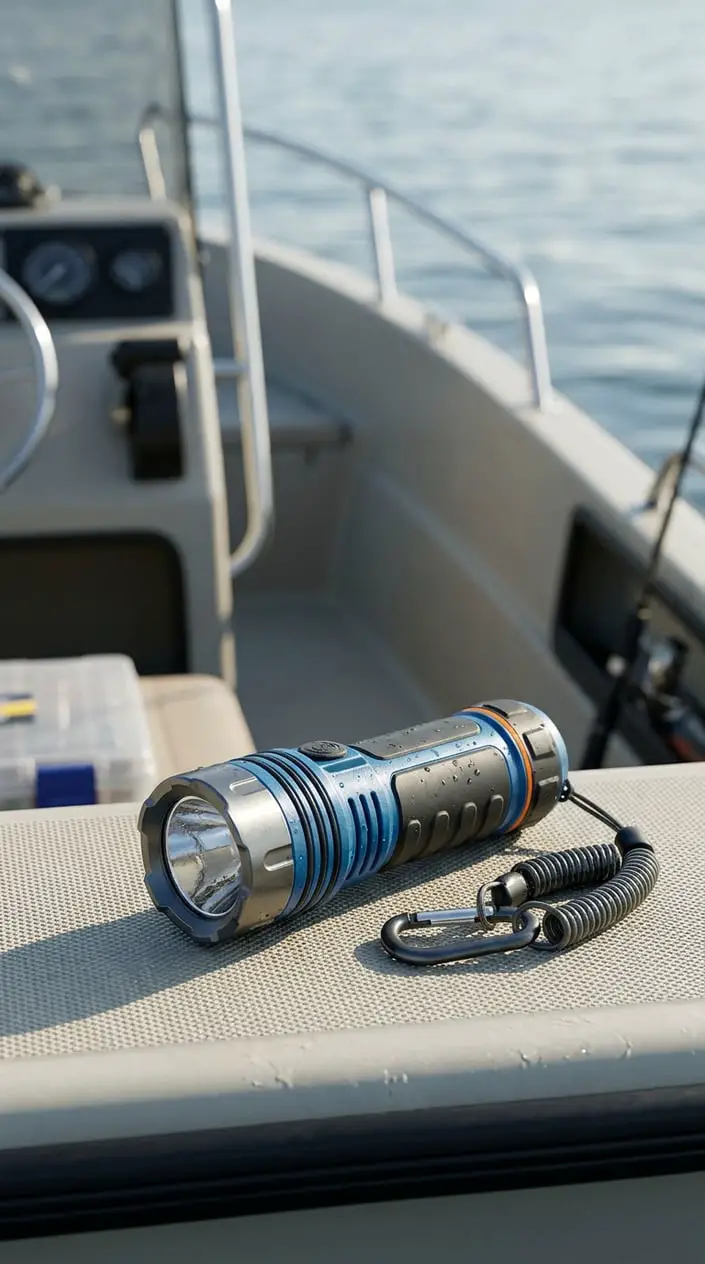
A waterproof flashlight helps you see deck gear, read labels, and signal for help when light fades. Pick a marine-ready model with a lanyard so it stays attached to you or a secure point on the boat. A floating design is useful if the light slips overboard.
Test the beam and switch before leaving, and carry spare batteries or a charged backup light. Keep the flashlight in a known spot that you can reach without searching through storage. A headlamp can also free both hands for tying knots or checking equipment, while a handheld light is easy to point toward another boat. Check seals and battery contacts for wear as part of your regular gear check.
8) Water-Resistant Sunscreen
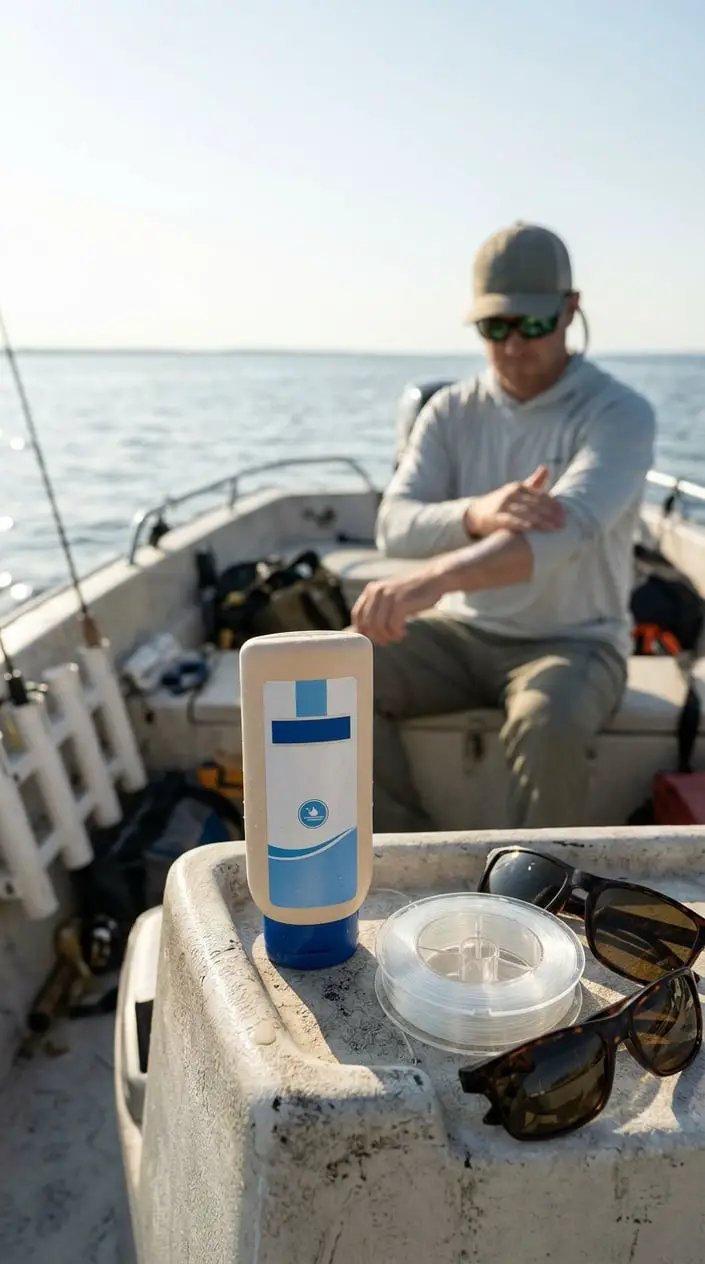
Water-resistant sunscreen helps protect exposed skin during long hours on open water. Choose a broad-spectrum product with an SPF suited to your needs, and follow its label for how much to apply and when to reapply. Water, sweat, and reflected sunlight can increase your exposure while you fish.
Apply sunscreen before you board, then keep it in a dry, easy-to-reach pouch for later use. Cover your face, ears, neck, hands, and any skin exposed between clothing and gloves. A brimmed hat, sunglasses, and lightweight sun-protective clothing add coverage. Check the label before sharing sunscreen with children, and wash your hands before handling bait or lures.
9) Garmin GPSMAP 943xsv Chartplotter and Fishfinder
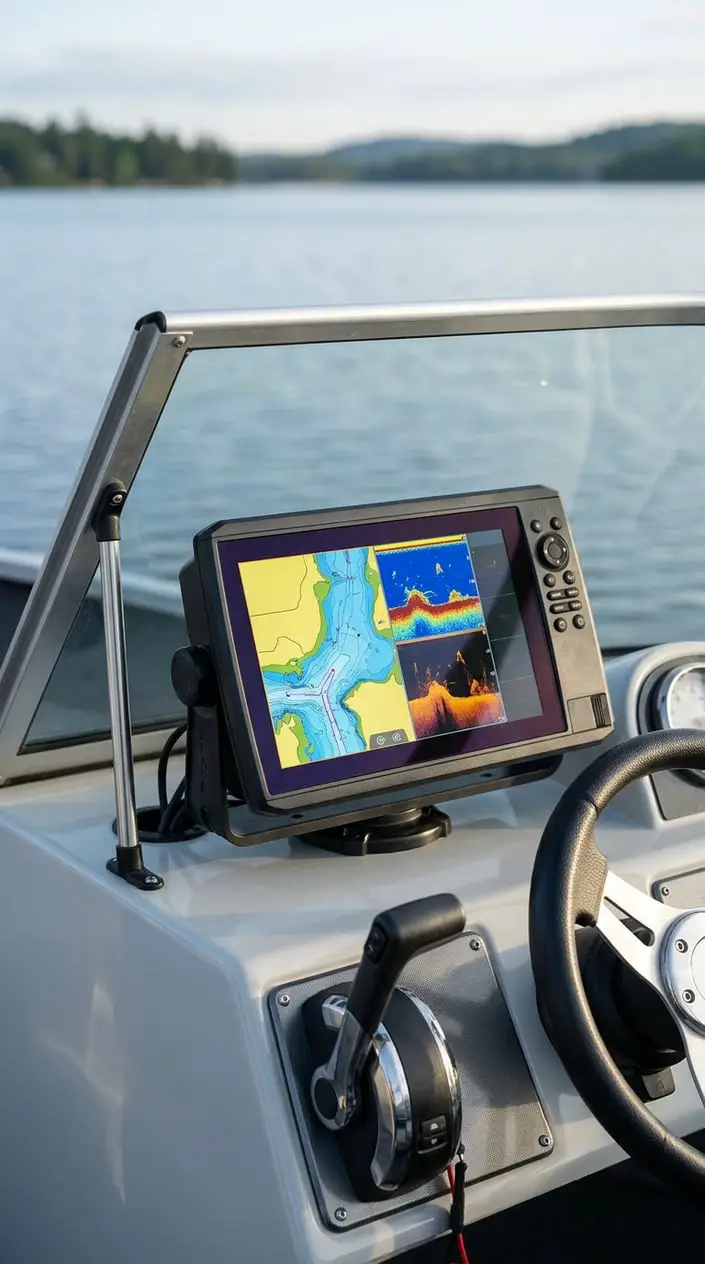
A chartplotter and fishfinder help you navigate and view underwater information from the helm. The GPSMAP 943xsv combines a navigation display with fish-finding functions, giving you a place to view chart and sonar information while you fish. Review the operating manual and learn the controls before relying on it underway.
Load suitable charts for your area and check that the display shows your position correctly. Use the depth reading and bottom information as aids while you plan a route or search for fish. Keep paper charts or another navigation backup aboard, and carry a magnetic compass in case electronics lose power. Protect the screen from spray and clean it according to the manufacturer’s care instructions.
10) Anchor and Suitable Rode
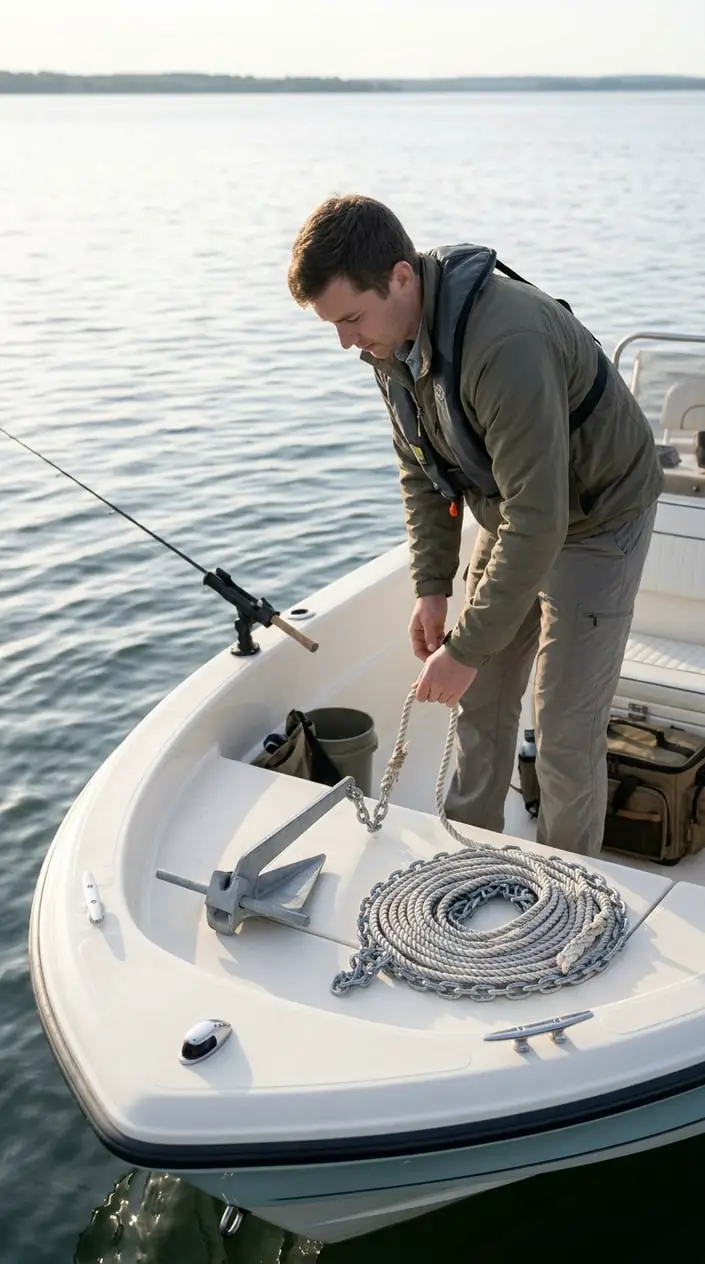
An anchor sized for your boat and bottom conditions helps you hold position while fishing or deal with an engine problem. Pair it with enough rode, the line or chain connecting the anchor to your boat, for the depths and conditions you expect. The right anchor style varies with the seabed, so choose one suited to the waters you fish.
Keep the rode coiled neatly and secured so it can run out without tangling. Inspect it for worn sections, weak splices, and damaged connections before each outing. Learn how to lower and retrieve the anchor safely, and keep hands clear of moving line. Store the anchor where it cannot slide across the deck when the boat is underway.
11) Medium-Action Spinning Rod and Reel Combo
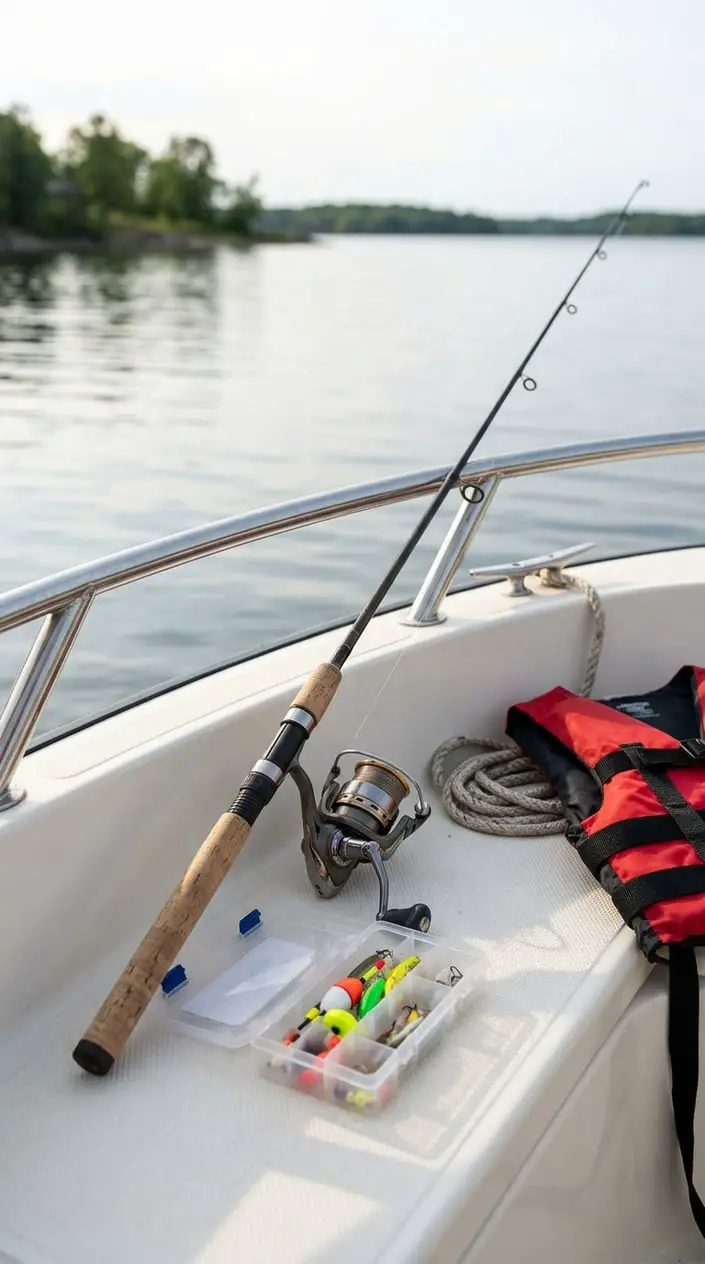
A medium-action spinning combo is a practical starting setup for many common freshwater and inshore fishing situations. Its moderate power and flexible action suit a range of lures and fish sizes, while a spinning reel is straightforward to learn. Match the rod’s line rating and lure rating to the fishing you plan to do.
Choose a comfortable handle and a reel that feels balanced on the rod. Spool it with line that fits the reel and the target species, then practice casting in an open area before fishing from a crowded deck. Rinse saltwater off the combo after use, and secure it in a rod holder or safe storage spot while the boat is moving.
12) Plano 3600 Tackle Box
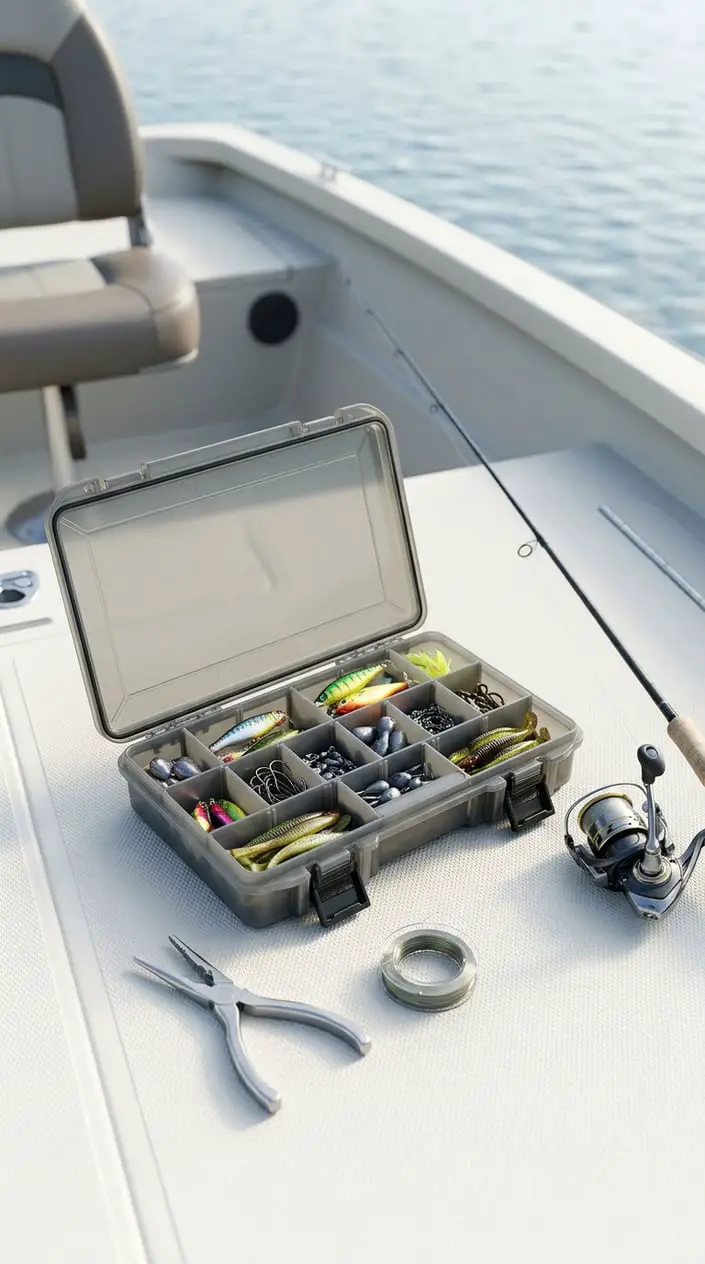
A 3600-size utility box keeps small fishing items organized and easy to carry aboard. Its divided compartments help separate hooks, sinkers, swivels, and compact lures, so you can find the right piece without emptying a bag onto the deck. The format also fits many tackle bags and boat storage spaces.
Adjust the dividers to fit your gear and leave room for items you expect to use on the trip. Store sharp hooks where they cannot spill, and keep soft plastics separate when their materials may react with other tackle. A waterproof case helps protect gear from spray; check the seal and latch before placing it among wet equipment. Label the box by lure type or fishing method.
13) Assorted Lures for Different Depths and Conditions
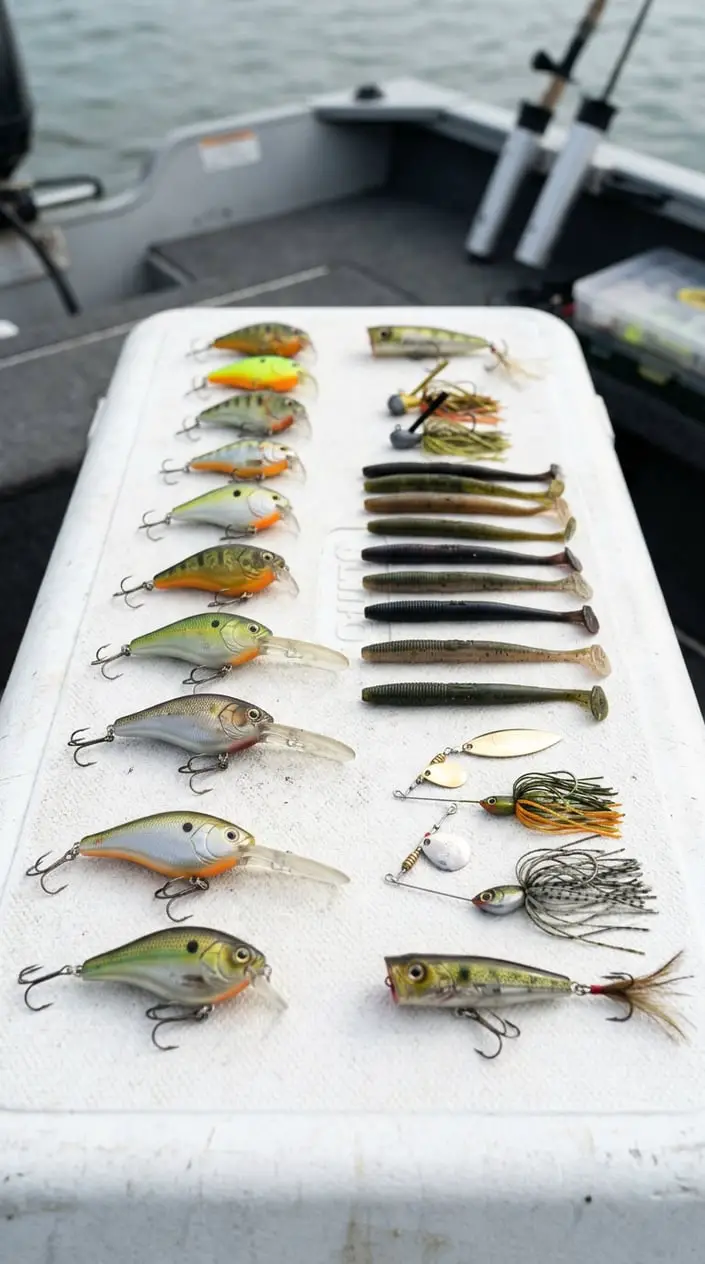
Carry a selection of lures that covers the water’s surface, middle depths, and bottom. A few crankbaits, soft plastics, jigs, and topwater options give you ways to respond to different fish and conditions. Choose sizes and colors that fit local prey and the species you expect to catch.
Start with a small, useful selection and add lures as you learn which patterns work in your home waters. Check local rules for restrictions on hooks, bait, and protected species. Keep treble hooks covered or stored in divided compartments to reduce snags and protect passengers.
After fishing, rinse saltwater from lures and dry them before returning them to the tackle box.