Last Updated on November 13, 2026
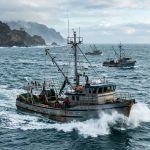
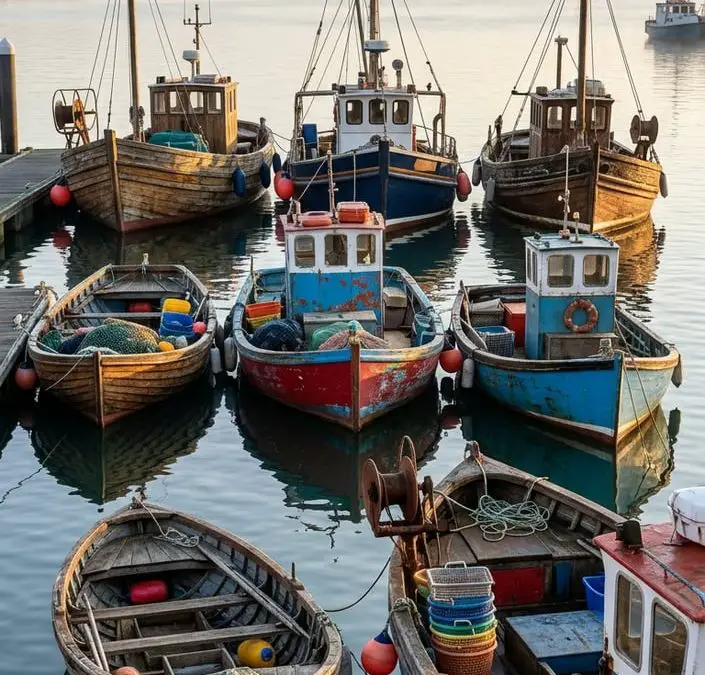
These nine fishing boats are compelling photography subjects because their working details stand out against Alaska’s rugged water and coastline.
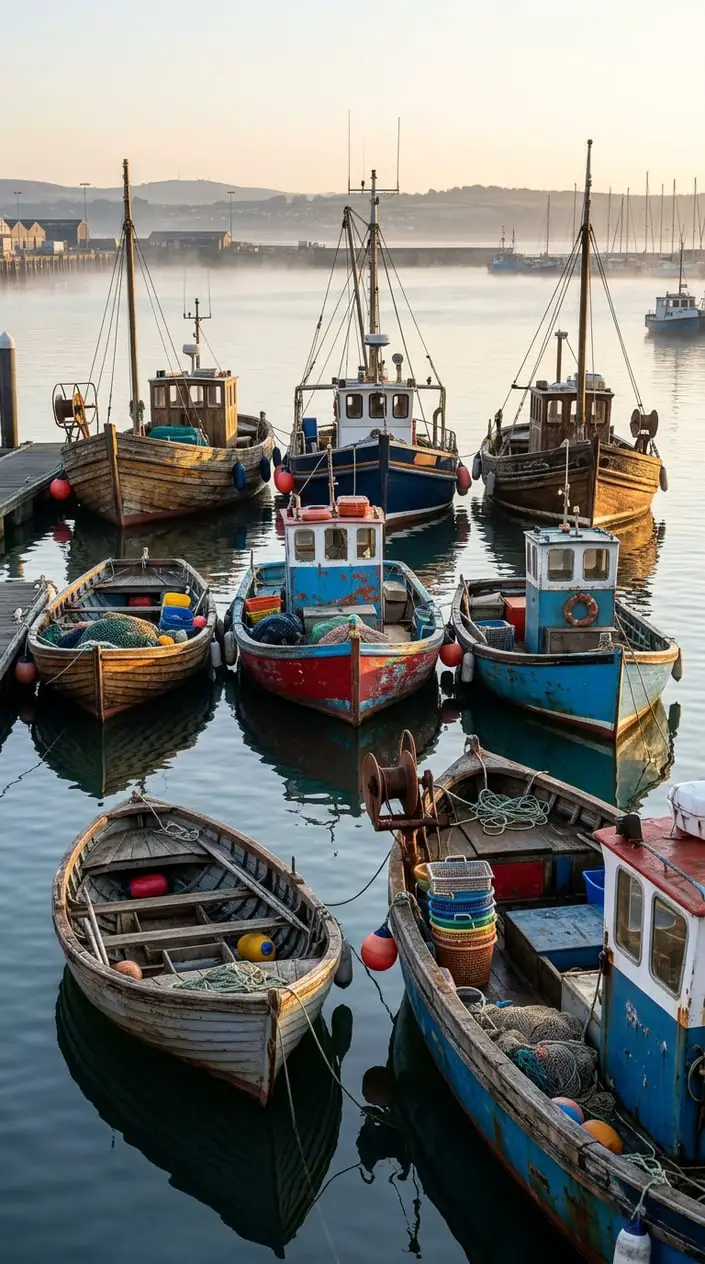
The 9 Fishing Boats That Are Secretly Incredible for Photography offer more than strong silhouettes. You’ll find weathered paint, deck gear, and changing coastal light that give your images a clear sense of place. Photograph from a safe, permitted spot, and give working crews room to do their jobs.
1) F/V Northwestern
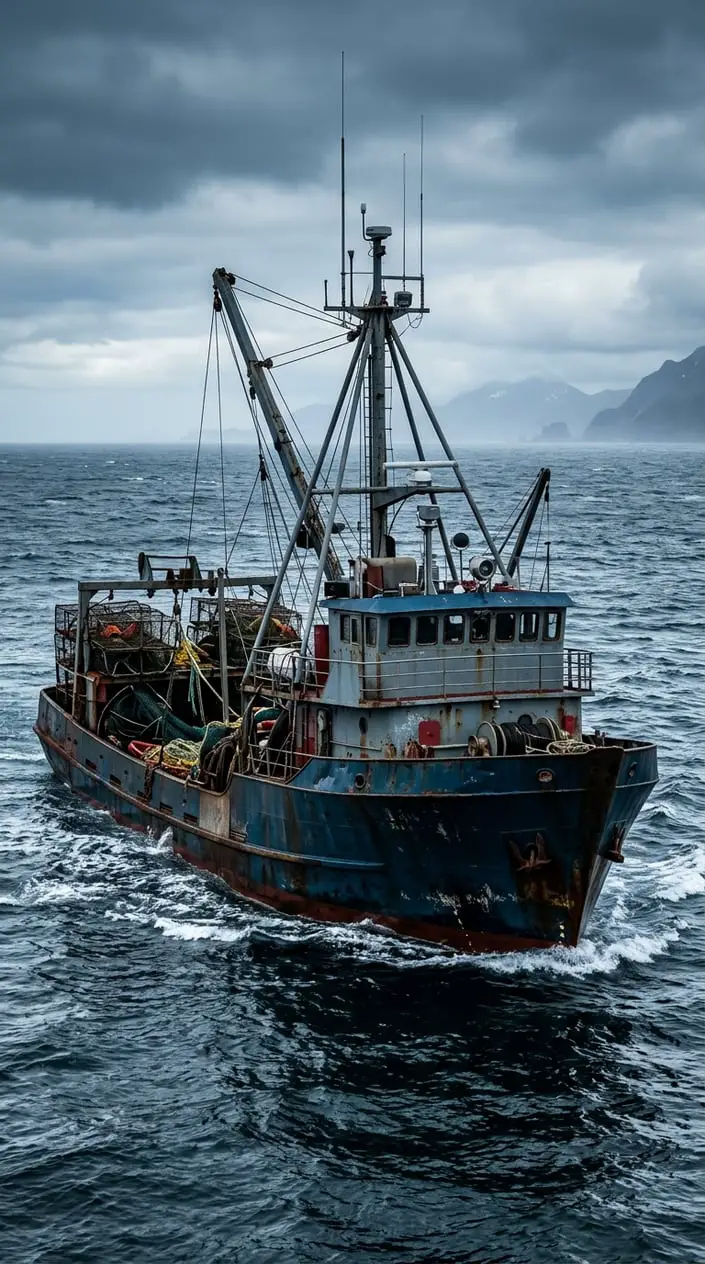
The Northwestern gives you a classic working-boat profile that reads clearly against open water. Its high bow and sturdy deckhouse create strong shapes, especially when you frame the vessel low against the horizon. In flat light, look for separation between the hull and sea; in brighter conditions, watch for reflections that soften those edges.
For a sense of scale, include a strip of water in front of the boat as it moves through the frame. A longer lens helps you isolate details such as rigging and deck equipment from a safe distance. You can also photograph it in harbor, where still water makes a clean reflection. Keep an eye on changing weather, since clouds and spray add atmosphere without requiring a complicated setup.
2) F/V Wizard
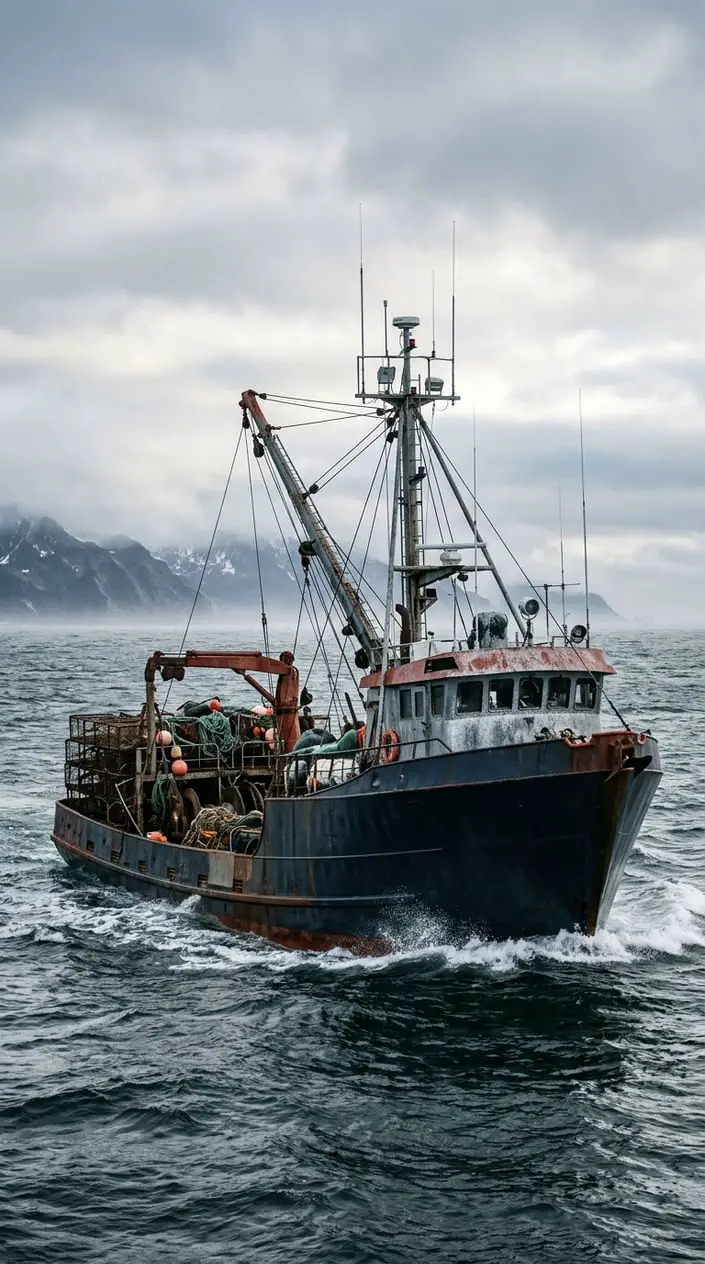
The Wizard’s substantial, rugged look suits photographs with a moody maritime feel. Its tall structure gives you a strong subject when low clouds or rough seas fill the background. Try a wider composition that includes the surrounding water, then switch to a tighter frame for the wheelhouse and deck details.
When you photograph the boat underway, a fast shutter speed helps preserve the texture of spray and waves. A slower shutter can show motion in the water while keeping the vessel sharp, provided you pan smoothly with its movement. In port, look for lines from railings, masts, and dock edges that lead your eye toward the hull. You’ll get a more layered frame by waiting for open water around the boat.
3) F/V Time Bandit
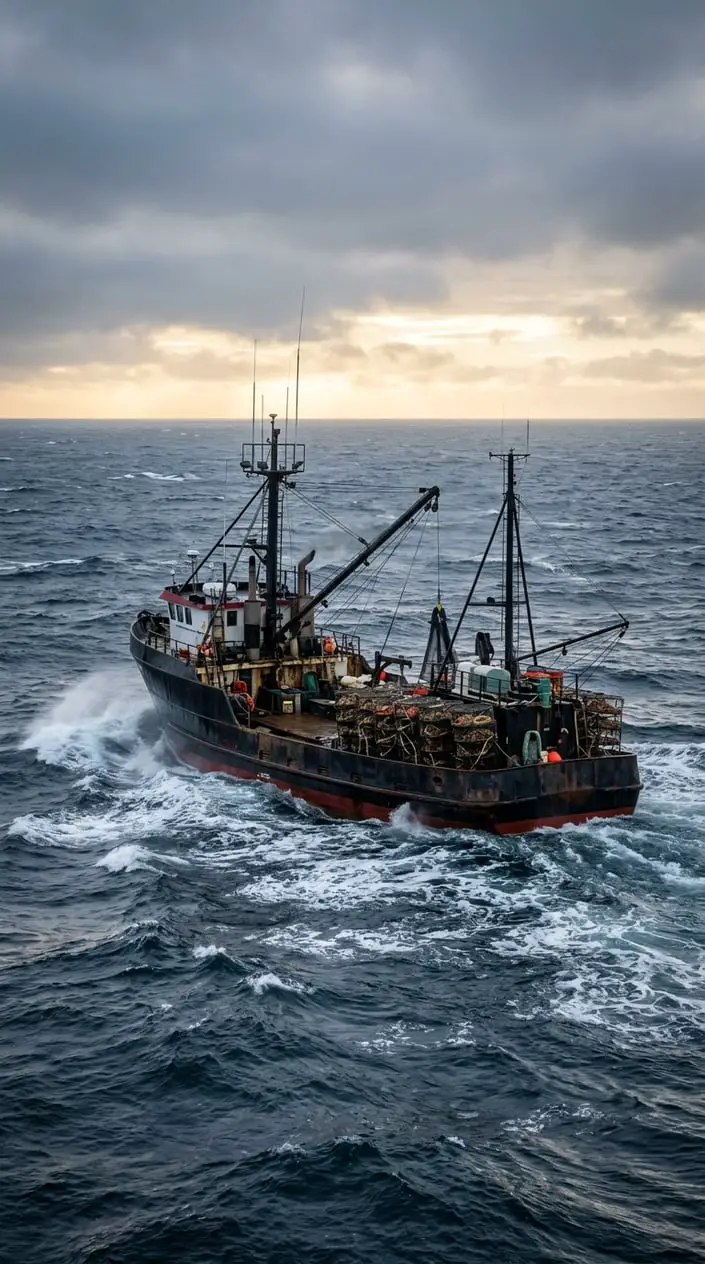
The Time Bandit offers a bold silhouette that holds its own against rolling seas. Its raised profile and visible working gear give you plenty of visual structure, even when the boat is framed at a distance. For a dramatic image, place the vessel against a darker band of cloud or a lighter patch of sky.
Look for a moment when the boat rises on a wave, with enough space around it to show the scale of the water. If you’re shooting from shore, a telephoto lens lets you keep your distance while bringing the subject closer in the frame. Harbor scenes offer a different feel: focus on reflections, ropes, and the contrast between painted surfaces and metal fittings. Be patient with the changing light and wait for a clean background.
4) F/V Cornelia Marie
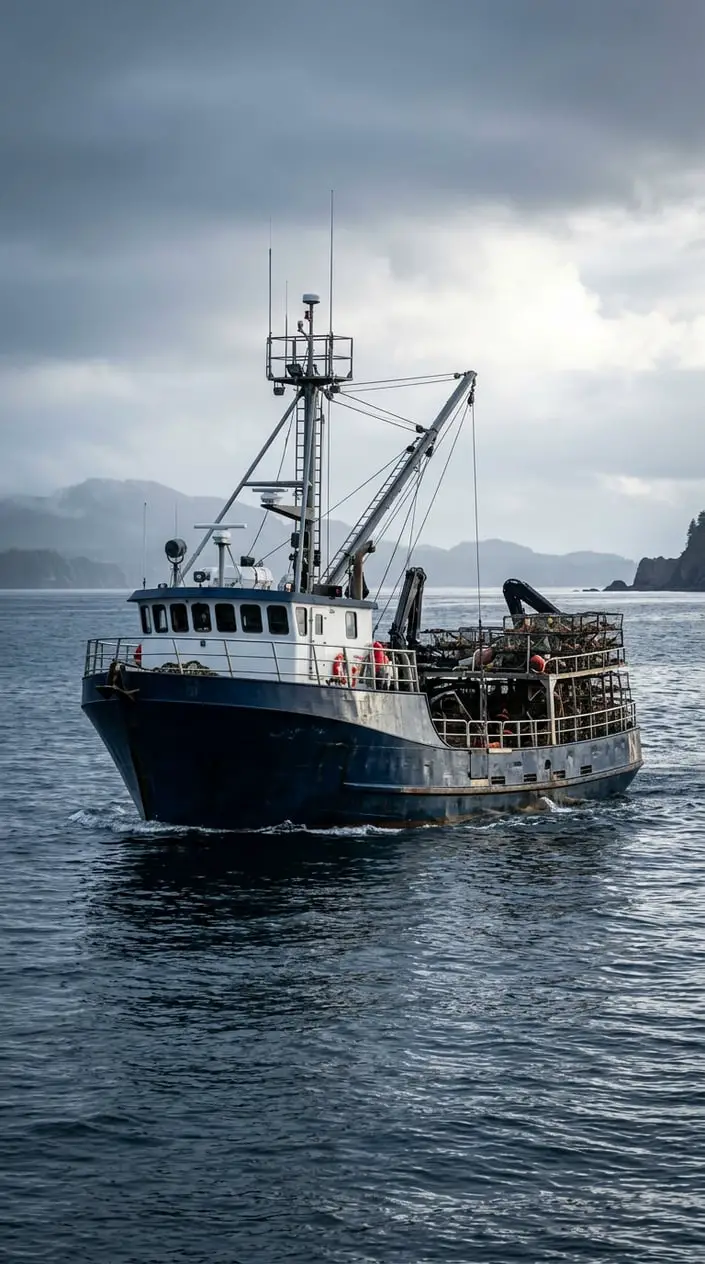
The Cornelia Marie makes a strong subject for photographs that show the force of cold, open water. Its working-boat shape gives you a clear focal point, while the waves add energy around it. A slightly wider frame can capture both the vessel and the sea conditions that shape its daily setting.
For sharper results in spray or rough water, use a fast shutter speed and keep your focus point on the boat’s cabin. You can also build a quieter image by framing the vessel against a pale sky, letting its darker outline carry the composition. In port, a side view reveals the hull’s length and deck layout. Give yourself time to watch how the boat moves through the scene before choosing your angle.
5) F/V Aleutian Lady
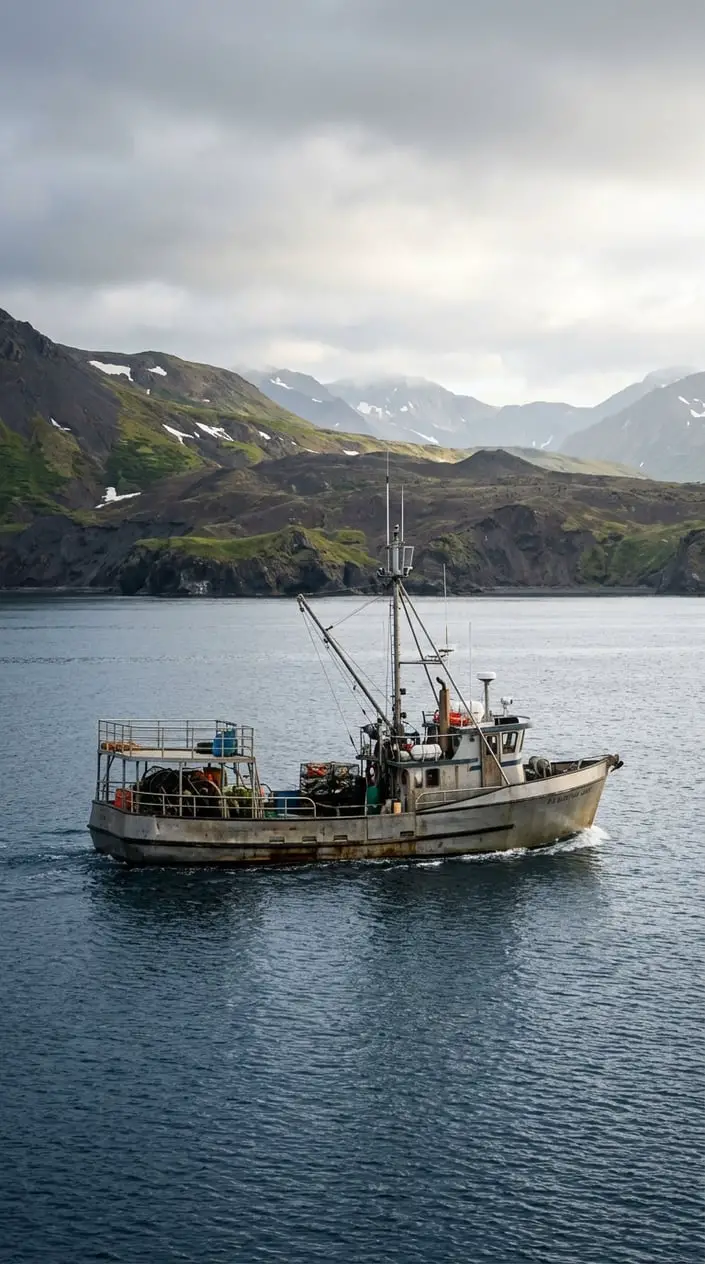
The Aleutian Lady stands out when you place it in context with the Aleutian coastline. That rugged shore gives your frame a sense of scale and location, while the boat adds a human working presence. Compose with the vessel in the lower part of the image if you want the landforms and sky to share the story.
On a clear day, side light brings out the texture of the coast and the boat’s hull. In overcast weather, look for a break in the clouds that brightens one section of water. A longer lens helps compress the boat and shoreline into a tighter composition, while a wider view emphasizes the distance between them. Keep the horizon level, especially when the boat is moving through rolling water.
6) F/V Saga
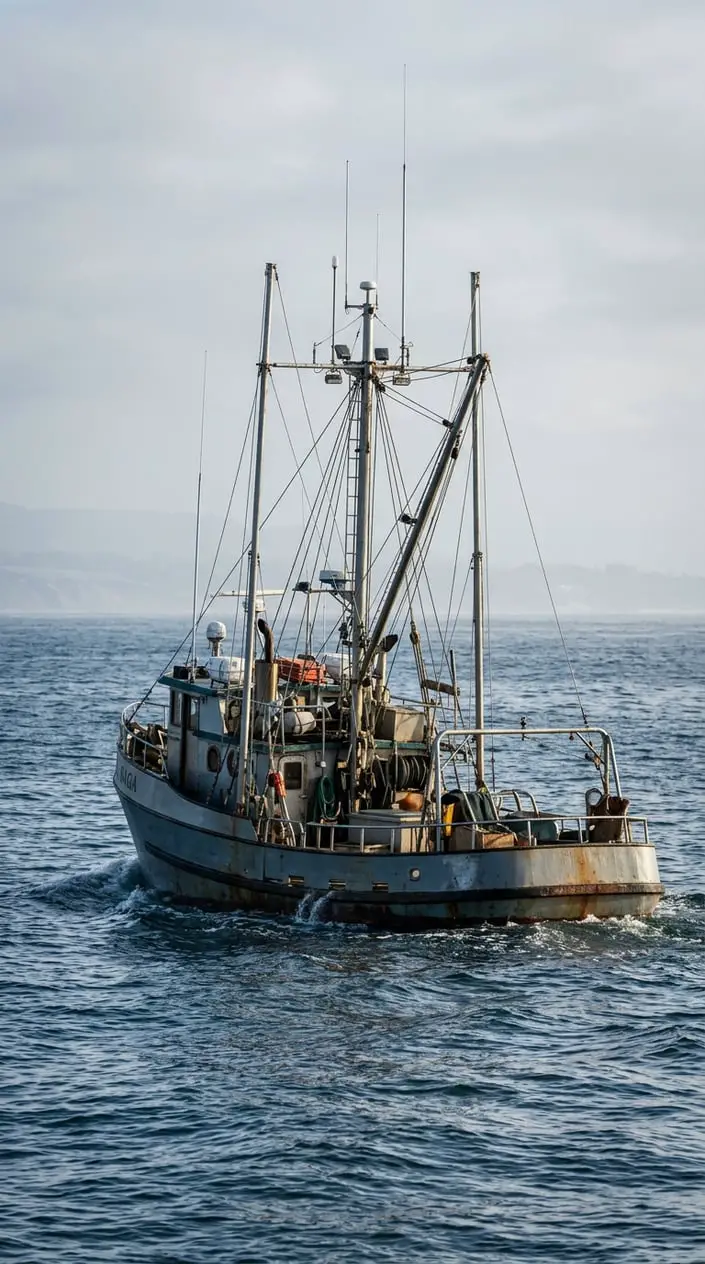
The Saga gives you a clean subject for open-water compositions. With fewer shoreline details in the frame, the boat’s outline and position become the main visual cues. Try placing it off center and leaving open water in the direction it is traveling; that space helps convey movement.
A polarizing filter can reduce glare on the water when the light is bright, while a faster shutter helps keep the hull crisp in rough conditions. For a more graphic result, expose for the sky and let the boat appear darker against it. You can also wait for a shift in cloud cover to bring out contrast in the waves. If you’re photographing from another vessel, follow the operator’s safety guidance and keep your camera secure.
7) F/V Summer Bay
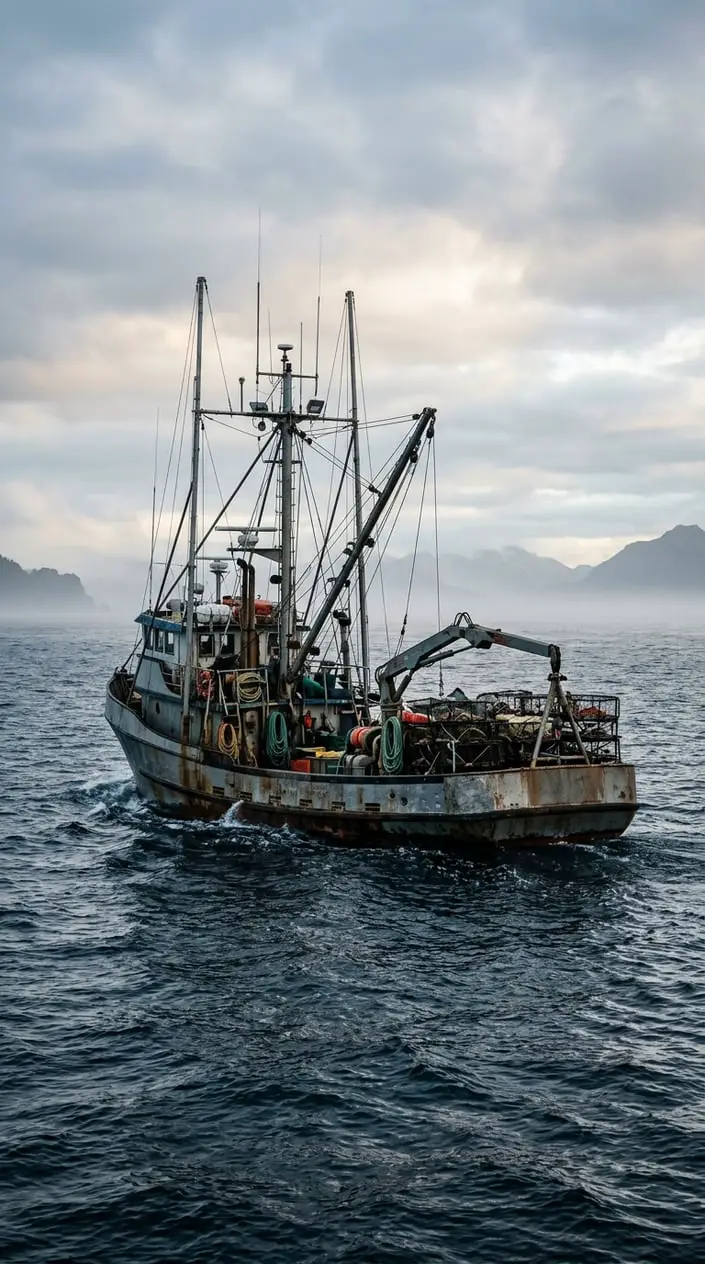
The Summer Bay works well in photographs that emphasize scale and open space. Its profile gives your eye a clear point of focus, while the broad ocean keeps the composition simple. A low shooting angle can make the hull feel more imposing, as long as you use a safe, stable viewpoint.
When the sky is bright, expose carefully so cloud detail stays visible around the vessel. If the sea is calm, reflections can add a second shape beneath the boat; if waves break across the foreground, they bring texture and motion. A medium telephoto lens helps you isolate the boat without losing the surrounding conditions. For a stronger sense of direction, wait until the vessel’s bow points into open water.
8) F/V Patricia Lee
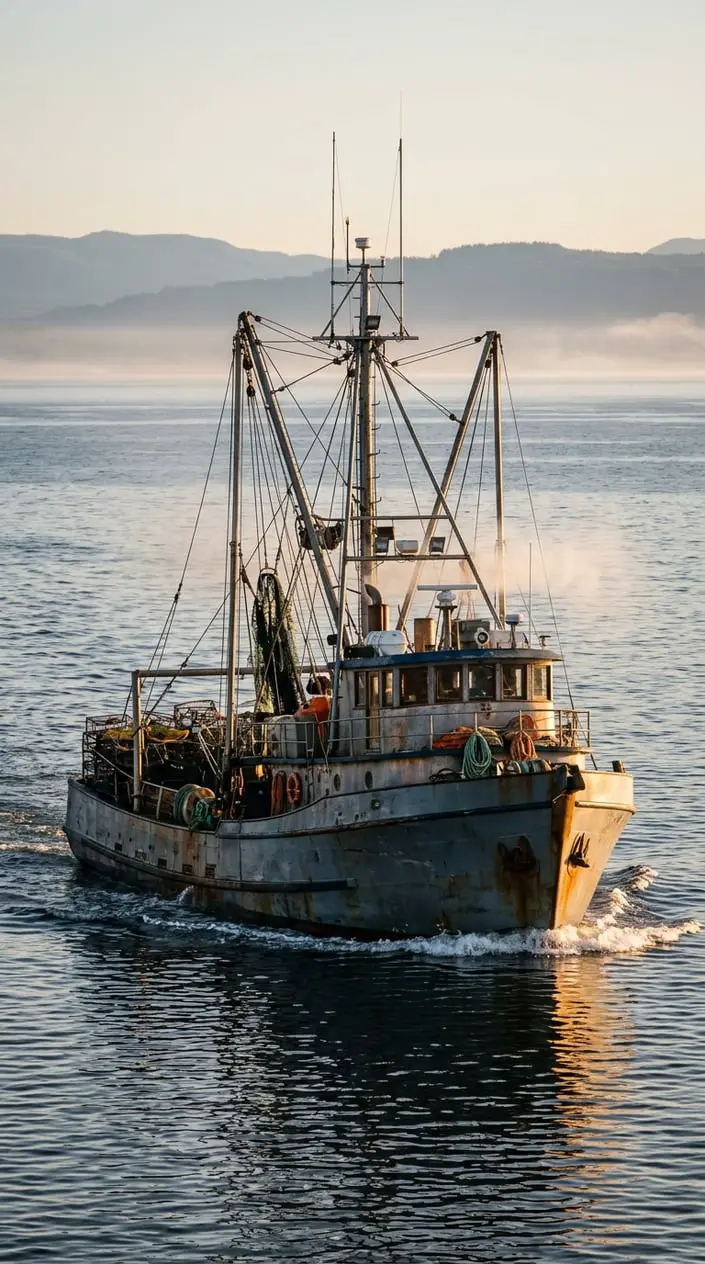
The Patricia Lee is a natural fit for calmer coastal photographs, where you can include both the boat and a distant shoreline. That extra context gives your image depth, with the vessel anchoring the foreground or middle distance. Try framing through a harbor opening or between shoreline features to create a sense of place.
Soft morning or evening light can bring gentle color to the water and hull. If reflections are visible, leave enough space below the boat to include them without crowding the frame. A longer lens can make the distant shore feel closer, while a wider lens keeps more of the coastal setting visible. Watch the boat’s direction and leave open space ahead of its bow.
9) The Edrie of Lituya Bay
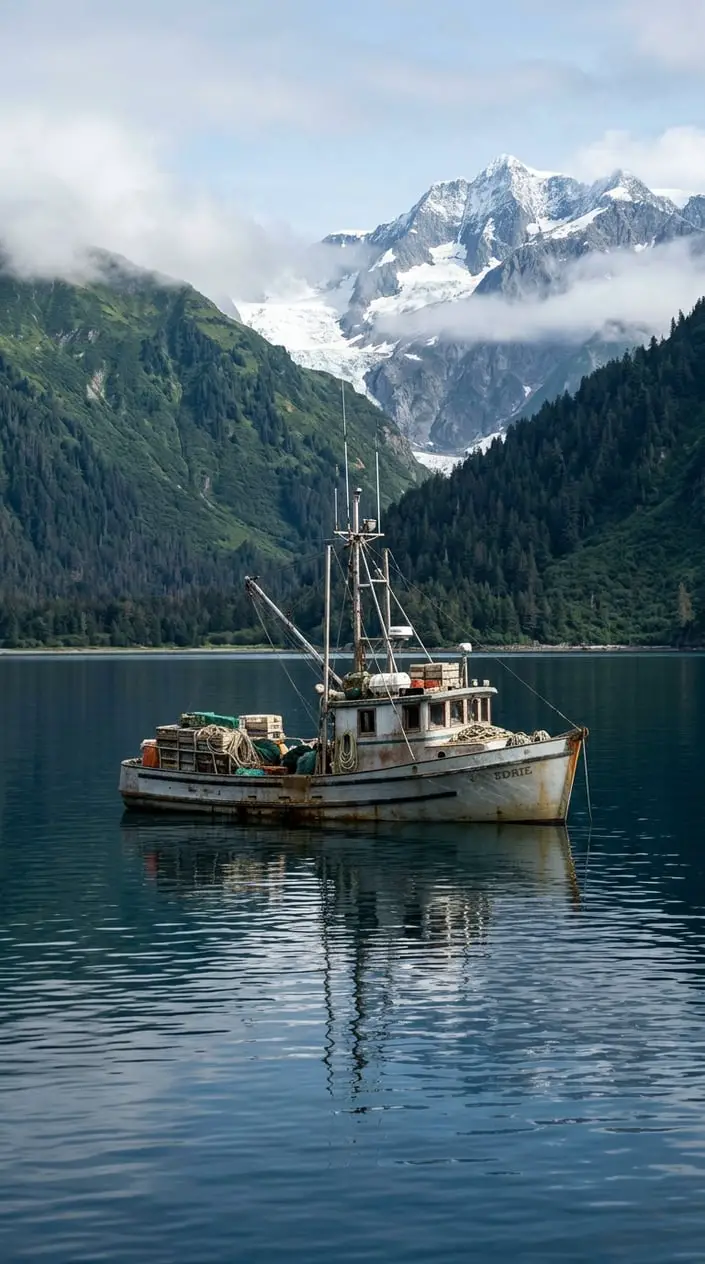
The Edrie connects a working fishing boat with one of Alaska’s most dramatic maritime histories. In 1958, it survived the Lituya Bay megatsunami after an earthquake triggered a huge wave in the steep-sided bay.
That history gives photographs of the vessel a powerful sense of place, especially when the forested slopes and sheltered water appear in the frame. For a respectful image, focus on the boat and landscape rather than treating the disaster as spectacle.
A wide composition can show the narrow bay and surrounding mountains, while a closer view brings attention to the vessel’s silhouette. If you visit the area, follow local safety guidance and stay clear of hazards along the water. The bay’s setting is beautiful, yet its history calls for care.