
Last Updated on November 12, 2026
These 13 boats stand out as floating works of art through distinctive hull shapes, inventive sailing systems, and details that reward a closer look.
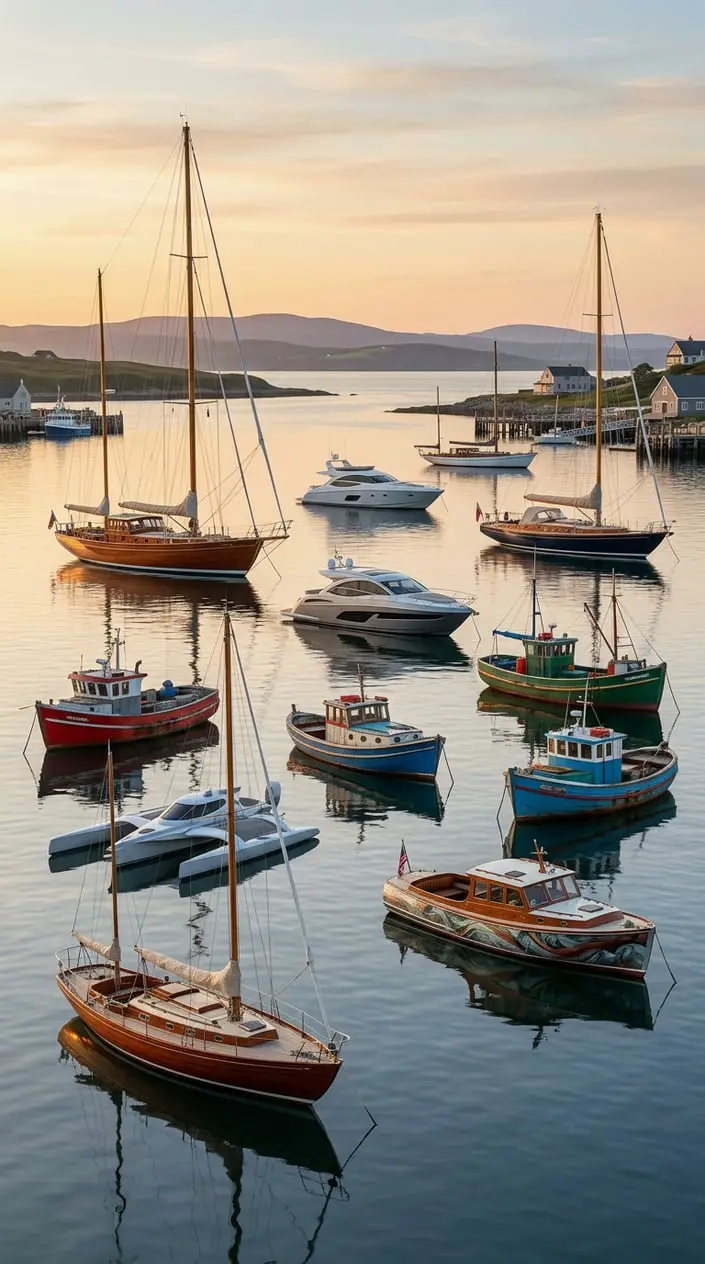
You can see art in the sweep of a wooden runabout, the height of a sailing yacht’s masts, or the way a hull meets the water. Each vessel here brings its own mix of design, craftsmanship, and history, giving you plenty to admire from a dock or a shoreline.
1) Riva Aquarama
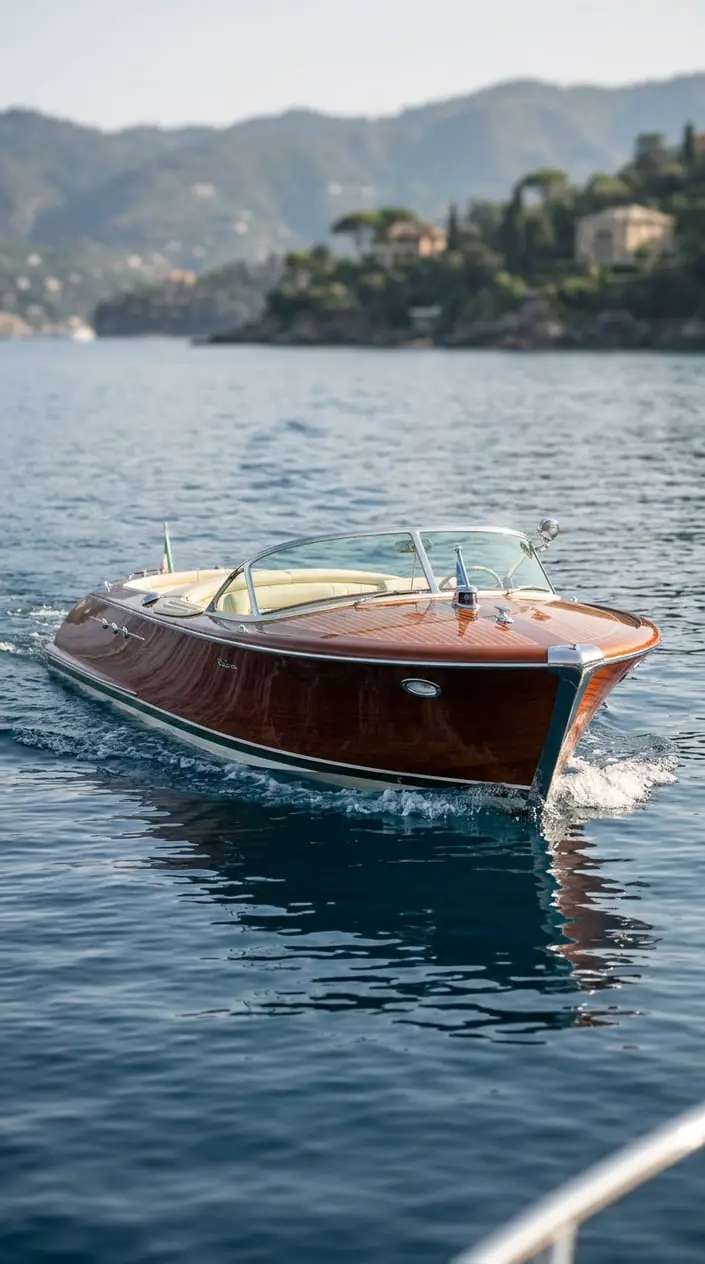
For a classic expression of Italian boat design, look to this mahogany runabout and its long, low profile. Built from the 1960s onward, it pairs polished wood with bright chrome fittings and a tapered hull that looks graceful at speed.
The open cockpit gives you a clear view of the craftsmanship, from the carefully fitted deck planks to the rich upholstery. Twin engines gave the boat brisk performance for its time, while the broad sun pad added a relaxed touch.
Those details help explain why you still spot this style in harbors and at classic-boat gatherings. If you admire it in person, notice how the wood grain follows the deck’s shape and draws your eye toward the bow.
2) Wallypower 118
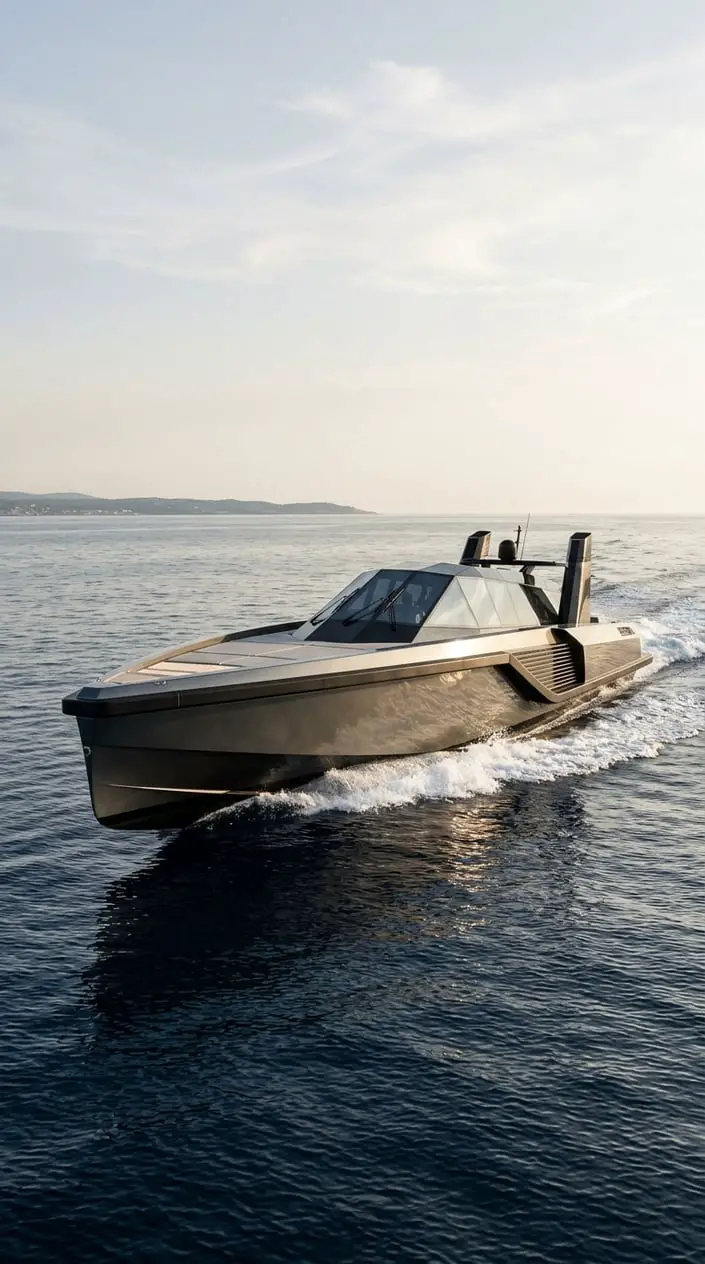
This 118-foot power yacht turns sharp geometry and dark glass into a striking modern silhouette. Its low, angular hull and steeply raked surfaces give you the impression of a vessel shaped for speed, even at rest.
The wide bow and sculptural superstructure make the design feel closer to contemporary architecture than to a traditional cruiser. Look along the sides to see how the windows blend into the dark exterior, keeping the profile clean.
The vessel was designed by Wally founder Luca Bassani, whose work favors simple forms and bold proportions. For you, the visual appeal comes from the balance between the long hull and the compact-looking upper deck, with each line leading toward the pointed bow.
3) Maltese Falcon
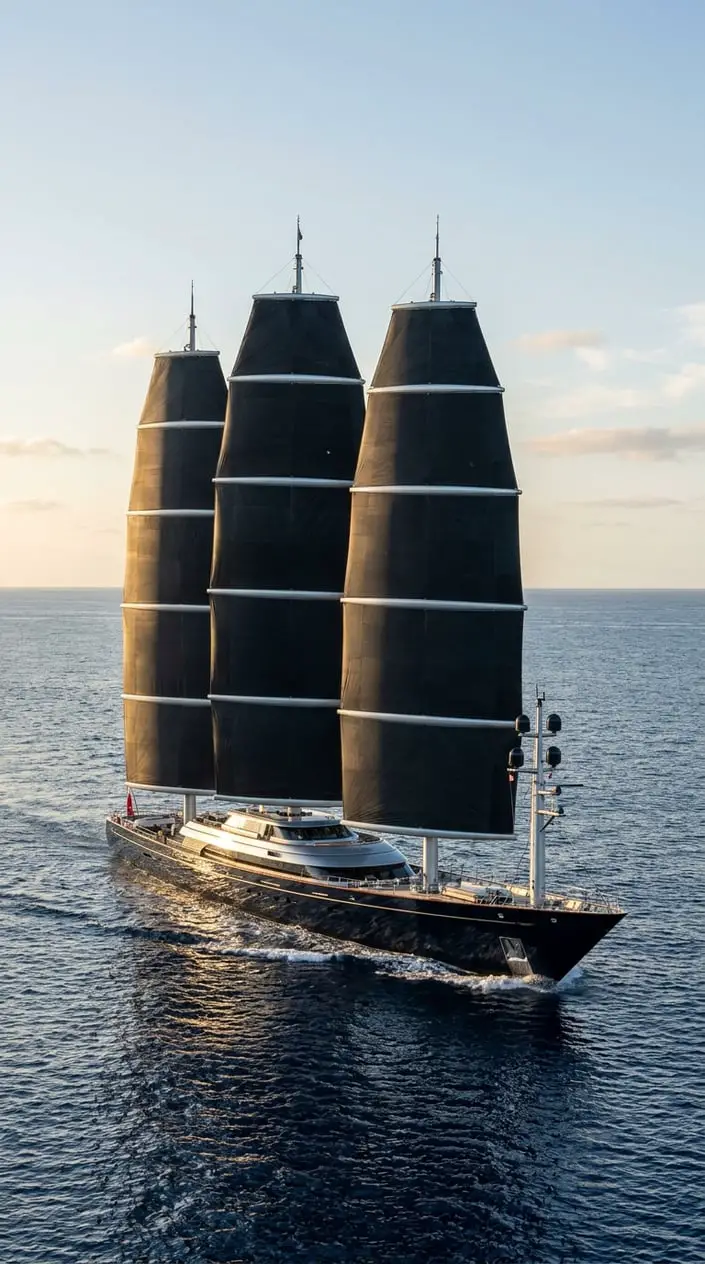
With three towering masts and a distinctive sail system, this yacht makes its engineering part of its beauty. Its DynaRig uses rotating masts and square sails that deploy from within the spars, creating a broad, clean wall of canvas when raised.
From the water, you can see how the rig’s straight lines contrast with the curved hull. At 88 meters long, the vessel has a scale that changes the way you read its details.
The dark hull gives the pale sails a crisp outline, while the uncluttered deck keeps attention on the rig. If you get the chance to see it under sail, watch how the masts turn to catch the wind and the sails open in sequence.
4) Christina O
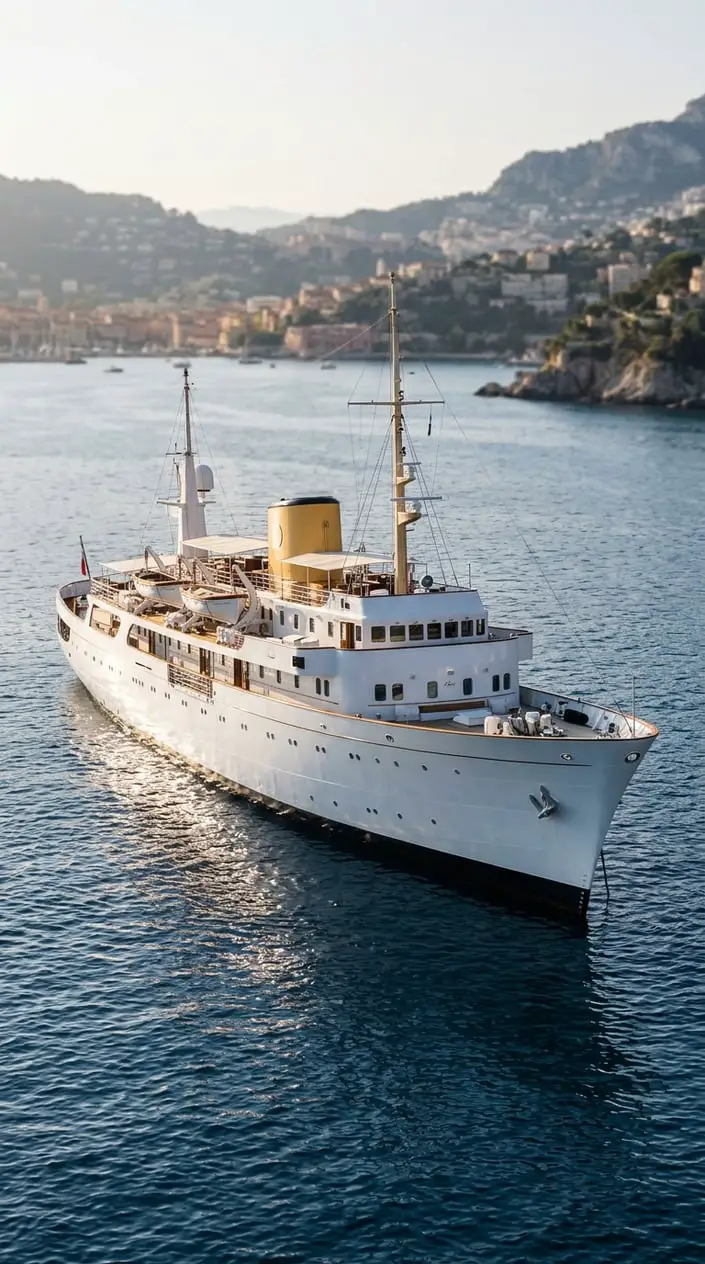
This celebrated yacht combines a working ship’s sturdy shape with the elegance of a grand private vessel. It began life as a Canadian anti-submarine frigate before Greek shipping magnate Aristotle Onassis commissioned its conversion in the late 1940s.
That history gives you a clear contrast between its military origins and its later role as a place for high-profile guests. The famous pool features a mosaic of the Minoan bull-leaper, and its floor can rise to turn the space into a dance floor.
You can also spot mid-century design touches across the interior, where rich materials lend warmth to the long ship. When viewing it from shore, take in the tall white hull and the many windows along its decks.
5) Venus
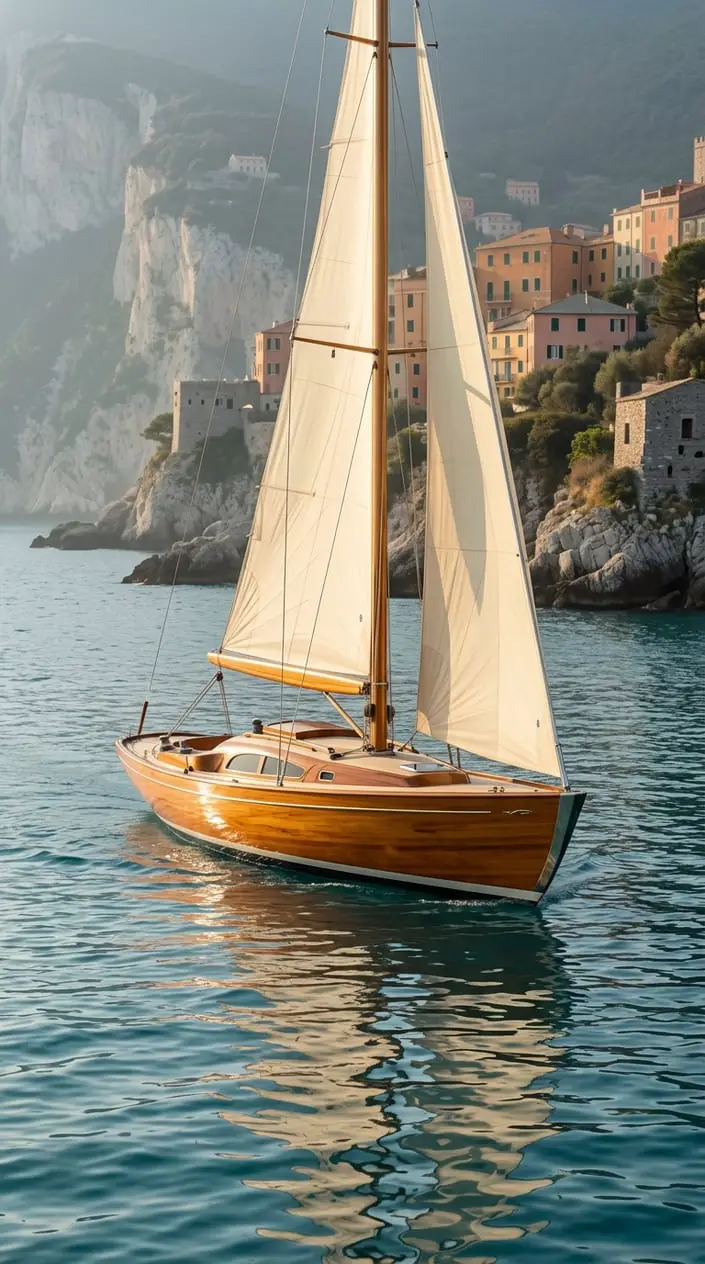
Designed with a spare, modern look, this 78-meter yacht gives you a study in clean lines and restrained detail. The late Apple co-founder Steve Jobs commissioned it, and designer Philippe Starck shaped its minimalist profile.
Its aluminum hull and broad windows create a smooth, continuous form that stands apart from yachts with ornate rails and layered decoration. The long deck stretches toward a gently sloped bow, while the white exterior keeps the outline simple against the sea.
Look closely and you’ll notice that the windows do much of the visual work, adding dark bands across the bright hull. Its streamlined appearance reflects an approach to design that values proportion and carefully placed features, giving you a memorable silhouette from nearly every angle.
6) Black Pearl
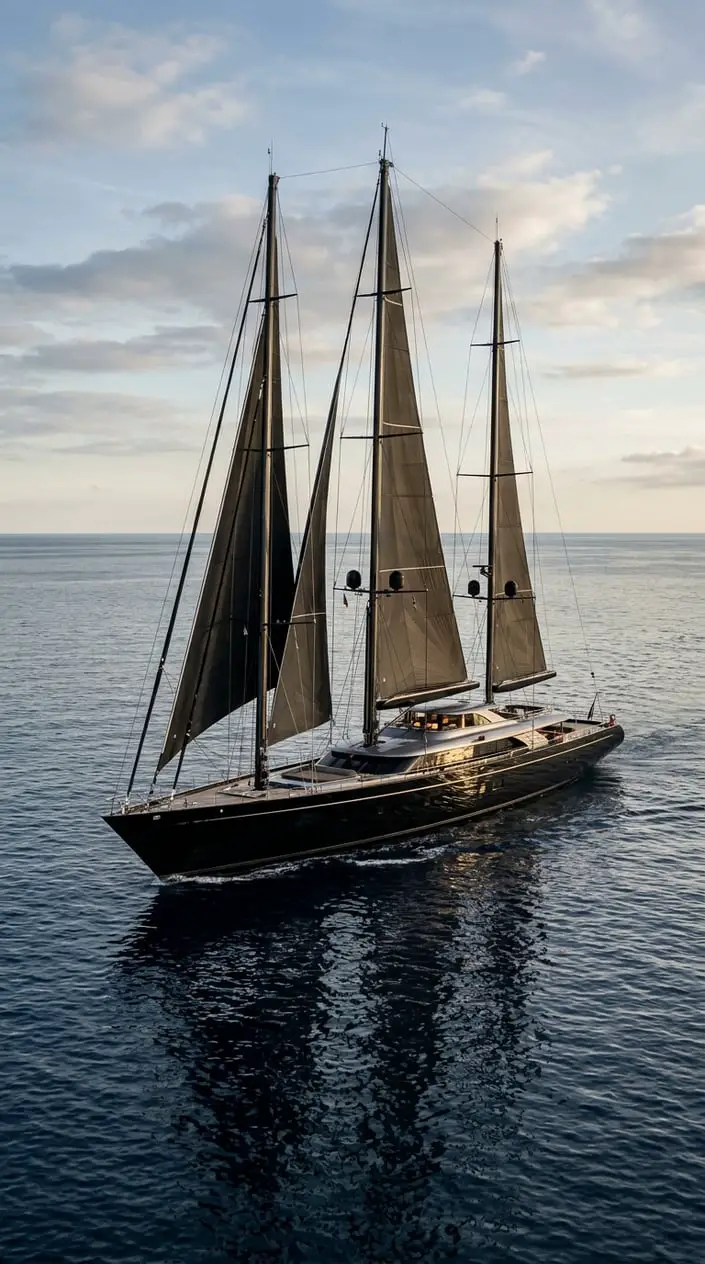
This 106.7-meter sailing yacht pairs a dark hull with a three-mast rig built for large-scale sailing. Its DynaRig system uses rotating carbon-fiber masts and square sails, creating a striking shape when the canvas is unfurled.
From a distance, you can follow the contrast between the deep hull and the tall, pale sails. The yacht’s scale gives its profile a strong presence, while its clean deck lines keep the design from feeling crowded.
Its sailing system also supports a focus on efficient wind power, with energy-saving technology incorporated into the vessel. When you see it under sail, notice how the broad sail area changes the yacht’s appearance and how the masts form a sharp pattern against the sky.
7) Koru
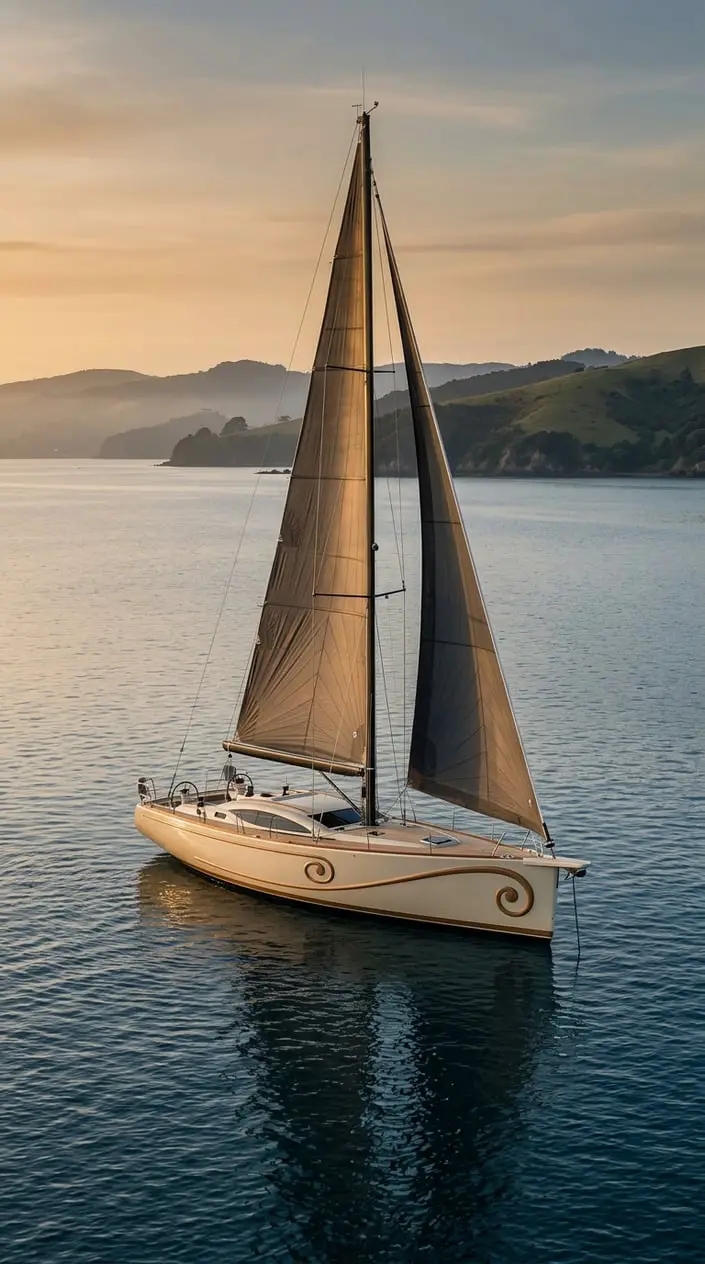
Koru makes a dramatic impression with its great length, three masts, and sculpted wooden figurehead. Built by Oceanco, the 127-meter sailing yacht has a deep blue hull and a tall rig that gives you a sense of its scale even from far away.
Its name comes from a Māori symbol associated with new life and growth. The figurehead at the bow adds a personal detail to an otherwise imposing design.
You can also see the contrast between the classic idea of a sailing ship and the yacht’s modern construction. Its broad decks and high masts create a profile that changes as you move along the shore. Look at the bow to catch the carved figure, then trace the lines upward to the rig.
8) Sailing Yacht A
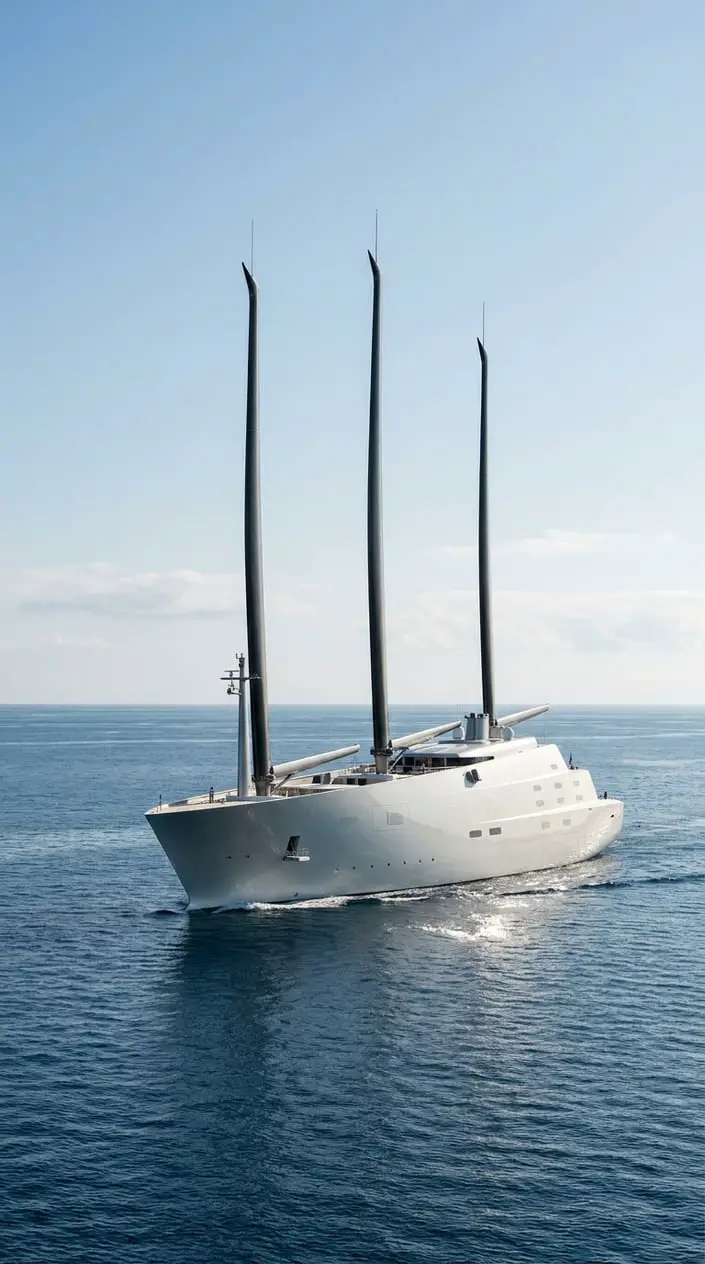
At 142.8 meters, this yacht stands out for its immense scale and three smooth, carbon-fiber masts. Philippe Starck designed its sweeping white hull and unusual bow, which slopes upward into a sharp point.
The tall masts rise above the deck like sculpted towers, giving you an unmistakable profile on the water. Automated sailing systems help manage the large rig, while the enclosed bridge keeps the superstructure sleek.
You can follow the yacht’s long, uninterrupted lines from the bow to the stern, with dark windows adding contrast to the pale exterior. Its proportions challenge the familiar shape of a sailboat, yet the sails and masts make its purpose clear at a glance.
9) Eilean
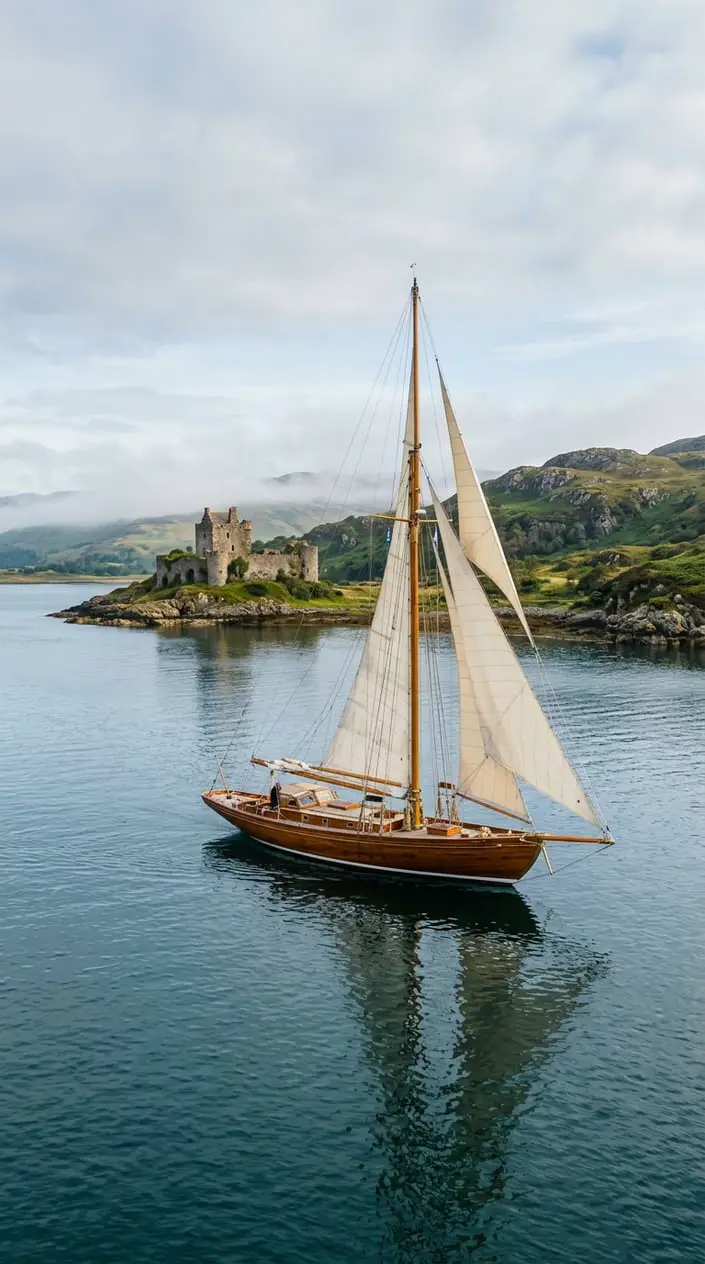
This 1936 sailing yacht carries the warmth of classic woodwork and the graceful lines of a traditional cutter. Designed by William Fife III, it features a long, low hull and a tall mast that gives its profile an elegant lift.
The wooden deck and carefully restored fittings invite you to look beyond its outline and notice the work in each detail. The yacht spent years away from the water before a major restoration brought it back to sailing condition.
Italian watchmaker Panerai supported that project, reflecting the boat’s close ties to classic design. From a dock, look for the balance between its narrow hull and generous sail plan. Its crisp rigging and rich wood tones give you a sense of its age without hiding its fresh finish.
10) Endeavour
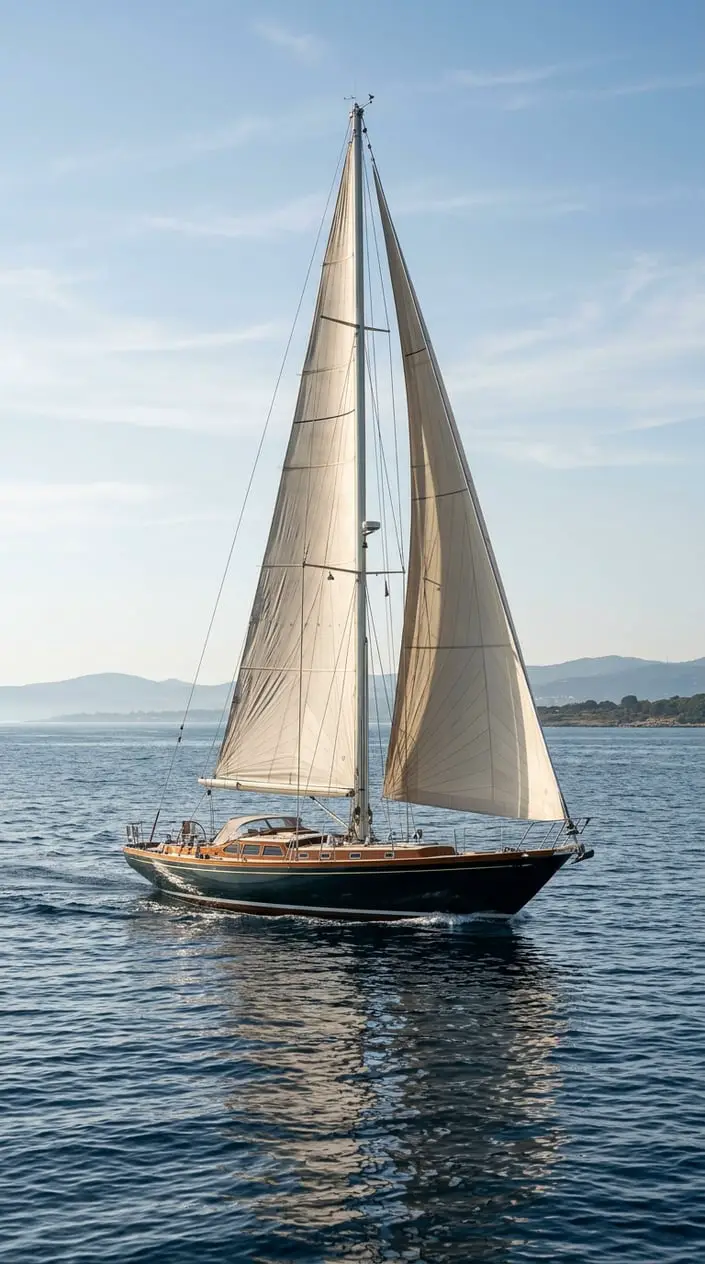
Built for the America’s Cup, this J-class yacht brings racing history together with a refined, elongated shape. British aviation pioneer Thomas Sopwith commissioned it for the 1934 competition.
Its long hull, low deck, and towering mast create a profile that feels both powerful and graceful. The J-class design gives you plenty to study: a narrow waterline, a sweeping bow, and a large sail plan built for speed.
The yacht has also undergone extensive restoration, preserving its classic character while returning it to active sailing. When you view it from the side, pay attention to the way the mast rises near the center of the hull and how the deck line flows into the stern.
11) Shamrock V
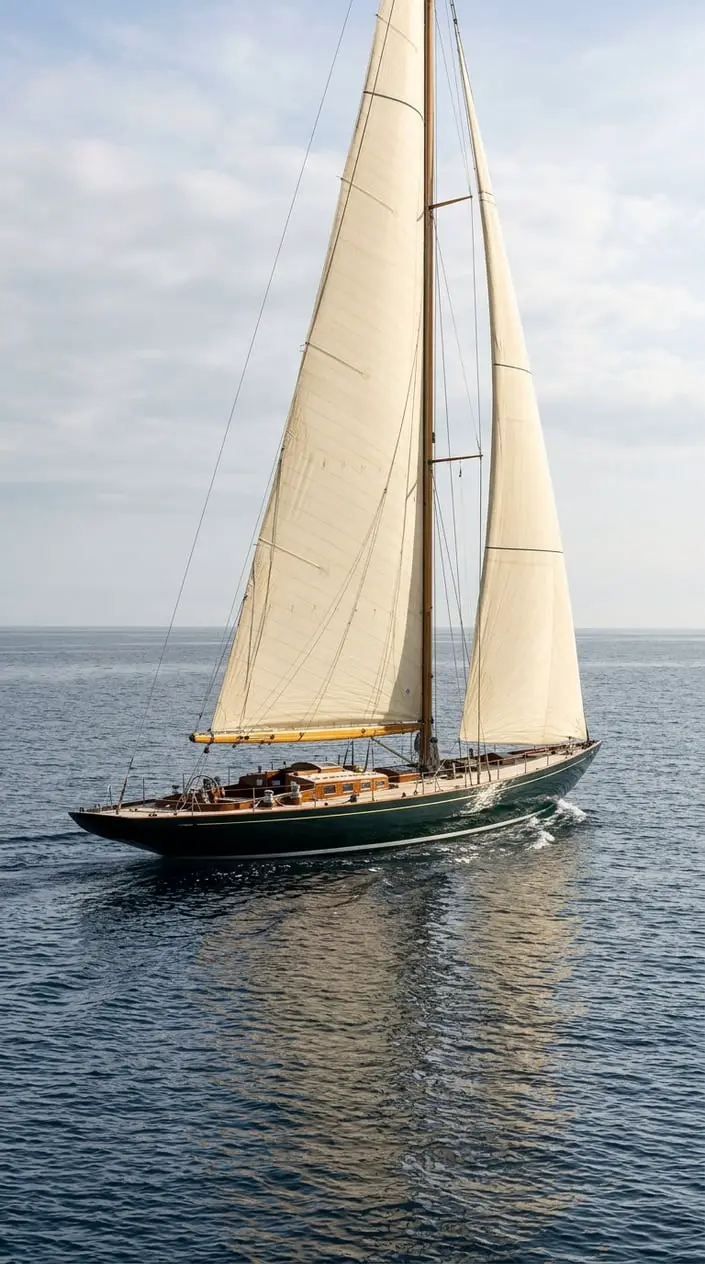
The green hull and cream-colored sails give this J-class yacht a distinctive look rooted in early 20th-century racing. Launched in 1930, it was built for Sir Thomas Lipton’s fifth America’s Cup challenge.
Its long, narrow form and high mast show the close link between racing performance and the elegant proportions of a classic yacht. The wooden hull adds a sense of craft to its smooth profile, while the pale sails stand out against the water.
You can appreciate the boat’s history in the details of its rig and deck, which preserve the feel of the era. Look along the hull to see how the deep green finish frames the boat’s long, low shape.
12) Moonbeam IV
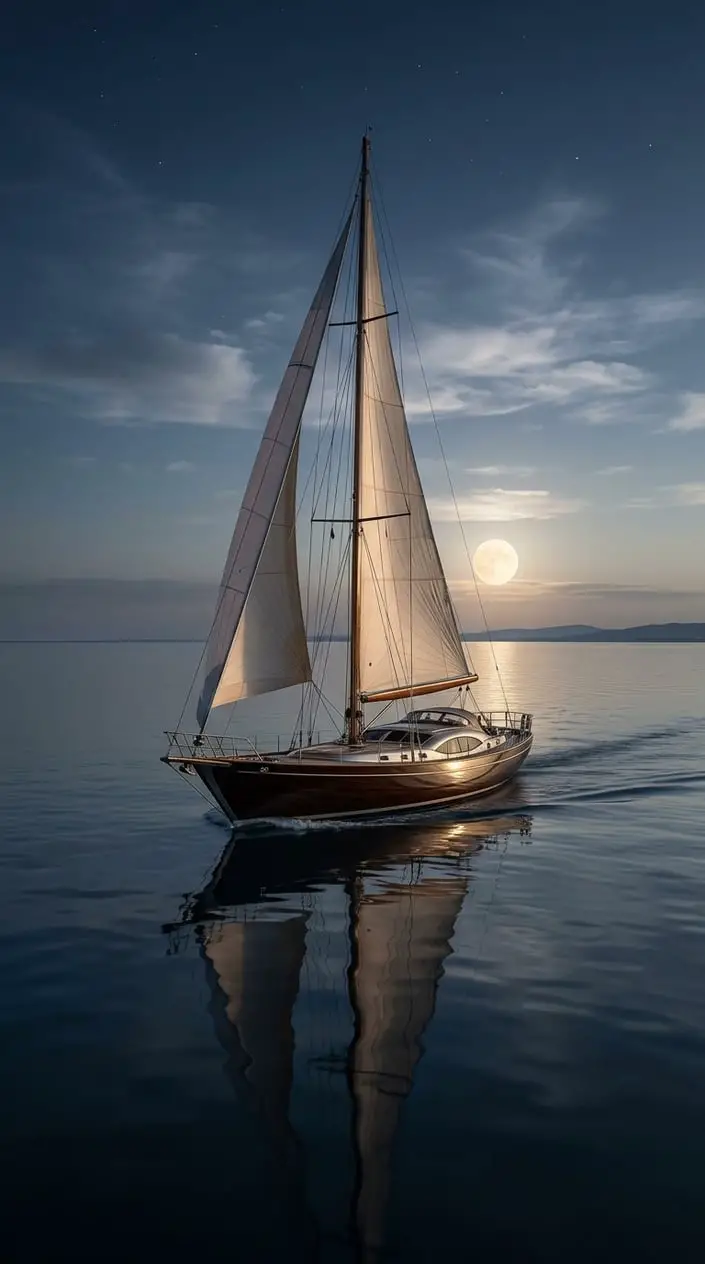
This 1914 sailing yacht shows how a classic gaff cutter can look graceful while carrying a practical sail plan. Designed by William Fife III, it has a long wooden hull and a tall rig with sails that give the boat a layered silhouette.
The design’s curves are easy to follow, from the raised bow to the tapering stern. Its heritage is part of the appeal, with decades of racing and restoration adding depth to its story.
You can see the care in the varnished wood and traditional fittings, which keep its early design language clear. When it is under sail, watch how the smaller headsails work with the main sail to create a balanced outline across the water.
13) Ticonderoga
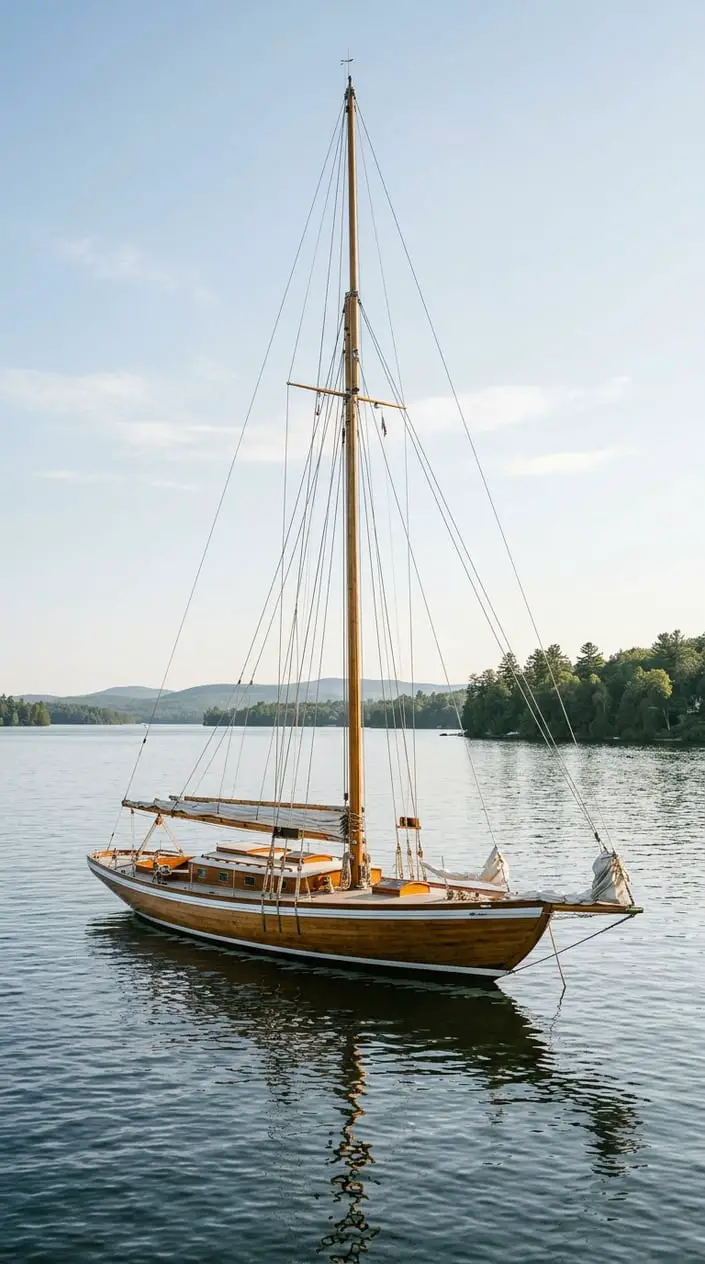
This 72-foot schooner pairs a handsome wooden hull with a rig designed for long-distance sailing. Naval architect L. Francis Herreshoff designed the vessel, which launched in 1936. Its long deck and two-mast profile give you a classic silhouette, while the hull’s substantial shape hints at the strength needed for ocean passages.
The schooner’s name recalls the historic Fort Ticonderoga in New York, adding an American note to its story. A range of sails gives the crew options for different wind conditions, and the deck layout keeps the rigging central to the boat’s appearance. From shore, notice how the two masts create a measured rhythm above the broad wooden hull.