
Last Updated on August 25, 2026
You want your car to look its best all summer without wasting time or money. This article shows simple setup ideas you can use at home to make washing easier, faster, and safer for your paint and wheels. You’ll learn practical ways to build a smart wash area and pick tools and supplies that cut work and protect your car.
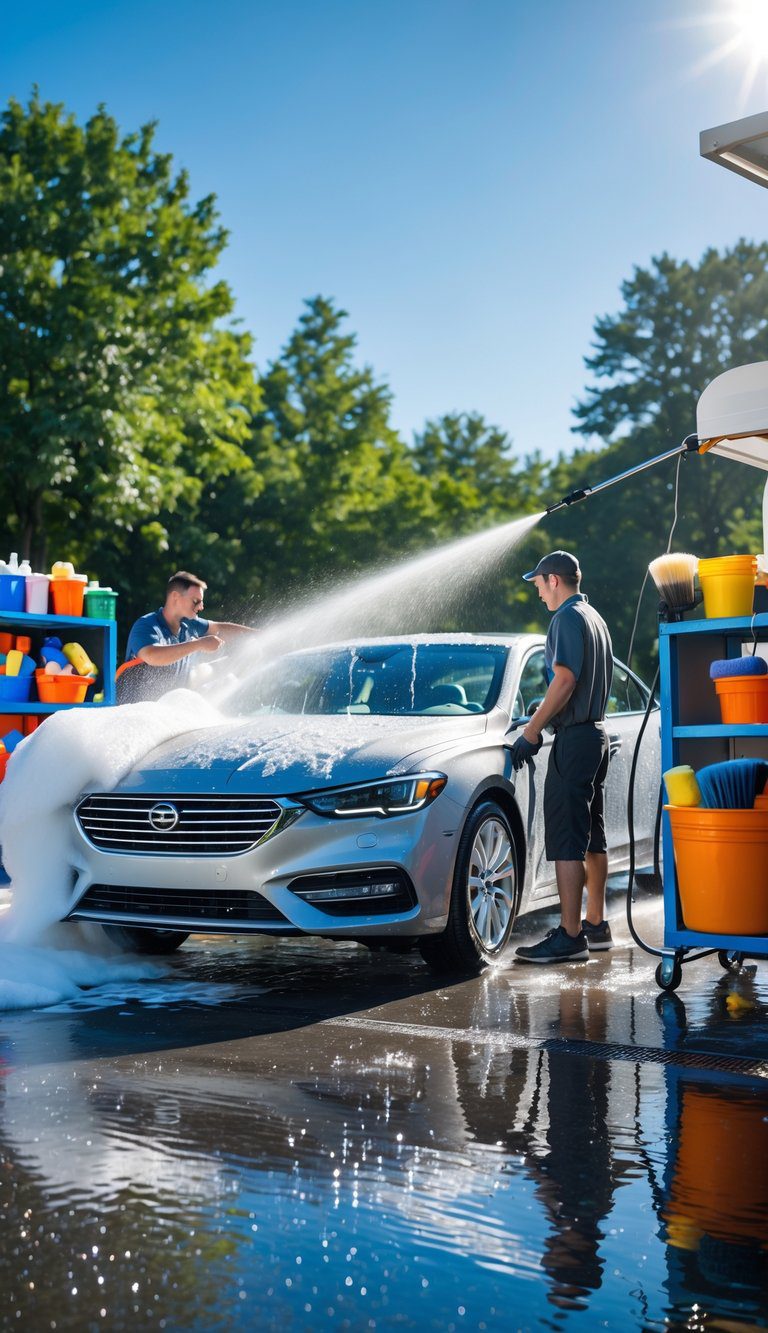
You’ll get tips on everything from setting up a driveway wash bay and using a pressure washer to choosing the right shampoo, mitts, and drying tools. Follow along to create a clean, efficient routine that fits your space and schedule.
1) Driveway Wash Bay with Permeable Pavers
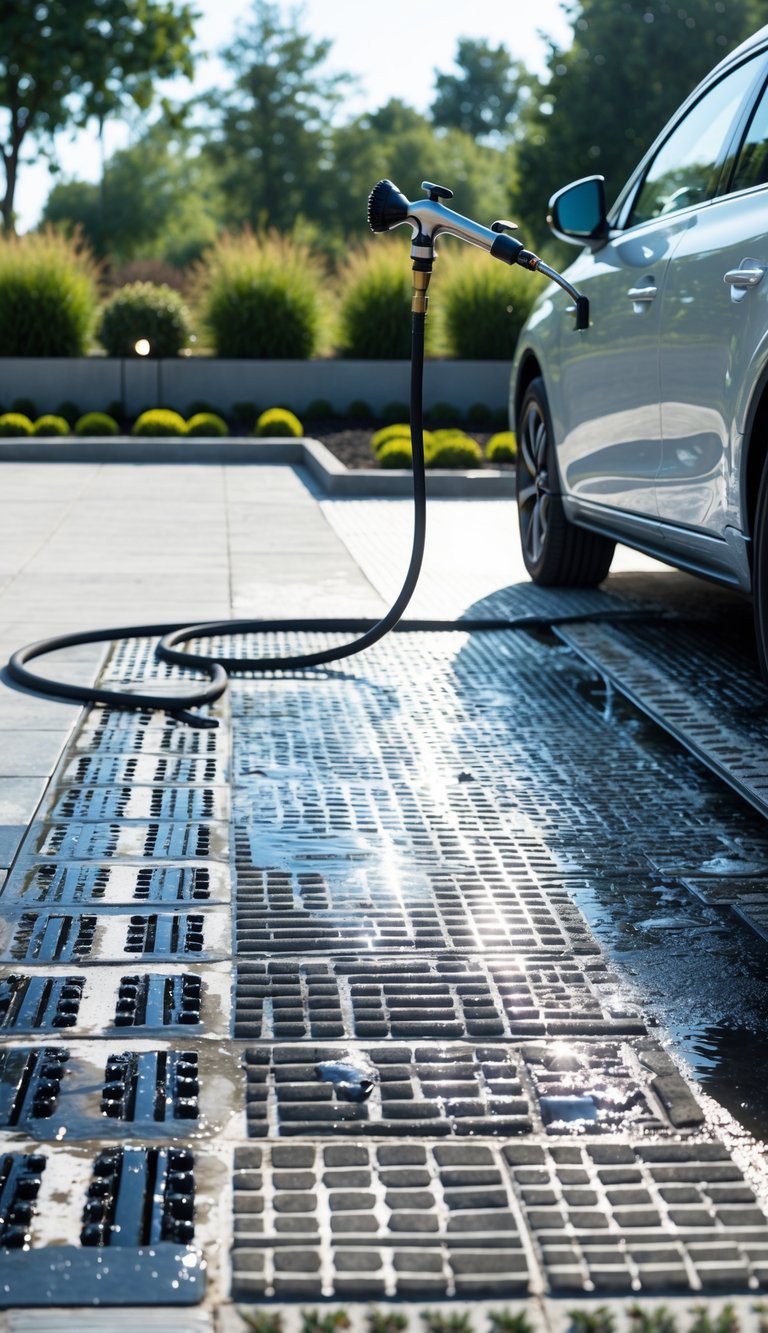
A driveway wash bay with permeable pavers lets water soak into the ground instead of running off. You can wash your car on a stable, attractive surface that drains well and cuts down on puddles.
Permeable pavers sit over a gravel bed that holds and filters water. This setup reduces surface runoff and helps manage stormwater near your home.
Place the wash area where the ground slopes away from buildings. Use a hose with a shutoff nozzle to save water and keep suds contained.
PRO TIP
Sweep debris from the joints regularly and refill joint material as needed. This keeps drainage working well and makes cleaning easier.
2) Pressure Washer
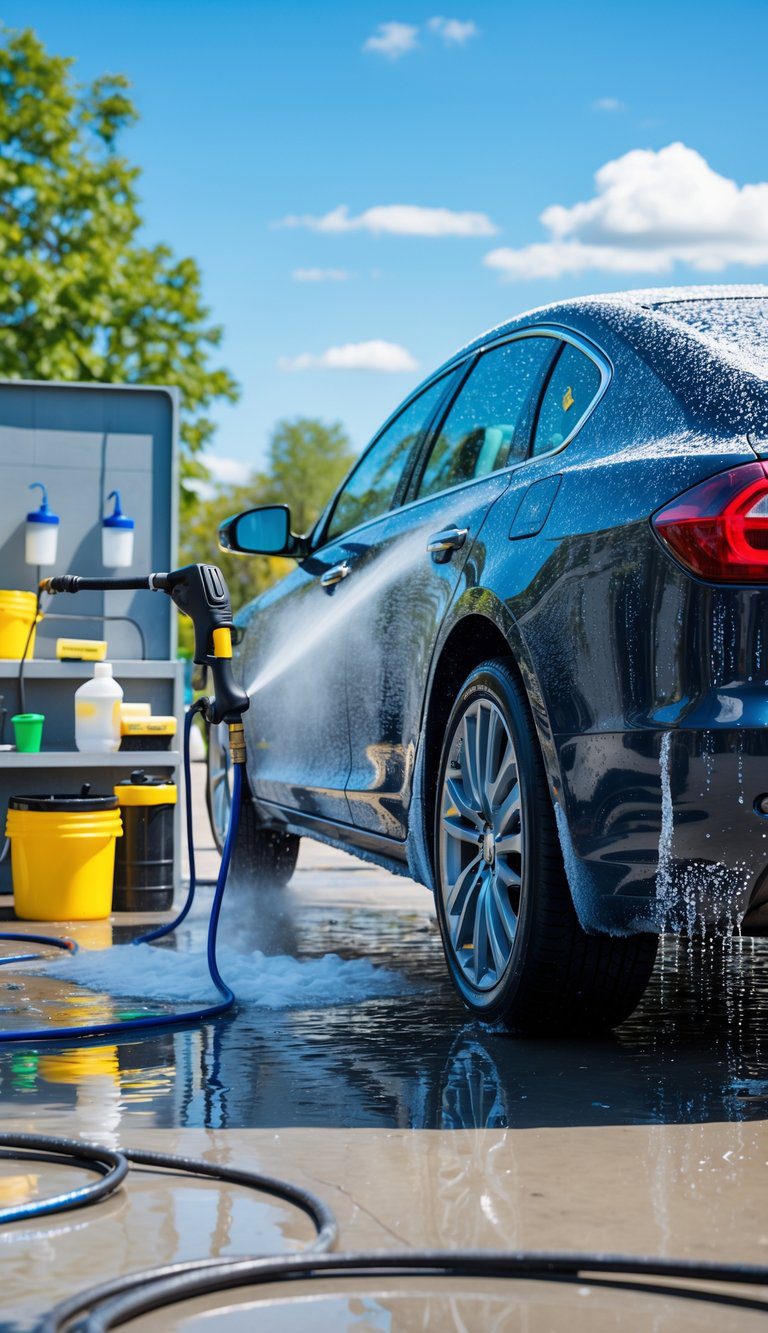
A pressure washer speeds up rinsing and lifts dirt you might miss with a bucket. Use a moderate pressure range to avoid damaging paint and trim.
Keep the nozzle wide and hold it at least a foot from the surface. Move the wand in smooth, overlapping passes to avoid streaks and concentrate on loose grime rather than stubborn spots.
Start with a pre-rinse, apply foam soap if you have it, then rinse again before drying. Watch wheel wells and lower panels closely; they trap grit that can scratch paint if rubbed.
PRO TIP
Test pressure on an inconspicuous spot first. If the paint shows any dulling or the trim feels loose, lower the pressure and increase distance.
3) Foam Cannon
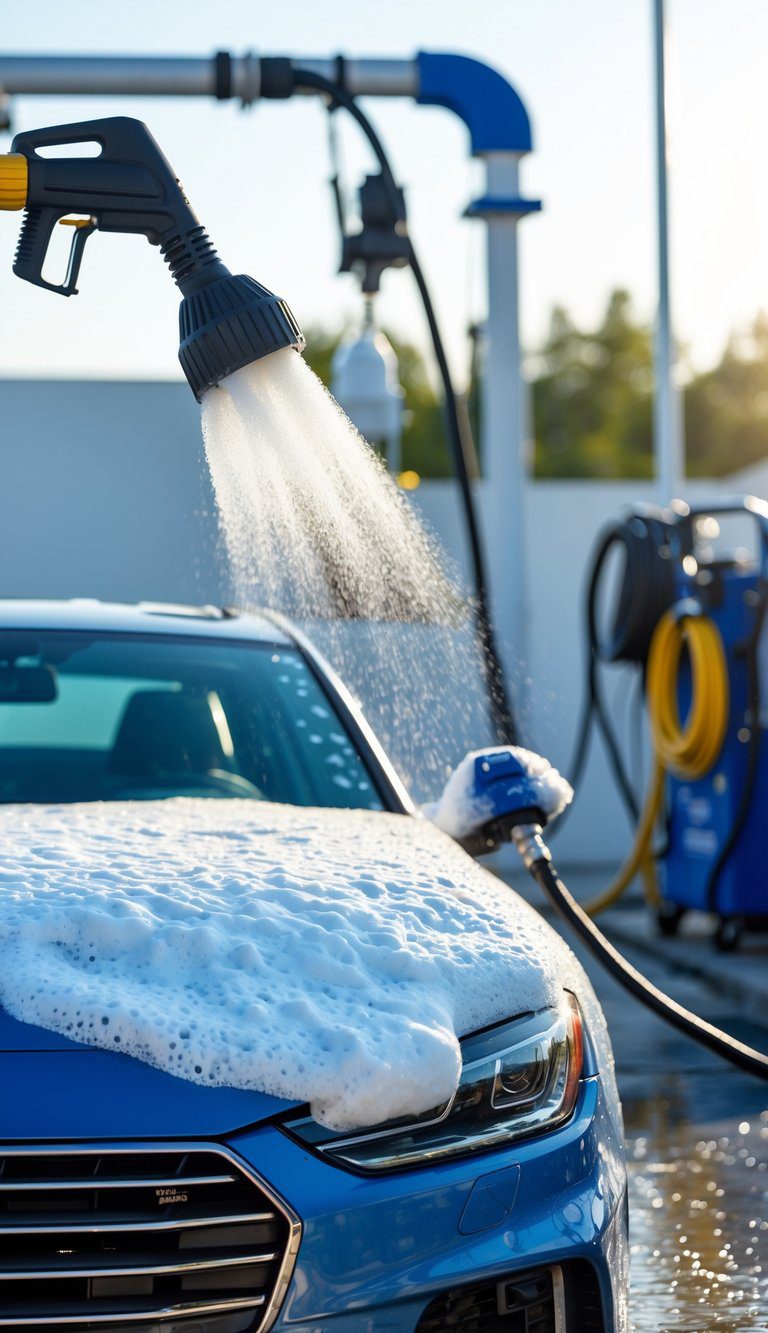
A foam cannon lets you cover your car in thick foam that lifts dirt before you touch the paint. You hook it to a pressure washer and spray suds that cling to surfaces, making rinsing easier and safer.
Mix the soap and water to the ratio the soap recommends, then test on a small area. Work from top to bottom and let the foam dwell for a few minutes, but don’t let it dry on the paint.
After foaming, rinse thoroughly and follow with a two-bucket hand wash if you want extra cleaning. Use soft mitts and gentle pressure to avoid swirls.
PRO TIP
Rinse the cannon and lines after each use to prevent clogging and keep foam performance consistent.
4) Two-Bucket Wash System with Grit Guards
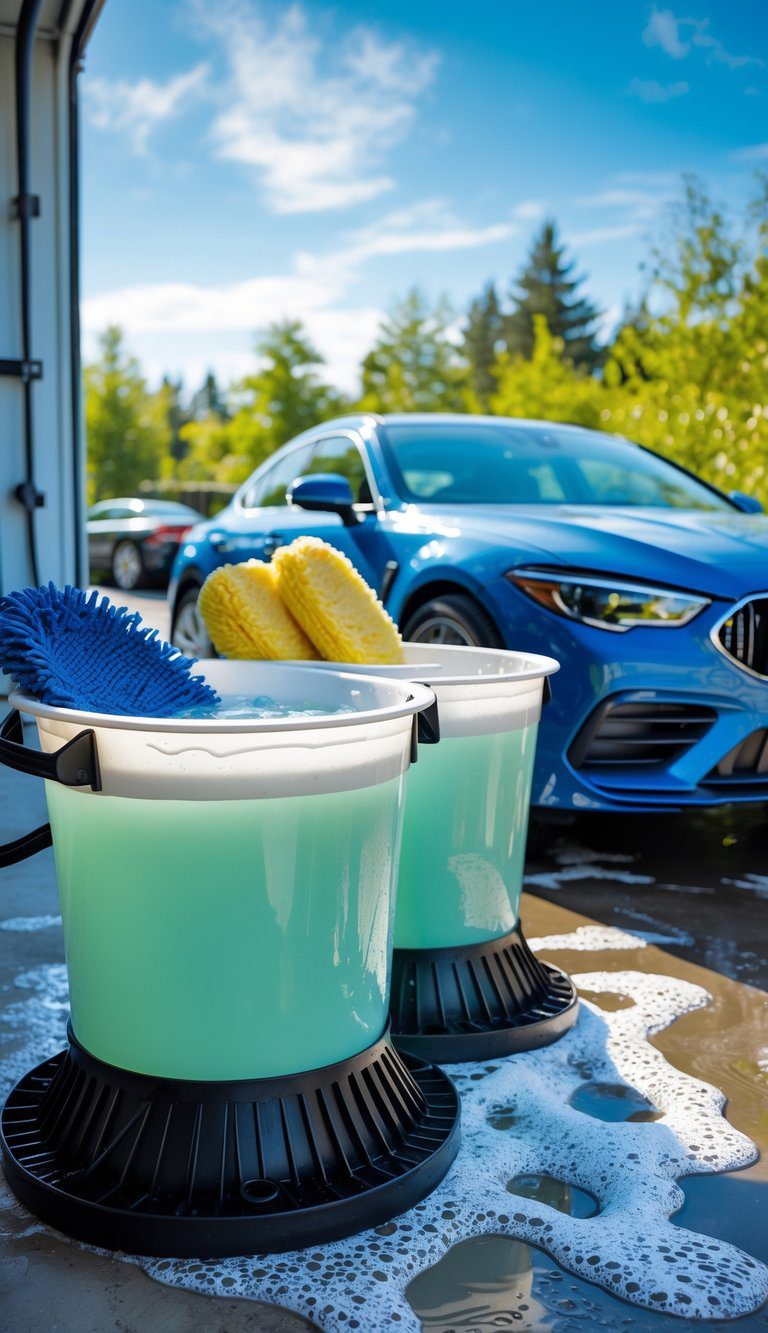
Use two buckets to keep your wash water cleaner and reduce scratches. One bucket holds soapy water for washing. The other holds rinse water to remove dirt from your mitt.
Place grit guards in the bottom of each bucket. They trap grit below the water line so it won’t resurface onto your wash tool. This simple step helps protect your paint.
Work one panel at a time and rinse the mitt in the rinse bucket before dunking back into soap. Change the water when it gets visibly dirty to keep results consistent.
PRO TIP
Wrap a microfiber towel around your wash mitt handle or use a washboard to scrub off stubborn grime before rinsing.
5) pH-Balanced Car Shampoo
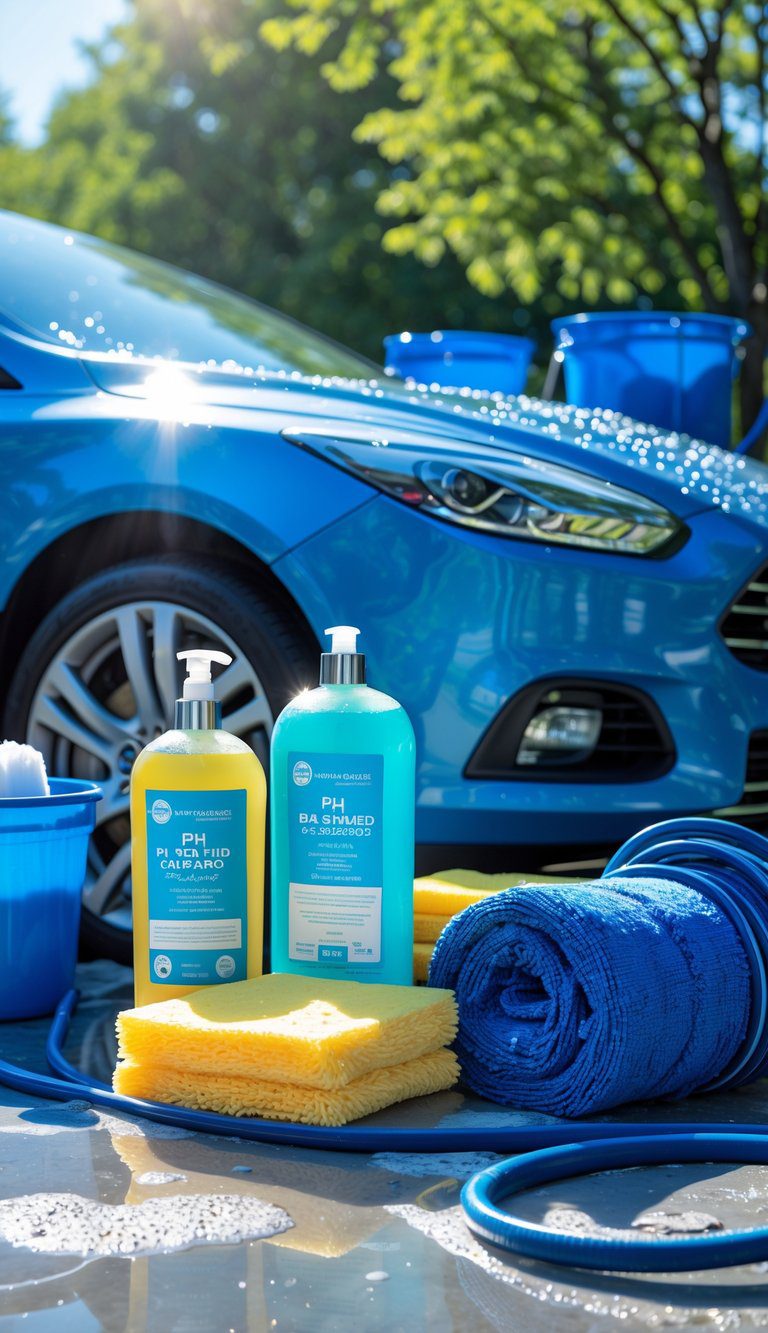
Using a pH-balanced car shampoo helps protect your car’s paint, wax, and sealants while cleaning dirt and grime. It gently lifts contaminants without stripping protective layers, so you can wash more often without damaging the finish.
These shampoos foam well and provide slick lubrication, which reduces the chance of swirls and scratches when you use a wash mitt. They work with buckets, foam cannons, or spray systems, giving you flexible washing options.
pH-balanced formulas are usually safe on trim, glass, and ceramic coatings too. Always dilute the shampoo according to the label and rinse thoroughly to avoid residue.
PRO TIP
Mix the shampoo in a dedicated wash bucket and use a grit guard to trap dirt at the bottom. Replace the wash mitt water frequently to keep grit off your paint.
6) Microfiber Wash Mitt
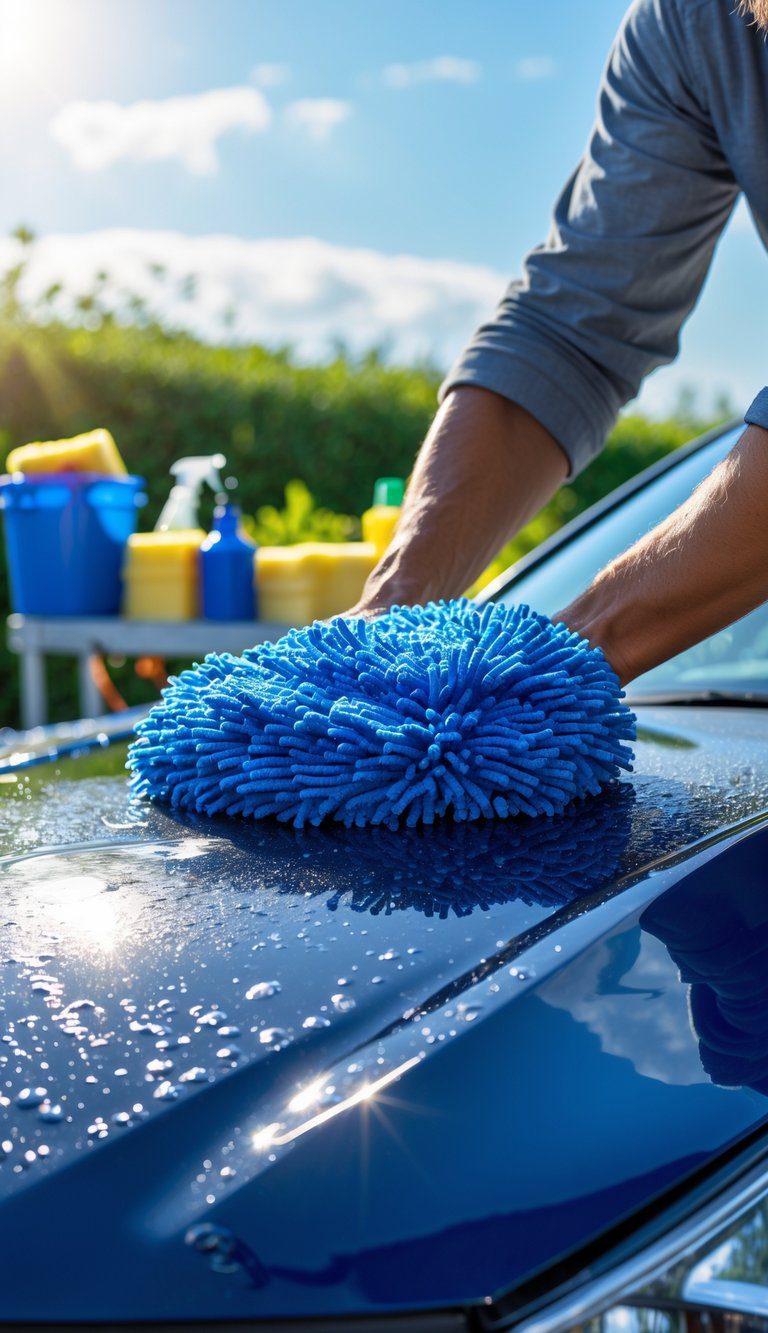
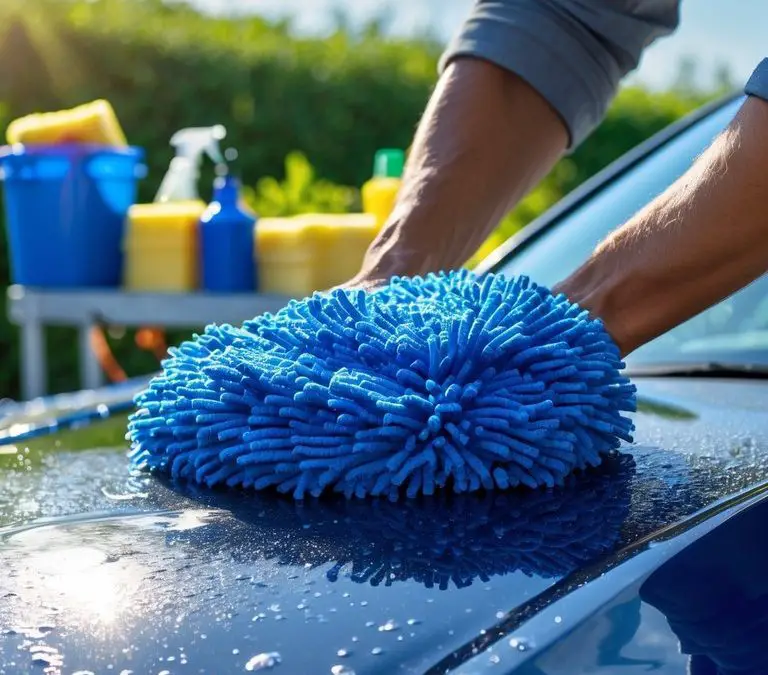
A microfiber wash mitt makes washing easier and safer for your paint. You slide it on like a glove, so you keep a good grip while lifting dirt away instead of pushing it across the surface.
Choose a plush, dense mitt with long fibers to hold lots of suds and trap grit. Rinse the mitt often in a separate bucket to avoid rubbing dirt back on the car.
Wash the mitt after use with mild detergent and air dry to keep fibers soft and lint-free. Replace it if fibers mat or if it starts leaving streaks.
PRO TIP
Use the two-bucket method: one for rinse water and one for soapy suds. This reduces swirl marks and keeps your mitt cleaner while you wash.
7) Quick-Detailer Spray
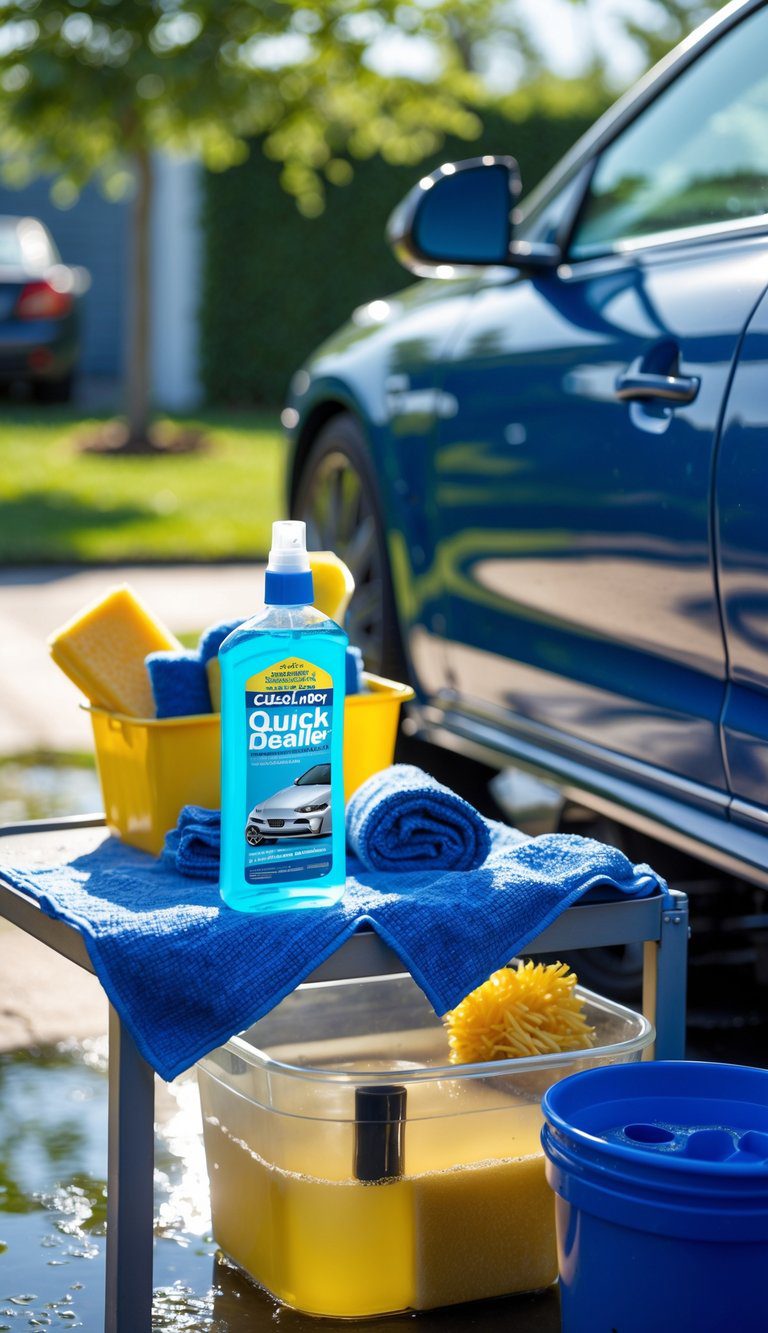
A quick-detailer spray helps you keep your car looking fresh between full washes. You can remove light dust, fingerprints, and small water spots in minutes with a spray and a clean microfiber towel.
Use it panel by panel and work from the top down. That way you avoid dragging dirt across paint and reduce the chance of swirls.
Quick-detailers also add a bit of lubrication, so wiping feels safer. They help maintain wax, sealant, or ceramic layers without a full reapplication.
PRO TIP
Always use a soft, clean microfiber towel and fold it into sections. If the surface looks gritty, wash first to prevent scratches.
8) Foam Brush Kit for Wheels
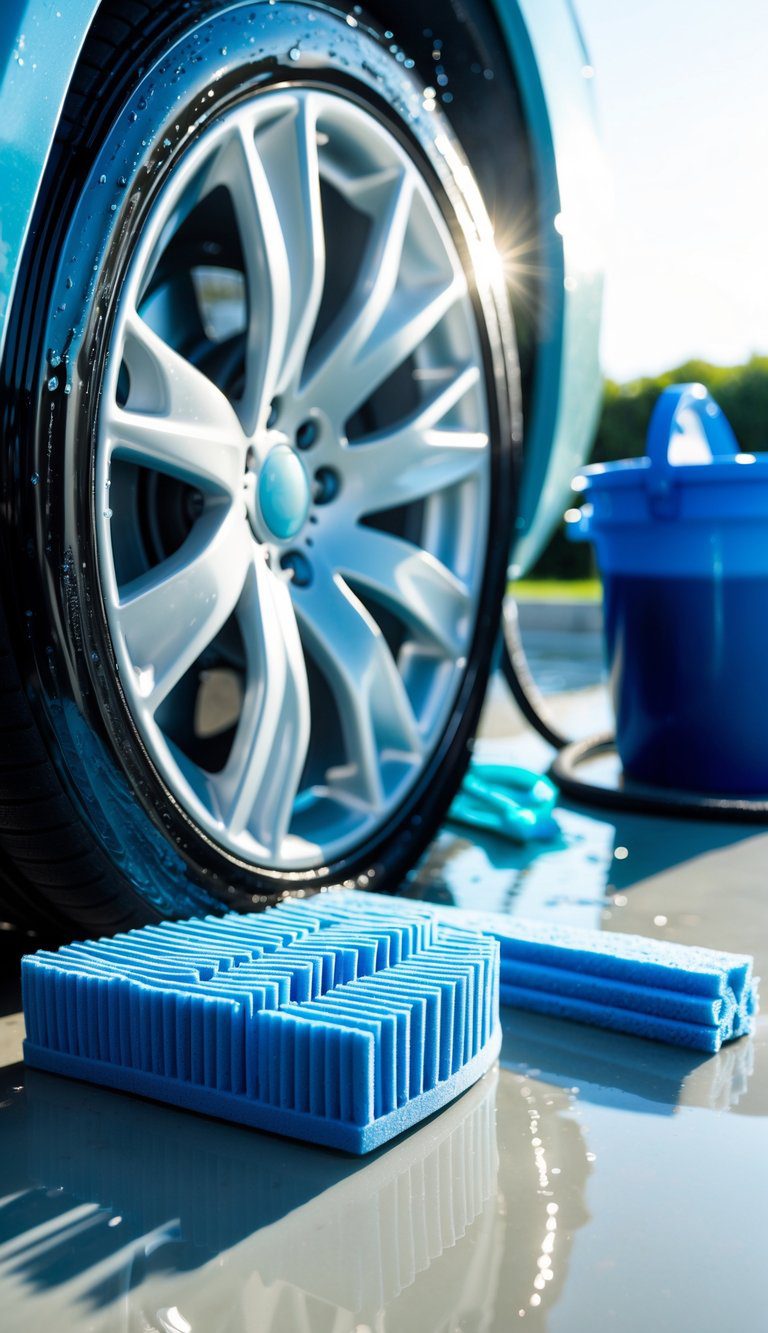
A foam brush kit helps you clean wheels without scratching the finish. You get different brush heads for rims, spokes, and tires so you can tackle tight spots and flat surfaces with the right tool.
Choose soft foam or chenille heads for painted rims and firmer bristles for dirty tires. The long handle keeps your hands away from grime and reach into deep barrels easily.
Kits often include replacement pads and a simple attachment system so you can swap heads fast. That saves time and keeps you working with clean, effective tools all summer.
PRO TIP
Rinse brushes after each use and let them dry to prevent grit buildup. Keep a separate brush for wheels and another for tires to avoid cross-contamination.
9) Soft-Blow Dryer
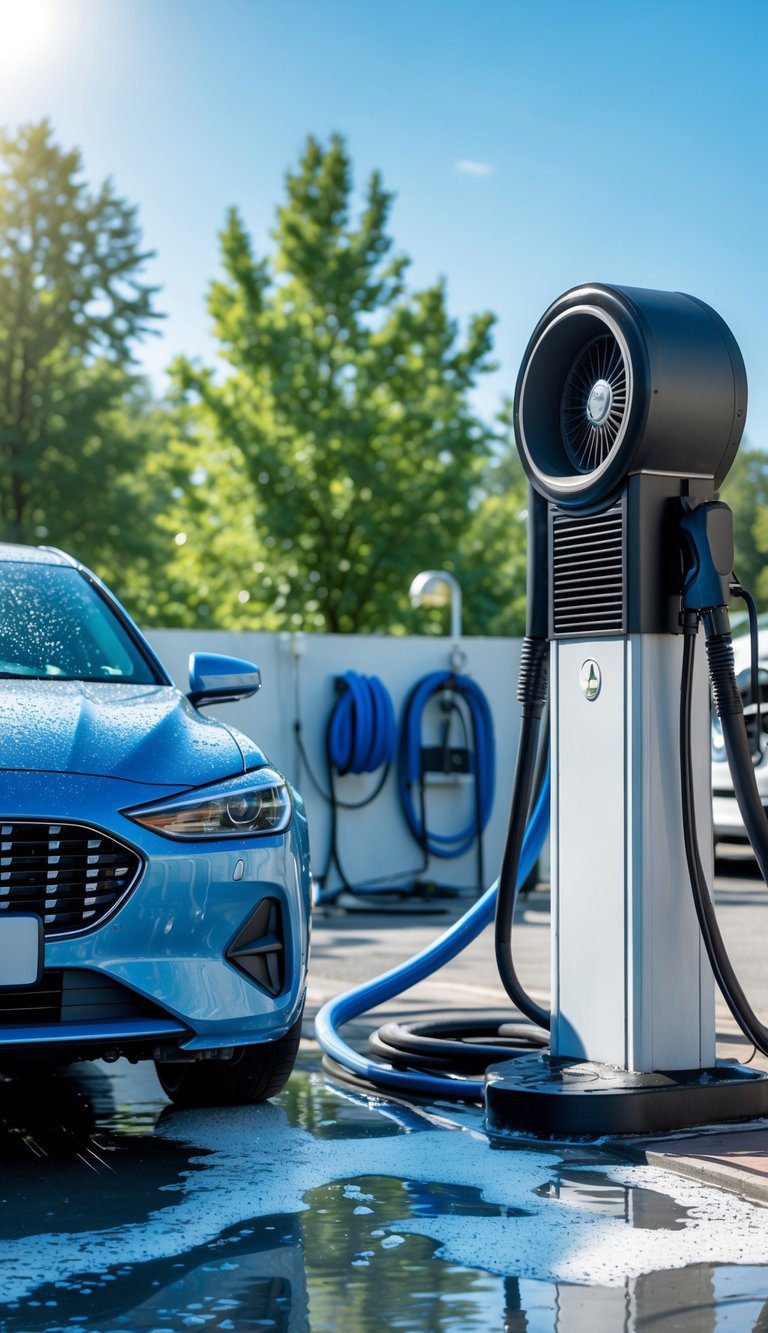
A soft-blow dryer uses a steady, high-volume stream of air to remove water without touching the paint. You get a spot-free finish without rubbing or risking small scratches from towels.
These units are quiet and gentle, so they work well around trims, mirrors, and emblems. They also speed up drying, cutting time after a wash while keeping the surface safe.
You can adjust air speed and temperature to match your paint and climate. Use short bursts for tight areas and a wider sweep for panels to push water off efficiently.
PRO TIP
Hold the nozzle a few inches from the surface and move across panels in a smooth, steady motion.
10) Portable Water Reclaimer
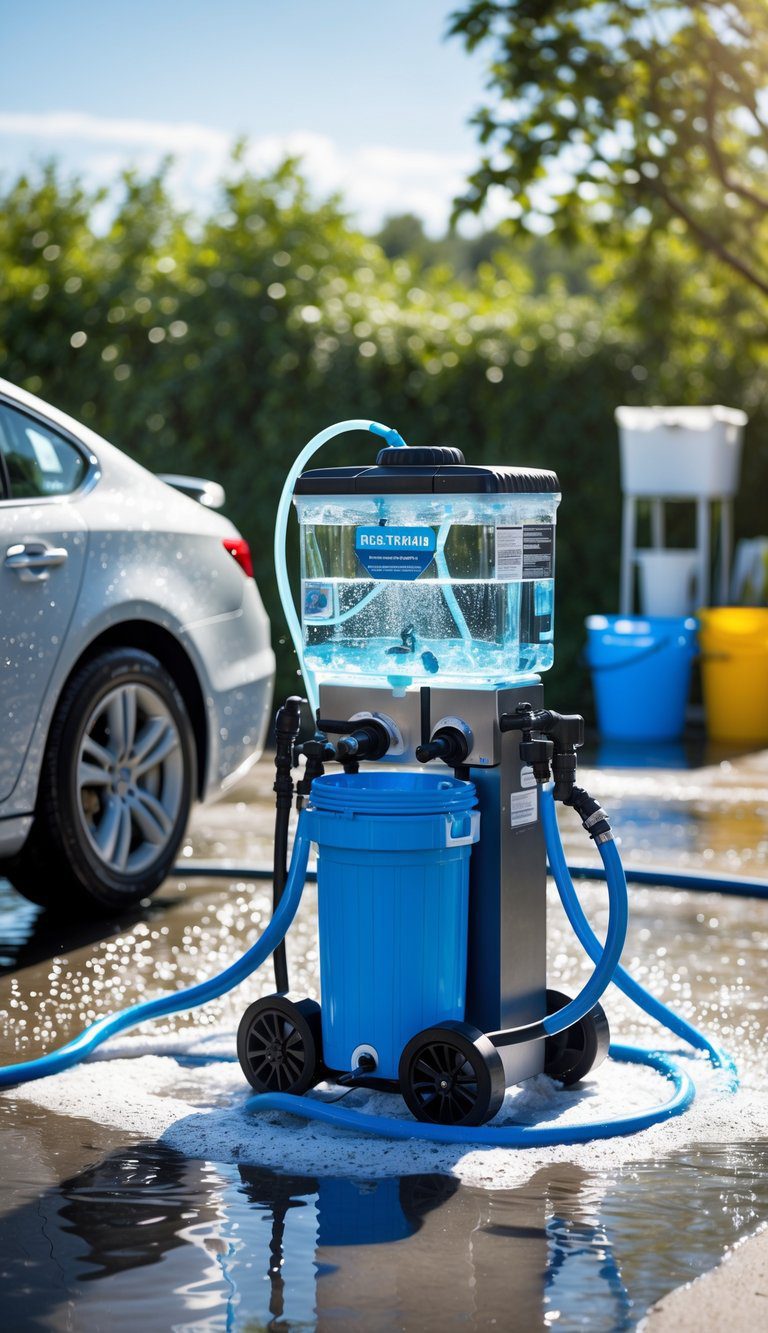
A portable water reclaimer lets you capture and reuse wash water on the spot. You can set it up near your driveway or a mobile wash location to reduce water waste and lower your water bills.
These units filter out dirt, oils, and solids so the cleaned water goes back into your rinse or pre-wash. They work well for weekend cleaning or small-scale mobile jobs without needing permanent plumbing.
You should follow local regulations for wastewater handling and use the reclaimed water only as allowed. Regularly clean filters and check hoses to keep performance high and avoid odors.
PRO TIP
Position the unit on level ground and use a fine pre-screen to extend filter life. Test reclaimed water on one car first to ensure it meets your cleaning needs.
11) Shade Canopy with LED
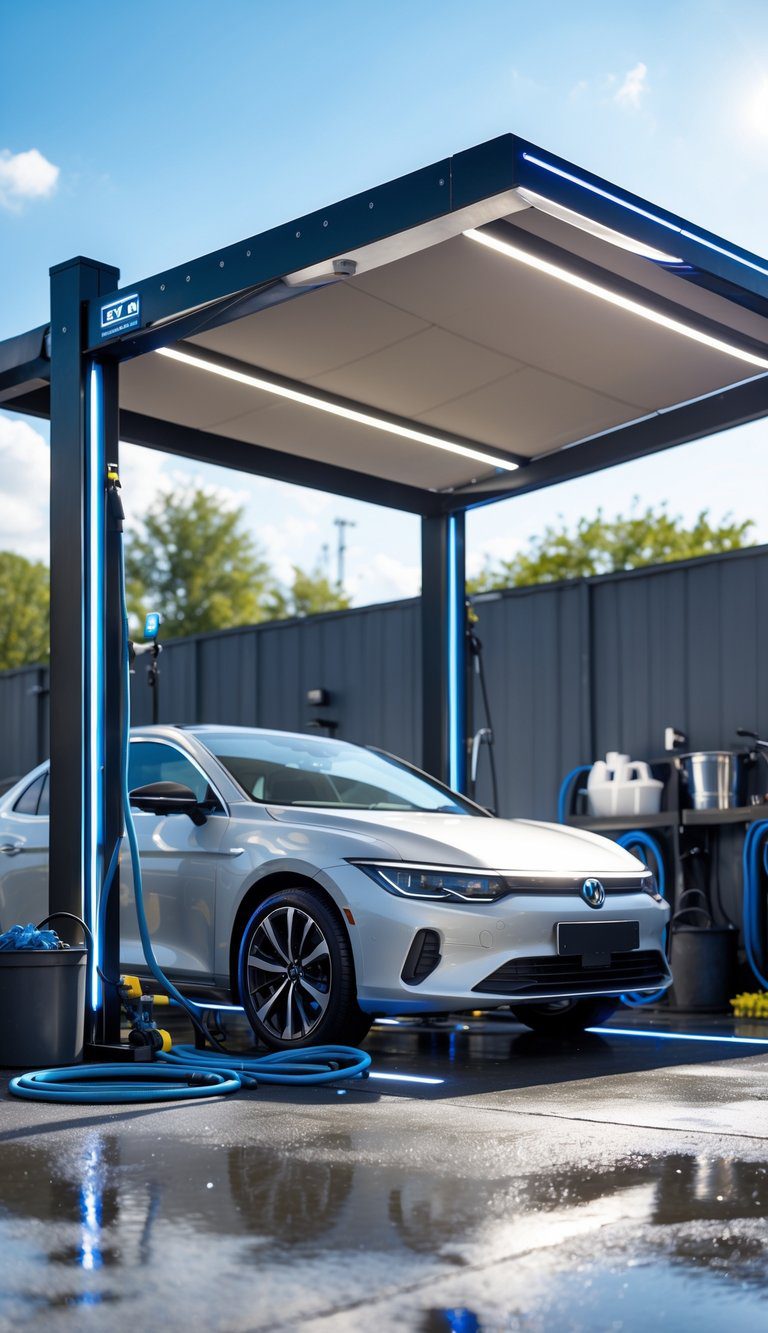
A shade canopy keeps your car cool and protects paint from harsh sun while you wash. You get a more comfortable work area and reduce drying time when the surface stays cooler.
Add LED strips or waterproof fixtures under the canopy to extend hours into the evening. Bright, energy-efficient lighting helps you see spots, swirl marks, and missed soap without glare.
Choose a canopy with UV-resistant fabric and a sturdy frame to survive wind and rain. Aim for lights rated for wet areas and easy wiring so you can focus on cleaning, not fixing gear.
PRO TIP
Mount dimmable LEDs so you can adjust brightness for polish work or rinsing. Use timers or motion sensors to save energy when the bay is empty.