Last Updated on March 21, 2026
You want your family to enjoy the water and stay safe while doing it. This article shows 18 easy, practical storage ideas that help keep gear organized, reduce trip hazards, and keep emergency items within reach.
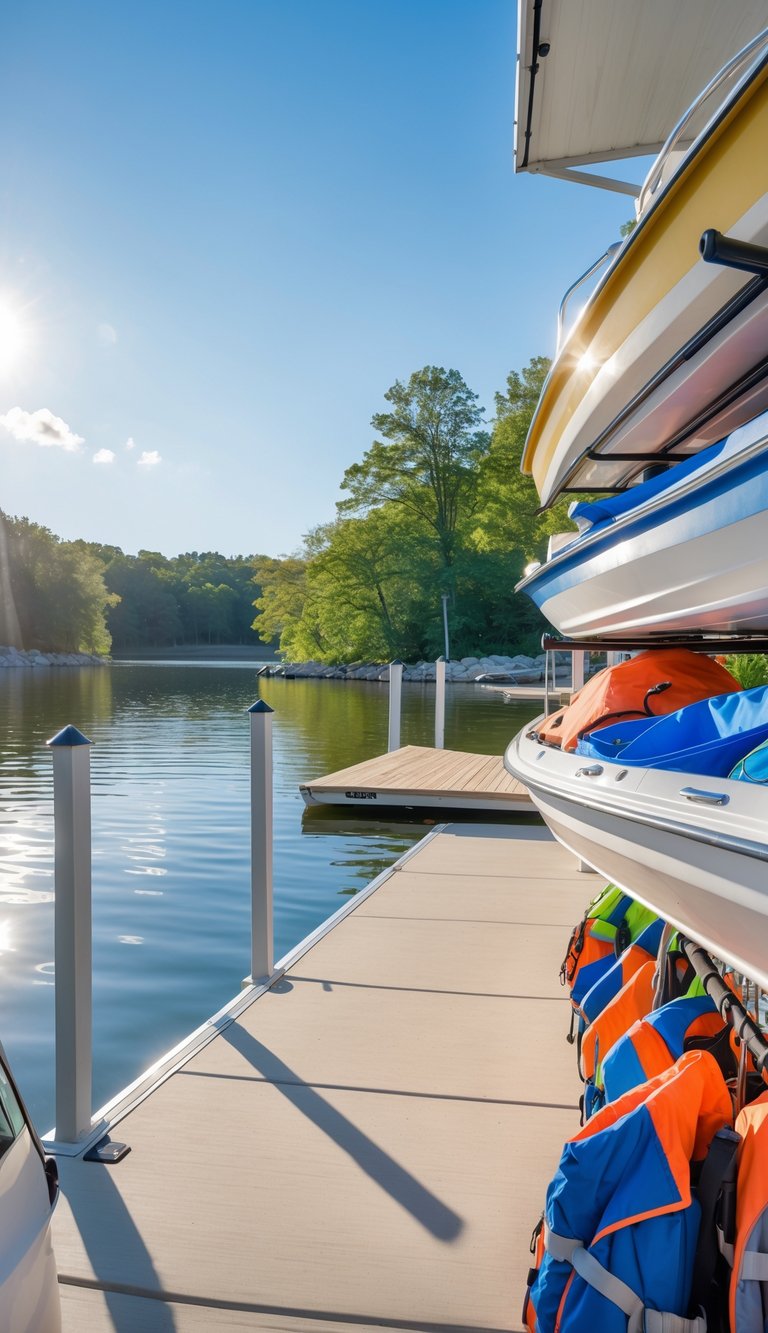
You’ll find ways to protect valuables, store life jackets and first-aid supplies, and make space for wet gear without cluttering the boat. Use these tips to make trips calmer, safer, and more fun for everyone.
1) Use waterproof dry bags to protect electronics and valuables
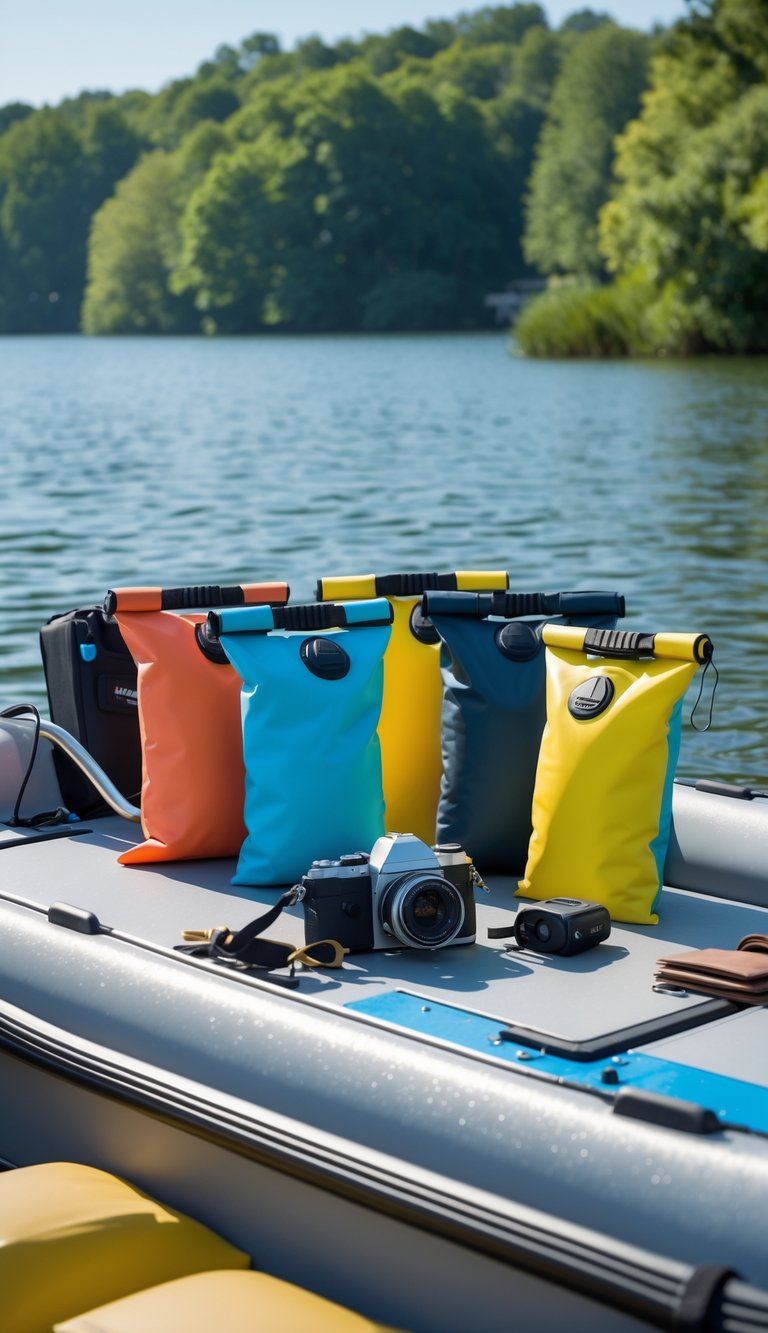
Keep phones, cameras, wallets, and spare clothes in waterproof dry bags to stop water damage. Choose bags with roll-top closures and welded seams for the best seal.
Pick sizes that match your gear. Small pouches work for phones and keys, while larger bags handle jackets, towels, or extra life jackets.
Store dry bags in an easy-to-reach spot so you can grab essentials quickly in rough water. Label each bag so everyone knows what’s inside without opening it.
PRO TIP
Use a clear dry bag or add a clear pouch for charging cables and important papers so you can see contents at a glance.
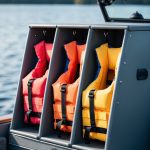
2) Install under-seat storage compartments for life jackets
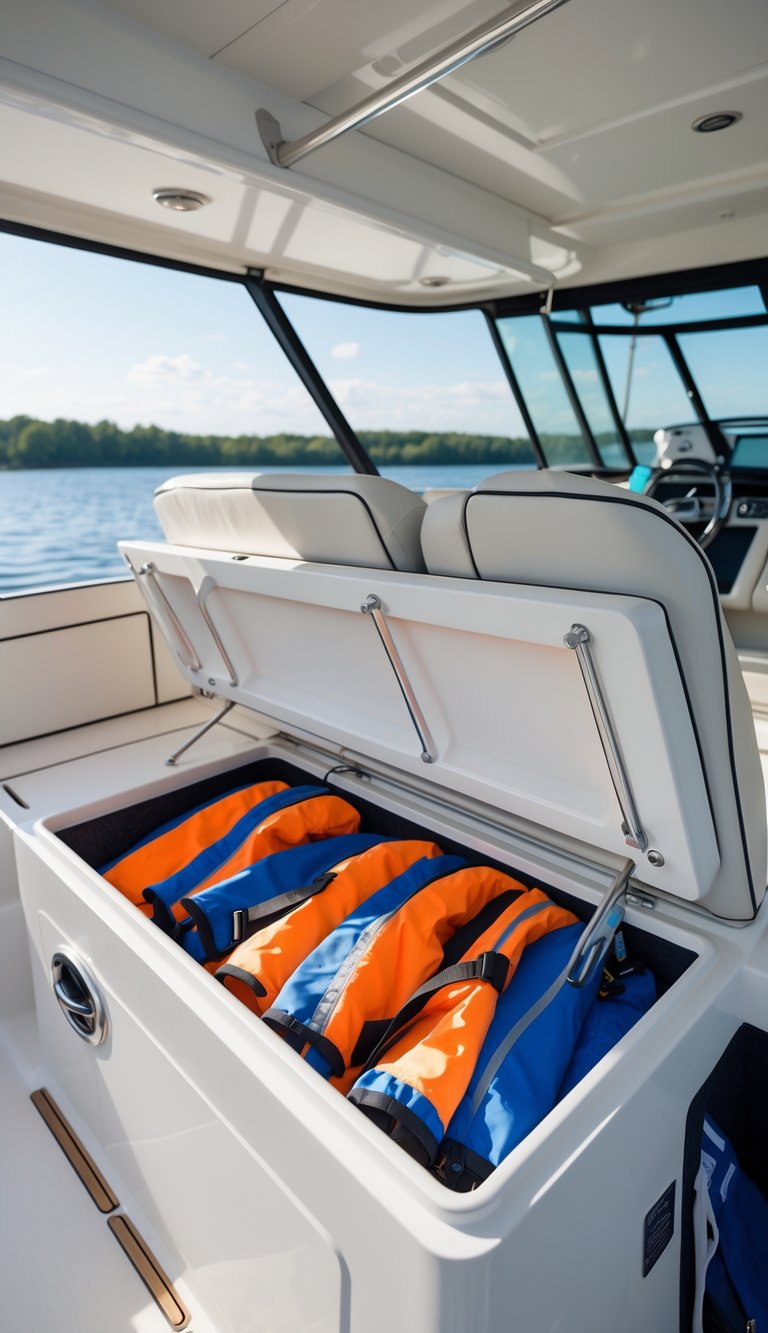
Putting life jackets under seats keeps them out of the way but easy to reach. You can store several jackets flat to prevent creases and keep them dry when the compartments have vents or drainage.
Build or buy compartments that match your boat’s shape. Soft-sided bins work for quick access, while rigid built-ins protect jackets from being crushed by gear.
Label each compartment so everyone knows where to find the right size. That helps in an emergency and speeds up routine checks before you cast off.
PRO TIP
Line the compartment with a moisture-wicking mat and add small ventilation holes. This helps jackets dry and lasts longer without adding bulk.
3) Secure rope organizers to prevent tripping hazards
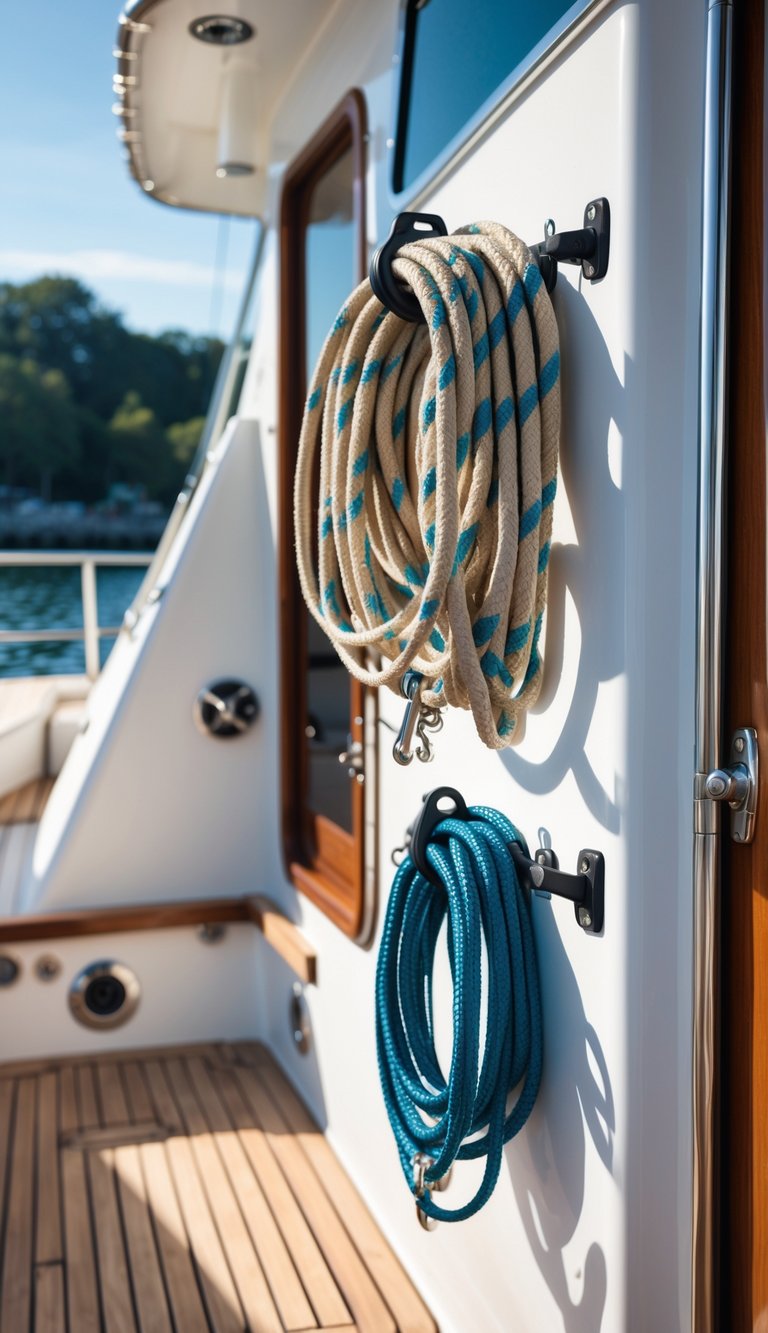
You should keep lines and fenders tidy to stop trips and snags on deck. Use rope organizers, cleat wraps, or dedicated holders to store coiled lines where they won’t roll underfoot.
Mount holders near rails or in lockers so ropes stay off walking areas. Shorter runs and labeled coils help you grab the right line fast during busy moments.
Choose materials that resist UV and salt to avoid brittle rope or failing clips. Check your organizers often for wear and re-secure any loose fittings before each trip.
PRO TIP
Store commonly used lines in the cockpit and long or spare lines belowdecks. That cuts clutter and makes the deck safer for the whole family.
4) Mount fire extinguisher in an easily accessible spot
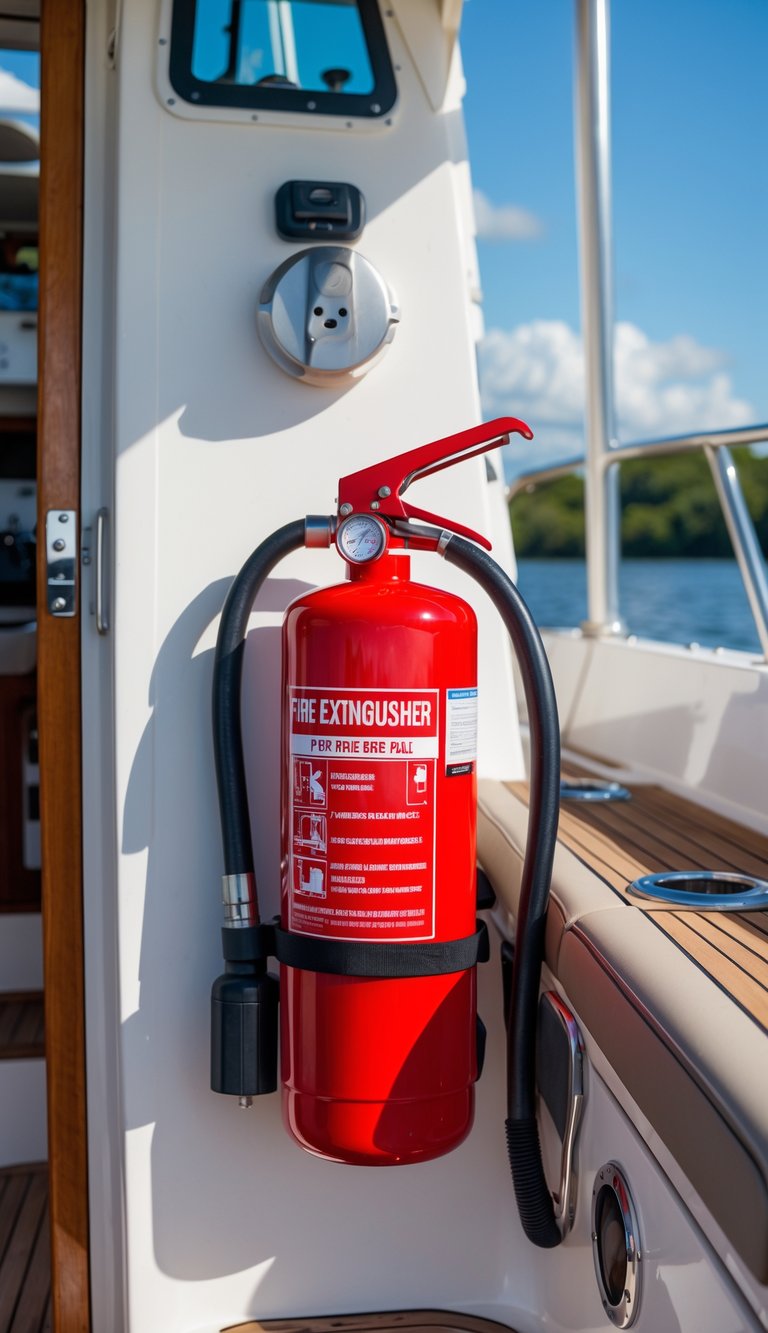
Keep your extinguisher where you can grab it fast. Place it near high-risk areas like the helm, galley, and engine compartment so you don’t waste time during an emergency.
Mount the extinguisher upright and secure it with a bracket or strap. That stops it from rolling or getting lost in a locker, and keeps the handle and pin reachable.
Avoid hiding it deep in storage or under heavy gear. Make it visible and along an escape route so anyone on board can find it quickly.
PRO TIP
Mark the location with a simple label or a bright band. Practice reaching for it so you and your family know exactly where it is.
5) Add non-slip mats in high-traffic areas
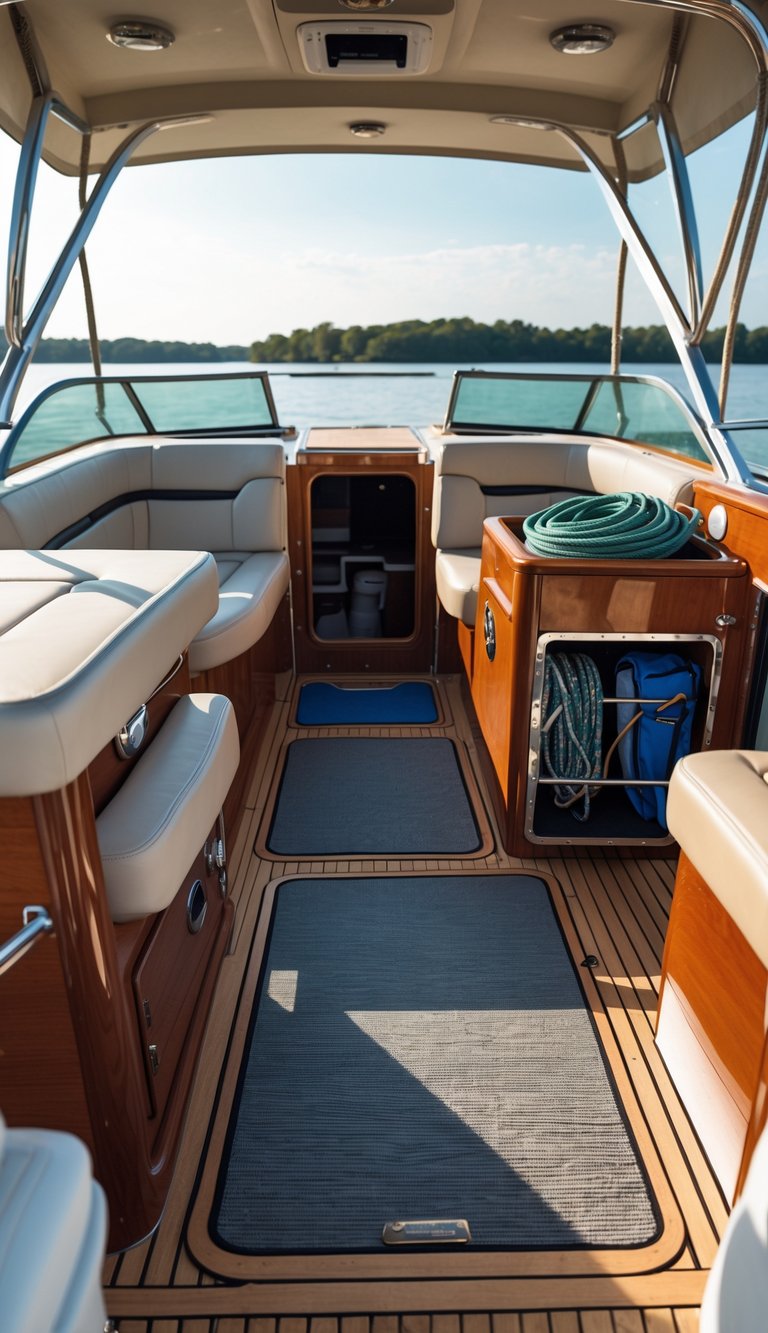
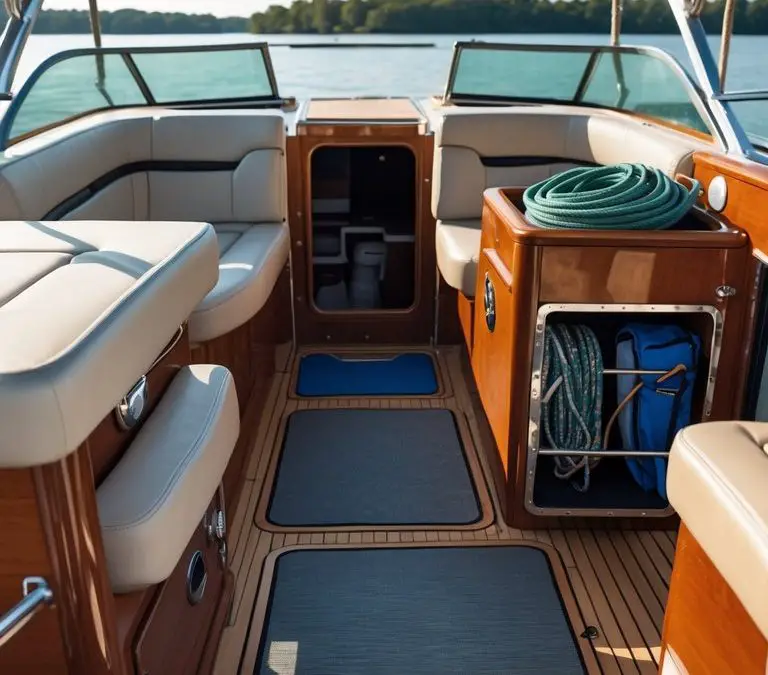
Place non-slip mats where people move most, like the cockpit, steps, and near the cabin entrance. These mats reduce slips when the deck gets wet and give better footing during rough water.
Choose marine-grade mats with UV and water resistance. EVA foam, rubber, or interlocking tiles work well and resist mold and sun damage.
Keep mats secured with marine adhesive or fasteners so they don’t shift underfoot. Check them often for wear and replace any that peel or lose grip.
PRO TIP
Cut mats to fit tight spots and leave small gaps for drainage. That keeps water moving and prevents puddles from forming under the mat.
6) Use clear storage bins for first aid kits
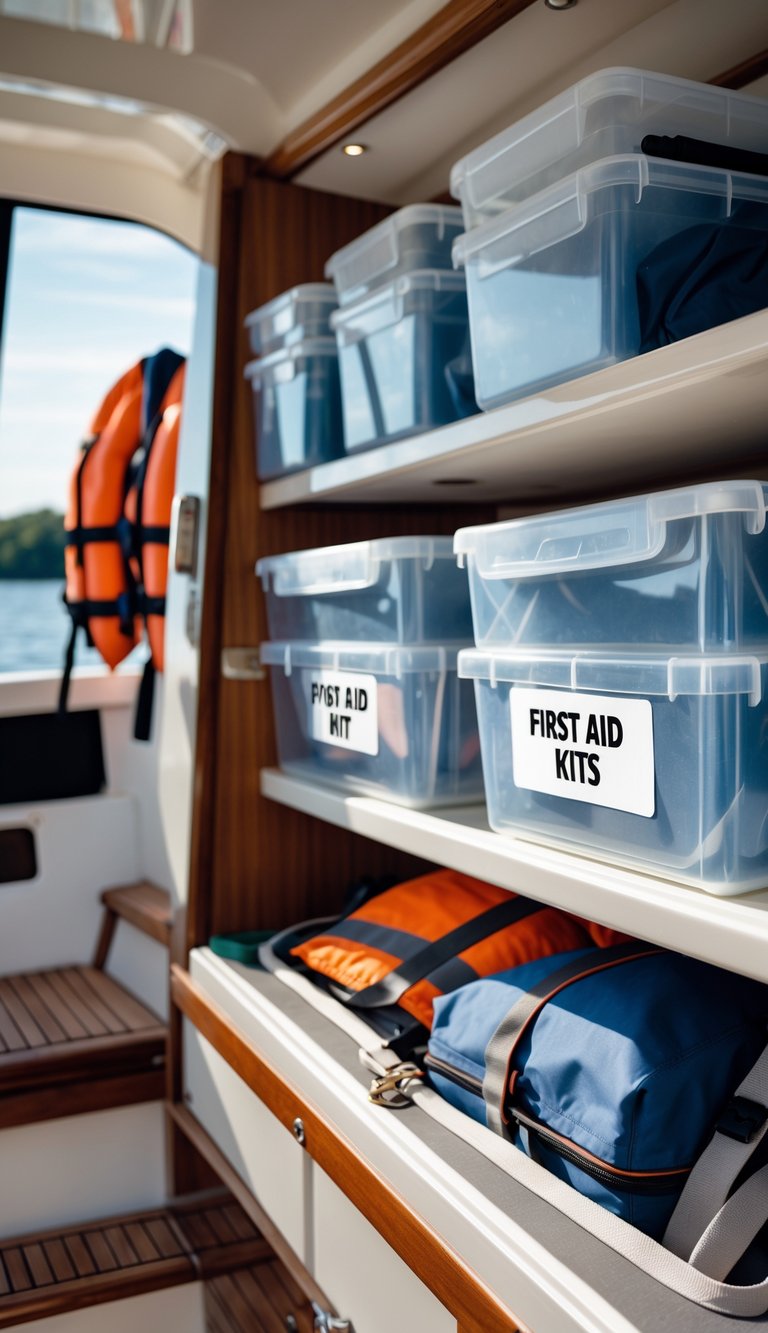
Keep your first aid kit in a clear bin so you can see supplies at a glance. Clear bins save time in an emergency and help you spot missing or expired items fast.
Choose a sturdy, waterproof acrylic or plastic container with a secure lid. Label the outside and group items by use — cuts, burns, medications — so you grab what you need quickly.
Place the bin in an easy-to-reach spot, like under a seat or in the cabin locker. Secure it with bungee cords or non-slip pads so it won’t slide when the boat moves.
PRO TIP
Store a small, mirrored inventory list inside the lid. Update it after each trip to keep your kit ready.
7) Designate a spot for emergency flares and signaling devices
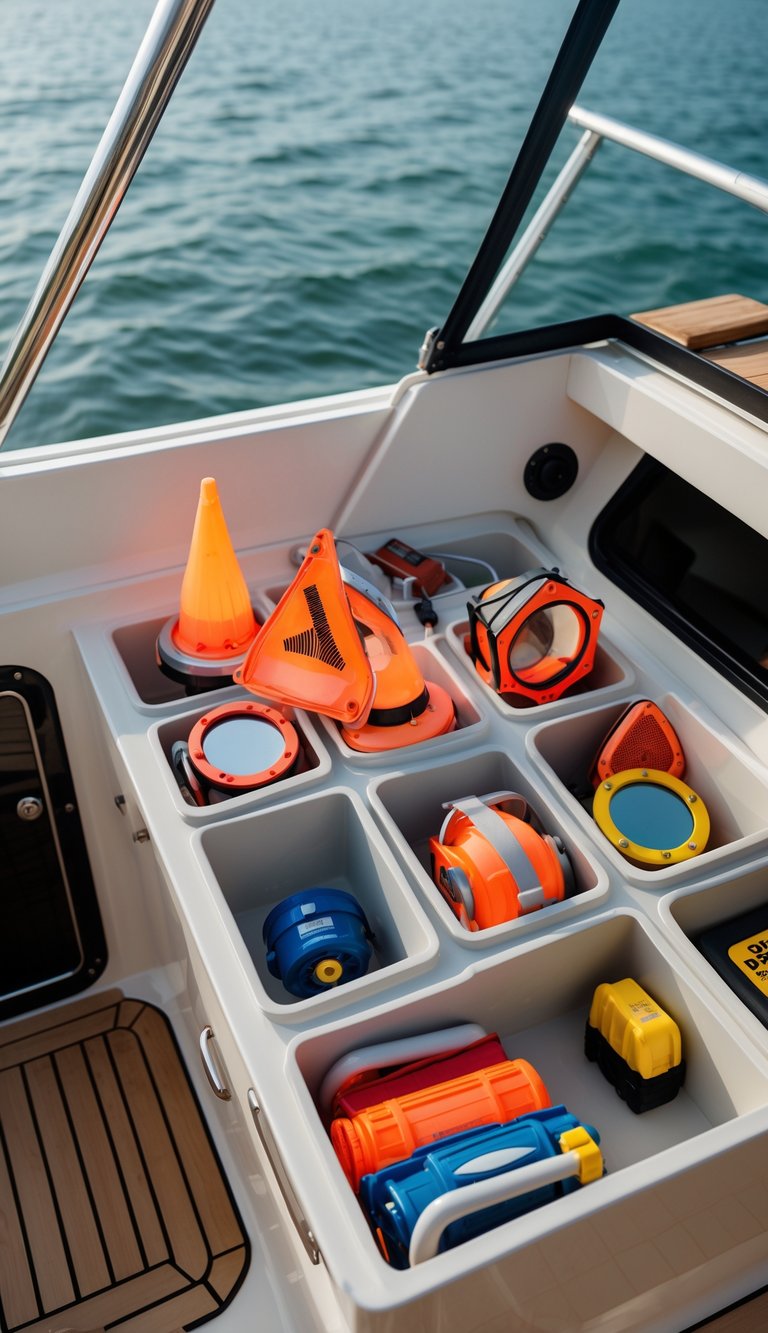
Pick one clear, easy-to-reach spot for flares, an electronic visual distress signal, and other signaling gear. Keep them together so you don’t waste time searching in an emergency.
Store pyrotechnic flares in a cool, dry container marked “Distress Signals.” Place electronic LED flares or an eVDSD nearby, fully charged and tested regularly. Check expiration dates and battery levels before each season.
Make the spot visible to everyone who uses the boat. Tell family members where it is and run a quick drill so they practice grabbing the kit fast.
PRO TIP
Keep a waterproof inventory card inside the container listing items, expiration dates, and when you last tested them.
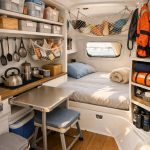
8) Install overhead storage nets for lightweight gear
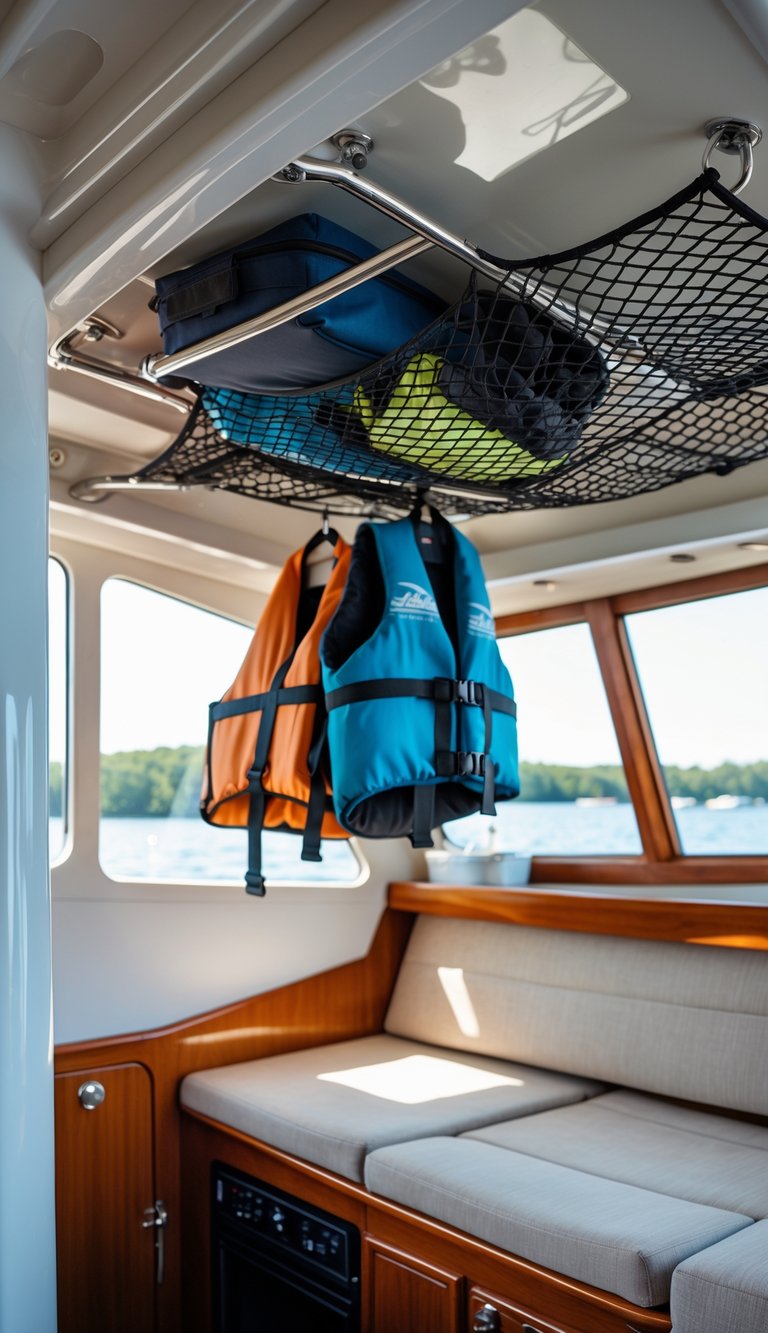
Overhead storage nets make use of space you rarely touch. You can store towels, hats, sunscreen, and other light items up and out of the way.
Install nets under hardtops or cabin ceilings so items stay secure but remain easy to reach. Choose marine-grade materials that resist sun and moisture to avoid sagging or rot.
Keep weight low and spread items evenly to prevent strain on mounting points. Use quick-release hooks or elastic edges so you can grab things fast when waves toss the boat.
PRO TIP
Label nets or use colored gear bags so you can grab what you need without searching.
9) Use magnetic hooks for securing keys and small tools
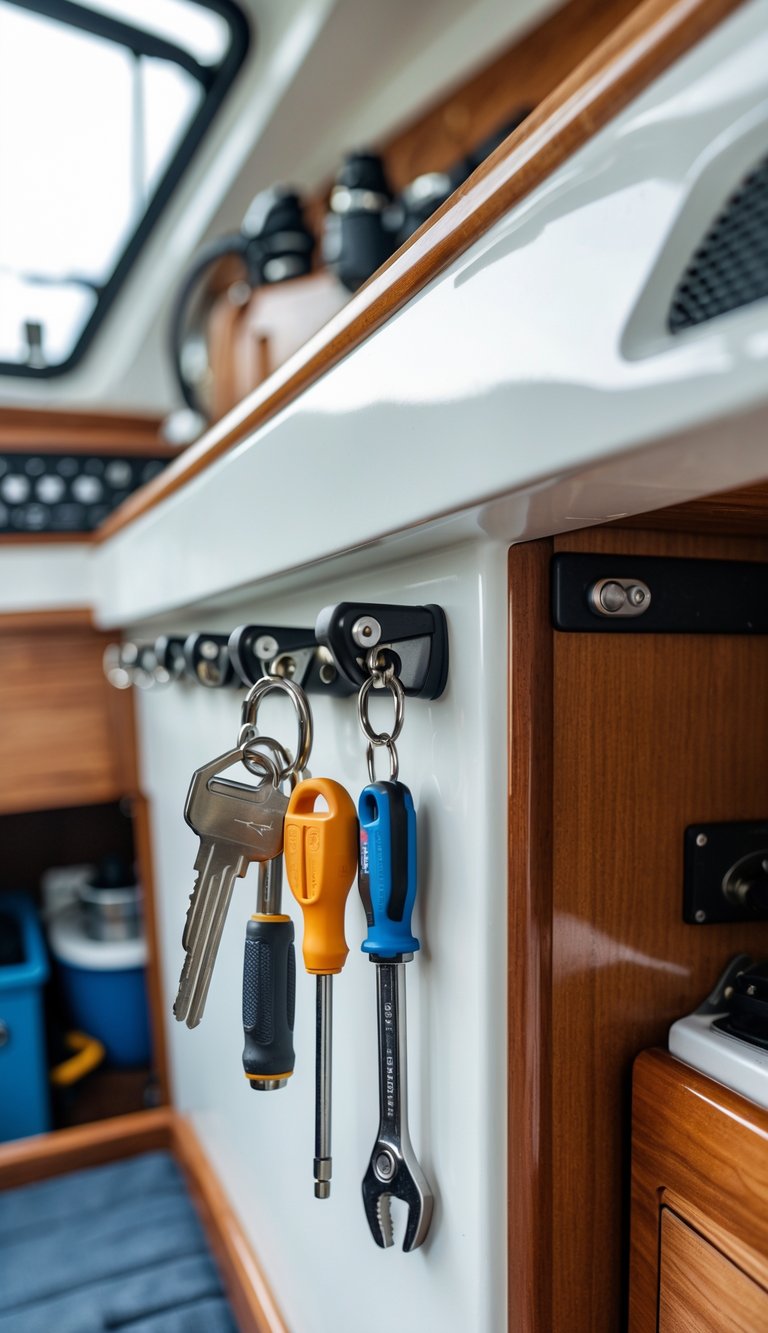
Magnetic hooks stick to metal surfaces and keep your keys, pliers, and small tools within reach. You can mount them on the boat’s frame, a tool bar, or near the helm so gear stays put when waves hit.
They’re easy to move and don’t need drilling, which helps protect gelcoat and painted surfaces. Strong neodymium magnets hold items securely, but check the weight limit before loading them.
Place hooks near common work areas like the cockpit, galley, and maintenance locker. Group similar items together so you can grab what you need fast.
PRO TIP
Use colored tags or tape on items to tell family members what goes where.
10) Keep a waterproof box for important documents
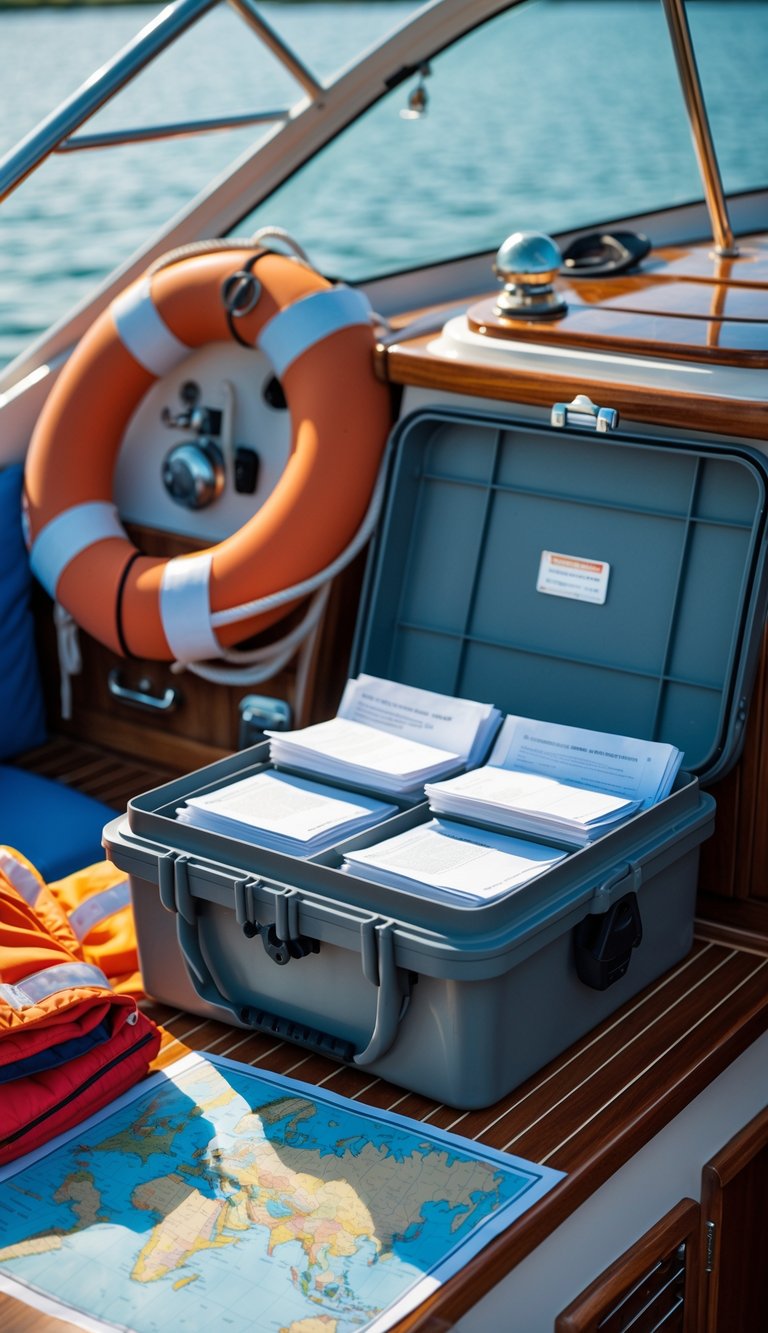
Store passports, boat papers, insurance cards, and medical info in a waterproof box. You want these items dry and easy to grab during a trip or emergency.
Choose a box with a good seal and durable material. Look for one that floats or can be secured to the boat so it won’t wash away if tossed overboard.
Keep copies of key documents inside and digital scans in the cloud as backup. Place the box in a known, labeled spot so everyone on board can find it quickly.
PRO TIP
Add a silica gel pack to reduce moisture and swap batteries or cards regularly. Test the seal now and then to make sure it still keeps water out.
11) Attach paddle holders to keep oars secure
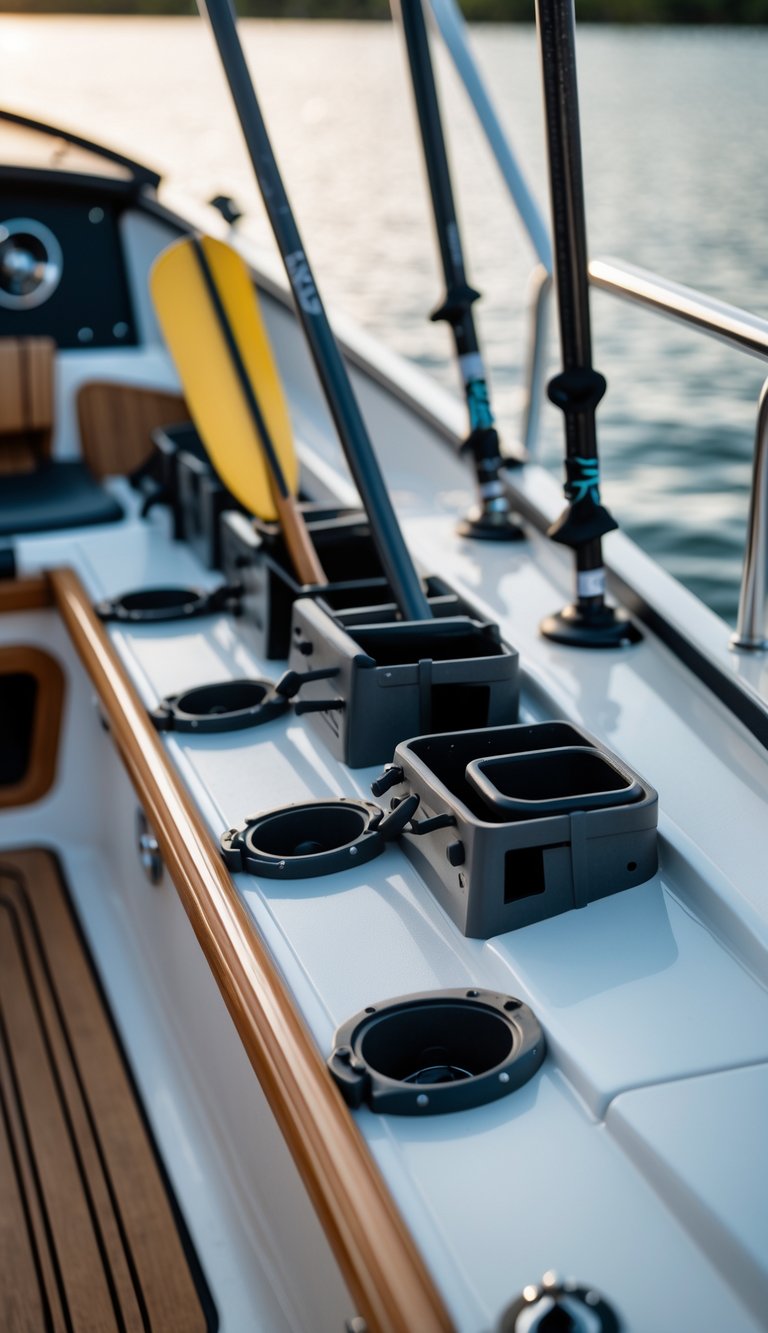
Paddle holders keep oars off the deck and out of the way so your boat looks neater and safer. You can mount them on rails, bulkheads, or the transom to fit your boat’s layout.
Choose holders with corrosion-resistant materials and secure locking or quick-release straps for fast access. Match the holder diameter to your oars and look for non-slip pads to prevent scratching.
Install holders where they won’t block walkways or interfere with lines. Place them near where you normally launch or stow the paddles to save time during trips.
PRO TIP
Use a pair of adjustable holders so you can stash different sized paddles. Check fasteners regularly and swap to stainless steel screws for saltwater use.
12) Use foldable waterproof seats with storage underneath
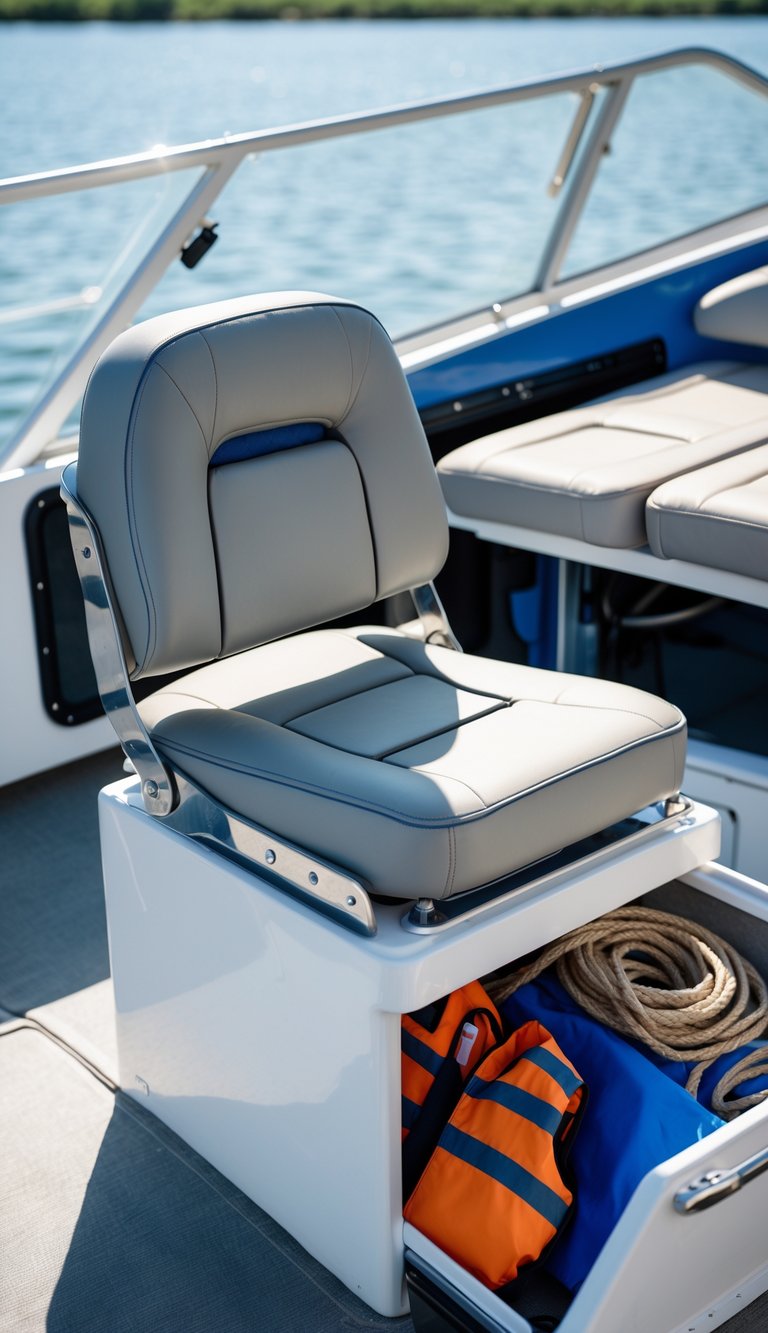
Foldable waterproof seats save space and keep your gear dry. You can fold them up when you need deck room and flip them down for extra seating.
Look for marine-grade vinyl and sturdy hinges so the seat lasts through sun and spray. Many seats hide a storage bin under the cushion where you can stow life jackets, first-aid kits, or dry bags.
Mount seats on a standard pattern to make swaps and upgrades easy. Choosing models with tie-down straps or latch closures helps keep contents secure in rough water.
PRO TIP
Label the storage so everyone knows what’s inside. That makes emergency access faster and keeps your boat organized.
13) Create labeled tackle boxes for fishing gear
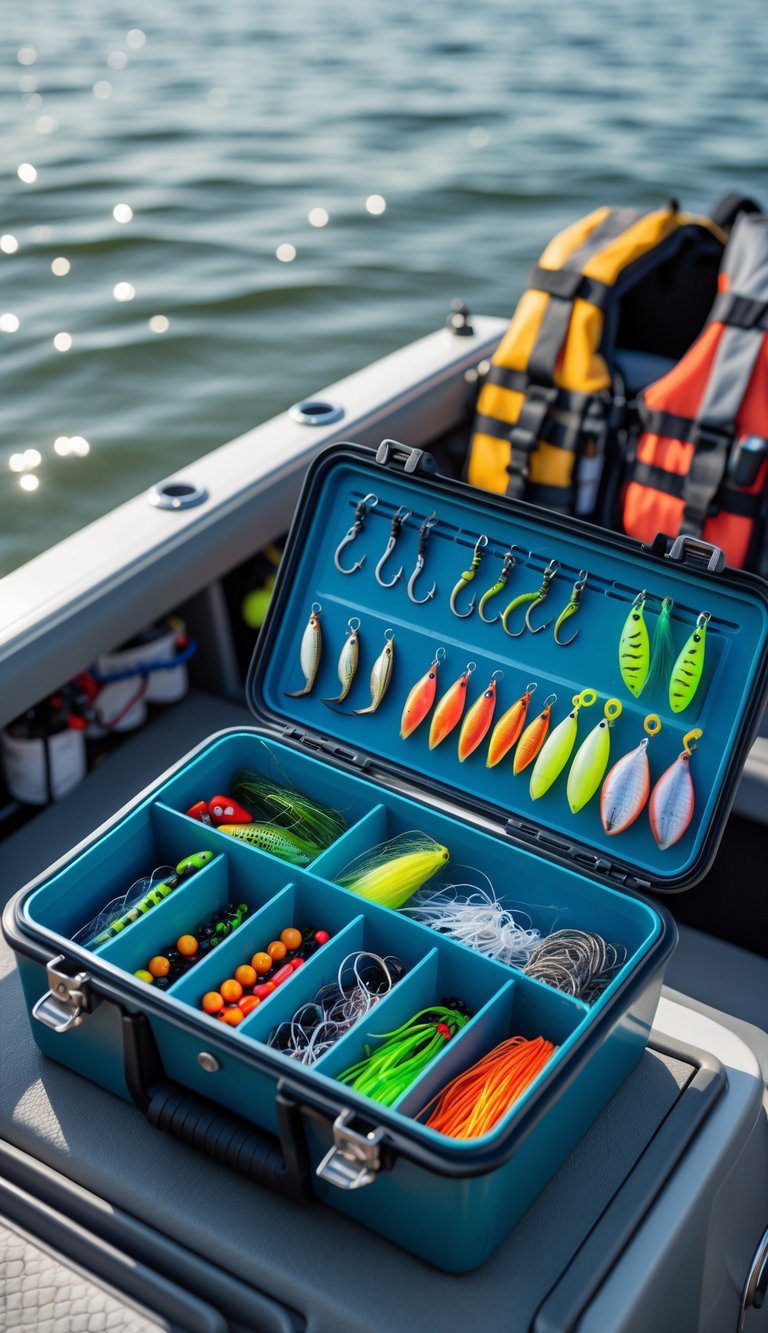
You can keep fishing gear tidy and easy to find by using labeled tackle boxes. Use small, clear boxes for hooks, sinkers, lures, and swivels so you can spot items at a glance.
Label each box with a simple name like “Hooks” or “Freshwater Lures.” Add a durable label that resists water and wear, such as laminated paper or waterproof tape.
Organize boxes by size or use so you grab the right kit fast when you head out. Store them in a rolling cart or a shelf in your boat locker to keep them secure and dry.
PRO TIP
Keep a small log inside one box with favorite tackle combos and where you used them.
14) Store emergency whistles on lanyards near the helm
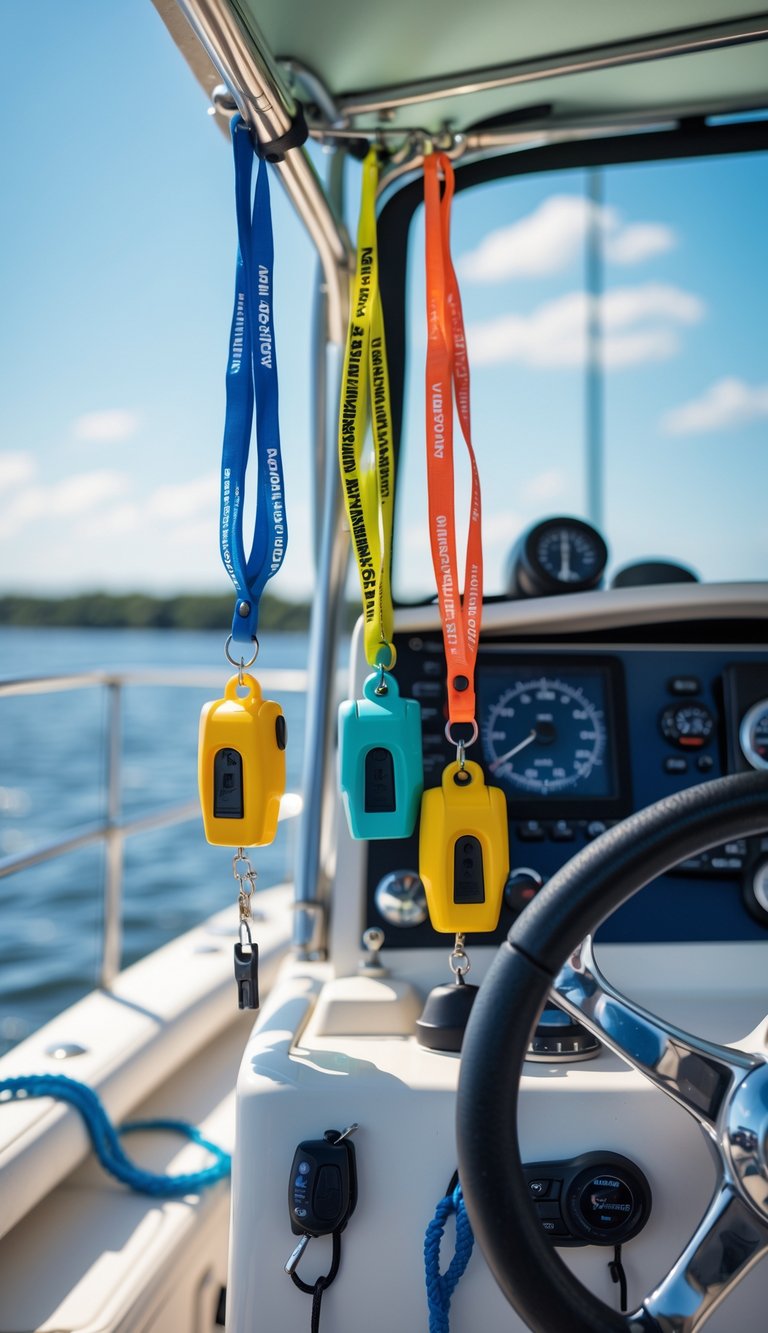
Keep at least two whistles on lanyards within arm’s reach of the helm. You may need to signal quickly, so having them where you steer saves time and reduces panic.
Choose bright, floating whistles so you can spot and recover them if they fall overboard. Attach one to the helm and one to a life jacket locker or a nearby hook for backup.
Place a small zip pouch or cup holder tray at the helm to hold spare lanyards and a waterproof marker. That way you can label gear and stop tangles before they start.
PRO TIP
Test whistles regularly and replace any that get clogged or damaged. Store an extra set in your emergency kit so your family always has a working signal device.
15) Use collapsible coolers to save space
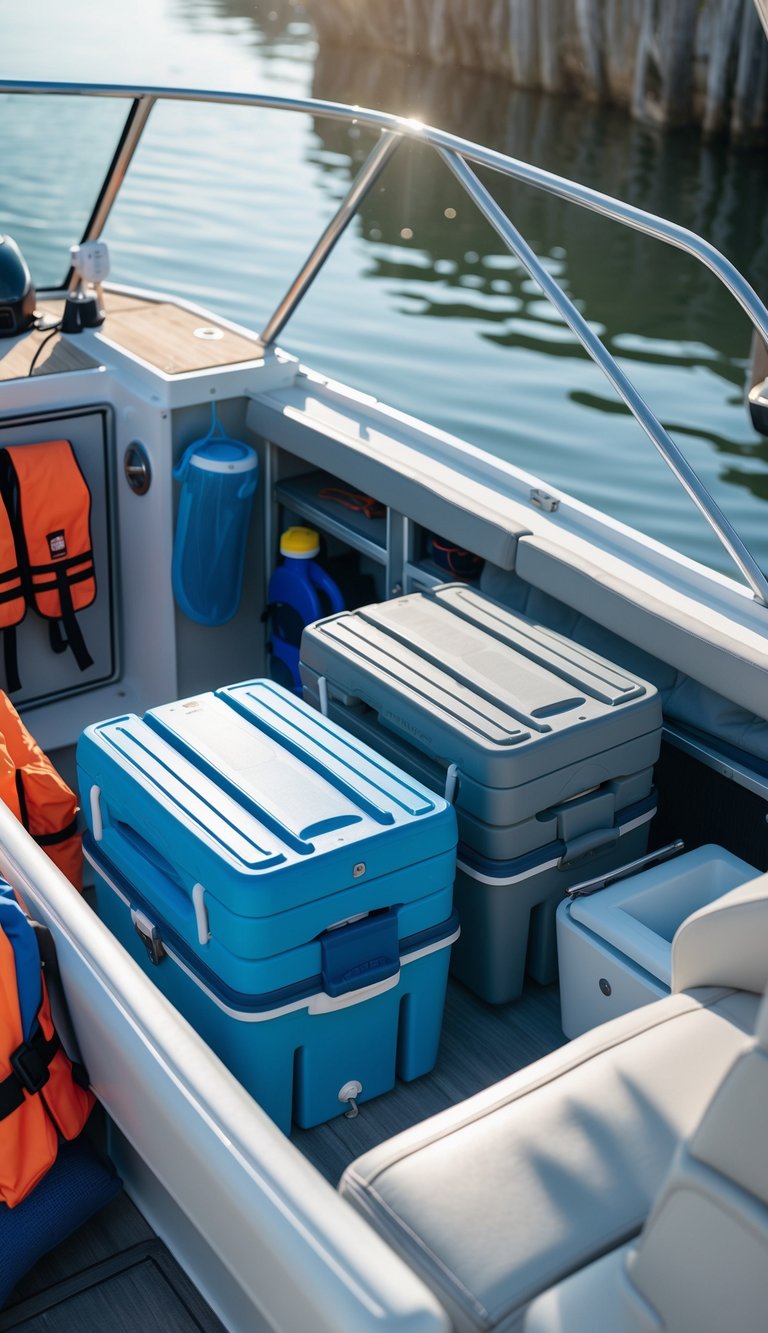
Collapsible coolers give you cold storage without the bulk. When you need a freezer-like container, they expand to hold drinks and food. When you don’t, they fold flat to free up deck or cabin space.
You can move them easily because many have light handles or shoulder straps. Use them for day trips, picnics, or as a backup fridge when your onboard system is full. They also cut down on loose items rolling around, which keeps your family safer.
Use ice packs instead of loose ice to reduce mess. Choose a cooler with a waterproof lining and drain plug for easy cleaning. Keep it near the galley or hatch so grab-and-go access is simple.
PRO TIP
Label coolers by use — drinks, food, or bait — to avoid cross-contamination and speed up meal prep.
16) Install lockable storage trunks for valuables
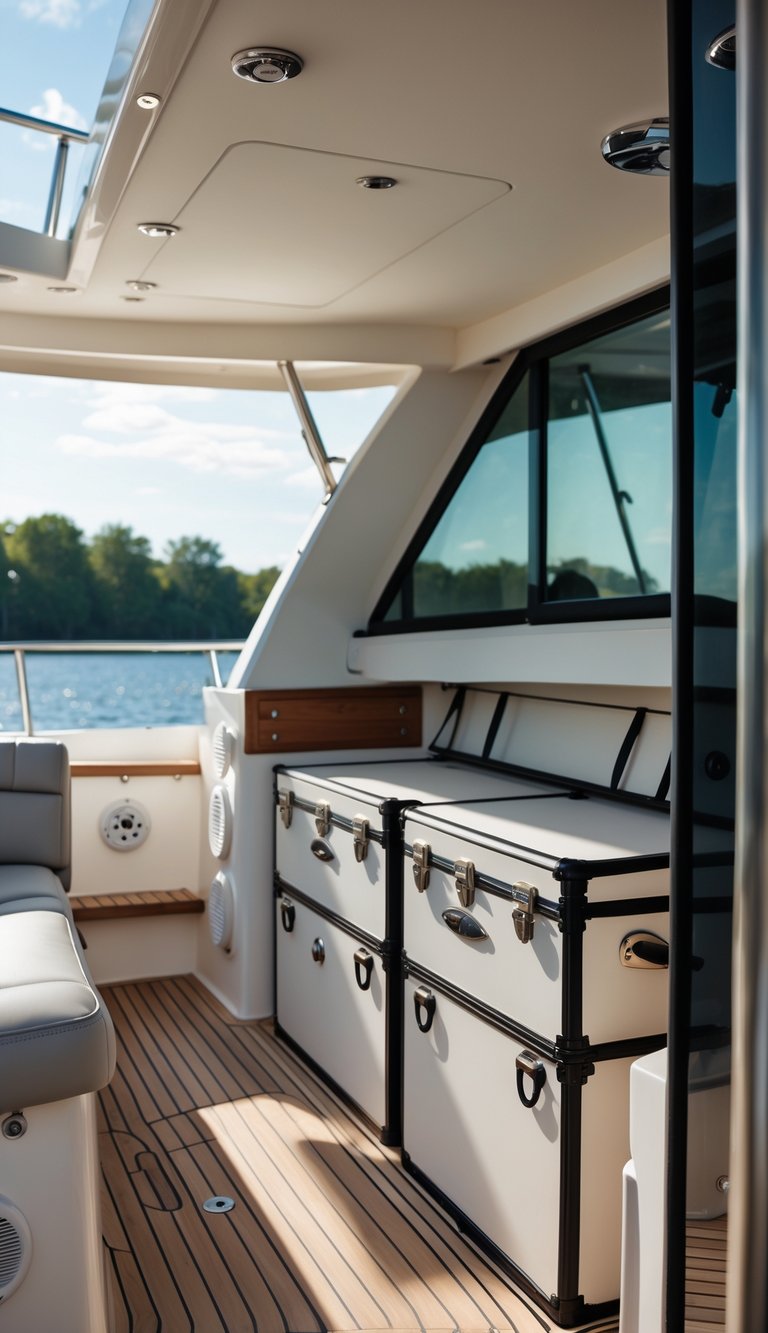
Lockable storage trunks give you a secure place to keep wallets, phones, and small electronics while on the water. Choose trunks made of weatherproof materials and with marine-grade locks to resist salt, rain, and sun.
Place trunks in a dry, hidden spot like under a bench or inside a cabin to reduce theft risk. Anchor the trunk to the boat so it can’t be lifted easily during a short stop at a dock.
Use soft padding or dividers inside to protect fragile items from shifting. Keep a small inventory list of what you store and a spare key in a separate secure place.
PRO TIP
Label the trunk with a discreet ID number rather than your name to avoid advertising valuables.
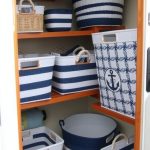
17) Use mesh bags for wet clothing and towels
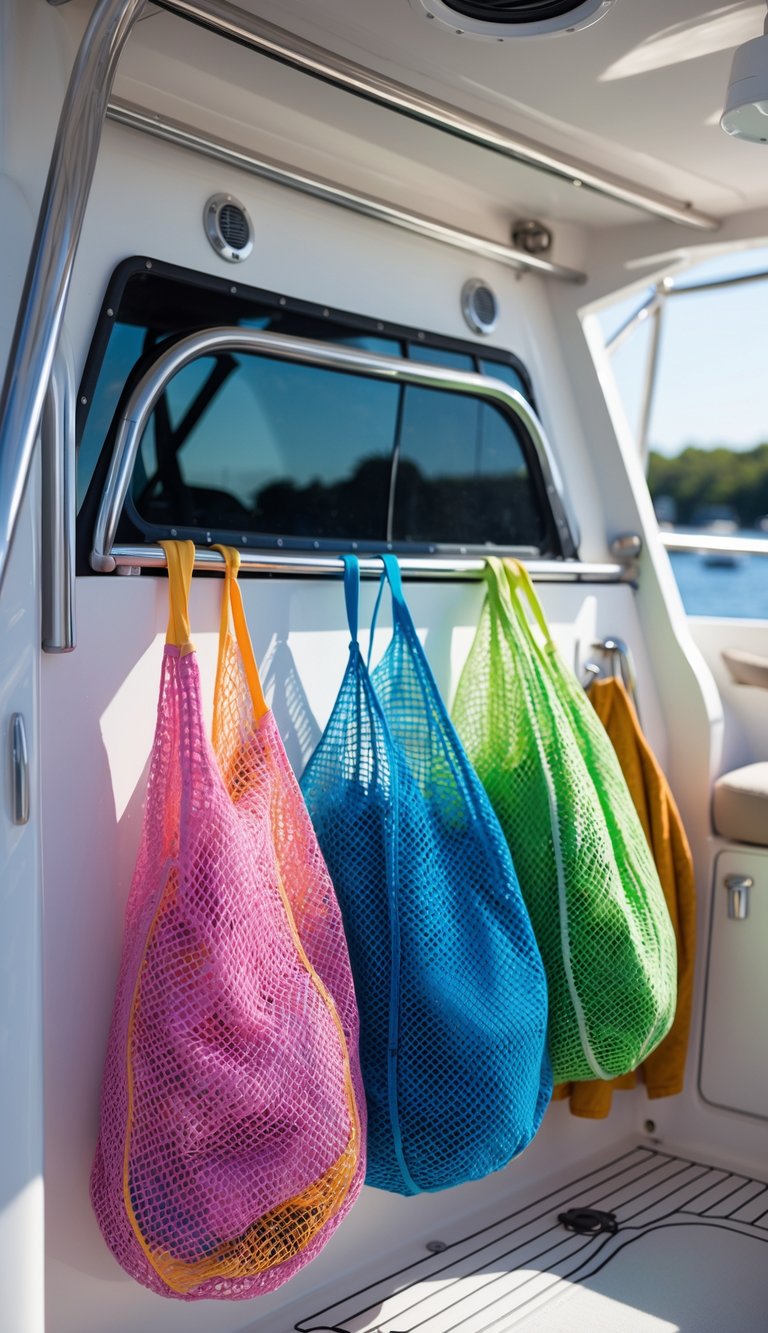
Keep wet clothes and towels in mesh bags so they can breathe and dry faster. This reduces damp smells and stops mildew from forming in your cabin or storage lockers.
Choose bags with large mesh holes and durable seams. Look for straps or clips so you can hang them off rails, cleats, or under-seat hooks while you cruise.
Use one bag per person or per activity to keep things organized. Label the bags with tape or a marker to avoid mix-ups after swimming or fishing.
PRO TIP
Rinse salty gear with fresh water before tossing it into the mesh bag to cut down on corrosion and smells.
18) Place LED flashlights in reachable storage
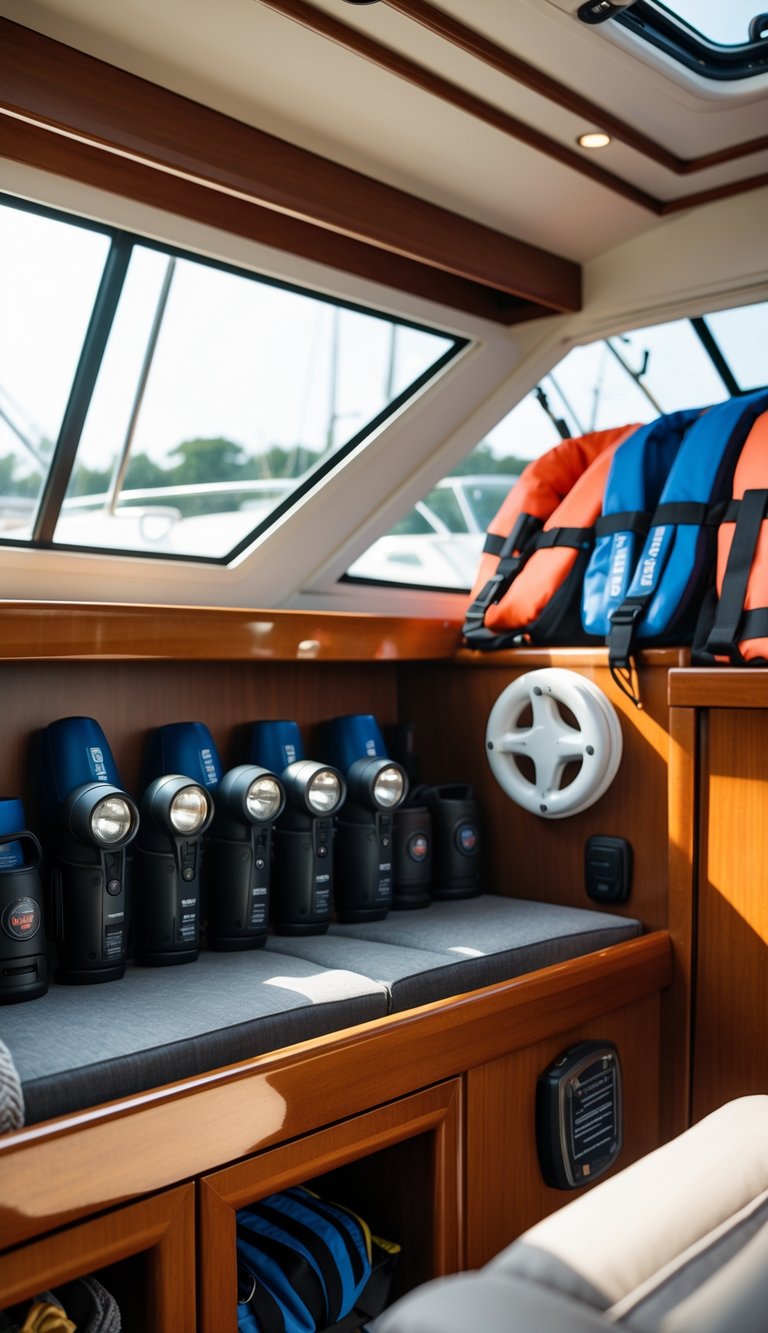
Keep at least two LED flashlights within arm’s reach from common areas like the cockpit, cabin door, and helm. You want quick light if power fails, someone needs help, or you must check a line at night.
Store one flashlight in a dry, labeled pouch near the main exit and another in a waterproof compartment at the bow or stern. That spreads your options and prevents a single accident from leaving you in the dark.
Check batteries monthly and swap them on a schedule so flashlights work when you need them. Keep spare batteries with the lights in the same spot.
PRO TIP
Mount one flashlight on a quick-release clip near the helm so you can grab it with one hand.