Last Updated on November 12, 2026
For solo explorers who need an easy-to-carry craft, the Oru Kayak Beach LT is a strong choice because its folding design simplifies transport to remote launch points. The 11 boats that are perfect for exploring hidden coastal coves range from compact kayaks to motorboats built for longer coastal days.
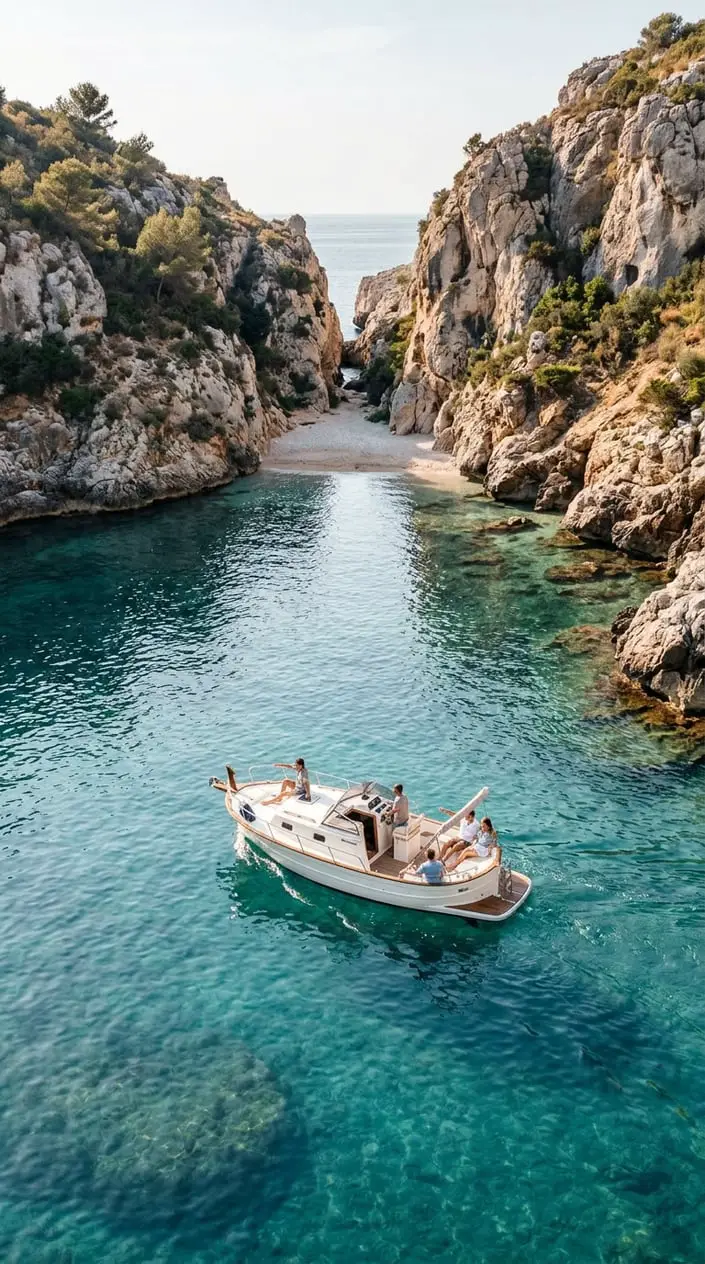
Your best fit depends on how you want to travel: paddle quietly, pedal hands-free, sail with the wind, or use an outboard for more range. Check local boating rules, tide tables, wind, and swell before setting out. A sheltered cove can still have shifting currents, sharp rocks, and limited room to turn.
Quick picks:
- Best for easy transport: Oru Kayak Beach LT
- Best for hands-free propulsion: Hobie Mirage Passport 10.5
- Best for powered coastal day trips: Boston Whaler 130 Super Sport
1) Oru Kayak Beach LT
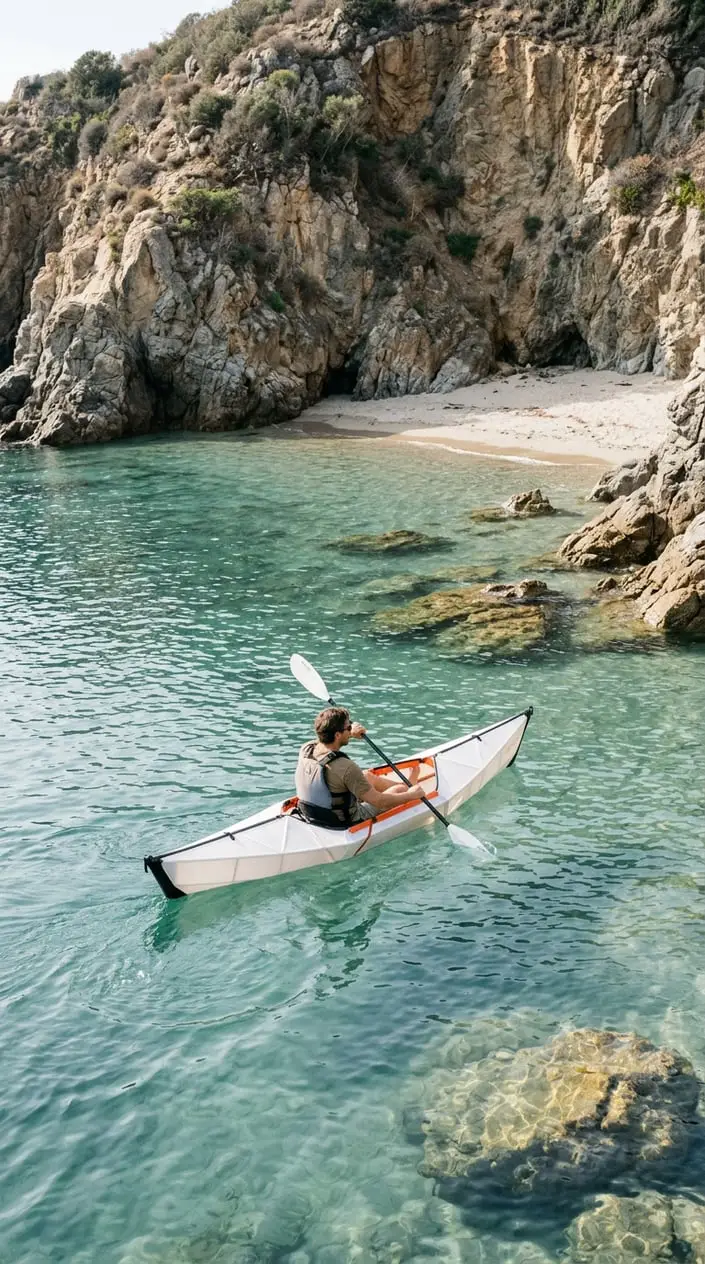
This folding kayak suits you when reaching a quiet launch spot on foot is part of the plan. Its origami-style construction folds into a compact package, making it easier to carry and store than a rigid kayak. Once assembled, its enclosed hull gives you a straightforward way to paddle along rocky shorelines and into narrow inlets.
The lightweight design is useful for solo transport, though you’ll need to assemble it before launching and pack it away after your outing. Practice folding and unfolding it at home so setup feels familiar beside the water. Pack a properly fitted PFD, a bilge pump, and a spare paddle, and check the forecast before committing to an exposed stretch of coast. Calm coves and protected bays are the right setting for relaxed exploration.
2) Hobie Mirage Passport 10.5
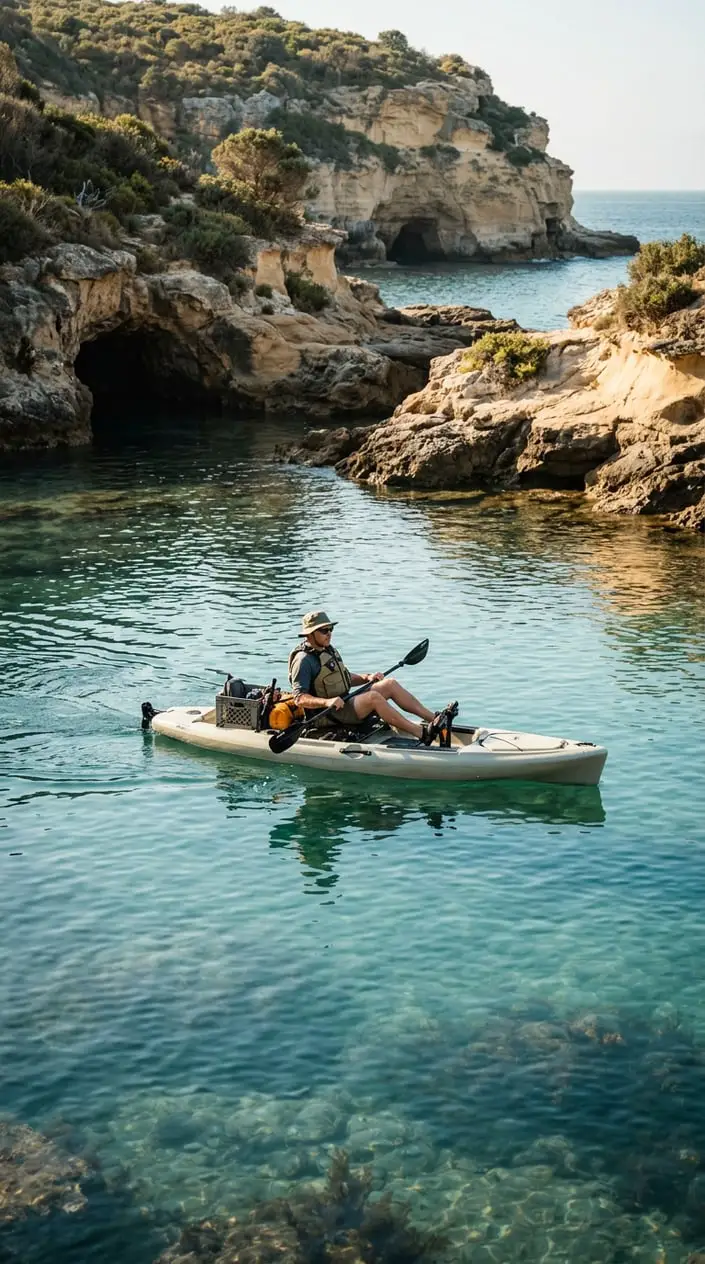
For hands-free travel through sheltered coves, this pedal kayak lets you propel yourself while keeping your hands available for steering and taking photos. Its compact 10.5-foot length is manageable around small launch areas, and the pedal system is useful when you want steady movement without a continuous paddle stroke.
Pedal drives add weight and require care in shallow water, where underwater rocks or kelp can interfere with the mechanism. Lift or protect the drive when you approach a beach, and check the water depth before entering a narrow inlet. The open seating area makes it easy to bring a small dry bag, water, and a snack. Choose calm conditions and keep a paddle within reach for maneuvering near shore or in tight spaces.
3) Sea Eagle 385fta FastTrack
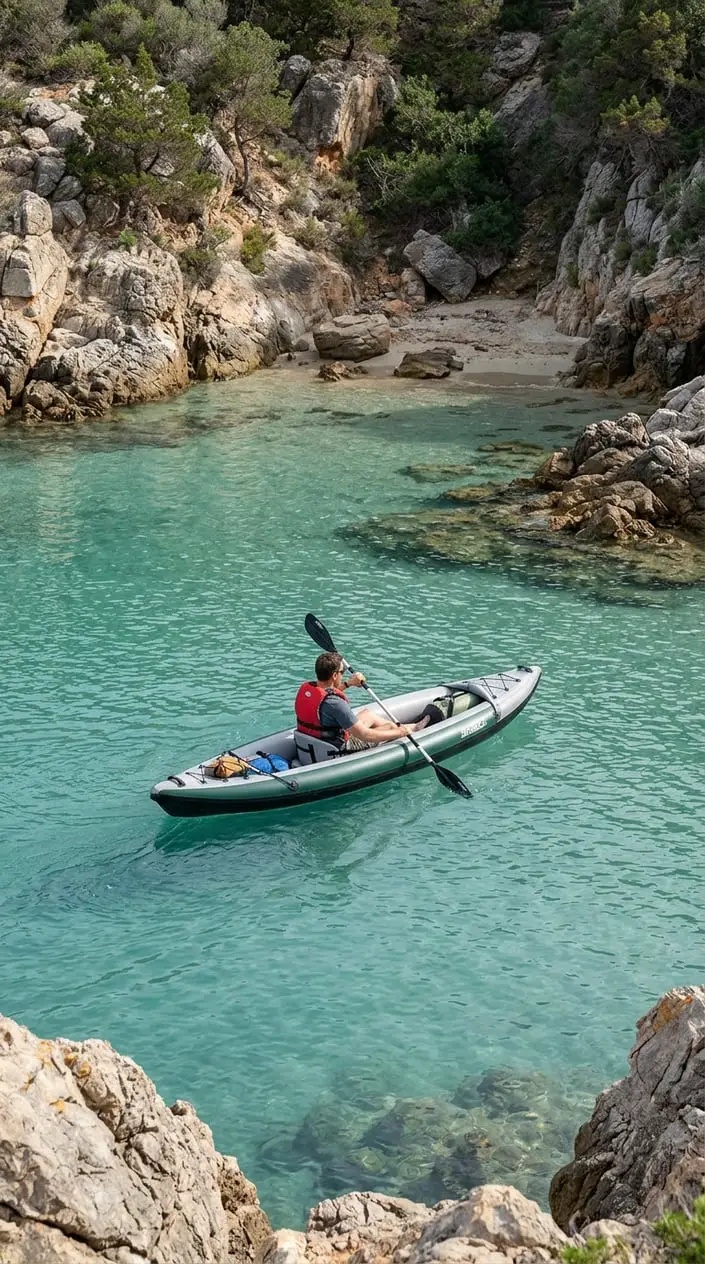
This inflatable kayak gives you a portable option for exploring coves when you have room to carry a pump and packed boat. Its long, streamlined shape is designed for tracking across open stretches, while the inflatable construction makes storage easier than with a hard-shell kayak.
Plan for setup and drying time at the end of your trip. Before launching, check inflation pressure, valves, and seams, then secure loose gear so it stays put if the water gets choppy. The boat’s larger footprint can suit tandem outings or extra equipment, depending on your configuration and load.
Keep your route close to protected shoreline, and avoid dragging the hull over barnacles or sharp rocks. A repair kit and pressure gauge are practical additions for any inflatable coastal trip.
4) Tiwal 3
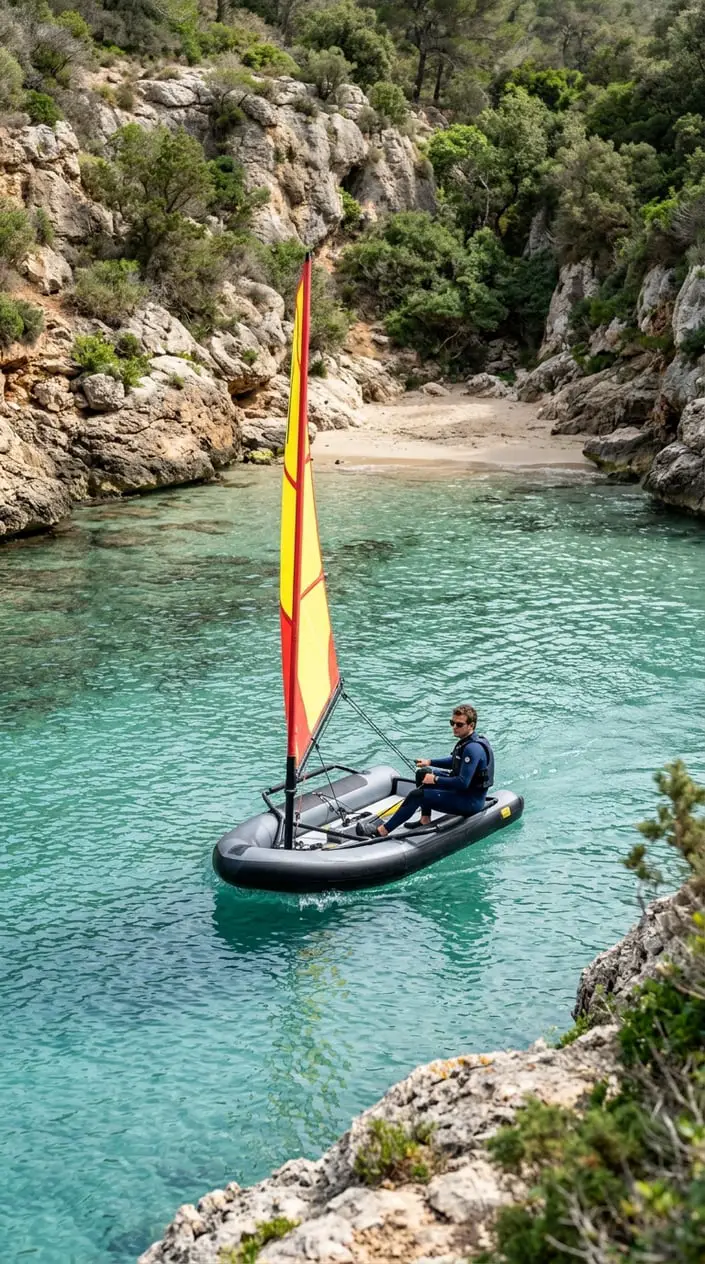
If you want wind-powered exploration, this compact inflatable sailboat packs into bags for transport and storage. Its portable hull and rig make it easier to move by car than a conventional small sailboat, while the sail gives you a quiet way to cross sheltered water.
Sailing into a tight cove calls for careful control of speed and direction. Practice rigging, tacking, and lowering the sail in open, calm water before threading between rocks or approaching a beach. Check wind direction as well as strength, since a breeze that carries you into an inlet may make the return trip harder.
Bring a PFD, a paddle for close maneuvering, and a dry bag for essentials. This boat suits sailors who enjoy active handling and have a suitable protected launch area.
5) Walker Bay 10 Generation
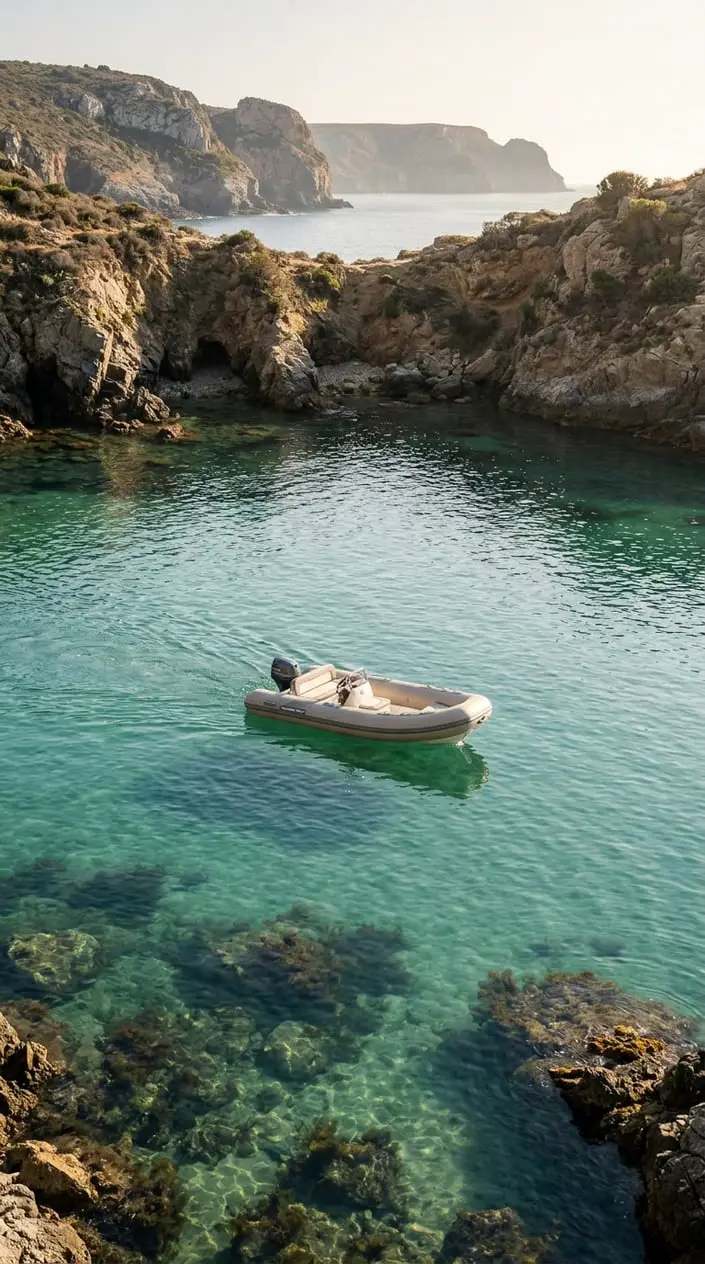
This compact dinghy works for short trips around a harbor, mooring, or sheltered bay, especially when you want the choice of rowing or adding an outboard. Its small size helps you approach beaches and tucked-away shoreline spots where a larger boat would have limited room to turn.
Think through how you’ll move and store it before buying. A dinghy of this size is easier to handle with a second person, and carrying fuel or extra supplies uses space quickly. Check the boat’s capacity plate and follow the manufacturer’s guidance for passenger and motor limits.
Keep a set of oars aboard even when you use an outboard, since they provide a backup near shore. The design is best suited to calm-water exploring close to a safe landing point.
6) Highfield Ultralite 290
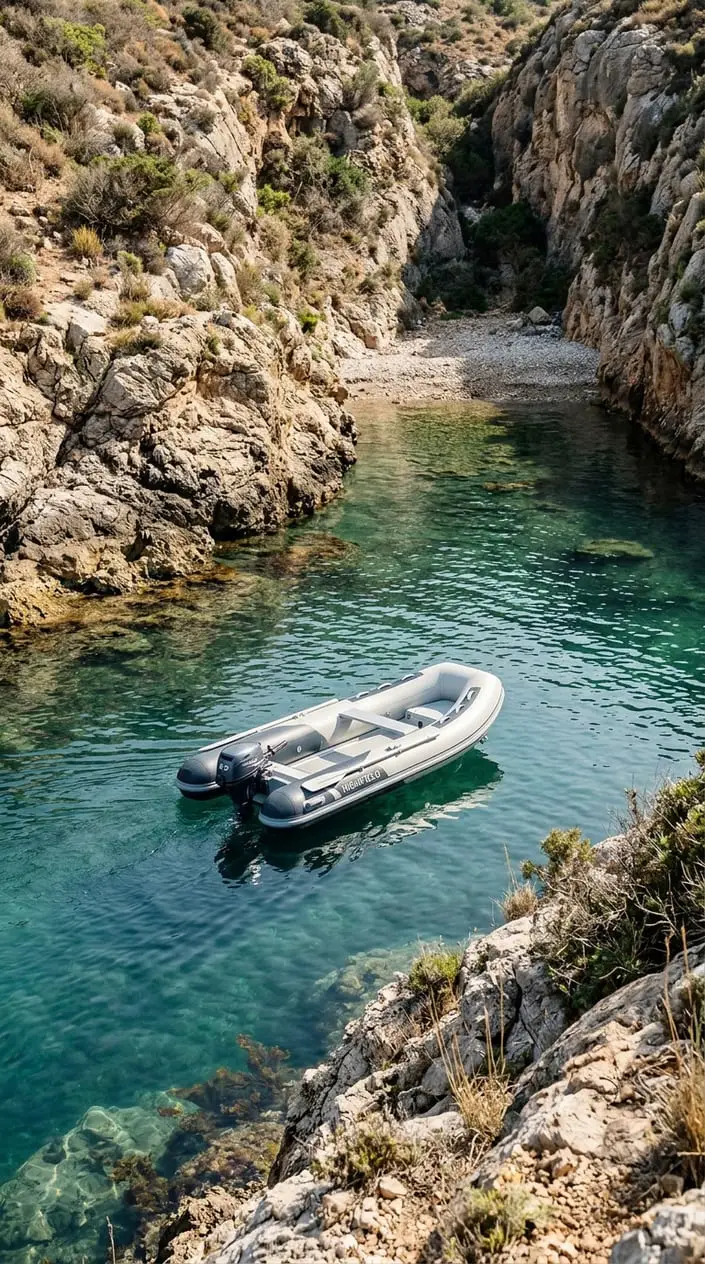
With a rigid aluminum hull and inflatable tubes, this RIB offers a stable platform for short coastal runs and beach landings. Its lightweight construction makes it easier to handle than many larger rigid-hull boats, while the hard bottom helps it travel with more confidence than a soft-floor inflatable.
A small RIB still needs a suitable towing vehicle, trailer, or launching setup, so plan how you’ll get it to the water. The rigid hull also calls for care on rocky beaches: approach slowly, choose a clear landing area, and protect the tubes from sharp edges. Check the capacity and engine limits on the boat’s plate before loading passengers or gear.
For exploring coves, keep a chart or navigation app available and leave room to turn around safely in narrow inlets.
7) Zodiac Cadet 310 Aero
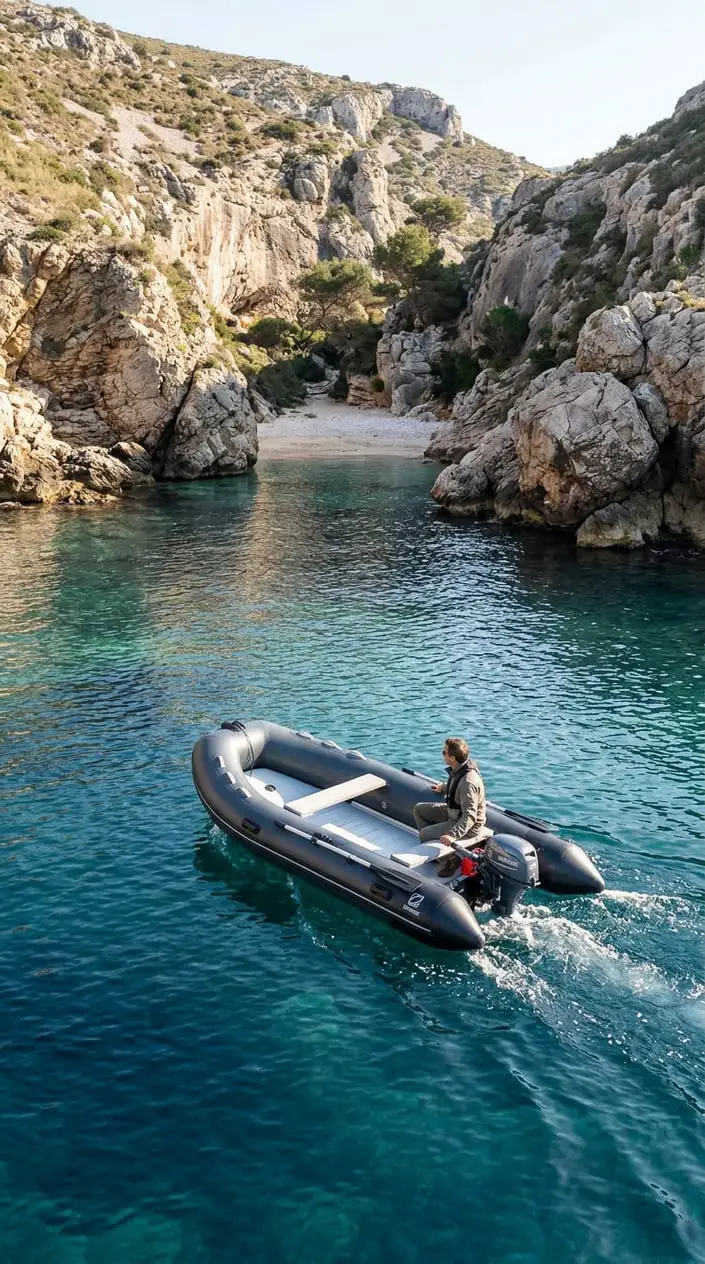
This inflatable tender is a practical choice when portability and easy storage lead your checklist. Its air-floor construction keeps the boat light and packable, making it useful for short trips from a campsite, beach, or larger boat into nearby sheltered water.
Inflatable floors trade the firm feel of a rigid hull for a lighter package, so match your route to calm conditions and a sensible load. Inflate the boat fully according to its instructions, secure the motor if fitted, and check that safety gear is reachable before departure. Carry a pump and repair supplies, and avoid scraping the underside across sharp rocks.
The 310-size format is suited to short outings with a small crew; confirm passenger and load limits on the boat before you head out.
8) Boston Whaler 130 Super Sport
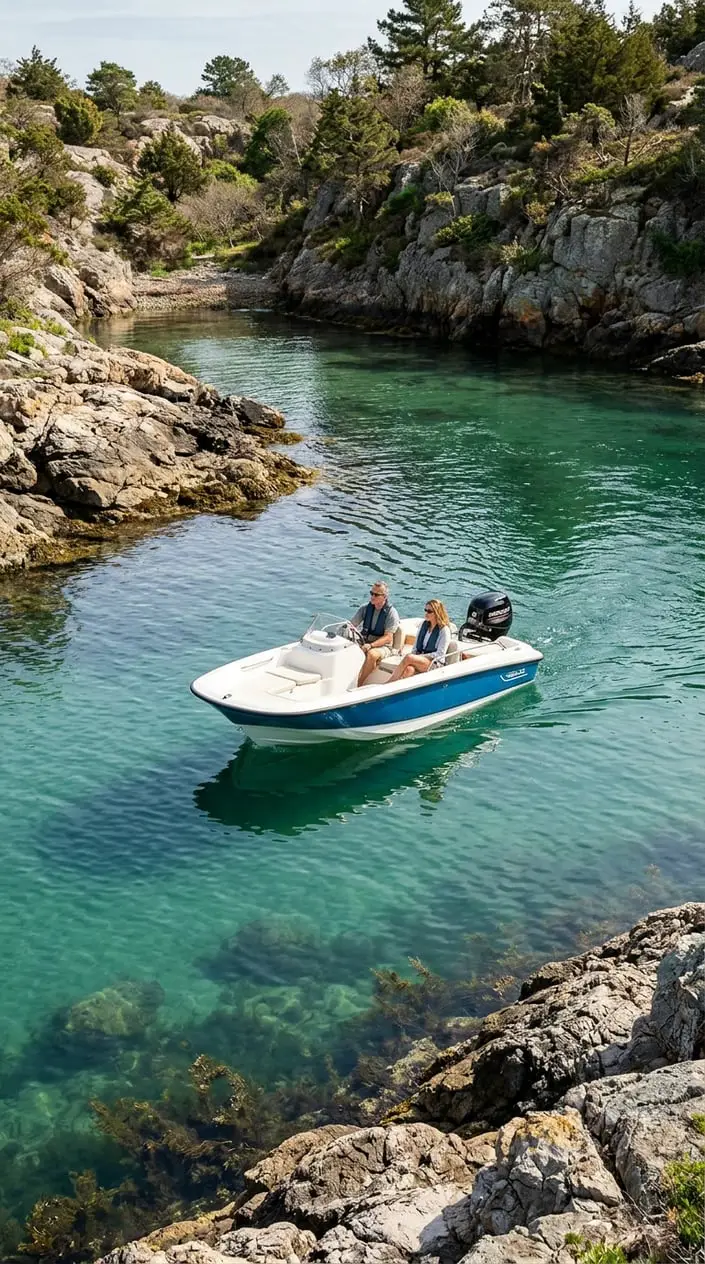
For powered trips with a small crew, this 13-foot runabout gives you a stable platform for coastal cruising and quick stops near shore. Its compact size makes it easier to launch and maneuver than a larger dayboat, while the open layout leaves room to move around the cockpit.
A motorboat can cover more ground than a kayak, so check fuel range and weather before setting off toward a distant cove. Reduce speed near swimmers, wildlife, and rocky entrances, and follow local rules for no-wake areas. Confirm the load limit and recommended engine setup before adding passengers or equipment.
Bring a throwable flotation device, navigation tools, and a way to contact help. The open design is convenient in warm weather, so pack sun protection and drinking water for every passenger.
9) Bayliner Element M15
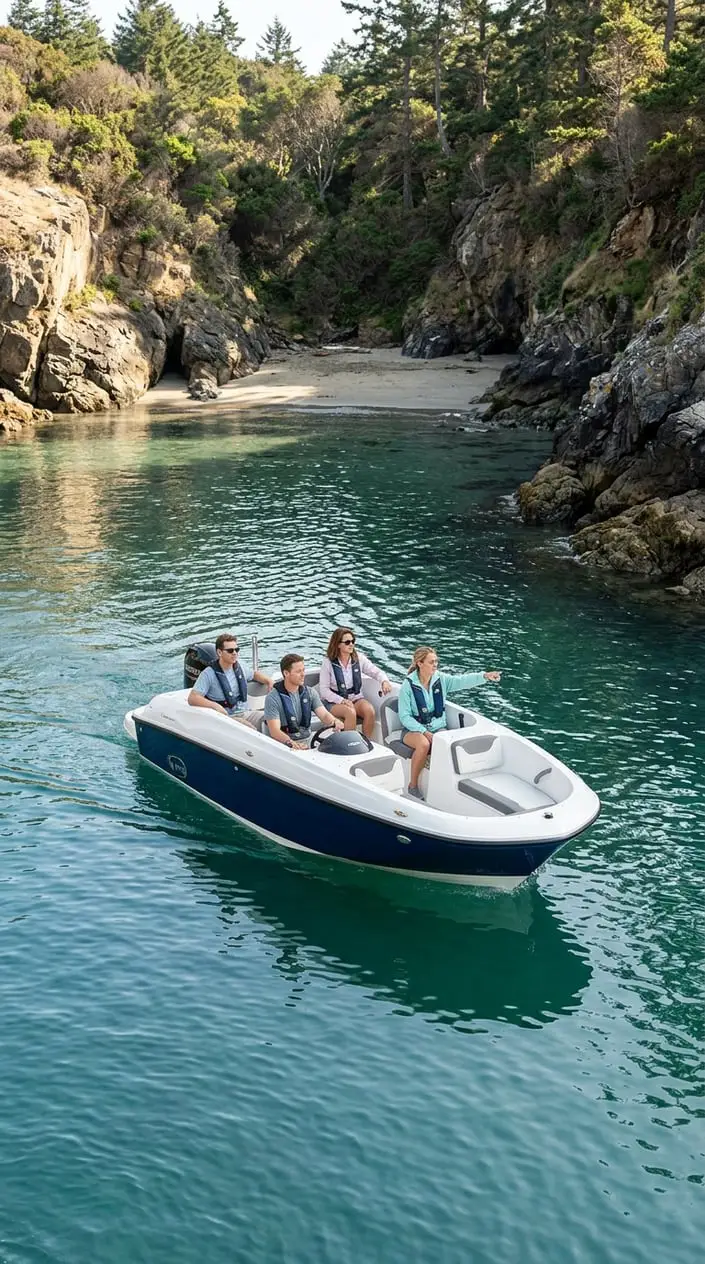
This 15-foot bowrider gives you a roomy layout for casual day trips and visits to sheltered beaches. Its open bow seating helps passengers spread out, and the motorized setup makes it easier to travel between coves when they sit farther apart.
Before leaving the ramp, check the forecast, fuel, and passenger load, then set a clear route with safe turnaround points. Open seating is pleasant in calm weather, though passengers should stay seated while underway and keep gear secured. A swim ladder is handy for getting back aboard after a stop, and a small anchor helps you pause in a suitable area.
Check local anchoring rules and water depth before dropping it. This style suits families or small groups who want a simple coastal dayboat with room for essentials.
10) Jeanneau Cap Camarat 5.5 CC
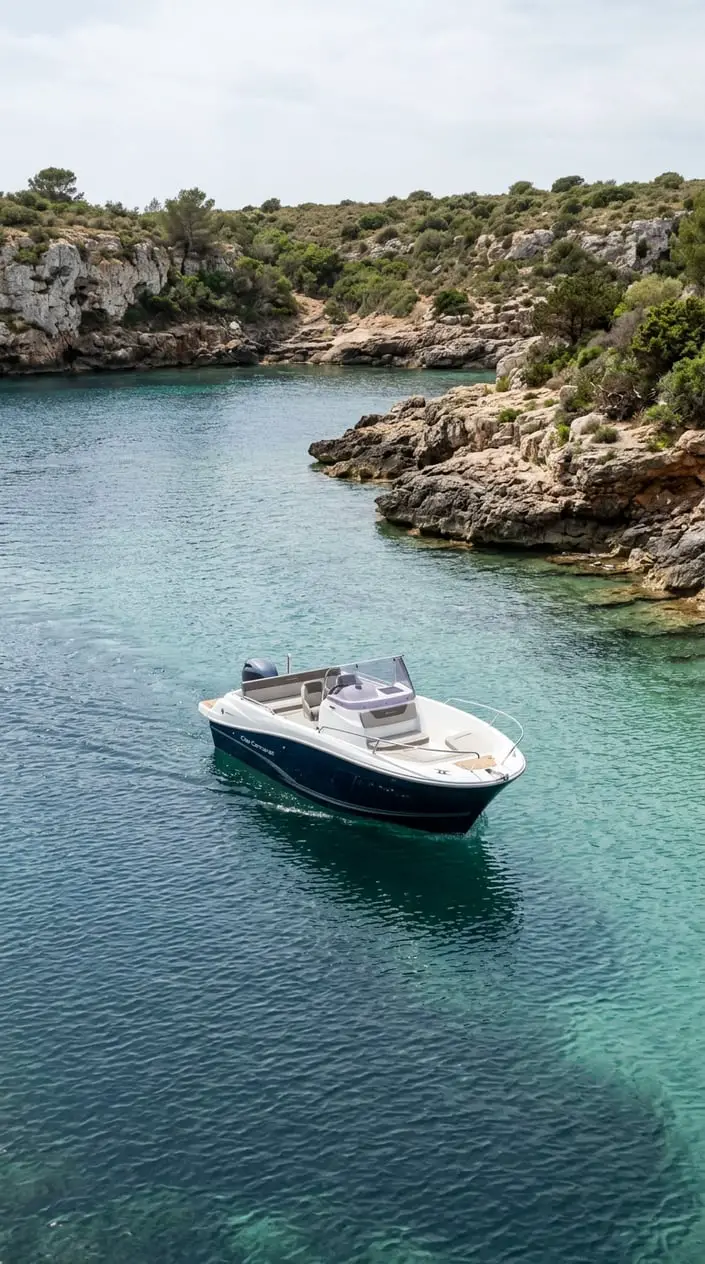
A center-console layout makes this coastal dayboat a versatile option for reaching coves along a longer shoreline. The helm sits in the middle, leaving access around the deck and giving you a clear view while approaching a beach or maneuvering through a narrow entrance.
Its larger footprint and outboard power suit trips that involve open-water crossings between sheltered stops. Review the boat’s capacity and engine specifications, and make sure your launch ramp and tow vehicle can handle its size. Keep passengers seated during acceleration, and slow down well before entering a cove with rocks or other boats.
A chartplotter, anchor, and reliable communication device help you plan a safer route. Pack drinking water and sun protection, since a day on an open deck brings steady sun exposure.
11) Axopar 22 Spyder
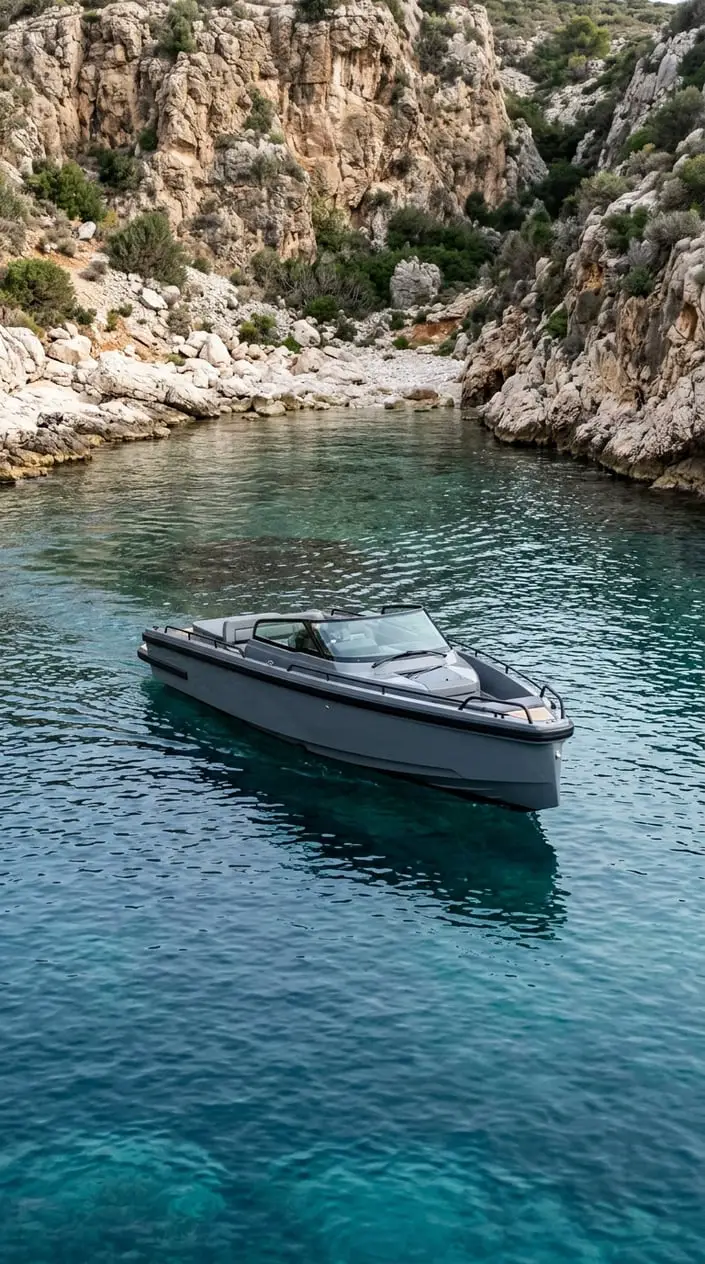
This open dayboat suits you when reaching a string of coastal coves calls for speed, range, and a sheltered helm area. Its 22-foot size offers more room for passengers and gear than a small tender, while the open layout supports easy movement during a day on the water.
The added size calls for a capable tow vehicle, suitable trailer, and careful launch planning. Check the forecast for wind and swell along the whole route, since exposed water between coves can feel very different from a calm inlet.
Keep a safe distance from rocks, and approach beaches slowly after checking depth and local restrictions. Confirm passenger limits and engine details for the specific configuration you’re considering.
Carry life jackets for everyone aboard, a first-aid kit, and navigation tools, then leave room in your schedule to return before conditions change.