Last Updated on November 12, 2026
The Alpacka Raft Gnarwhal is your strongest choice for demanding whitewater because its high-volume, self-bailing design is built for rough rapids.
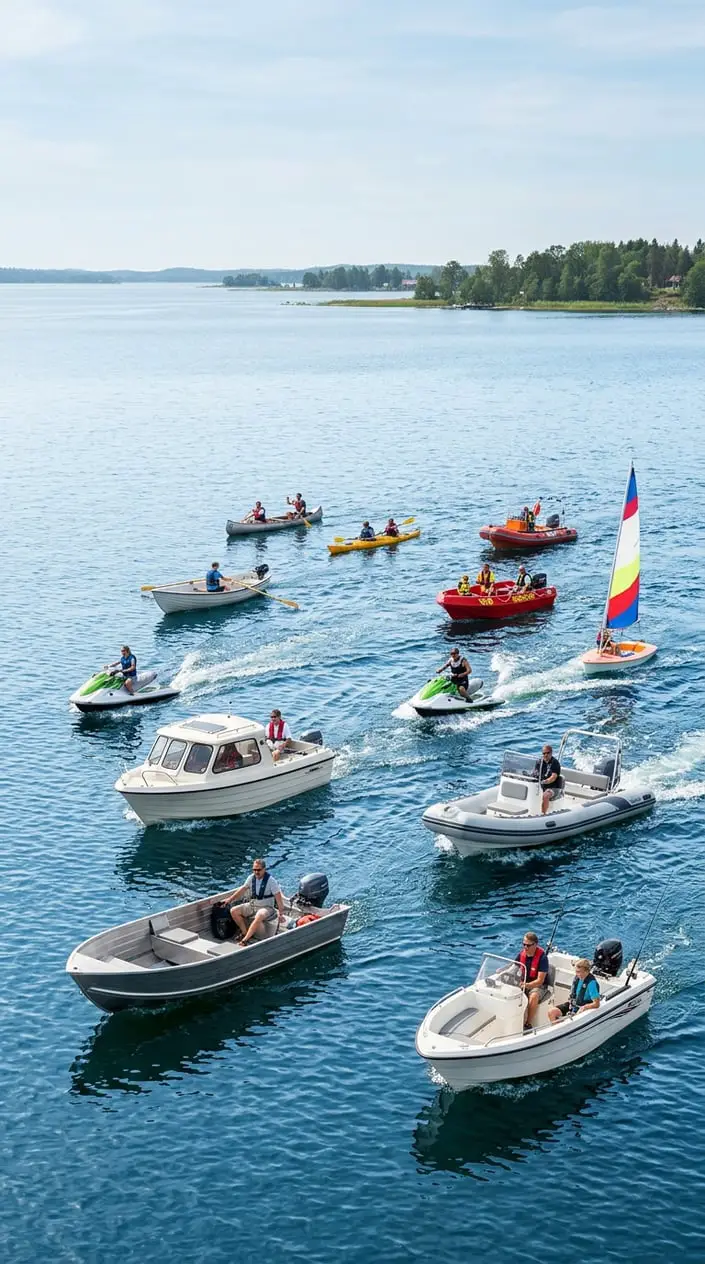
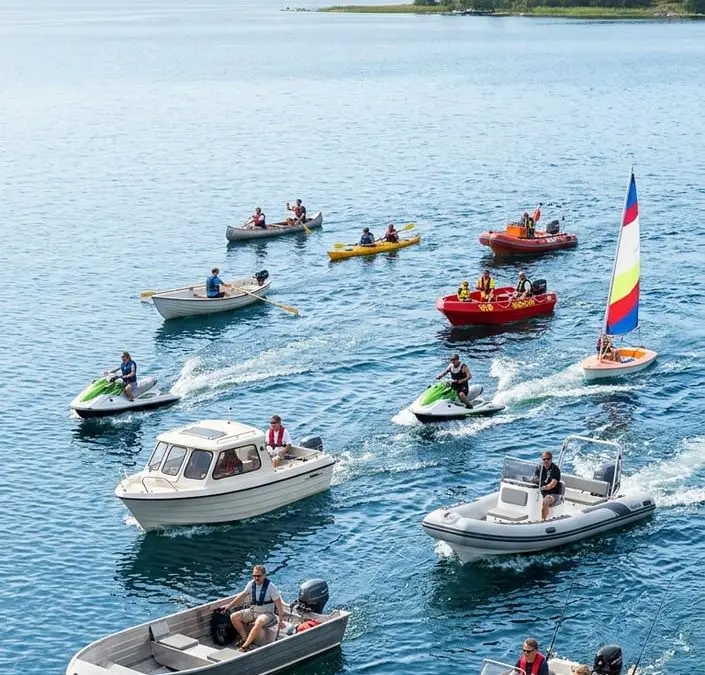
A compact boat is easier to carry, store, and launch from a remote shore. Packrafts take that portability onto rivers and lakes, while small fishing and tandem boats give you more room for passengers or gear.
Match your choice to the water and the load you plan to carry. A nimble solo craft suits different trips from a cargo-focused raft or a two-person boat, and each calls for attention to capacity, fit, and safety gear.
Quick picks:
- Best for demanding whitewater: Alpacka Raft Gnarwhal
- Best for carrying cargo: Alpacka Raft Caribou
- Best for lightweight trips: Kokopelli Rogue-Lite
1) Alpacka Raft Gnarwhal
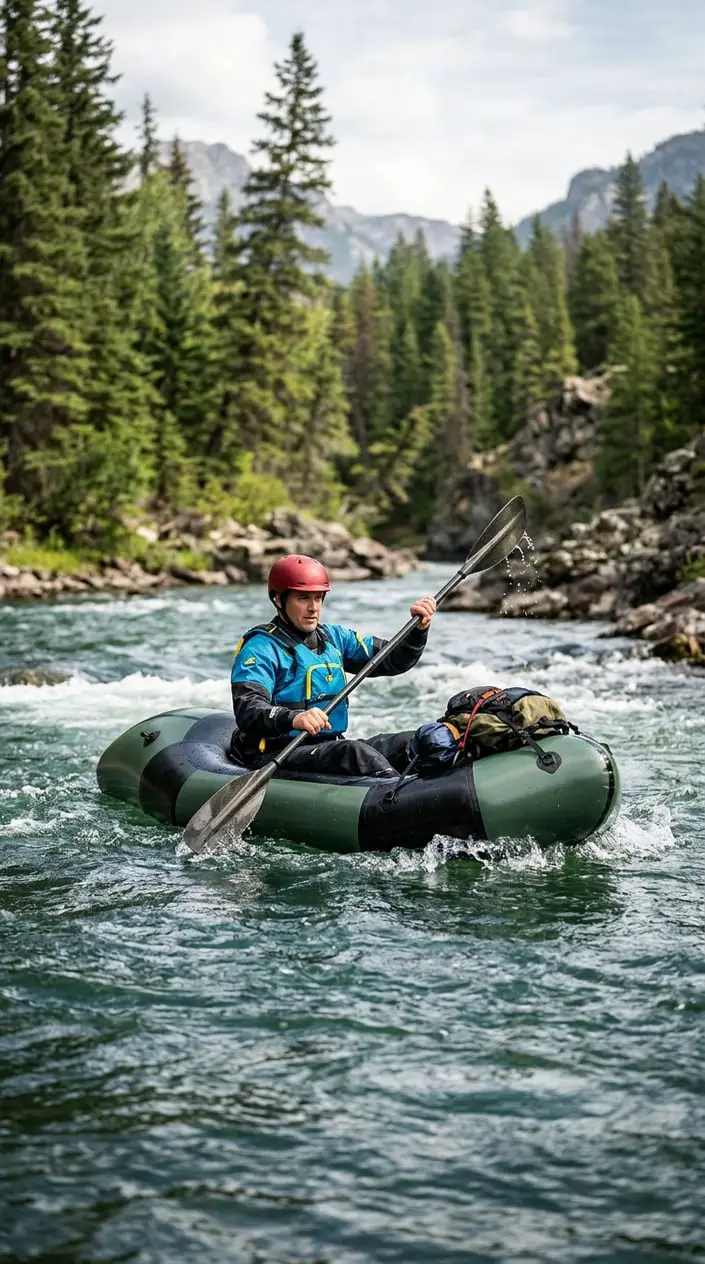
Choose this high-volume packraft when your trips center on demanding whitewater. Its self-bailing floor lets water drain through openings in the hull, a useful feature when rapids send waves over the bow. The wide, buoyant shape gives you room to brace and helps keep the boat riding high in turbulent water.
You’ll still need strong paddling skills, a properly fitted personal flotation device, and a route that matches your experience. Check the current model’s weight limit and setup options before packing, since your combined body weight and gear affect performance.
For easier access to remote runs, the inflatable design packs down for transport on foot. It’s a specialized pick for whitewater days when a light, portable boat can get you to a river that’s hard to reach by road.
2) Alpacka Raft Wolverine
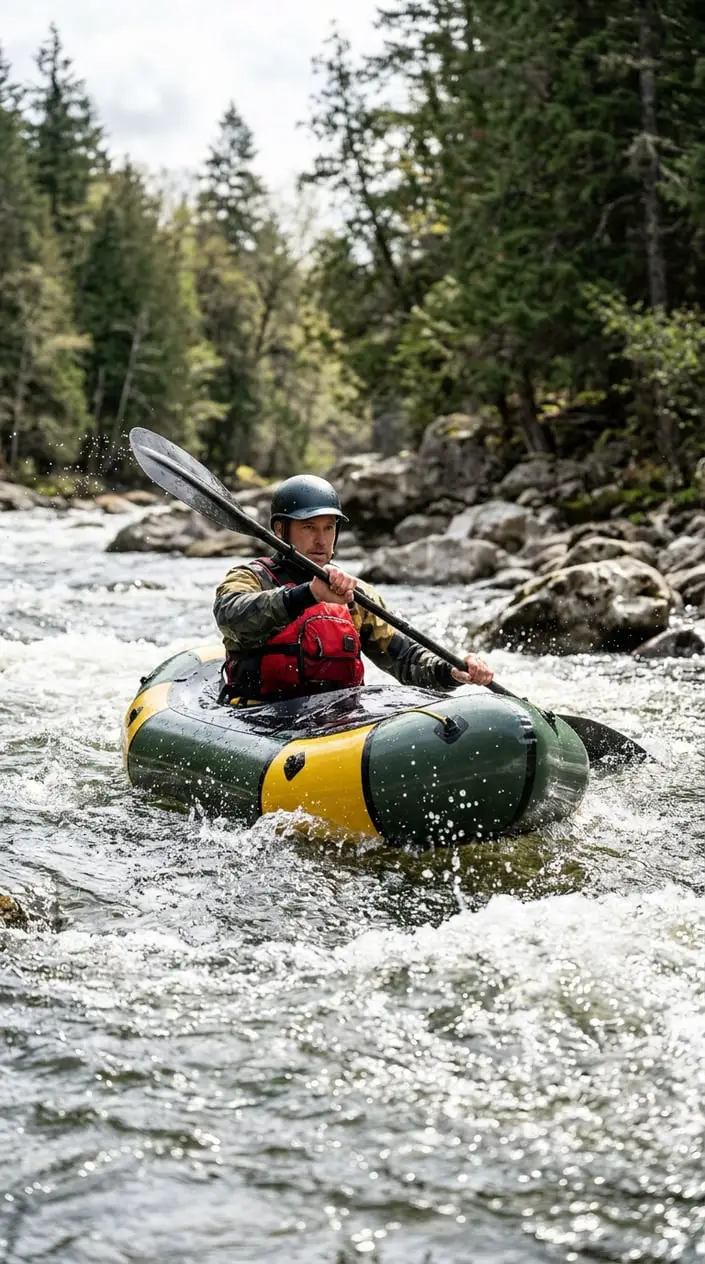
Pick this nimble whitewater packraft when quick handling is high on your list. Its compact style suits paddlers who want an agile boat for technical river sections, where reading the current and placing each stroke helps you steer through rocks and tight turns. The inflatable hull also gives you a portable way to reach river stretches beyond a conventional boat launch.
Before you set out, check the current outfitting options and choose a fit that supports your paddling position. A snug setup helps you stay connected to the boat during active maneuvers.
You’ll also want to match the river’s difficulty to your experience and bring a helmet, suitable flotation, and repair supplies. This craft makes the most sense for skilled paddlers who value a responsive feel and a packable design on whitewater trips.
3) Kokopelli Recon
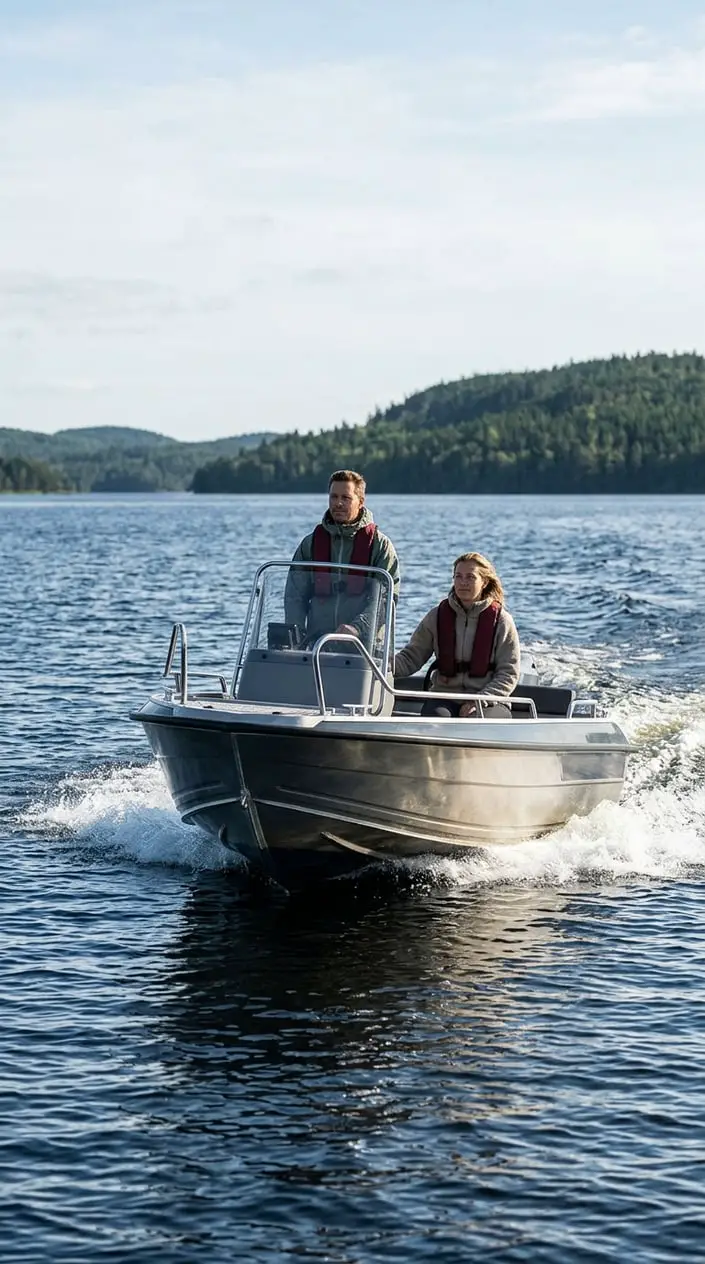
The Recon brings a whitewater-focused shape to a portable packraft. Its self-bailing setup is designed to let water escape through the floor, which helps when rapids wash into the boat. That gives you a practical option for river trips where you want an inflatable craft that can be carried to the put-in and packed away after the run.
You’ll get the most from it when you choose a river that fits your paddling skill and the boat’s current configuration. Review the maker’s capacity guidance before adding a dry bag or other equipment, since cargo changes how a small raft handles.
A helmet and properly fitted PFD belong in your kit for whitewater. If your plans include a mix of river travel and walk-in access, this compact design offers a useful balance of portability and active-water capability.
4) Alpacka Raft Caribou
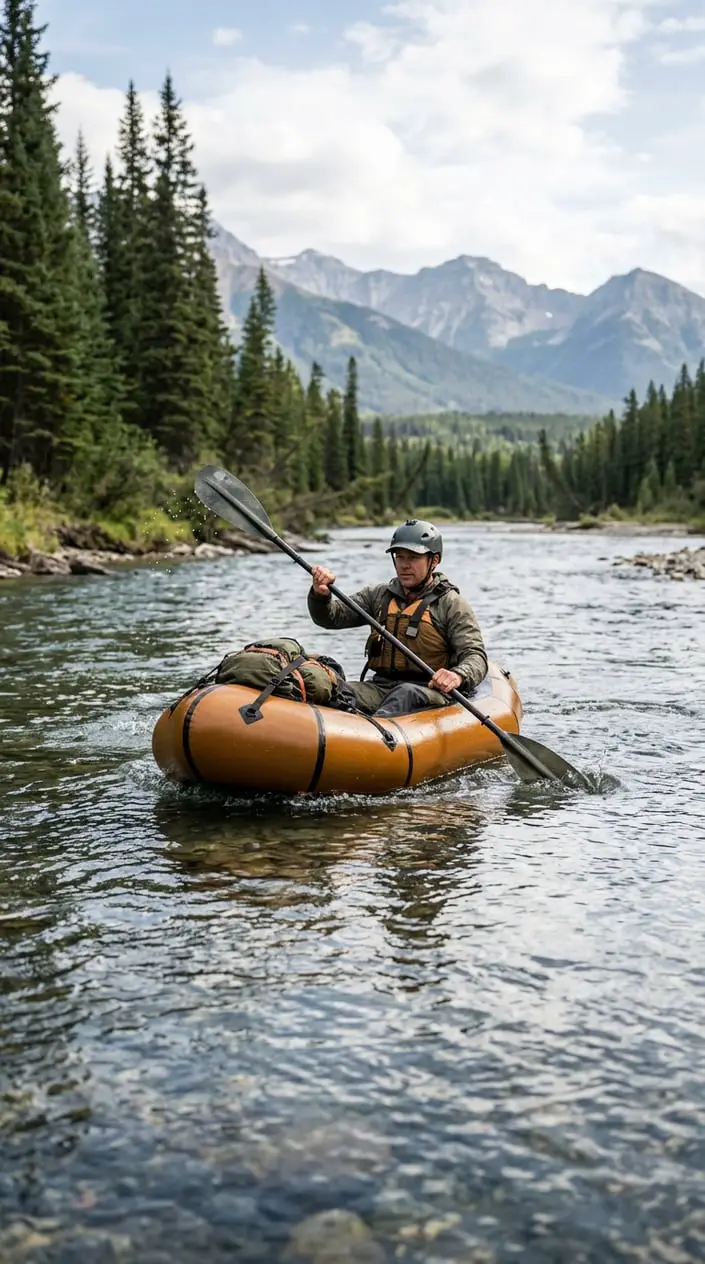
The Caribou is the cargo-minded choice for trips where your boat carries more than a day kit. Its larger load-carrying focus suits multi-day travel, bikepacking, and outings where you need room for bulky equipment. You can pack camping supplies or a bike, then use the raft to connect stretches of trail and water.
Plan your load before you leave: keep dense items low and secure them so they don’t shift as you paddle. Check the current capacity and interior dimensions against your actual gear, including the bike if you’re bringing one.
A cargo-ready boat trades some of the compact feel of a minimalist solo raft for more hauling room. That extra space is useful when your route includes long distances between resupply points or requires you to carry equipment across land.
5) MRS Alligator 2S
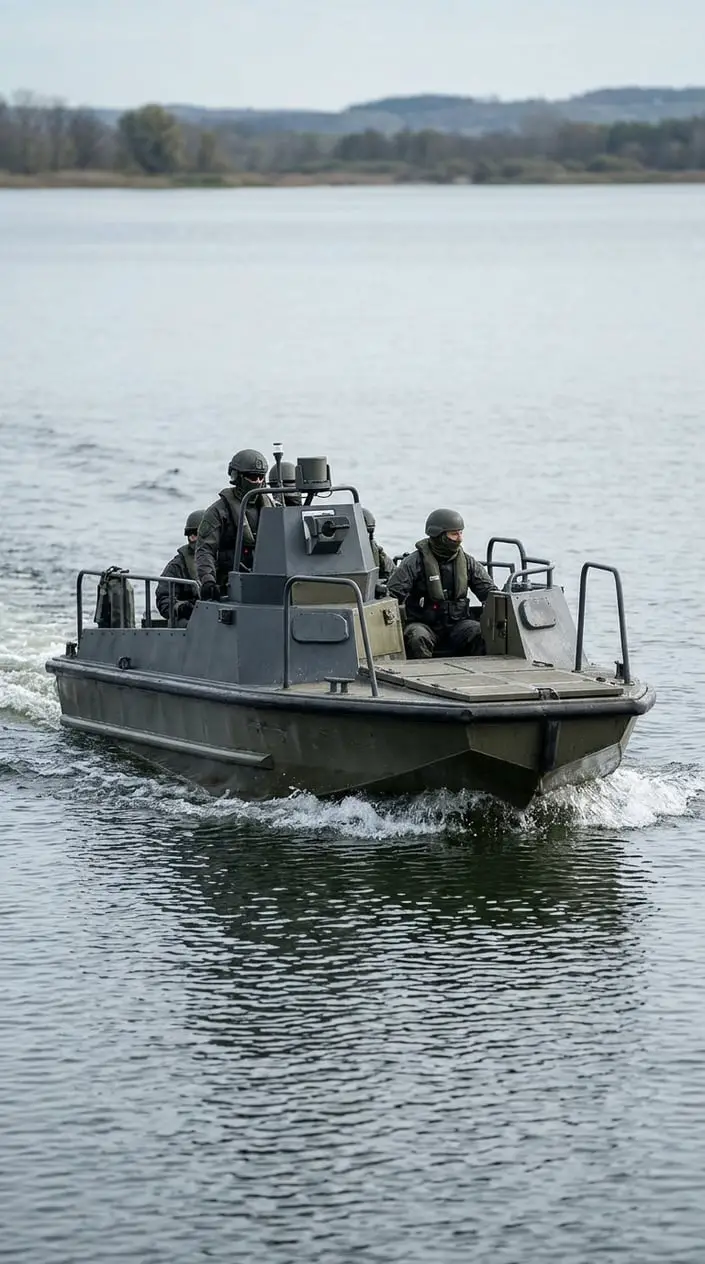
Choose this two-person packraft when you want to share a river run in one inflatable boat. Its tandem layout gives you space for a second paddler, making it a practical option for paired outings and shared gear. The inflatable format also makes it easier to transport to remote water than a rigid boat of similar purpose.
Two paddlers need to coordinate their strokes, especially in moving water. Before you launch, check the current weight capacity and seating arrangement, then divide gear so the boat stays balanced.
Pack PFDs for both people, and bring repair supplies suited to an inflatable hull. A tandem raft takes more room to manage than a solo craft, so consider the width of your launch and the river’s tight passages. For your next two-person float or whitewater trip, it offers a portable way to keep both paddlers in the same boat.
6) Kokopelli Rogue-Lite
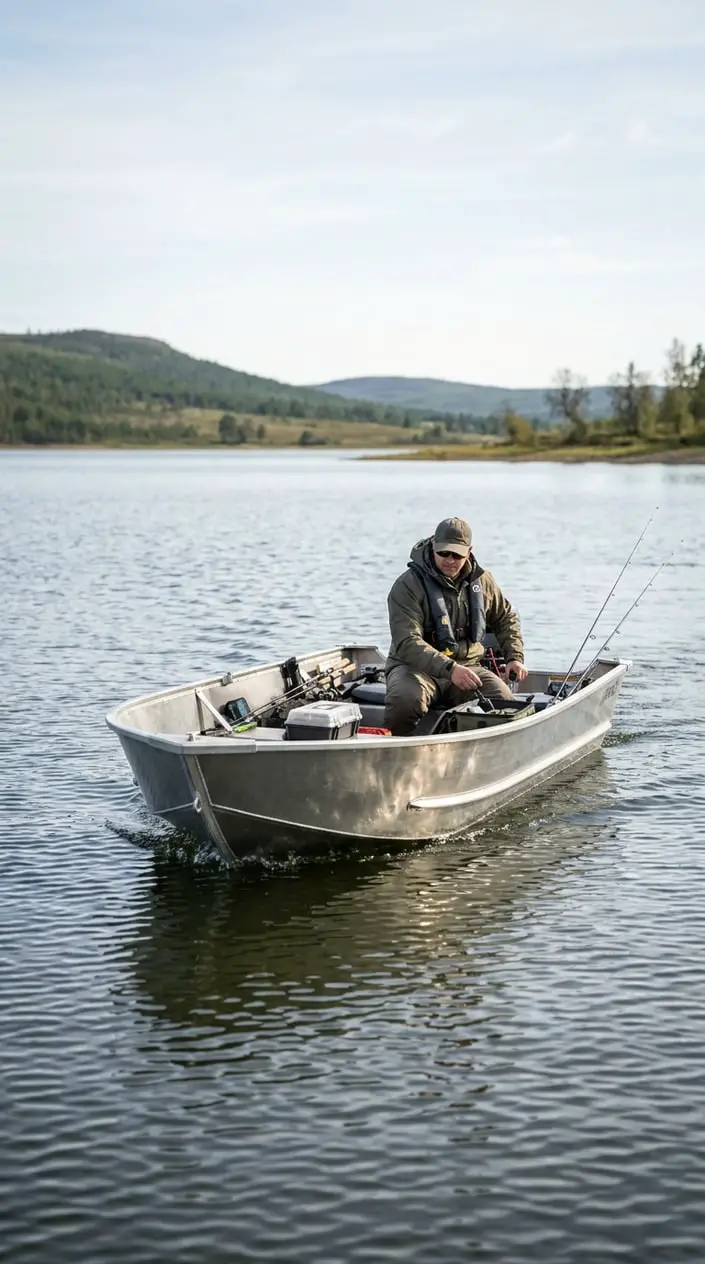
The Rogue-Lite suits you when low carry weight is a priority for flatwater and mellow outings. This lightweight packraft is made for trips where you’ll carry your boat to the launch, such as a hike to a lake or a short approach to a gentle river. Its compact packed size makes it easier to fit into a backpack with your other essentials.
Keep your plans within the boat’s intended water conditions and verify its current capacity before loading it with overnight gear. A small raft has limited room for fishing tackle, a dry bag, and extra layers, so pack only what you need and secure everything.
Wear a PFD even on calm water, and check wind and weather before setting out. If your route involves plenty of walking and a simple paddle, this lightweight design helps reduce the burden on the approach.
7) Alpacka Raft Forager
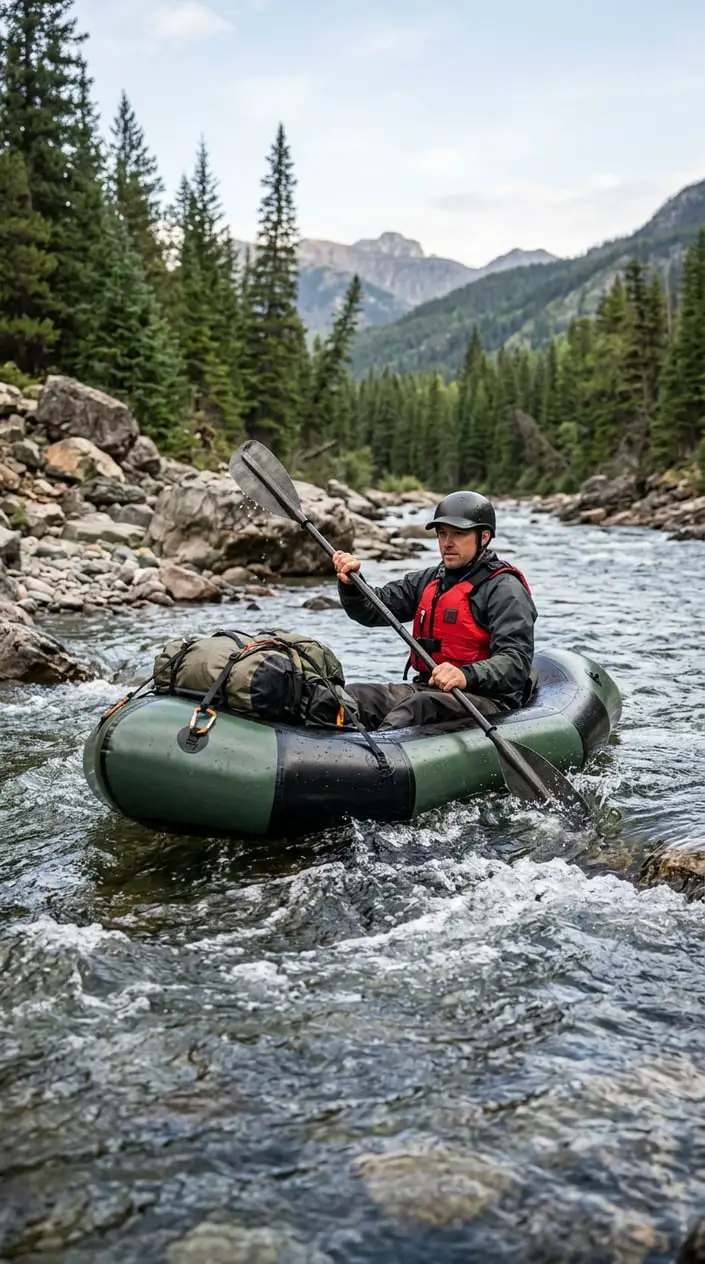
The Forager gives you a roomier packraft platform for carrying equipment on river trips. Its cargo-oriented design fits outings where a compact solo raft leaves too little space for supplies. You can use that added room for camping gear or other bulky loads while keeping the boat portable for land approaches.
Think through how the extra cargo will affect your route and handling. Keep equipment secured, balance the load, and check the latest capacity guidance before you head out.
A larger raft can be useful for longer trips, yet a full load calls for careful packing and a realistic plan for the water you’ll encounter. Bring a PFD, a paddle suited to the river, and a repair kit for the inflatable hull. This design works well when carrying your gear is part of the trip, not an afterthought.
8) MRS Barracuda R2
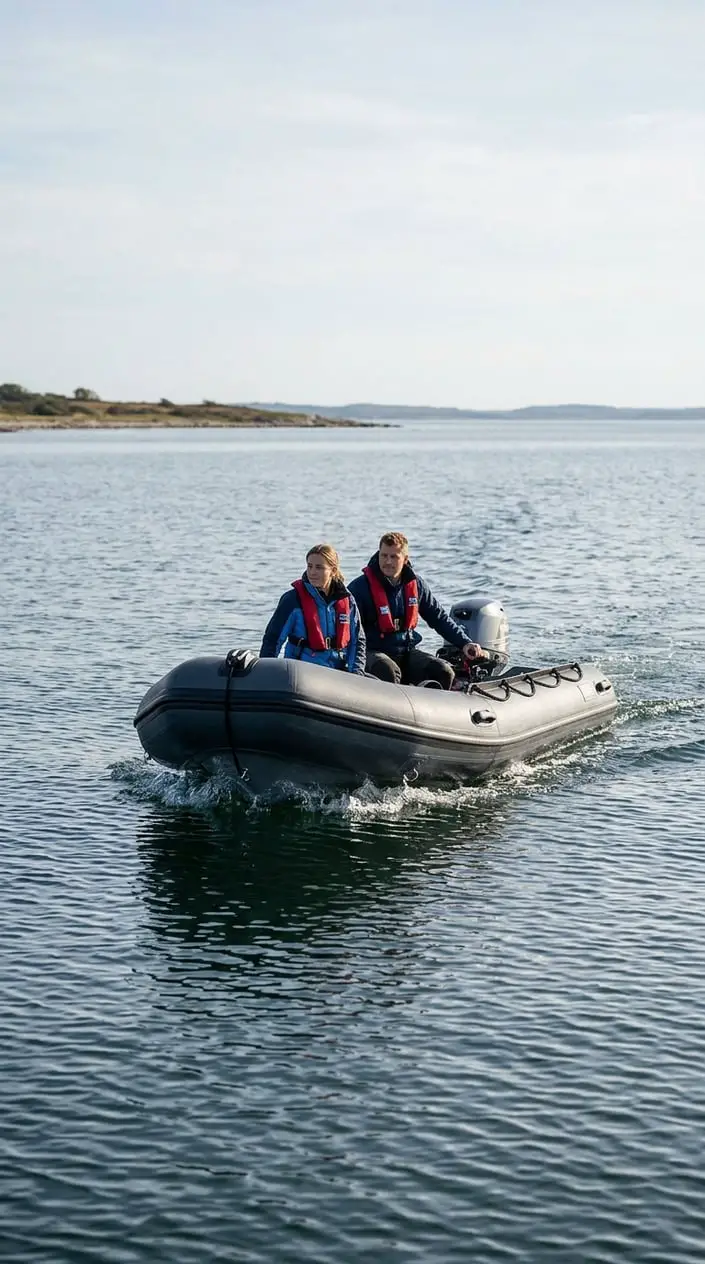
The Barracuda R2 is a tandem inflatable option for paddlers who want room for two. Its longer two-person format gives you space to travel with a partner and share the work of moving across the water. As an inflatable boat, it offers a packable alternative for trips where carrying a rigid kayak would be inconvenient.
You’ll want to check the current model’s weight limit, seat setup, and packed size before committing to a route. Arrange the two paddlers so the boat stays balanced, and secure dry bags where they won’t interfere with your strokes.
Tandem paddling works best when you agree on a rhythm and communicate before changing direction. Carry PFDs for both paddlers and plan around wind, current, and water temperature. For shared day trips or longer paddling outings, this design gives you a portable boat with space for a companion.
9) Kokopelli Twain
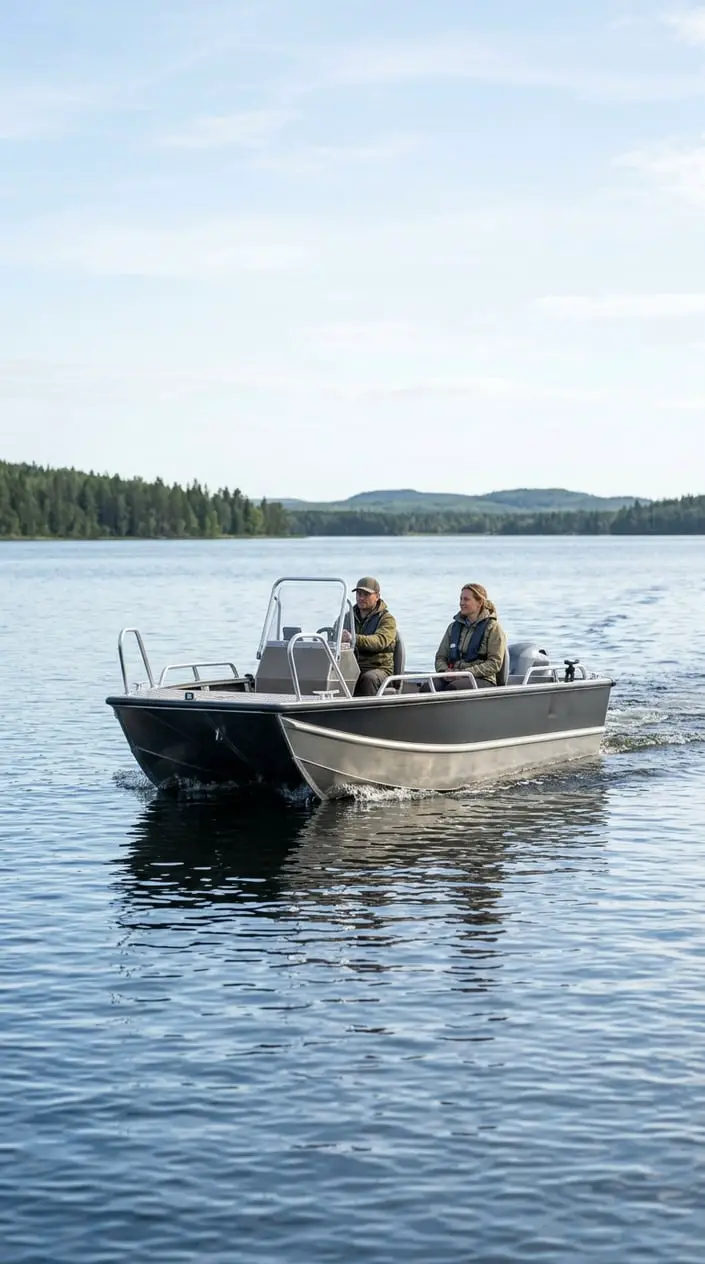
The Twain gives you a tandem packraft for shared paddling and travel on calm water. Its two-person format helps you bring a partner along in one compact inflatable craft, with space to organize the essentials for a day on the lake or a gentle river. The packable hull also makes it practical when your launch point sits beyond an easy drive-up boat ramp.
Before you go, compare the current capacity with the combined weight of both paddlers and your gear. Keep the load balanced, and decide who will carry which items on the walk to the water.
Tandem boats need room to launch and enough open space for both paddlers to work their strokes. Wear PFDs and check conditions for wind, cold water, and changing weather. If you want a shared boat that you can carry to a quiet shoreline, this setup offers a straightforward way to paddle together.
10) Alpacka Raft Classic
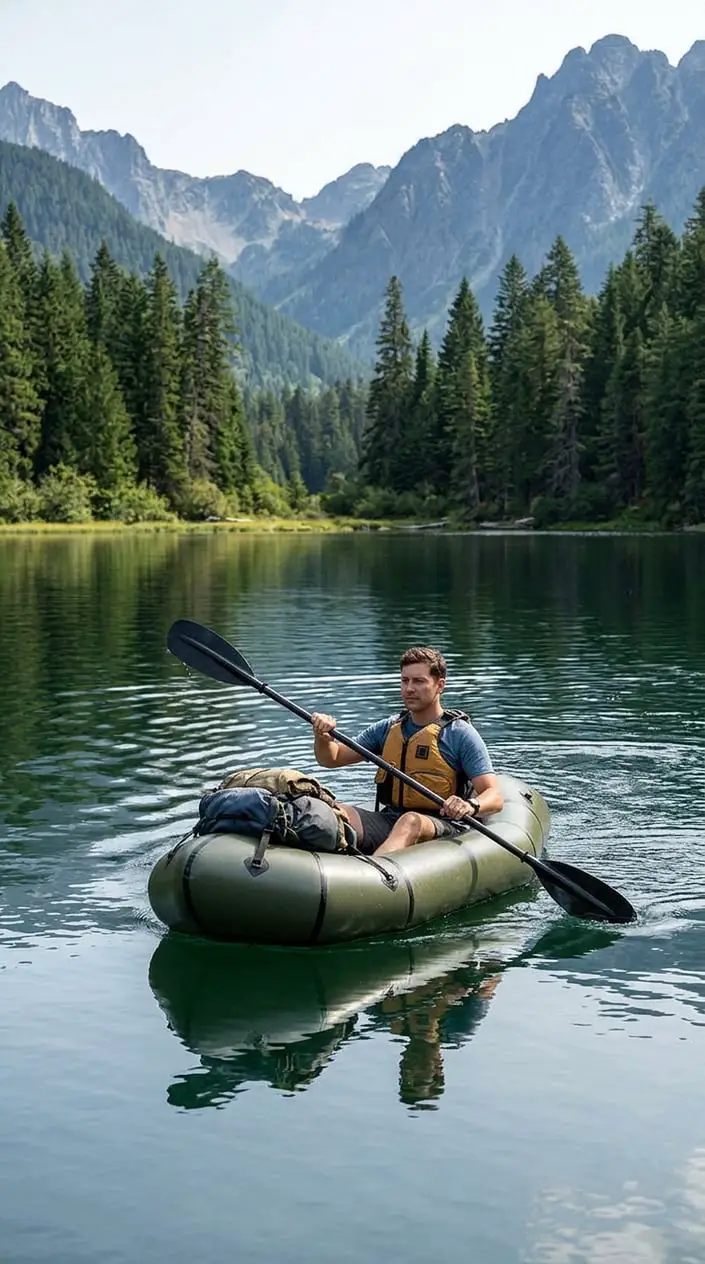
The Classic is a versatile solo packraft for straightforward trips on lakes and suitable rivers. Its simple, portable design makes it a natural choice when you want one boat for day outings and walk-in access. You can carry it to a remote launch, inflate it at the water’s edge, and pack it down again when the paddle is done.
Choose your route with the boat’s current capacity and intended conditions in mind. For calm lakes, check the forecast for wind before launching, since a light craft can be affected by exposed conditions. Bring a PFD, a dry bag for essentials, and a repair kit for the inflatable hull.
If you expect to paddle moving water, make sure your experience and the boat’s configuration suit the route. This is a practical starting point when you want a compact solo craft for exploring accessible water.