
Last Updated on November 13, 2026
A liveaboard home gives you a daily view of the water and a close-up feel for the place where you’re moored. The 10 boat pictures that will convince you to try a liveaboard life show how your routines can unfold beside a marina, along a canal, or at anchor.
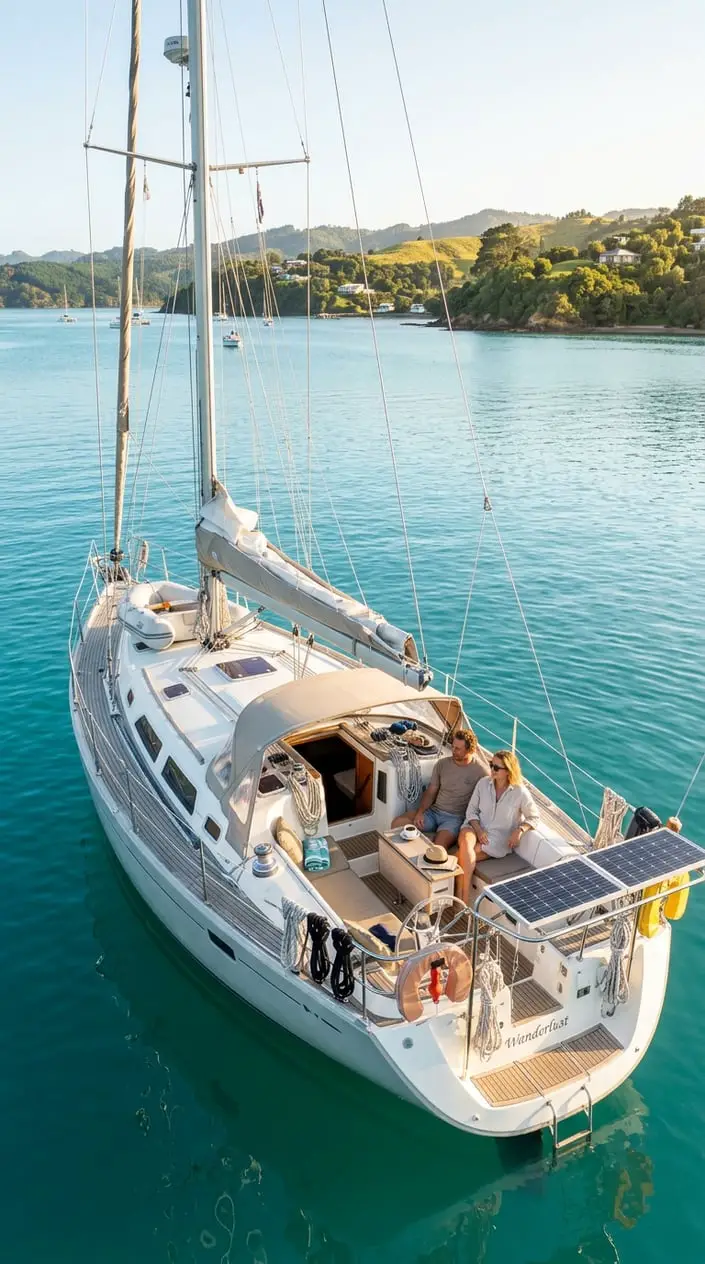
Your ideal setup might be a floating home with a permanent dock or a sailboat that moves with the season. Each kind of boat brings its own daily tasks, from checking lines and weather to managing storage and fresh water. These places offer a glimpse of the many ways you can make a home afloat.
1) Sausalito’s Colorful Floating Homes
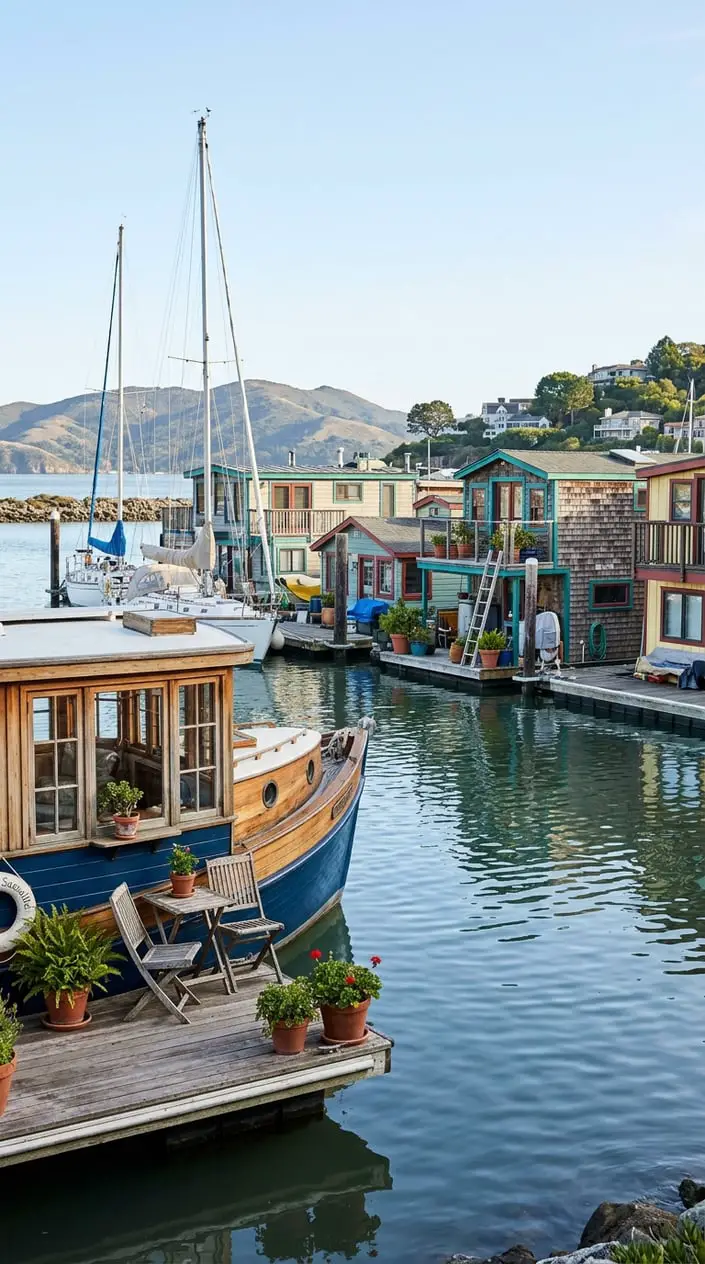
Sausalito’s floating homes show how you can pair a stable marina address with a home designed around the water. Along the waterfront, houseboats and floating homes bring bright colors, varied shapes, and outdoor decks to the shoreline. The setting gives you a sense of community while keeping the Bay Area’s urban life within reach.
Daily life here centers on the dock as much as the front door. You’ll carry groceries along the pier, keep an eye on changing tides, and make room for dock lines and water views. A fixed home base can suit you if you want a settled routine and the feel of a boat neighborhood.
Before choosing a slip, check the marina’s rules, included utilities, and access to parking. Those details shape the practical side of living on the bay.
2) Lake Union Houseboats in Seattle
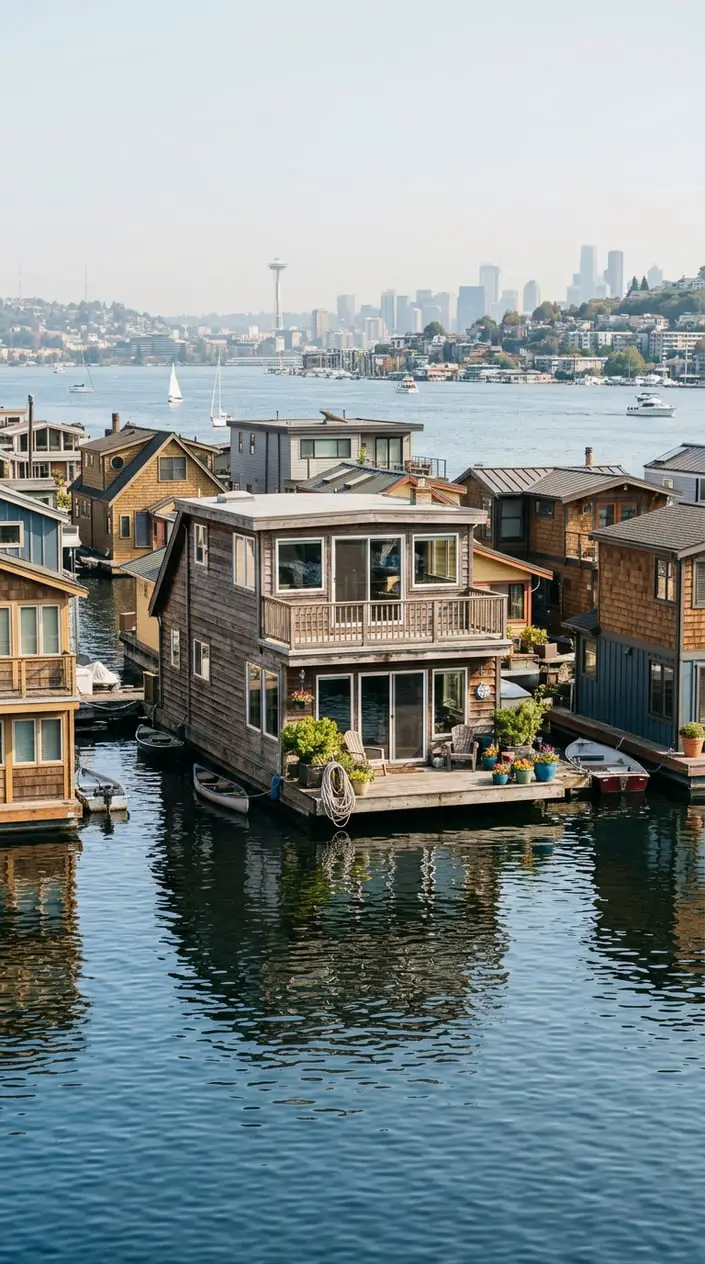
Lake Union lets you live on the water while keeping Seattle’s city life close at hand. Houseboats sit in a working urban setting, with the skyline, seaplanes, and waterfront activity forming part of your everyday view. You get the calm of a dockside home alongside easy access to shops, jobs, and transit around the city.
A floating home has room for a more settled routine than a cruising sailboat, though its footprint still rewards smart storage. Use built-in shelves, choose furniture that fits narrow rooms, and keep wet-weather gear near the entry. The lake’s changing weather also makes secure dock lines and regular checks part of home care.
If you’re considering a move, ask about the specific moorage agreement and utilities at the dock. Your options for parking, guest access, and repairs depend on the marina.
3) Amsterdam Houseboats Along the Prinsengracht
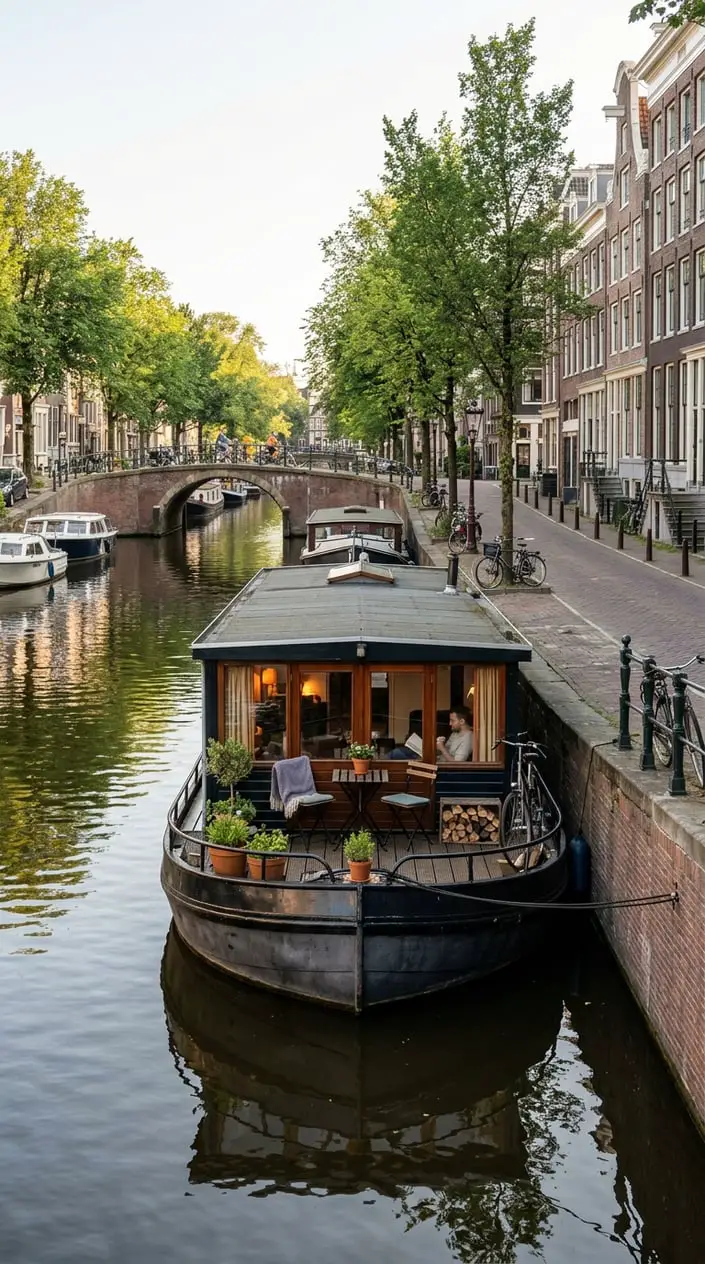
A canal-side houseboat gives you a compact home in the middle of Amsterdam’s historic streets. Along the Prinsengracht, your front windows can look toward canal traffic and rows of old buildings. The location makes walking and cycling part of everyday travel, while the boat’s low profile keeps you close to the water.
Living aboard calls for a careful eye on space. You’ll want storage that uses vertical surfaces and furniture that leaves clear paths through the cabin. Mooring arrangements and home rules vary, so check the terms for a specific berth before making plans.
Ask how utilities connect, where waste is handled, and what upkeep falls to the resident. Canal living has a steady rhythm of pedestrians and boats passing nearby, which makes window coverings and sound insulation useful details to consider when you choose a home.
4) Narrowboats on England’s Kennet and Avon Canal
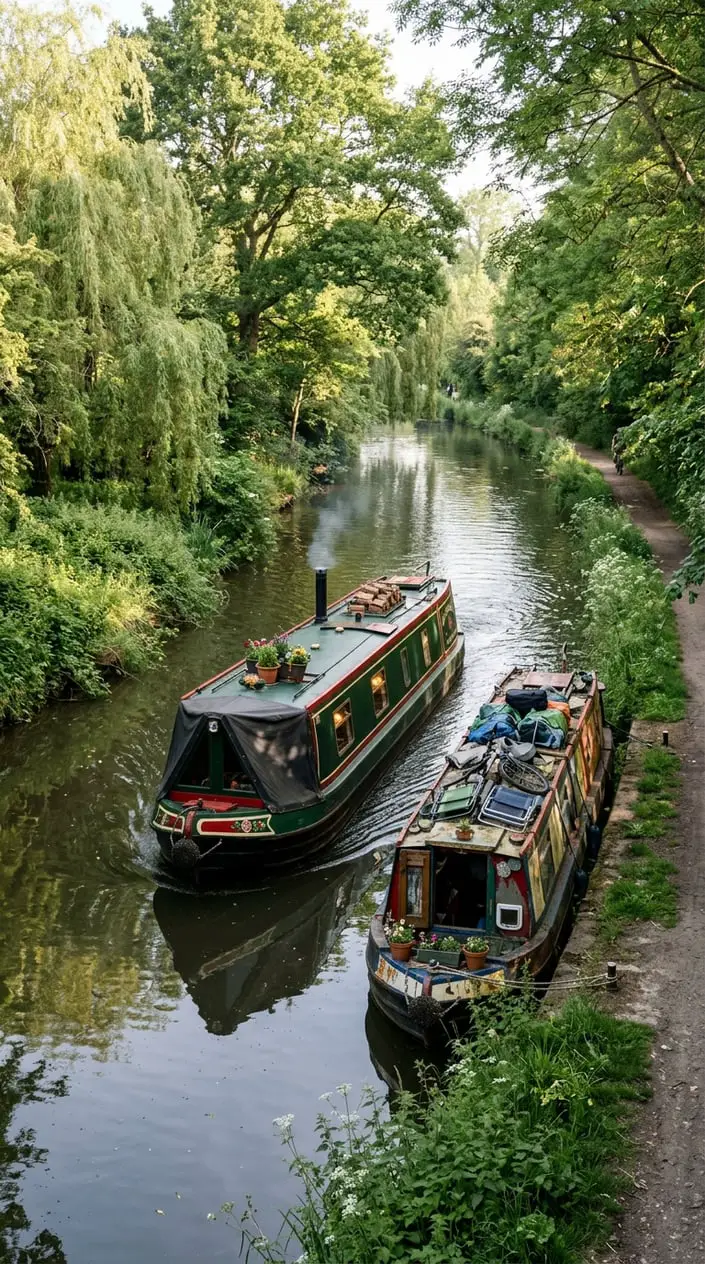
A narrowboat gives you a home that can travel slowly through the English countryside. On the Kennet and Avon Canal, you can moor beside a tree-lined towpath, then move on when you’re ready to cruise. The boat’s long, slim shape is made for canal routes, where locks and narrow passages set the pace of travel.
Plan your days around practical supplies. You’ll need to keep track of fresh-water levels, battery charge, and fuel, along with the route’s lock locations. A small galley and multi-use seating help you make the most of the cabin’s length.
Towpath stops bring walks and village visits close to your mooring, while cruising gives you a changing view from the windows. If this lifestyle appeals to you, learn the boat’s systems and lock routine before setting off for a longer stretch of canal.
5) Kerala Kettuvallam Houseboats in Alleppey

A kettuvallam houseboat brings you close to life on Kerala’s backwaters. In the Alleppey area, these boats travel through waterways bordered by palms and village homes. Their traditional form is linked to cargo boats once used to carry rice, while today’s houseboats are fitted for overnight stays and slow trips.
For you, the appeal is a daily routine shaped by warm air, water, and changing scenery. Covered decks provide shade, and the cabin offers a place to rest between stretches on the water. Many boats serve visitors on set journeys, so a cruise gives you a taste of the setting without promising a permanent berth or year-round home.
If you’re exploring a longer stay, ask operators about trip length, onboard facilities, and how local rules affect mooring. The route and season shape what you’ll see from the deck.
6) A Sailboat at Anchor in Bora Bora’s Lagoon

A sailboat at anchor in Bora Bora’s lagoon shows the freedom and care that come with living aboard. You wake to clear water and a view of Mount Otemanu, then plan the day around wind, weather, and the boat’s position. An anchorage offers a quiet base while keeping the shoreline within reach by dinghy.
This kind of home asks you to stay alert to changing conditions. Check your anchor, watch the forecast, and keep drinking water and power use in mind. A compact galley and secure storage help keep daily routines manageable when the boat moves.
In a sensitive lagoon, follow local rules for anchoring and waste disposal, and choose established mooring options when required. Bora Bora offers a striking setting for cruising, while the practical rhythm of boat care remains part of each day on board.
7) Stockholm Archipelago Cabin Cruisers
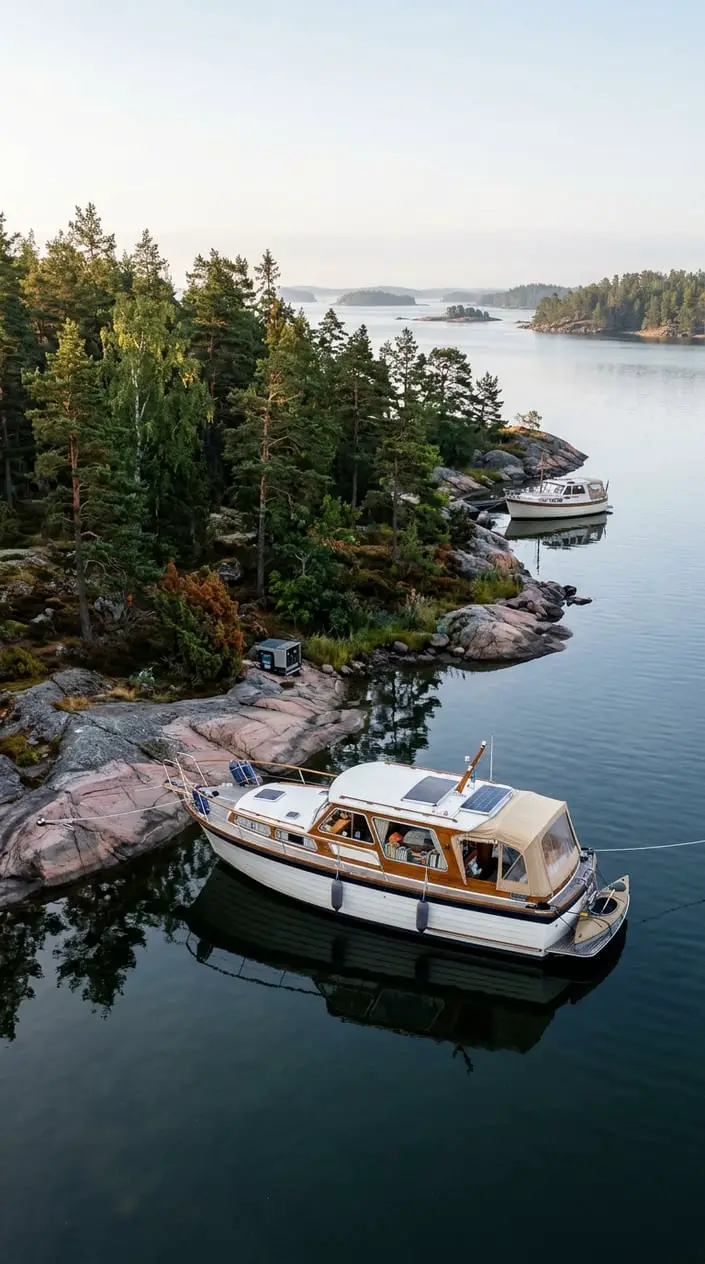
A cabin cruiser gives you a sheltered base for exploring the wooded islands of the Stockholm Archipelago. You can tie up near shore, step onto a quiet island, and return to a cabin that keeps the wind and spray outside. The mix of small harbors and natural landscapes makes this style appealing if you want to move between stops.
A cruiser’s cabin usually favors practical comfort and efficient use of space. You’ll want warm bedding, dry storage, and a plan for cooking in a small galley. Seasonal weather shapes how long you stay aboard, so check the boat’s heating, shore-power setup, and winter storage needs before committing to extended use.
Island stops also call for care with waste and mooring choices. When you plan a route, note safe harbors and nearby services so you know where to refuel or replenish supplies.
8) Liveaboard Sailboats in Florida’s Key West Harbor
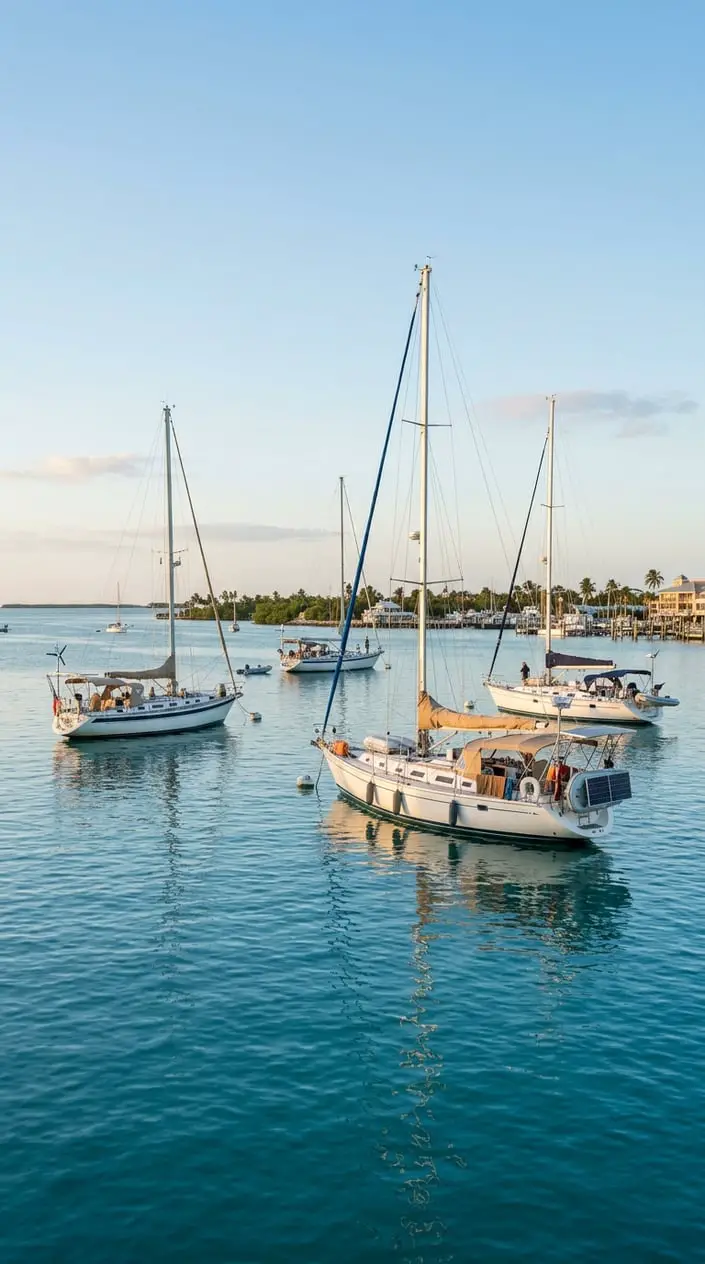
Key West Harbor puts a liveaboard sailboat within reach of island life and open-water sailing. You can keep a compact home aboard while staying close to waterfront services and the town’s walkable streets. A harbor mooring gives you a base for daily errands, with the water always part of the view.
Before choosing a berth, check marina policies for liveaboards, dinghy access, utilities, and guest visits. Florida’s storm season also calls for a clear plan for securing or moving your boat when conditions change. Salt air and sun add regular work, so inspect lines, canvas, and deck fittings as part of your routine.
Inside, use bins that lock in place and keep essential gear easy to reach. That preparation helps you balance the pleasures of harbor living with the care a coastal boat needs.
9) Hong Kong’s Aberdeen Floating Village

Aberdeen Harbour shows the deep connection between boat life and Hong Kong’s maritime history. Traditional boats share the harbor with modern waterfront buildings, giving you a view of a busy working port. The scene reflects a long-standing relationship between local communities and the sea, alongside the city’s growth around the water.
For you, the harbor offers a reminder that floating life is shaped by the people and rules around it. A boat-dwelling tradition and a modern liveaboard setup are different experiences, so research access and residence arrangements before planning a stay. Consider how you’ll reach shore, where you’ll get supplies, and how daily services work from your berth.
Harbor traffic and changing conditions also call for careful attention to mooring and local guidance. If you visit, choose respectful ways to learn about the community and its history.
10) A Canal Barge Moored in Bruges
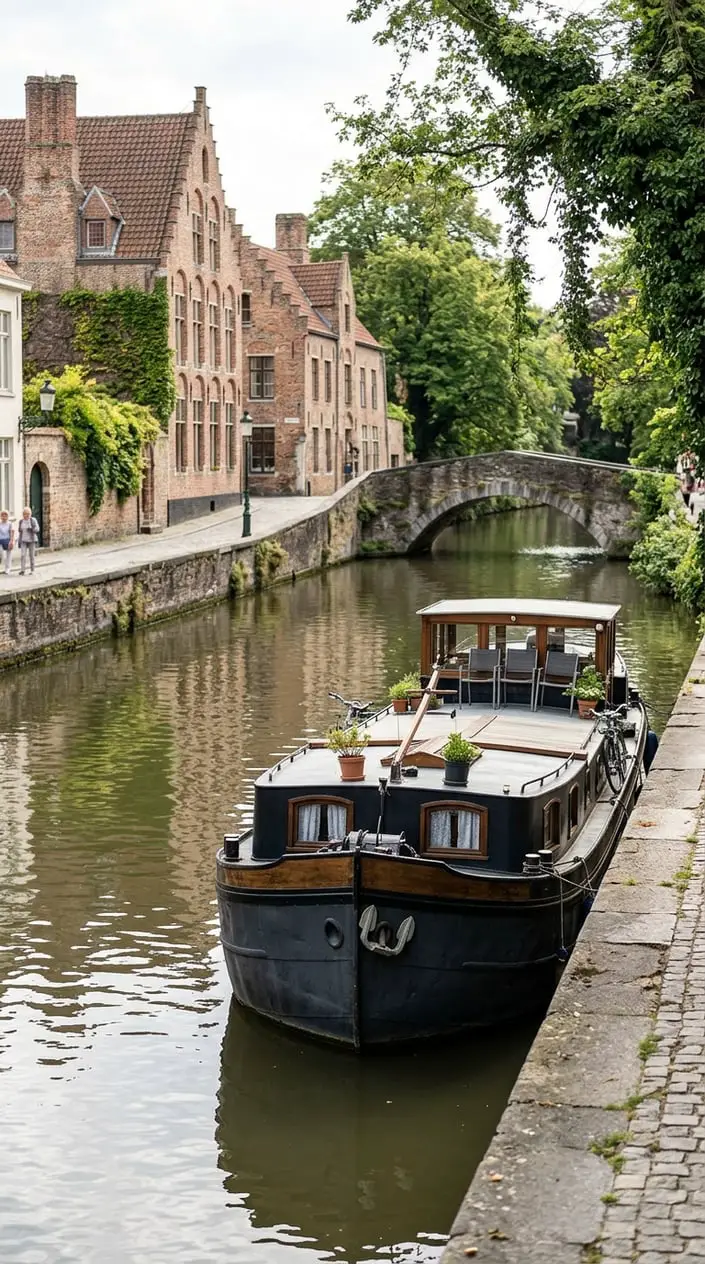
A canal barge in Bruges shows how a larger boat can become a settled home beside historic streets. You can enjoy close views of the city’s brick buildings and canals while keeping your living space aboard. A moored barge suits a slower routine, with walking routes and local shops within easy reach of the waterfront.
The extra interior space can make daily living more comfortable, though you’ll still need to plan for storage, heating, and maintenance. Check whether a berth permits residential use, and ask how water, power, and waste services are handled.
A city canal brings passing boats and foot traffic, so consider privacy and access when you choose a mooring. If you’re drawn to this style, compare the boat’s layout with the dock’s facilities before arranging a long stay.