Last Updated on November 13, 2026
You can make boat-themed travel journal pages feel personal and polished by pairing coastal colors, nautical details, and small records from your trip. A few simple materials, such as blue ink, kraft paper, and ticket stubs, help you capture the mood of a harbor or ferry crossing.
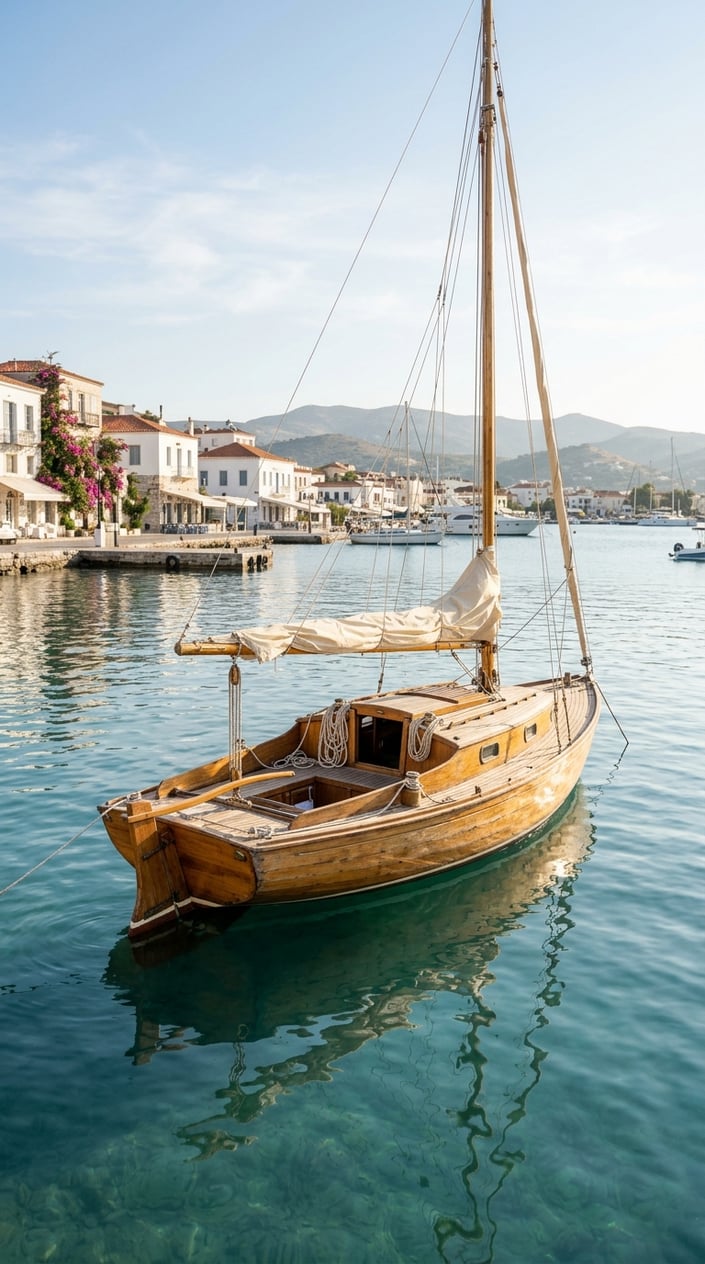
Your journal can hold more than written memories: add a route sketch, a quick color study, or a note about the weather to make each page specific to where you went. Choose details you can gather or draw during your trip, then leave room for the moments you want to remember later.
1) Riva Aquarama Mahogany-and-Chrome Palette
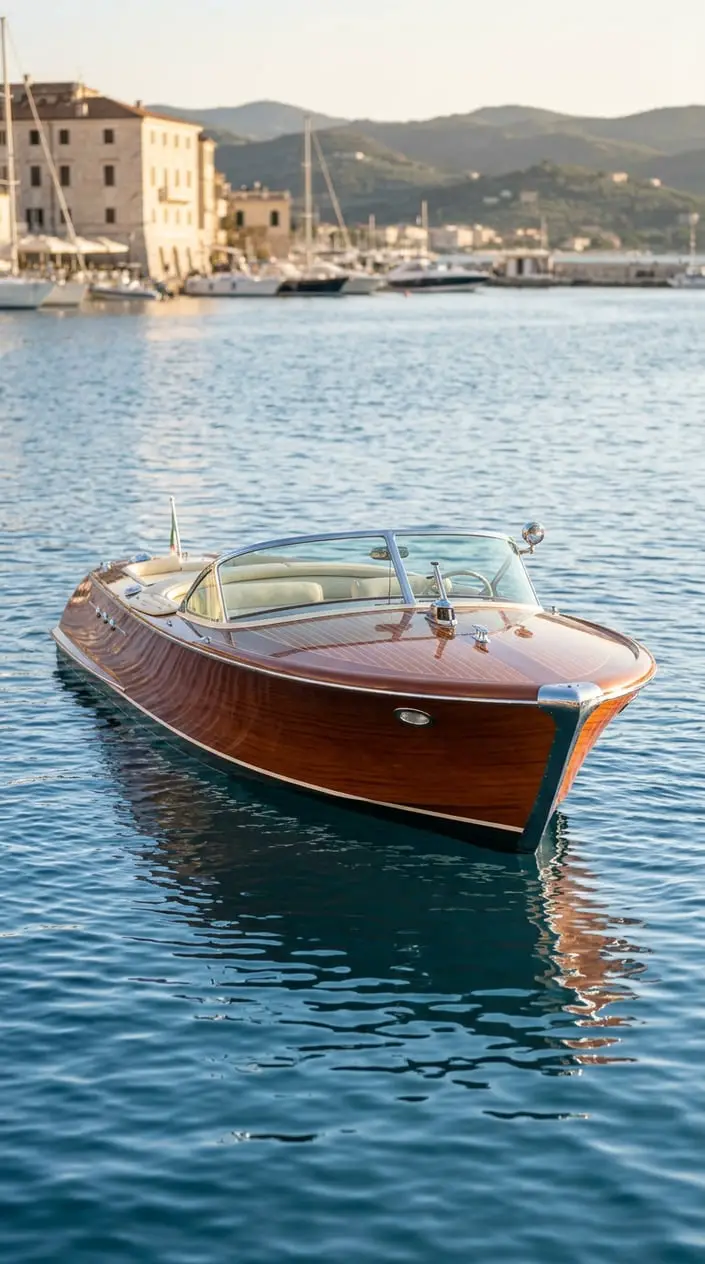
Build this page around warm wood tones and crisp metallic accents for a classic speedboat look. Use a strip of brown kraft paper as a border, then add walnut, cream, and deep navy with colored pencils or watercolor. A thin silver pen line suggests chrome trim and gives the palette a bright focal point.
You can record the harbor name, date, and time in a small label near the edge. Add a simple side-view boat sketch or a short list of colors you saw on the water. If you use paint, let it dry before adding ink so your notes stay sharp. A small piece of smooth paper or a thin card beneath the page helps keep the surface neat while you work.
2) San Francisco Bay NOAA Chart Spread
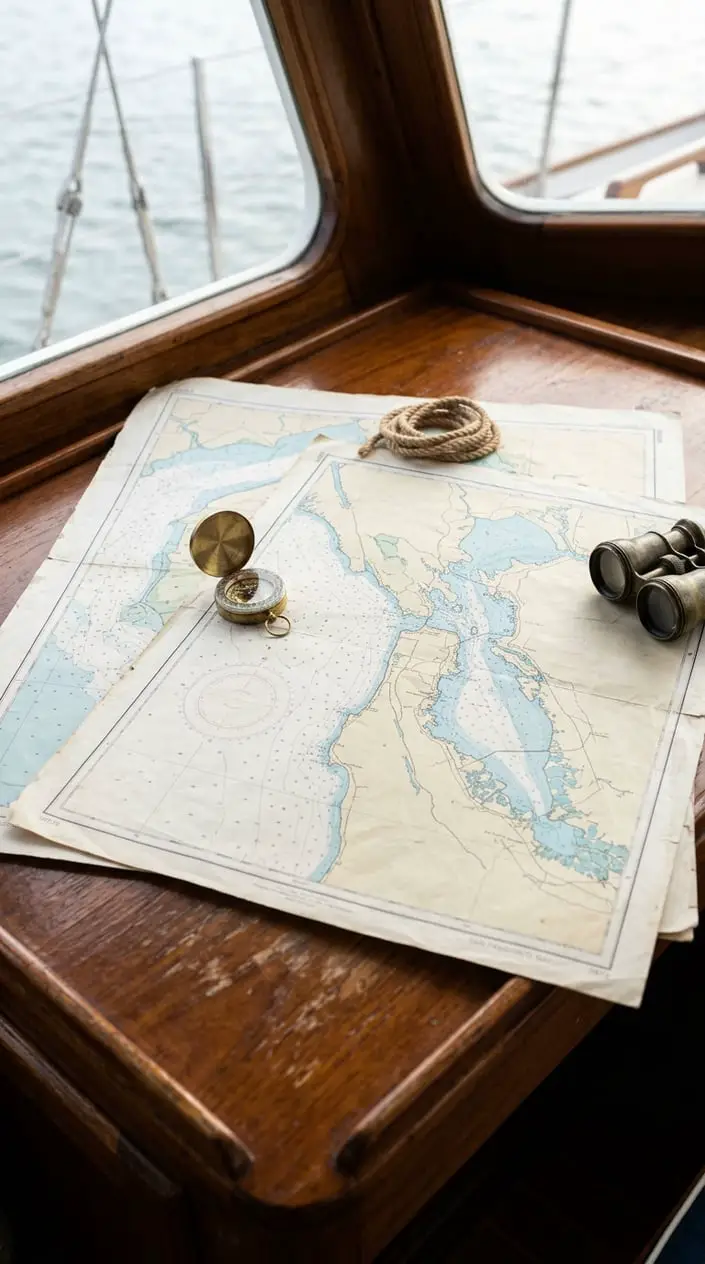
A chart-inspired spread turns your route through San Francisco Bay into the main visual record. Draw a simple outline of the shoreline, then mark your departure point, destination, and any stops you remember. Add a date and a few location labels in the margins to make the route easy to revisit.
Keep the map readable by using one dark pen for the shoreline and a brighter color for your route. Small symbols can show a ferry crossing, a bridge, or a stretch of open water. You can also note the wind direction or the time you passed a landmark. Use a photocopy or your own sketch for the page, and keep any official navigation chart reserved for boating decisions.
3) Catalina Express Crossing Collage
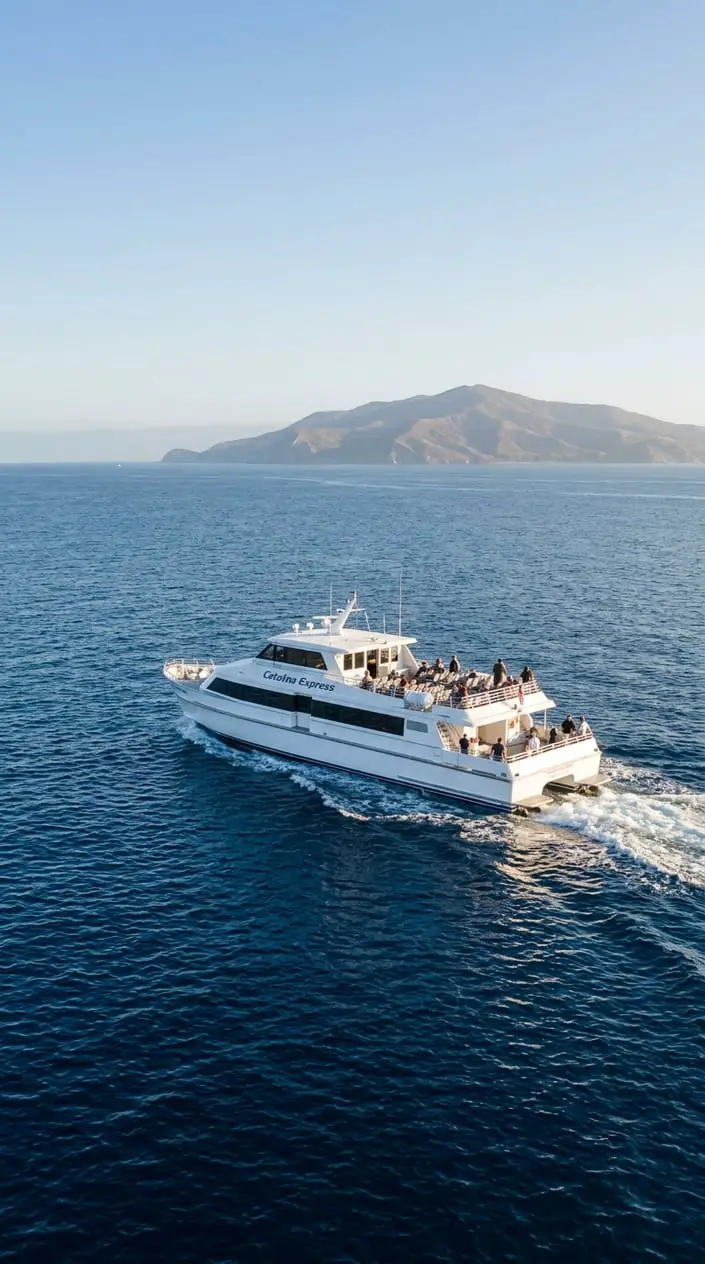
Capture a ferry ride to Catalina Island with a layered collage that follows the crossing from shore to sea. Set a blue paper strip across the page as the water, then place your ticket stub or a small handwritten route label above it. A few torn white paper shapes can suggest foam and wake.
You can add the departure time, weather, and a detail you noticed from the deck, such as the wind or the changing color of the water. Keep the collage light so your notes have space to breathe. If you save a ticket, check that the ink will not rub off onto nearby pages; a clear pocket or paper envelope keeps it in place. Finish with a small island outline or a simple arrow showing your direction of travel.
4) Queen Mary Art Deco Page
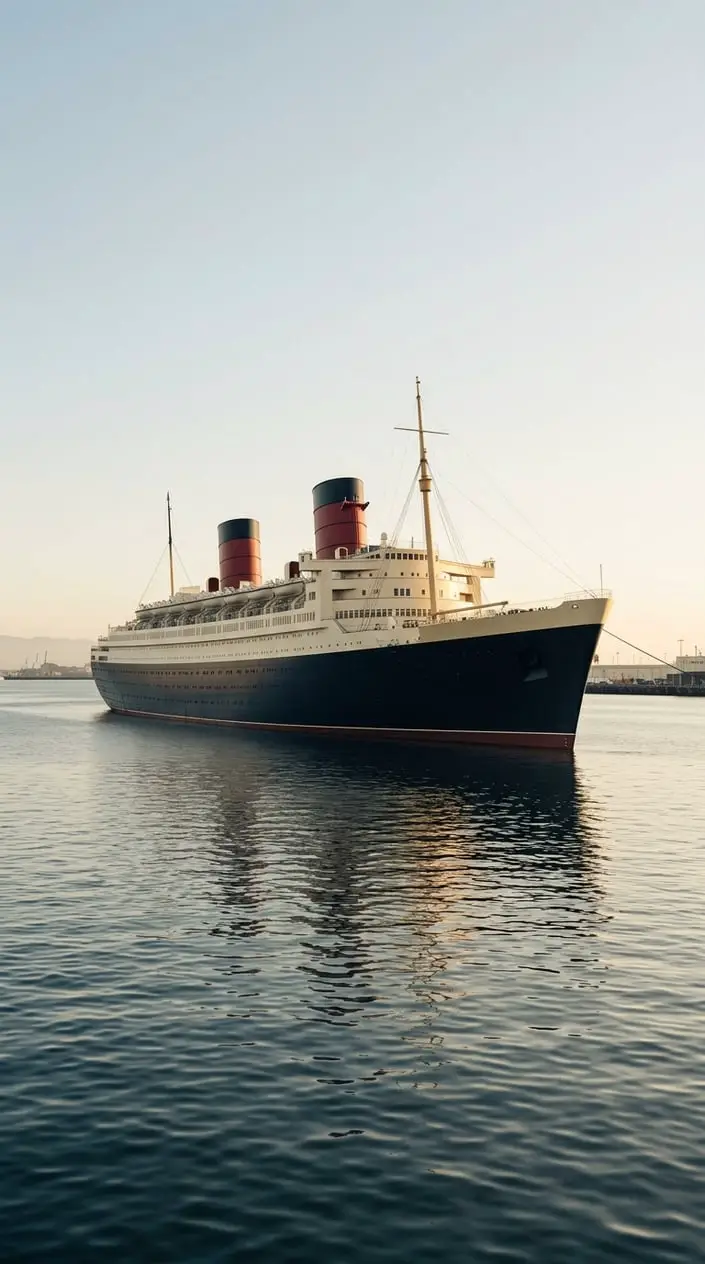
Give your page an Art Deco feel with strong geometry, elegant lettering, and a limited palette of black, cream, and gold. Draw a fan-shaped corner motif or a row of stepped lines, then use a ruler to keep borders clean. A large ship name or harbor heading can anchor the design.
Write your visit notes in short blocks that fit the page’s structure. You might record the date, the vessel’s location, and one architectural detail you want to remember. Gold gel pen or metallic watercolor adds a small highlight; use it sparingly so the lettering stays easy to read. If you are journaling at a museum or waterfront landmark, jot down the display or building detail while it is fresh. A few clean shapes can carry the vintage mood without crowding your notes.
5) International Code of Signals Flag Border
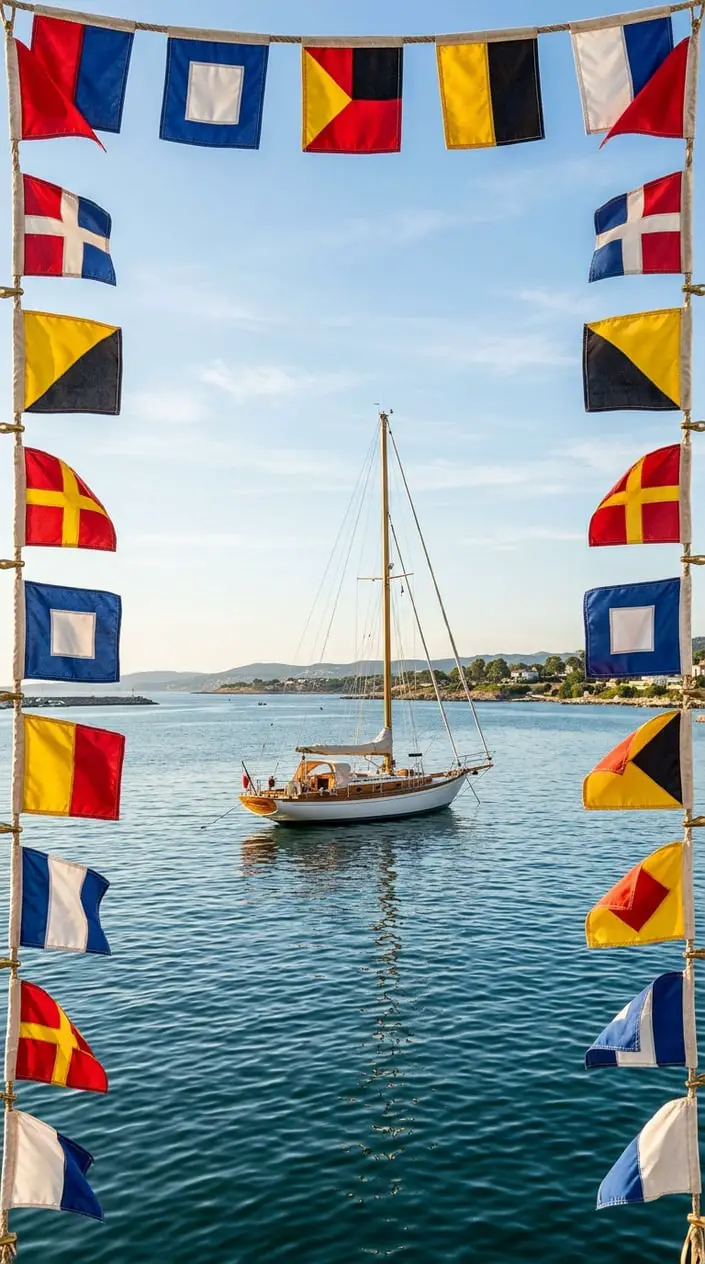
Frame your travel notes with small maritime signal flags to add color and a clear nautical border. Draw a row of square or swallowtail shapes along one edge, then fill each with bold colors and simple patterns. Leave the center open for your harbor notes, route, or a short passage from the day.
You can label the flags with their letters if you want to use the International Code of Signals as a learning prompt. Check a reliable reference for each flag’s meaning before adding a translation. A colored pencil works well for quick shapes, while a fine black pen makes the outlines crisp. Try repeating one flag color in your page heading to tie the layout together. This design suits a day spent watching boats, exploring a marina, or learning about ship-to-ship communication.
6) Bowline Knot Margin Sketch
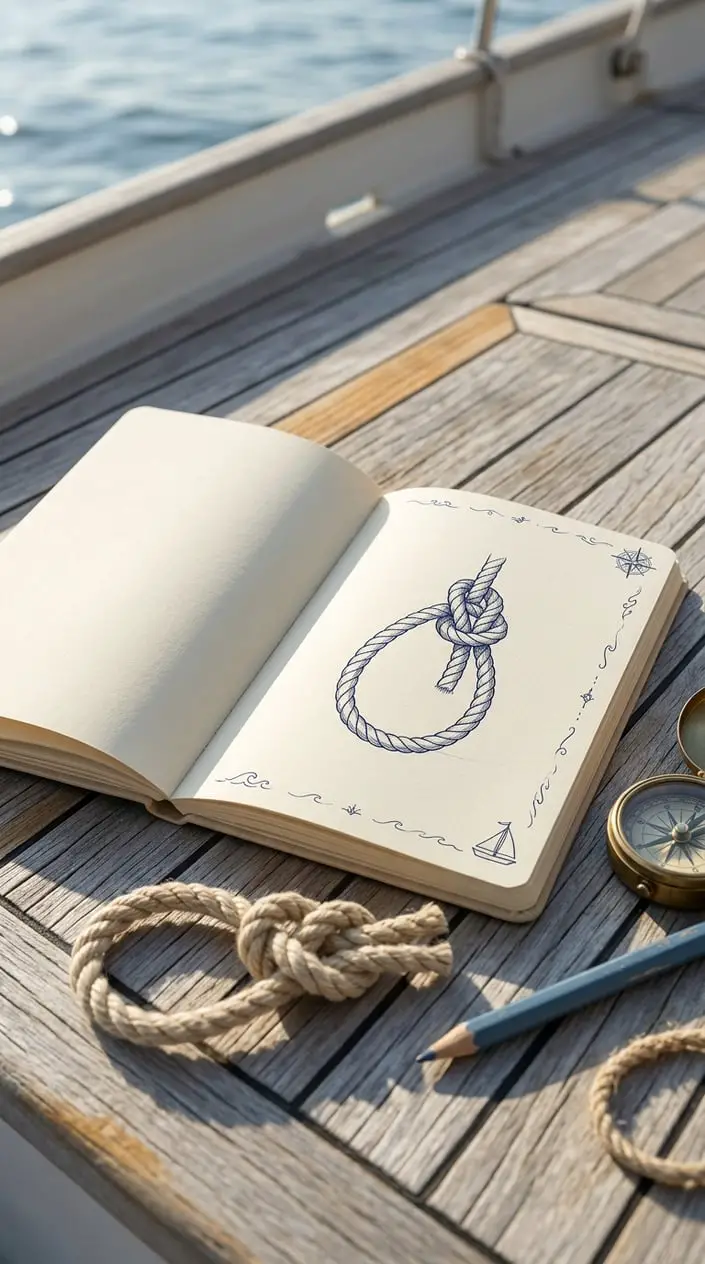
Use a bowline sketch in the margin to give your page a hands-on sailing detail. Draw the rope path in a few clear stages, using arrows to show how the working end moves through each loop. Keep the main travel notes beside it so the diagram remains a decorative record instead of taking over the page.
You can add the date and place where you saw the knot, then jot down what the line was securing. A brown or tan pencil gives the rope a natural look, while a dark pen keeps the steps readable. If you are learning the knot, label the standing part and working end after checking an accurate guide. Leave a small blank space beside the drawing for a later note, such as the knot’s use on a sailboat or dock line.
7) Rite in the Rain Captain’s Log
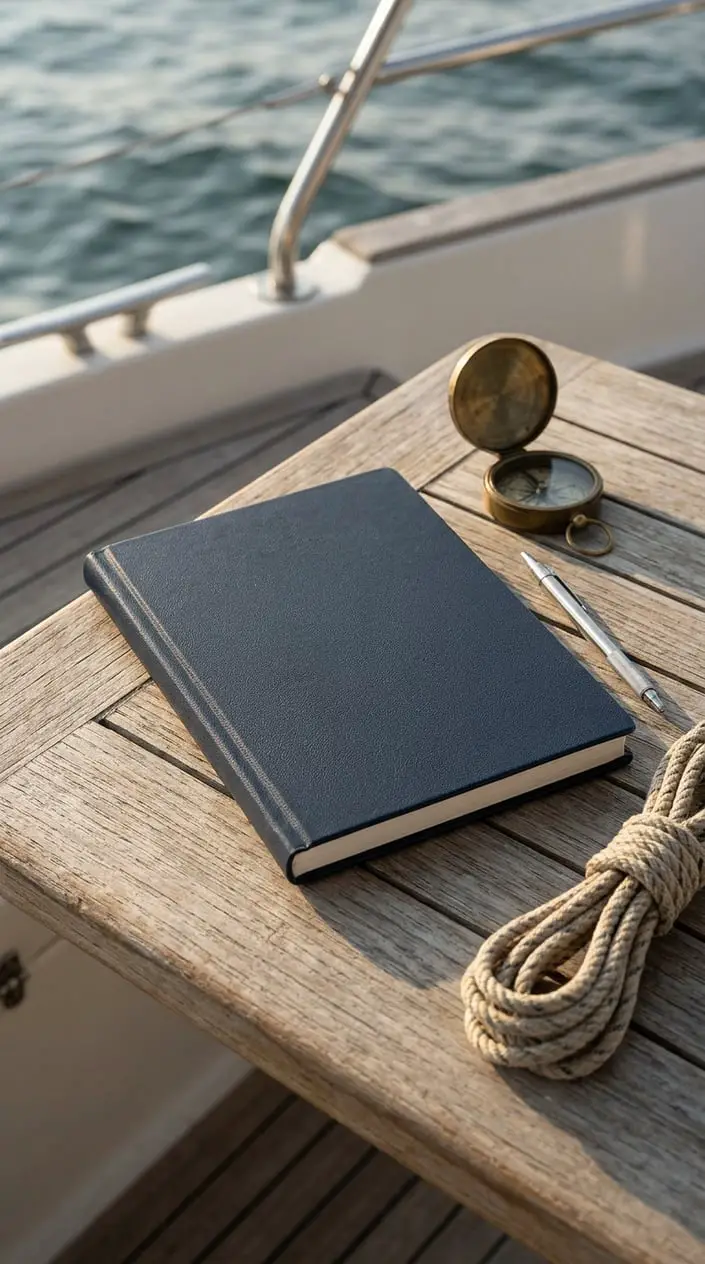
Give your page a captain’s-log layout with clear fields for the details you want to remember. Divide the paper into short lines for date, location, departure time, weather, and route. A small compass mark or a hand-drawn heading adds a practical touch, while a penciled margin keeps the page feeling informal.
For a travel journal, include sensory notes alongside the basic record: the sound of rigging, a change in the breeze, or the view from the deck. Use a waterproof notebook if you expect spray or damp conditions, and test your pen on a spare page before writing. A pencil is useful for quick route notes that you may want to revise. Keep entries brief while you are moving, then add a fuller reflection when you are safely ashore.
8) Ship-in-a-Bottle Cutaway
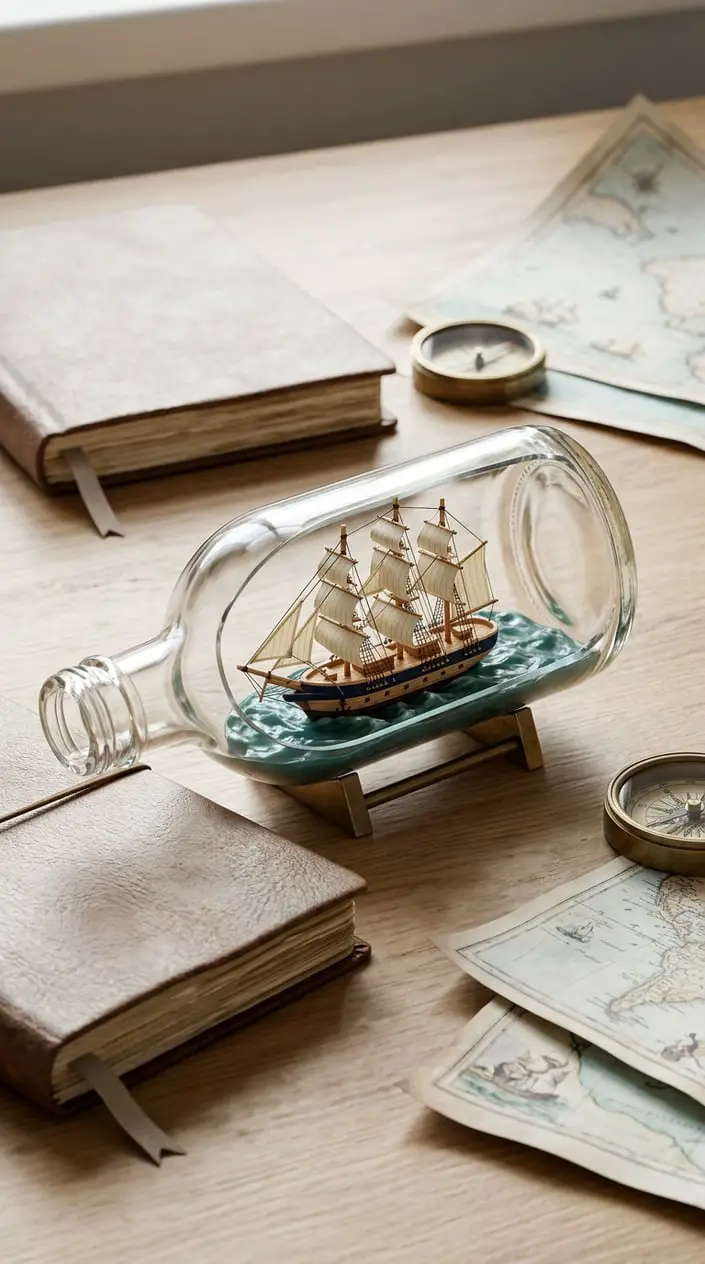
A ship-in-a-bottle cutaway gives your journal a miniature scene with a clear focal point. Draw the bottle outline first, then sketch a small ship inside it with simple sails, a mast, and a few waves. Add a soft blue wash around the hull and leave a narrow white highlight along the glass to suggest reflection.
Use the page to record a maritime museum visit, a harbor shop discovery, or a story you heard about model ships. A small caption beneath the drawing can hold the location and date. Keep the ship’s details simple enough to fit the bottle shape; fine lines help the mast and rigging stay distinct. If you add watercolor, let it dry before drawing the glass outline in ink. The cutaway style gives you room to combine observation with a little illustration.
9) Port of Los Angeles Container-Ship Silhouette

Use a dark container-ship silhouette to capture the scale and working rhythm of the Port of Los Angeles. Block in the hull as one broad shape, then add stacked rectangles for the containers and a few small details for cranes or lights. A sunset gradient behind the ship gives the page depth while keeping the vessel easy to read.
Record the date, viewing spot, and direction you faced, then add a short note about the harbor activity you observed. You can label the page with “San Pedro” or another location that fits your visit. Keep the writing in a light area of the background, or place it on a pale paper label. A ruler helps with the container shapes, though slight variation makes the stacks feel less mechanical. This layout works well for a harbor walk or a view from the waterfront.
10) Navy-and-White Deckchair Stripes
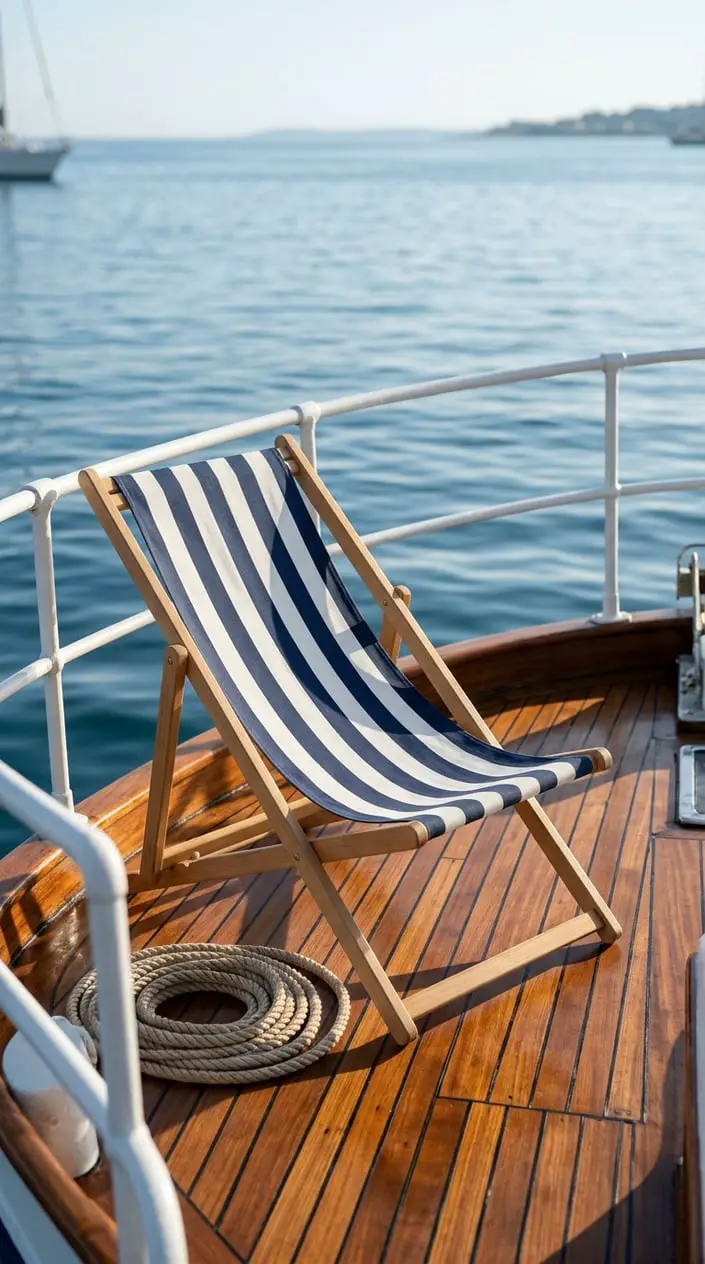
Navy-and-white stripes give your journal a breezy deckchair pattern that is quick to draw and easy to repeat. Use a ruler to make a striped header or a side border, then leave a large open area for your entry. One pale blue accent keeps the page connected to the water without adding visual clutter.
You can write about a quiet break aboard, the view from the deck, or the weather during a coastal trip. Add a small date tab in the corner and a tiny wave line beneath the heading. If you are using markers, test them on the back of the page first to check for bleed-through. Thin washi tape also works as a stripe border, especially when you want a straight edge with little setup. Keep the pattern on one part of the spread so your notes remain comfortable to read.
11) Brass Ship’s Compass Rose
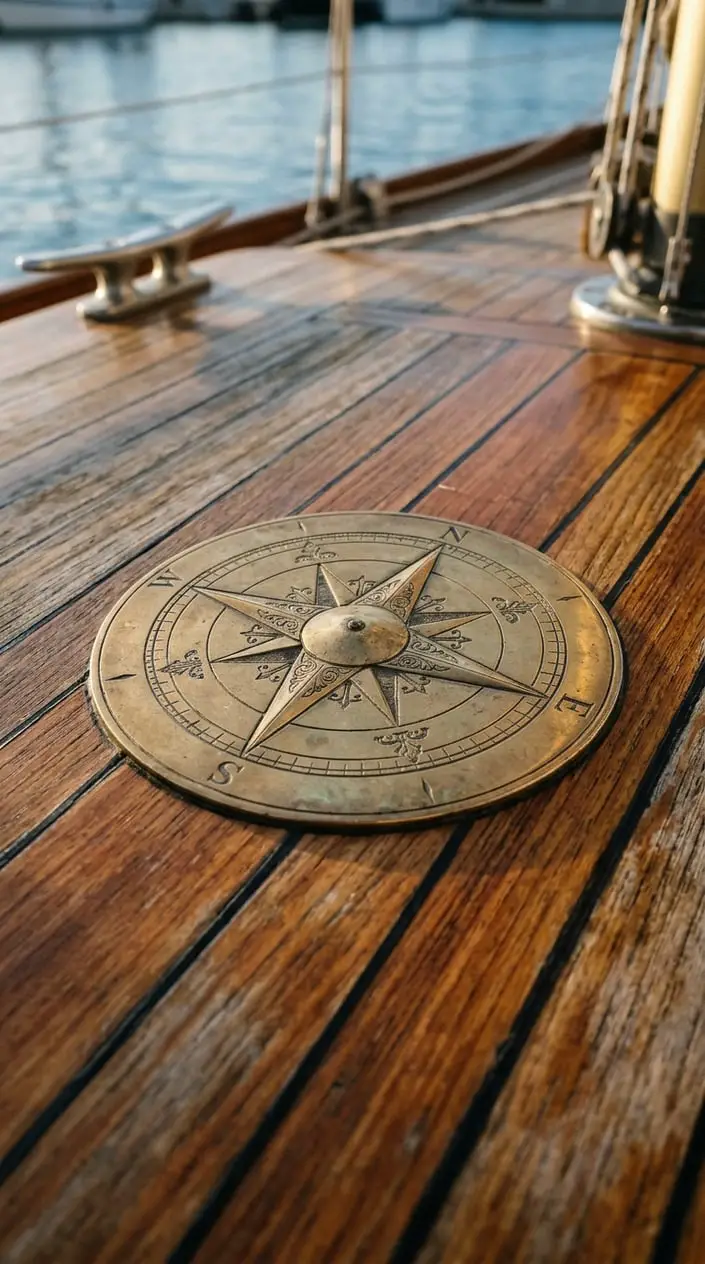
A brass compass rose makes a strong center point for a route or harbor journal page. Sketch a circle, mark the four main directions, and add smaller points between them for a classic nautical shape. Use ochre, brown, or gold to suggest aged brass, then draw your route line in blue.
Write the place name and date near the edge of the compass so the design stays clear. You can note which direction you traveled or where the sun sat during the crossing. If the page records a real route, check your bearings against a dependable map before labeling them. A simple compass rose also works as a decorative frame for a short paragraph about a boat trip. Leave enough white space around the circle for the heading and a few lines of handwriting.
12) Point Fermin Lighthouse Field Notes
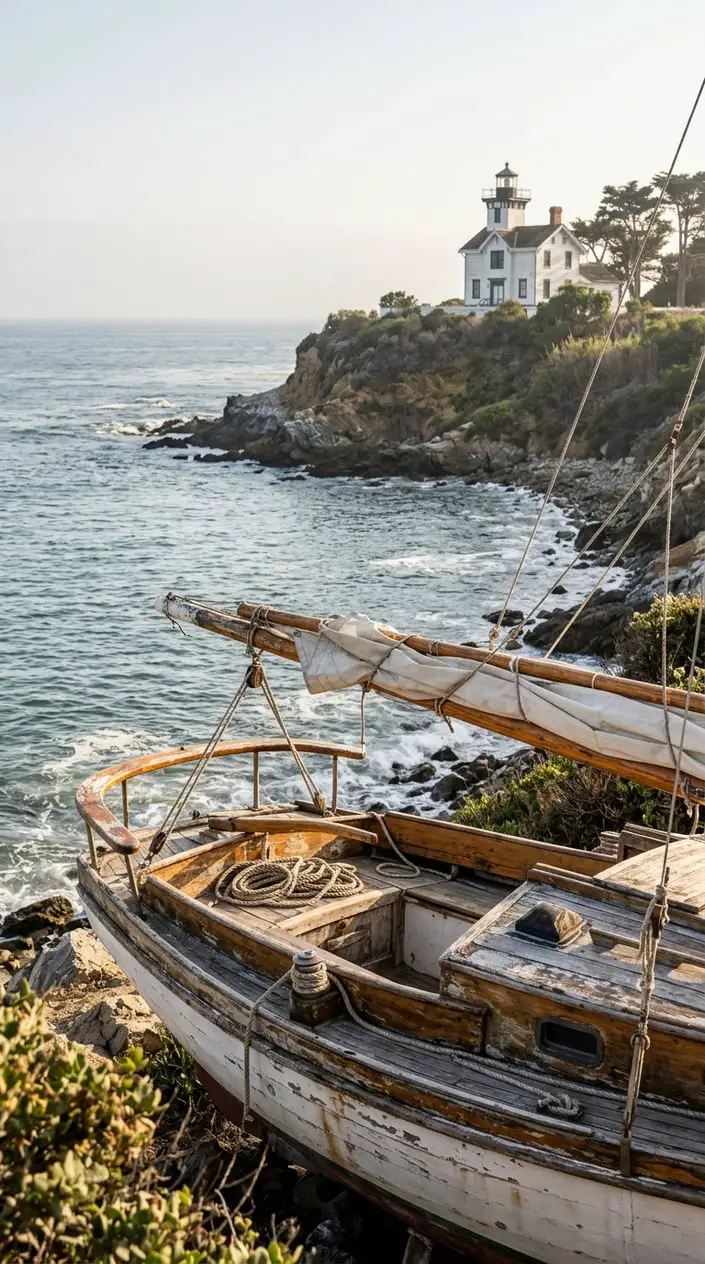
Field notes pair a quick lighthouse sketch with details you notice along the Point Fermin shoreline. Start with the bluff and lighthouse as large shapes, then add the rocky edge and boat in the foreground.
A few labeled arrows can mark the shoreline, the structure, or the direction of the water. Use the rest of the page for the date, weather, and a short observation from your visit. You might note the color of the cliffs or how the lighthouse sits above the coast.
Keep labels short so the sketch remains easy to scan later. A small palette of gray, green, and blue is enough to suggest the scene. If you are drawing outdoors, make a loose pencil outline first and add ink after you settle on the main shapes.