Last Updated on November 12, 2026
The 12 Boats That Will Make You Want to Quit Your Job and Sail Away include camera-ready cruising yachts, historic solo-racing vessels, and a traditional Polynesian voyaging canoe.
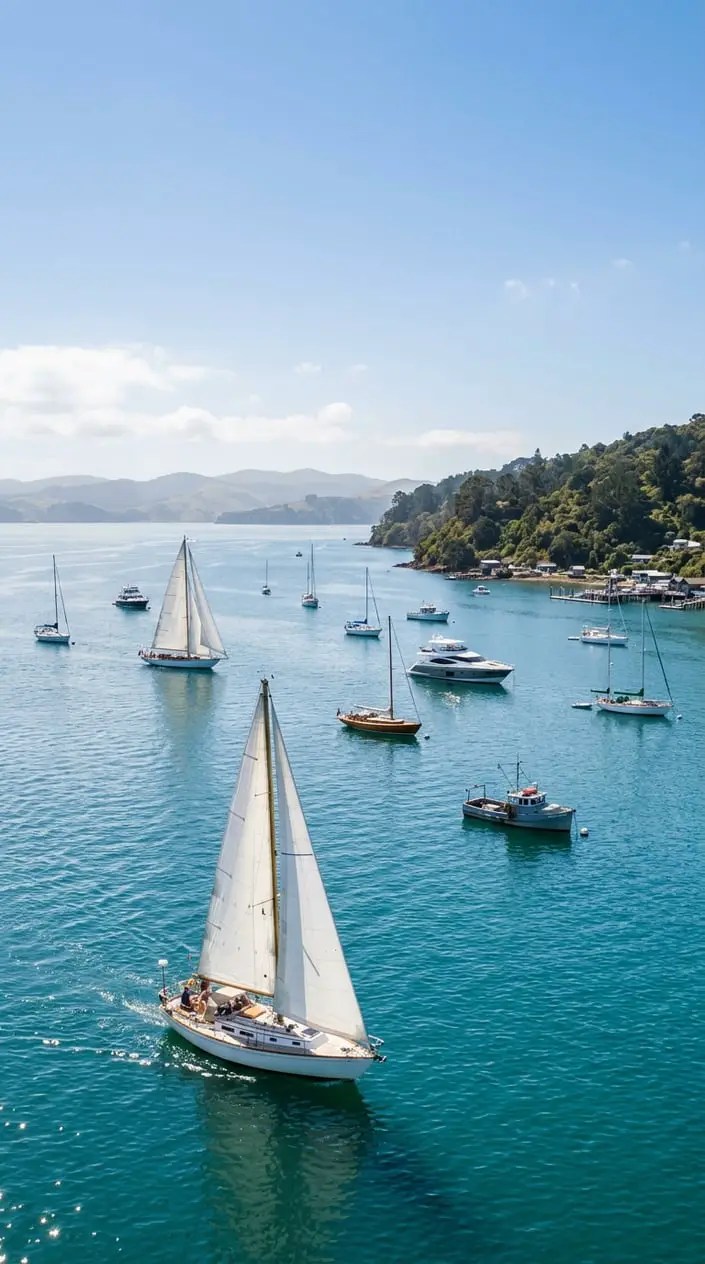
Each one shows you a different path to life on the water. Some carried sailors around the world; others became famous through family adventures, ocean races, or a deep link to maritime culture.
Their stories also reveal the work behind the romance: planning routes, handling repairs, and adapting to close quarters. You can take inspiration from their voyages while remembering that safe, satisfying sailing starts with training and a realistic budget.
1) SV Delos
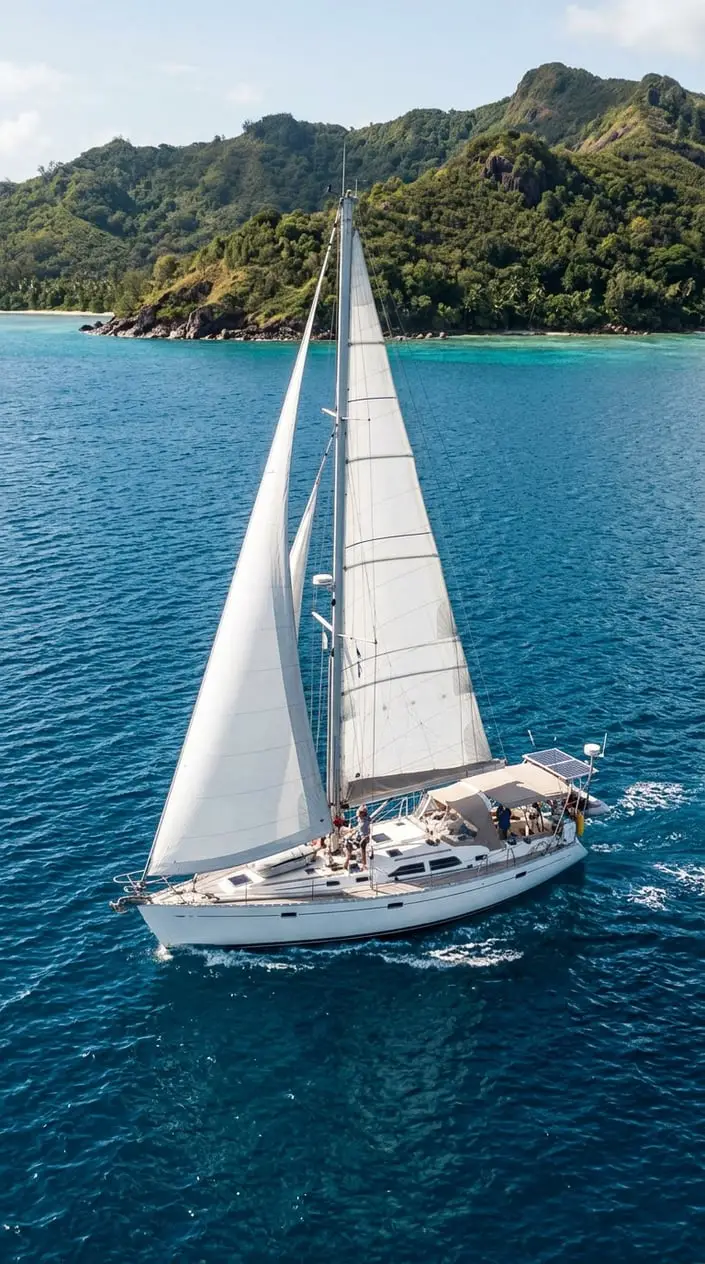
This blue-water cruiser makes a long voyage feel like a shared adventure you can follow from home. Its crew built an online following by documenting life aboard, ocean passages, and visits to far-flung ports. You get an unvarnished look at the routine behind the travel, including watch shifts, boat projects, and time spent at anchor.
The vessel is an Amel Super Maramu, a cruising sailboat designed for offshore travel. Its appeal comes from the combination of range and lived-in comfort, with room for a small crew to settle in for extended trips.
If you’re considering a similar boat, pay attention to the maintenance and provisioning work shown alongside the tropical stops. That practical side helps you picture the skills and planning your own cruising life would require.
2) La Vagabonde
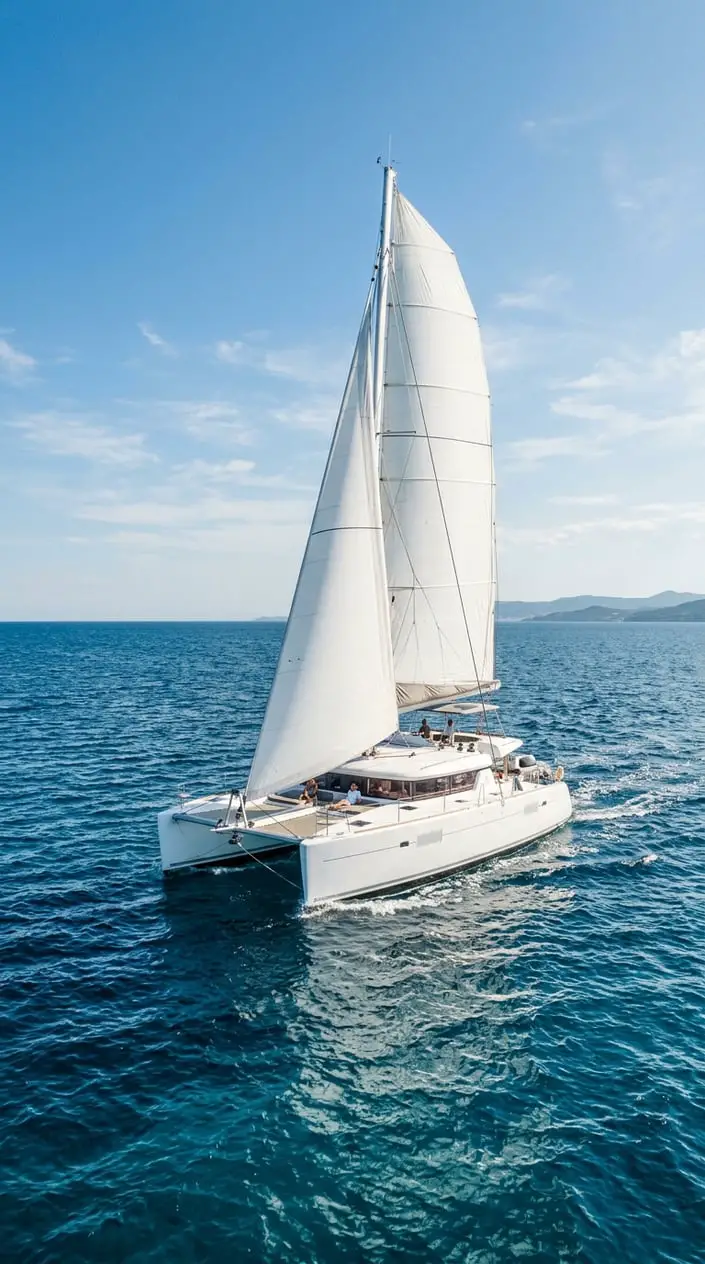
A modern catamaran gives you a vivid example of how sailing can grow into a family lifestyle. Its crew has shared ocean passages, island stops, and life aboard with children, making the voyage feel close to everyday life. You see the appeal of a wide deck and separate hulls when you imagine cooking, resting, and moving around while at sea.
The name became familiar through a series of boats and changing stages of the crew’s life, so the story is as much about adapting as it is about a single hull. Catamarans offer a broad platform and space that many liveaboard sailors value.
Before you plan an ocean crossing, take note of the preparation behind each passage: weather windows, safety checks, and the steady work of keeping a boat ready to sail.
3) Uma
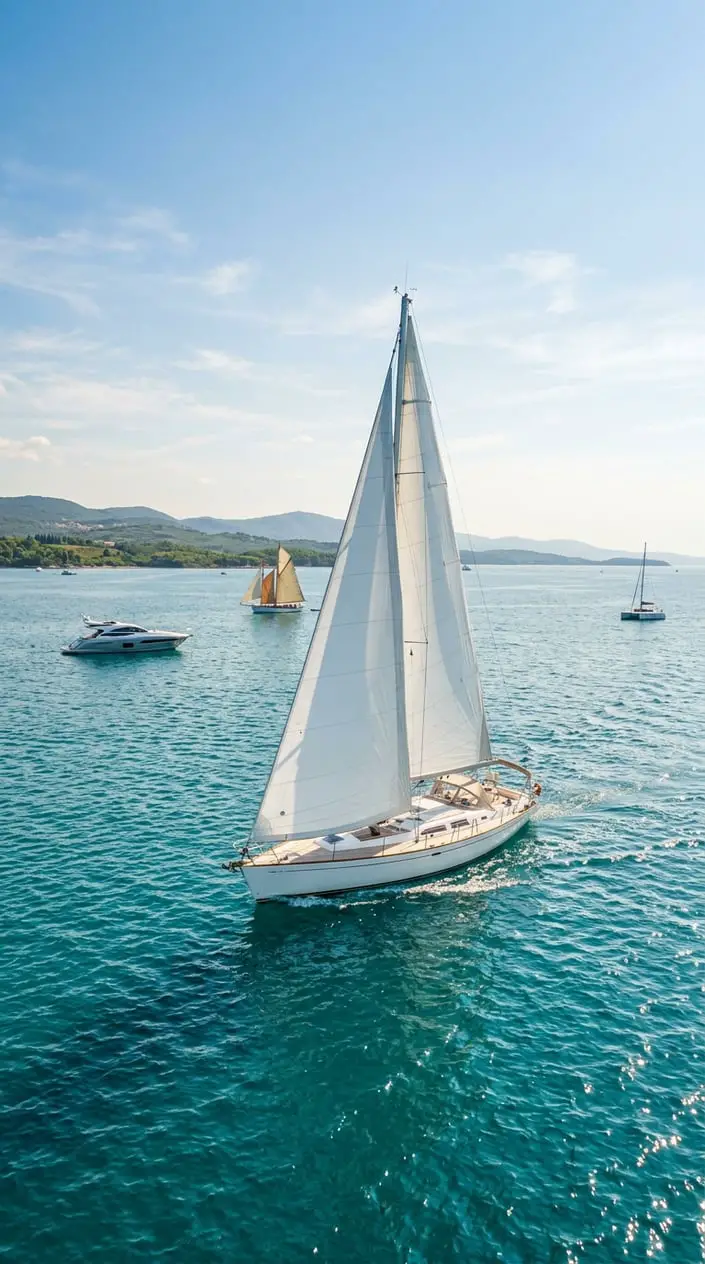
A hands-on refit makes this small cruising sailboat a reminder that you can learn as you go. Its owners bought an older Pearson 36 and took on major repairs and upgrades, sharing the process as they prepared for life afloat. You get a clear sense of the time spent on tools, systems, and problem-solving between the scenic passages.
That approach can be encouraging if you dream of cruising on a modest budget, while also showing why an older boat deserves careful inspection. Hull condition, rigging, engine, and onboard systems all affect the work ahead.
Follow the refit details with a notepad: they can help you build a realistic repair list before making an offer on a used sailboat. A project boat rewards patience and practical skills.
4) Guppy
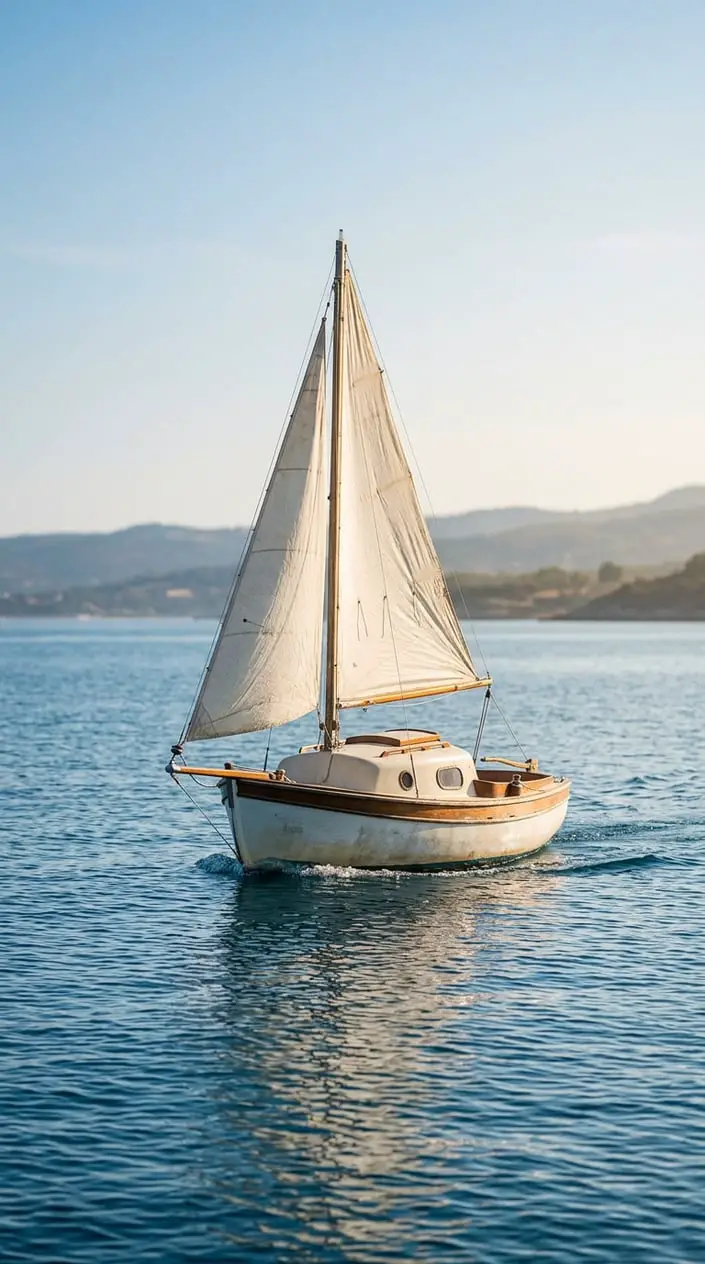
This compact ocean-going yacht proves that a determined sailor can take a small boat a remarkable distance. Australian teenager Jesse Martin sailed solo around the world aboard an S&S 34, completing the voyage in 1999. You can draw inspiration from the scale of the achievement while recognizing the preparation and seamanship such a passage demands.
A boat of this size asks you to use space carefully and stay alert to weather, equipment, and fatigue. Before dreaming of a solo circumnavigation, build experience on shorter trips and learn core skills such as navigation, sail handling, and emergency response.
The story is a striking example of what disciplined preparation can make possible, while also reminding you that offshore sailing calls for serious planning and support.
5) Spray
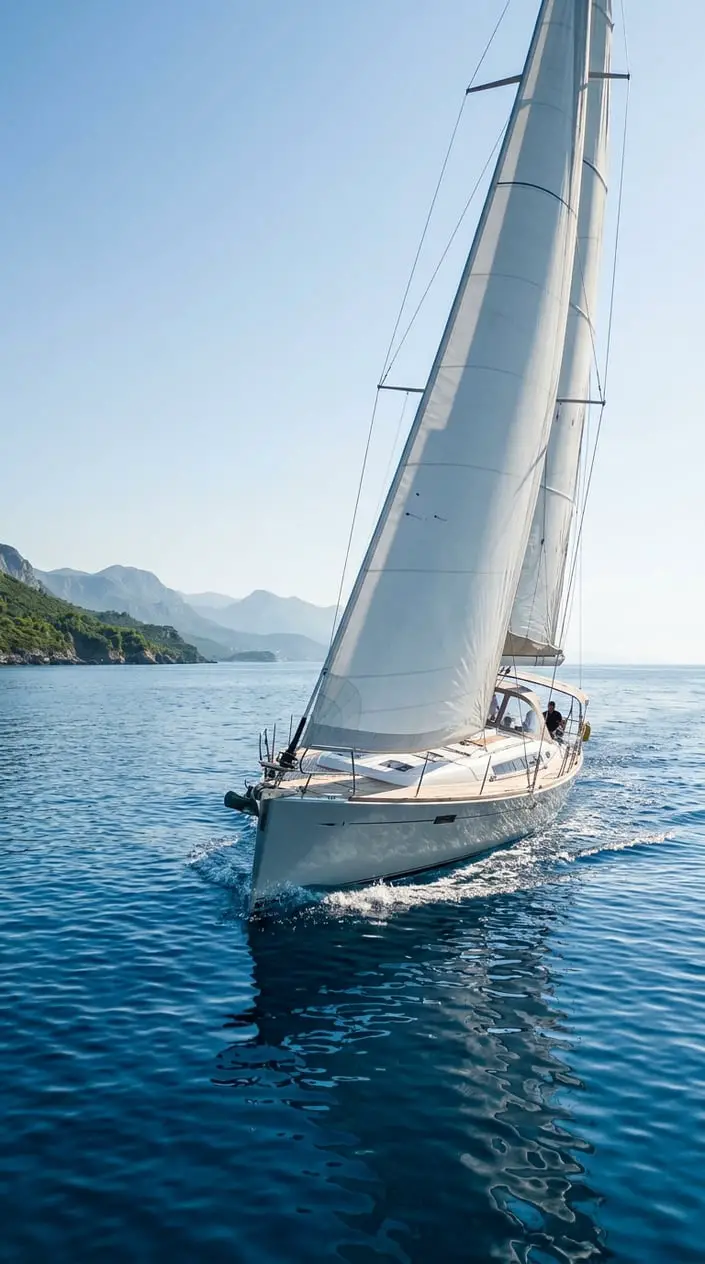
This rebuilt oyster sloop carries the story of the first person to sail solo around the world. Joshua Slocum set out in 1895 aboard the 36-foot vessel and returned in 1898 after a voyage that made maritime history. You can trace a route shaped by patience, self-reliance, and careful seamanship.
The boat began as a working craft, and Slocum spent years refitting it for the journey. That detail makes its story especially useful if you’re drawn to classic wooden boats: a famous voyage still depended on practical repairs and thoughtful preparation.
A historic design like this also offers a different kind of romance from a modern production yacht, with traditional lines and a close connection to the craft of sailing.
6) Suhaili
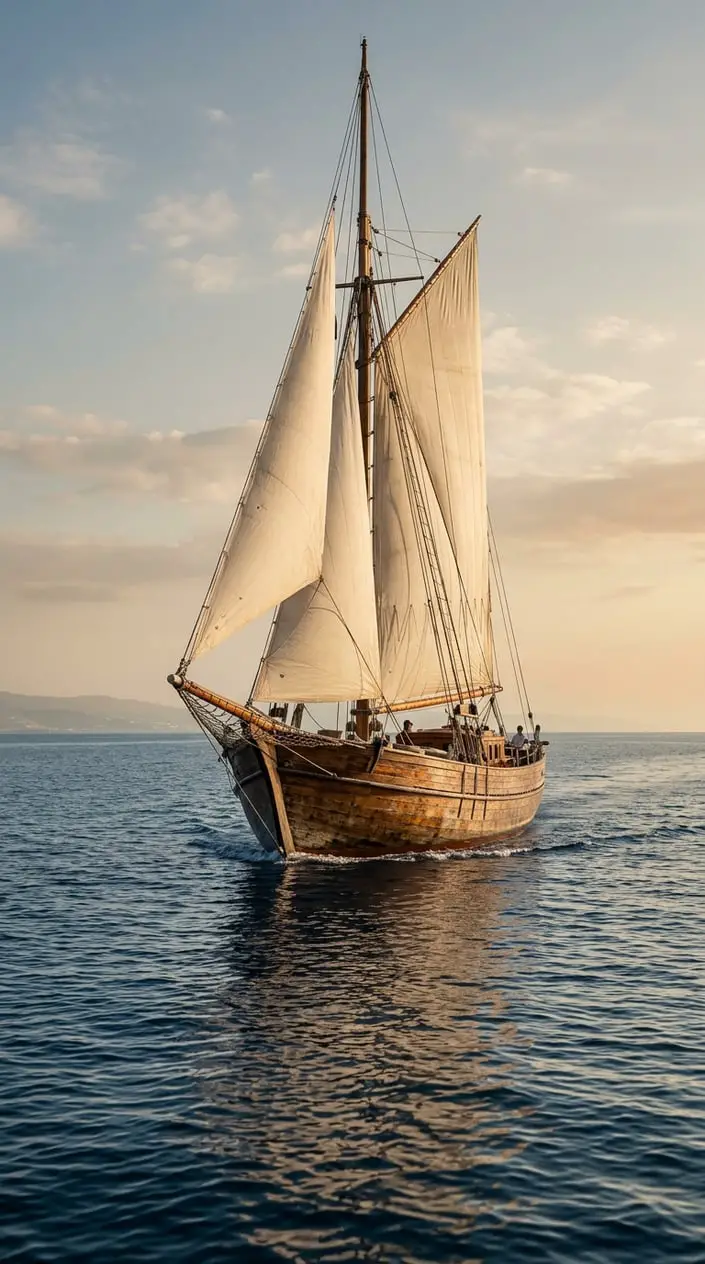
This 32-foot ketch became a landmark of solo ocean sailing through Robin Knox-Johnston’s nonstop voyage. He left England in 1968 and returned in 1969, completing the first solo, nonstop circumnavigation. You can see how a relatively small vessel became a home, workplace, and lifeline across a long stretch of ocean.
The voyage asks you to think beyond speed and comfort. Offshore sailors need dependable systems, a sound hull, and the ability to manage fatigue and changing conditions.
Its modest size also helps explain the close relationship between sailor and boat on a passage of that length. If you’re drawn to solo sailing, study the decisions behind the voyage and start by gaining experience with shorter passages and a trusted crew.
7) Joshua
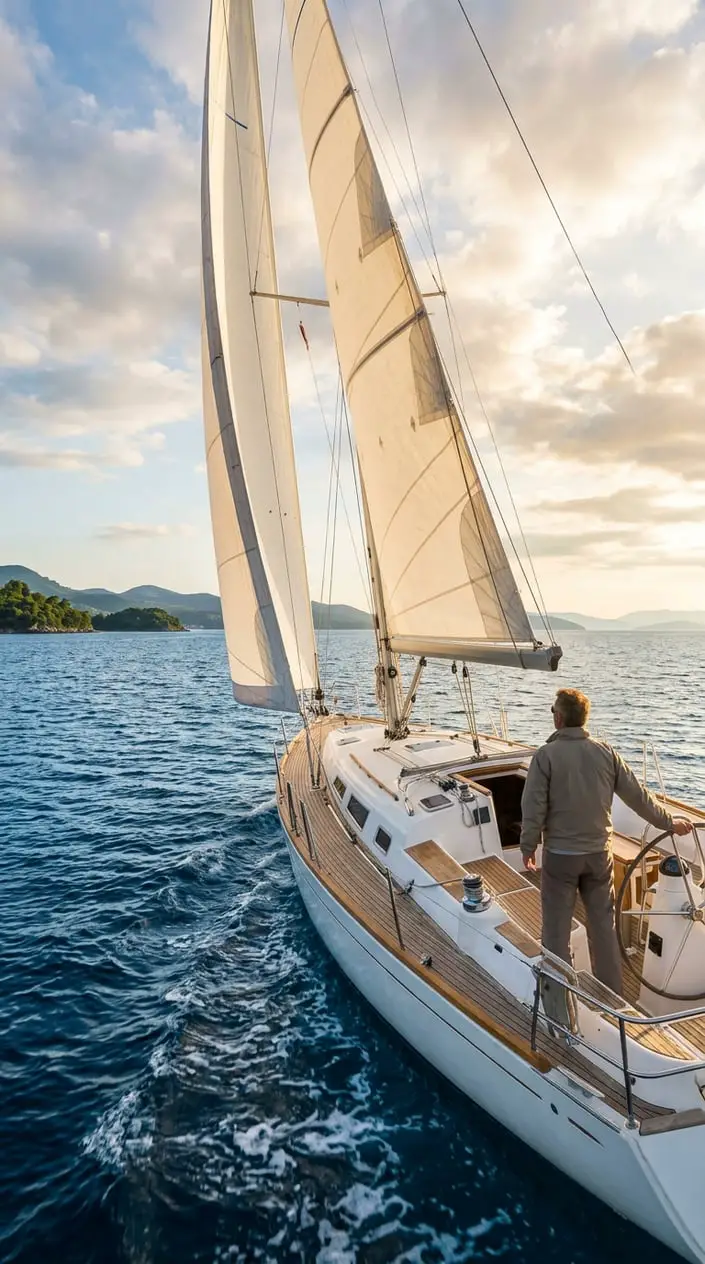
This steel ketch embodies the choice to keep sailing when a planned race no longer fits your purpose. French sailor Bernard Moitessier entered the 1968 Sunday Times Golden Globe Race aboard a 39-foot yacht. After rounding Cape Horn, he continued toward the Pacific instead of returning to England to claim the prize.
You can read that decision as a reminder that a voyage can change while you’re underway. The boat’s steel construction and long-distance design suited serious offshore sailing, where durability and a manageable setup count for a lot.
Moitessier’s journey also draws you into the reflective side of cruising: days at sea give you time to reconsider your goals. For your own plans, keep routes flexible and make safety decisions around conditions, not a schedule.
8) Gipsy Moth IV
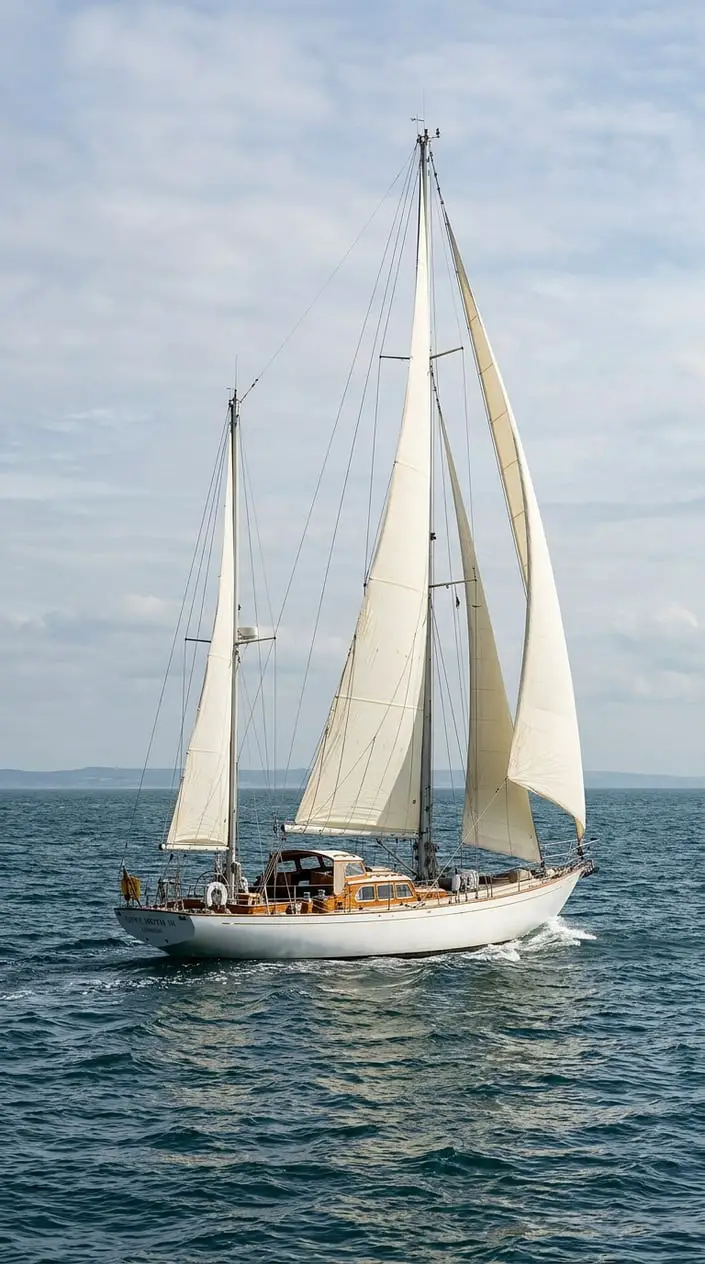
This ocean-racing yacht is tied to a landmark solo circumnavigation by British sailor Francis Chichester. In 1966 and 1967, he sailed around the world alone, making one stop in Australia. You can follow the challenge through the boat’s purposeful design and the careful navigation required to cross vast stretches of ocean.
The 54-foot ketch has the scale of a serious passage-making yacht, with room for the gear and provisions a long voyage calls for. Its story also shows the demands of solo sailing: every sail change, repair, and watch falls to one person.
If the idea of a single-handed passage captures your imagination, build your skills on shorter trips first and practice managing fatigue before taking on a long offshore route.
9) Tilikum
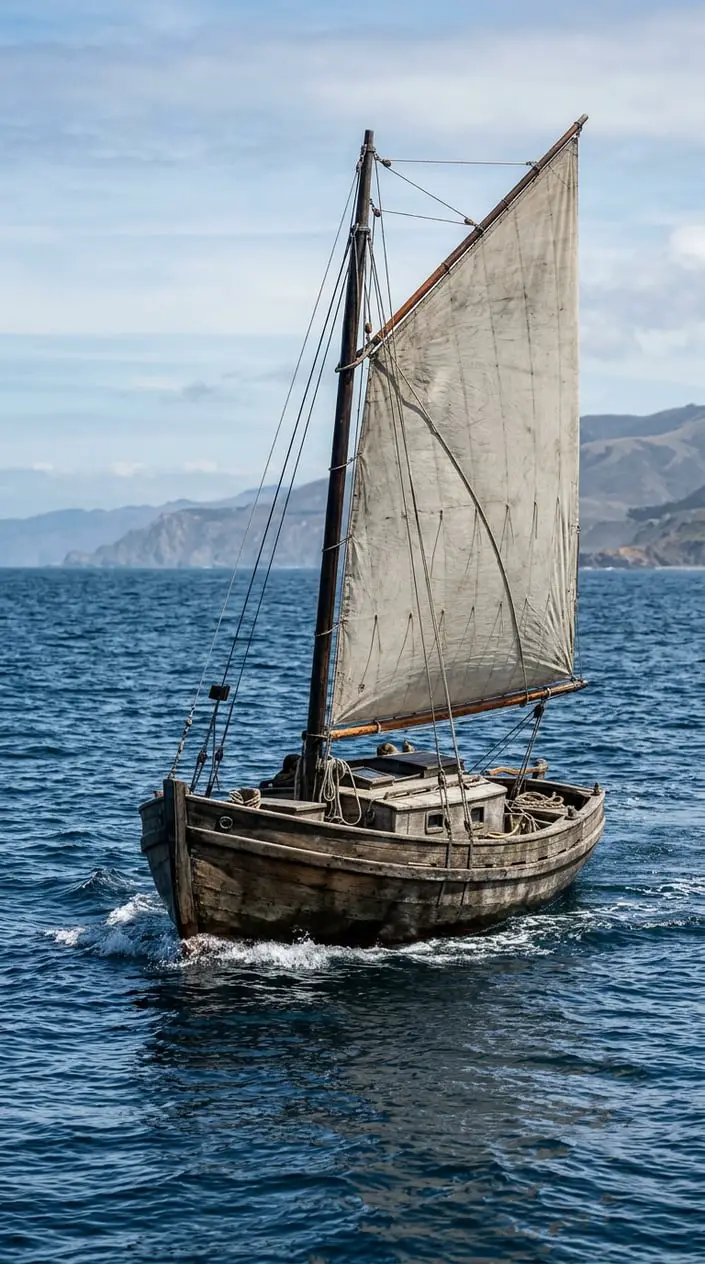
This unusual wooden vessel makes you rethink what a world-voyaging boat can look like. Canadian sailor John Voss sailed the 38-foot Tilikum around the world from 1901 to 1904. Built from a dugout canoe and fitted with sails, it followed a route very different from that of a modern production yacht.
Its construction gives you a glimpse of how sailors adapted local boatbuilding traditions for long-distance travel. You can admire the ingenuity while keeping the practical lesson in view: any ocean passage needs careful preparation, sound equipment, and knowledge of the conditions ahead.
The vessel’s story is a reminder that boat design reflects its era and purpose, so its historical charm is best appreciated alongside the risks and limits of early offshore voyaging.
10) Wavewalker
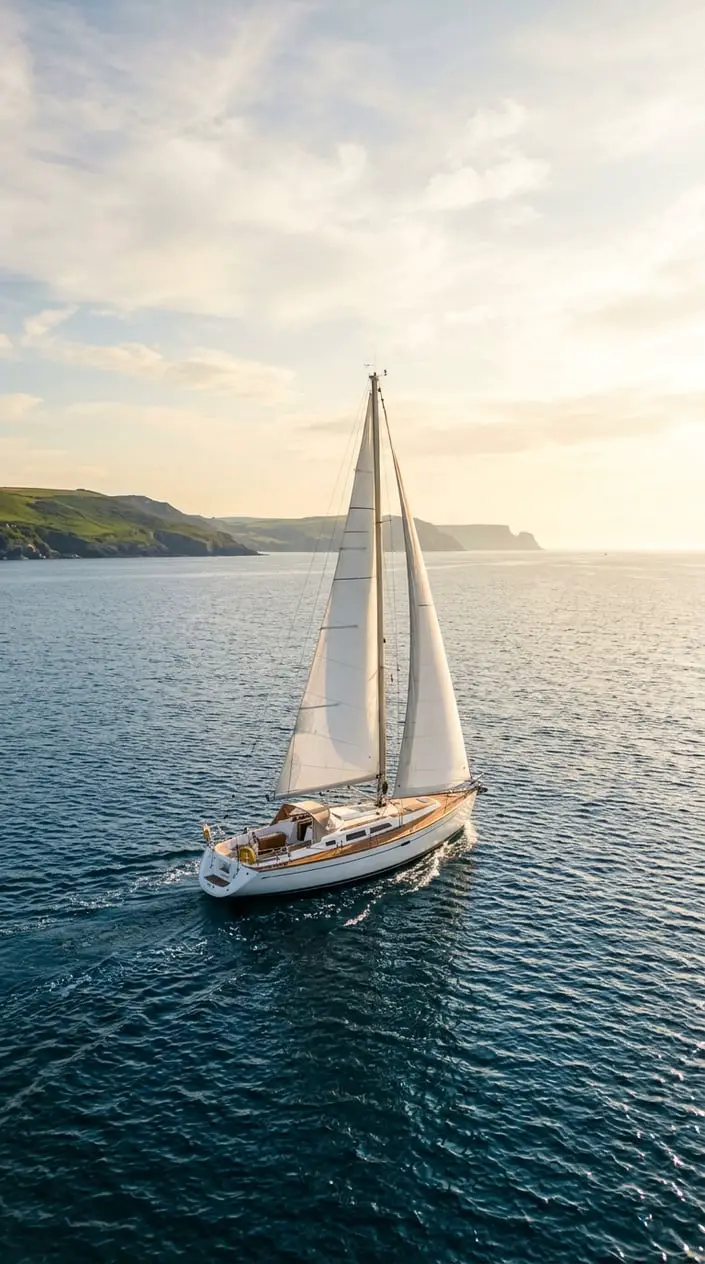
This family’s round-the-world boat shows both the pull of remote travel and the serious costs of life at sea. The crew set out from England hoping to recreate Captain Cook’s voyage, and the children spent years living aboard as the trip stretched far beyond its original plan. You can see beautiful destinations in the story, alongside the demands of isolation and limited access to school and medical care.
A major storm in the Southern Indian Ocean injured one child and exposed the dangers of an underprepared passage. That experience gives you a crucial perspective when weighing a family sailing plan: children need safety, education, personal space, and reliable care.
A voyage should be built around everyone aboard, with clear plans for emergencies and regular chances to connect with life ashore.
11) Maiden
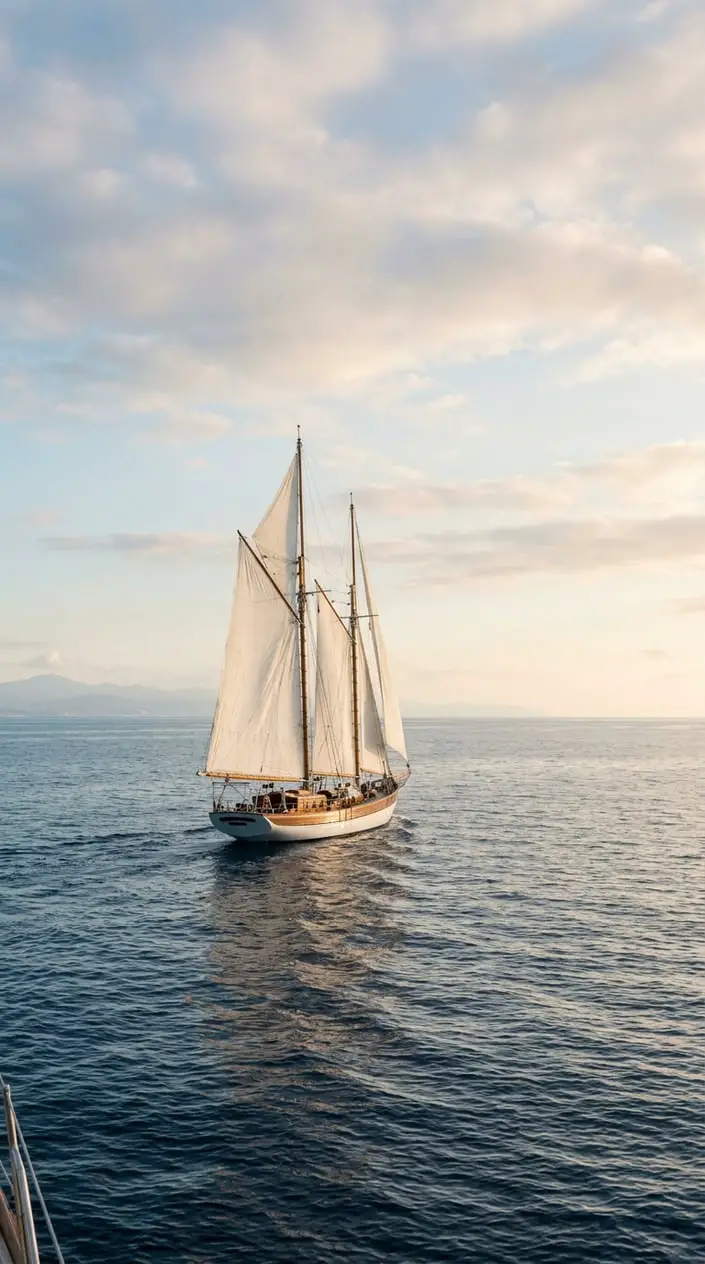
This 58-foot yacht became a symbol of what an all-women crew could accomplish in offshore racing. Under skipper Tracy Edwards, its crew competed in the 1989–90 Whitbread Round the World Race. You can follow a story of skill, teamwork, and determination across demanding ocean legs.
The yacht’s place in sailing history gives you more than a dramatic race result. It opened doors for women in a sport where they had faced barriers to taking on major crew roles.
The vessel later became part of an effort to inspire young people through its history and restoration. If you’re learning to sail, its story offers a reason to seek hands-on crew experience, practice clear communication, and find mentors who will help you build confidence at sea.
12) Hōkūleʻa
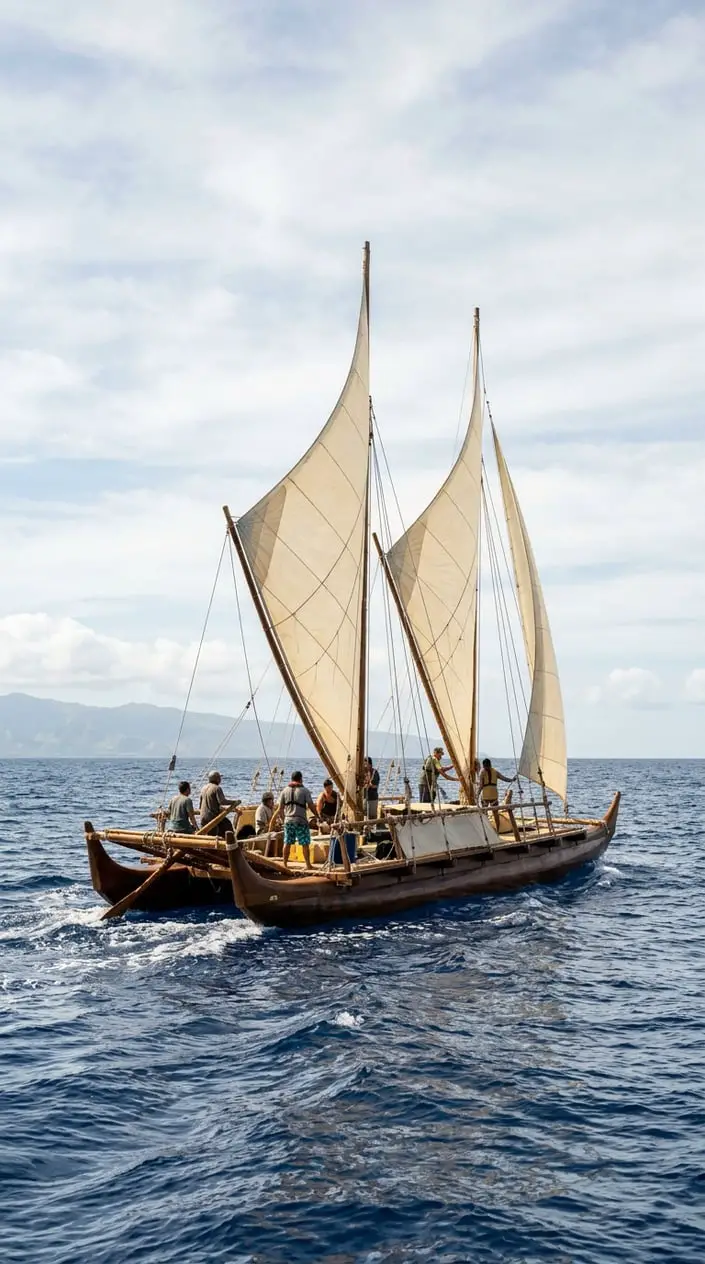
This traditional double-hulled voyaging canoe connects you with a deep Pacific navigation tradition. Launched in 1975, it was built to travel using wayfinding methods that rely on close observation of the stars, ocean swells, winds, and wildlife.
You can see how knowledge of the natural world guides a voyage across open water. Its journeys helped renew interest in Polynesian navigation and cultural heritage.
The canoe’s twin hulls and connecting platform create a design made for voyaging, while the crew’s shared work supports safe passage. If you want to understand how sailors traveled before modern instruments, follow the navigation practices and teamwork behind each journey.
The story offers a view of ocean travel grounded in skilled observation and knowledge passed between generations.