Last Updated on November 12, 2026
For 9 Boats That Are Surprisingly Easy to Maintain Year-Round, start with models that pair durable hulls with straightforward systems. The Lund 1650 Rebel XL, Tracker Pro Team 175 TXW, and Carolina Skiff 17 LS keep routine care manageable with practical layouts and easy-to-clean surfaces.
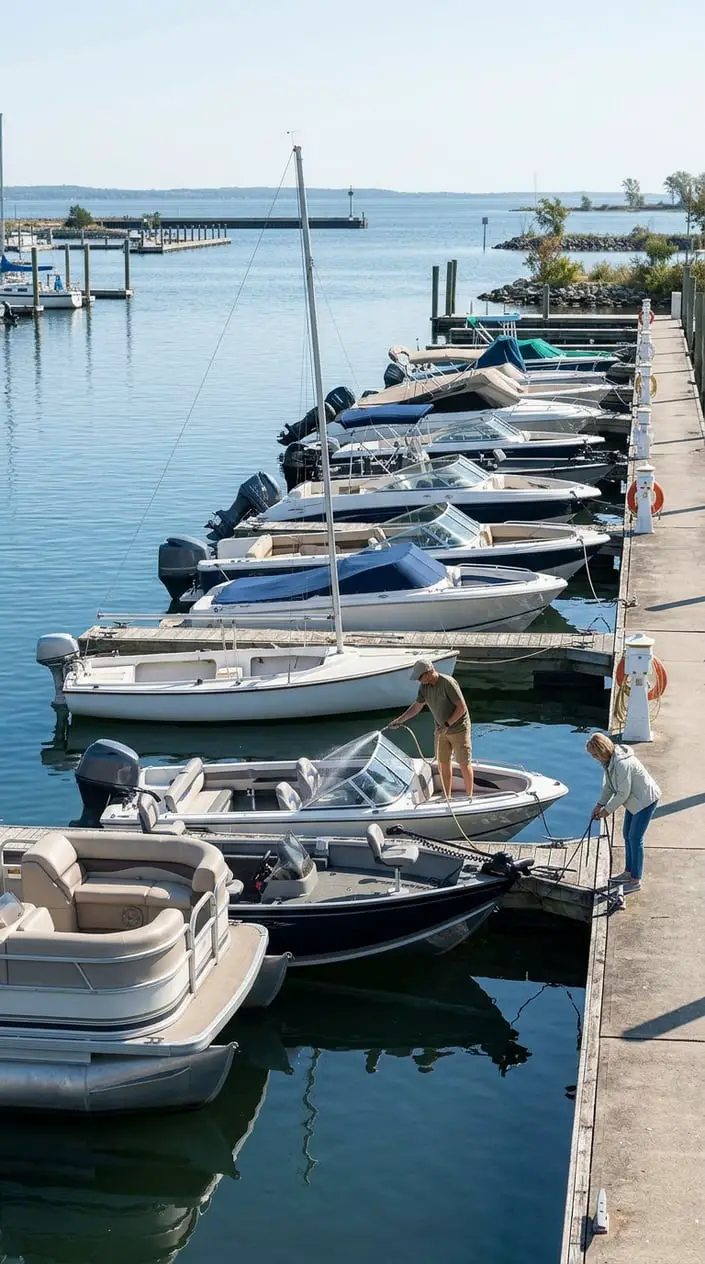
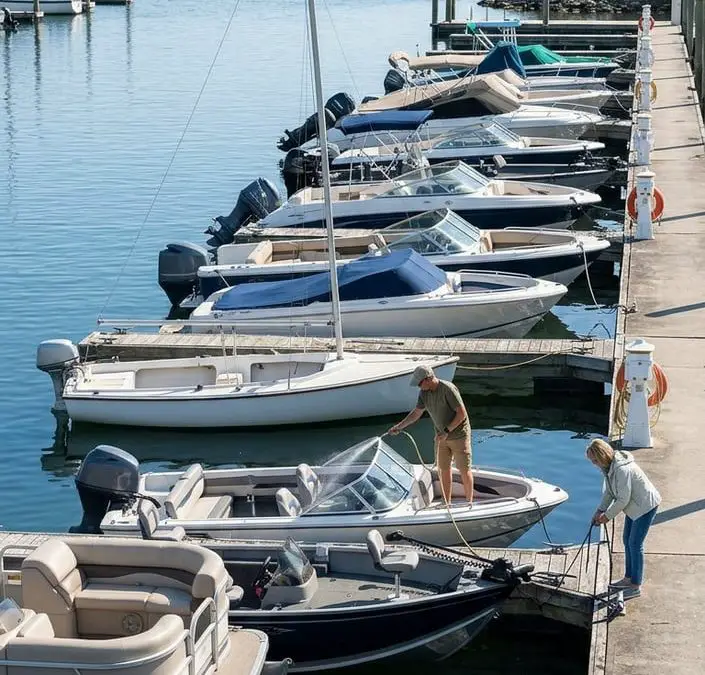
Year-round ownership still calls for regular engine service, fresh-water rinsing after saltwater use, and winterization when freezing weather arrives. Your storage conditions and how often you use the boat shape the care schedule.
Quick picks:
- Best aluminum fishing boat: Lund 1650 Rebel XL
- Best shallow-water center console: Carolina Skiff 17 LS
- Best compact pontoon: Sun Tracker Bass Buggy 16 XL Select
1) Lund 1650 Rebel XL
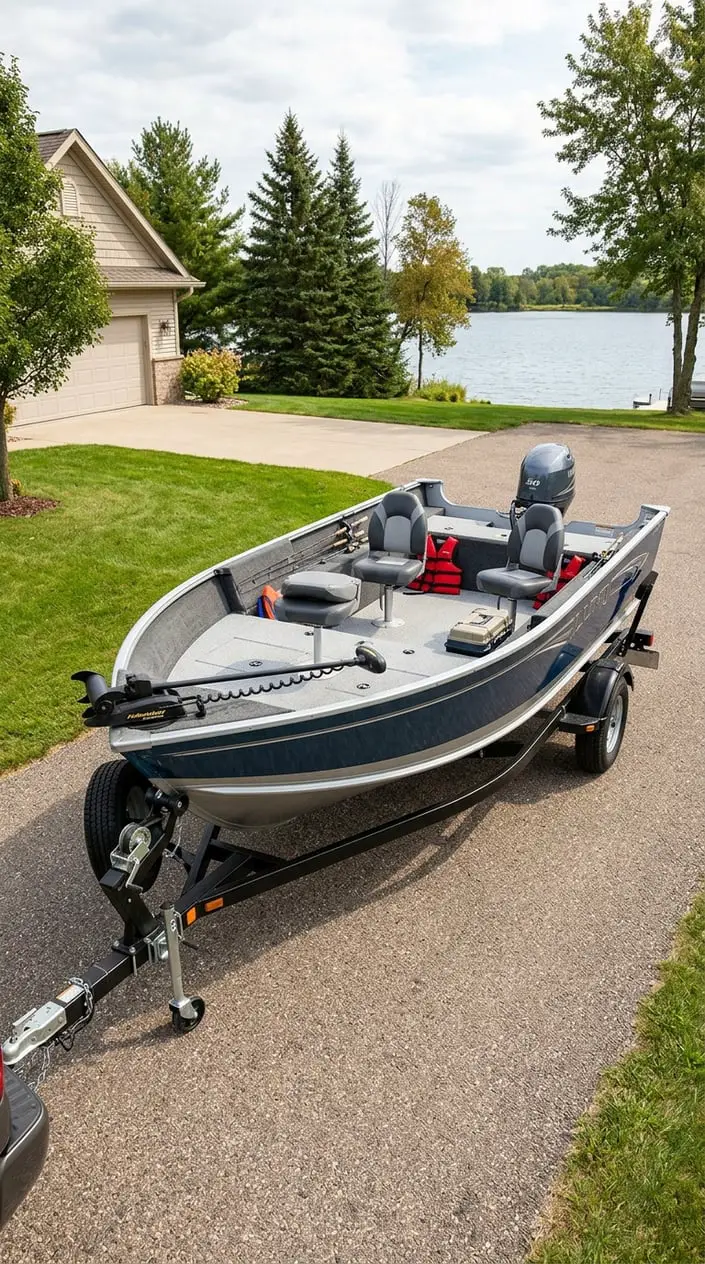
The 1650 Rebel XL is a manageable aluminum fishing boat if you want simple upkeep and easy trailering. Its compact size gives you less hull surface to wash, and an aluminum exterior handles routine lake use without the polishing routine associated with some glossy finishes.
After each outing, rinse away mud and plant matter, then check the hull for scratches or dents before putting the boat away. Pay attention to the transom and any exposed fasteners, especially if you launch in brackish water.
You’ll also want to keep the bilge area dry and follow the outboard maker’s service schedule. A fitted cover helps limit sun exposure and debris when the boat sits between trips, while winter storage calls for proper engine and fuel-system preparation.
2) Tracker Pro Team 175 TXW
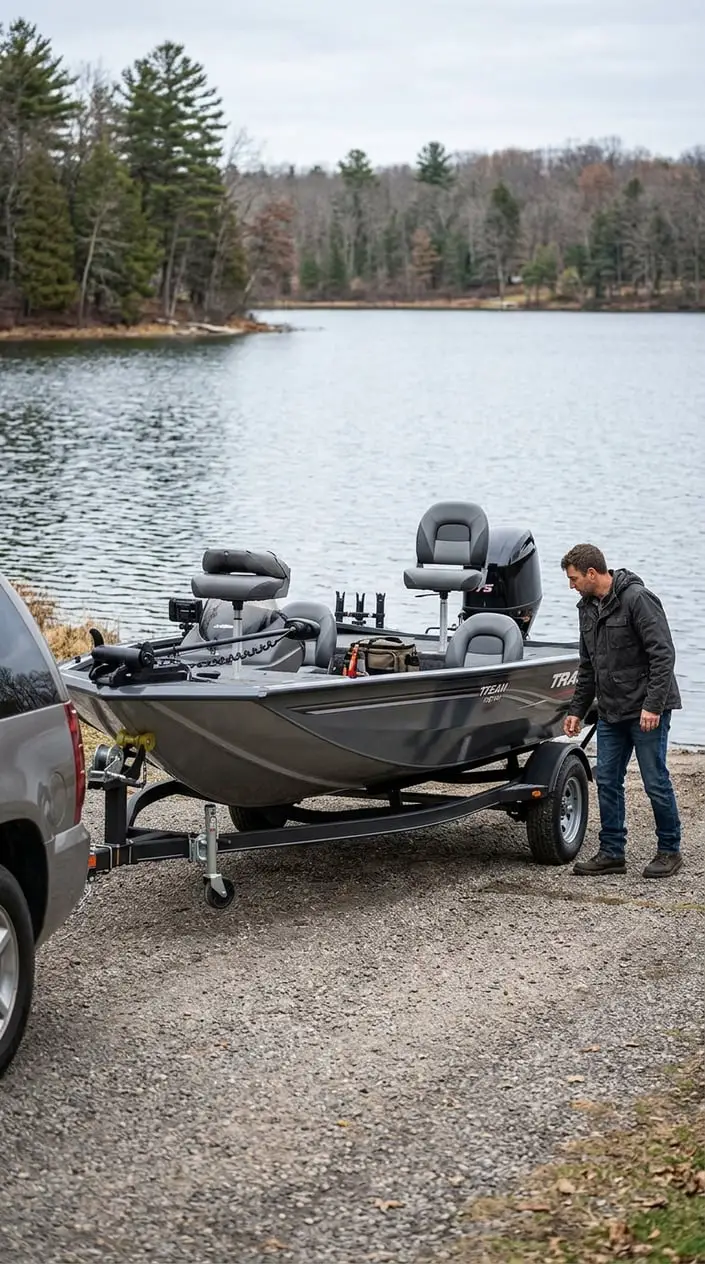
A roomy aluminum fishing layout makes the Pro Team 175 TXW practical to clean and maintain between fishing trips. You get a trailer-friendly hull, while the open deck gives you access to areas where dirt, bait, and water tend to collect.
After a day out, remove debris from the cockpit and dry damp gear before covering the boat. If yours has carpeted deck areas, vacuum them and let them air-dry so trapped moisture does not linger.
Check livewell fittings and drains for residue, then inspect the trailer tires, lights, and bearings as part of your regular routine. In salt or brackish water, rinse the hull and metal hardware with fresh water.
Keep up with outboard service and use the engine maker’s winterization steps when temperatures in your area approach freezing.
3) Boston Whaler 170 Montauk
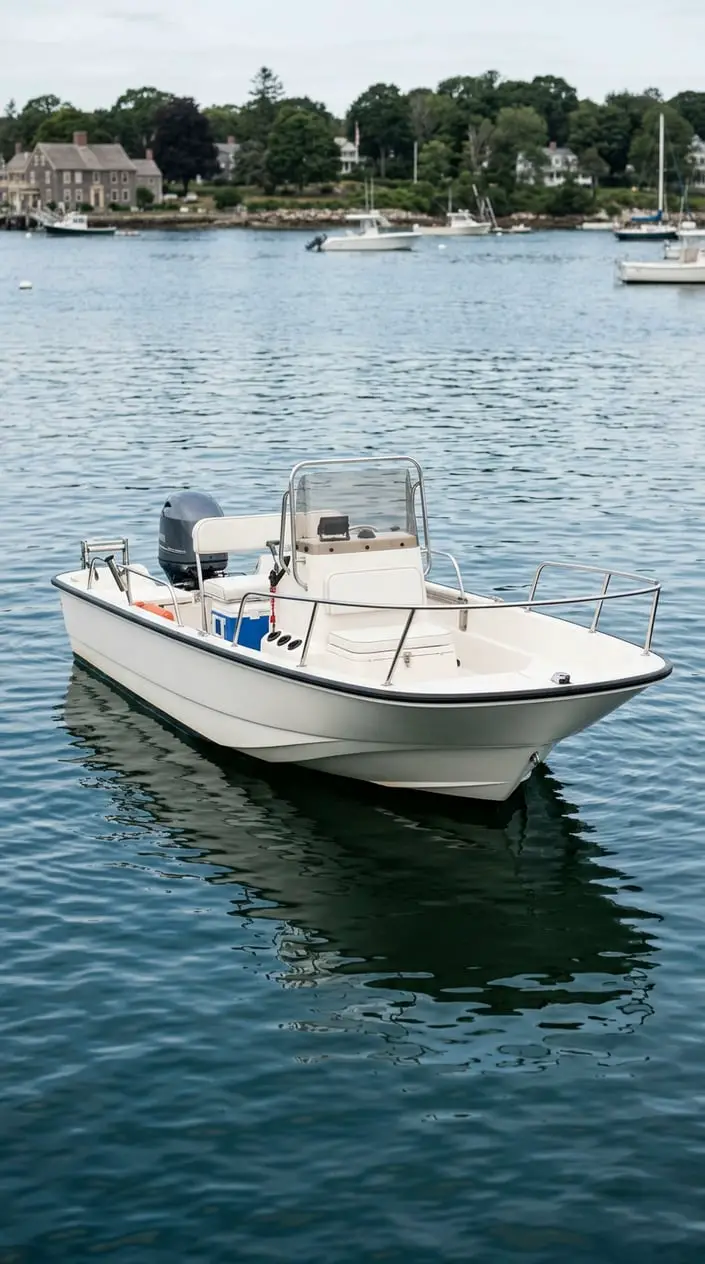
The 170 Montauk’s open center-console layout helps you reach surfaces for washing and inspection. Its fiberglass hull and simple fishing setup suit owners who want a versatile boat without a cabin full of appliances or interior systems to maintain.
After saltwater use, rinse the hull, console, seating, and metal fittings with fresh water. Clean the nonskid deck with a product made for marine surfaces, and avoid harsh cleaners that could damage finishes.
Look over the steering and electrical connections during routine checks, especially before longer runs. A cover limits sun and rain exposure while the boat is stored.
Your outboard still needs scheduled oil and filter service, and you should flush it after use as directed by the manufacturer. Seasonal winterization is important when your boat will sit through freezing weather.
4) Carolina Skiff 17 LS
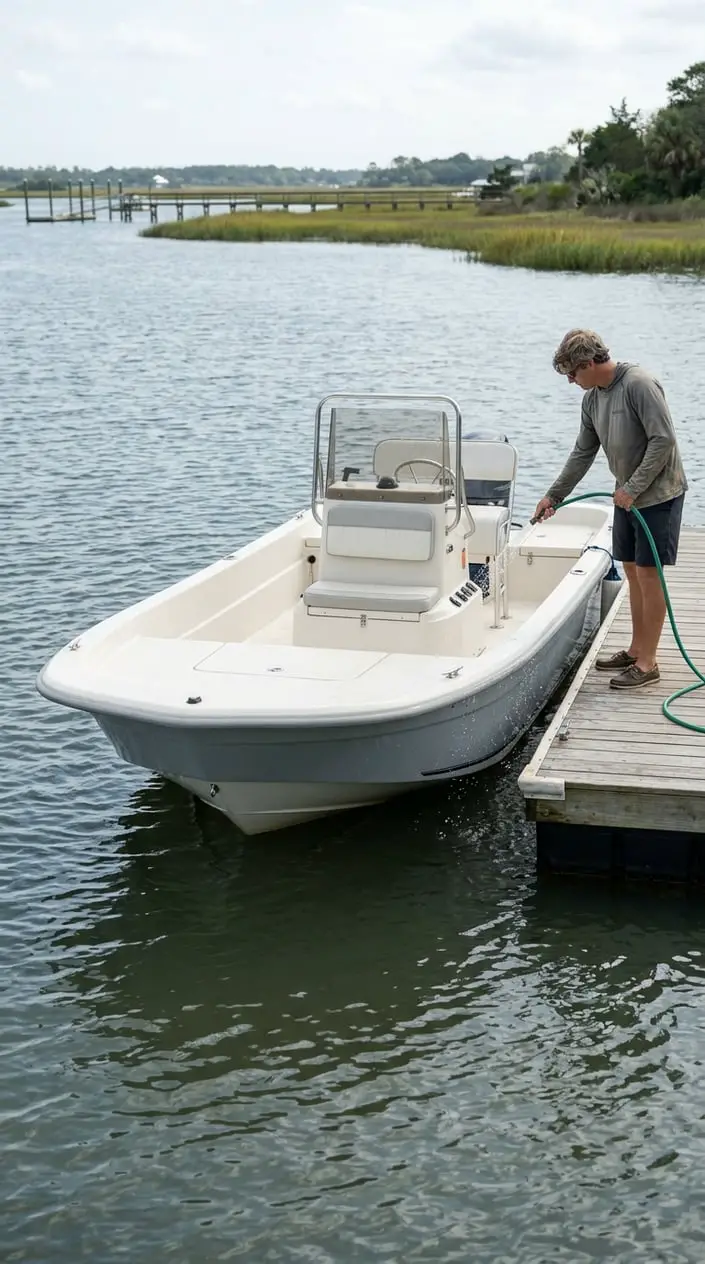
The 17 LS keeps maintenance approachable with a straightforward center-console arrangement and open deck. Its layout gives you room to rinse away fishing residue and inspect the areas you use most, without a large cabin or complex onboard systems.
When you return from a trip, clear the deck and cockpit before washing them down. Saltwater owners should rinse hardware and fittings, then check for corrosion or loose connections as the boat dries.
Keep drains clear so water does not sit in the cockpit, and check the bilge for unwanted moisture. If your boat has cushions or removable gear, store those items dry and out of direct sun.
Follow the outboard service schedule, including the maker’s flushing instructions. Before cold-weather storage, protect the engine and fuel system according to the manual.
5) Bayliner Element M17
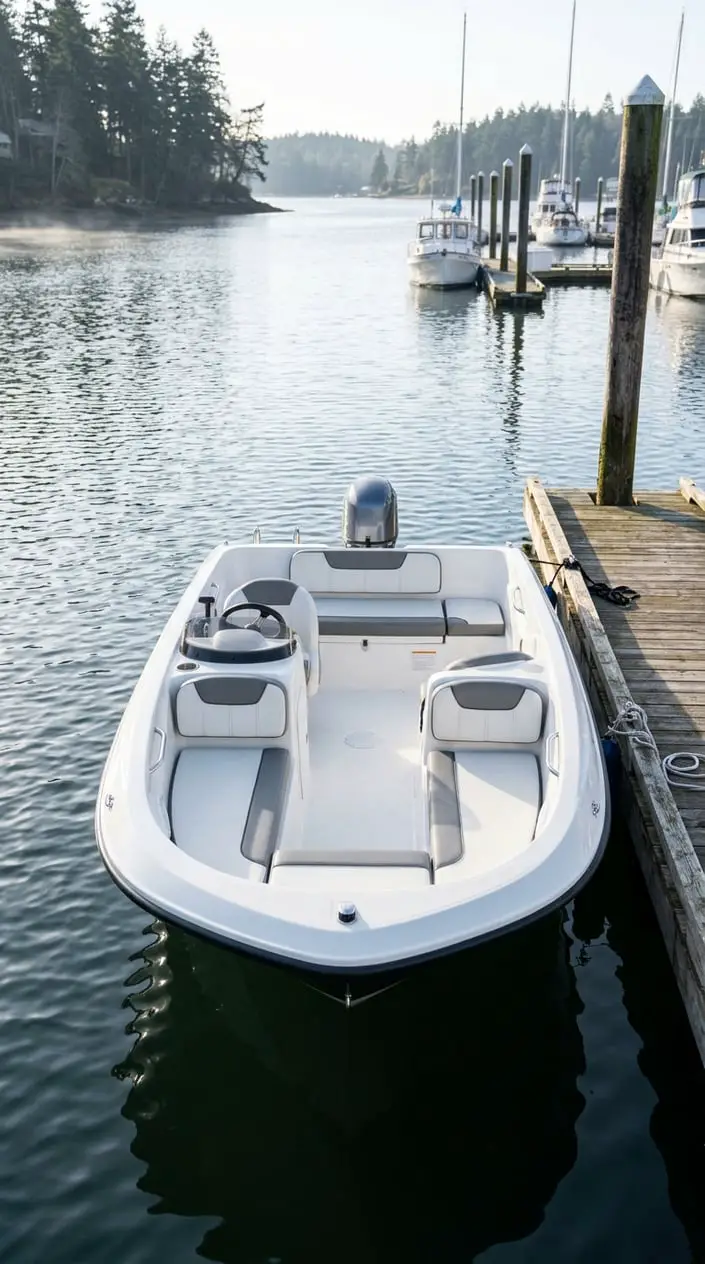
The Element M17 is a compact runabout with an uncomplicated layout that keeps basic cleaning within reach. Its open seating area gives you easy access to the deck after a day of swimming or cruising, and its size suits owners who want a boat that is simple to store on a trailer.
Rinse away sand and lake debris before they dry on the surfaces. Wipe down vinyl seating with a marine-safe cleaner, and leave cushions open to dry before covering the boat.
Check the hull and trailer after launching, since small stones and road grime can collect during regular use. Keep the outboard’s service records and follow the manufacturer’s schedule for fluids and filters.
A secure cover helps reduce sun damage and leaves from accumulating between outings. In freezing climates, add engine winterization and fuel preparation to your seasonal storage routine.
6) Sea-Doo Switch Compact 170
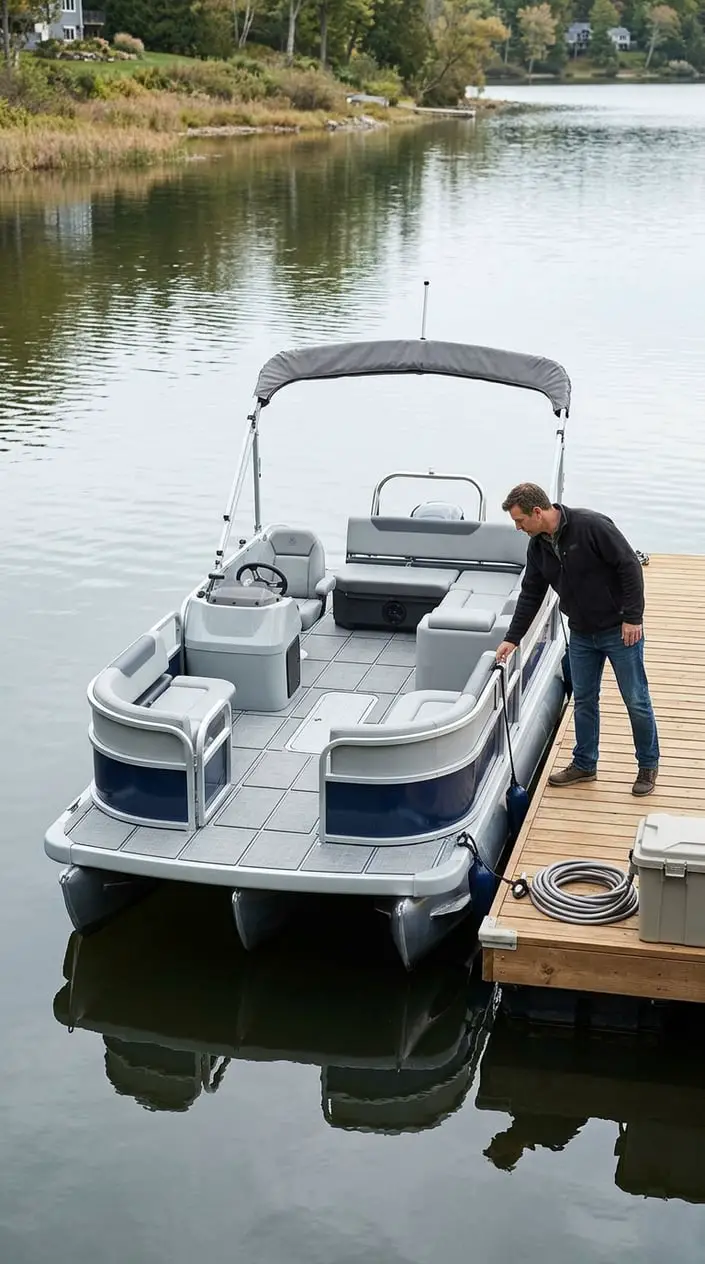
The Switch Compact 170 keeps care simple with a small footprint and an open deck that is easy to rinse. Its jet propulsion system also removes the exposed propeller from your routine inspection, though you still need to check the intake area for weeds or debris.
After each trip, clear the intake grate and inspect it for anything that could restrict water flow. Follow the engine maker’s flushing guidance, especially after saltwater use, and keep the deck free of sand and food scraps.
Dry removable seating and gear before storing them so moisture does not stay trapped. Check the hull, steering, and battery connections during regular walkarounds.
The compact size makes a cover and trailer storage practical for many owners. If you store it through winter, prepare the engine and fuel system as directed in the owner’s manual.
7) Sun Tracker Bass Buggy 16 XL Select
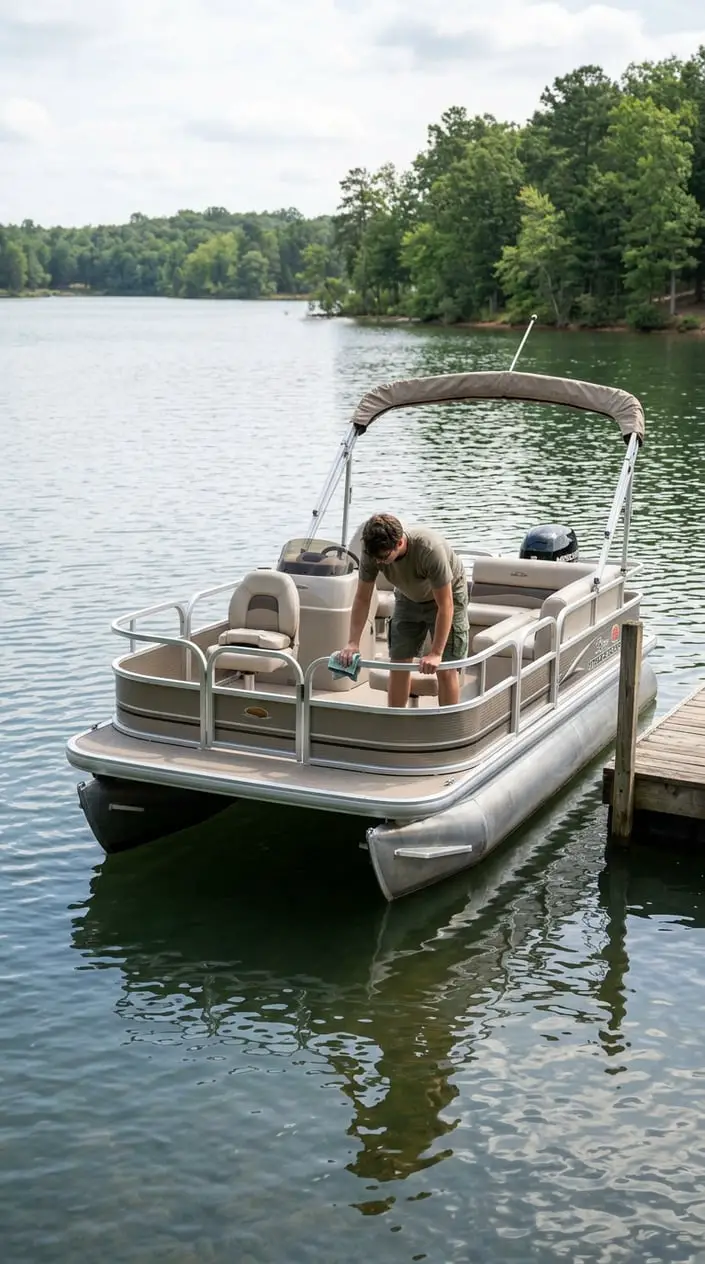
For easygoing lake outings, the Bass Buggy 16 XL Select offers a compact pontoon layout with a deck you can reach and clean without much effort. Its modest size also makes it easier to cover and store than a larger pontoon.
Rinse the deck after swimming or fishing, and wipe down seating before you put the cover on. Check the pontoon logs for scrapes or signs of damage, then clear debris from the deck corners and storage spaces.
Periodically inspect the railing hardware and any wiring that is exposed to spray or weather. The outboard requires routine service, and its cooling system needs care based on the manufacturer’s instructions.
A pontoon cover helps limit sun exposure and keeps leaves off the deck. For winter storage, protect the engine and make sure the boat is dry before covering it.
8) Yamaha 222 FSH Sport E
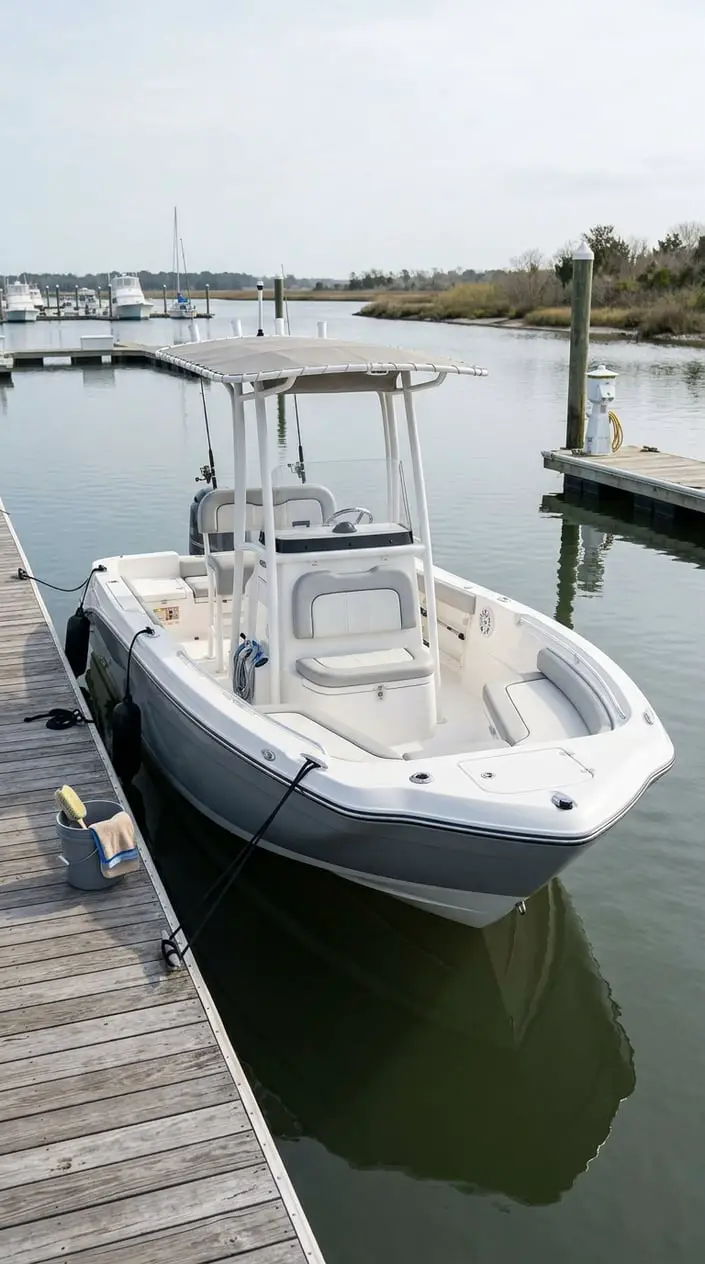
The 222 FSH Sport E gives you a roomy fishing platform with jet propulsion, while its twin engines call for a more involved service schedule than a single-engine boat. Its open deck still makes rinsing and checking high-use areas straightforward.
After a saltwater trip, flush both engines according to the owner’s manual and wash down the deck, console, and fishing surfaces. Clear the jet intakes of weeds or other debris before your next outing.
Check both engines’ service intervals and keep a record of completed maintenance so you can plan ahead. Wipe down seating and dry storage compartments before covering the boat.
Because the boat is larger, make sure your storage space and cover fit the full deck. In cold regions, prepare both engines and the fuel system for winter storage.
9) Catalina 22 Sport
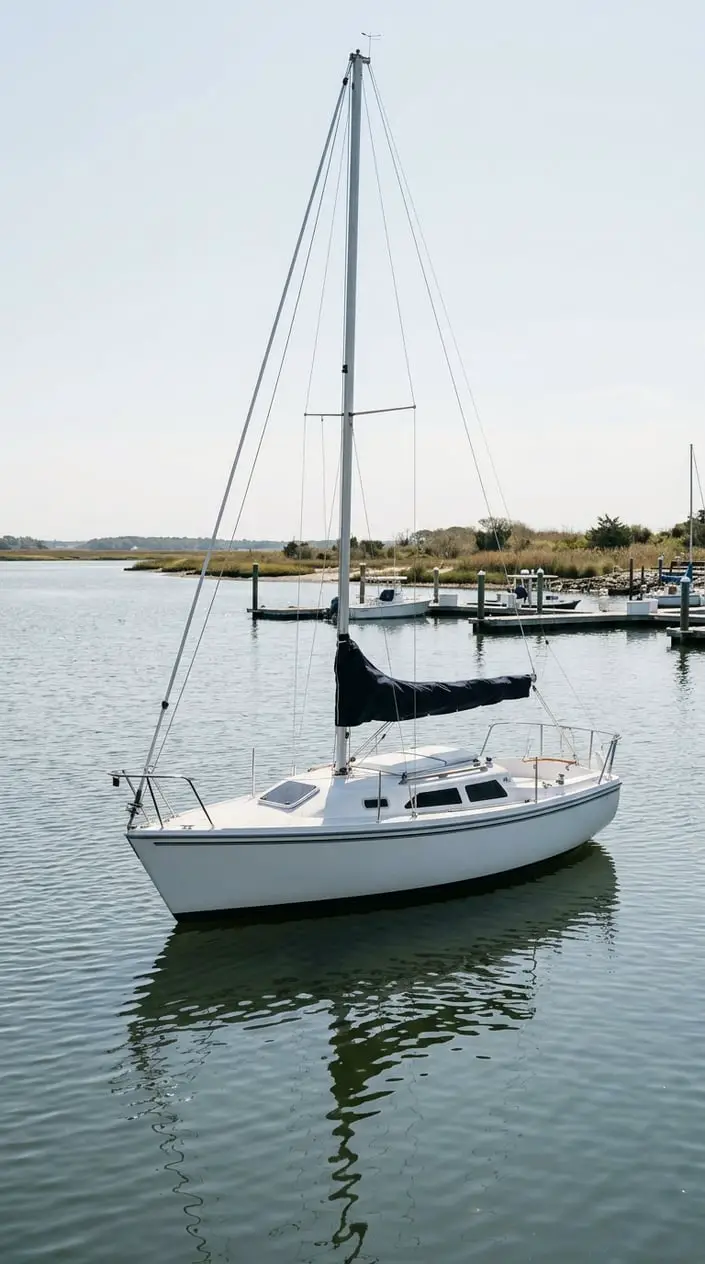
The Catalina 22 Sport is a small sailboat with a simple cabin and rig, giving you a manageable entry into sailboat upkeep. Its modest size makes routine cleaning and seasonal checks easier to handle, while a swing keel on equipped versions simplifies shallow-water access and trailering.
Rinse salt from the deck and fittings after coastal sailing, then check lines and cleats for wear. Inspect the standing rigging and sails regularly, and store sails dry to help prevent mildew.
Keep the cabin ventilated when the boat is covered, and check for moisture after rainy weather. If you use an auxiliary outboard, maintain it on its own service schedule and prepare it for freezing temperatures.
Before winter layup, follow local guidance for hauling or storing the boat, and inspect the keel and its lifting hardware.