Last Updated on November 12, 2026
You make the biggest gains in boat comfort by matching your seating, cockpit, and hull fit to your body and the water you travel. A small mismatch can leave you bracing with your legs, hunching at the helm, or shifting around to find room.
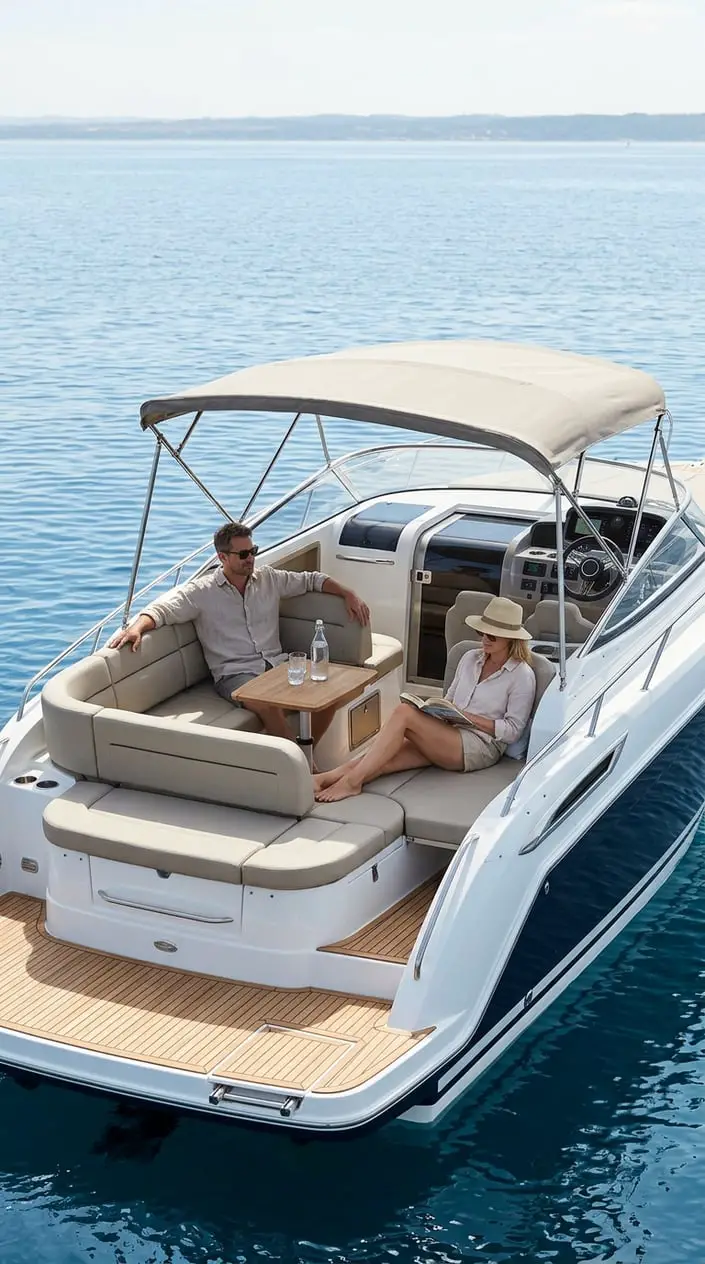
Your height, leg length, and balance all affect how a boat feels underway. Check how each feature supports your posture and movement before you choose a design.
1) A Supportive Seat With Adjustable Lumbar Support
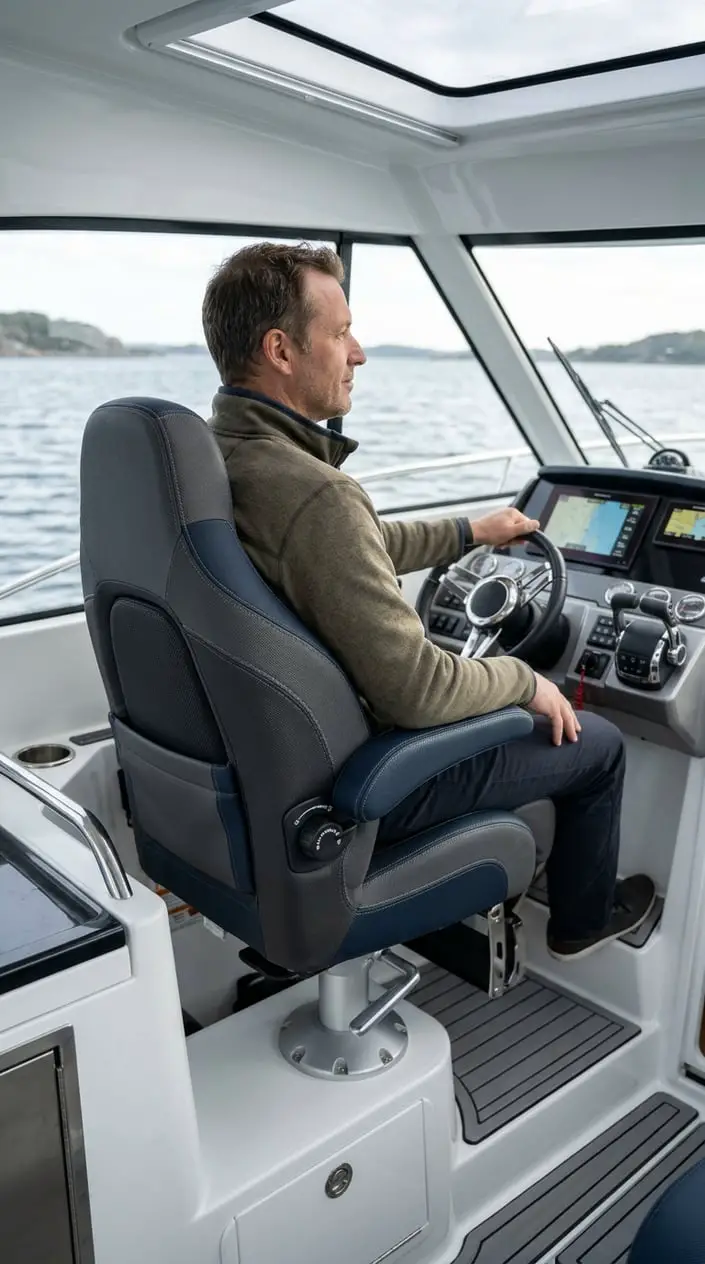
Adjustable lumbar support helps you keep a relaxed, upright posture through long stretches at the helm. Look for a seat back that follows the curve of your lower spine, with lumbar height or firmness you can change to suit your build. A seat with a sliding base also lets you set a comfortable distance from the wheel and controls.
Check the seat in your usual boating clothes, including a life jacket. Your shoulders should stay relaxed, and you should reach the wheel without leaning forward.
If you share the boat, choose adjustments that are easy to reset. A wide cushion can spread pressure, while firm, supportive padding helps you stay steady when the boat moves across chop.
2) Adjustable Foot Braces That Fit Your Leg Length
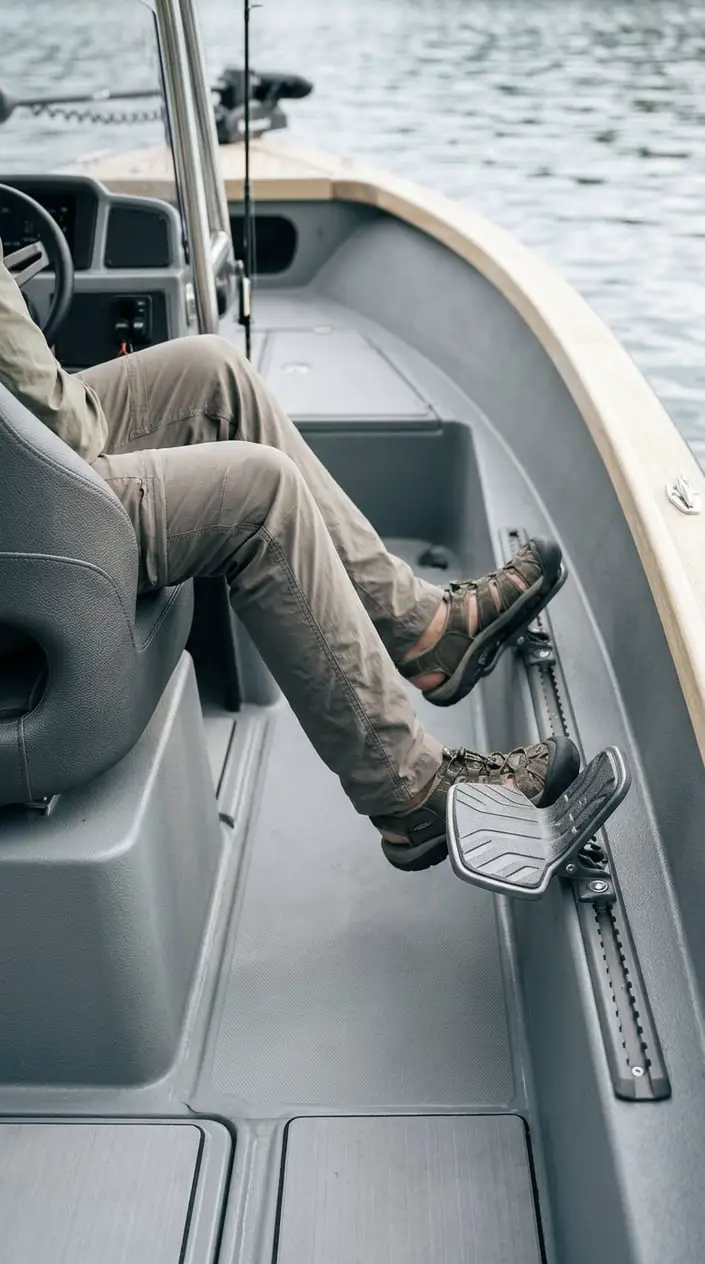
Foot braces set to your leg length give you a stable base for paddling and steering. When your feet reach the braces with your knees slightly bent, you can hold your position without curling your toes or stretching your legs. That support helps you use your core and legs to control your posture.
Sit in the boat and adjust the braces before you head out. Your heels should rest comfortably, and each foot should press forward without forcing your knees high.
If several people use the boat, check that the adjustment range fits everyone. A secure locking system keeps the braces in place as you shift your weight, while textured contact points help your feet stay planted when the floor gets wet.
3) A Cockpit Sized for Easy Entry and Exit
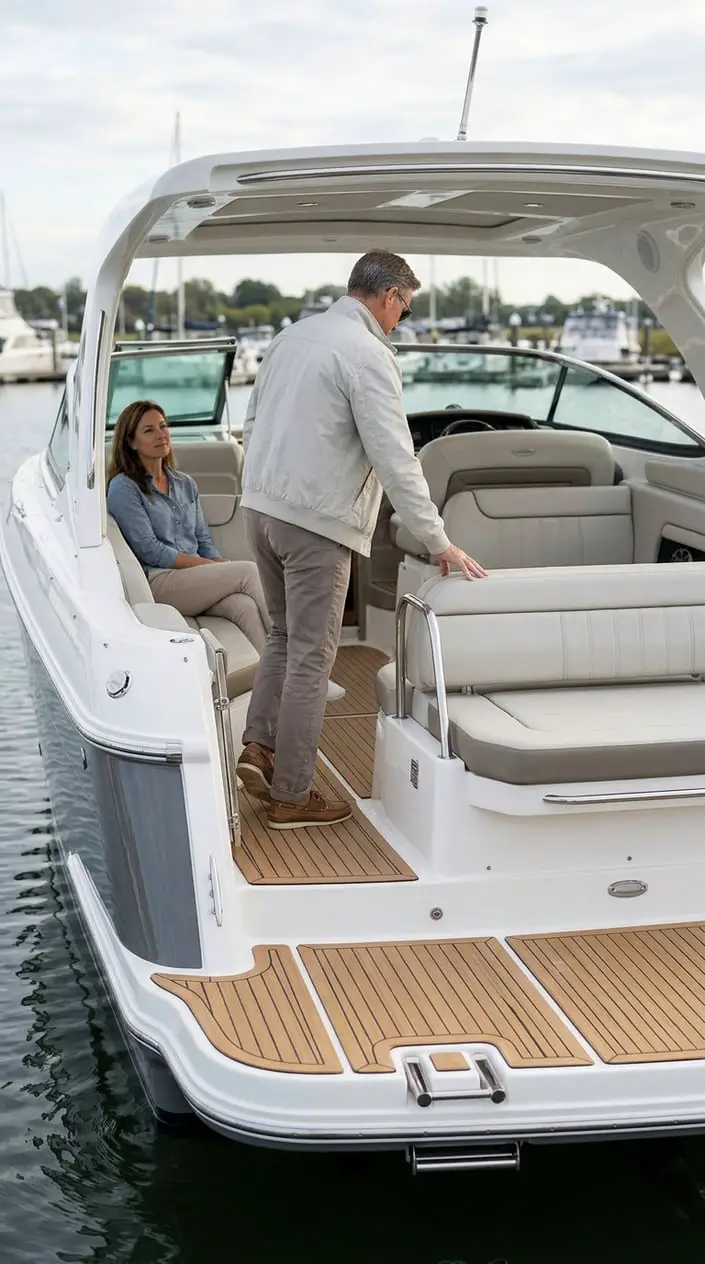
A cockpit with enough opening space and a well-placed handhold makes boarding feel controlled. You should be able to step in, lower yourself onto the seat, and turn your legs without catching on the coaming or nearby gear. A stable grab point gives you support as the boat shifts at the dock.
Check the cockpit opening against your body and mobility needs. Sit down and stand up several times, then see whether you can move your knees and feet freely.
For a kayak, compare the cockpit length and width with your hips and thighs, and consider how easily you can exit in the water. A wider opening can ease access, while a closer fit may help you brace your body during paddling. Choose the balance that suits your trips.
4) Enough Deck Height for Uncramped Knees
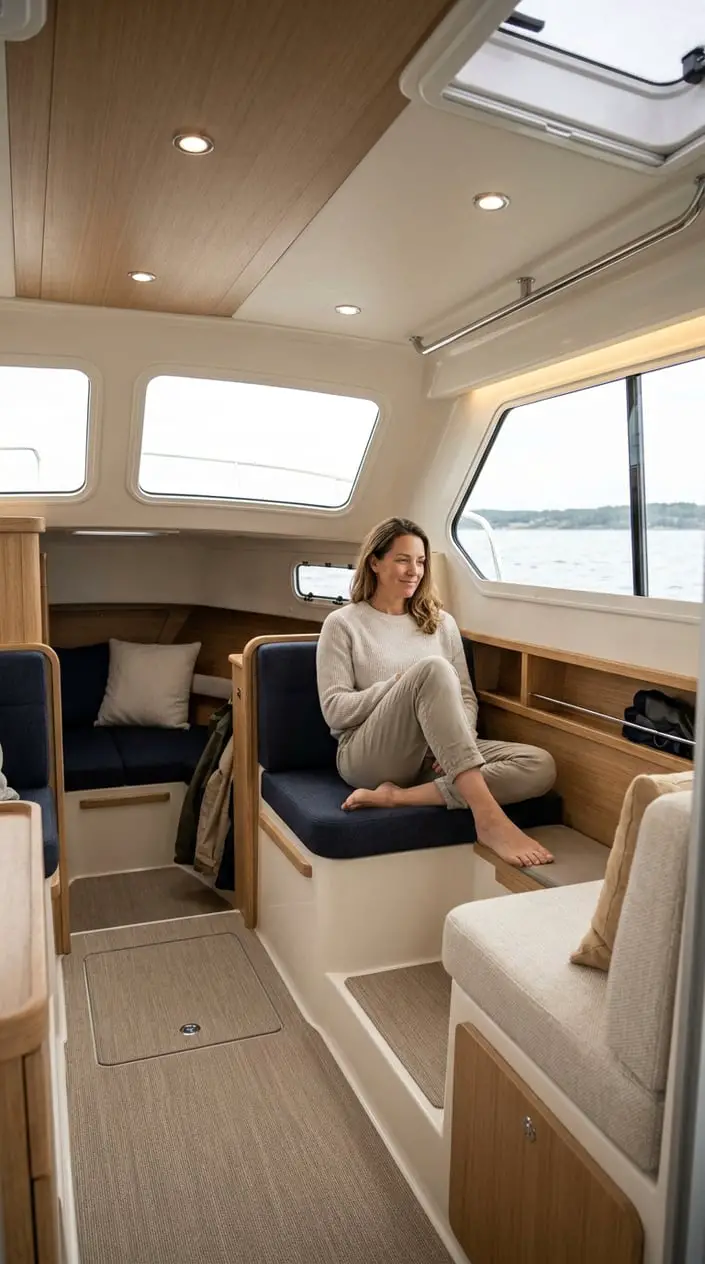
Adequate deck height gives your knees room to bend without pushing your hips into an awkward position. When you sit, your thighs should rest comfortably and your feet should reach the floor or footrests. That position helps you stay relaxed as you travel and makes it easier to shift your weight.
Try the seat with your usual footwear, since thick soles change how much clearance you need. Check the space beneath the helm, console, and seat supports, where braces or hardware can crowd your legs.
If you plan to sit for long trips, look for room to change foot position. You should also be able to turn your knees enough to enter and leave the seat smoothly. A quick seated fit check can reveal cramped clearance before you buy.
5) Hull Width Matched to Your Stability Needs
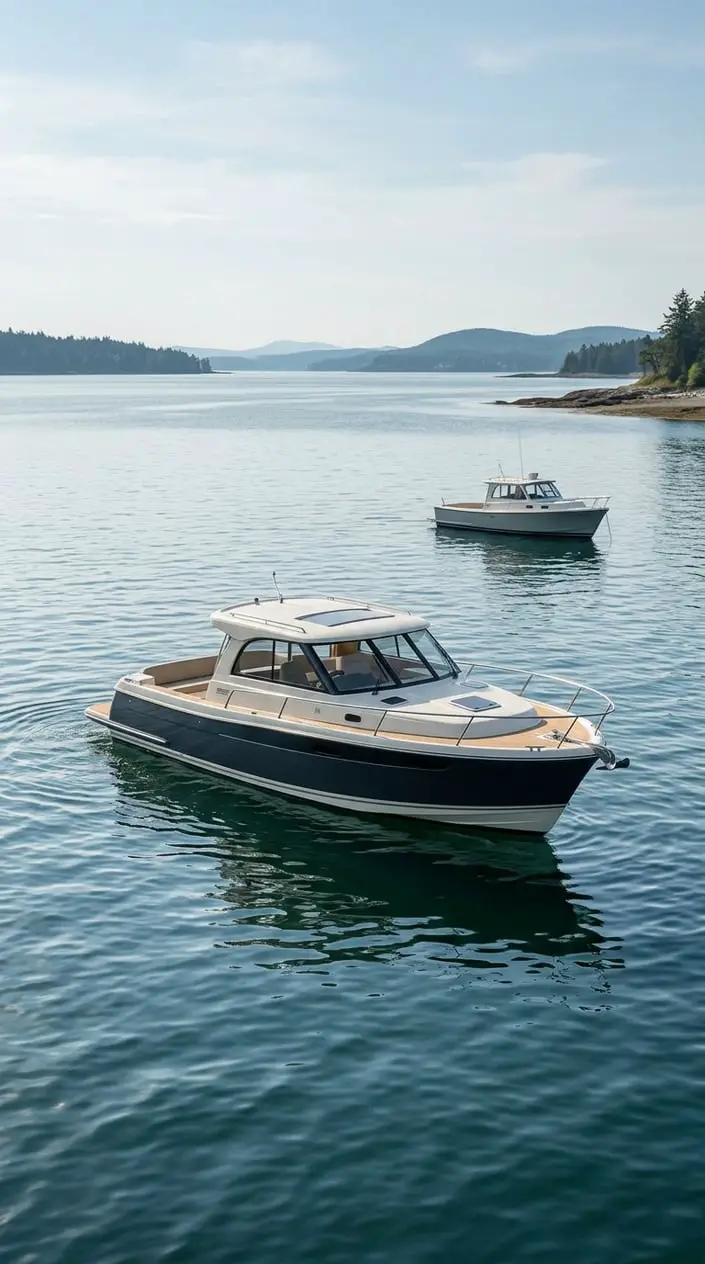
Hull width shapes how stable your boat feels when you sit, move, or stand aboard. A wider beam can create a steadier platform for fishing, family outings, and moving around at low speed. Hull shape and weight distribution also affect stability, so compare the full design and intended use.
Think about where you boat and how you use the deck. Calm lakes and protected bays place different demands on a hull than exposed water with frequent chop.
Check the manufacturer’s capacity plate for passenger and gear limits, then leave room for safe movement. If you prefer a narrow, easy-to-paddle craft, practice entering and shifting your weight near shore. A balanced width gives you useful stability while keeping the boat suited to your launch and travel plans.
6) Soft Chines for Predictable Leaning and Turning
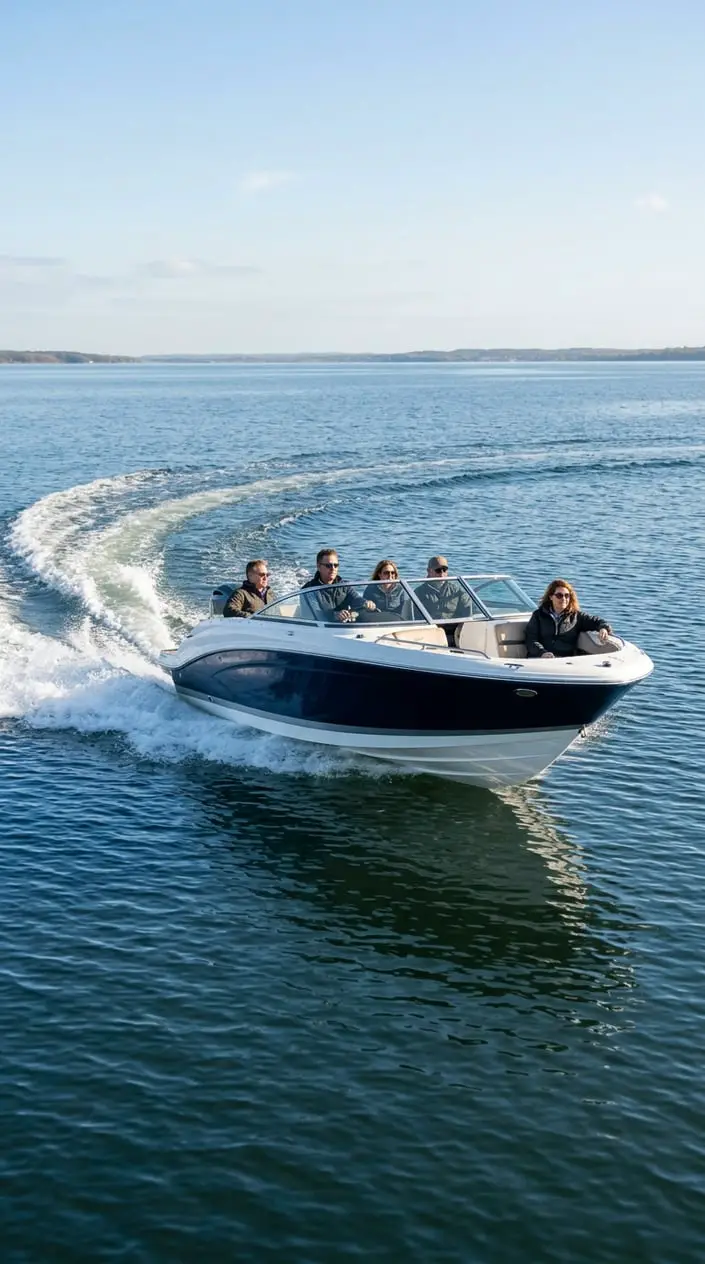
Soft chines create a smoother transition as the boat leans and turns. A chine is the area where the hull’s bottom meets its side. A rounded or gently angled chine can make the boat’s response feel gradual as you shift your weight or steer through a turn.
For comfort, consider how you want the boat to behave underfoot and on the water. A softer chine can feel forgiving during relaxed cruising and casual paddling.
A sharper chine may provide a more defined edge for tracking or edging, which some paddlers prefer. Review the hull profile and intended conditions, then ask how the design responds when loaded with people and gear. A demo close to shore can help you judge the lean and turning feel before committing to longer outings.
7) Moderate Rocker That Reduces Steering Effort
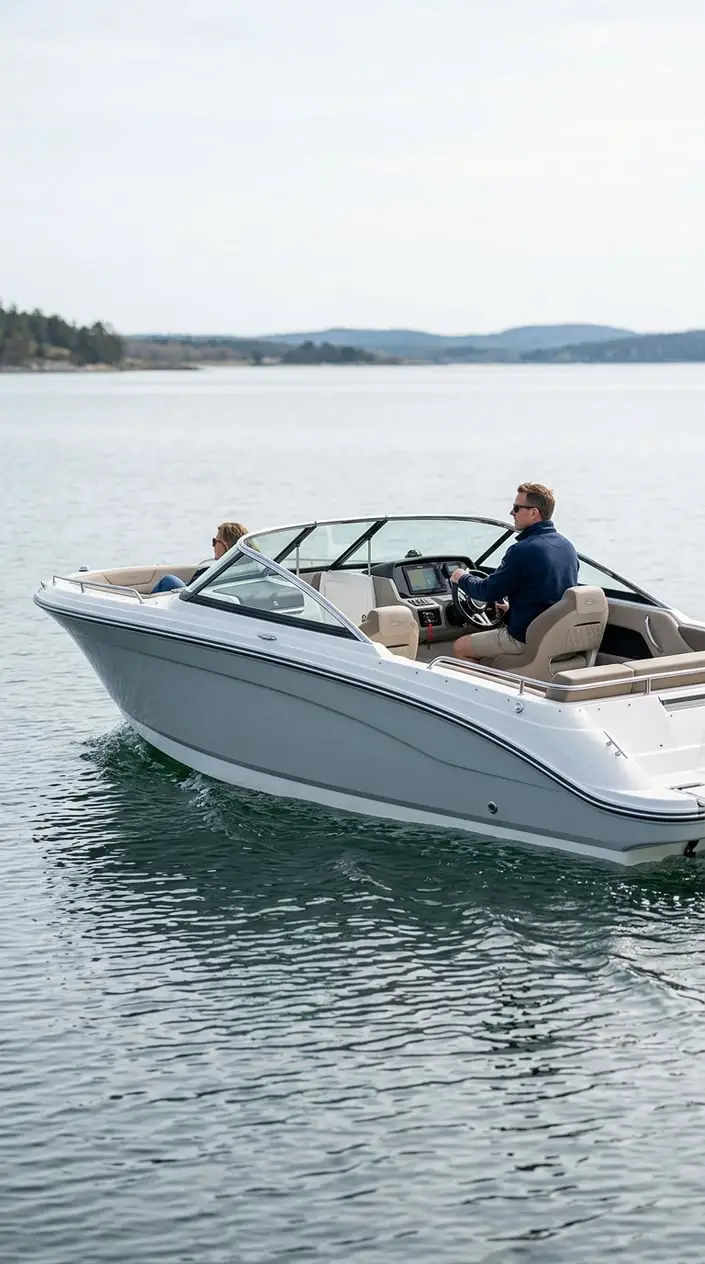
Moderate rocker helps balance easy turning with steady forward travel. Rocker describes how much a hull curves upward at the bow and stern. A more pronounced curve can help a boat pivot, while a straighter profile can support tracking over distance.
If you steer for hours, look for a hull shape that responds smoothly to small corrections. A boat with suitable rocker can reduce the effort needed to guide it through bends or around obstacles.
Your load, trim, and water conditions also affect steering, so compare designs in the way you plan to use them. For paddling, check whether the boat tracks well enough for your routes while still turning comfortably. For powerboats, ask how the hull handles at cruising speed and through turns.
8) Adjustable Thigh Braces Without Pressure Points
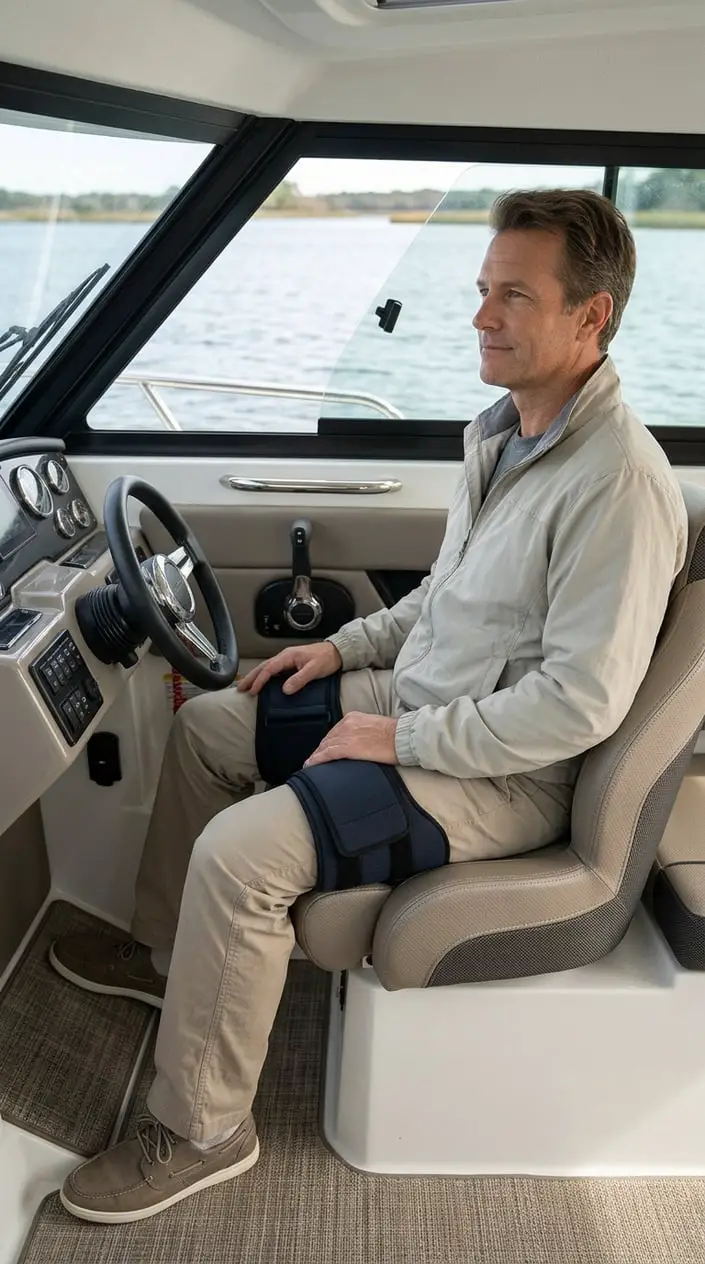
Thigh braces should support your legs evenly while leaving room to shift and relax. In a kayak, well-positioned braces help you connect your lower body to the boat for balance and control. Padding and adjustment let you tune the contact to your leg shape.
Sit in the boat and check where each brace meets your thigh. The contact should feel broad and steady, with no hard edge pressing into one spot.
Adjust the position so your knees remain comfortably bent and your legs can move when you enter or exit. If the braces have removable pads, check that they stay secure and dry quickly. A close fit helps with control, while enough clearance keeps the supports comfortable on longer paddles.
9) Raised Sit-On-Top Seats With Clear Drainage Paths
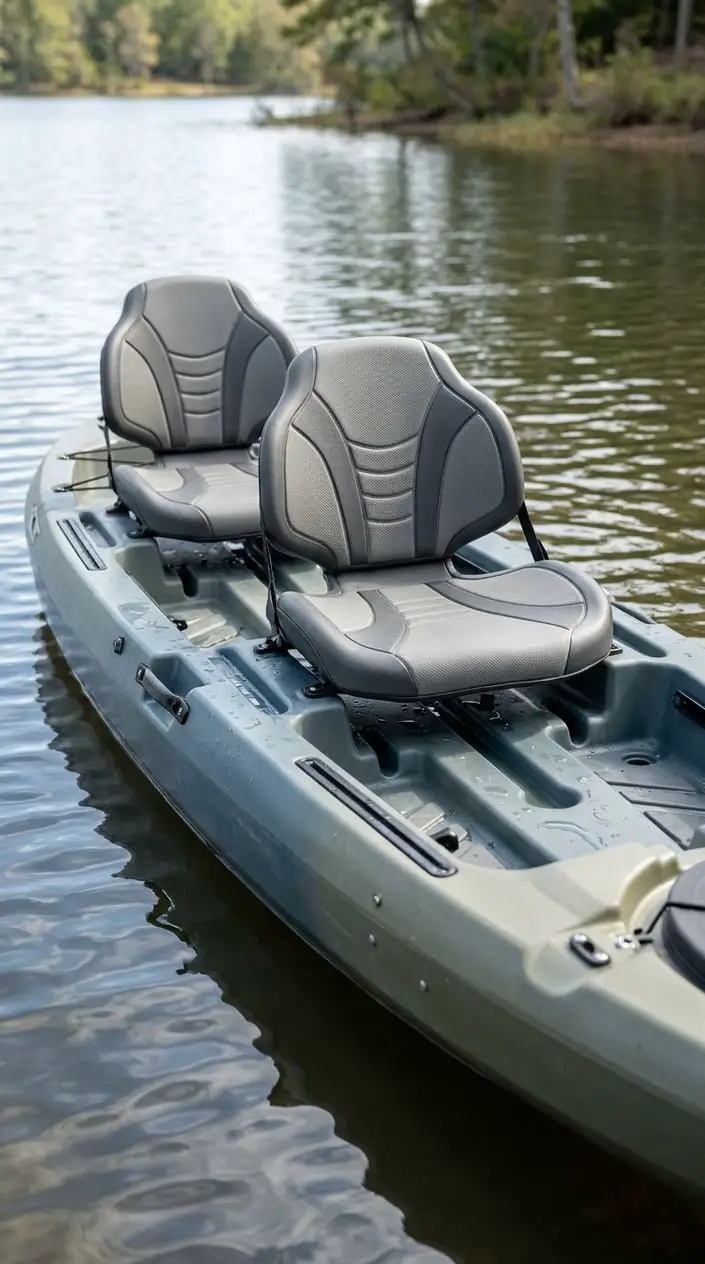
A raised sit-on-top seat gives you a higher sitting position, while clear scupper holes help drain water from the deck. That added seat height can make it easier to bend your knees and look around. Check that the seat has firm support and that its straps or mounts hold it securely.
Inspect the drainage paths before launching. Scupper holes should remain open, and gear should stay clear of channels that carry water away from the seating area.
If you paddle in cold conditions, plan for splash and water on the deck, and choose clothing that suits the temperature. Try the seat with your feet on the footrests so your legs feel supported. You should be able to shift position without covering the drainage openings or catching the seat hardware.