Last Updated on August 25, 2026
You’re planning a summer ride and want to stay safe, comfortable, and ready for anything the road throws at you. This article lays out 13 practical packing ideas that help you ride cooler, stay protected, and solve small problems without hauling extra weight.
You’ll learn what to pack so you stay comfortable, protected, and prepared on warm-weather rides.
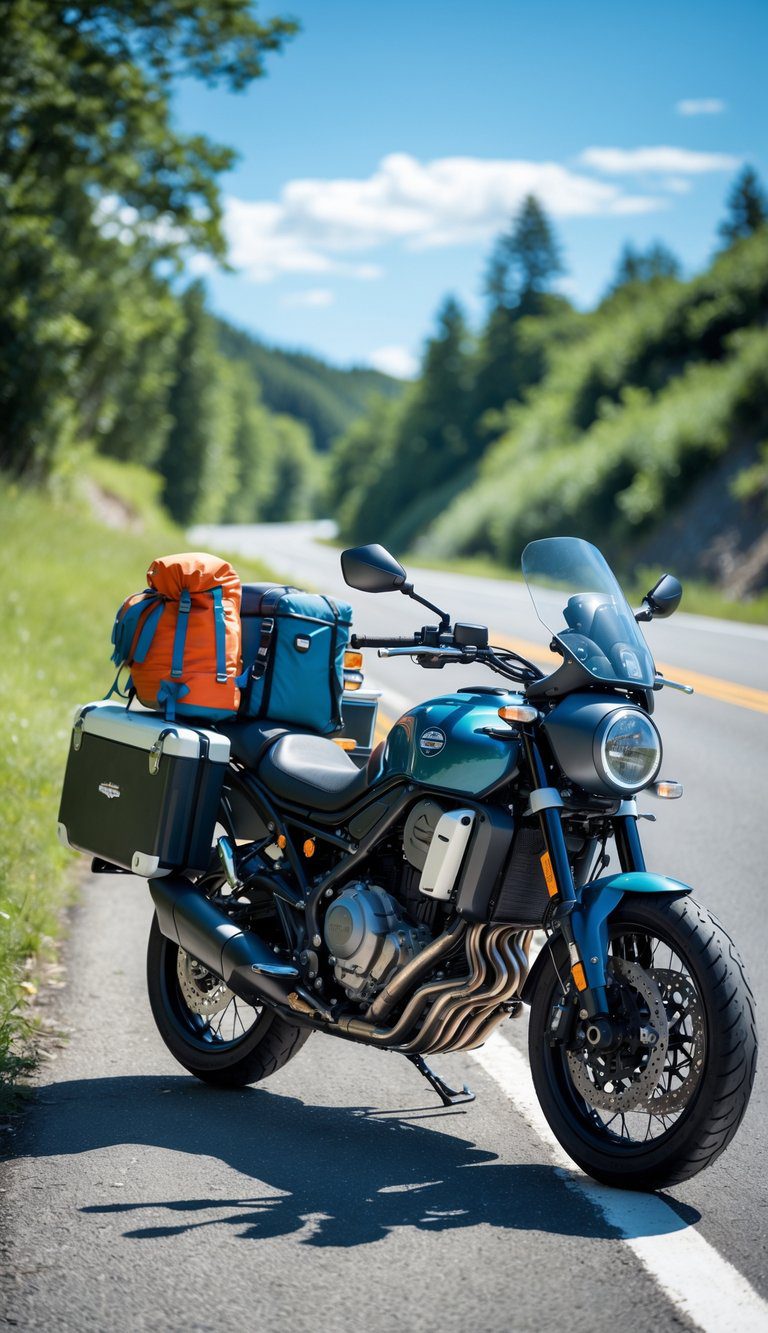
Expect tips on ventilated gear, lightweight rain protection, compact tools, hydration, sun care, and small organizers that keep your load tidy. Use these ideas to streamline your setup and enjoy more time riding and less time unpacking.
1) Lightweight ventilated textile jacket
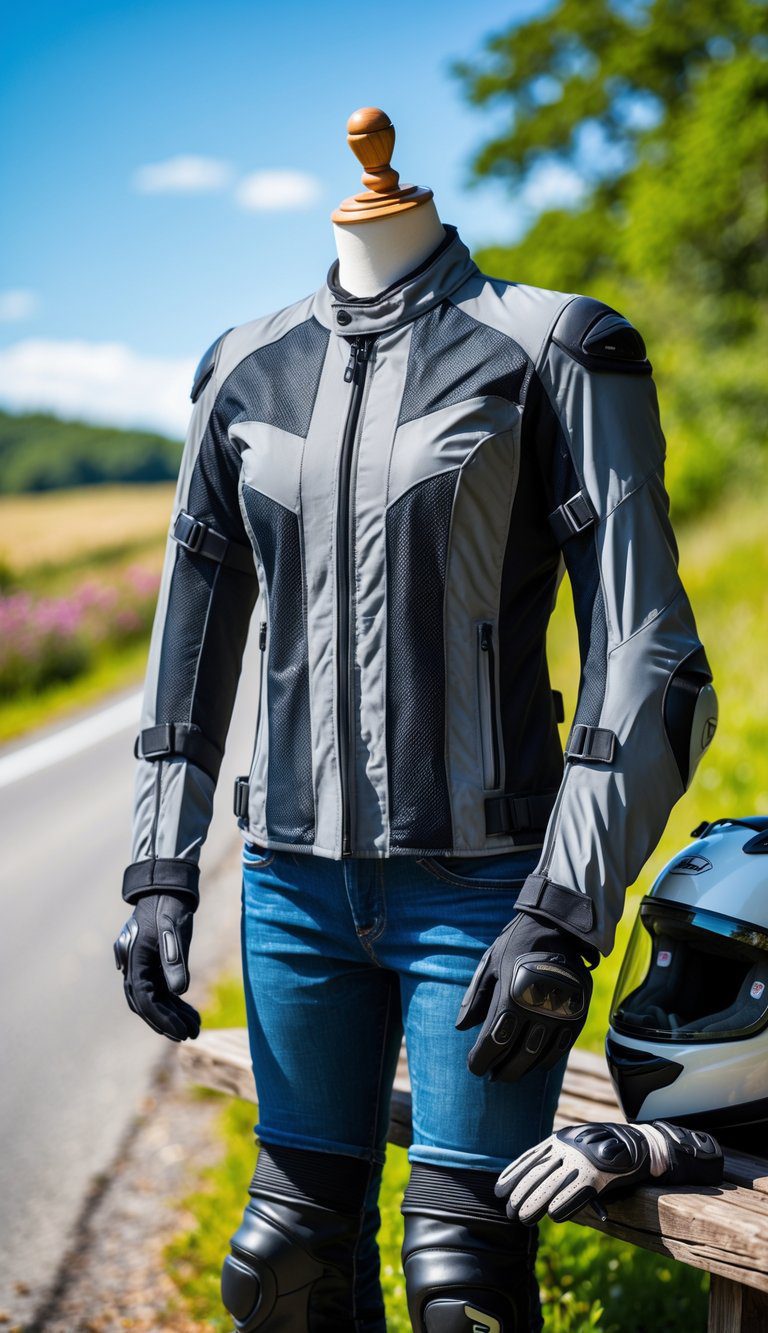
You want a jacket that keeps you cool without giving up protection. Look for lightweight textile with large mesh panels so air moves across your chest and back on long, slow rides.
Choose jackets with CE armor at shoulders and elbows, plus a pocket for a back protector. Removable liners help when temperatures swing from morning to afternoon.
A good fit stops flapping and keeps armor in place. Adjustable vents and cuffs let you fine-tune airflow while riding.
PRO TIP
Carry a thin packable rain shell. It adds weather protection without much weight and fits over a ventilated jacket when needed.
2) CE-rated summer motorcycle gloves
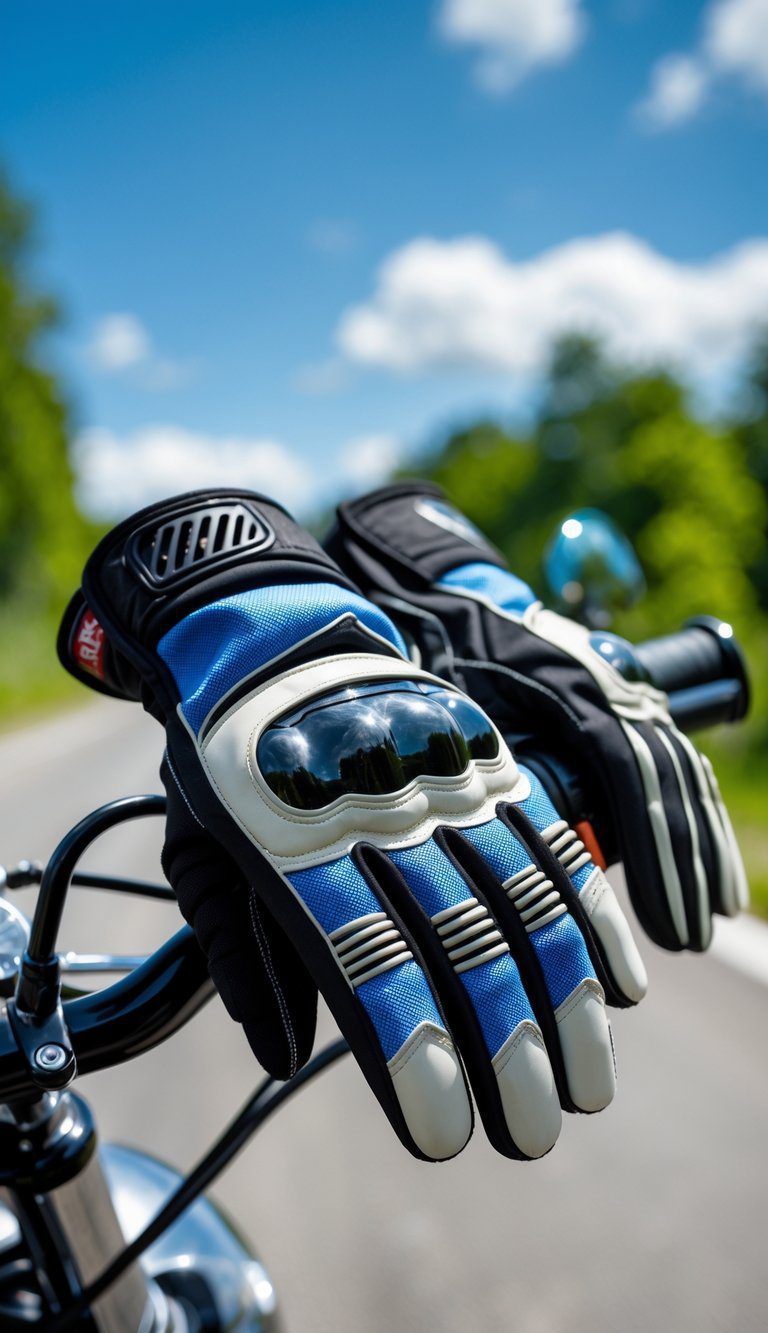
You need gloves that balance protection and airflow. CE-rated gloves meet safety standards for impact and abrasion, so they reduce injury risk without being bulky.
Look for gloves with mesh panels or venting that let air flow over your skin. Thin leather or textile reinforcements can protect knuckles and palms while keeping heat down.
Choose a fit that lets you move your fingers and operate controls easily. If gloves are too tight, they trap sweat; too loose, they shift in a crash.
PRO TIP
Try gloves on with your usual riding jacket cuff to check overlap. Also test touchscreen function if you rely on phone or GPS.
3) Ventilated full-face helmet
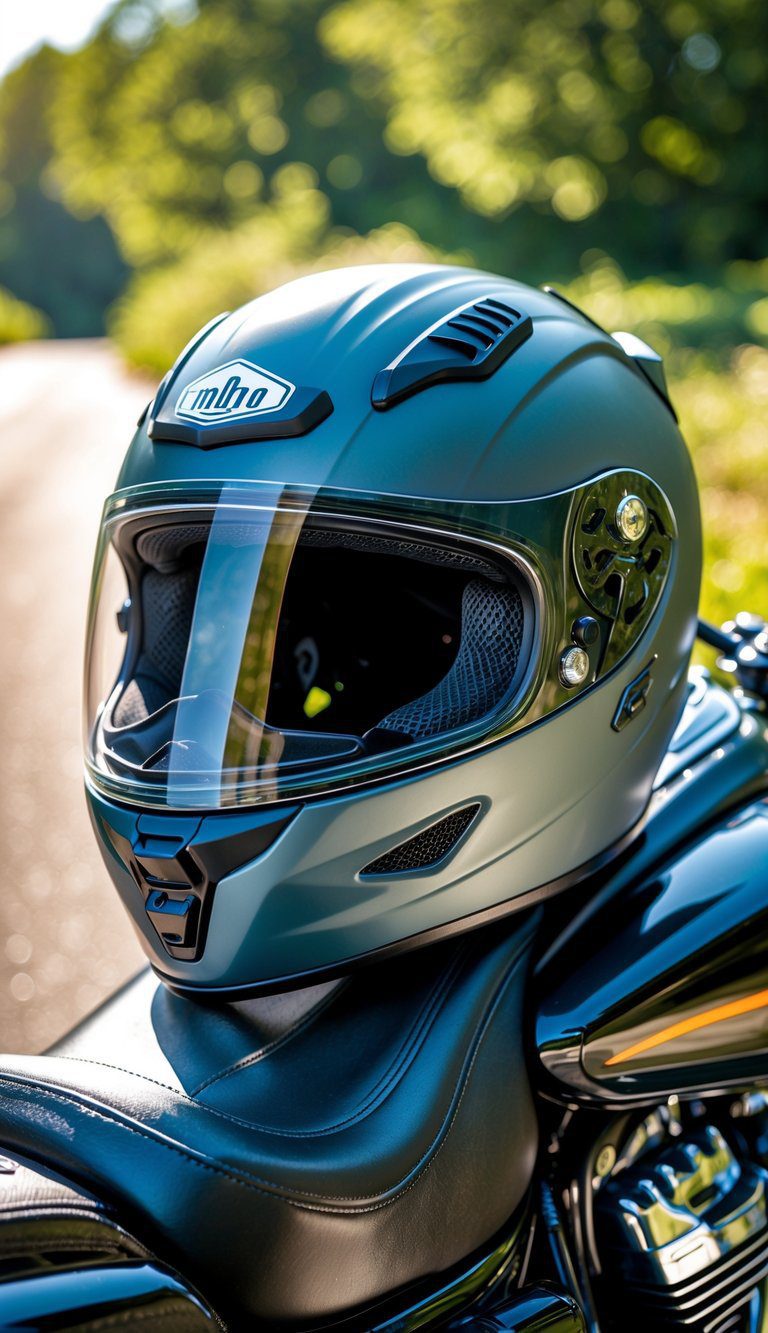
A ventilated full-face helmet keeps you protected while letting air flow where you need it. You get full coverage for your head and face, plus channels and vents that move heat away during long summer rides.
Look for adjustable intake and exhaust vents so you can tune airflow as conditions change. A good liner that wicks moisture and is removable for washing helps you stay fresh after hot days.
Make sure the helmet fits snugly without pressure points. Proper fit, combined with strong ventilation, reduces fogging and keeps you more comfortable and focused on the road.
PRO TIP
Open the top vents when cruising and close them in rain. Clean the vents regularly to keep airflow at its best.
4) Mesh riding pants with armor
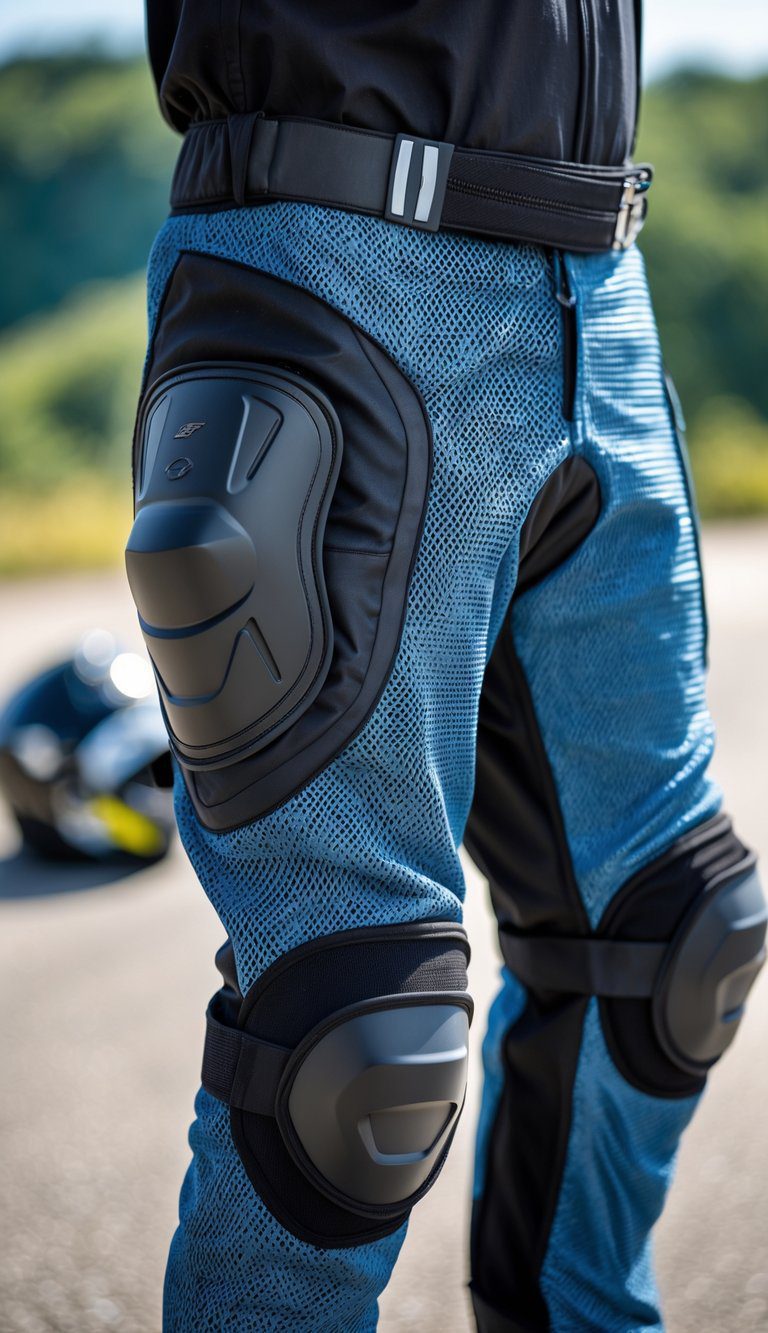
Mesh riding pants let you stay cool without giving up safety. They use large ventilation panels that move air across your legs, which makes hot rides much more comfortable. Look for pants with breathable liners so sweat dries faster.
Armor in the knees and hips protects you in a fall. Removable armor lets you swap or upgrade pieces and wash the pants easily. Check for CE ratings and good armor coverage, especially at impact points.
Make sure the fit works with your riding style and body shape. Waist adjusters, zippered cuffs, and boot-friendly openings help with comfort and road feel. Pack them when you expect long, hot days on the road.
PRO TIP
Bring lightweight, foldable rain pants that fit over mesh trousers. They keep you dry without adding much bulk, and you can stash them in a tank bag or tail pack.
5) Cooling neck gaiter with UPF protection
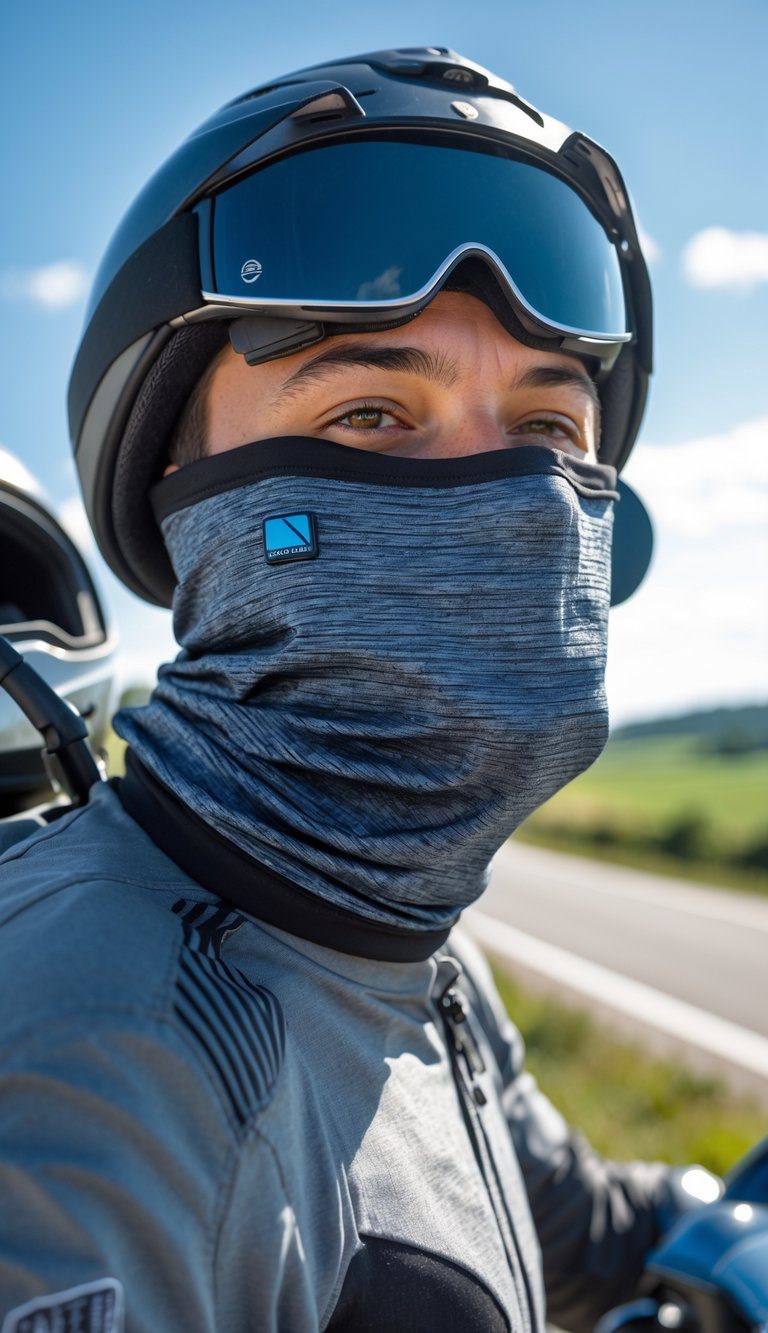
A cooling neck gaiter keeps your neck and lower face shaded from sun and wind. You can wet it briefly for an immediate cooling effect that helps on hot, long rides.
Pick a gaiter with UPF protection to block harmful rays while still letting your skin breathe. Look for light, stretchy fabric that wicks sweat so it dries fast and won’t cling uncomfortably under a helmet.
Wear it several ways: as a neck cover, face mask, or headband when you need quick sun protection. It packs flat, so you can stash it in a pocket or tank bag for easy access.
PRO TIP
Carry two gaiters on long trips — one dry and one damp — so you always have a cooling option without waiting for something to dry.
6) Hydration bladder
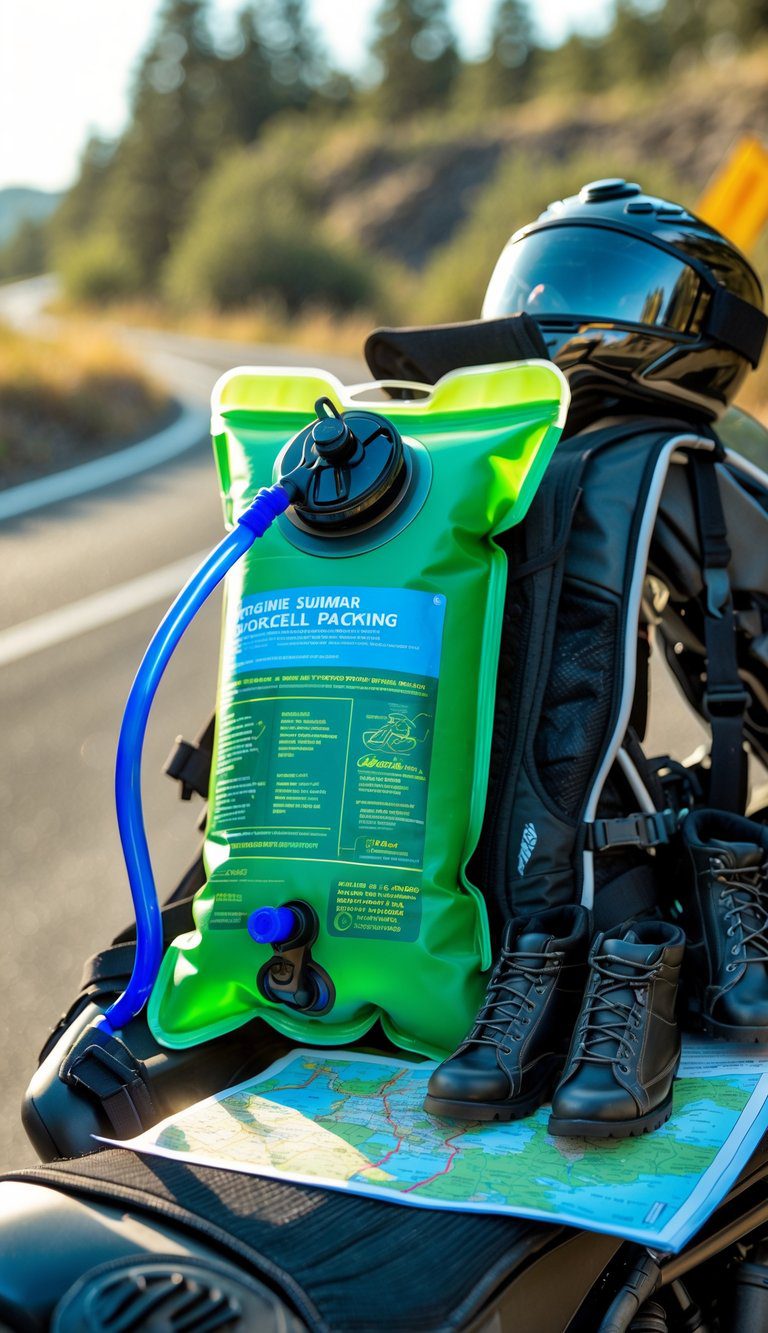
A hydration bladder keeps water within easy reach so you can sip without stopping. Mount it in a tank bag or a low-profile backpack to move weight off your back and keep balance steady.
Run the tube up under your jacket so it won’t flap in the wind. Use a 90-degree bite valve or a short angled tip so you can drink comfortably with your helmet on.
Clean and dry the bladder after each ride to avoid mold and odors. Carry an extra tube clamp or a small repair kit in case the valve or hose leaks on the road.
PRO TIP
Fill the bladder with cool water, not ice, to avoid condensation and sloshing.
7) Compact tire repair kit with CO2 inflator
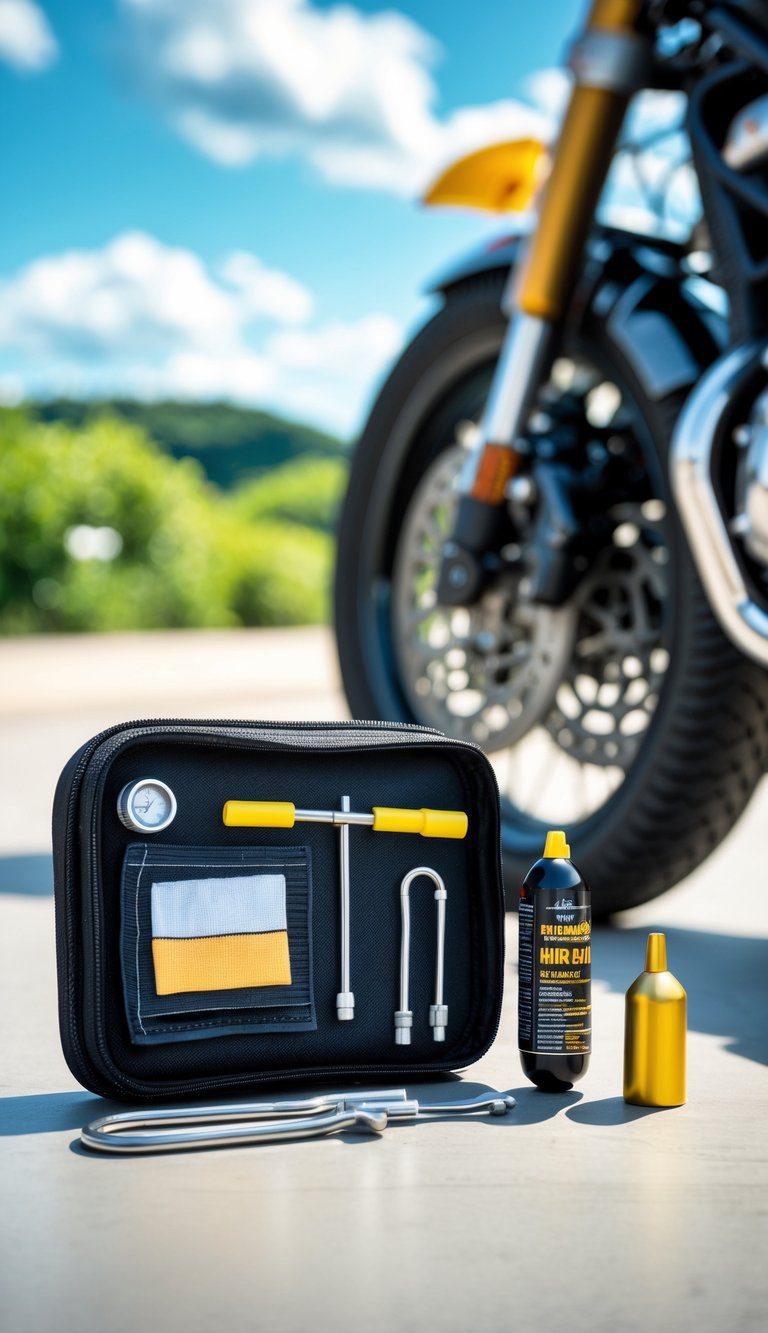
You should pack a small tire repair kit that fits under the seat or in a saddlebag. It saves space and helps you fix most tubeless punctures on the road.
Look for a kit with plugs, an insertion tool, a reamer, and a simple CO2 inflator head. The CO2 lets you refill the tire quickly so you can get back to riding without dragging a heavy pump.
Carry a few threaded CO2 cartridges and a tiny wrench or adapter that matches your valve. Practice using the kit at home so you can work calmly if a flat happens far from help.
PRO TIP
Store cartridges in a protective case to prevent accidental discharge and to keep them dry.
8) Battery-powered tire pressure gauge
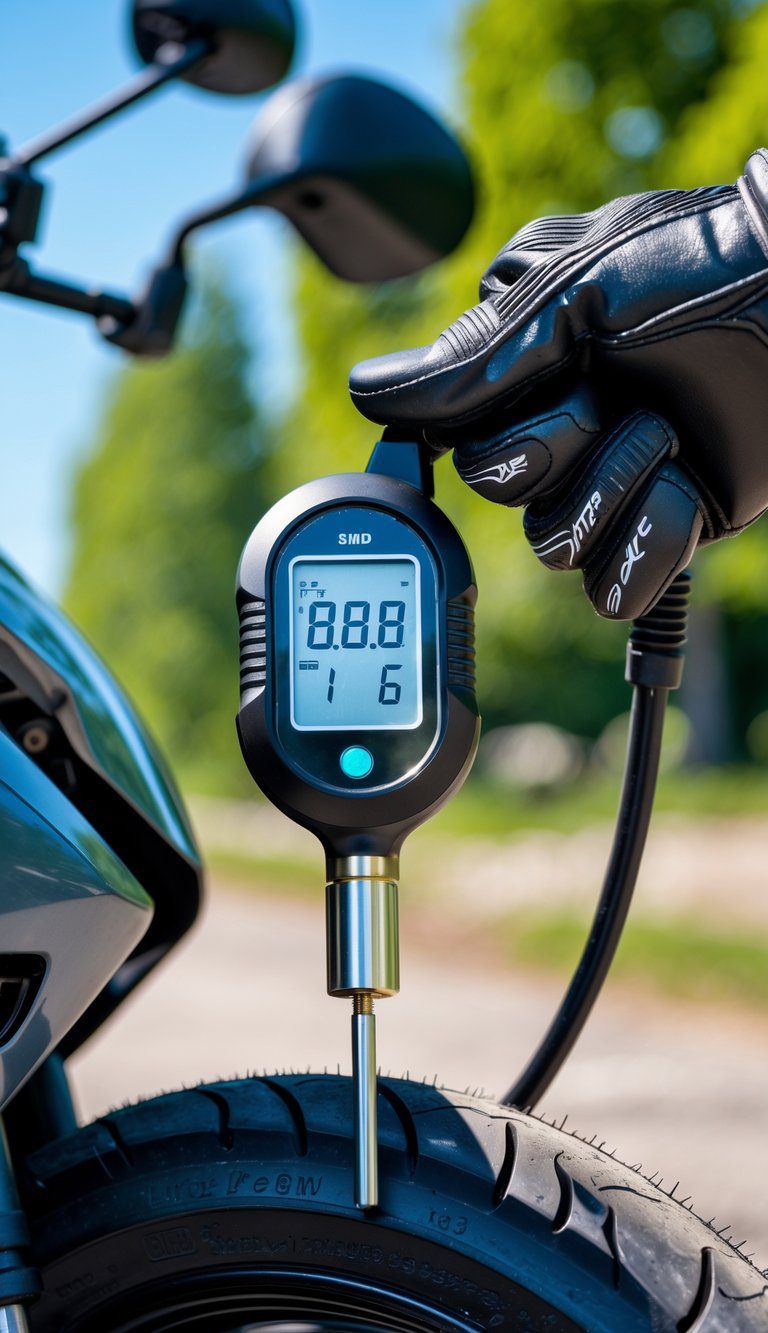
A battery-powered tire pressure gauge saves time and hassle on the road. You can check pressure quickly at stops, which helps keep handling and fuel use steady.
These gauges are compact and fit in a saddlebag or tool roll. They give fast digital readouts and often have a backlight so you can use them at night.
Carry extra batteries or a small recharger so the gauge works when you need it. Learn the correct PSI for your bike and check both tires before long rides.
PRO TIP
Check pressure when tires are cold for the most accurate reading. Keep the gauge in the same pocket so it’s easy to find during trips.
9) Lightweight packable rain suit
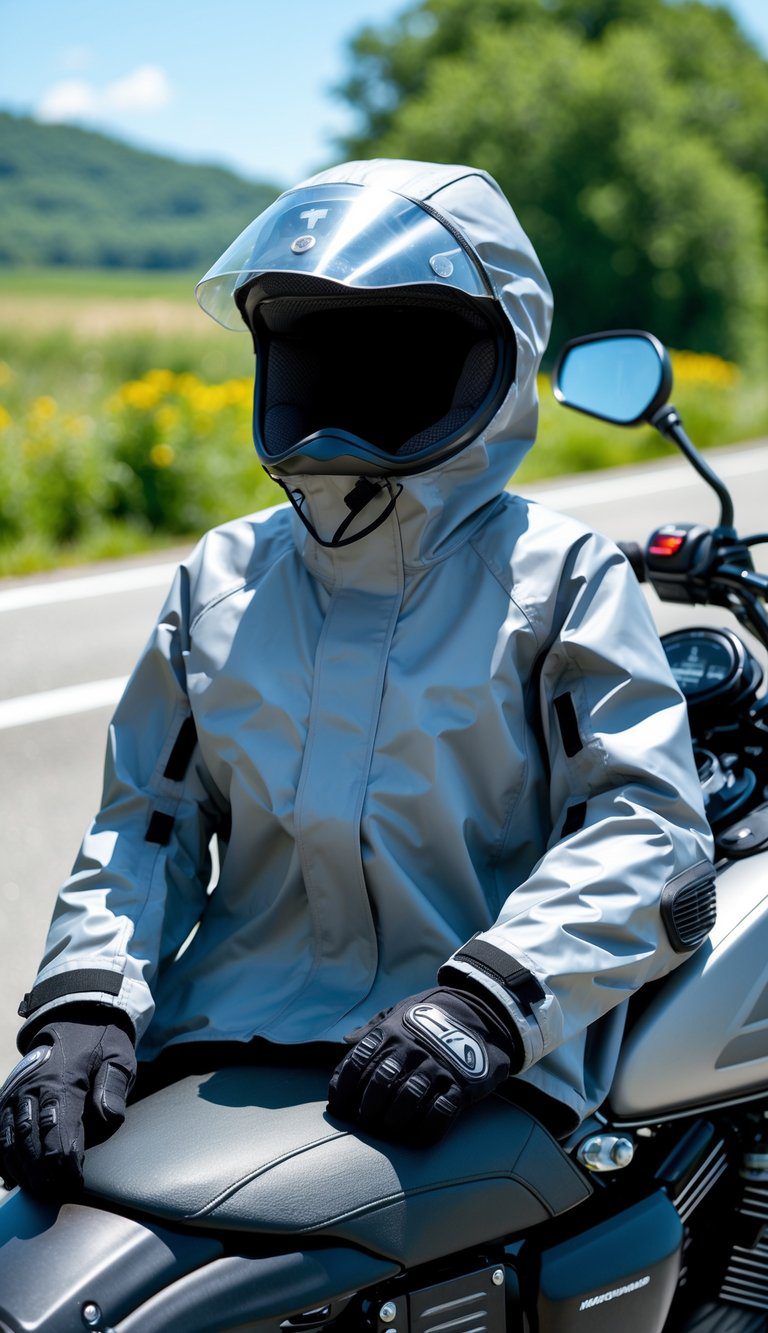
A lightweight packable rain suit saves space and keeps you dry when summer storms pop up. You can toss it into a tank bag or tail pack and forget about it until you need it.
Look for taped seams, waterproof zippers, and elastic cuffs to keep water out. Breathable fabric helps prevent sweat buildup on warm rides.
Choose a two-piece for easy on/off; a one-piece gives marginally better seal but is bulkier to pack. Bright colors or reflective strips boost visibility in low light.
PRO TIP
Store the suit in an outer pocket so you can reach it without unpacking everything. Check seams and zippers before a long trip.
10) Saddlebag organizer cubes
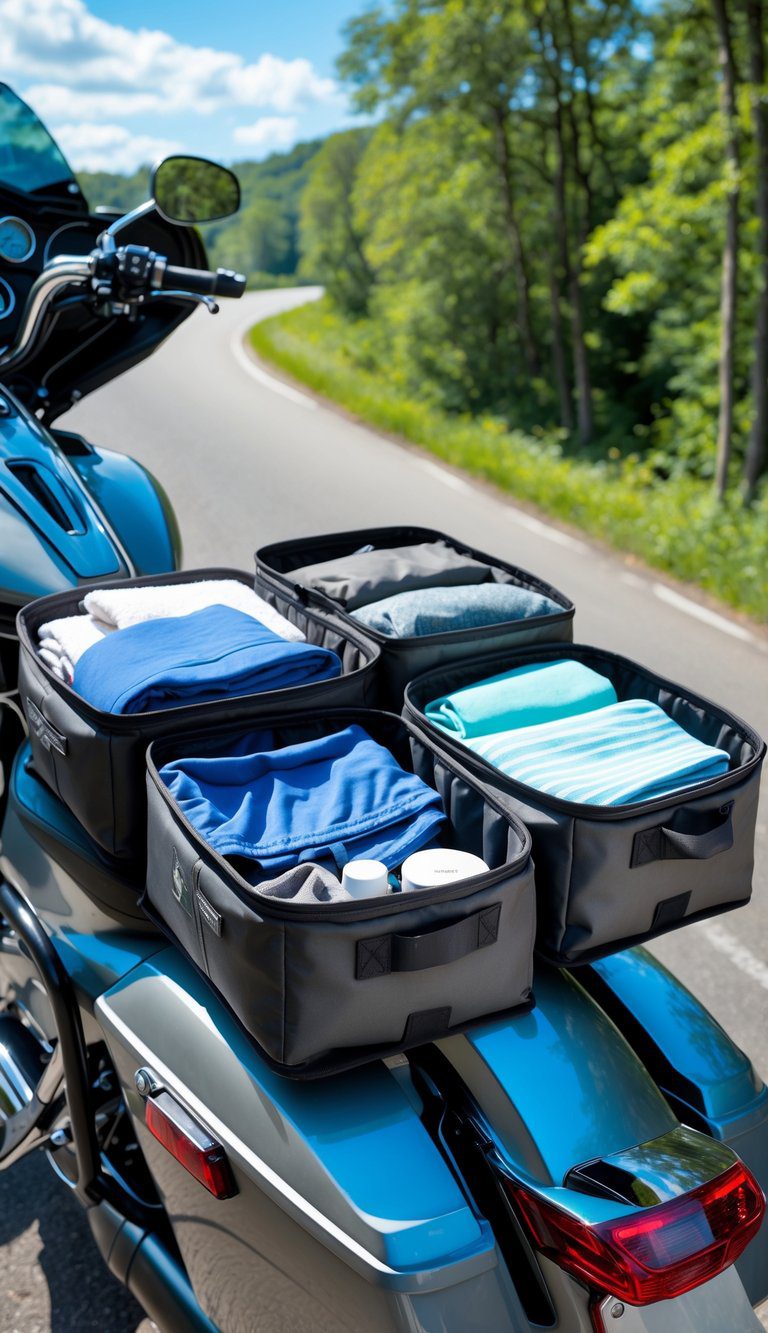
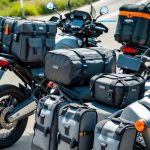
Saddlebag organizer cubes help you keep gear tidy and easy to find. You can sort clothes, tools, and electronics into separate cubes so you don’t dig through a single messy bag.
Compression cubes shrink bulky items like shirts and towels, freeing up space for essentials. Soft-sided cubes also protect fragile items from rattles and bumps while you ride.
Choose a mix of sizes to fit different compartments and use clear or labeled cubes to spot things fast. Lightweight, water-resistant fabric works best for unpredictable summer weather.
PRO TIP
Pack frequently used items in the top or an easy-access cube so you can grab them without unloading everything.
11) Portable USB battery pack
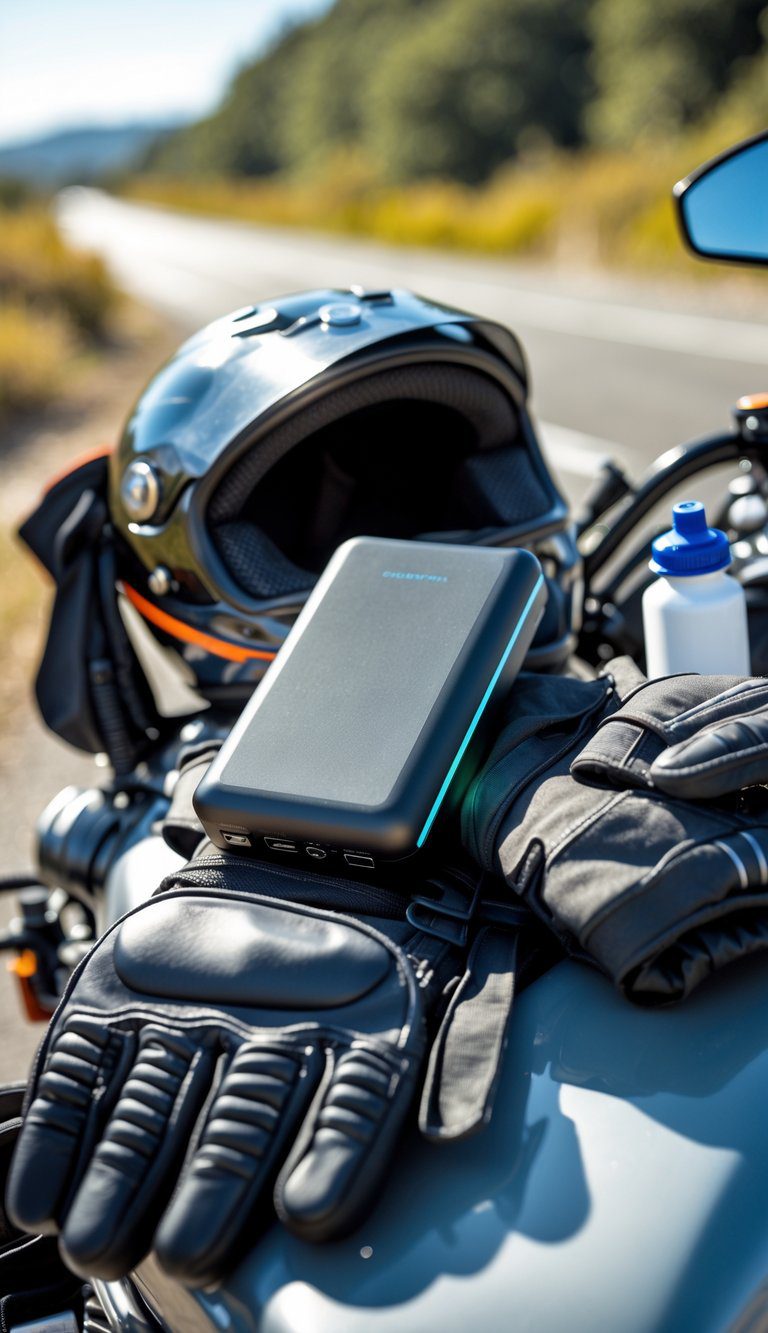
A small USB battery pack keeps your phone, GPS, and camera charged on long rides. Choose one with enough capacity to recharge your phone several times and a USB-C port for faster charging.
Keep the pack in an easy-to-reach pocket or tank bag so you can top up between stops. You can also use it to power heated gear on cool mornings, but check the power draw first.
Bring a cable bundle with different connectors and a compact wall charger for overnight charging. Label your cables so you don’t fumble when tired.
PRO TIP
Pick a pack with pass-through charging so you can charge devices while the pack itself charges.
12) SPF 50+ lip balm
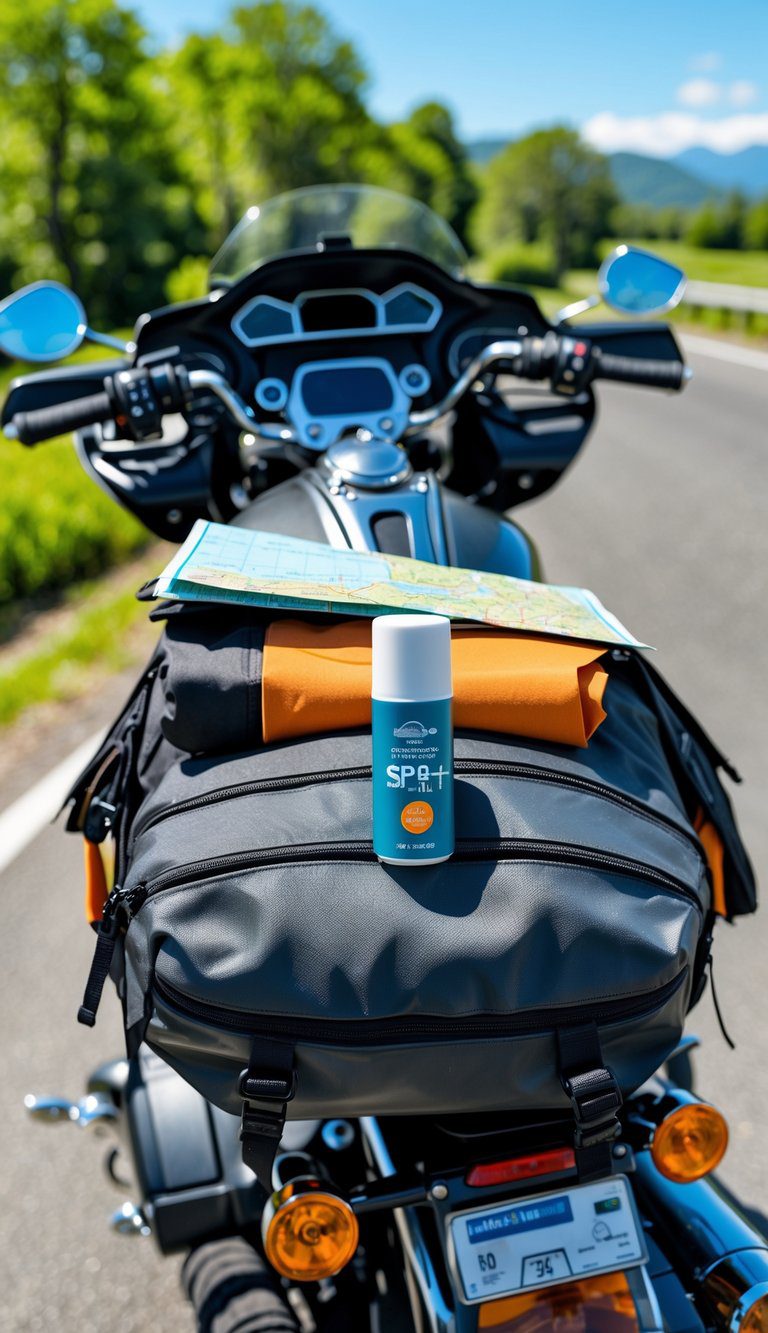
Your lips get strong sun too, so pack an SPF 50+ lip balm for every ride. It protects the thin skin on your lips from UV rays and helps prevent sunburn and chapping while you ride long stretches.
Choose a water-resistant formula so it stays on during sweat and wind. Reapply often, especially after eating, drinking, or wiping your mouth.
Keep the balm in a pocket you can reach with gloves off. A small tube or stick fits easily in jacket or tank bag pockets and won’t take much space.
PRO TIP
Store a spare in your tank bag or wallet so you never run out mid-trip. Replace annually or after heavy use.
13) Earplugs for wind noise
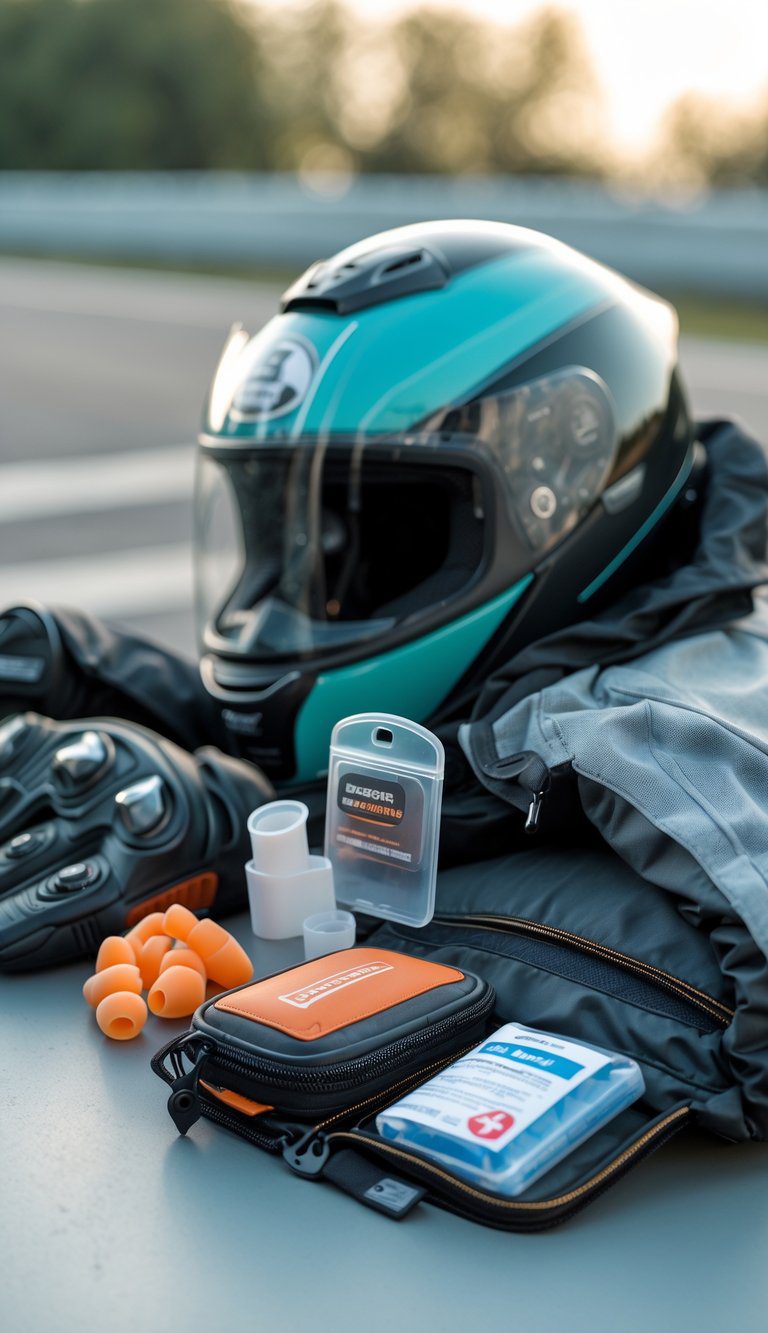
Long rides expose your ears to constant wind and engine noise that can cause hearing damage over time. Use earplugs to cut the highest, most harmful frequencies while keeping important sounds like horns and voices audible.
Choose between foam plugs and filtered silicone options. Foam gives stronger noise reduction if you need quiet, while filtered plugs lower loud wind roar but let you hear traffic and intercoms.
Keep a clean spare set in your kit and replace foam plugs after heavy use. Test them before you ride to make sure they fit and don’t block critical sounds.
PRO TIP
Try different types on a short trip to find the balance between protection and situational awareness.