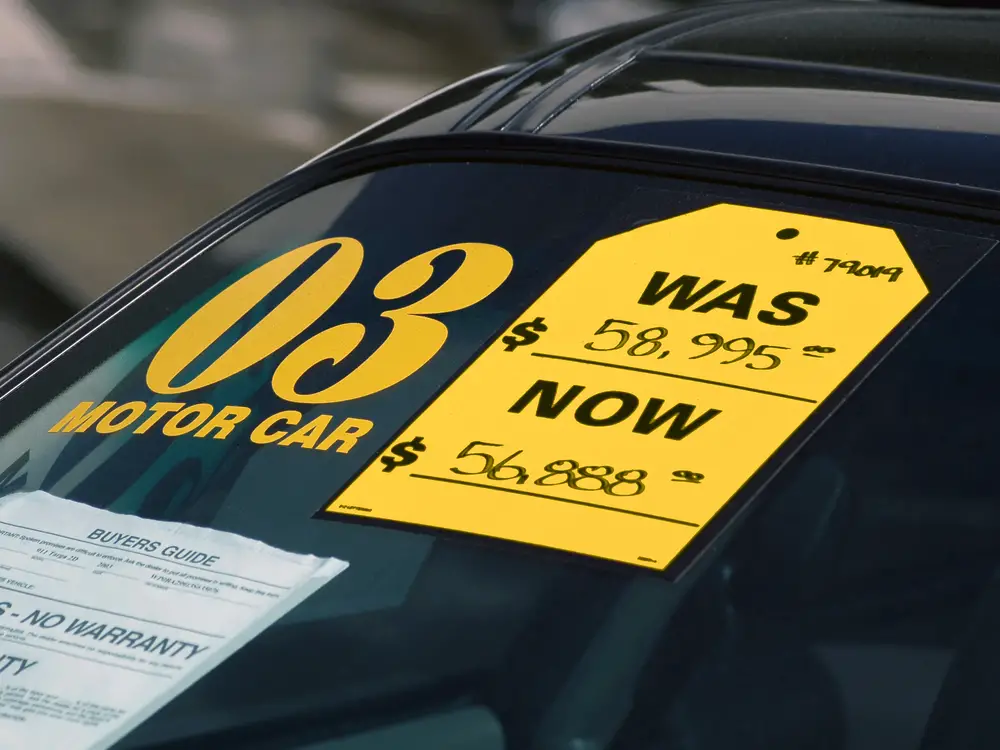
Finding an accurate KBB classic car value can be surprisingly challenging for collectors and enthusiasts. While Kelley Blue Book (KBB) remains the gold standard for modern vehicle valuations, many classic car owners discover that KBB’s resources have significant limitations when it comes to vintage automobiles. This comprehensive guide explains everything you need to know about using KBB for classic cars, alternative valuation methods, and how to determine the true market value of your collectible vehicle in 2026.
Does Kelley Blue Book Value Classic Cars?
The short answer: No, not anymore.
According to KBB’s official FAQ page, “Kelley Blue Book currently offers values for 21 years of cars and trucks – plus motorcycles and ATVs – on the internet. Unfortunately, values for older and collector cars are not available on KBB.com at this time.”
This means that if your vehicle was manufactured before 2005 (as of 2026), you won’t find pricing data on the KBB website. This represents a significant gap for classic car enthusiasts seeking reliable valuation information.
What Happened to the Kelley Early Model Guide?
Historically, KBB published the Kelley Blue Book Early Model Guide, a specialized resource that listed classic cars manufactured from 1946 through 1986. This printed guide provided suggested retail prices for vintage vehicles under various conditions and was considered a valuable tool for classic car transactions.
However, KBB discontinued all printed editions in 2017, including the Early Model Guide. For over 90 years, Kelley Blue Book published used car guides, but the company made the strategic decision to focus exclusively on modern vehicles and online resources.
Why did KBB stop valuing classic cars?
Several factors contributed to this decision:
- Limited transaction data: Classic car sales are relatively rare compared to modern vehicle transactions
- High variability: Each classic car is unique, making standardized valuations difficult
- Specialized market: The collector car market requires expertise beyond standard automotive pricing
- Resource allocation: KBB focuses on the mass market where transaction volume is highest
Understanding Classic Car Valuation: Why It’s Different
Valuing a classic car differs fundamentally from appraising a modern vehicle. While newer cars depreciate predictably based on age, mileage, and condition, classic cars operate in a completely different market ecosystem.
Key Factors Affecting Classic Car Values
1. Rarity and Production Numbers
Limited-production models and special editions tend to command premium prices. A car that had only 500 units produced will typically be worth more than one with 50,000 units, assuming similar condition.
2. Condition Rating
The classic car industry uses a standardized condition scale (typically 1-6, with #1 being concours/show quality):
- #1 Condition (Concours): Perfect in every detail, often worth 100%+ premium
- #2 Condition (Excellent): Extremely well-maintained with minimal wear
- #3 Condition (Good): Clean, runs well, presentable without major flaws
- #4 Condition (Fair): Daily driver quality with visible wear
- #5 Condition (Poor): Needs restoration but complete
- #6 Condition (Parts car): Incomplete or severely deteriorated
3. Originality vs. Restoration
Matching numbers (original engine, transmission, and body), factory paint colors, and original components significantly impact value. A well-documented, numbers-matching classic can be worth 30-50% more than a modified example.
4. Provenance and Documentation
Complete service records, ownership history, factory build sheets, and celebrity ownership can dramatically increase value. A car with documented history is always worth more than one without papers.
5. Market Demand and Trends
Classic car values fluctuate based on generational buying patterns, pop culture influences, and collector preferences. According to Hagerty’s 2026 market analysis, the classic car market saw a 10% increase in auction and online sales in 2025, reaching $4.8 billion.
6. Historical Significance
Racing history, appearance in films or television, or connection to significant historical events can multiply a vehicle’s value several times over.
Best Alternatives to KBB for Classic Car Values
Since KBB doesn’t provide classic car valuations, collectors rely on specialized resources designed specifically for the vintage automobile market.
1. Hagerty Valuation Tools – The Industry Leader
Hagerty has become the premier resource for classic car values, offering:
- 40,000+ vehicle valuations from the pre-war era to modern classics
- 15+ years of pricing history showing value trends over time
- Four condition grades with specific pricing for each
- Real-world sales data from auctions, private sales, and dealerships
- Interactive tools including watchlists and price alerts
- Free basic access with enhanced features for Hagerty Drivers Club members
Hagerty employs a team of market analysts who physically inspect thousands of vehicles annually, capturing details on equipment, provenance, mileage, and condition. This hands-on approach provides more nuanced valuations than algorithmic methods.
2. NADA Guides – Classic & Collectible Car Values
The National Automobile Dealers Association (NADA) offers comprehensive classic car valuations with:
- Three value tiers: Low Retail, Average Retail, and High Retail
- Dealer-focused data including wholesale prices
- Quarterly updates ensuring current market reflection
- Extensive coverage of classics, exotics, and collectibles
NADA vs. KBB Comparison: While both are respected names, NADA continues serving the classic car market that KBB abandoned. NADA values tend to run slightly higher than other sources because they assume vehicles are in good condition.
3. Classic.com – Auction Sales Database
Classic.com launched in 2019 and quickly became essential for serious collectors:
- Free access to comprehensive auction data
- 5+ years of sales results from major auction houses
- Market trend analysis showing appreciation/depreciation patterns
- Comparable sales (comps) for specific makes and models
- Real-world transaction prices rather than estimated values
This resource excels at showing what collectors are actually paying, not just theoretical values.
4. Hemmings Motor News Price Guide
The Hemmings Price Guide bases valuations on actual listings on their marketplace:
- 3-year pricing trends from the largest classic car marketplace
- Real asking prices from sellers nationwide
- Model-specific data for virtually every classic American car
- Free access for basic information
Hemmings data reflects seller expectations rather than final sale prices, so values may run slightly optimistic.
5. CPI Black Book – Cars of Particular Interest
CPI Black Book focuses specifically on collector vehicles dating back to 1946:
- Precision data for businesses and lenders
- Widely used by financial institutions for loan decisions
- Professional-grade information (not consumer-facing)
- Comprehensive coverage of significant collectible models
6. Professional Appraisers
For high-value classics, insurance claims, estate planning, or legal matters, a certified classic car appraiser provides:
- In-person inspection of your specific vehicle
- Detailed condition assessment with photographic documentation
- Legally recognized valuation for insurance and tax purposes
- Expert market knowledge for rare or unusual vehicles
Organizations like the American Society of Appraisers and International Automotive Appraisers Association certify qualified professionals.
How to Determine Your Classic Car’s Value: Step-by-Step Process
Step 1: Gather Vehicle Information
Compile complete details about your classic:
- Year, make, model, and trim level
- VIN (Vehicle Identification Number)
- Engine specifications and transmission type
- Factory options and special equipment
- Production numbers for your specific model
- Current mileage/kilometerage
- Complete ownership history
- All service and restoration records
Step 2: Assess Condition Honestly
Be realistic about your vehicle’s condition. Consider:
- Exterior: Paint quality, panel fit, chrome condition, glass integrity
- Interior: Upholstery condition, dash condition, carpet wear, originality
- Mechanical: Engine performance, transmission operation, brake condition, suspension
- Undercarriage: Frame condition, rust, previous repairs, originality
- Documentation: Build sheet, owner’s manual, service records, restoration receipts
Use Hagerty’s condition rating guide as a reference to determine which category (#1-6) best describes your car.
Step 3: Research Multiple Valuation Sources
Never rely on a single source. Check:
- Hagerty Valuation Tools for your specific year/make/model
- NADA Classic Car Values for retail pricing ranges
- Classic.com for recent auction results
- Hemmings listings for similar cars currently for sale
- eBay completed listings for real-world transaction prices
Record the range of values you find, noting which condition rating each source assumes.
Step 4: Analyze Current Market Trends
Research whether your specific model is appreciating, stable, or declining in value:
- Check Hagerty’s annual “Bull Market List” for models expected to increase
- Review auction trend reports from major houses (RM Sotheby’s, Gooding & Company, Mecum)
- Join model-specific clubs and forums to gauge collector interest
- Consider generational buying patterns (which age groups collect your model?)
Step 5: Adjust for Your Specific Vehicle
Apply adjustments based on unique factors:
- Add value for: Matching numbers, documented history, celebrity ownership, racing provenance, rare options, recent professional restoration
- Subtract value for: Non-original components, undisclosed damage history, rust, mechanical issues, poor restoration quality, missing documentation
Step 6: Determine Your Value Range
Based on your research, establish a realistic value range:
- Low estimate: Conservative value assuming slightly lower condition
- Mid-range value: Most likely value based on average of sources
- High estimate: Optimistic value for exceptional examples
This range helps whether you’re buying, selling, insuring, or just understanding your car’s worth.
Classic Car Market Trends in 2026
The classic car market remains robust entering 2026, with several notable trends:
Market Performance
According to Hagerty’s CEO McKeel Hagerty, the classic car market showed strong performance in 2025:
- Auctions and online sales increased 10% to reach $4.8 billion
- Average transaction values rose approximately 8% year-over-year
- Collector optimism remains high heading into 2026
- Supply constraints continue supporting strong values for desirable models
Vehicles Gaining Value
Hagerty’s 2026 Bull Market List highlights vehicles positioned to appreciate:
- 1990s Japanese sports cars (Supra, RX-7, NSX, 300ZX)
- Air-cooled Porsche 911s (particularly 964 and 993 generations)
- Modern classics (2000s performance cars entering collectible status)
- American muscle cars from the late 1960s (continuing strong performance)
- European sports cars from the 1950s-1970s with racing heritage
Demographic Shifts
The collector car market is evolving:
- Younger collectors (Gen X and Millennials) are entering the market with different preferences
- Digital natives prefer online research and transactions
- Investment mindset is more prevalent among newer collectors
- Values are stabilizing for some baby boomer favorites while rising for Gen X icons
Common Mistakes When Valuing Classic Cars
Mistake #1: Confusing Asking Prices with Market Values
Seeing a similar car listed at $50,000 doesn’t mean it will sell for that amount. Check sold prices, not just listings.
Mistake #2: Overestimating Condition
Most owners rate their cars 1-2 condition grades higher than reality. Be honest or get an independent assessment.
Mistake #3: Ignoring Regional Variations
Classic car values vary by location. Convertibles command premiums in warm climates, while rust-free examples are worth more in the Rust Belt.
Mistake #4: Assuming All Restorations Add Value
Poor-quality restorations can actually decrease value. Only professional, documented restorations by reputable shops increase worth proportionately.
Mistake #5: Relying on Emotional Value
Your personal attachment doesn’t affect market value. Base valuations on objective market data, not sentimental factors.
Mistake #6: Using Outdated Pricing Information
The classic car market moves quickly. Values from 3-5 years ago may no longer apply. Always use current data.
Insuring Your Classic Car: Why Accurate Valuation Matters
Standard auto insurance policies typically use Actual Cash Value (ACV), which applies depreciation. This approach doesn’t work for appreciating classics.
Agreed Value vs. Stated Value Policies
Agreed Value Coverage (offered by specialists like Hagerty, Grundy, and American Collectors):
- You and the insurer agree on the car’s value upfront
- In a total loss, you receive the agreed amount (minus deductible)
- Requires professional appraisal or extensive documentation
- Higher premiums but guaranteed payout
Stated Value Coverage:
- You state the value, but insurer pays lesser of stated value or ACV
- Less expensive but offers no guarantee
- Not recommended for valuable classics
Getting an Insurance Appraisal
Most specialty insurers require or recommend professional appraisals for vehicles valued above $50,000-$100,000. The appraisal should include:
- Detailed condition assessment
- Multiple photographs
- Market value analysis
- Appraiser’s credentials and signature
- Date of appraisal (updated every 2-3 years)
Selling Your Classic Car: Maximizing Value
When you’re ready to sell, preparation and pricing strategy are crucial.
Presentation Matters
- Professional detailing: Spend $200-500 on expert cleaning
- Quality photography: Hire a professional automotive photographer
- Complete documentation: Organize all records in a presentation folder
- Minor repairs: Fix small issues that buyers will use to negotiate
Choosing the Right Sales Channel
Private Sale:
- Highest potential return
- Full control over process
- Time-intensive with tire-kickers
- Best for: Mid-range classics ($20,000-$100,000)
Auction:
- Access to motivated buyers
- Commission fees (10-15%)
- Public exposure
- Best for: High-end collectibles ($100,000+) or rare models
Dealer/Consignment:
- Convenience and speed
- Lower return (dealers need profit margin)
- Professional handling
- Best for: Quick sales or unique vehicles
Online Marketplaces (Bring a Trailer, Cars & Bids, Hemmings):
- Wide audience reach
- Competitive bidding
- Fees apply
- Best for: Well-documented, desirable models
Pricing Strategy
Based on your research:
- Set asking price 10-15% above your target: Allows negotiation room
- Be prepared to justify: Have documentation supporting your price
- Monitor market response: If no inquiries in 30 days, reassess pricing
- Consider timing: Spring and summer typically see higher prices
Buying a Classic Car: Using Valuation to Negotiate
Armed with accurate valuation data, you can negotiate effectively:
Pre-Purchase Research
- Check values across multiple sources
- Research model-specific common issues
- Join owner clubs for insider knowledge
- Budget 20-30% above purchase price for immediate needs
Inspection and Verification
- Hire a professional pre-purchase inspector ($300-800)
- Verify VIN matches title and body stampings
- Confirm matching numbers if claimed
- Check for accident history through Carfax or AutoCheck
Negotiation Tactics
- Use valuation data to support offers
- Point out condition issues requiring correction
- Request maintenance records and service history
- Consider transport costs in your budget
- Get seller to address safety issues pre-sale
Tax Implications of Classic Car Ownership
Classic cars can have unique tax considerations:
Capital Gains on Appreciation
If you sell a classic for profit, it may be subject to capital gains tax:
- Short-term gains (owned less than 1 year): Taxed as ordinary income
- Long-term gains (owned more than 1 year): Taxed at capital gains rates (0%, 15%, or 20%)
- Collectibles rate: IRS may classify cars as collectibles (28% maximum rate)
Consult a tax professional for specific guidance.
Business Use and Deductions
If you use your classic for business purposes (events, exhibitions, advertising), you may be able to deduct:
- Storage costs
- Insurance premiums
- Maintenance and repairs
- Transportation expenses
Proper documentation is essential for any deductions.
Conclusion: Beyond KBB for Classic Car Values
While Kelley Blue Book built its reputation as America’s trusted vehicle valuation source, the classic car market has evolved beyond KBB’s scope. The company’s decision to discontinue classic car coverage created space for specialized alternatives like Hagerty, NADA, and Classic.com to fill the gap with tools specifically designed for collector vehicles.
Key takeaways for valuing your classic car:
✓ KBB doesn’t value classics anymore – Use specialized alternatives instead
✓ Multiple sources provide better accuracy – Never rely on just one valuation
✓ Condition is paramount – Be honest about your vehicle’s true condition
✓ Documentation adds value – Maintain complete records
✓ Markets fluctuate – What’s hot today may cool tomorrow
✓ Professional appraisals matter – For significant transactions, get expert help
Whether you’re buying, selling, insuring, or simply curious about your classic’s worth, understanding the valuation process empowers you to make informed decisions. The classic car market in 2026 remains strong, with knowledgeable collectors using data-driven approaches to navigate this passionate hobby.
Remember: your classic car’s value is ultimately determined by what a willing buyer will pay a willing seller in an arm’s length transaction. All valuation tools provide estimates and guidelines, but the true market value emerges when your specific vehicle meets its next enthusiast owner.
Ready to value your classic car? Start with Hagerty’s free valuation tool, cross-reference with NADA guides, review recent auction results on Classic.com, and check current listings on Hemmings. Armed with this comprehensive data, you’ll have the confidence to navigate the classic car market successfully – even without KBB classic car values.